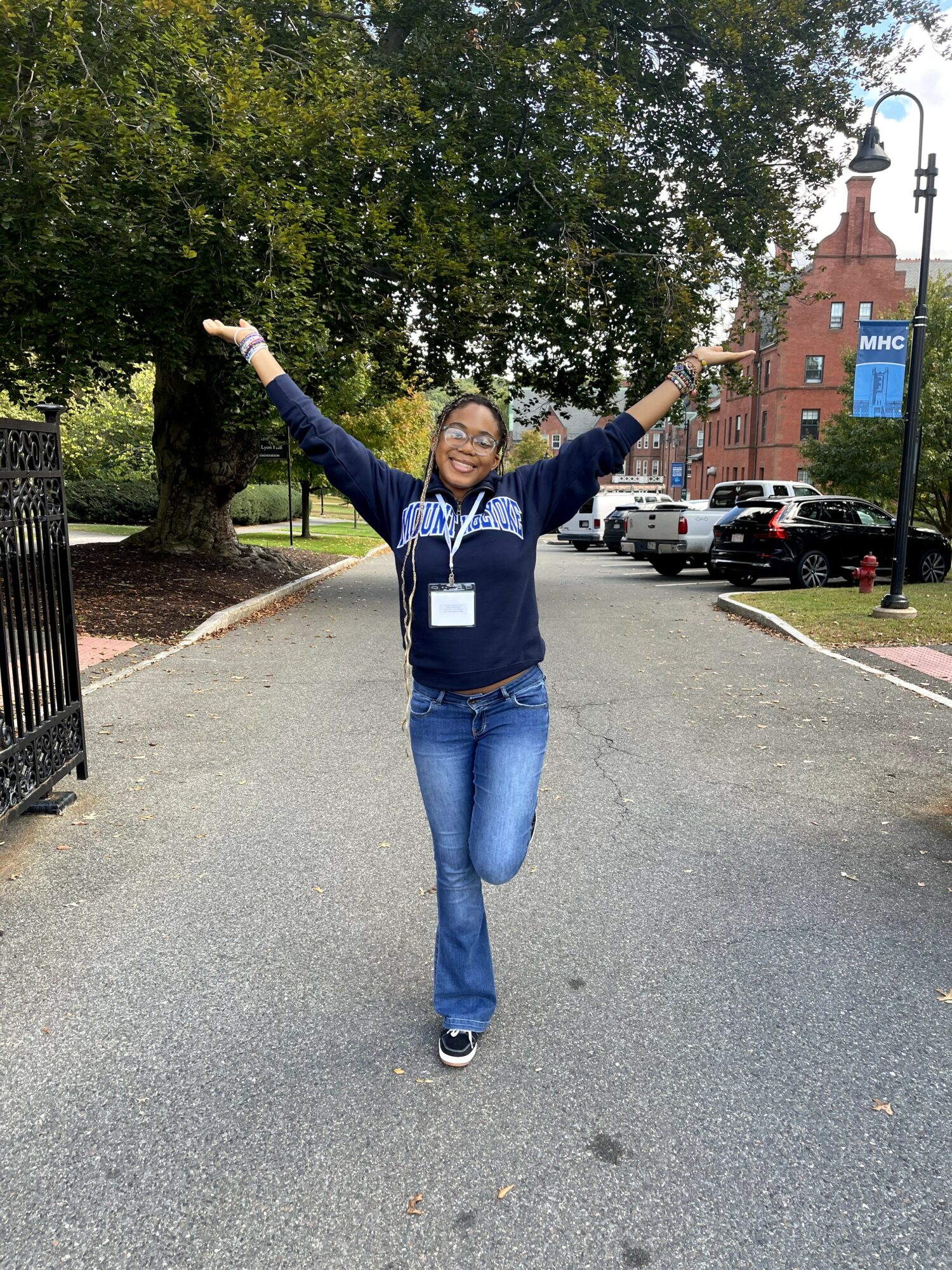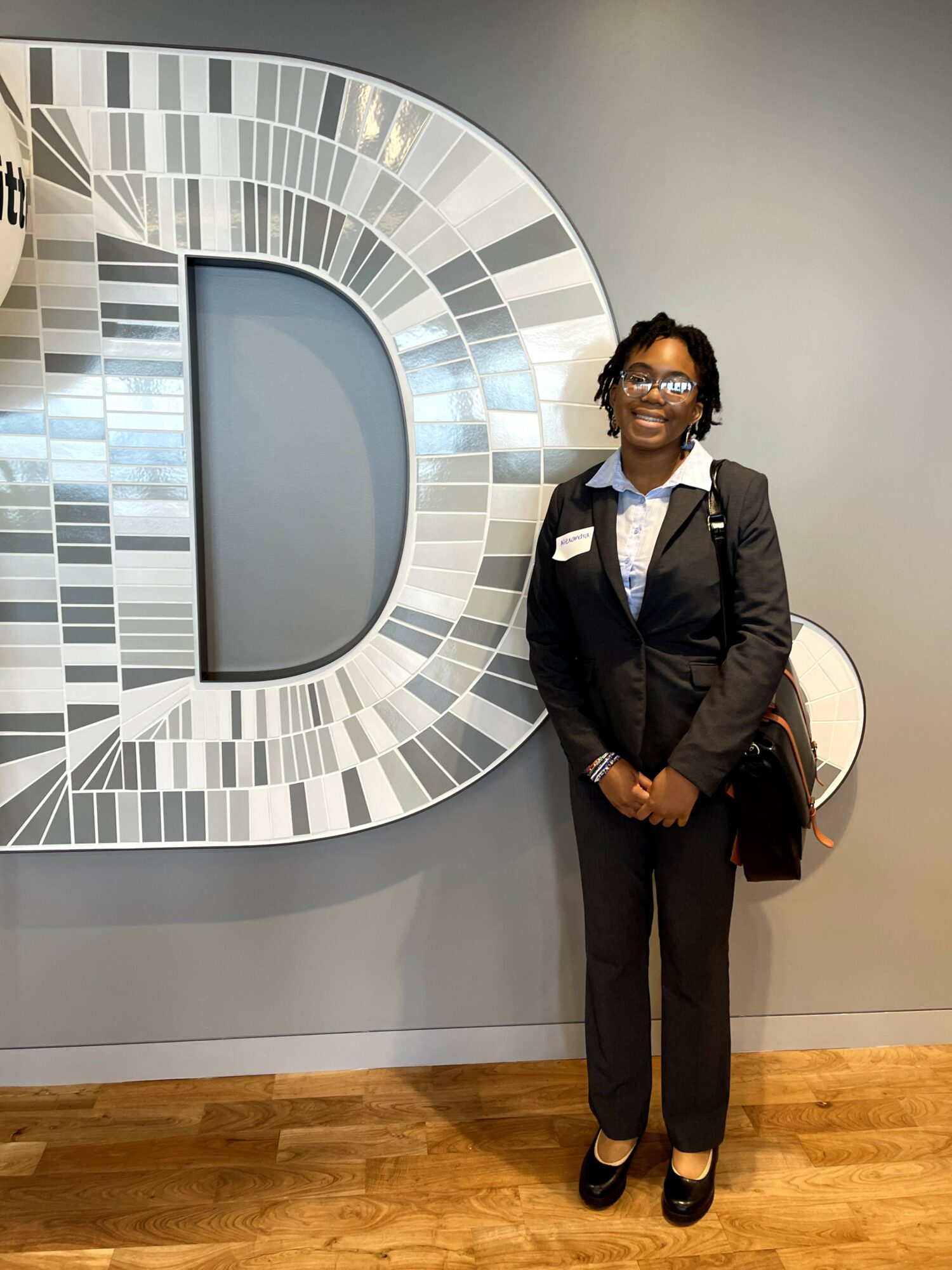





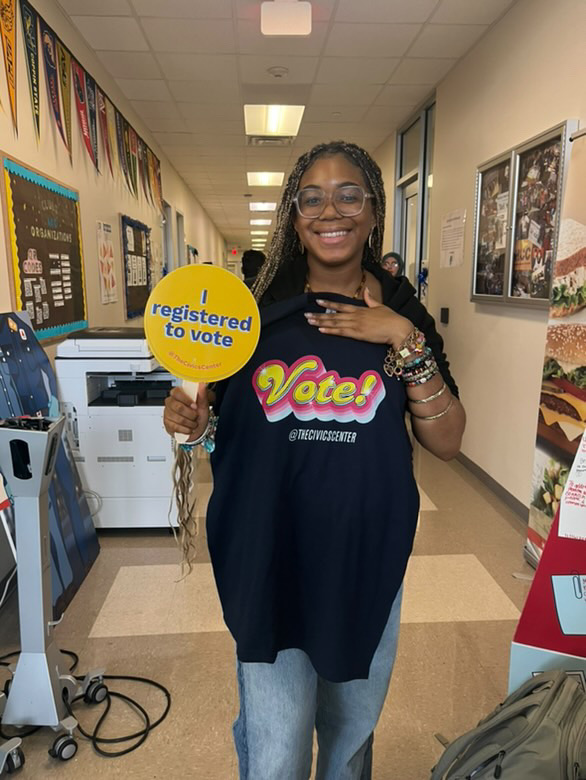
Today we’d like to introduce you to Alexandra Onwuli
Hi Alexandra, so excited to have you with us today. What can you tell us about your story?
My name is Alexandra Chidinma Onwuli, and I am a first-generation Nigerian-American. I was raised by my immigrant single mother, a woman with a deep love for comedy, entertainment, and writing. She once dreamed of becoming a screenwriter, a comedian, and a director, filling notebooks with ideas for books and jokes. But as a single mother juggling work and school, she wasn’t able to finish her college degree or fully pursue her creative passions.
Luckily for both of us, her love for storytelling transferred onto me. As a child, I spent my afternoons waiting for my mom to pick me up from my dad, passing the time by creating books of my own. I would fold sheets of white paper, staple them together, and fill them with stories and drawings. My mom often worked long hours in retail, so I attended daycare, then the afterschool CIA program when daycare became too expensive.
One of my fondest memories is from fourth grade when I published my first book through Alief’s CIA Program with a children’s publishing company. That experience was my first glimpse into the power of storytelling—and I’ve been writing ever since.
By the time I was 13, I wrote my first script, inspired by my best friend. It told the story of a Black girl who moves to a new area and is forced to navigate racism and colorism from her peers. Despite the struggles, she finds a sense of belonging through a group of friends who appreciate and love her for who she is. That script was more than just a story; it was a reflection of real experiences and a way to explore identity. Around the same time, I did my first research project on Womanism and Intersectional Feminism, and ever since, my work has centered on themes of advocating for marginalized communities and exploring the complexities of identity and justice.
That’s when I decided to join AliefVotes. I’d heard about the organization but it was still relatively new, and I didn’t know much about it. I decided to apply and was initially rejected from the fellowship program, but to my surprise, I became an Ambassador for the organization, representing them at council meetings and volunteering on various projects like tree plantings, food giveaways, and community resource events. AliefVotes didn’t just fill a gap for me; it gave me the tools I needed to take real action. Instead of just feeling frustrated about the world, I was finally empowered to do something about it, and I was helping to create positive change in my community.
When I first joined, I was eager to contribute to the organization’s mission of youth civic engagement. Initially, I wasn’t sure exactly how I could make an impact, but I quickly realized that communication played a pivotal role in getting people involved. Alief is often seen as a community with limited resources, but I knew that was far from the whole story. Our community is full of untapped potential, and with the right communication strategies, we could amplify the voices of those who care about making positive change. That’s when I decided to step up and joined the Communications Team and worked my way up to Director of Communications.
In this role, I oversee community outreach, manage social media, and strive to make civic engagement more accessible. One of my proudest accomplishments has been organizing the Arts and Essay Contest, which celebrated the love for the Alief community. We received submissions from students across different schools, and it was incredible to see their work come to life. What really stuck with me was the power of providing young people with a platform to express themselves—an opportunity to amplify their voices in a meaningful way.
My passion for communications and journalism has always driven me to document and share stories, especially those that matter. As Editor-in-Chief of my school’s yearbook and in roles such as social media manager for yearbook and historian for Mock Trial, I’ve found purpose in sharing narratives that matter. Today’s media landscape often frustrates me with the decline of authentic journalism, and I believe it’s essential to preserve and amplify true storytelling. Documentaries and real-world stories have always captivated me, and I strive to tell stories that foster change.
That’s why I’m so passionate about my work with AliefVotes. Communication isn’t just about getting information out; it’s about reaching people on multiple levels and ensuring they are informed and empowered to take action. I’ve seen firsthand how critical it is to bridge the gap between people’s ideas and the resources they need to turn those ideas into reality. In Alief, many people have the desire to improve their community but don’t know where to start. It’s essential to break down those barriers and provide accessible channels for them to get involved. By improving outreach strategies, whether through social media, community events, or educational resources, we can help everyone feel equipped to contribute to the change they want to see.
Ultimately, I believe in the power of communication to connect people with the resources they need to make a difference. That’s the driving force behind everything I do, from organizing contests to managing outreach, and I’m excited to continue fostering a stronger, more informed, and more engaged Alief community.
Alongside my work with AliefVotes, I’ve taken on side quests with several organizations, including BLK Capital Management, DemocraShe, and Voters of Tomorrow. These experiences have deepened my passion for being a lifelong learner and stayed educated about the world around me. Working with these groups has given me a deeper understanding of advocacy and the systemic structures that shape our world. Every project I’ve worked on reinforces my belief that real change happens when we all come together to amplify voices and support one another.
My dedication to journalism and storytelling has been recognized through honors like the Randy Vonderheid Memorial Fall Fiesta Journalism Scholarship, awarded by the Texas Association of Journalism Educators (TAJE), and an Honorable Mention in the Scholastic Art & Writing Awards for my short story. Additionally, I was selected as a Disney Dreamers Academy Scholar for the Class of 2025, an immersive program that nurtures young leaders interested in media, entertainment, and storytelling. My experiences have strengthened my belief in journalism as a powerful tool for change, especially when it comes to sharing stories from communities that are often overlooked. I’m committed to making sure those voices are heard and told with honesty and purpose.
In addition to my work in civic engagement and journalism, I’ve also come full circle with GirlStart, the organization that first introduced me to STEM. As an After School Program Leader, I now have the opportunity to mentor young girls, sparking their curiosity in STEM just as mine was years ago. Teaching and guiding the next generation has reinforced my belief in the power of education and representation. By creating engaging and accessible learning experiences, I hope to inspire more young girls—especially those from underrepresented backgrounds—to see themselves in fields where they are often overlooked.
My experiences have shaped my belief that everyone deserves to have their voice heard, especially in moments when it feels like no one is listening. Growing up, I often wished someone had spoken up for me or stood by me during difficult times. It’s why I’m so driven to support others now. I want to be the person who amplifies the voices of those who feel overlooked, just like I did. Whether through my work in advocacy, journalism, or education, I’ve learned that it’s not just about telling stories—it’s about giving people the support and tools to share their own stories, to make their voices heard when they need it the most.
Alright, so let’s dig a little deeper into the story – has it been an easy path overall and if not, what were the challenges you’ve had to overcome?
Growing up, I admired my mom deeply. She was always the one who had the answers. Whenever a problem arose, she would come up with a plan, a solution. I looked up to her, seeing her as strong, independent, and unwavering—my role model, the one who taught me the value of resilience and self-reliance. But during the time of George Floyd’s death and the protests that followed, I began to notice a change in her. She started consuming red-pill content, and slowly, I saw her shift into someone I couldn’t fully understand anymore. It was a painful experience, especially because, for as long as I could remember, I had always looked to her for clarity and direction.
What hurt the most wasn’t just the change in her beliefs; it was the feeling that I was losing a part of the person who had always been my pillar. It felt like I was grieving the mom I once knew—someone who was certain of herself, always ready with a solution or a plan. But as time passed, she seemed to lose that clarity. She stopped offering solutions and, instead, started relying only on faith—as if she had run out of answers and was searching for them somewhere beyond herself. I understood her need for comfort, but it was hard to reconcile the person I had relied on for stability with the one who seemed lost and uncertain, especially when her situation became more difficult, and she lost her stability and became homeless.
The shift left me feeling conflicted. On one hand, I understood that everyone processes loss and crisis in their own way. But on the other, I couldn’t help but feel as though I was witnessing the unraveling of someone who had always been a steady force in my life. I had to navigate not only my own feelings of fear and helplessness but also grapple with the growing realization that the woman I had always depended on seemed to be losing her own grip. This wasn’t just about her changing beliefs—it was about watching someone I admired so deeply struggle to maintain the very strength that had once made her my rock.
In many ways, this experience opened my eyes to the impact that misinformation and harmful content can have on a person’s worldview. While I couldn’t fully understand her decisions, I saw how consuming toxic information could push someone toward isolation and confusion, away from the clarity they once had. It made me realize how deeply this kind of content can distort someone’s perception of reality, and how painful it is to watch someone you love start to lose touch with the things that once grounded them.
My mom had always been the steady foundation of our family, the one who made sure we got by, even when things felt impossible. But when she became homeless, I gained a new understanding of how easily someone can fall into the cycle of poverty—and how incredibly difficult it is to escape. I found myself in a position where I had to step up and take on responsibilities that my mom had always handled. I had to take action, even when I didn’t feel ready or prepared for the weight of it all.
When my mom lost her stability, I moved in with my father, someone who had been more distant from my life. This shift was a reminder of how quickly circumstances can change, and I had to adapt. It was during this time that I realized how much I had taken for granted and how much more I needed to advocate for myself. Living with my father pushed me to confront the reality that I couldn’t depend on others in the same way I had before. It forced me to grow up faster than I expected, and to recognize the responsibility I had to step into.
Watching my mom struggle was heartbreaking, and it forced me to confront the harsh realities that so many face—particularly women, immigrants, and people of color. Seeing her situation firsthand opened my eyes to the complexities of systemic issues and made me realize how crucial it is to address these inequalities.
This experience deeply impacted my passion for advocacy. I’ve realized how important it is to fight for others, because I wish my mom had someone to fight for her when she needed it most. It’s made me feel a sense of responsibility to not just stand up for myself but also to stand up for people who might not have the ability or support to stand up for themselves. In seeing the transformation in my mom, I came to understand that I couldn’t afford to shrink back or stay quiet anymore. If I didn’t speak out, if I didn’t advocate for myself, no one would. And if I could be the one to fight for myself, then maybe I could fight for others too—especially those like my mom, who deserved more than what life handed her.
But even as I’ve grown into this role, there’s been something else I’ve had to contend with: imposter syndrome. This constant sense of not belonging, of feeling like an outsider, has been woven into many things I’ve done. Even as I’ve taken on leadership roles and stepped into spaces like AliefVotes, I’ve often felt unqualified, as if I didn’t deserve to be there. I felt like people would think I was stupid if I spoke up, or that I wasn’t educated enough to contribute. It almost stopped me from applying to AliefVotes, and it has silenced me in many environments. These feelings, however, stem from a deeper place of insecurity that’s been with me for a long time. Growing up, I never had anyone to tell me I belonged. I wasn’t encouraged to believe in myself or my place in the world. A lot of my negative feelings came from not feeling like I was enough, and those same feelings would show up every time I was faced with an opportunity or challenge.
What’s helped me move past this is the realization that my story, my experiences, are valid. I don’t need to fit into anyone else’s mold to have something meaningful to say or contribute. But it’s been a difficult process—constantly battling the voice in my head that says I’m not enough. Yet, as I’ve stepped into spaces like AliefVotes and other organizations, I’ve started to realize that my voice does matter. Even when I feel like an imposter, my experiences, my values, and my passion to fight for others—just like I wish someone would’ve fought for my mom—are what make me worthy of a seat at the table.
That’s why I’m also committed to truth, to ensuring that information, especially in times of crisis, empowers people to make informed decisions, rather than manipulating them into division. This is where my interest in journalism and communication deepened. I became even more passionate about advocating not only for the rights of the oppressed but also for the importance of providing accurate, ethical information. I believe media and communication have the power to bring about positive change, but only when used truthfully and responsibly.
Can you tell our readers more about what you do and what you think sets you apart from others?
My work revolves around collaborative leadership, civic engagement, and advocacy, with a focus on ensuring young people have access to accurate information and opportunities to create change. I’ve had the privilege of working alongside passionate peers in different leadership spaces, where we strive to amplify student voices and create meaningful initiatives.
Through the Executive Leadership Committee, I work alongside other club leaders to plan and coordinate school-wide events in an organized and inclusive way. This role allows us to support each other’s organizations while fostering a stronger sense of community within our school. Similarly, as part of the Senior Committee, our team focuses on making our final year special by organizing senior events and traditions that bring our class together. It’s a collective effort that ensures every senior has a memorable experience.
On the Superintendent’s Youth Advisory Council, we collaborate to advocate for students across the district, providing insight into issues that directly affect our schools. Our work together helps push for better resources, fairer policies, and stronger student representation in decision-making processes. Our collective voice ensures that students aren’t just spoken about but are actively included in conversations that shape our education.
Beyond school, I’ve had the opportunity to learn and grow alongside other young changemakers through several impactful programs. The Voters of Tomorrow Election Bootcamp equips young leaders with the tools to combat voter suppression, address critical issues like climate change and abortion rights, and mobilize our generation for elections. Through this program, I deepened my understanding of grassroots organizing and the role of accurate information in empowering voters. Similarly, the 100 First Days of Resistance program focuses on mobilizing young activists in the early days of a new administration, emphasizing sustained civic engagement and coalition-building. This experience taught me effective advocacy strategies and the importance of maintaining momentum in activist movements. Additionally, my participation in Girls Write Now’s Perspectives on Policy Spring Journey allowed me to explore the intersection of storytelling and advocacy, using writing as a tool to influence policy and public opinion. Through mentorship and collaboration, I learned how to craft compelling narratives that bring attention to social issues.
None of the work I do is done alone. I’m constantly inspired by the people around me—my peers, mentors, and fellow leaders—who are just as committed to making a difference. Whether it’s through voter education, advocacy, or storytelling, our collective impact is what I’m most proud of. My work isn’t just about individual accomplishments but about being part of a larger movement that uplifts others and pushes for change as a team.
Contact Info:
- LinkedIn: https://www.linkedin.com/in/alexandraon