





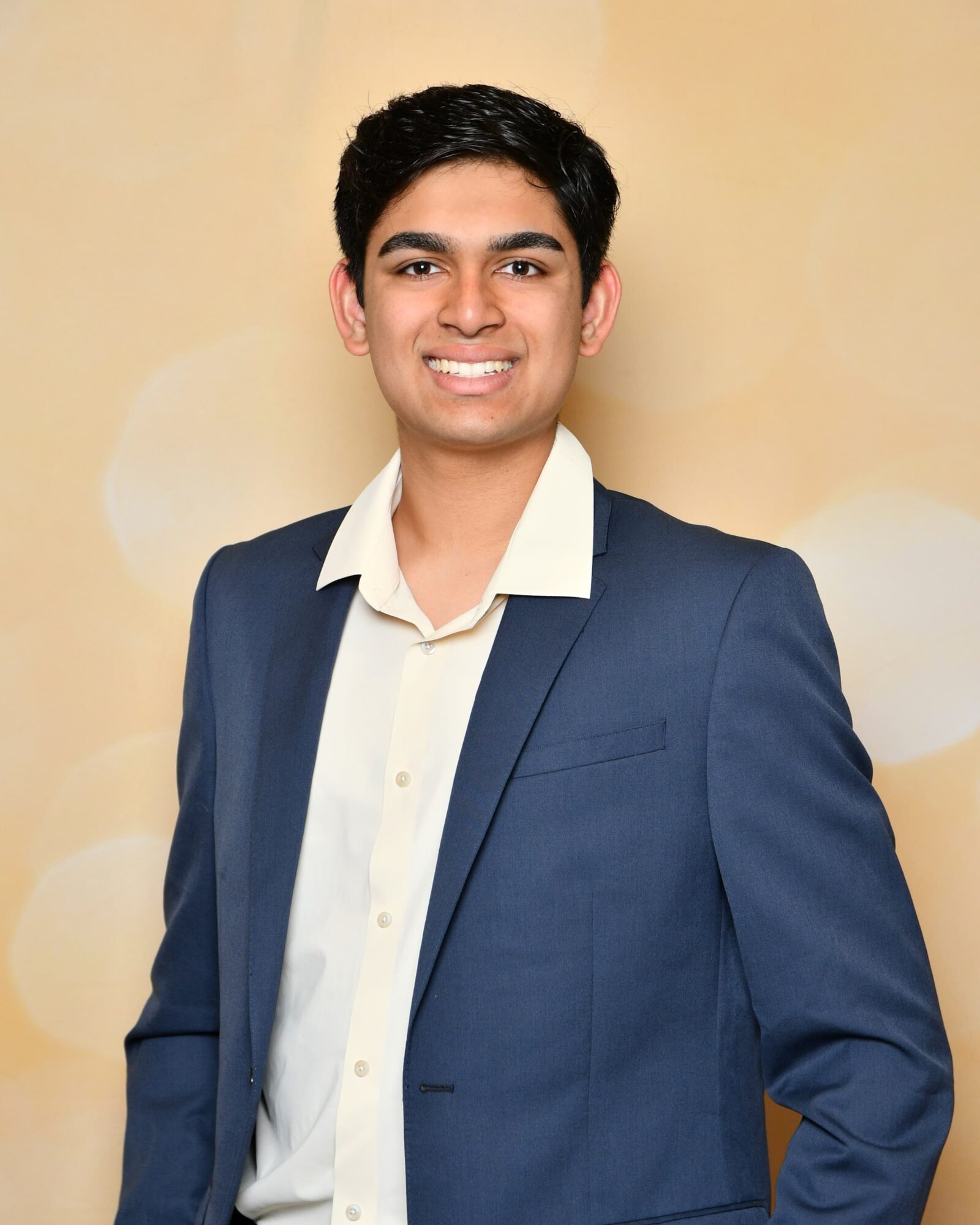
Today we’d like to introduce you to Yuvi Parmar.
Hi Yuvi, so excited to have you on the platform. So before we get into questions about your work-life, maybe you can bring our readers up to speed on your story and how you got to where you are today?
My journey began in elementary school libraries, where weekend volunteer shifts opened my eyes to classmates who loved science yet lacked laptops and mentors. Curiosity pushed me to join every available service club and shadow local physicians, converting spare afternoons into mini practicums on empathy, leadership, and patient care.
High school brought a sharp turning point. During the pandemic, I organized a virtual Autodesk Inventor workshop for youth with intellectual and developmental disabilities. Screens filled with silence at first. Consistent encouragement and incremental lessons led participants to animate their own irrigation-valve models by week six. Experiencing their pride persuaded me that technology training could unlock opportunity far beyond my neighborhood.
That realization grew into Empower and Connect. I filed for nonprofit status, recruited friends willing to trade late-night design sessions for impact metrics, and mapped every initiative to measurable community requests. Today the organization counts more than seventy-five active members, three research internships, and international chapters in Kenya, India, and Mexico. We teach digital design, construct ceramic and membrane water filters, publish a student-run journal, and prototype an app connecting families to essential services. Every deliverable follows the same blueprint: community consultation, disciplined execution, transparent data sharing.
I now split time among clinic shadowing, grant writing, and weekly stand-ups where teen project leads present dashboards of attendance, skill gains, and health outcomes. The work has earned partnerships with hospitals in Mumbai and clinics in Trans-Nzoia County along with recognition from local media outlets in Houston.
Looking ahead, the plan is clear. Scale Inventor and Tinkercad curricula across new chapters, complete laboratory validation of our filters, and release the first version of our community resource app before college orientation. The path from library volunteer to nonprofit founder has taught me that equitable access to knowledge transforms individual stories into collective progress, and I intend to keep weaving that thread wherever opportunity leads.
We all face challenges, but looking back would you describe it as a relatively smooth road?
The road has held its share of potholes. In the early months many volunteers found a leadership ladder awkward because everyone shared the same classrooms and age bracket. Role titles felt artificial and a few peers even tried launching side initiatives without looping the team in. Missed deadlines followed and morale dipped.
We turned the tension into a lesson on transparency. Leadership guidelines moved into a public document, progress charts appeared in weekly forums, and every task gained a measurable deliverable. Effort became visible and advancement followed clear evidence rather than popularity. The process filtered motivation. Volunteers focused on service thrived, while those seeking résumé lines drifted toward other commitments.
Today the result is a lean crew fueled by purpose. Members prepare lesson files past midnight, share data dashboards with partner clinics, and mentor newcomers who arrive hungry to learn. The bumps taught us that structure only works when everyone can see the map, and culture soars when each contributor feels the weight of real impact.
Alright, so let’s switch gears a bit and talk business. What should we know about your work?
I spend my weekdays toggling between two worlds. In one setting I stand beside attending surgeons and watch skin give way to anatomy that textbooks only sketch. In the other I sift through clinical data, run statistical checks, and draft abstracts that track outcomes across procedures. My role is still that of an observer and learner, yet I treat every case file and every operating room placement as if a fellowship depends on it. That mindset earned me rotation invitations from multiple departments long before my 16th birthday.
Colleagues know me for relentless preparation. Before every shadowing day I preview the surgical schedule, memorize key landmarks for each approach, and design two thoughtful questions that respect the surgeon’s time. After theatre I help the team log findings and translate notes into research queries. This practice elevated me from silent observer to dependable junior contributor who can bridge clinical insight and academic investigation.
The achievement that brings me the most pride came during a urology rotation in Katy. I noticed a pattern in postoperative discomfort reports, built a dataset from chart reviews, and proposed a follow-up study on irrigation solutions. Presenting that plan to the attending staff at sixteen affirmed that curiosity coupled with discipline opens doors usually reserved for older trainees.
What sets my work apart is the combination of age and intentional grit. Many students survey specialties during summer programs. I pursue year-round immersion, maintain literature trackers that span several surgical fields, and translate observations into actionable research questions. Each placement, each paper draft, and each early morning scrub-in reflects a simple rule I follow: earn trust through work that speaks before my résumé does.
Are there any important lessons you’ve learned that you can share with us?
The most valuable insight I carry forward is the power of radical transparency. When every stakeholder sees the same information—objectives, timelines, and results—momentum accelerates and trust solidifies.
I learned this lesson while reshaping Empower and Connect from an enthusiastic cluster of volunteers into a structured nonprofit. Early progress stalled because tasks and expectations lived in private chats and memory alone. I responded by moving everything into open dashboards: attendance logs, prototype test results, lesson-plan drafts, even the late-night coding sessions. The instant those numbers and notes became visible, participation surged. Team members began asking informed questions, suggesting improvements grounded in clear data, and celebrating each measurable milestone.
The same principle now guides my research work. In clinic chart reviews, I attach every statistical run, annotate decision points, and invite mentors to critique methodology in real time. Surgeons and residents treat me as a collaborator rather than an observer because they can track every step of the analysis without barriers.
Transparency accomplishes three things. It eliminates duplicative effort, since everyone knows what is complete and what remains. It elevates accountability, because progress—or lack of it—sits in plain sight. Most importantly, it fosters collective ownership; success belongs to the entire group, not a single lead.
Whenever I begin a new project, my first act is to set up shared visibility tools. Whether we are refining a water filter prototype or outlining a meta-analysis, everyone gains access to the same living record. That commitment to openness forms the backbone of our results and defines the culture I hope to take with me into every operating theater and research lab ahead.
Contact Info:
- Website: https://empowerandconnect.weebly.com/
- Instagram: https://www.instagram.com/empower_and_connect_oths/?hl=en
- Facebook: https://www.facebook.com/profile.php?id=61558155655730
- LinkedIn: https://www.linkedin.com/company/empower-connect/
- Youtube: https://www.youtube.com/@EmpowerandConnectTompkins
- Other: mailto:[email protected]
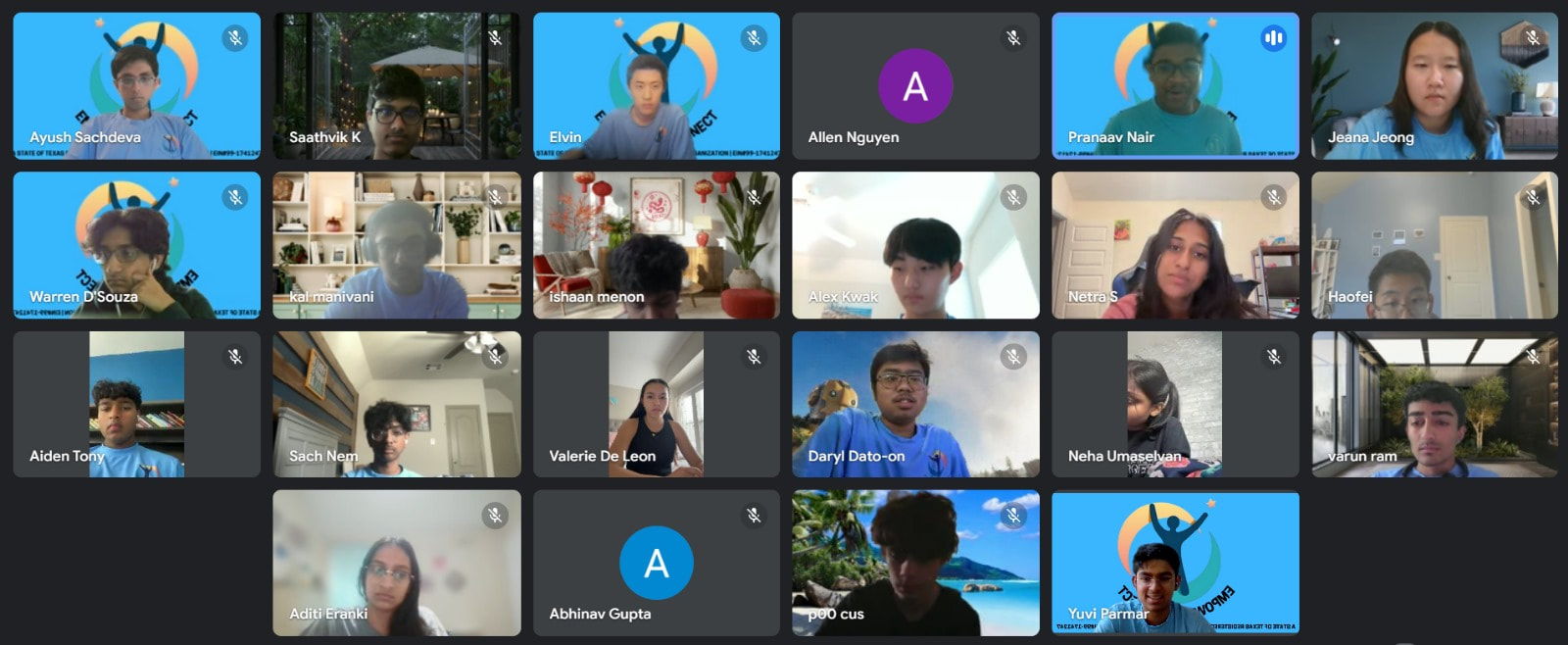
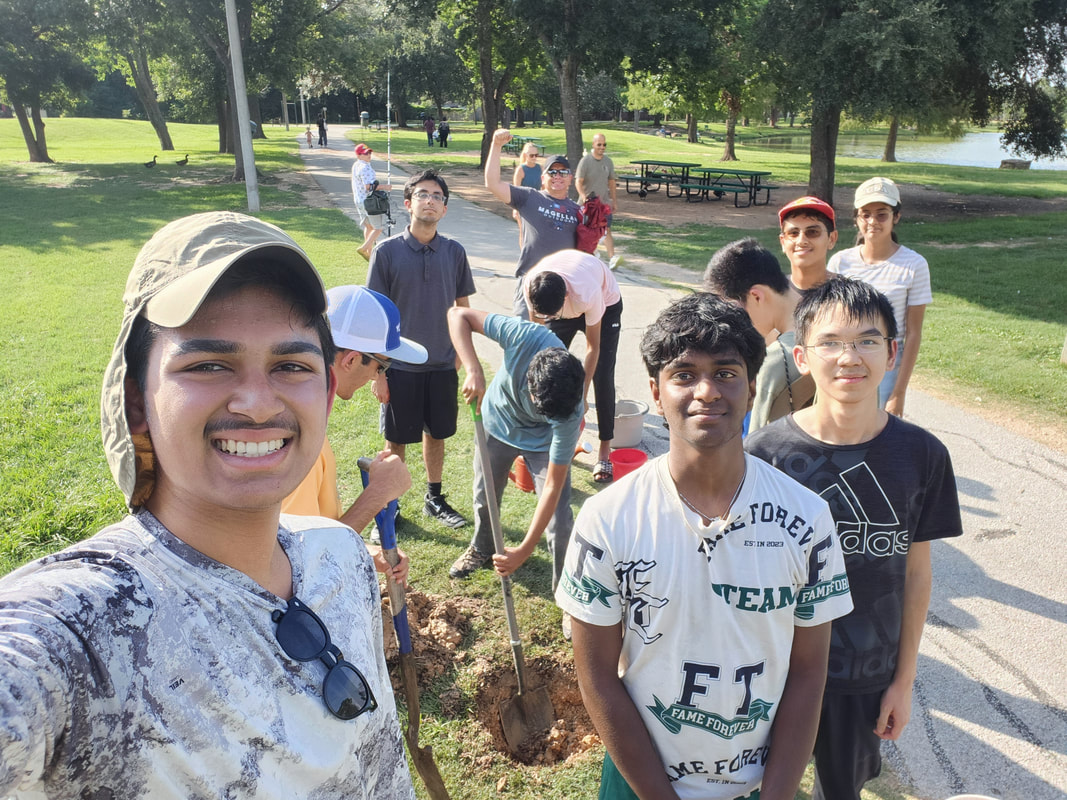
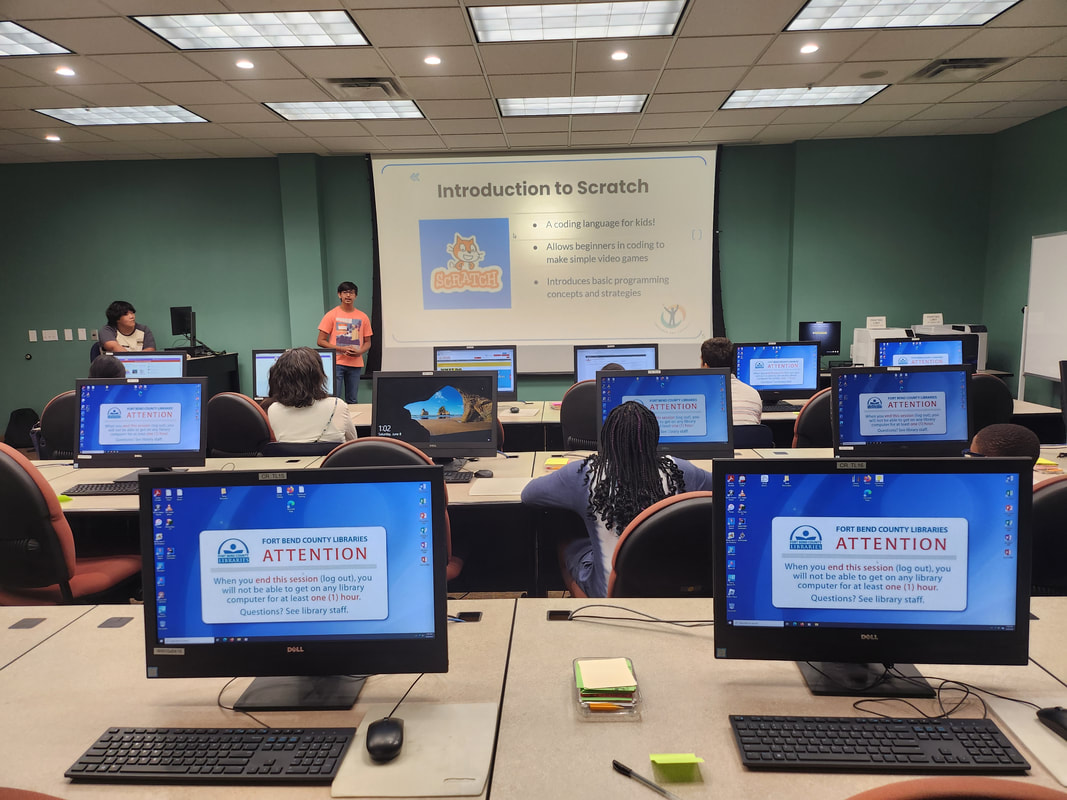
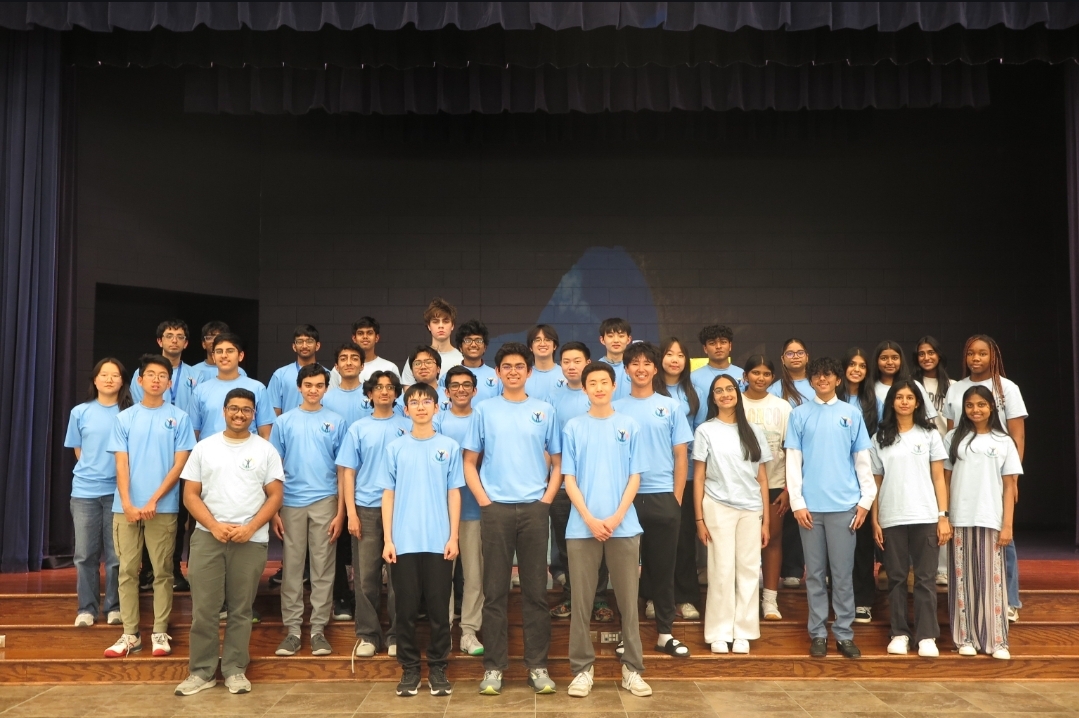
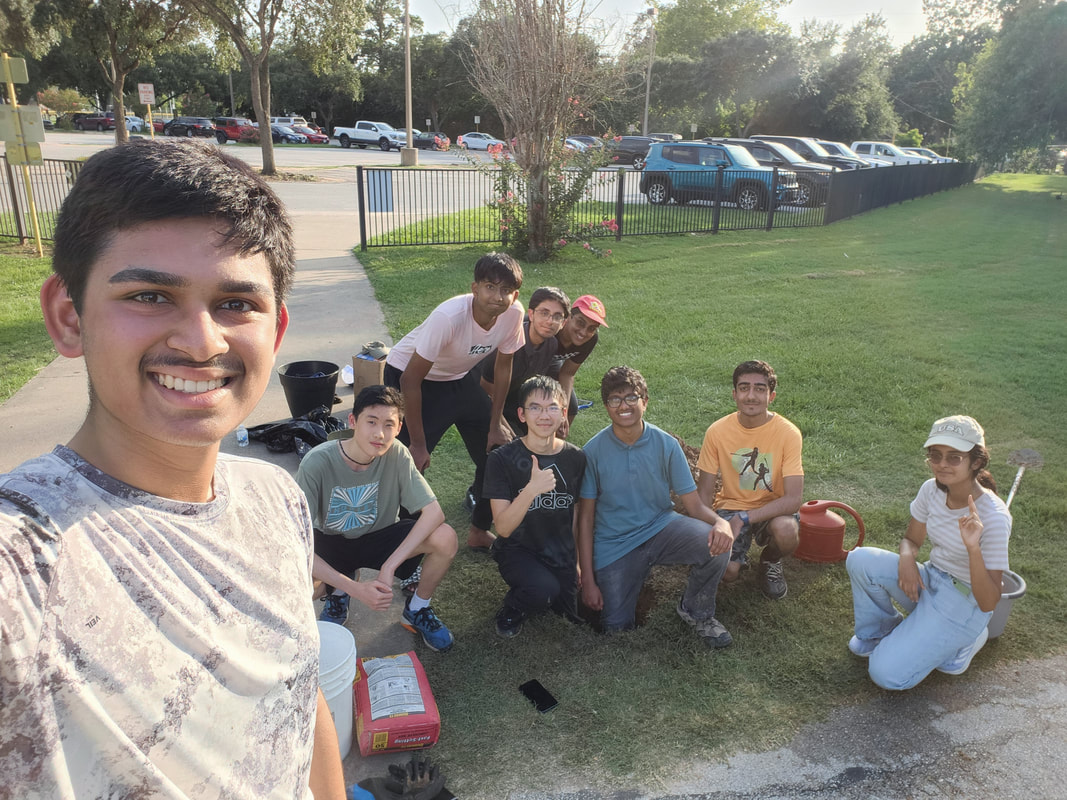
Image Credits
All pictures taken by Empower and Connect Inc.