




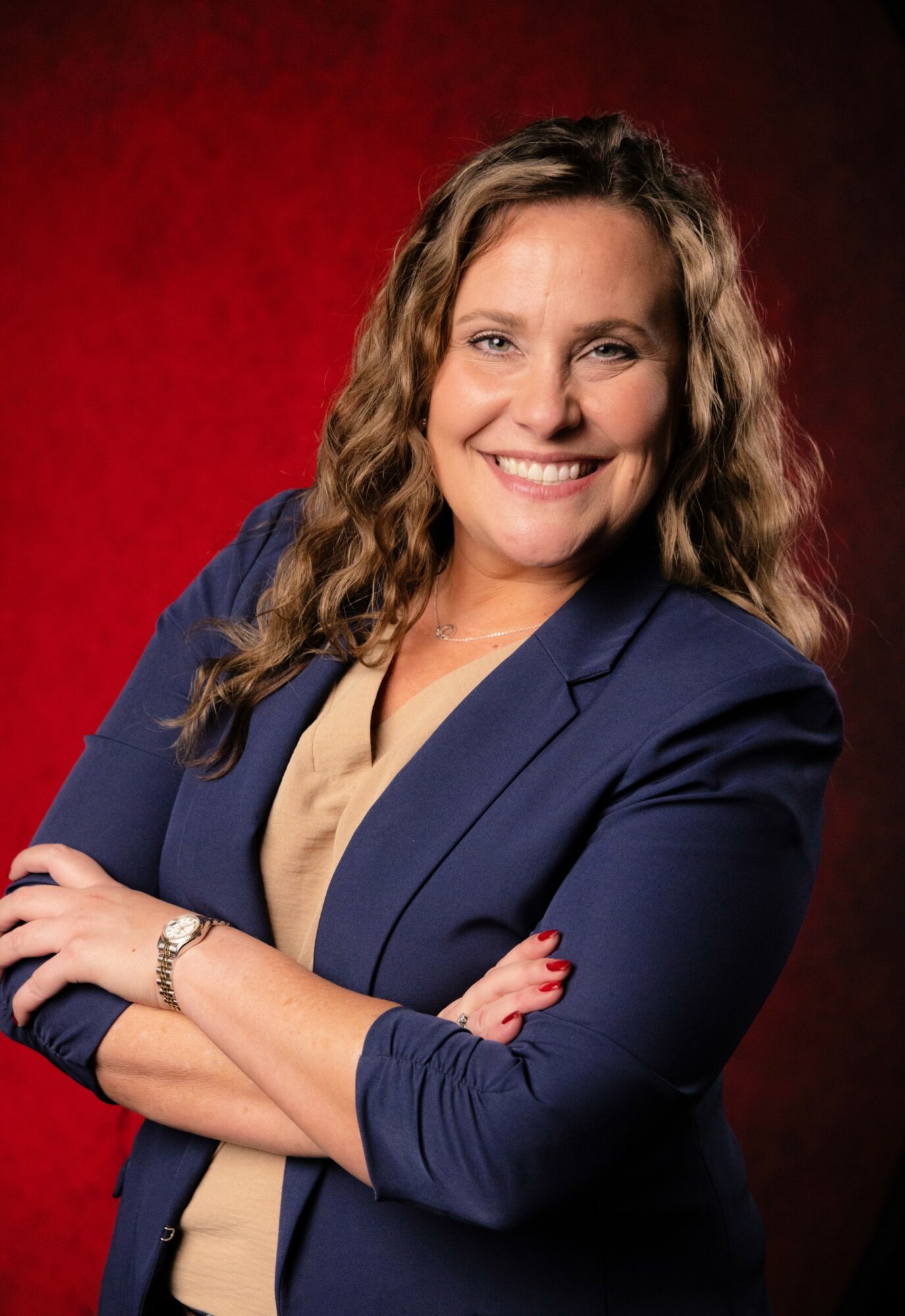
Today we’d like to introduce you to Jill Metcalfe.
Hi Jill, so excited to have you on the platform. So before we get into questions about your work-life, maybe you can bring our readers up to speed on your story and how you got to where you are today?
As the Executive Director of Transportation for a large school district—and after years as a teacher, coach, and assistant principal at the secondary level—I realized something important: even though I had worked with thousands of students, I had never truly seen the day-to-day challenges our youngest learners face when it comes to getting to and from school safely.
Stepping into the Transportation Department opened my eyes. I saw firsthand how hard it was for campuses to find time to teach bus safety, and how often the topic was treated as a once-a-year conversation. But safety shouldn’t be a checkbox. It should be a daily habit—reinforced by teachers, principals, parents, and students alike.
That’s where the idea for Sandy the Safety Bee was born.
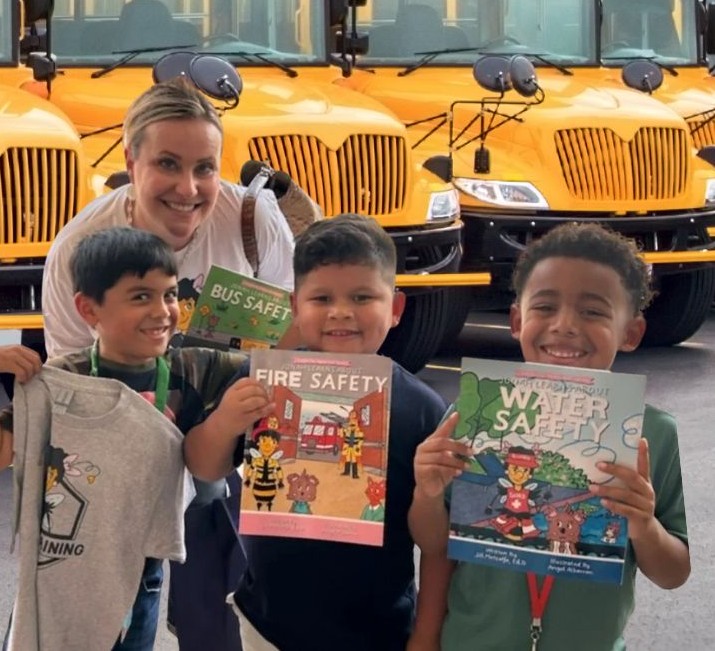
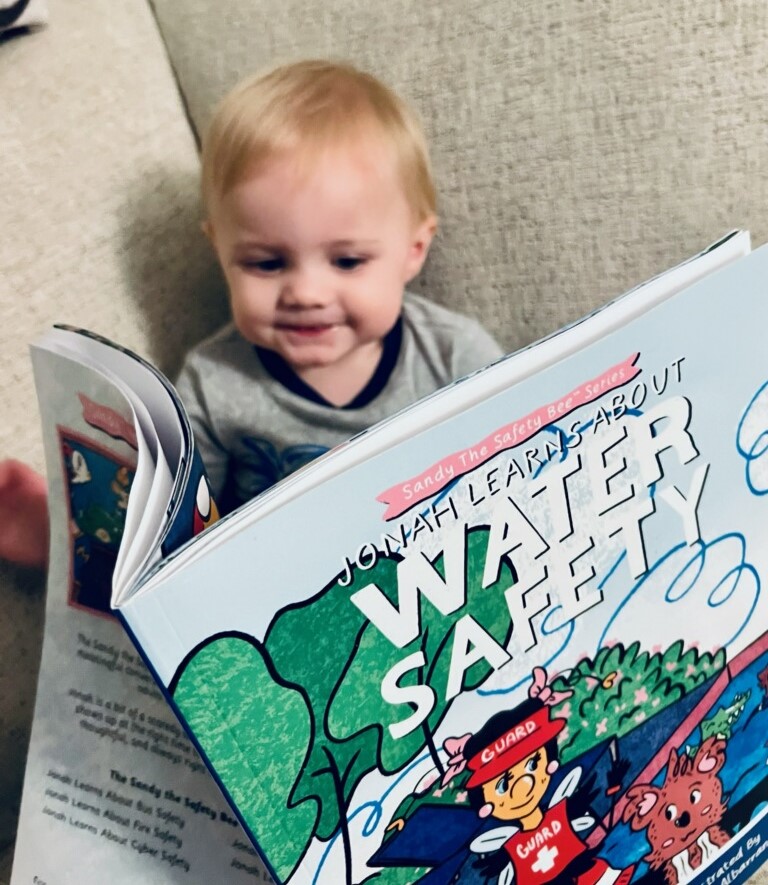
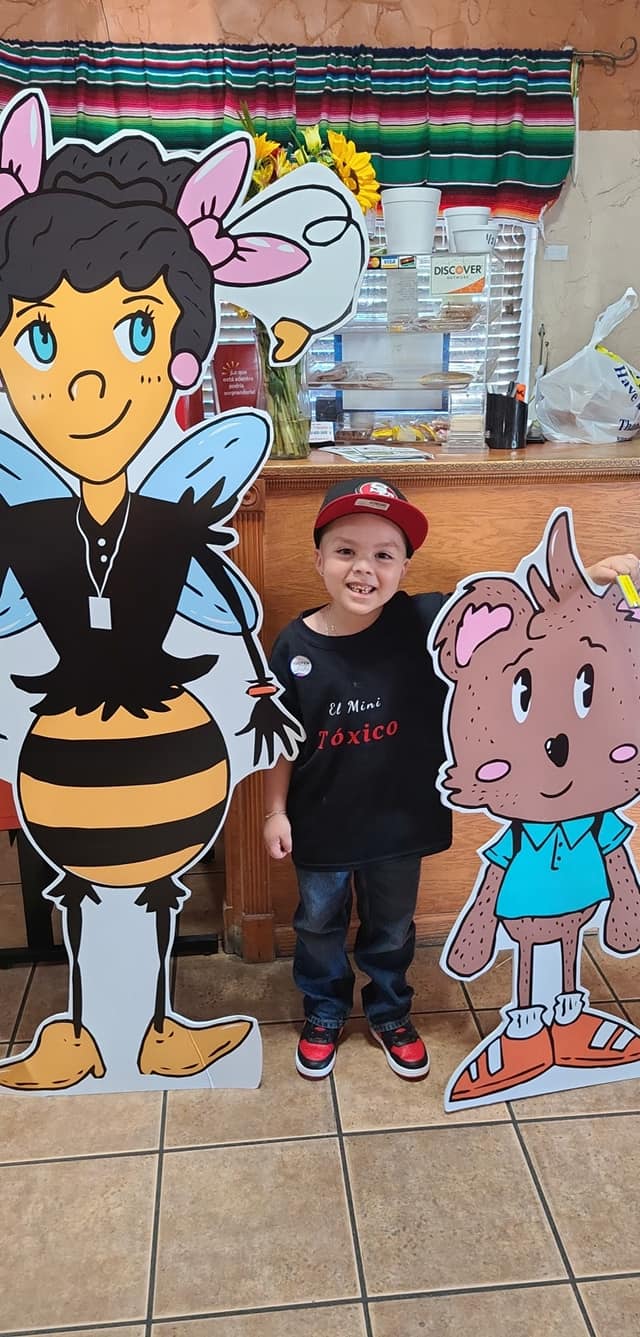
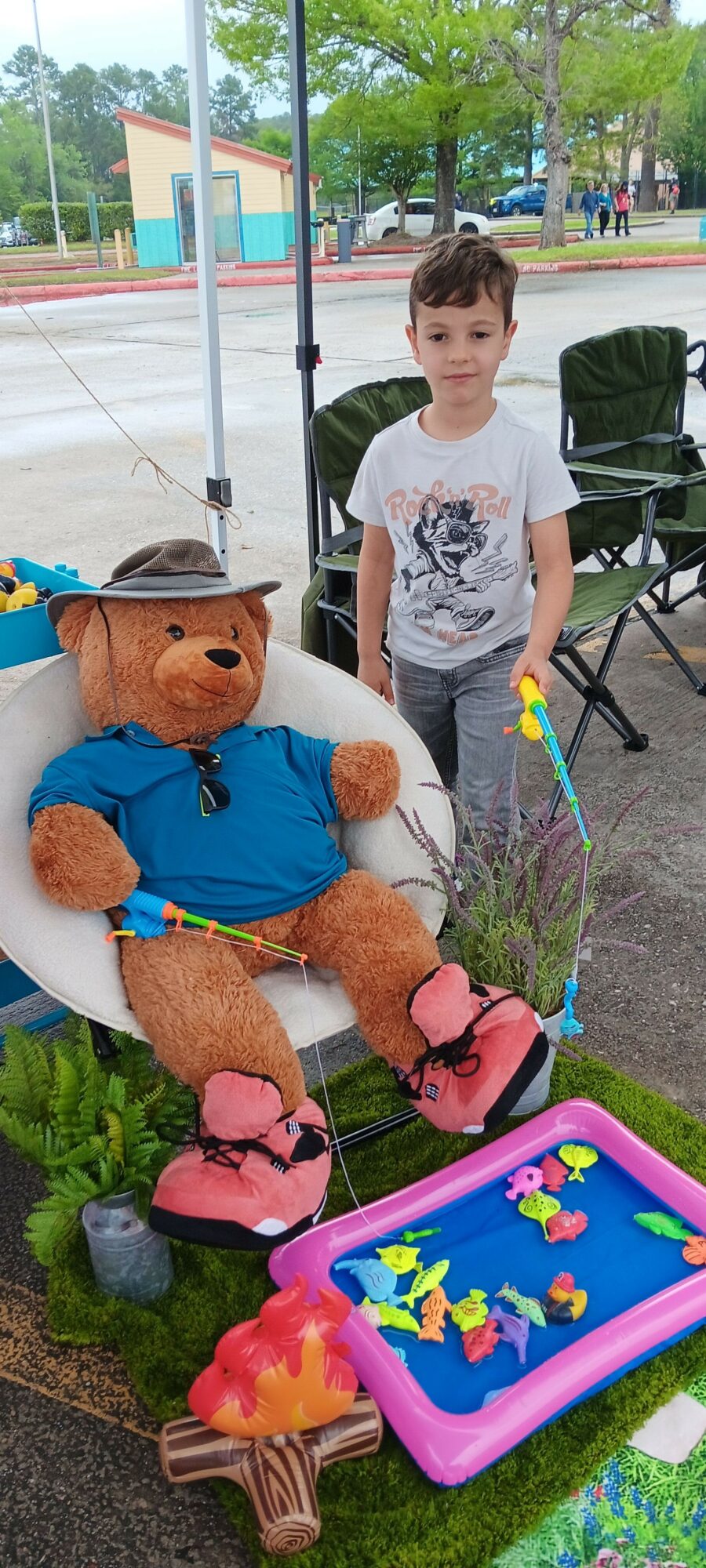
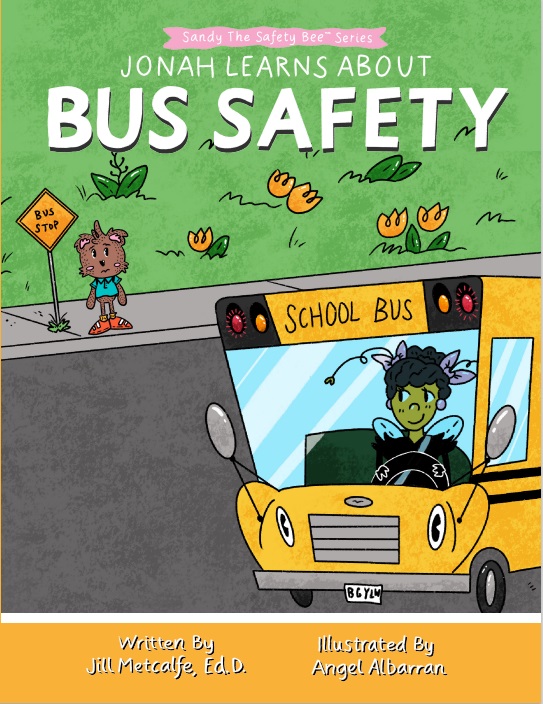
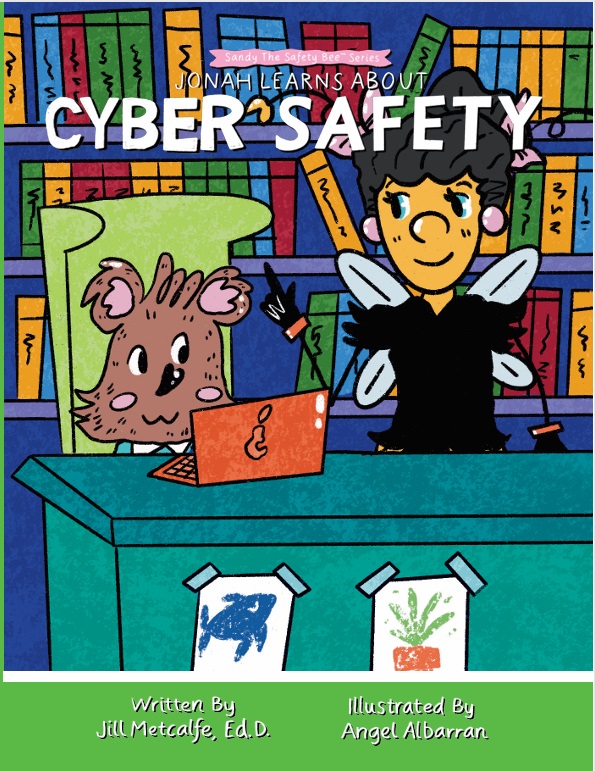
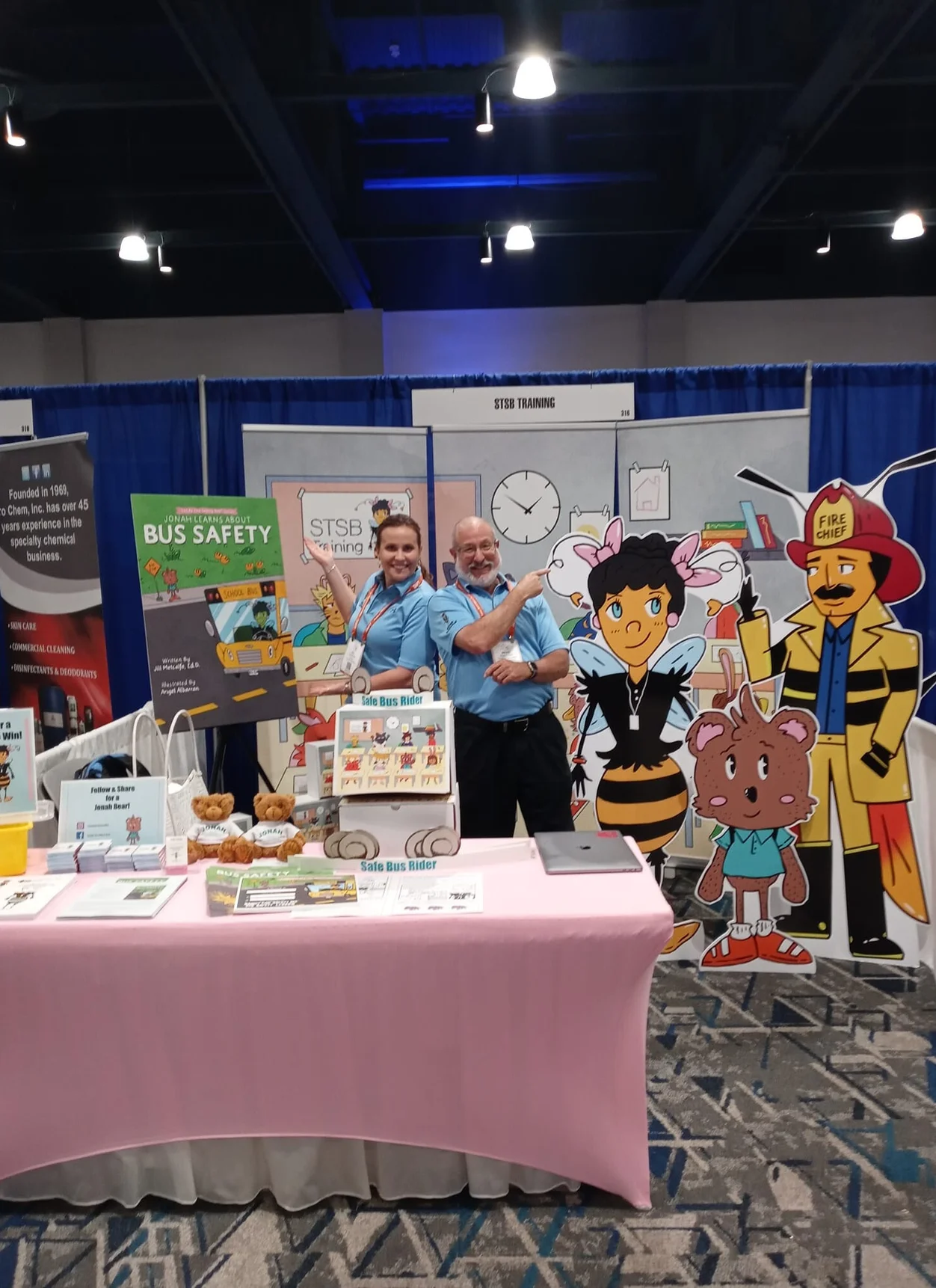
I created two characters—Sandy, a confident, kind-hearted safety bee with pink bow-topped antennae, and Jonah, a lovable but scared little bear who’s afraid of buses, bees, and bows. On his first day of school, Jonah meets Miss Sandy, who shows him there’s nothing to fear when you know how to make safe choices.
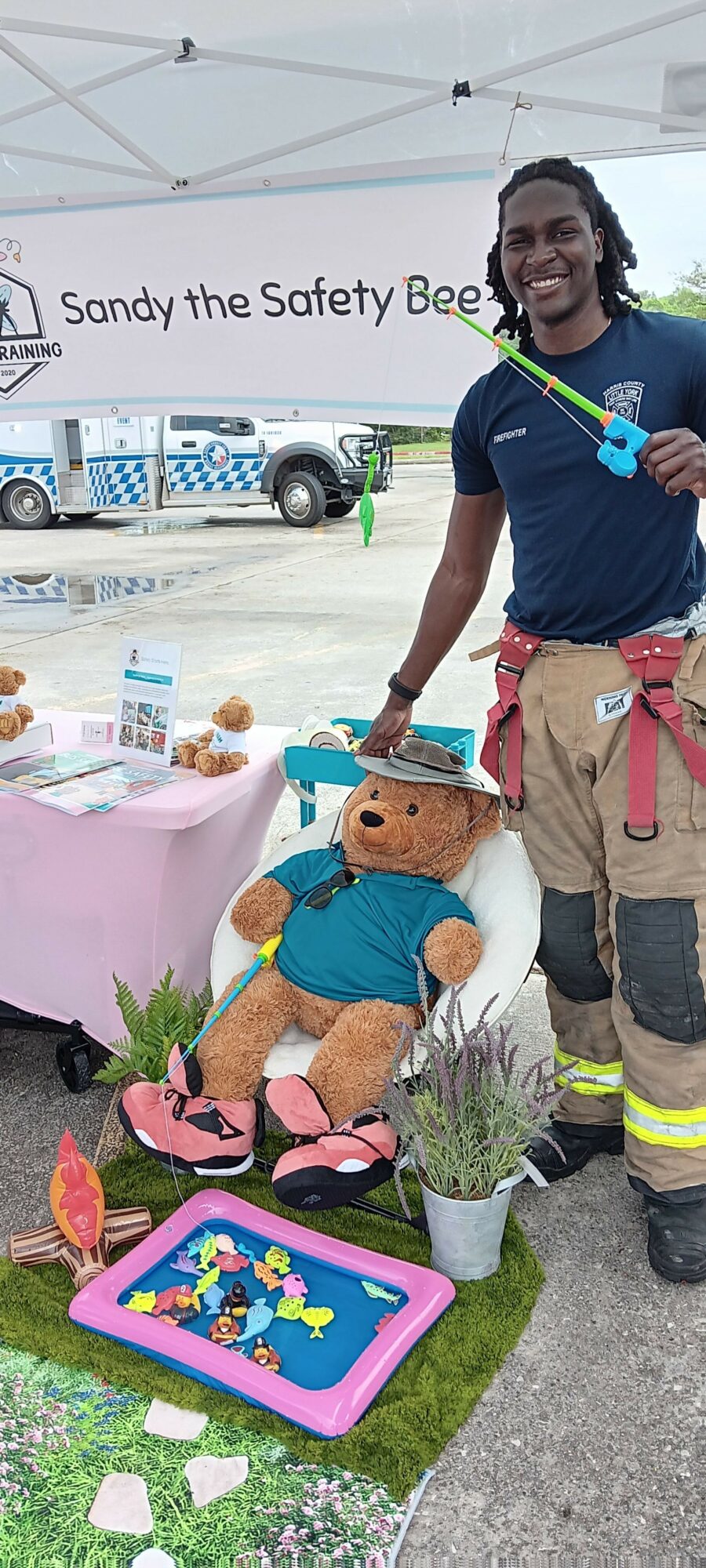
I loved the characters so much that one book became five. I expanded the series to include fire safety—a topic close to my heart after growing up with a father who spent his career as a Houston firefighter and later a fire chief. Safety was a constant conversation in our home, and I wanted all children to have access to that same foundation, whether those conversations happen at school, at home, or both.
Working with an illustrator who graduated from the same district I did, I set out to create a series that brings safety to life through storytelling—engaging, memorable, and meaningful. Sandy the Safety Bee is more than a character; she’s a guide, a friend, and a reminder that safety is worth our attention every single day.
We all face challenges, but looking back would you describe it as a relatively smooth road?
Sandy the Safety Bee has always been a passion project for me. I never viewed any part of it as a challenge—more like a learning curve wrapped in excitement. One of the most unexpected (and fun) parts of the journey was working with my illustrator, Angel Albarran.
Angel and I work incredibly well together, but before this project, I had never tried to communicate a visual concept to someone whose job was to bring it to life. Hearing myself attempt to describe a character or a layout was… eye-opening. I’d start explaining what I pictured, stop halfway, laugh at myself, and then try again with a little more clarity.
In those moments, I realized something important—I wasn’t just creating a book. I was learning how to express my imagination in a completely new way. And honestly, that became one of my favorite parts of the whole process.
As you know, we’re big fans of you and your work. For our readers who might not be as familiar what can you tell them about what you do?
I’ve spent the past 25 years in education, and every chapter of my career has shaped the work I’m passionate about today. I began in Aldine ISD as a teacher and coach, later serving as a campus administrator, and eventually becoming the district’s Executive Director of Transportation.
I actually earned my CDL at 21 or 22 because I was required to drive the bus for my teams—and I loved it. Granted, I was driving athletes and not a full daily route, but there’s something about a school bus that’s just a cool ride. Years later, when I was working in the Transportation Department, I still drove routes occasionally. The kids were terrific—funny, honest, and full of personality. I caught myself fussing (nicely) at students and parents anytime I saw them making unsafe choices because safety mattered that much to me.
As I grew in the role, I became involved with the Texas Association for Pupil Transportation (TAPT). In my early days as a director, I learned so much from seasoned leaders who didn’t hesitate to share their experiences—mistakes and all. That’s what sets pupil transportation apart: in many industries, people hide their errors. In this one, people lean in and say, “Here’s what happened. Here’s what I learned. Please don’t make this mistake too.”
It’s a tightknit, nationwide community committed to doing whatever it takes to keep students safe. That culture is a big part of why I fell in love with this profession. Pupil transportation is incredibly complex—and I absolutely thrive in that complexity.
Today, I give back by developing and teaching professional development classes for TAPT. As the organization’s Distance Learning Chairperson, I facilitate monthly webinars for members. I also teach the state certification and recertification courses required of every school bus driver in Texas as an adjunct instructor for ESC Region IV.
A few times a year, I consult with school districts on operational efficiency and compliance. I love helping districts solve problems, tighten systems, and strengthen safety practices.
My full-time 8–5 role is with Lone Star College, where I serve as the Director of the Transportation and Global Logistics Technology Center. Here, I get to work with an amazing team that prepares adult learners to launch careers in the trucking industry. Teaching people how to drive 18-wheelers, supporting their career goals, and building programs that truly work—it’s all been an incredible experience.
Every step along the way—from school buses to CDL training—has reinforced the same truth: transportation isn’t just moving people or freight. It’s changing lives, opening doors, and keeping communities safe. And I’m grateful every day to be part of it.
My most proud moment:
Hurricane Harvey. I had the opportunity to drive a school bus and support the local fire departments in rescues. The coolest part was working alongside by father who was the chief of a local fire department and my brother, also a firefighter. The first lady that got on the bus shook my hand and said, “God bless America.” Being a part of the community coming together to support one another – that was something.
What sort of changes are you expecting over the next 5-10 years?
It has always been important to me to create books that require an adult to sit down and spend time reading with a child. Those moments—unhurried, connected, and grounded in a caring relationship—matter deeply. Kids remember who sat beside them, who laughed with them, who pointed to the pictures, who explained the parts they didn’t understand.
Technology is everywhere now, and tablets and computers have become the easy default. Even when instruction on a screen is high quality, the research is becoming clear: there are trade-offs. Something valuable is lost when a child interacts more with a device than with a person who cares about them.
I’m genuinely curious to see what choices we, as adults who make decisions for children, will make in the years ahead. Will we continue to choose the convenience of the screen?
Pricing:
- The books are available on Amazon
Contact Info:
- Website: https://www.stsbtraining.com
- Facebook: https://www.facebook.com/STSBtraining