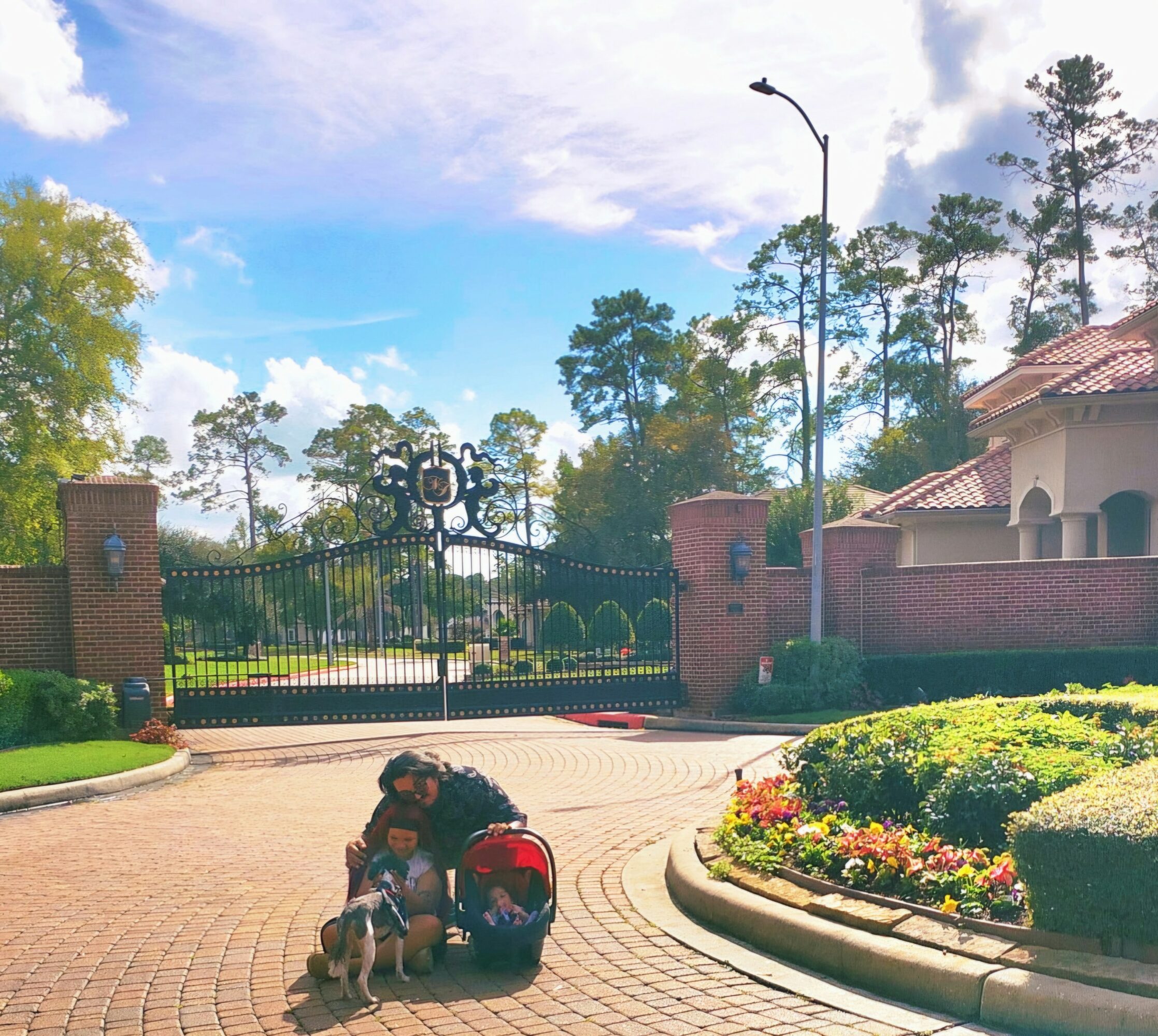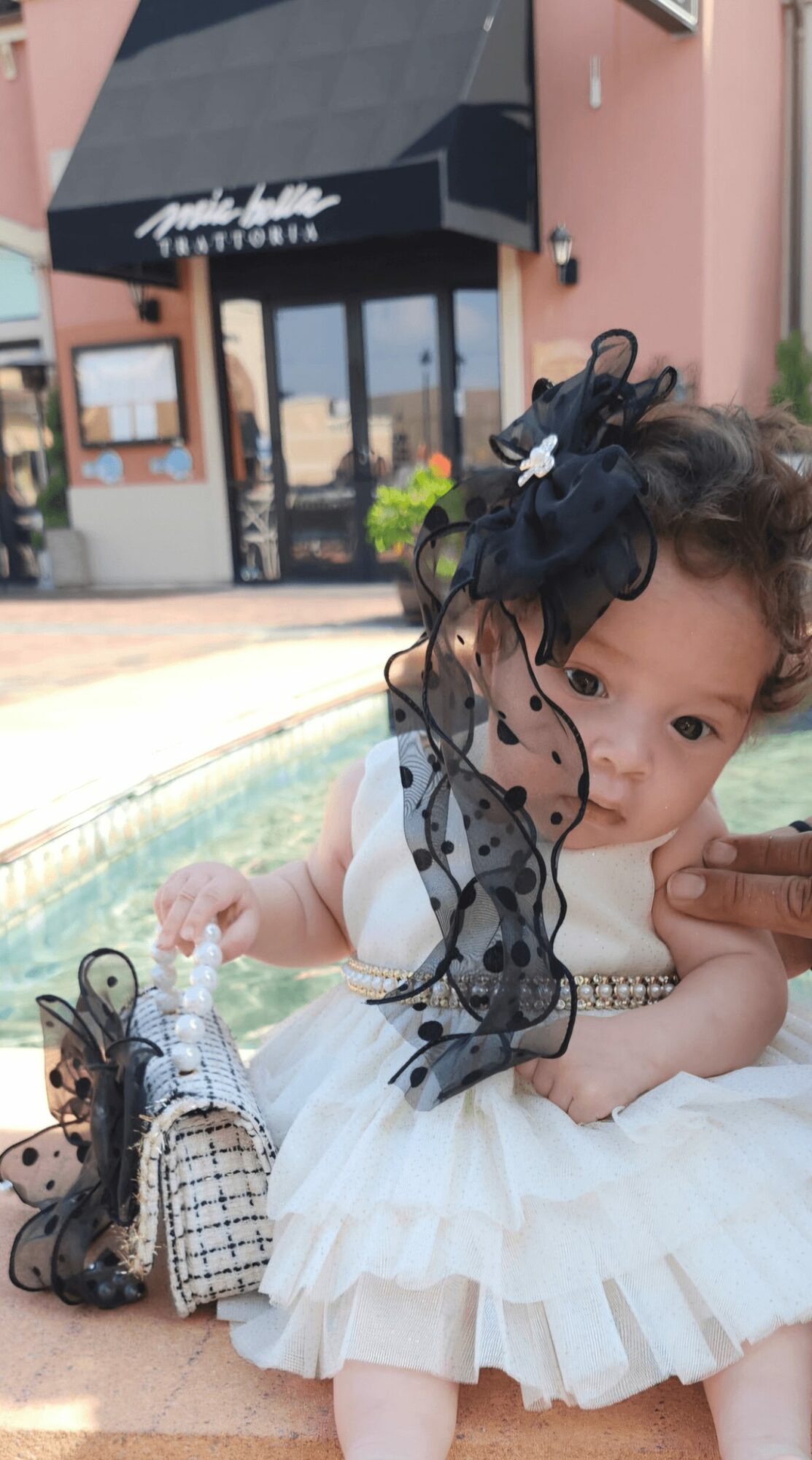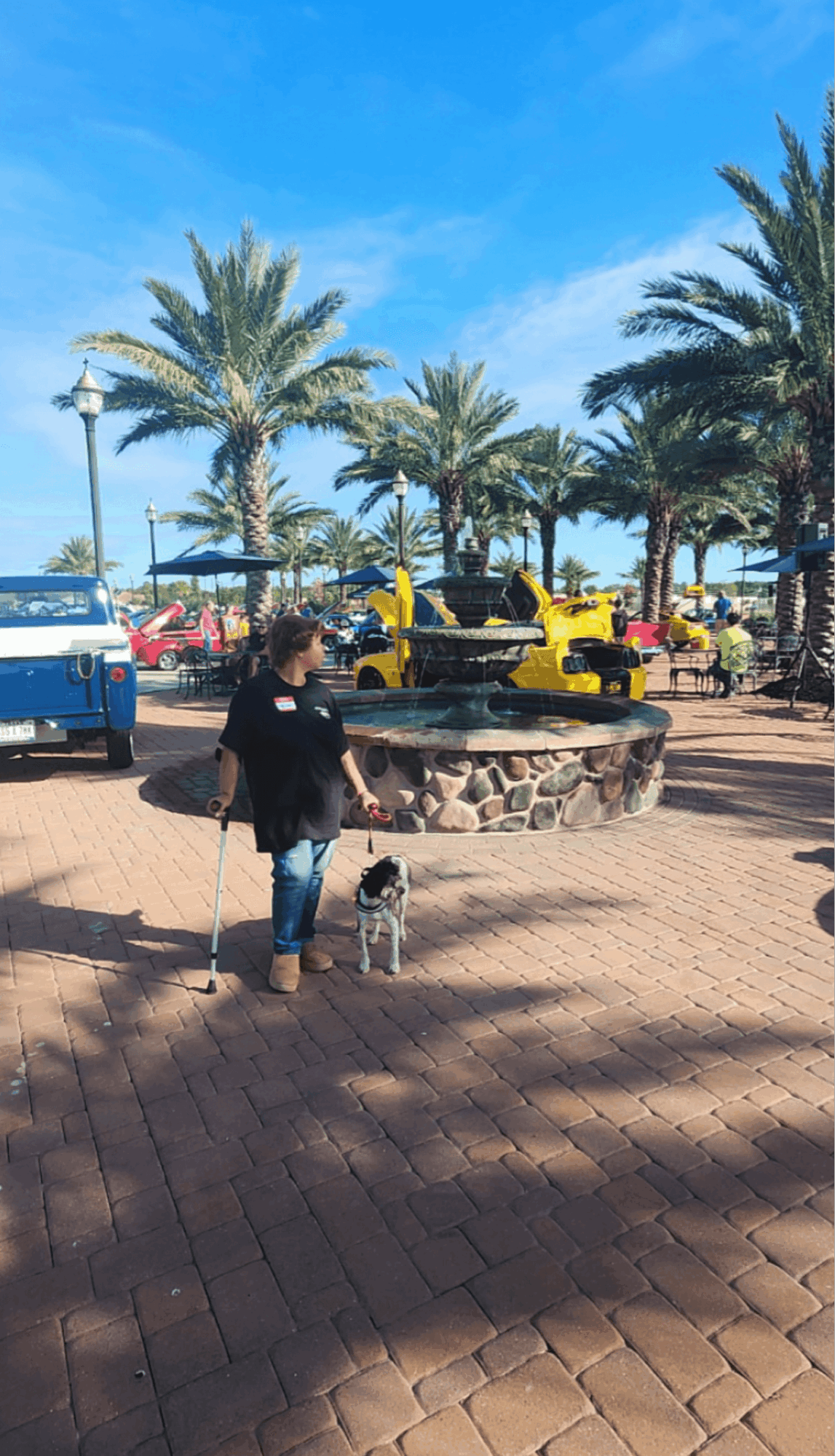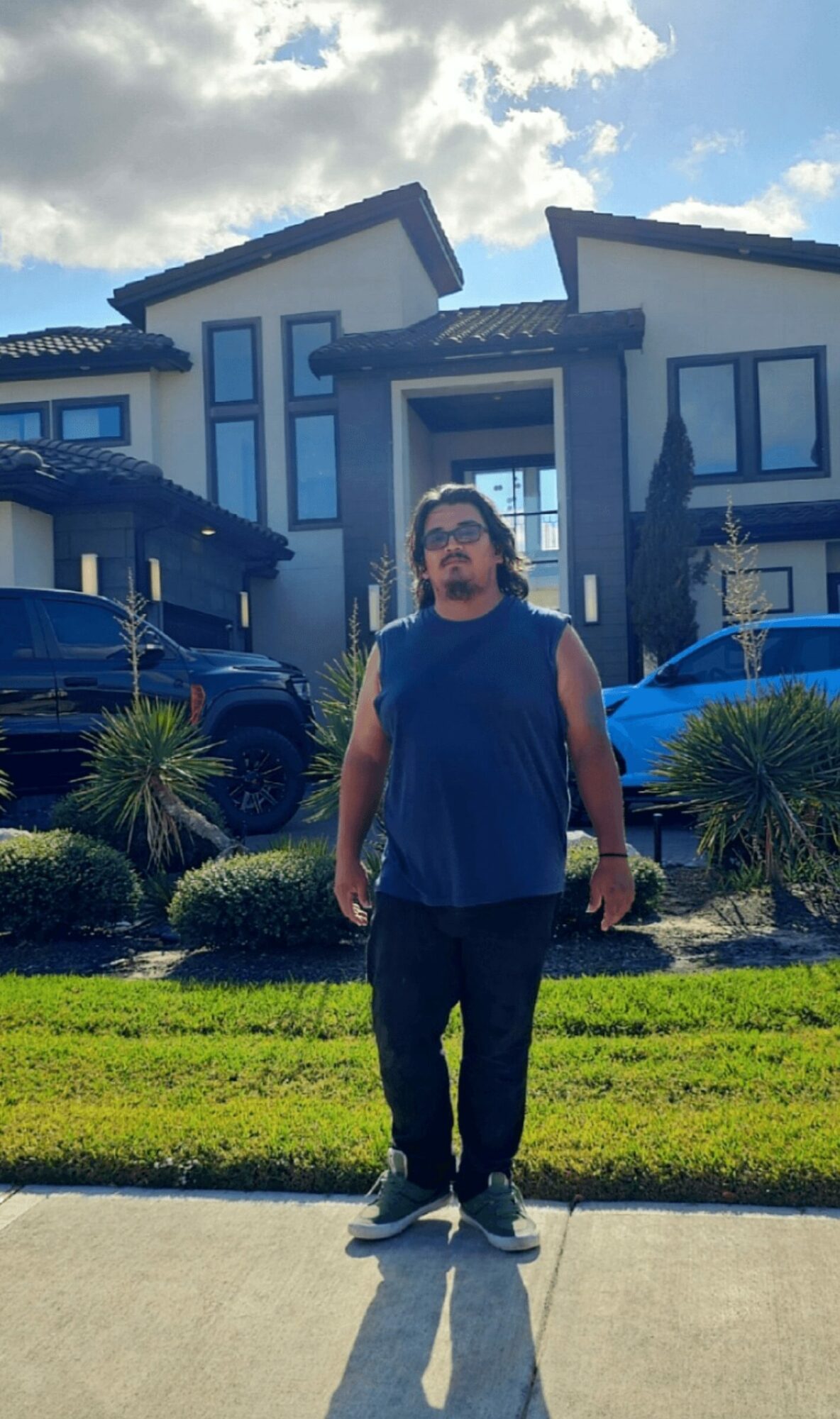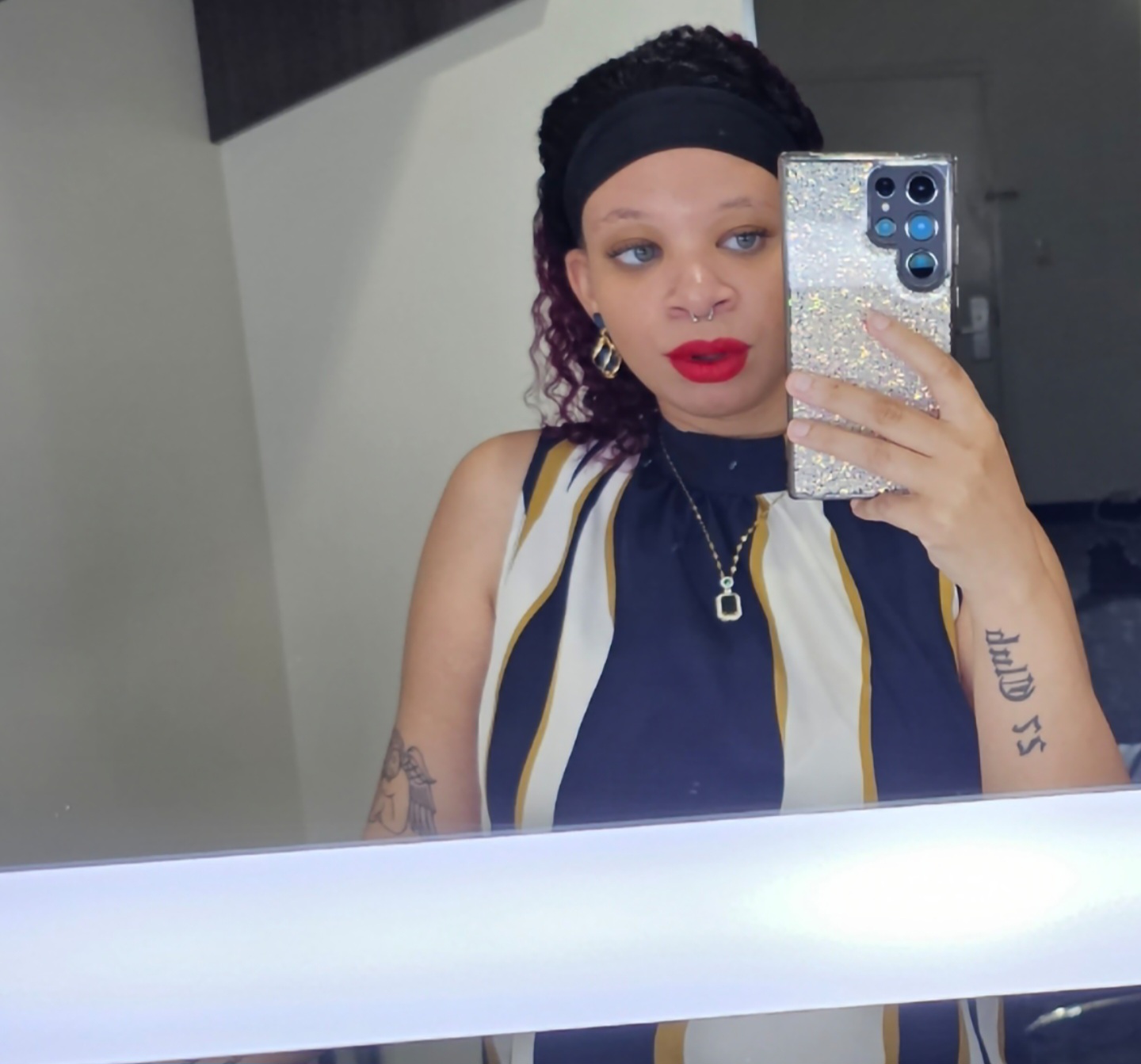





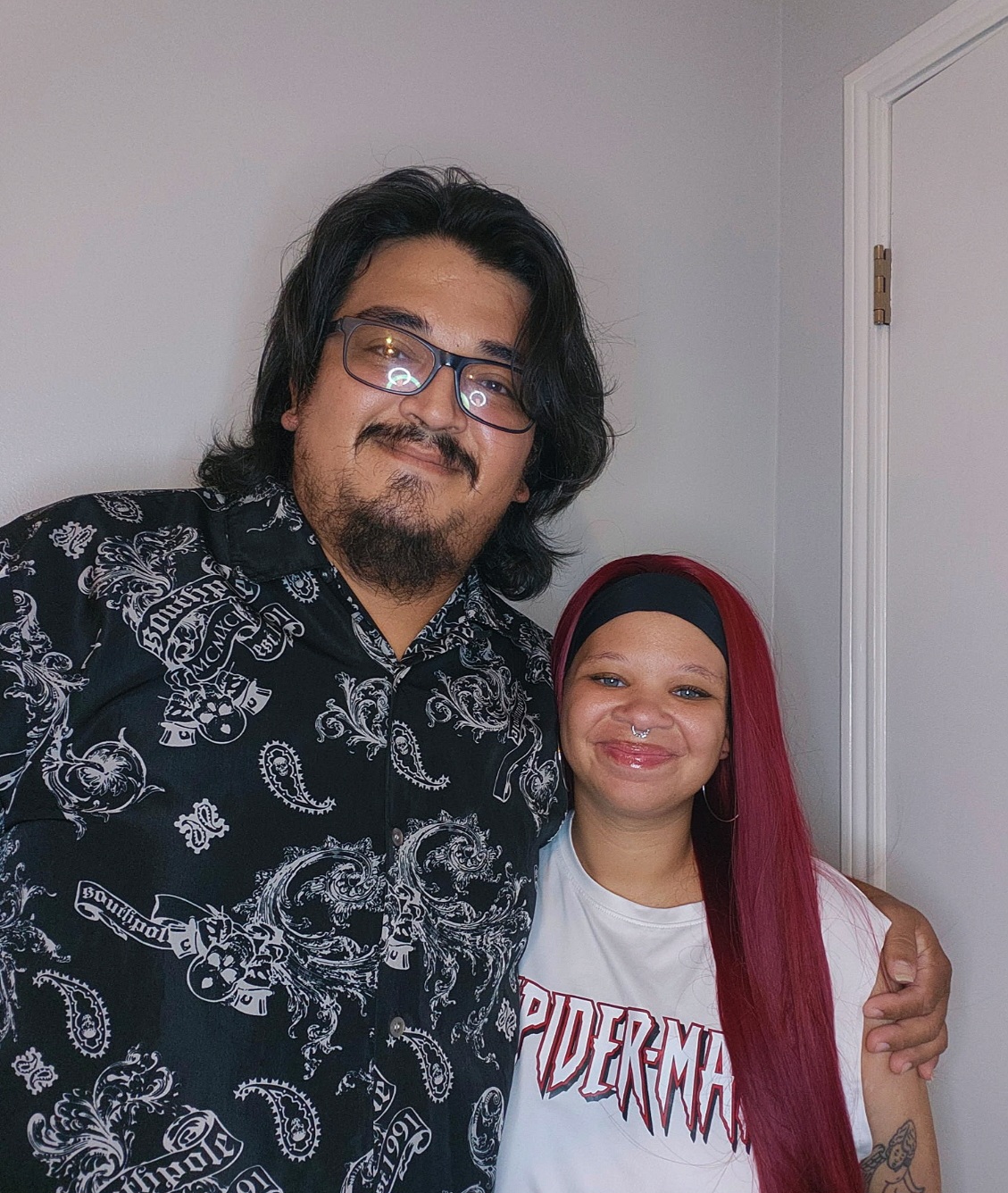
We’re looking forward to introducing you to Wyatt Voorhees & Joacim Reyes. Check out our conversation below.
Wyatt & Joacim , so good to connect and we’re excited to share your story and insights with our audience. There’s a ton to learn from your story, but let’s start with a warm up before we get into the heart of the interview. What do the first 90 minutes of your day look like?
That’s a great question. For us, we begin the day quietly, with gratitude. Before news, before messages, we ground ourselves in the awareness that life is entrusted to us for a reason. That moment of acknowledgment sets the tone of responsibility and humility that Jewish life is built on.
From there, we move into spiritual alignment—prayer, reflection, and a short engagement with Jewish text. It doesn’t need to be long. What matters is orienting ourselves toward restraint of speech, human dignity, and peace. Our activism doesn’t start online; it starts internally. If we’re not anchored, we don’t speak.
Next, we care for the body with intention. Movement, nourishment, and getting dressed are all acts of stewardship. Presence matters in the rooms we enter, and that presence has to be earned through discipline, not performance.
Only after that do we engage the outside world—and very selectively. We review what we need to know, not everything that demands attention. We’re intentional about protecting our emotional and intellectual clarity, because peace work requires discernment, not reactivity.
We close that first 90 minutes by aligning with each other. We share intentions for the day, name what needs protection, and step forward unified. That’s how we remain effective as Jewish peace activists and respected as socialites—rooted, composed, and deliberate.
Our mornings aren’t about productivity. They’re about integrity. And everything else flows from there.
Can you briefly introduce yourself and share what makes your brand unique?
We are @thewyjcollective. At our core, we’re Jewish peace activists and socialites, but more importantly, we’re cultural stewards. Our presence isn’t about visibility for its own sake—it’s about responsibility. We move in influential spaces with intention, carrying Jewish values into rooms where dignity, restraint, and moral clarity still matter.
What makes us unique is that our commitment to giving back isn’t branding—it’s law. In Judaism, stewardship, charity, ethical leadership, and the pursuit of peace are obligations, not optional virtues. We operate from that framework. Influence without responsibility isn’t elite to us; it’s hollow.
We believe exclusivity should come with accountability. The rooms we enter, the conversations we shape, and the platforms we hold are used to elevate discourse, protect Jewish identity, and advocate for peace without compromising truth or tradition.
@thewyjcollective isn’t about being seen everywhere. It’s about being trusted where it counts—and using that trust to give back, uplift, and steward culture the way it was always meant to be stewarded.
Let’s talk about your life, growing up and some of topics and learnings around that. Who saw you clearly before you could see yourself?
That question always makes me pause, because clarity from others often comes before self-permission.
Growing up, my life wasn’t shaped by ease or certainty. It was shaped by pressure, expectation, and learning very early how to read rooms. I learned how to carry myself before I fully understood who I was carrying. That kind of upbringing sharpens you, but it can also delay self-recognition.
The people who saw me clearly before I saw myself weren’t the loudest voices. They were the ones who treated me with seriousness. Mentors, elders, and a few figures of quiet authority who didn’t try to fix me or soften me—but entrusted me. They spoke to me as if leadership, discipline, and responsibility were already assumed. That changed everything.
In Jewish life, there’s an idea that sometimes others are shown your role before you are, because readiness comes after recognition. Looking back, those people weren’t predicting who I’d become—they were responding to who I already was, even when I couldn’t yet name it.
That early clarity shaped how I move now. It’s why I’m intentional about seeing others fully, especially before the world defines them incorrectly. Being seen is not about affirmation—it’s about being called into responsibility. And that lesson stays with me every day.
If you could say one kind thing to your younger self, what would it be?
I would tell my younger self this:
You were never too much. You were just early. The sensitivity, the intensity, the way you felt everything so deeply—that wasn’t a flaw, it was preparation. You didn’t imagine the weight you carried; you were entrusted with it before you had language for why.
I would say, את לא לבד, ואת לא צריכה להוכיח את הערך שלך — you are not alone, and you never had to prove your worth.
Everything you’re becoming was already there. You didn’t fail by needing time to grow into it. You survived long enough to recognize it. And that is not weakness—that is quiet strength.
Alright, so if you are open to it, let’s explore some philosophical questions that touch on your values and worldview. What important truth do very few people agree with you on?
One truth I hold that very few people are comfortable agreeing with is this: antisemitism doesn’t begin with hatred—it begins with permission.
Most people want to believe Jewish hatred only exists at the extremes, in explicit violence or obvious slurs. What they resist acknowledging is that antisemitism survives because it’s socially tolerated long before it’s openly expressed. It’s excused as politics, reframed as activism, or minimized as misunderstanding. By the time it looks undeniable, it’s already been normalized.
What’s difficult for people to accept is that you don’t have to hate Jews to participate in Jewish harm. Silence, selective outrage, and moral exceptions all do the work of hatred without ever naming it. That’s the uncomfortable truth.
From a Jewish worldview, peace isn’t passive. It requires responsibility, clarity, and moral consistency. Allowing Jewish dignity to be conditional is not neutrality—it’s complicity. That’s a line we’re willing to name, even when it makes rooms quieter.
Real peace starts when people stop asking Jews to explain why harm against them counts—and start asking themselves why it ever didn’t.
Okay, we’ve made it essentially to the end. One last question before you go. What do you think people will most misunderstand about your legacy?
I think the greatest misunderstanding will be that people assume our legacy was about visibility, when it was actually about restraint.
People may look back and think @thewyjcollective was simply outspoken, well-positioned, or socially present. What they may miss is how deliberate we were about when to speak, how to speak, and—just as importantly—when silence was the more ethical choice. Jewish advocacy isn’t volume-based. It’s responsibility-based. That distinction is often lost.
Another misunderstanding may be that our work was reactive to antisemitism, when in truth it was proactive toward Jewish continuity. We weren’t trying to convince the world to like Jews. We were focused on restoring Jewish dignity, literacy, and moral clarity in spaces that had grown comfortable misrepresenting us. That requires education, discipline, and a deep grounding in Jewish law, history, and ethics—not trends or outrage cycles.
If our legacy is misunderstood, it will be because people mistake elegance for softness and peace for passivity. We believed peace required intellect, courage, and an uncompromising commitment to truth. And we were willing to carry that standard even when it was inconvenient.
If history is honest, it won’t say we were loud. It will say we were precise. And in Jewish advocacy, precision is everything
Contact Info:
- Instagram: @thewyjcollective
- Youtube: https://youtube.com/@thewyjcollective?si=WuOIhZ_q7YxzdhZM
- Other: Family Channel Instagram @voorheesfamilyvlogs