




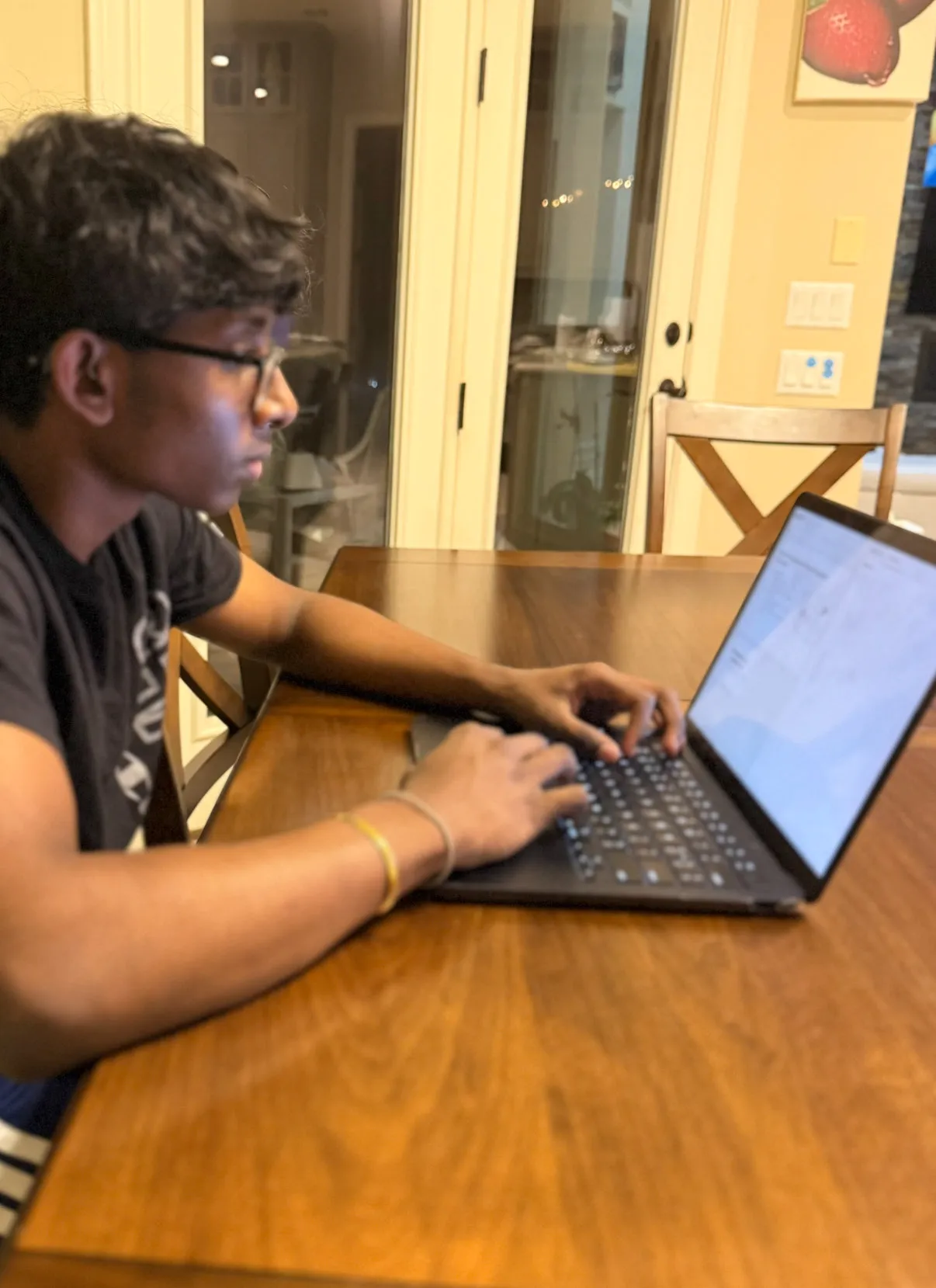
Today we’d like to introduce you to Murari Ambati.
Hi Murari, we’d love for you to start by introducing yourself.
I’ve always been drawn to big questions about the future and how technology will influence people’s lives, especially our minds. That curiosity led me to neurotechnology and then to a concern. Science was moving fast, but policy and ethics were not keeping up. There were very few places where young people could learn about these issues and actually influence real decisions.
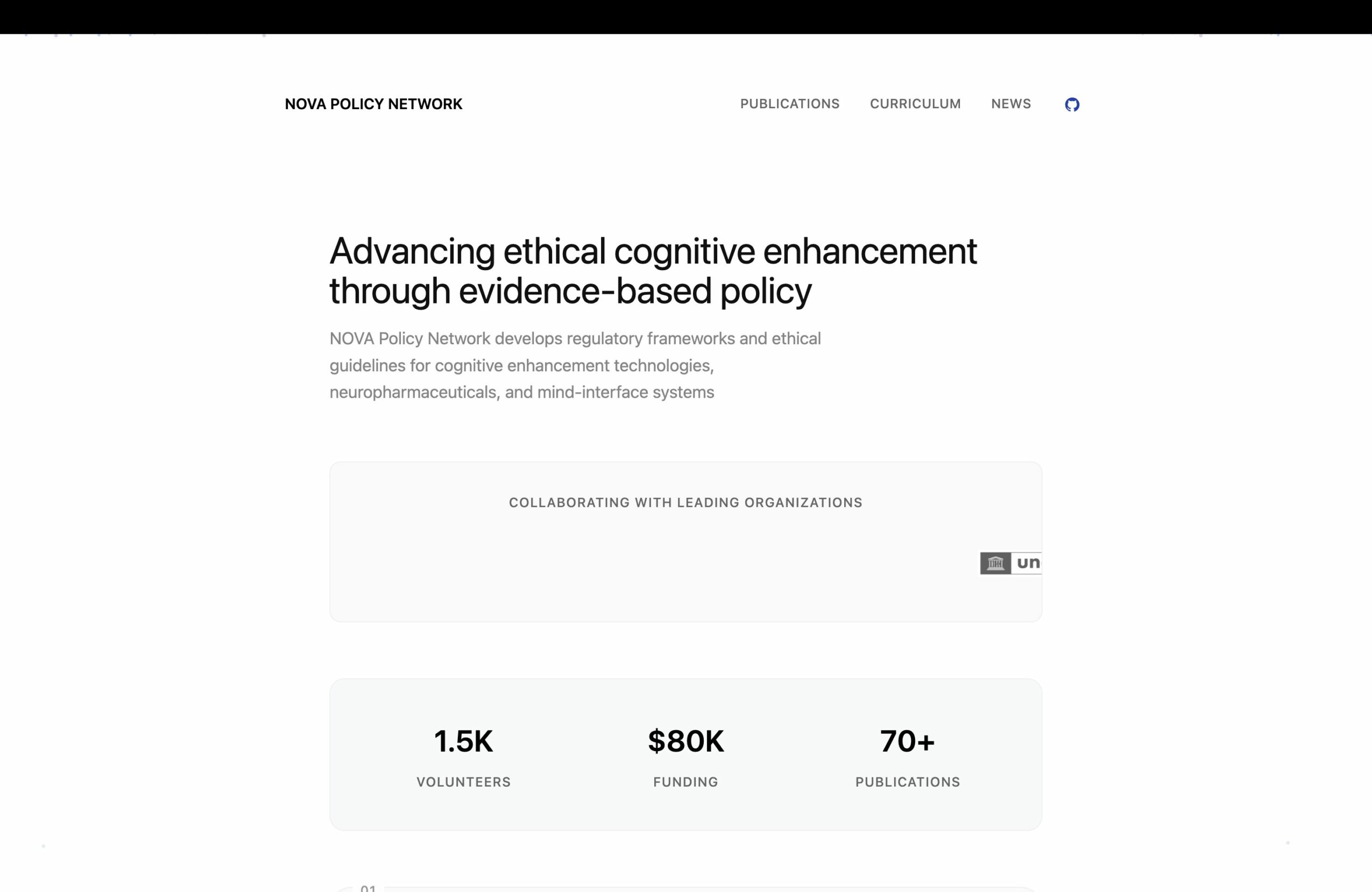
Together with my co-founder, Ishan Pendyala, I helped start the NOVA Policy Network to address that gap. Ishan shaped much of our early structure and helped us build partnerships with organizations like Amazon, Novartis, and the UNESCO Inclusive Policy Lab. We created a free, open curriculum on neurotechnology policy that has reached over 20,000 students worldwide through our initiatives in curriculum, and our research. Our community has grown to more than 1,500 volunteers, we have raised about $80,000 in support, and students working with us have published over 70 policy briefs and other research with resources by institutions.
Today, I focus on expanding that impact by growing our curriculum, forming more global partnerships, and opening new pathways for students to help shape responsible and ethical neurotechnology governance.
We all face challenges, but looking back would you describe it as a relatively smooth road?
Not at all. There have been plenty of challenges.
Early on, one of the biggest obstacles was credibility. We were students talking about global neurotechnology governance, trying to work with institutions like the OECD, European Commission, and large companies. Many people were polite but skeptical. We had to prove that young people could do serious, high quality policy work. That meant over-preparing for every meeting, consistently delivering on small projects, and letting the results speak for us.
Building NOVA Policy Network itself was another challenge. We were creating a free global curriculum, coordinating more than a thousand volunteers, and raising funding at the same time. There were moments when growth moved faster than our systems. Communication broke down, people burned out, and I had to learn how to set clearer structures, delegate, and say no.
On a personal level, balancing long term work with school and other commitments was hard. There were times I felt overwhelmed and questioned whether we were moving fast enough. Learning to step back, use meditation to reset, and then return with a clearer head has been key. The road has not been smooth, but each setback has forced us to refine the model and made the organization more resilient.
Can you tell our readers more about what you do and what you think sets you apart from others?
I am a student who works at the intersection of neurotechnology, policy, and education. Most of my time goes into co-leading the NOVA Policy Network, where we focus on one core question: how should society govern emerging neurotechnologies such as cognitive enhancement tools, neuropharmaceuticals, and brain computer interfaces. I specialize in building programs that make these complex issues accessible to students and then connect their work to real policy venues.
What do you like and dislike about the city?
What I like best about Houston is its diversity and energy. You can meet people from almost every background, and that creates a very open, global mindset. The city also has a strong culture of ambition, from medicine and space to entrepreneurship, so it feels like a place where big ideas are taken seriously.
What I like least is the day to day reality of the city’s layout and climate. The sprawl and traffic make it hard to get around without a car, and the heat and humidity can be draining, especially in the summer. It is an amazing place to learn and build, but it definitely asks for some patience on the practical side.