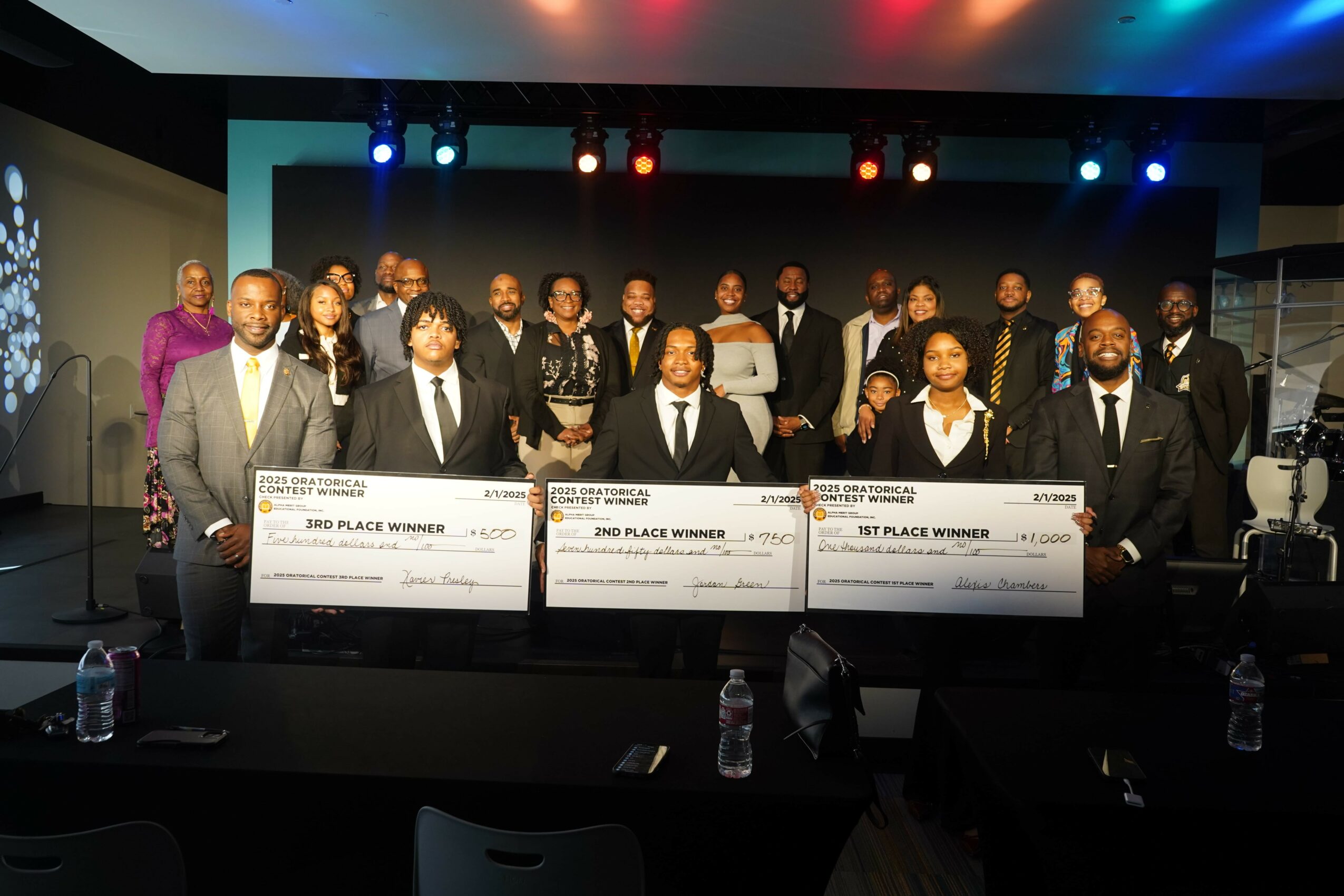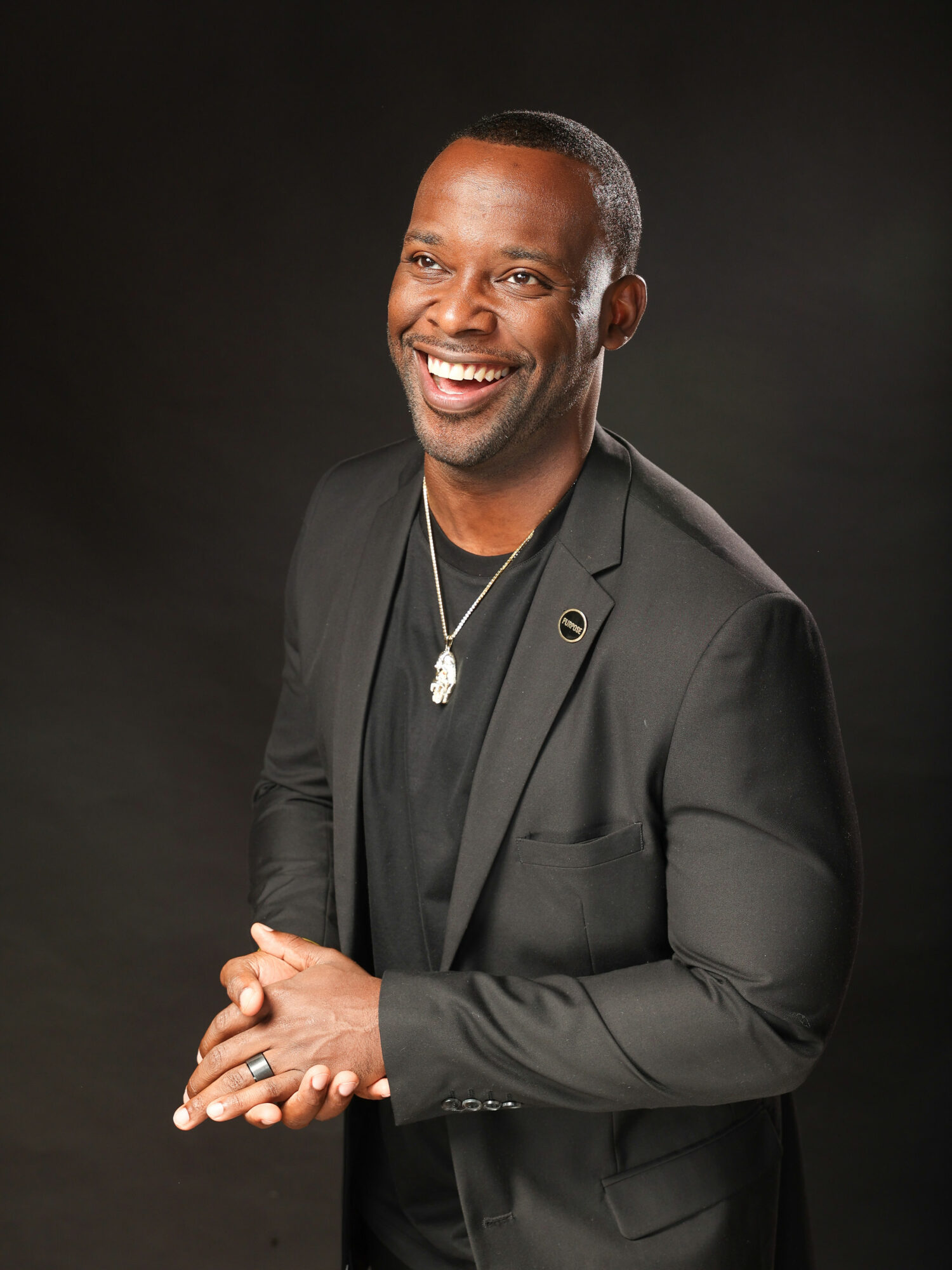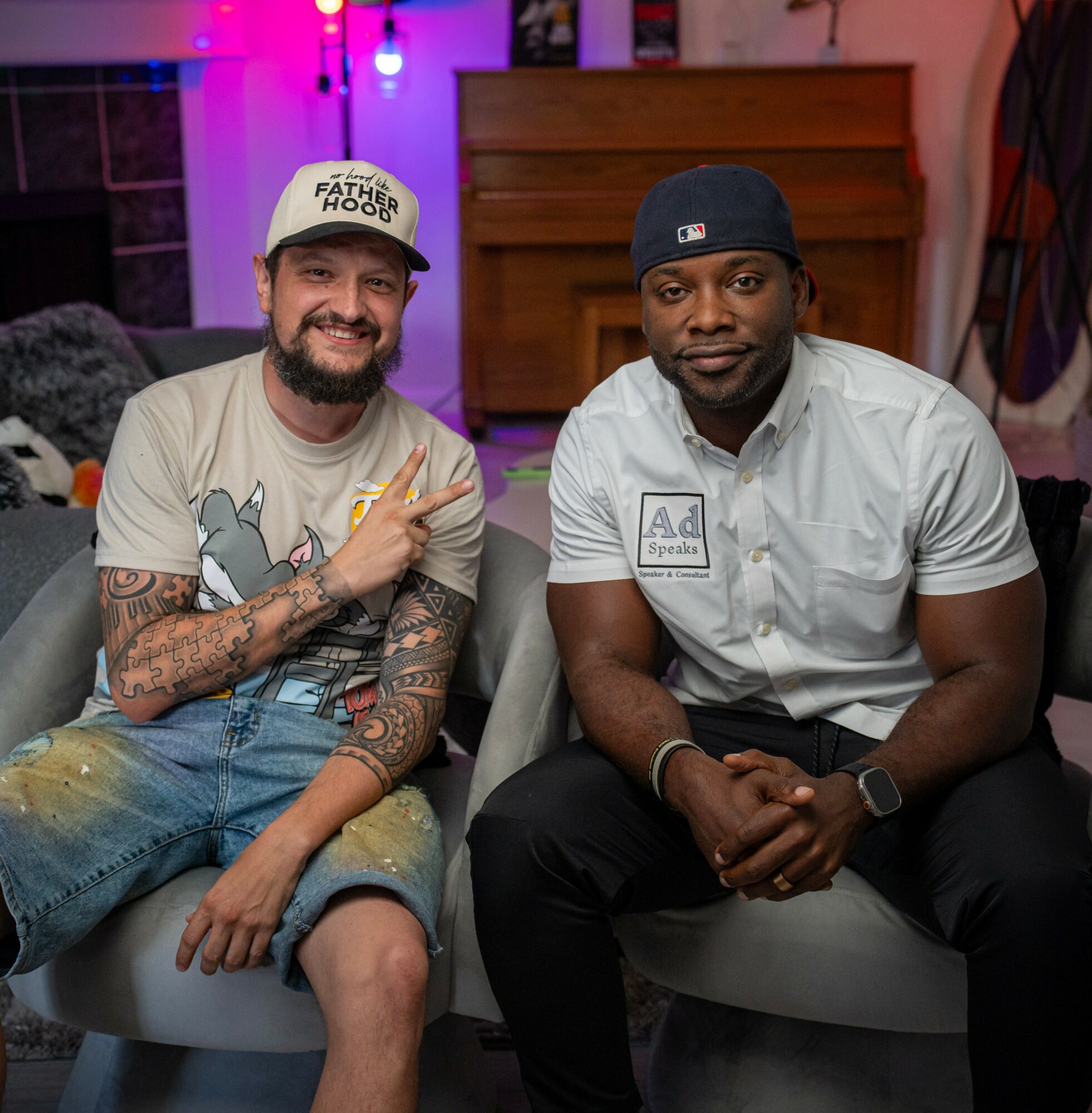




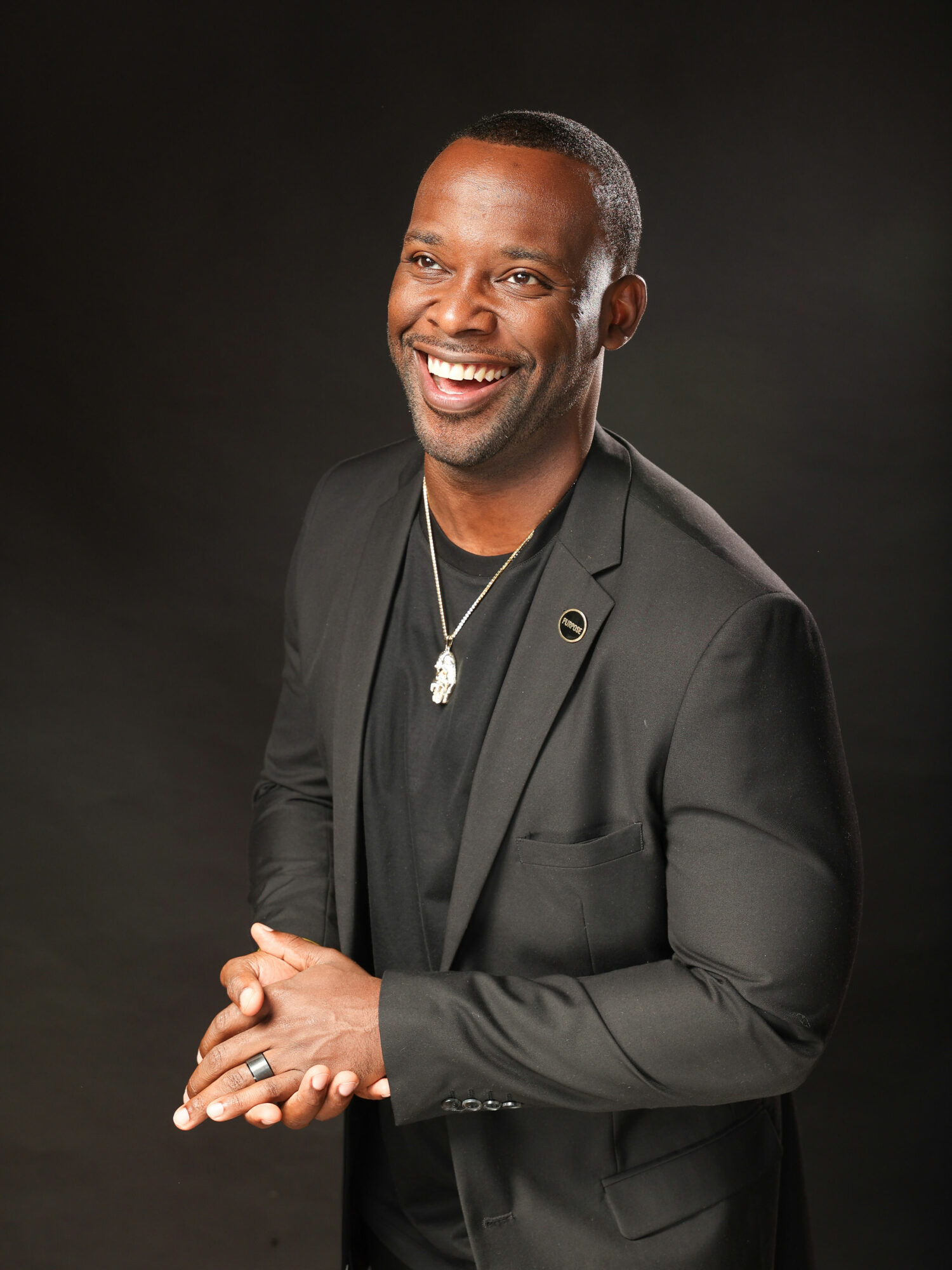
Adonis Mitchell shared their story and experiences with us recently and you can find our conversation below.
Good morning Adonis, it’s such a great way to kick off the day – I think our readers will love hearing your stories, experiences and about how you think about life and work. Let’s jump right in? Who are you learning from right now?
Over the past few years, I have had the pleasure of learning from many influential and just overall great people. Dr. Eric Thomas, Rochelle T. Parks, Terry Williams, David Settle, are just some that initially come to mind. Right now, I am consuming a lot of the information shared by Kevin Fredricks (Kevonstage). His ability to create and sustain “community” is intriguing to me, along with his transparency his successes and failures. Transparency and vulnerability are always attractive, because it reminds us that even though a person has amassed a certain level of fame, they are still a person. I am taking the nuggets he shares, along with some that he doesn’t and implementing them into my own journey.
Can you briefly introduce yourself and share what makes you or your brand unique?
Greetings and Salutations!
My name is Adonis Mitchell, but you can call me Coach AD. I am the founder of AD Speaks, a personal and professional development brand built on the mission of helping people bridge the gap between where they are and where they want to be. Through my work as a public speaker, coach, and host of The Session podcast, I create spaces where people can grow in self-awareness, strengthen relationships, sharpen their professional skills, and find the courage to live with authenticity and accountability.
What makes my journey unique is that it started in the church—serving as a youth minister taught me the power of voice, transparency, and connection. Over the years, I’ve expanded that calling into schools, organizations, corporations, and community spaces, where I’ve had the privilege of motivating students, consulting with companies, and building leadership pipelines. I’ve also been shaped by communities like Breathe University, where I was mentored by Dr. Eric Thomas, and by my lifelong membership in Alpha Phi Alpha Fraternity, Inc., which reinforces my commitment to service, brotherhood, and uplifting humanity.
Right now, I’m working on several projects that align with that mission, including launching the Bridging the Gap book series, continuing to grow The Session podcast on YouTube, and creating impactful workshops for schools, non-profits, and businesses. Ultimately, what makes AD Speaks special is our approach—we lead with vulnerability, meet people where they are, and give them tools they can use immediately to create change.
Appreciate your sharing that. Let’s talk about your life, growing up and some of topics and learnings around that. What breaks the bonds between people—and what restores them?
From my own life and the communities I’ve served, I’ve seen that what often breaks the bonds between people is a lack of understanding and communication. When we fail to listen, like really listen with the intent to understand the other person, walls get built. Pride, judgment, and assumptions can make us forget that we all share the same basic needs: to be seen, to be heard, and to be valued.
What restores those bonds is authentic connection rooted in transparency and accountability. I learned this early within my church community, where vulnerability was not a weakness but a bridge. When you’re willing to be open about your own struggles and extend grace to others in theirs, trust gets rebuilt. I’ve carried that lesson into every space I enter—whether it’s a classroom full of students, a boardroom of executives, or a podcast episode with men talking about manhood and relationships.
For me, the restoration of bonds isn’t about perfection—it’s about presence. It’s choosing to show up, to communicate with empathy, and to prioritize growth over ego. That’s where healing happens, and that’s where true progress begins.
What have been the defining wounds of your life—and how have you healed them?
One of the defining wounds of my life was the relationship I had with my late father. Following my graduation from high school, our relationship became strained and ultimately toxic. When my mother was diagnosed with cancer, I was called upon to step into a role he had vacated—managing a household, housing my younger siblings and mother in my own home, and carrying responsibilities far beyond my years. Those circumstances added tension to an already fragile relationship.
At one point, my father and I had a one-on-one conversation where I expressed my feelings and attempted to establish healthy boundaries. Unfortunately, those boundaries were often crossed, which deepened the distance between us. From 2017 until his passing in 2021, we did not speak.
What allowed me to move forward was choosing forgiveness. I didn’t extend forgiveness because he asked for it, or because I felt he needed it—I forgave him for myself. Carrying resentment only kept me bound, but forgiveness gave me the freedom to move forward with peace. Over time, I began to look at him not through the lens of anger, but with empathy and compassion.
Although reconciliation never took place before his passing, I now carry a sense of peace about our relationship. That experience taught me that true healing doesn’t always come from others changing—it comes from us choosing to release bitterness, embrace forgiveness, and grow stronger through the process.
I think our readers would appreciate hearing more about your values and what you think matters in life and career, etc. So our next question is along those lines. Where are smart people getting it totally wrong today?
I believe one of the areas where even the smartest people often get it wrong today is in empathy and humanity. We live in a world that celebrates intelligence, innovation, and efficiency—and while those qualities are powerful, they can sometimes overshadow the very thing that makes leadership and community sustainable: the ability to truly connect with people.
Far too often, decisions are made with data and logic alone, or a political agenda, but without considering the human impact. We see it in workplaces where employees are treated as numbers instead of people, in communities where policy overlooks lived experiences, and even in our personal relationships when success or status takes precedence over compassion.
The truth is, intelligence without empathy is incomplete. Being “smart” isn’t just about what you know—it’s about how you apply it to serve, uplift, and inspire others. When we slow down to listen, when we value people’s stories, and when we lead with humanity, that’s when knowledge becomes wisdom.
I’ve built my brand, around that principle. Because in the end, no matter your title or achievements, people will remember how you made them feel far longer than they’ll remember what you accomplished.
Before we go, we’d love to hear your thoughts on some longer-run, legacy type questions. What is the story you hope people tell about you when you’re gone?
When my time on this earth is done, I hope the story people tell about me begins not with titles, accolades, or accomplishments, but with how I showed up as a husband, father, family member, and friend. The work I’ve been blessed to do—whether through AD Speaks, Alpha Phi Alpha, or in the community—may reach the masses, but if I couldn’t serve my own tribe with love and consistency, then I’ve missed the mark.
I could be known as a powerful speaker, a faithful servant, or a leader in my fraternity, but none of that would matter if my wife ever felt neglected or my children felt like they grew up without a present father. To me, legacy isn’t just about impact in the world—it’s about the love, stability, and presence you provide to the people who carry your name and your story forward.
As I often remind men through my podcast, The Session: “At the end of the day, my true legacy won’t be the stages I’ve spoken on or the programs I’ve built—it will be whether my wife felt loved, my children felt fathered, and my family felt supported. Leaders leave a legacy, and this is the legacy I hope to leave.”
If people remember me as a man who gave his best to his family first, and then used his gifts to uplift others, then I would consider that the greatest success of all.
Contact Info:
- Website: https://www.adspeaks.net
- Instagram: @ad_speaks
- Youtube: https://www.youtube.com/@AD_Speaks1
- Other: https://linktr.ee/adspeaks