

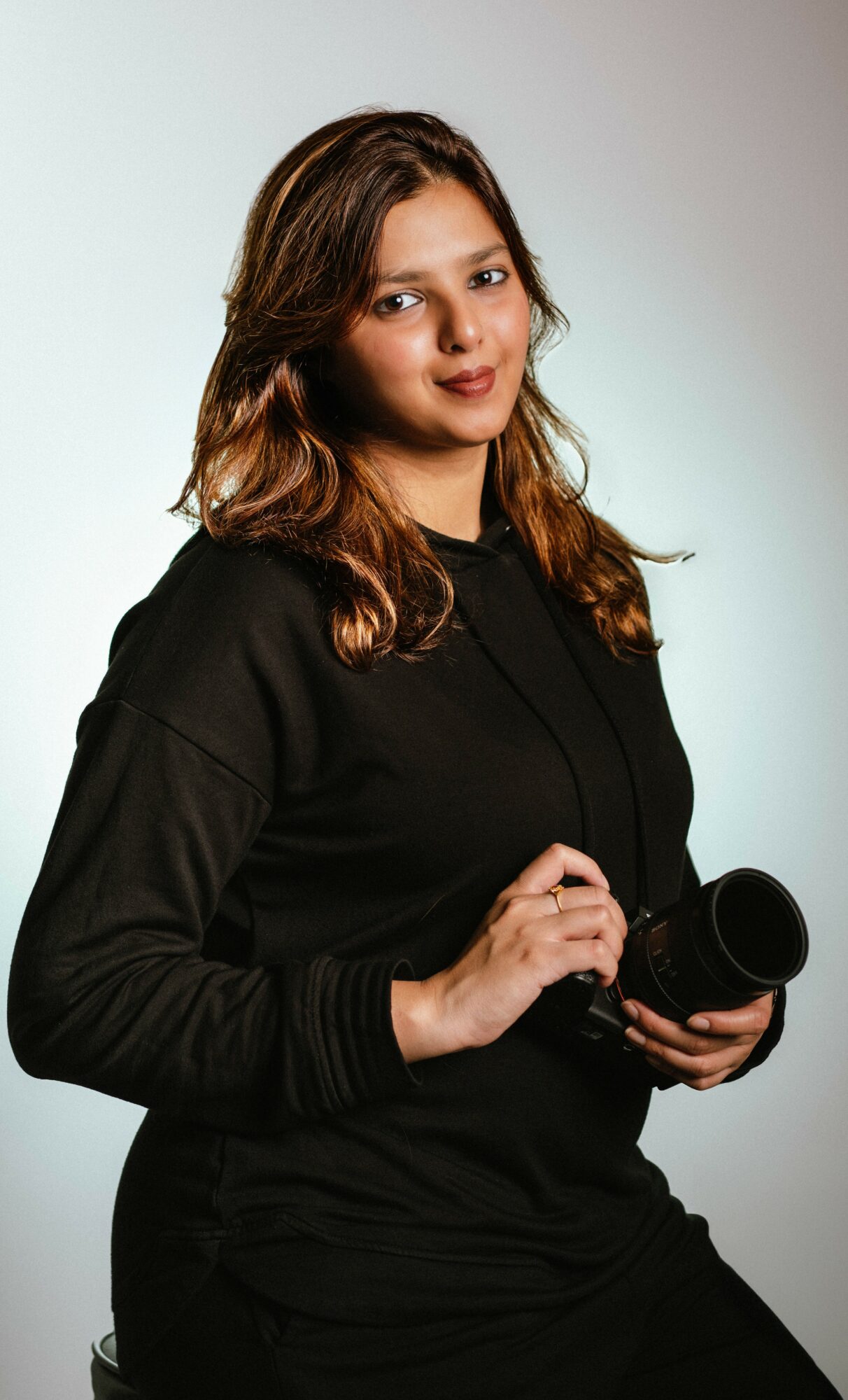
Mahnoor Nasir Khan shared their story and experiences with us recently and you can find our conversation below.
Mahnoor Nasir, we’re thrilled to have you with us today. Before we jump into your intro and the heart of the interview, let’s start with a bit of an ice breaker: Are you walking a path—or wandering?
I believe I am walking a path. It hasn’t always been straight, and at times it felt like wandering — but every step has carried meaning. As an artist, my work is rooted in exploring silence, identity, and the unseen emotional spaces we carry inside us. Those themes have guided me more clearly than any roadmap ever could.
Coming from Pakistan and rebuilding my creative life in the United States, I often felt suspended between two worlds — culturally, emotionally, and artistically. That sense of in-between became a path of its own. It shaped the way I create, the stories I tell, and the visual language I gravitate toward.
So while my journey sometimes looked like wandering from the outside, it has always been guided by a deep internal compass — a commitment to telling honest, vulnerable human stories. Today, I walk my path with intention, knowing that every turn, every pause, and every struggle has become part of the voice I create from.
Can you briefly introduce yourself and share what makes you or your brand unique?
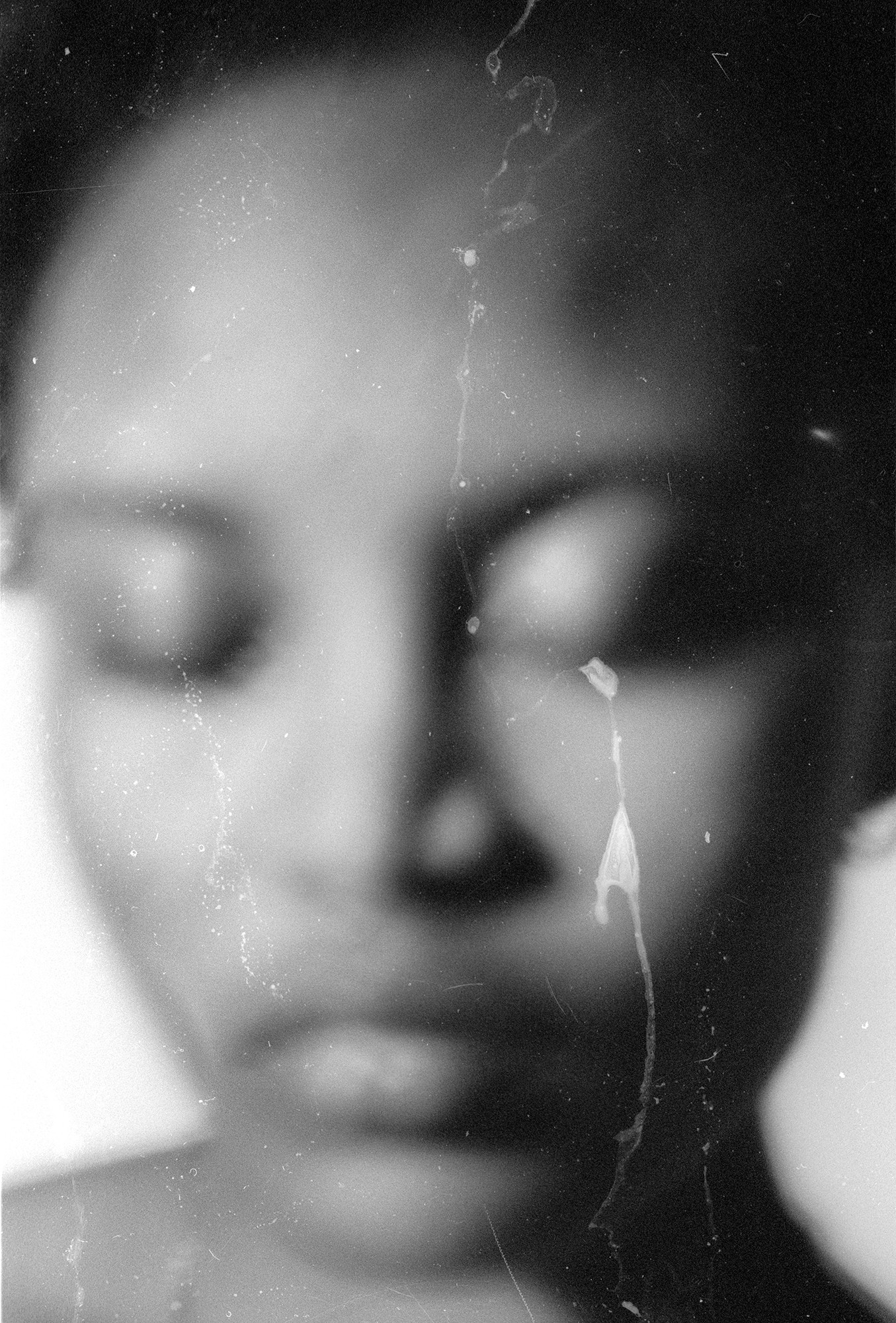
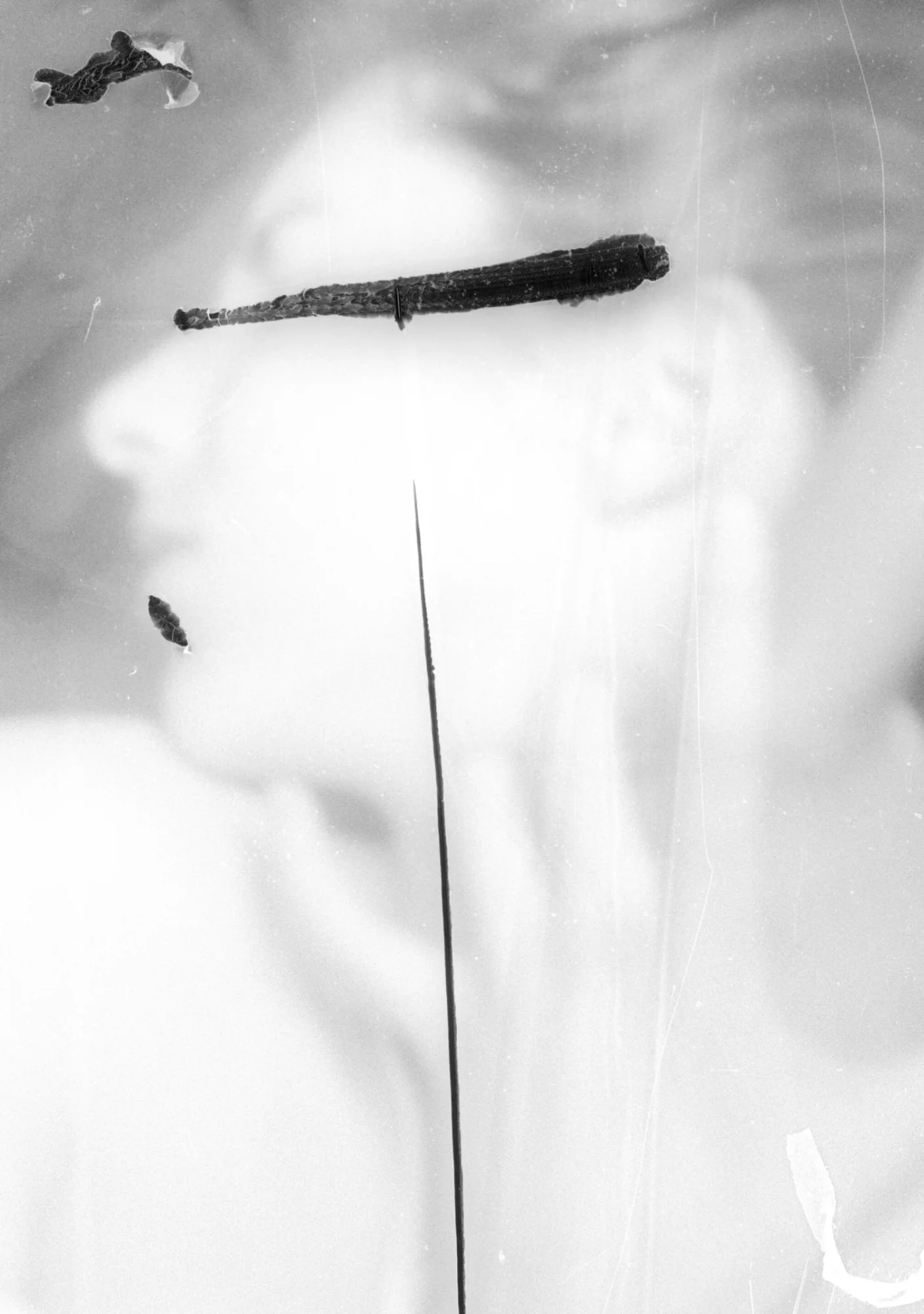
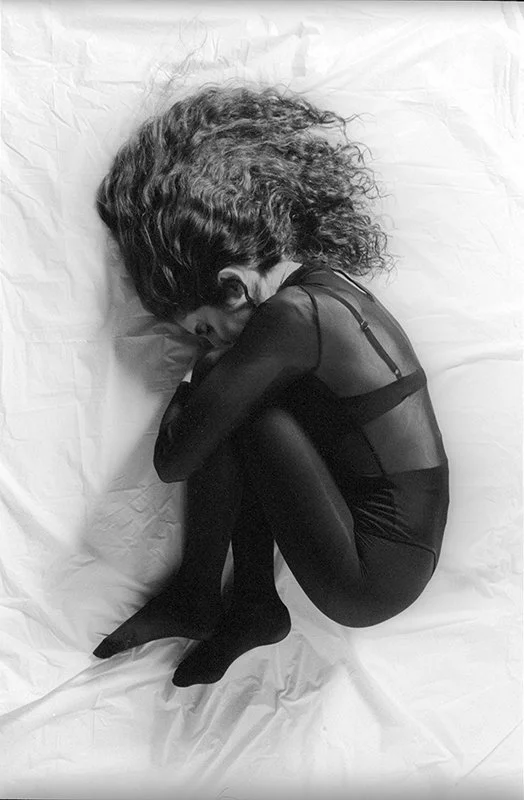
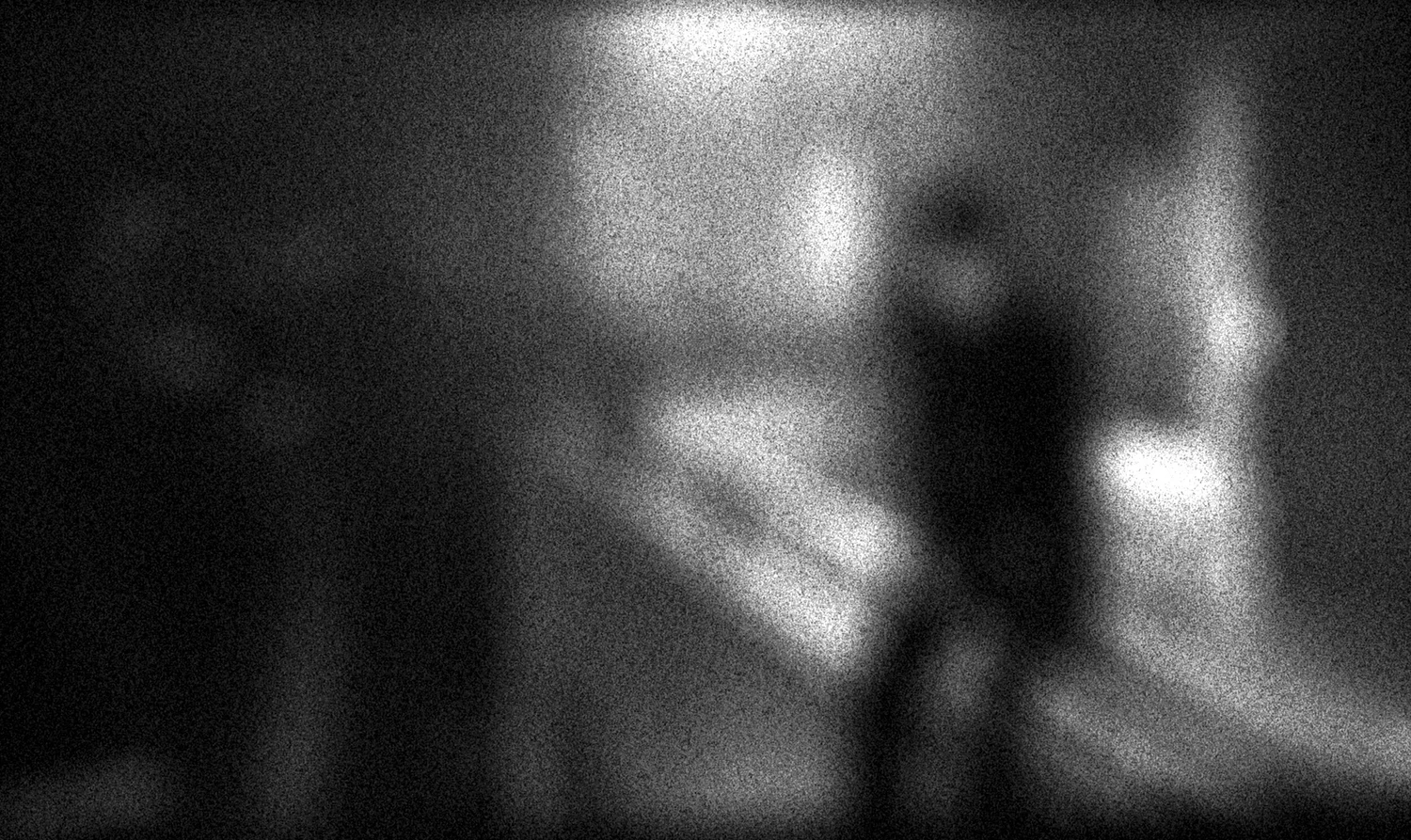
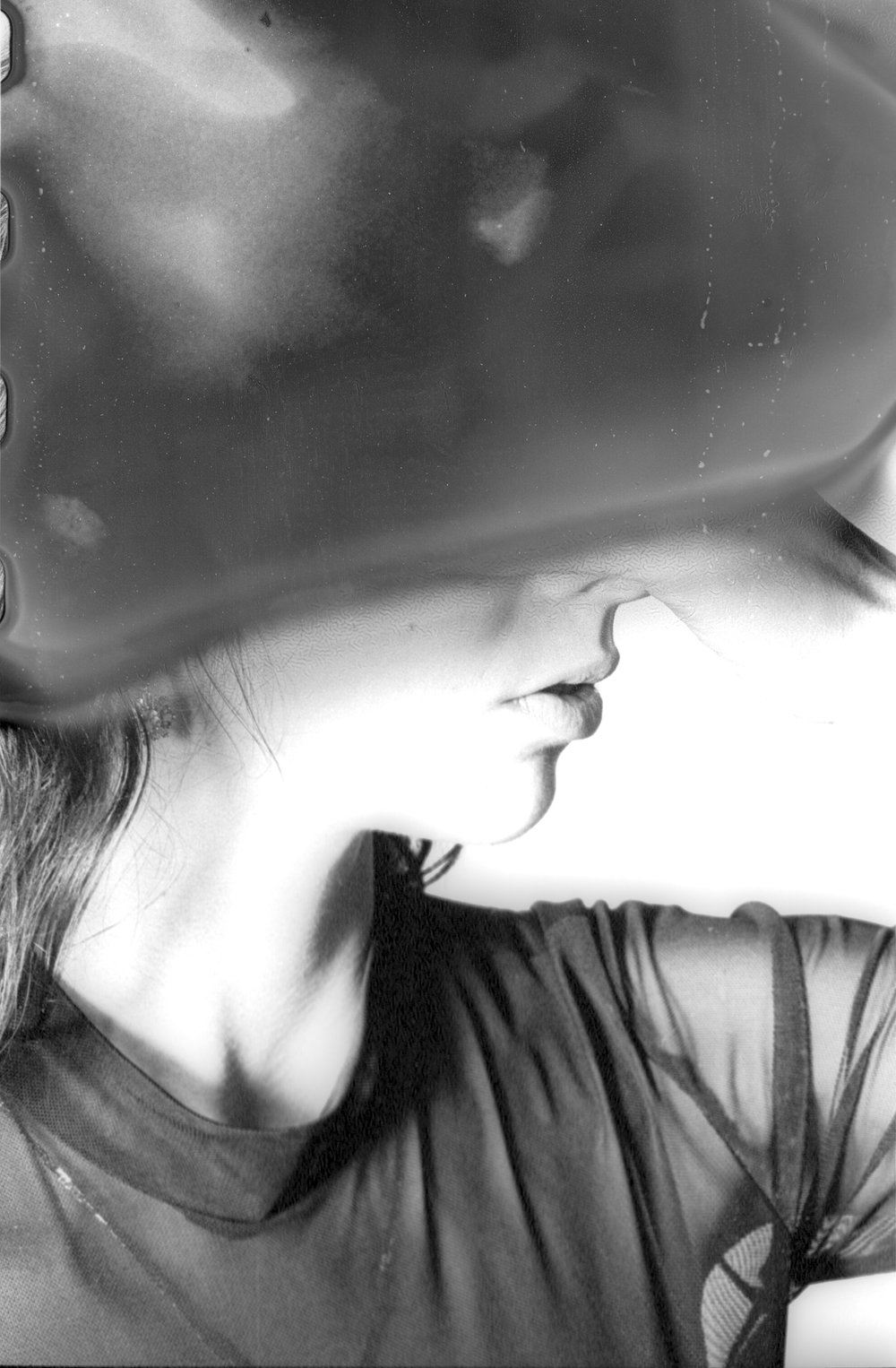
My name is Mahnoor Nasir Khan, and I am a Pakistan-born fine art photographer and visual artist whose work explores memory, silence, identity, and the emotional narratives that often exist beneath the surface. I use photography as a way to give form to experiences that are difficult to articulate—moments of pause, vulnerability, cultural duality, and the quiet strength found in everyday life.
I hold an MFA in Photography from Long Island University (New York), and my work has been exhibited internationally in Spain, China, Turkey, and the United States, including the Museo de Fotografía FotoNostrum (Barcelona), Suning Art Museum (Shanghai), MOCA Long Island, Space 776 Gallery (NYC), and multiple curated Artsy exhibitions. I have also received honors such as the Pollux Award and the Julia Margaret Cameron Award for Fine Art Photography.
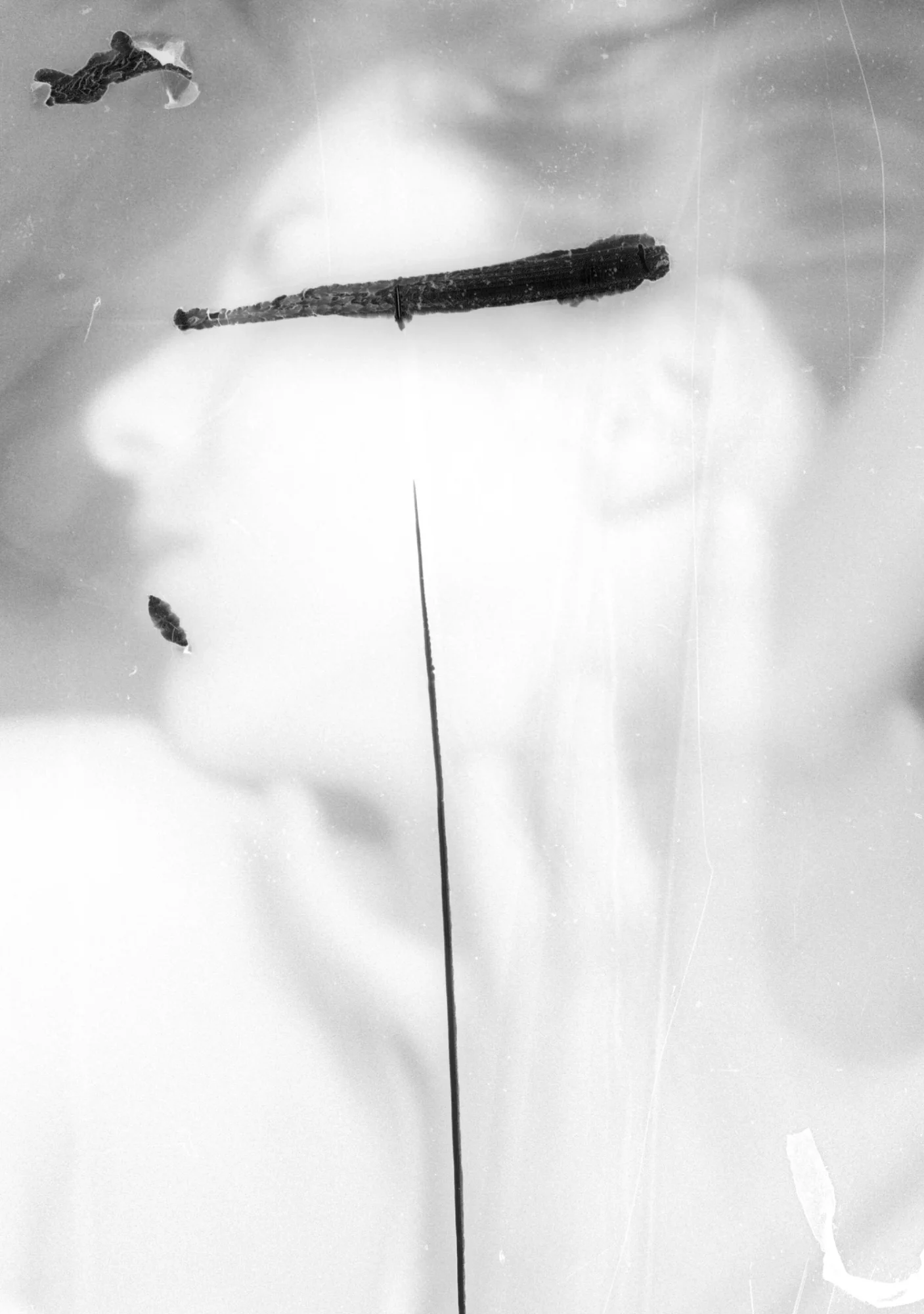
Across my practice, I am drawn to themes of identity, womanhood, diaspora, and the unspoken emotional histories we carry. Much of my work is created through film and alternative photographic processes, allowing imperfections, textures, and fragments of memory to become part of the storytelling.
Today, I am continuing to expand my body of work—developing new photographic series, participating in global exhibitions, and creating spaces where others can see their own inner narratives reflected back at them.
Appreciate your sharing that. Let’s talk about your life, growing up and some of topics and learnings around that. Who were you before the world told you who you had to be?
Before the world told me who I had to be, I was simply Mahnoor — a child who absorbed everything quietly, almost instinctively. I was always observing, always feeling, always noticing the subtle things others overlooked. Long before I had a camera, I processed the world through stillness and silence. I was drawn to shadows, gestures, fragments of emotion that lived between words.
Growing up in Pakistan, I learned early how much of a woman’s inner world remains unseen or unheard. But before those expectations formed around me, my identity was rooted in curiosity and an almost natural instinct to document feeling — not with a lens yet, but through imagination, memory, and the way I internalized people’s stories.
The world eventually tried to define me — what I should pursue, how I should behave, what my path “should” look like — but the truest version of me existed long before that. She was introspective, observant, and deeply connected to emotion.
Today, my work as a fine art photographer is essentially a return to that original self. Through my series and exhibitions, I create visual spaces where silence becomes expression and where hidden parts of the self can finally be seen. In many ways, the artist I am now is simply the grown version of the child I was before the world spoke over her.
Was there ever a time you almost gave up?
There have been several moments in my life when I almost walked away from my art, but one stands out with piercing clarity. It was during my early years in the United States, when I was trying to rebuild myself from the ground up — far from Pakistan, far from familiarity, and far from the quiet confidence I once had in my work.
Despite holding an MFA in Photography and having my conceptual series exhibited in places like New York, Spain, China and Turkey, I still felt invisible. I felt like the world around me was asking me to shrink, to smooth out my complexities, to become someone easier to understand. And for a moment, I almost listened. I almost stopped creating.
But the silence inside me became unbearable. Ever since I was a child, I’ve carried stories that were too heavy to speak out loud — stories of identity, duality, womanhood, and the things people hide beneath their skin. Photography was the only language I had to make the invisible visible.
In one of the darkest moments, I picked up my camera again — not to produce work for an audience, but to save myself. What emerged eventually became the foundation of the very work that defines me today: my What They Hide Series, Cheekh, and World of Duality. These pieces later traveled into exhibitions, galleries, publications, and even Photovogue.
I, Mahnoor Nasir Khan almost gave up, but the work did not let me. It pulled me back.
Art reminded me that resilience is not loud — it is persistent. It is choosing to create even when no one is watching. It is choosing to stay, even when it feels easier to disappear.
And strangely, the moment I refused to quit was the moment my career began to open in ways I never imagined.
Alright, so if you are open to it, let’s explore some philosophical questions that touch on your values and worldview. Is the public version of you the real you?
I think the public version of me is real, but it is only one layer of who I am. People often see Mahnoor Nasir Khan the photographer, the artist who creates images filled with softness, silence, and emotional weight. They see the final work, the confidence, the exhibitions, the recognitions — but they rarely see the interior world that my work is actually born from.
My images come from quieter, more unspoken parts of my life. Much of my artistic practice has been shaped by moments of displacement, migration, and learning how to belong in places that felt unfamiliar. There is a private version of me that is constantly observing, remembering, and translating emotion into visual form. That part of me almost never speaks aloud, but it appears in my photographs.
So yes — the public version of me is real. But it is the version I built with intention: the one who uses art as a way to communicate what I never knew how to say. The fuller version of me exists in the spaces between the images — in the silence, vulnerability, and the unresolved questions that my work continues to explore.
Art has always been the place where all versions of Mahnoor Nasir Khan meet each other. My public identity and my private self are not separate — they simply speak different languages.
Okay, so let’s keep going with one more question that means a lot to us: What do you understand deeply that most people don’t?
As an artist, I’ve learned that the most powerful stories are the ones that are never spoken. Much of my work — from Cheekh to What They Hide to my ongoing explorations of duality — is built on the understanding that silence carries its own emotional architecture. It holds memory, trauma, resilience, and identity in ways that language often cannot.
I understand, in a way that has shaped my entire practice, that people are constantly negotiating between who they are and who the world tells them to be. This unseen tension is where my work lives. It’s the space I return to again and again as a photographer — the space between the visible and the withheld.
My years of creating work, studying photography at the MFA level, exhibiting internationally, and engaging with communities across different cultures have shown me that emotional truth rarely announces itself. It reveals itself quietly — through gesture, stillness, distortion, and the small ruptures in a person’s sense of self.
Most people look at a photograph and search for what is shown. I look for what is missing — the shadows, the fragments, the hesitations. That is where the real story begins. It’s an understanding that guides my creative process and, I hope, becomes part of the legacy I leave behind: an invitation for others to look deeper, feel deeper, and acknowledge the parts of themselves that don’t yet have language.