





Today we’d like to introduce you to Michele Jaquier.
Hi Michele, we’d love for you to start by introducing yourself.
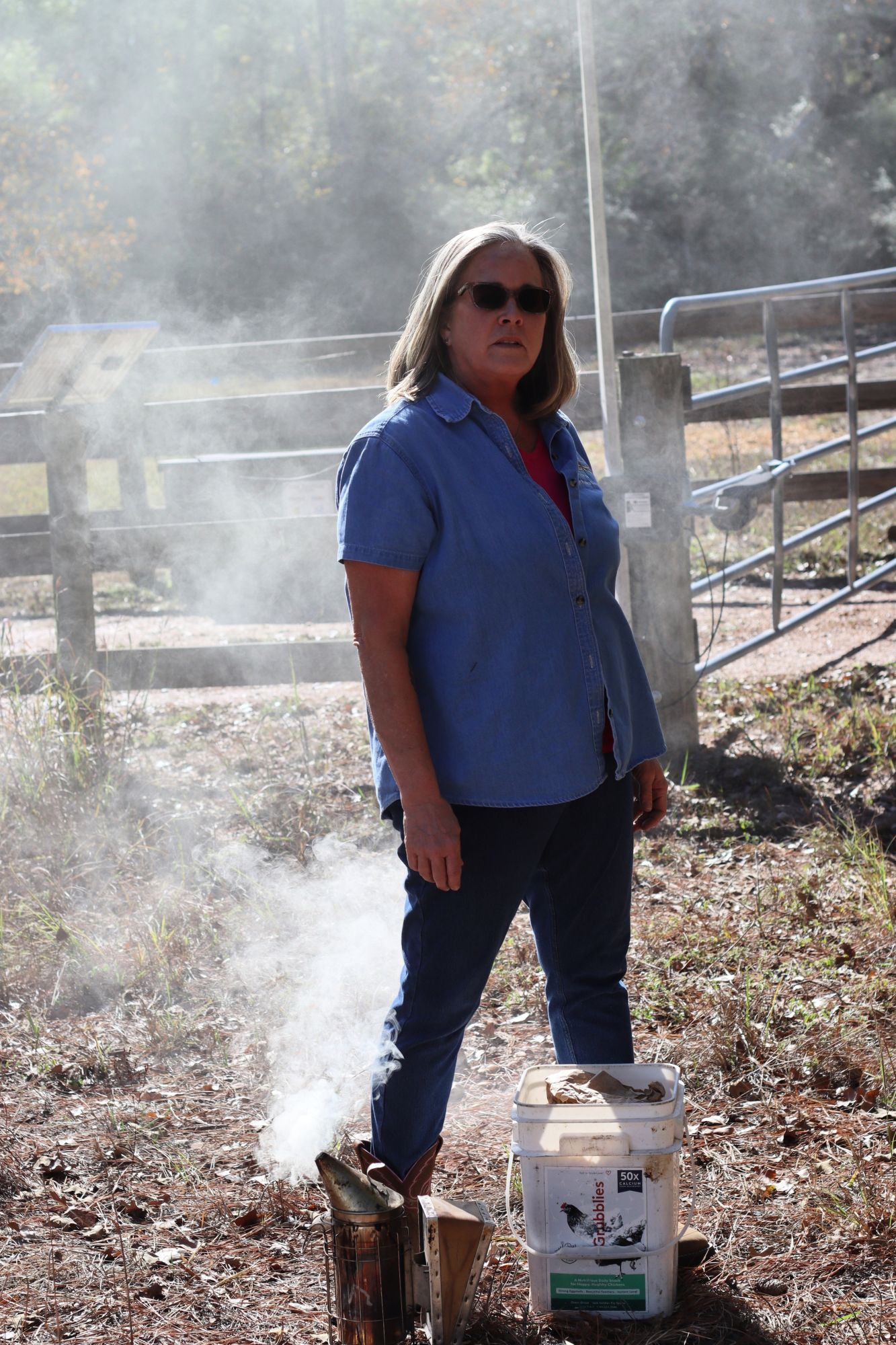
My love for honey bees began in childhood. Some of my earliest memories are of catching bees in mason jars as they foraged along our hedges. That early fascination, paired with a simple desire to care for the land, grew into a deep respect for the honey bee and its essential role in our ecosystem. What started as curiosity became a calling as I came to understand that responsible beekeeping is far more about stewardship than it is about honey.
Before beekeeping became my full-time path, I spent 15 years working for the State of Texas, where I ran a program dedicated to connecting people with local and state resources. Public service was deeply meaningful to me, and that experience continues to influence my work today. For many years, my plan was straightforward: retire someday and sell a little bit of honey on the side. That plan changed completely once I stepped into the beekeeping world. What began as a modest pursuit quickly evolved into a passion, and my appreciation for bees only deepened as I learned more about their complexity and their critical importance to our environment.
I pursued formal training through respected Texas apprenticeship programs, including Two Hives Honey, Bee Weaver Honey Farm, and Bee Mindful, and went on to earn my Texas Master Beekeeper certification through Texas A&M AgriLife. Along the way, I also became a Texas Master Naturalist, which continues to shape how I approach beekeeping—always with an emphasis on sustainability, habitat health, and putting the bees first.
At Fowl Acres Farm, LLC, our bees are managed in a way that prioritizes their well-being over production. We practice small-batch, apiary-specific harvesting and produce raw, unfiltered honey along with thoughtfully infused varieties that reflect both our region and our values. In addition to honey production, we provide agricultural valuation (ag exemption) beekeeping services, helping landowners responsibly manage their property while working toward meaningful property tax relief through pollinator-focused land use.
Today, my work extends well beyond honey. Through education, swarm rescue, colony removal, ag valuation support, and community involvement, I strive to help others better understand and appreciate honey bees—not just as honey producers, but as vital partners in our environment. Receiving the 2025 Ann Harmon Award for Beekeeping Excellence through the Texas Beekeeper’s Association was a humbling reminder that this work matters and reinforced my commitment to ethical beekeeping and lifelong learning.
What began as a small step into beekeeping has become a lifelong pursuit rooted in care, curiosity, and deep respect for the bees.
Alright, so let’s dig a little deeper into the story – has it been an easy path overall and if not, what were the challenges you’ve had to overcome?
It has definitely not been a smooth road. Beekeeping, especially ethical and treatment-free beekeeping, comes with real and ongoing challenges that are often invisible to those outside the industry.
One of the greatest struggles is colony loss. Honey bees today face an extraordinary number of pressures—pesticides, pathogens, parasites, predators, and environmental stressors—all at once. A single colony may forage more than three miles in every direction, meaning bees inevitably encounter treated landscapes, agricultural chemicals, pest control products, contaminated water sources, and habitats beyond a beekeeper’s control. Even when we manage our land responsibly, our bees do not live in isolation.
At Fowl Acres Farm, we are treatment-free by choice. This approach requires careful selection, close observation, and a willingness to accept that not every colony will survive. While treatments can sometimes offer short-term solutions, our goal is long-term resilience—supporting genetics that can adapt, survive, and thrive without chemical intervention. That philosophy aligns with our belief that beekeeping should work with nature, not against it, but it also means losses can be higher and the emotional toll significant.
Environmental factors compound these challenges. Habitat loss, climate extremes, inconsistent forage availability, and prolonged droughts or excessive rains all directly affect colony health. Last year, the beekeeping industry experienced devastating colony losses nationwide, underscoring just how fragile honey bee populations have become—even for experienced and well-managed operations.
Despite these challenges, or perhaps because of them, the work feels more important than ever. Each loss reinforces why education, responsible land management, and pollinator advocacy matter. Beekeeping is not about controlling bees; it’s about supporting them in a world that has become increasingly difficult for them to survive in.
Appreciate you sharing that. What should we know about Fowl Acres Farm, LLC?
Fowl Acres Farm, LLC is a small, family-owned farm rooted in ethical hive management, education, and responsible honey bee stewardship. While we do produce honey, our work extends far beyond the jar. We focus on treatment-free beekeeping practices that prioritize colony health, genetic resilience, and long-term sustainability over maximum production.
We specialize in small-batch, apiary-specific raw and unfiltered honey, along with thoughtfully infused varieties that reflect our region and the seasonal forage available to our bees. Each harvest is micro-batched by location, allowing the natural character of the land and blooms to shine through. This approach ensures traceability, quality, and a genuine connection between the consumer and the landscape the bees call home. We are also proud members of Real Texas Honey™, a Texas nonprofit organization that promotes honey produced entirely by honey bees in Texas, and we were honored to be named a Real Texas Honey™ Winner in both 2024 and 2025.
What truly sets us apart is our unwavering commitment to putting the bees first. Our colonies are managed with minimal intervention, allowing them to express natural behaviors and adapt to their environment. We are treatment-free by choice, relying on education, close observation, and strong genetics rather than chemical solutions. This philosophy guides every aspect of our work—from hive management to how we partner with landowners and engage with our community.
Beyond honey production, we offer a wide range of beekeeping services, including education, swarm rescue, colony removal, and agricultural valuation (ag exemption) services. Through ag valuation support, we help landowners responsibly manage their property while contributing to pollinator health and working toward meaningful property tax relief. Education remains a cornerstone of our mission, whether through one-on-one consultations, private or group hands-on beekeeping lessons, community outreach, or mentoring new beekeepers.
From a brand perspective, I am most proud of the trust we’ve built. Our customers and partners know that our practices are transparent, intentional, and rooted in care—for the bees, the land, and the people we serve. Receiving the 2025 Texas Beekeepers Association Ann Harmon Award for Beekeeping Excellence reinforced that our approach, while not the easiest path, is one that truly makes a difference.
What I want readers to know is that Fowl Acres Farm is about connection—between bees and blooms, land and stewardship, and people and the food they consume. When you support our farm, you’re supporting ethical beekeeping, local ecosystems, and a philosophy that values resilience, responsibility, and respect over convenience.
Can you share something surprising about yourself?
People are often surprised to learn that I graduated from the University of Houston with a Bachelor of Science from the Conrad N. Hilton College of Global Hospitality Leadership. While in school, I was selected as the student chef for Gourmet Night—an annual, student-planned, multi-course dinner and silent auction that serves as one of the college’s most significant fundraising and hands-on educational events.
I spent much of my spare time in the pastry kitchen, where I learned the importance of balance, restraint, and letting high-quality ingredients speak for themselves. That experience deepened a love of baking I inherited from my mother and grandmother, rooted in our German heritage, and it still influences how I develop our infused honeys today—thoughtful flavor pairings, careful timing, and a respect for the natural character of the honey rather than masking it.
Contact Info:
- Website: fowlacresfarm.com
- Instagram: @fowlacresfarm
- Facebook: Fowl Acres Farm
- Other: info@fowlacresfarm.com
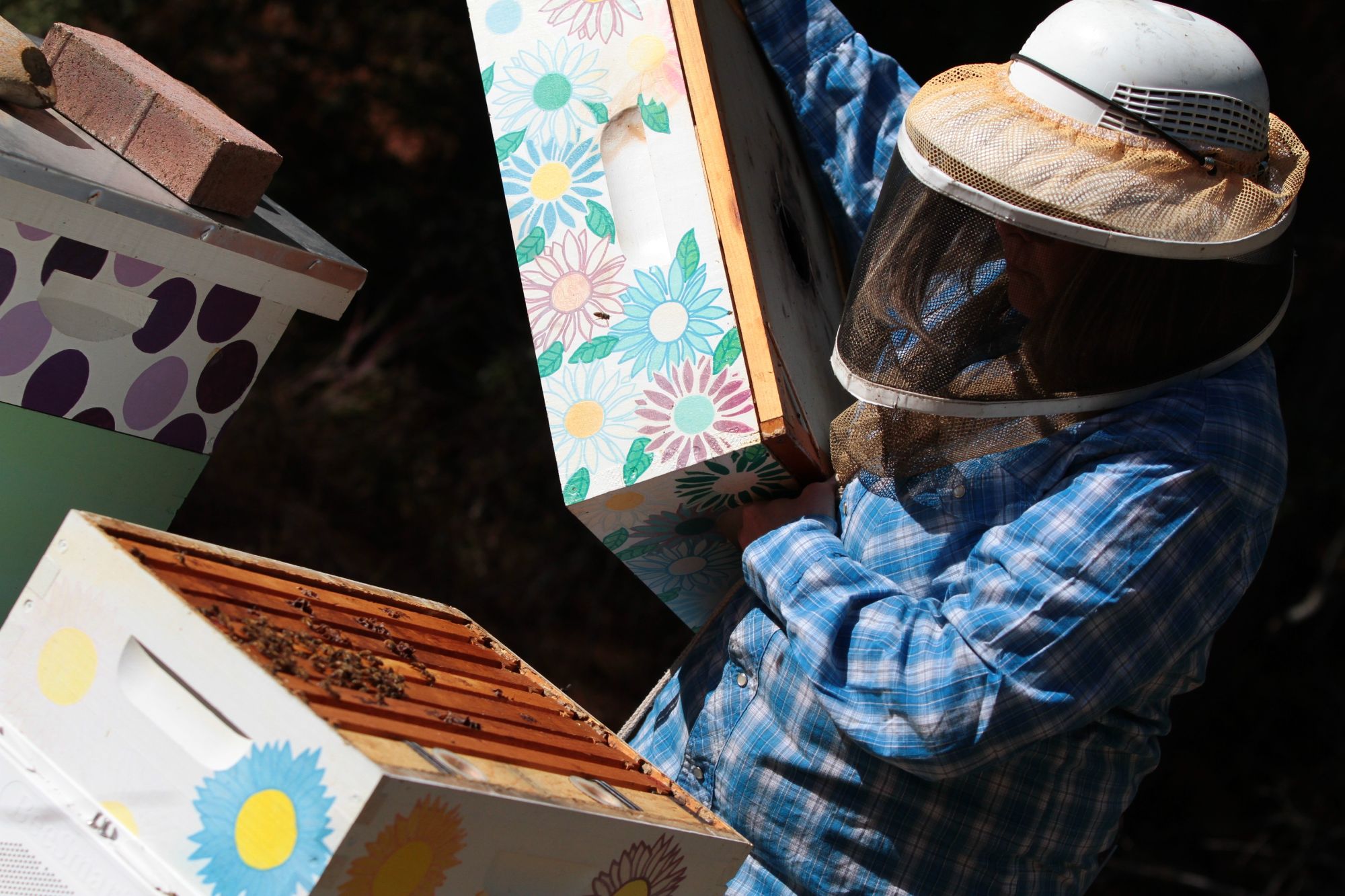
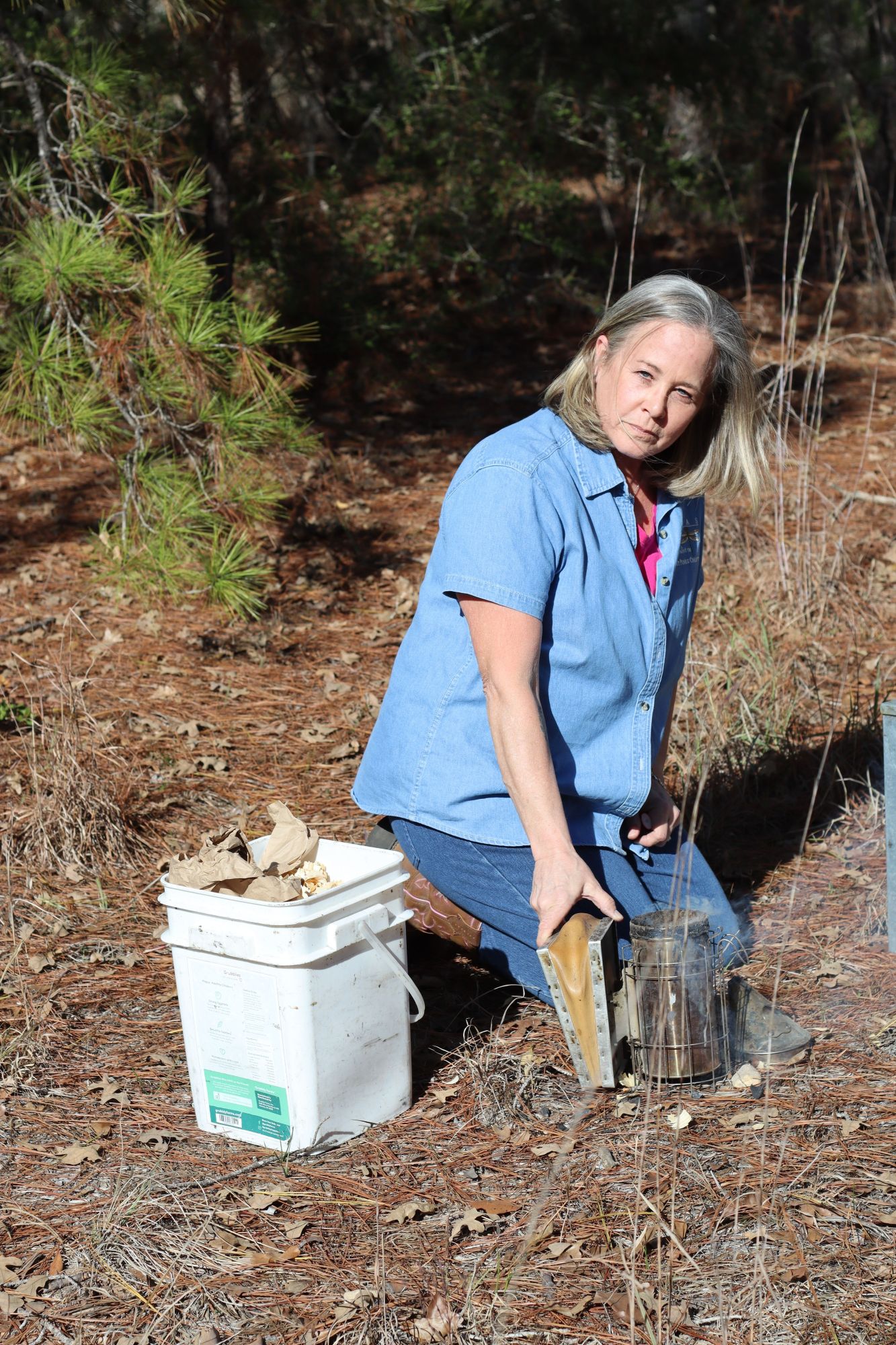
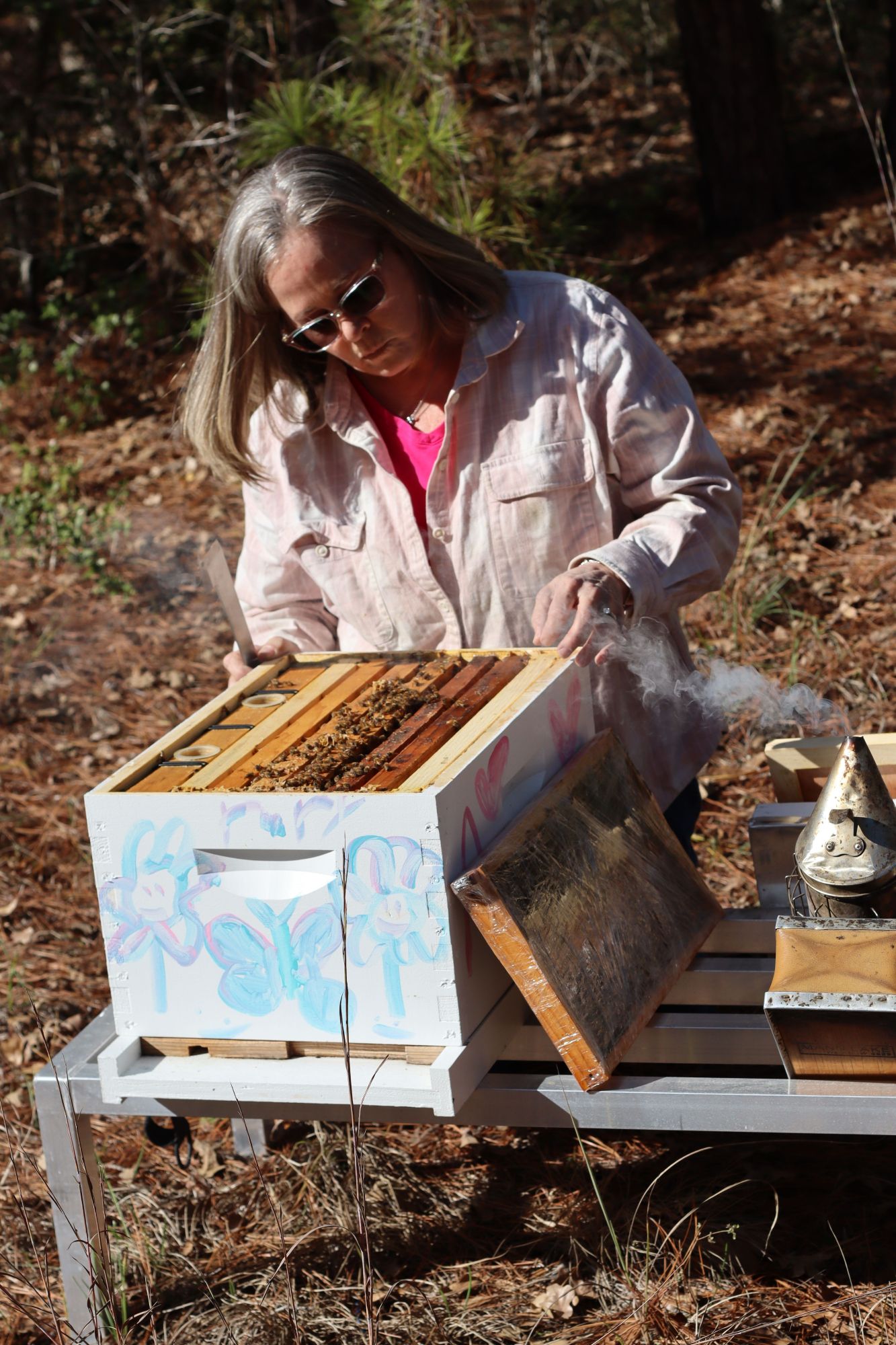
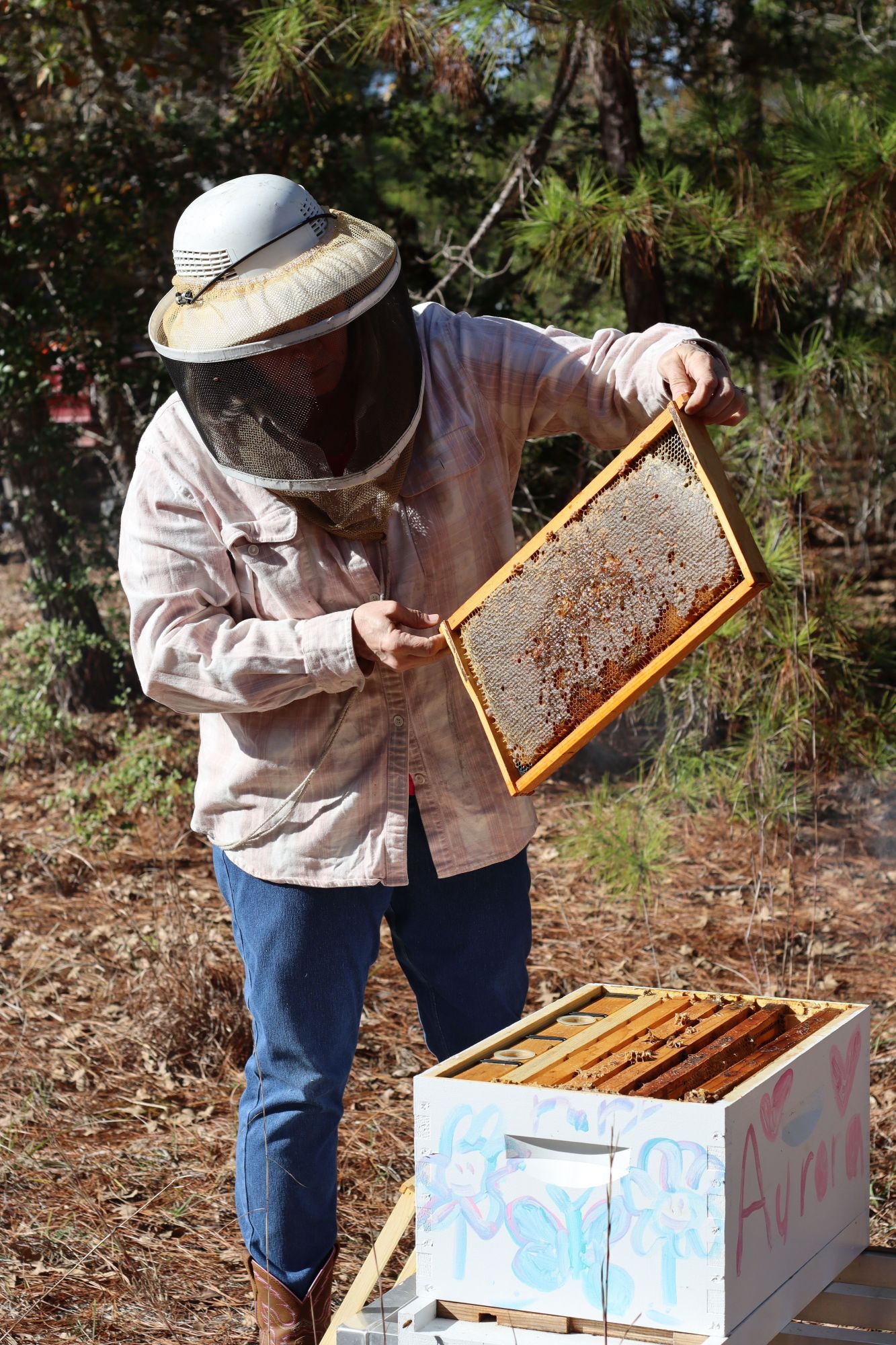
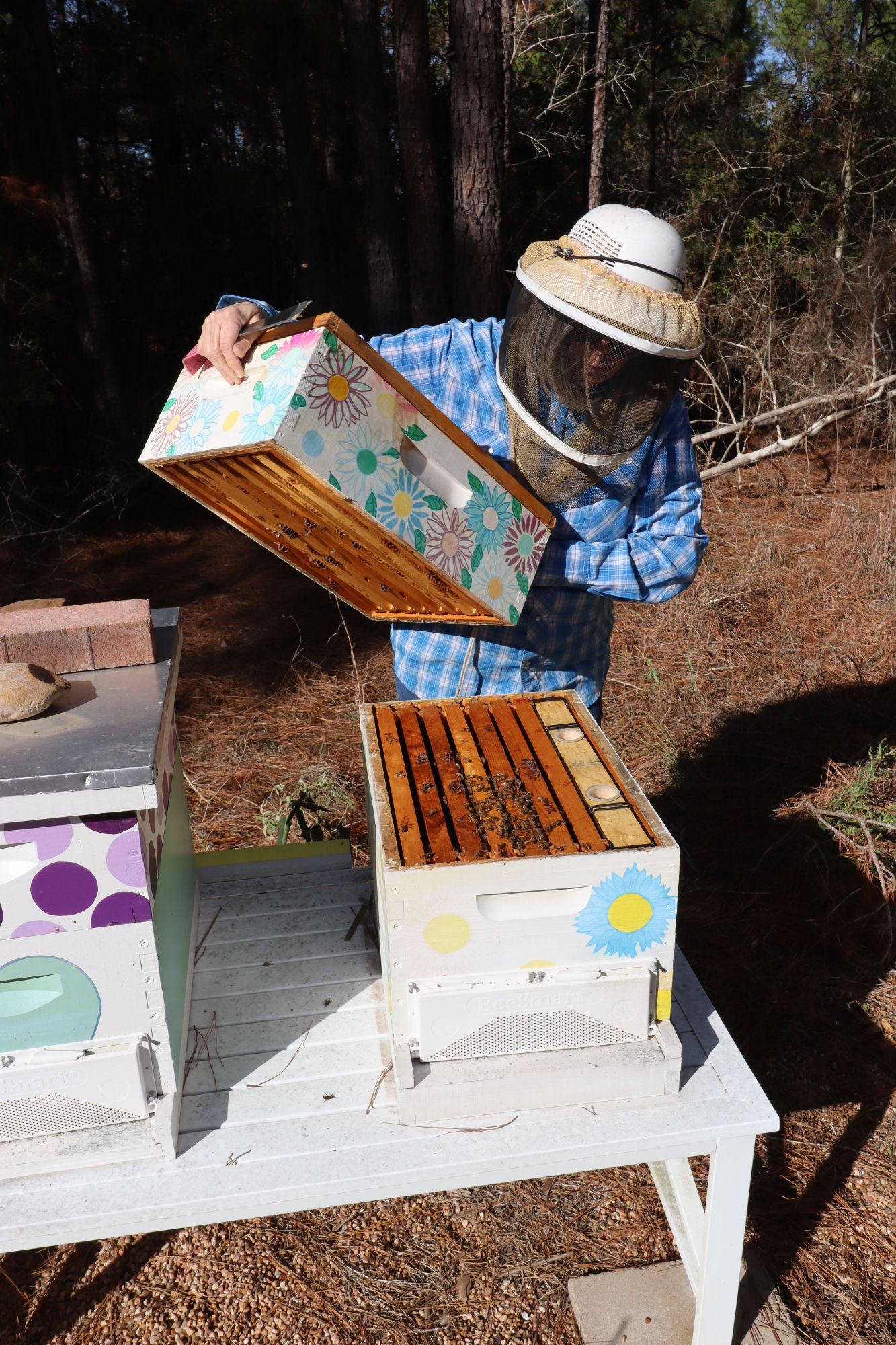
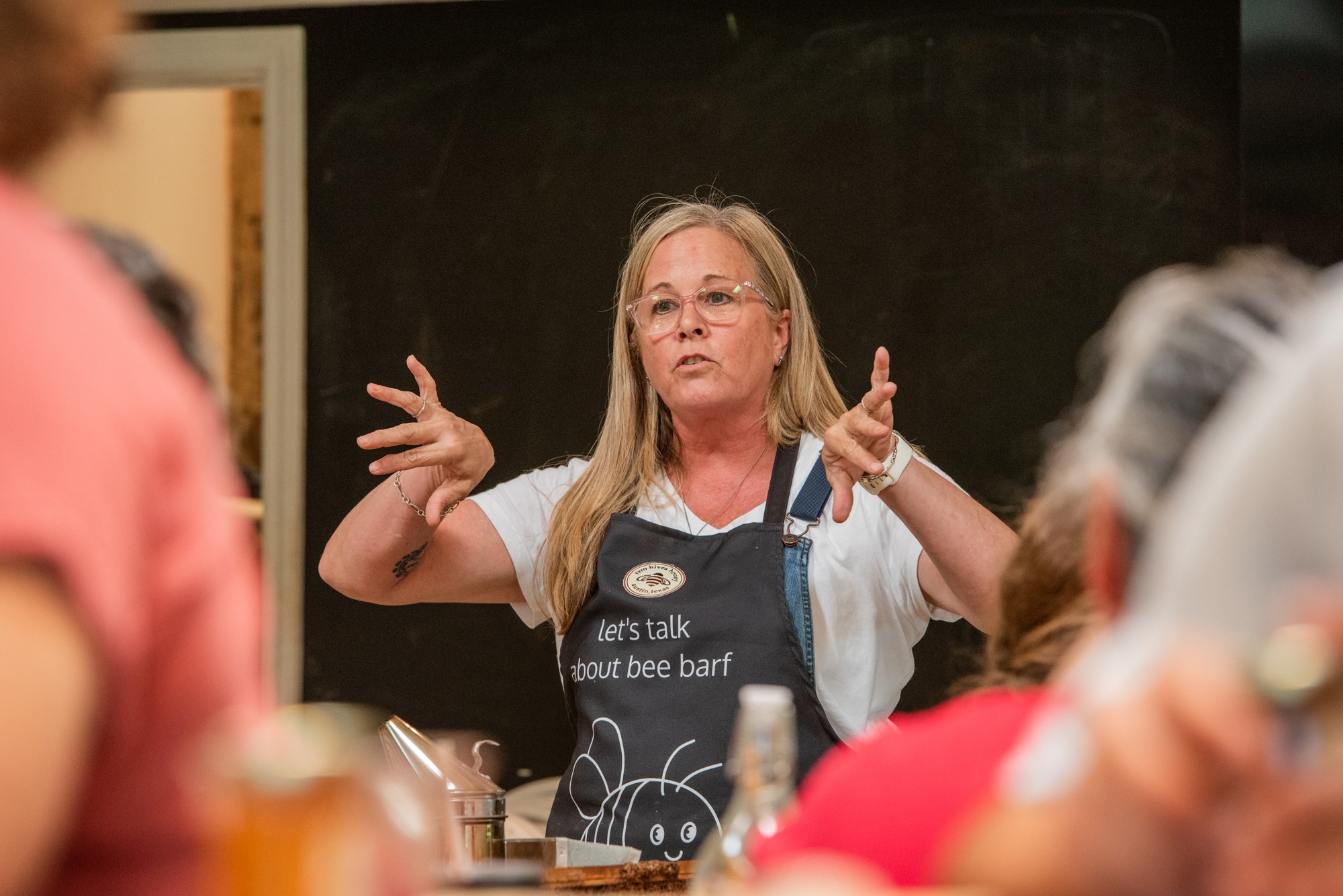
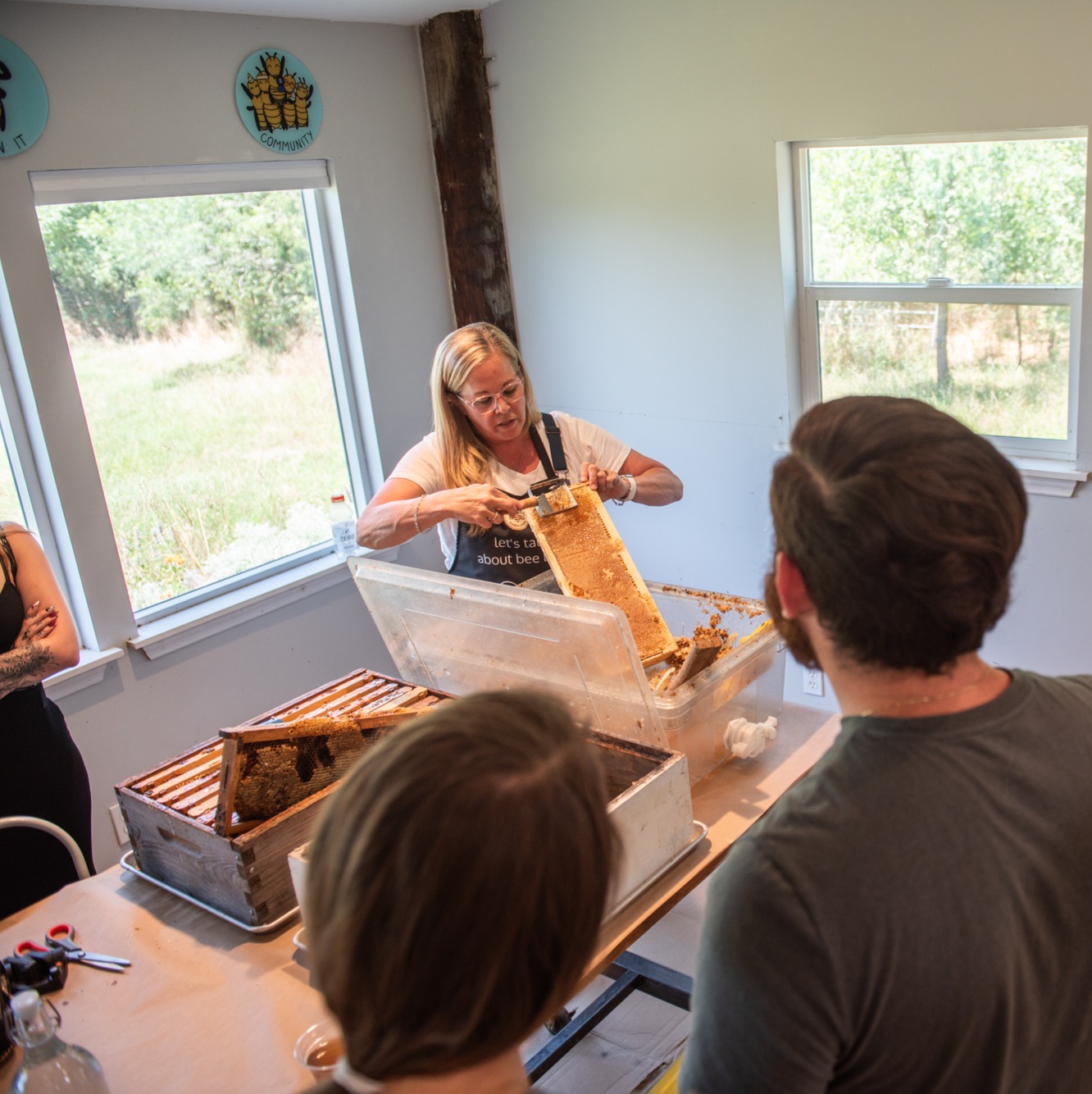
Image Credits
Personal Photo and final 6 Additional photos: Freddie Benjamin Additional Photos 1 & 2 (indoor photos): Alex Furley (@alex_furley, photo courtesy of Two Hives Honey)