







Today we’d like to introduce you to Donald Rhodes.
Hi Donald, so excited to have you with us today. What can you tell us about your story?
Early on in my career, I became fascinated by how nerves and cells use electrical signals to regulate healing, circulation, and pain. The more I studied, the more convinced I became that many chronic conditions were not purely structural or psychological, but bioelectric. That belief led me to begin developing therapies aimed at restoring those disrupted signals.
Over the years, that work evolved into VECTTOR Therapy. VECTTOR Therapy is designed to stimulate the release of neuropeptides that improve circulation, reduce oxidative stress, and help the body return to normal function. Once word began to spread, patients started traveling from across the country and around the world to receive treatment whenever conventional approaches had failed them.
Today, decades later, I’m still driven by that original question and the patients who continue to surprise me with their progress. As we prepare to publish a book that shares this journey in much greater depth, my hope is that more people will begin to understand the potential of bioelectric medicine and the importance of listening to the body in a different way. The work is still evolving, and I’m excited for what comes next.
Can you talk to us a bit about the challenges and lessons you’ve learned along the way. Looking back would you say it’s been easy or smooth in retrospect?
It definitely hasn’t been a smooth road. When I first began developing this technology, I had no background in manufacturing or navigating the regulatory landscape. Trying to move a Class II medical device through the FDA as a tiny operation with no outside funding was a steep learning curve. We made mistakes, we had setbacks, and at times it felt like every step forward came with two steps back.
Another challenge has been skepticism. When people hear patients describe improvements that seem dramatic, the reaction is often, “It sounds too good to be true.” I understand that response, but it can make it difficult for new ideas to gain traction, especially when you don’t have the visibility or resources of a large company.
Because we’ve never had major funding behind us, we’ve grown slowly and quietly. Most people still haven’t heard of us, even though our patients come from all over the world. In a way, the lack of funding has forced us to rely on results and word of mouth rather than advertising, which has been both a challenge and a gift.
The road hasn’t been easy, but every obstacle pushed us to refine the therapy, strengthen the science, and stay focused on the people we’re trying to help. Looking back, those struggles shaped the work just as much as the successes.
Alright, so let’s switch gears a bit and talk business. What should we know?
Our work is centered entirely around one thing: VECTTOR Therapy. It’s the only therapy we offer, and we’re the only place in the world where patients can acquire the unit. While many clinics offer a broad menu of treatments, our entire focus is on improving the body’s electrical communication system because that’s where we’ve consistently seen the most meaningful changes.
Most of the people who come to us have already tried every conventional approach available to them. Families travel from across the country and from around the world to receive care because VECTTOR Therapy isn’t available anywhere else. And even though we are a very small operation with no outside funding or marketing behind us, word has spread through patient stories and referrals.
If there’s something I’m most proud of, it’s that our “brand,” has been built almost entirely on results and the hope patients share with one another. We focus on one therapy because we believe in it completely, and because we’ve seen how restoring the body’s electrical signaling can create improvements that many people never thought possible.
What I want readers to know is that there are innovative options out there, even when traditional medicine has run out of answers. VECTTOR Therapy isn’t a cure-all, but for many families, it opens a door they thought was closed.
How do you define success?
I’ve never defined success by numbers or recognition. To me, success is simple. It’s whether the work makes a real difference in someone’s life. When a patient who has exhausted every conventional option starts to sleep better, function better, or regain abilities they thought were gone, that is success. It doesn’t have to be dramatic. Even small improvements matter, because they change the way a person moves through their day.
Scientifically, I see success as progress – evidence that restoring the body’s electrical communication can reduce oxidative stress, improve circulation, and support healing. As long as the data keeps pointing in that direction, and patients continue to report meaningful improvements, then the work is doing what it’s supposed to do.
We’re a small operation. There’s no marketing machine behind us. So when families travel from around the world because they’ve heard someone else’s story, that tells me we’re succeeding in the way that matters most. The impact is real, and that’s the only success I’ve ever cared about.
Contact Info:
- Website: https://VECTTOR.com
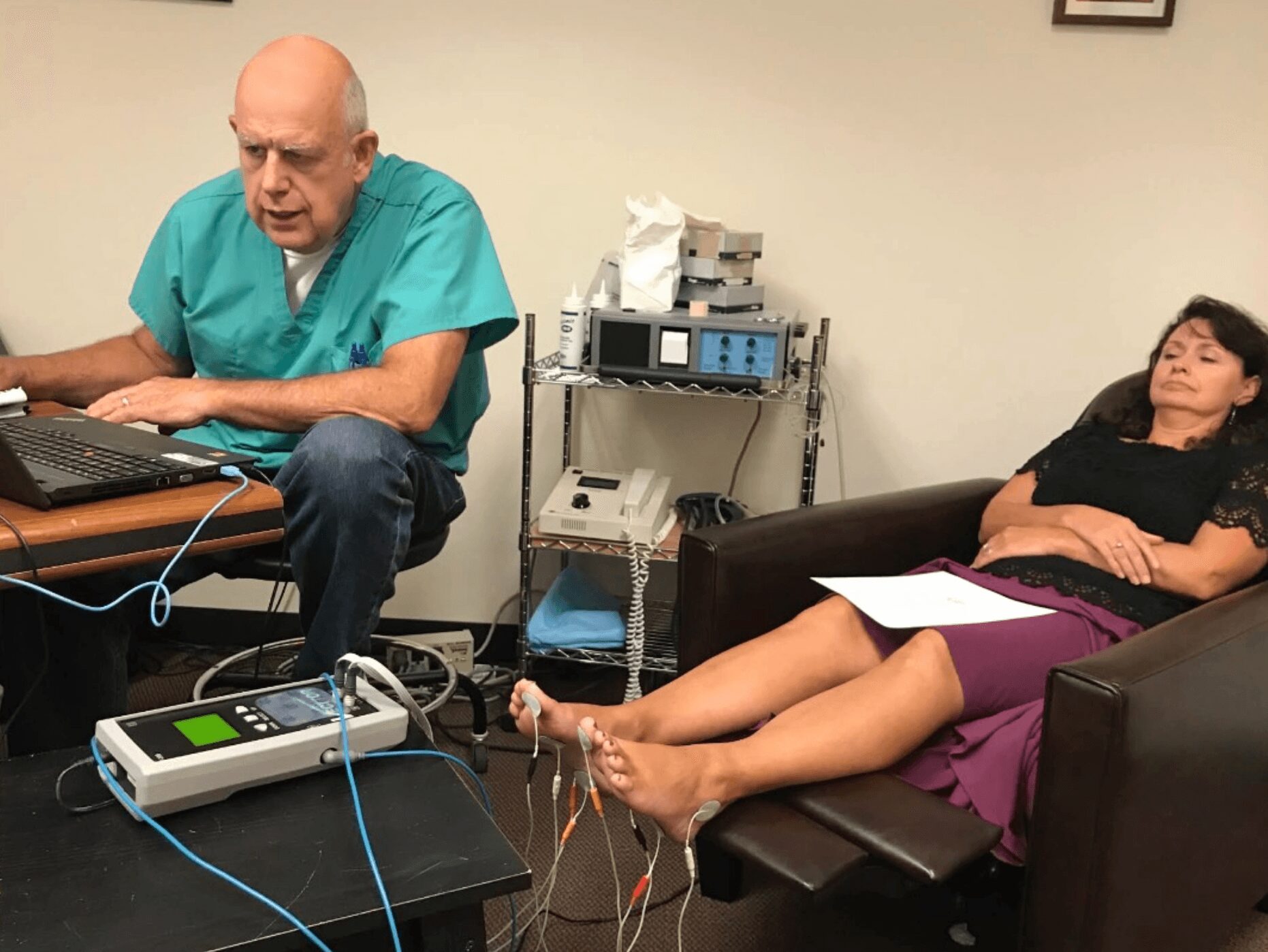
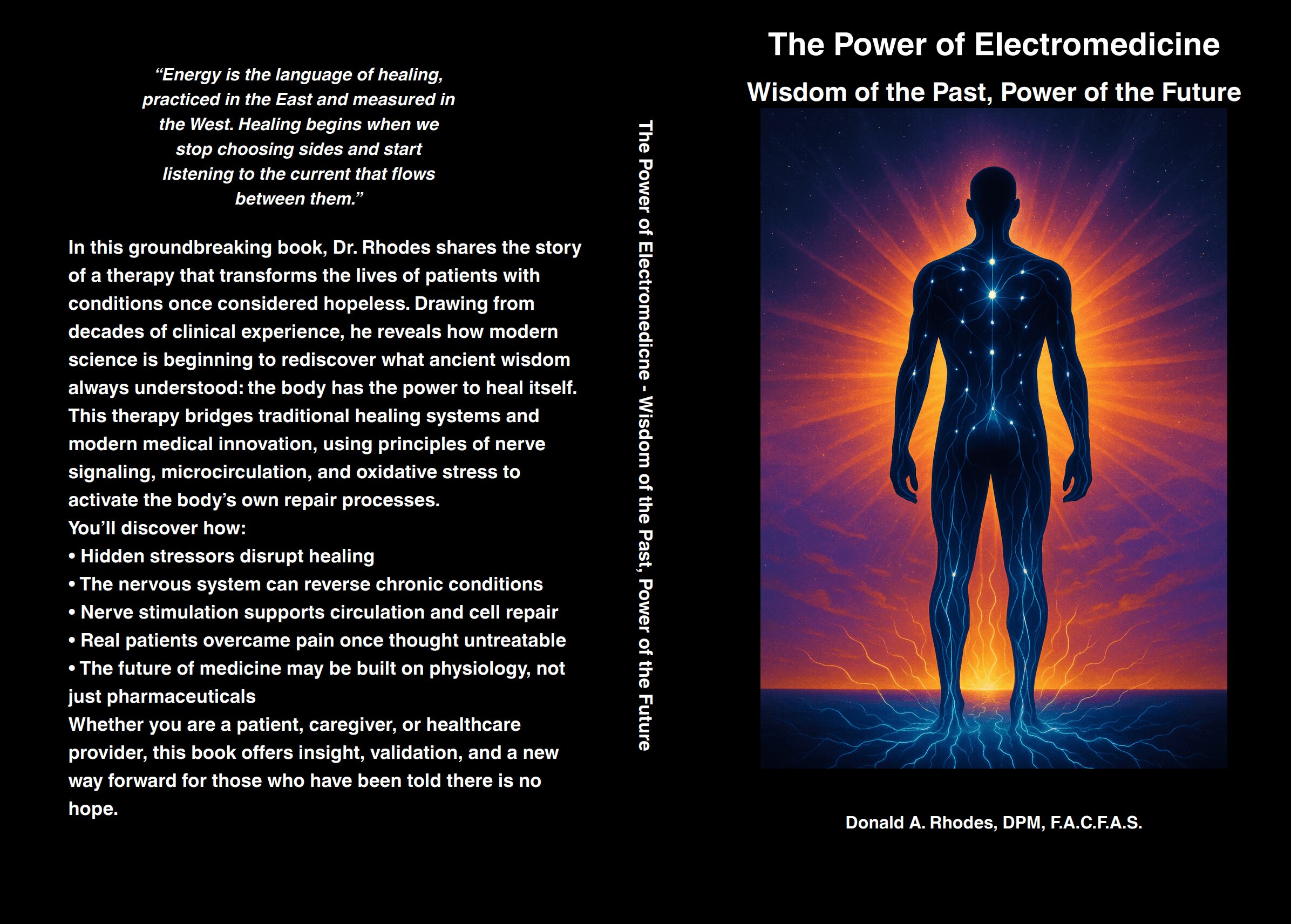
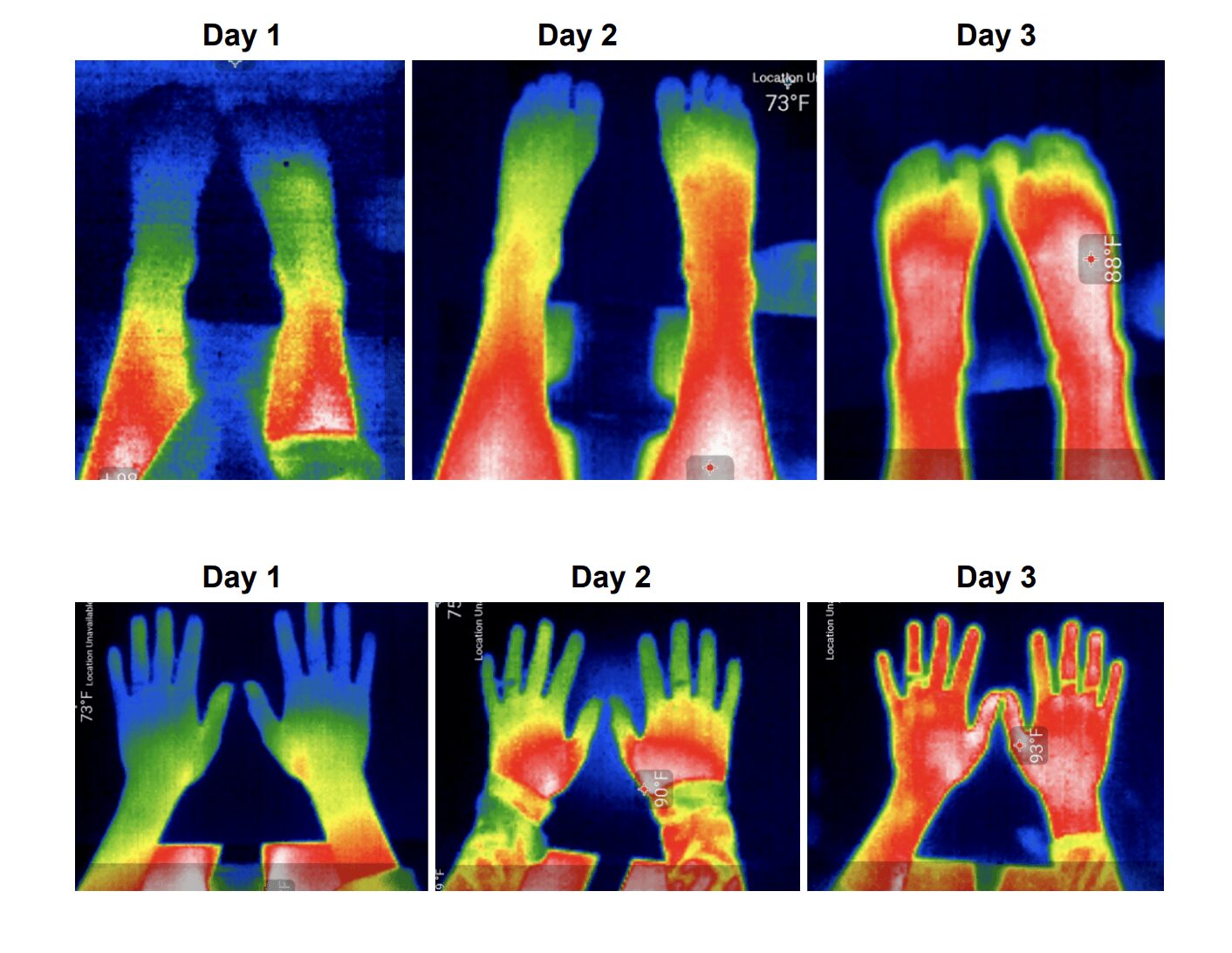
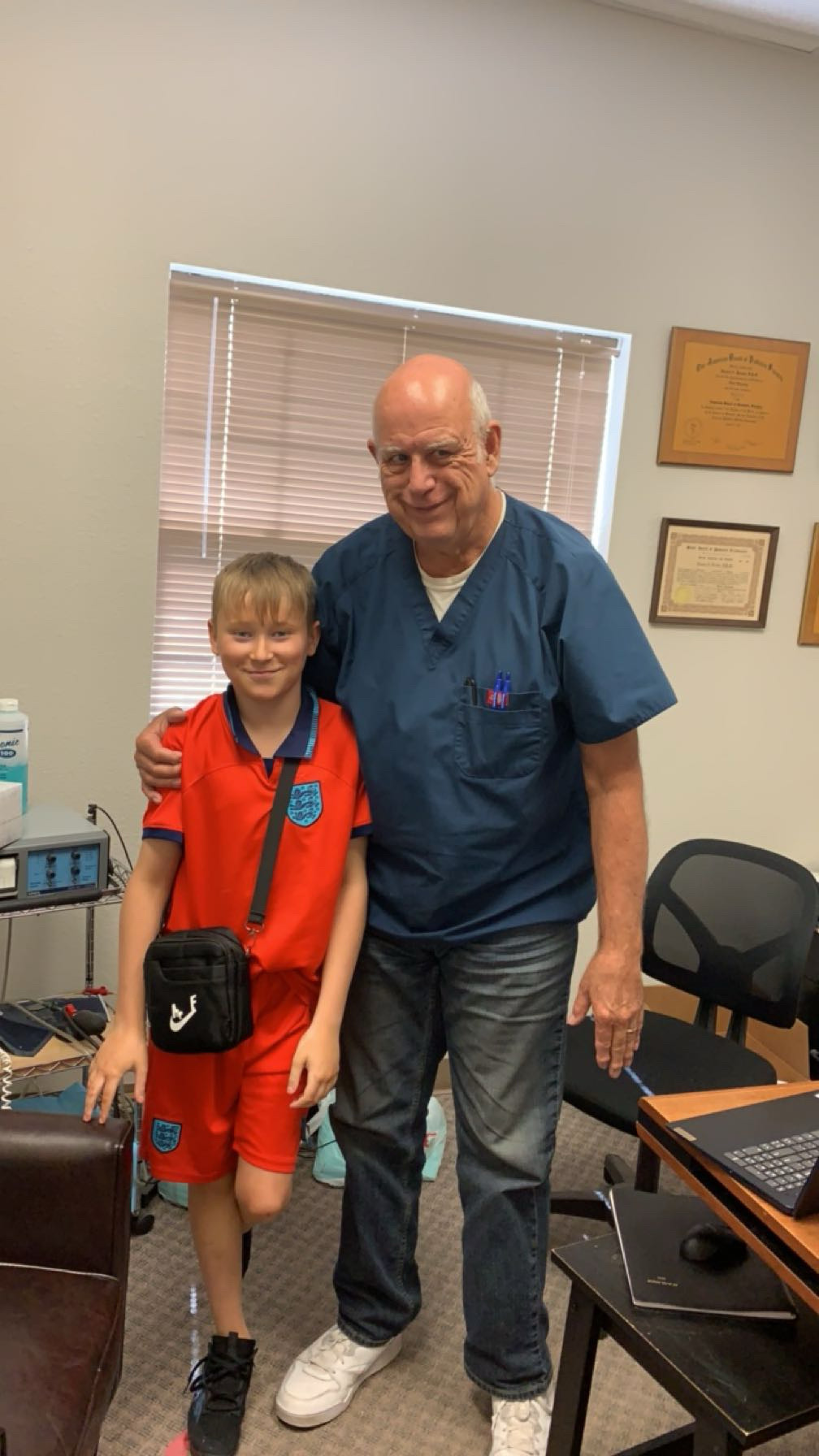
Image Credits
All images were either taken by us, or were provided by our patients with permission to use them.