

Today we’d like to introduce you to Mel Garvin.
Hi Mel, it’s an honor to have you on the platform. Thanks for taking the time to share your story with us – to start maybe you can share some of your backstory with our readers?
Plinths started as a response to a very real gap we saw in the creative world. For years, we worked alongside artists as makers, curators, and organizers, building spaces for work to be shown and communities to form. Through that experience, it became clear that while artists are constantly expected to present themselves professionally online, most of the tools available to them weren’t actually built with their needs, values, or realities in mind.
Before Plinths existed, we were already deeply embedded in artist run spaces, galleries, and nonprofit partnerships. We saw how much effort it took for artists to stay visible, organized, and connected, often while juggling unstable systems and platforms that felt rigid or extractive. When those systems failed, whether through lost spaces, shifting economies, or global disruption, artists were often left to rebuild on their own.
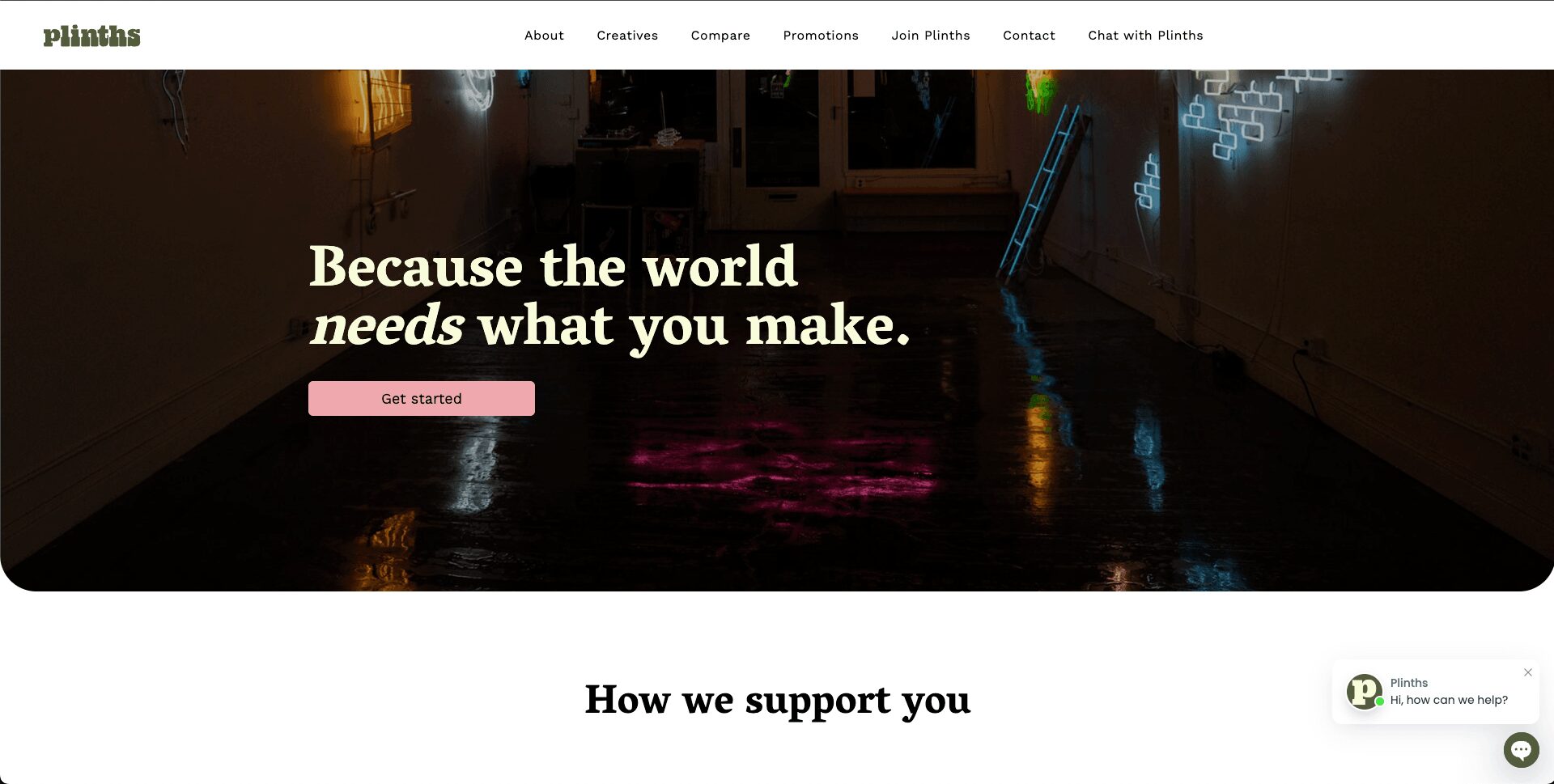
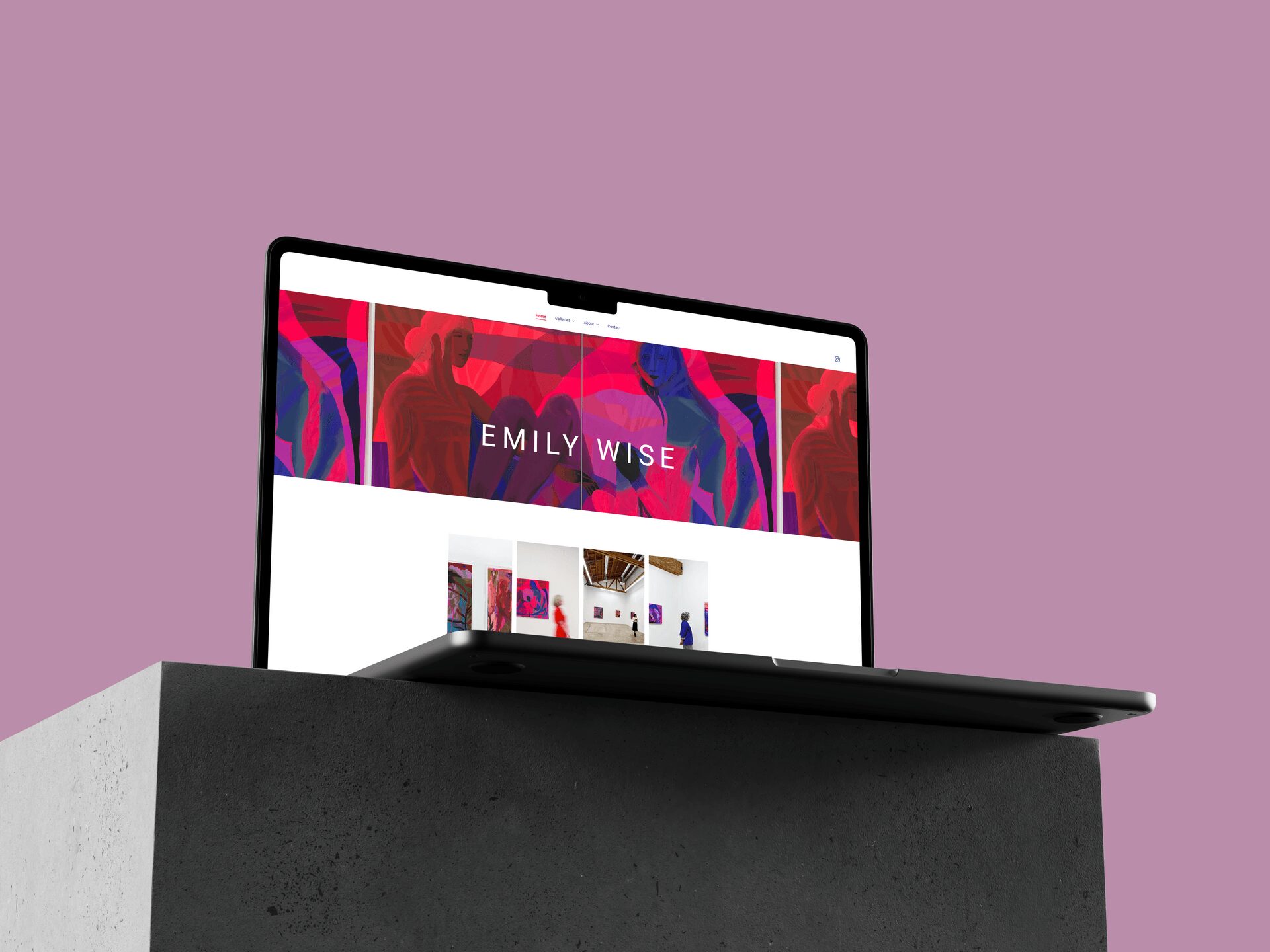
Plinths was created to offer something different. Instead of templates and one size fits all solutions, we focused on building flexible, accessible websites and digital tools that adapt to artists rather than asking artists to adapt to technology. From custom sites and email marketing to e commerce and social media support, everything we build is designed to grow alongside a creative practice, not limit it.
At its core, Plinths is about infrastructure and community. It’s about giving artists reliable, thoughtful digital spaces where their work can live, evolve, and be seen, while staying connected to a broader creative ecosystem. The goal has never been just to launch websites, but to support sustainable creative lives through tools that feel honest, human, and built to last.
Can you talk to us a bit about the challenges and lessons you’ve learned along the way. Looking back would you say it’s been easy or smooth in retrospect?
One of the biggest challenges early on was resisting the pressure to scale too quickly or follow models that didn’t align with our values. There’s a lot of expectation in the tech world to prioritize speed and growth over care, and that often comes at the expense of the people those tools are meant to serve.
Another challenge has been building systems that are both accessible and sustainable. Artists need tools that are flexible, affordable, and easy to use, but building those tools thoughtfully takes time. We’ve spent a lot of energy refining our approach, listening to feedback, and adjusting how we work so that what we offer actually supports long term creative practices rather than short term solutions.
There’s also the ongoing work of trust. Many artists have been burned by platforms that promise support and deliver rigidity or indifference. Earning trust means showing up consistently, being transparent, and being willing to evolve alongside the people we work with. That process is slow, but it’s also essential.
Ultimately, the challenges have shaped Plinths into what it is now. Each obstacle clarified what mattered most and reinforced our commitment to building something rooted in care, honesty, and community rather than convenience.
Alright, so let’s switch gears a bit and talk business. What should we know about your work?
At Plinths, our work centers on building digital infrastructure specifically for artists and creative organizations. We design and maintain custom websites, email marketing systems, e commerce tools, and social media workflows that help artists present their work clearly, stay connected to their audiences, and grow sustainably over time. We specialize in creating systems that are simple to use, flexible enough to evolve, and grounded in accessibility and thoughtful design.
What we’re known for is taking a holistic approach. Rather than treating a website as a one off deliverable, we think in terms of long term support. That means design systems instead of templates, tools that integrate seamlessly, and ongoing guidance so artists aren’t left on their own after launch. Everything we build is meant to reduce friction and allow artists to focus more of their energy on making work.
What we’re most proud of is the community that has formed around Plinths. The artists we work with are deeply invested in their practices, their neighborhoods, and their peers. Being able to support that ecosystem and help amplify their work feels meaningful in a way that goes beyond typical client relationships.
What sets Plinths apart is that we don’t approach this work from the outside. Our understanding comes from years of working within creative spaces and artist run environments. That perspective shapes how we build, how we communicate, and how we show up. We prioritize care over scale, clarity over trends, and relationships over transactions, and we think that difference is felt in the work itself.
Before we let you go, we’ve got to ask if you have any advice for those who are just starting out?
One of the most important things we’ve learned is to build slowly and with intention. There’s often pressure to move fast, adopt every new tool, or mirror what seems to be working for others, but that can lead to systems that don’t actually support the work you’re trying to do. Taking the time to understand your values and letting them guide your decisions creates a much more sustainable foundation.
We also think it’s important to stay connected to community. Growth doesn’t happen in isolation. Relationships, shared knowledge, and mutual support are what carry creative practices forward, especially during periods of uncertainty. Investing in those connections early on pays dividends over time.
Something we wish we had understood sooner is that infrastructure matters. The tools you use to present, organize, and communicate your work shape how others experience it and how manageable it feels to maintain. Choosing tools that are flexible, accessible, and aligned with your goals can remove a lot of unnecessary friction.
Above all, we’d encourage people to build in a way that leaves room for evolution. Creative practices change, and the systems around them should be able to change too. Staying open, listening closely, and allowing yourself to adapt makes it possible to grow without losing sight of what matters.
Pricing:
- DIY Plan as low as $25/mo
- Basic Plan as low as $55/mo
- Studio Plan as low as $100/mo
- Master Plan as low as $150/mo
- Talk to us about custom plans!
Contact Info:
- Website: https://www.plinths.com/
- Instagram: https://www.instagram.com/plinths.co/
- Facebook: https://www.facebook.com/profile.php?id=61583157802581
- LinkedIn: https://www.linkedin.com/company/plinths