





We’re looking forward to introducing you to Travis Prokop. Check out our conversation below.
Hi Travis, thank you so much for joining us today. We’re thrilled to learn more about your journey, values and what you are currently working on. Let’s start with an ice breaker: When have you felt most loved—and did you believe you deserved it?
This is currently a complex and ongoing question in my life. I must first reflect on my experiences and the categories of love I assign to them. There is the “Storage” love I have for my family, which makes me feel the safest and most secure. The “Philia” love I have for my friends, based on our shared mindset and experiences. The “Agape” love I have for my art and my students, to whom I accept, forgive, and trust through mutual sacrifice to reach epiphany. There is the potential “Pragma” love I feel for my future husband. However, it is the “Philautia” love that I find the most difficult.
For me, love is demonstrated through actions. It involves various levels of effort, emphasizing the importance of valuing the collective over the self. I feel loved by my students when I can contribute to their education and help them understand their role in the dance industry. I feel loved by my family when I can contribute to their legacy, values, and traditions in my own way as “the gay son.” I will feel loved by my (future) partner through their efforts to build a constructive relationship with clear, honest communication and actions.
I believe everyone has the capacity to love; however, I must ask myself if we are all doing our part to be loved. Love means honor, accountability, trust, and growth. Becoming a more evolved person is part of love for me because love helps us reach our fullest potential. One of my daily affirmations is, “become the person you want to fall for.” It encourages me to take responsibility for my actions and realize that the relationships, experiences, and world I want to live in are partly my own responsibility.
Can you briefly introduce yourself and share what makes you or your brand unique?
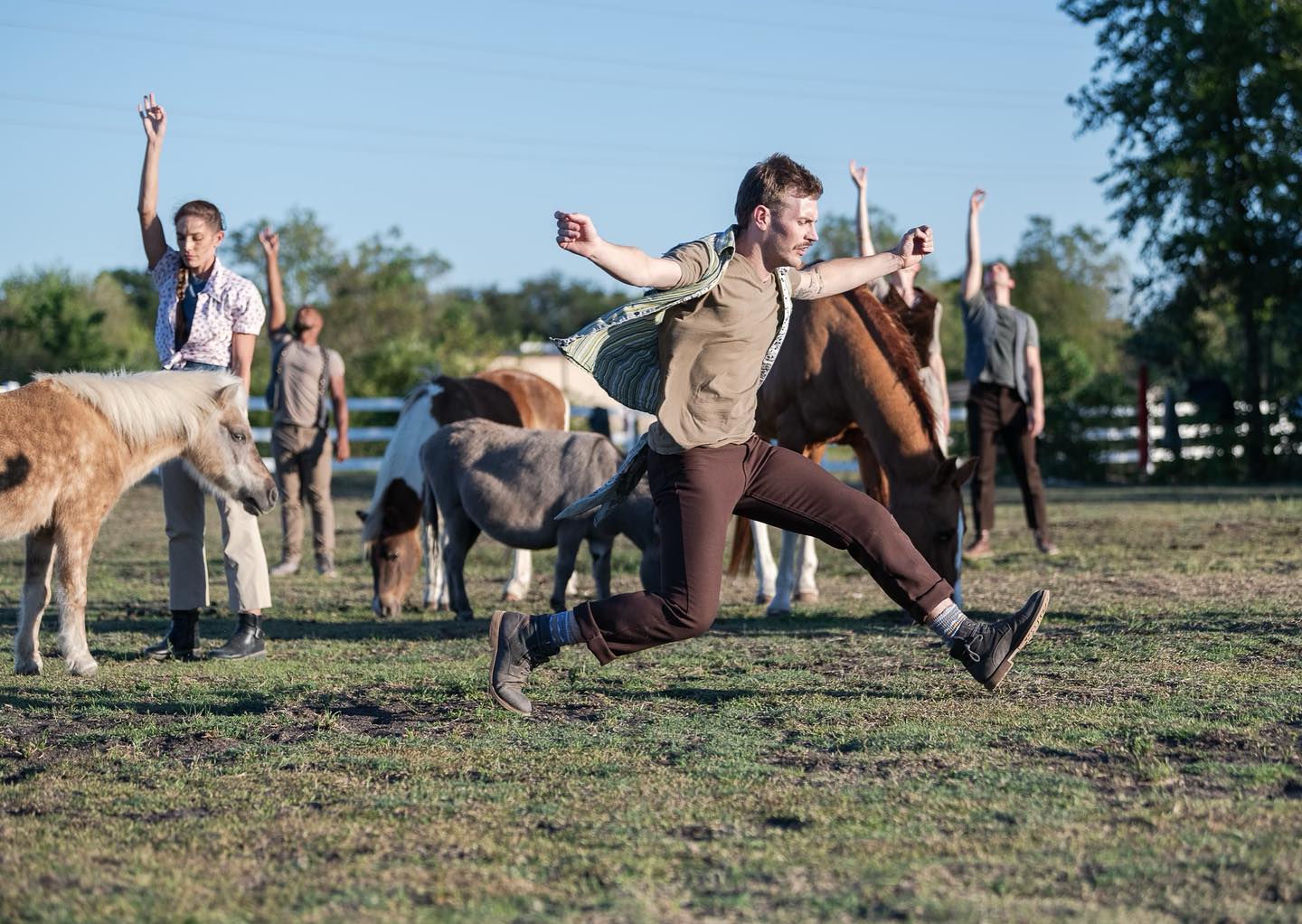
Travis Prokop is an Assistant Professor of Dance at the University of Houston. He earned his B.F.A. from West Texas A&M University and his M.F.A. from Sam Houston State University. Travis has taught in higher education for over ten years, encouraging dancers to take ownership of their movement style while exploring their ‘personal brand’ in dance performance. He specializes in teaching jazz dance styles, contemporary dance (with modern dance principles), dance composition, 20th-century dance history, and the appreciation of dance as a fine art. Travis aims to help dancers carve out their path in the dance industry.
Professionally, Travis presents his choreographic work under the name ‘Prokop_Theory Dance,’ a collective dedicated to integrating 2SLGBTQIA+ culture, history, and experiences into concert dance. Recently, Prokop_Theory Dance showcased an evening of theatre, drag performance, and dance inspired by coded forms of communication within the 2SLGBTQIA+ community, as well as by Floriology, Color Symbolism, Interpretation, and Stenography, used to express themselves in daily activities, relationships, and communication styles. Prokop_Theory choreography has been described as “Yummy” (Rosanna Tavarez), “Powerful” (Shani Collins), and “Complex” (KT Neihoff) and received praise such as “This show is going to stay with me, scrapbooked like pressed flower petals to the inside of my heart.” (Eli Bivens, dance critique)
Originally from New Mexico, Travis has been dancing for over thirty years. His training ranges from Los Angeles to Italy, enabling him to blend elements of concert dance and commercial performance. He has served as a soloist for Lone Star Ballet and as a dance captain for TEXAS: The Outdoor Musical. He has performed across the country with various dance companies from Houston, TX, and has appeared on numerous national television shows, music videos, and commercials. Travis’s performance style emphasizes authentic and spontaneous movement coupled with personal interpretation, and he continues to engage, educate, and entertain the dance community.
Appreciate your sharing that. Let’s talk about your life, growing up and some of topics and learnings around that. Who saw you clearly before you could see yourself?
All the pivotal dance teachers and choreographers I’ve worked with over the years.
Jeffie Hamar was my very first dance teacher from Clovis, New Mexico. Looking back, I now realize that Jeffie prepared me for who I am today without me even knowing it. She gave me opportunity after opportunity to shape the teacher and leader I am now. She helped me understand that my goals were too big for a small town. She helped me realize how my sexuality might impact my role in the industry and how to work with it. Although it was seen as strict or unconventional, the lessons I learned from Jeffie at “The Dance Academy” are the ones I pass on to my own students today.
Leslie Williams was a college professor of mine in Canyon, TX. She called me on my B.S. every day and helped me realize I controlled my own destiny. She was the first person to treat me as a human being and not just a dancing body. She understood how lonely it was for me as a gay male living in West Texas and worked hard to give me healthy distractions to create a positive college experience. She was able to take me under her wing and share the experiences of an artist’s life that are productive, obstructive, and necessary for growth. Leslie is solely responsible for any “grit” I have.
Bruce Wood was the first gay man I ever saw in a position of power. Bruce was an intimidating figure. He dressed as the most fabulous cowboy ever, always with his pet poodle, “Prada,” nearby or in hand. He was known for his candor and three-minute cigarette breaks. I wanted to impress Bruce with every step I took. Recognizing my potential, Bruce created a position for me as dance captain of the male ensemble in the musical we were working on, and it grew into dance captain of the entire ensemble, a role I held for the four years I was in the show. I remember once, during a rehearsal, Bruce getting medical attention. I believe it was blood being drawn, but what stood out to me most was his continued dedication to the show and his dancers. He helped me realize that the only way someone can see you as “less than” is if you allow them. He instilled in me my own directness and candor, and I learned from him that there are no excuses in life—just say “Thank you,” and move on. Unfortunately, Bruce Wood is no longer with us, but his legacy lives on in many Texas locations.
Jerry Vizena, another gay man in a position of power, was the one who shaped the gay man I am today. Jerry made me feel important in the world and helped me realize I was a contributor, not an inconvenience. There were many aspects of being a gay male that I never had the chance to learn because the information wasn’t available to me or was hidden due to location or upbringing. Through his mentorship, I was introduced to gay culture and history. Jerry helped me realize that I am just as important as everyone else and deserve the same experiences as anyone in this world. He helped me with relationship advice, work ethic, and recognizing that not everything is as bad as I sometimes think it is. Jerry is my kindred spirit, the person who, for the first time, made me feel that being myself is enough.
Jonathan Charles is the person I do my art for. My purpose in life is to inspire others with the same passion he inspired in his students like me. Jonathan recruited me to graduate school and helped me leave the Panhandle for Houston, TX. He cast me in all his works; he answered my calls anytime, was always available to give the advice I needed, and continued to raise awareness of my sociopolitical role as a gay man in the community and my potential as an upcoming gay dance professor poised to influence others. He never led me astray; he understood me and helped me amplify who I wanted to become. Because of these qualities, I asked Jonathan Charles to serve as the chair of a committee that advised me throughout the creation of my graduate school thesis concert. When he passed away during the process, I was lost. Now that I am revisiting it, it could have been the first time I ever felt loved because it felt so heavy when it was taken away. In this experience, I found my purpose. I want to be the representation for the person who feels unseen. I want to inspire, share, influence, and shape my students so much that they feel like contributing forces in the world we want to create. I want to show love through action, as these educators did for me.
Was there ever a time you almost gave up?
I am motivated by pride and a strong desire to succeed. I often view challenges as opportunities to shine and demonstrate my worth. My determined nature keeps me persistent, while my passion encourages me to stand firmly by my beliefs and commitments. However, I sometimes stay in situations longer than necessary, even when I clearly realize they are not beneficial for me. I am known for never giving up, which has helped me recognize the “red flags” that indicate when a situation is coming to an end. I have been divorced, discriminated against at work, cheated on, and learned from all of these experiences how to recognize when someone has reached their limit. Although life-altering, these experiences have helped me reinterpret and see the beauty in letting go of people who do not support our mental health or well-being, especially when you’ve objectively tried everything to make it work.
Next, maybe we can discuss some of your foundational philosophies and views? What’s a belief or project you’re committed to, no matter how long it takes?
Representation of queer people in the South is limited. Evidence can be found in media, such as the 1932 film Hell’s Highway. However, after the Hays Production Code, the film industry strengthened the gender binary through Westerns. During their peak from the 1940s to 1960s, Westerns were filled with hypermasculine stereotypes, with figures like John Wayne and Clint Eastwood embodying core American values such as individualism and rugged self-reliance. The intersection of queer and cowboy lifestyles, for example, is often confined to films like Brokeback Mountain and should not be our only reference. In the 1930s, Ernest W. Burgess conducted the nation’s first in-depth study of homosexuality. At the same time, the “Panzy Craze” fueled the emergence of artists and performers with new perspectives in major cities like Chicago and New York.
What about Texas? What about Houston? We know the Wagon Wheel Night Club was the first gay club in Houston, offering female impersonation. Before that, evidence of Houston’s 2SLGBTQIA+ community appeared in the Houston Chronicle. The report states that Madge Morris was fined $12.45 for wearing men’s clothing in 1912. As early as 1906, drag queens made their home in San Antonio, and it wasn’t until 2003 that same-sex relationships became legal in Texas, following the Supreme Court’s decision in Lawrence v. Texas. We cannot deny Texas’s rich history, from its Mexican heritage and Spanish colonization to its rebellion for independence and its role in the Civil War. However, preserving the queer history of Texas is often overlooked in the history of 2SLGBTQIA+ communities. Because of this, I am inspired to create dance that highlights Texas’s queer history and the perspectives of queer Texans. Westerns reflect American identity and national pride. Identity and pride are two essential aspects of the 2SLGBTQIA+ lifestyle.
Thank you so much for all of your openness so far. Maybe we can close with a future oriented question. What do you think people will most misunderstand about your legacy?
I can’t speak for others, but the most significant misunderstanding I had about my own legacy was what it meant for me. I often feel pressured to carry on my family name because I believed from an early age that lineage equaled legacy. I haven’t given up on the idea of having a husband or a family, but I still consider the timeline of a 37-year-old gay man in Texas affected by the current administration’s policies on the queer community, such as removing rights from government documents to meet federal funding requirements. However, I’ve learned to shift my focus of legacy toward cultural contributions like activism, questioning media narratives, nurturing community, and the generational legacies I’ve built through my work as a dance educator and mentor.
Contact Info:
- Instagram: https://www.instagram.com/prokop_theory/
- Facebook: https://www.facebook.com/travis.prokop
- Youtube: https://www.youtube.com/@travisprokop3649
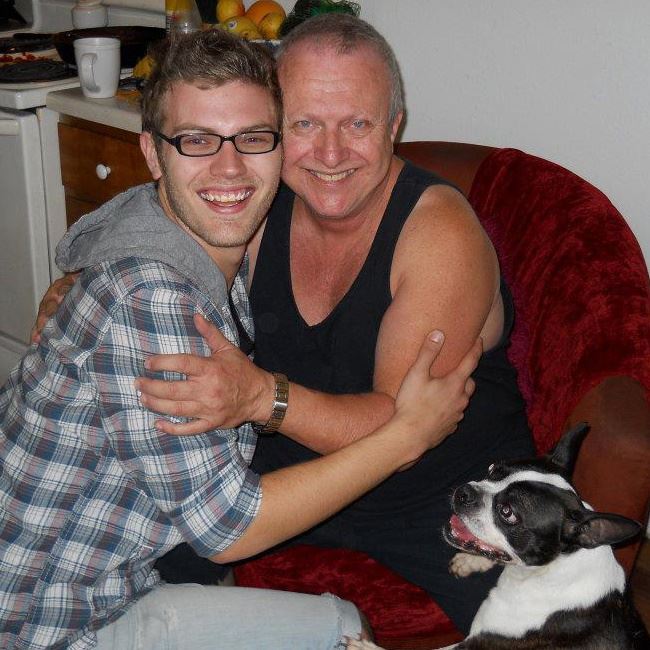
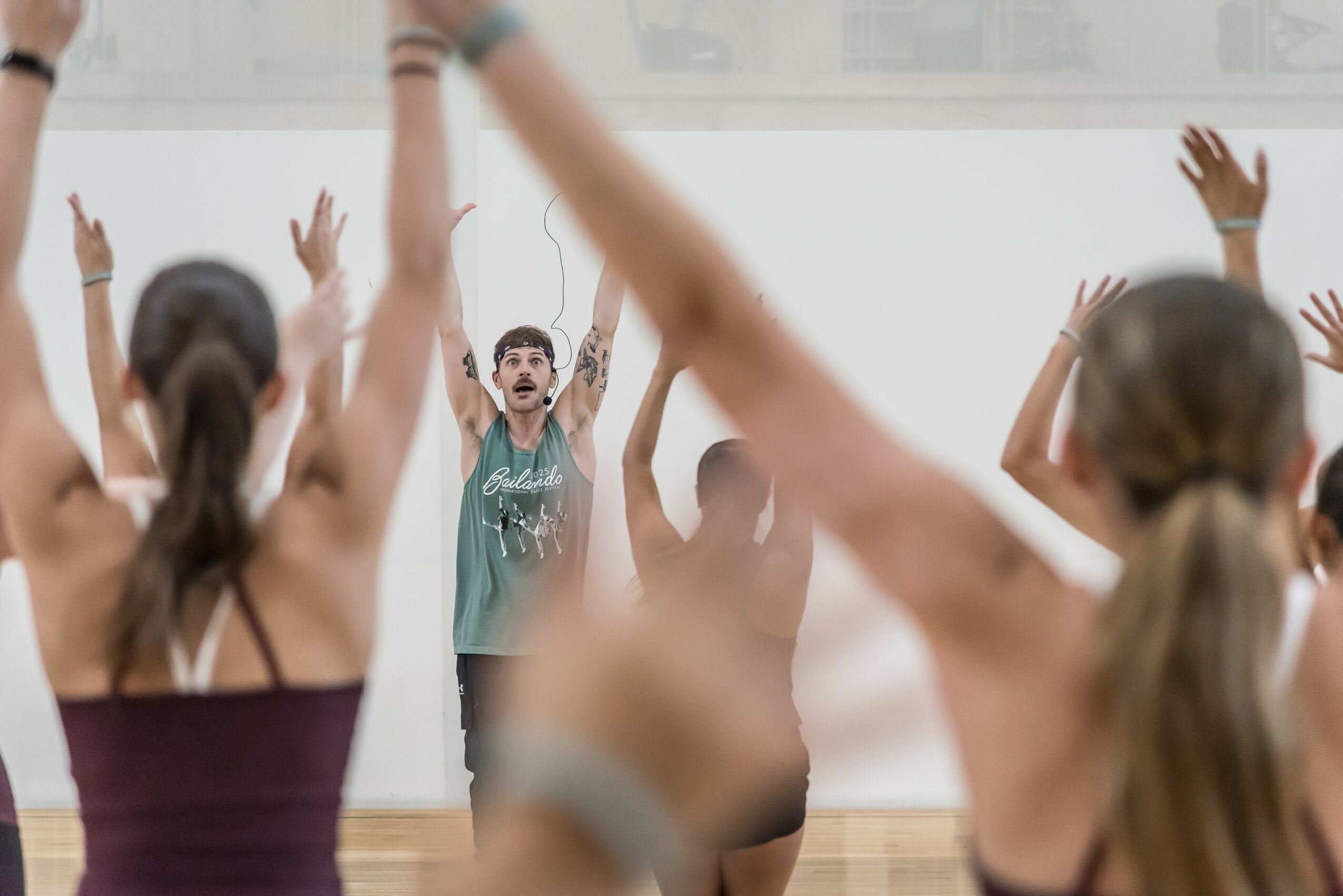
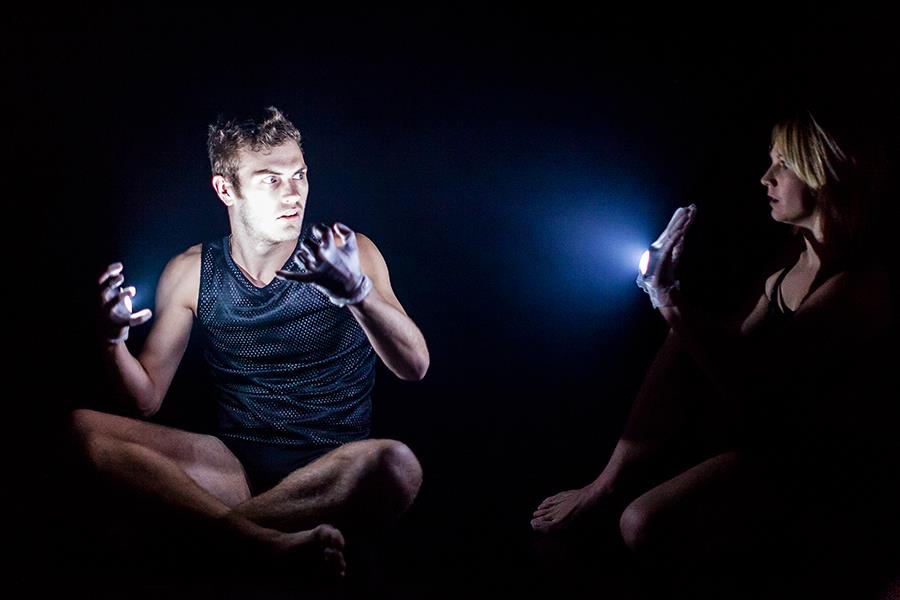
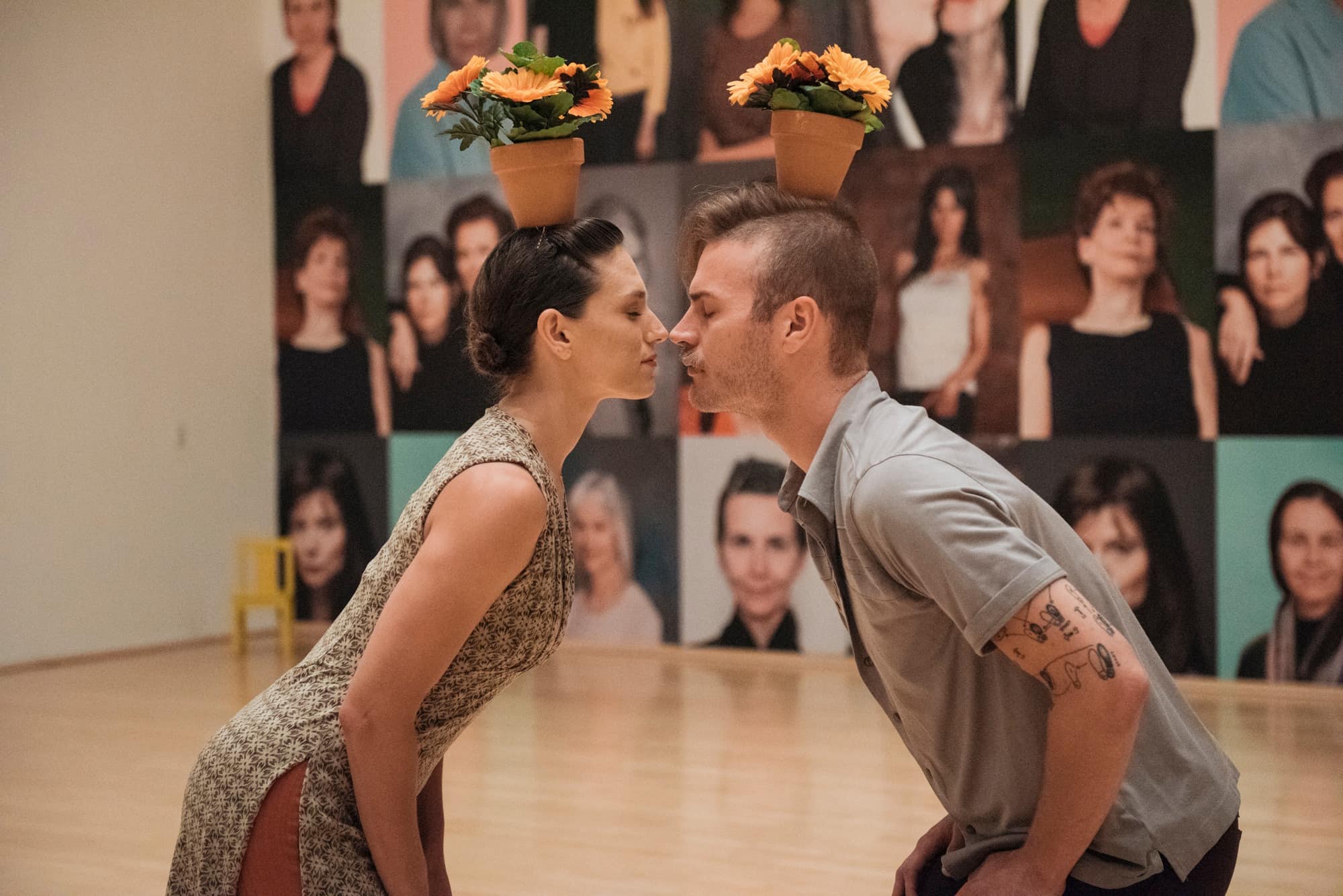
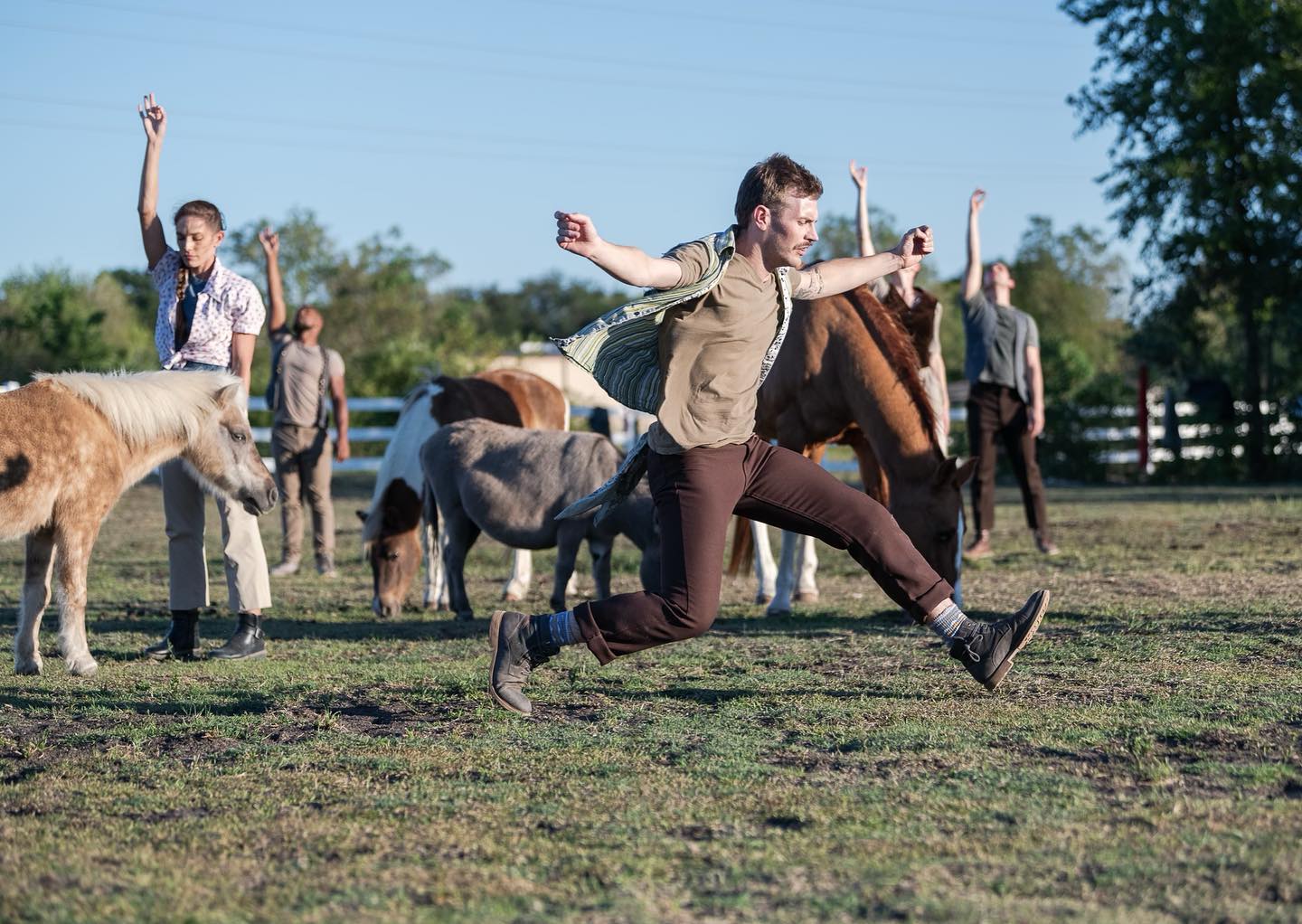
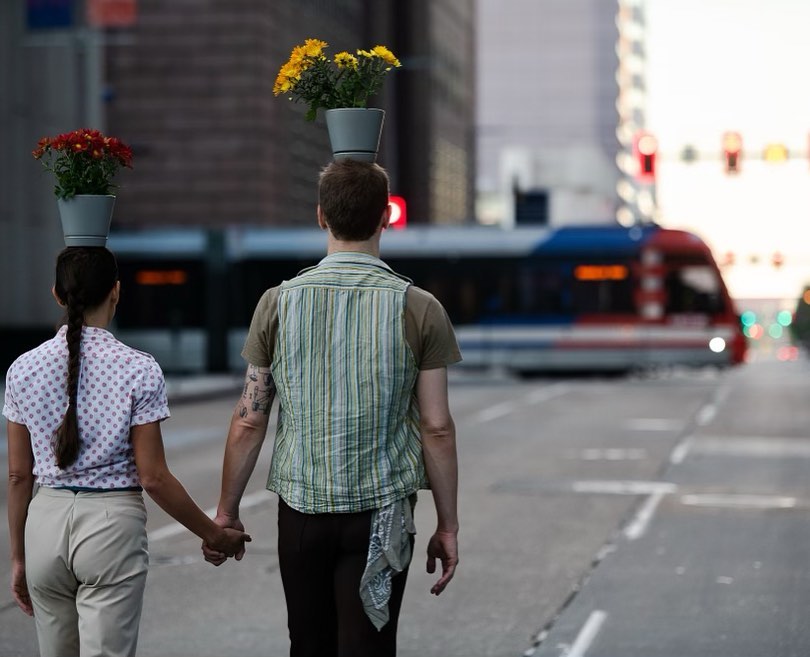
Image Credits
Sonya Wilkinson Sellers (Hope Stone Dance)
Lynn Lane (Noble Motion Dance)
Tati Vice (Hope Stone Dance)
Kevin Shuster (Bailando International)