




Today we’d like to introduce you to Ali Chappell.
Hi Ali, so excited to have you with us today. What can you tell us about your story?
I didn’t set out to get a PhD or start a company. I was just trying to understand what was wrong with my own body.
I was in school studying nutrition and training to become a dietitian when I was diagnosed with polycystic ovary syndrome (PCOS). I was 50 pounds overweight, had a face full of acne, and only had one period a year. What surprised me most was that I had never even heard of PCOS before. The only advice I was given by the healthcare provider who diagnosed me was “you’ll need to watch your weight. Here are some birth control pills.” During all of my education, insulin was only talked about in relation to diabetes, not women’s health. Meanwhile, I was dealing with symptoms that clearly weren’t normal, yet I kept being told that my labs looked fine.
I kept thinking, if I’m a Registered Dietitian and still don’t have answers, how is anyone else supposed to?
That question is what pushed me to keep going. I stayed in school longer than I ever planned to because I wanted real answers. I went on to earn a PhD and focused my research on insulin and how it affects women with PCOS. I wanted to understand what was actually driving the symptoms so many women are told to just live with.
After my PhD, I completed a NIH Postdoctoral Research Fellowship that allowed me to keep studying this area. The more I learned, the clearer it became that insulin plays a much bigger role in women’s health than most people and healthcare providers realize.
But here’s the part that changed everything. Even with all that research, I kept seeing the same gap. What we know from science wasn’t making its way to everyday care. Women were still being dismissed, misdiagnosed, or told to just “eat less and exercise more.”
At some point, I realized that publishing research papers wasn’t enough. I wanted to build something that could actually help people in their day to day lives. So, I submitted my research to the National Science Foundation and received a prestigious NSF Innovation Corp Award to help me launch a company to bring this information from the pages of research journals and into the hands of patients.
That’s how Insara came to be. It grew out of years of education, research, and lived experience, and the development of an approach I call a Low Insulin Lifestyle, which is specifically focused on helping patients lower insulin levels. The goal has always been simple: to help people understand what’s really going on in their bodies and give them tools that actually make sense.
My story is really about following a question that wouldn’t go away. From education, to research, to building a company, every step came from the same place: wanting better answers and refusing to accept that confusion and frustration were just part of being a woman.
I’m sure it wasn’t obstacle-free, but would you say the journey has been fairly smooth so far?
No, it definitely hasn’t been a smooth road.
One of the biggest challenges has been pushing an idea that doesn’t fit neatly into existing boxes. Insulin is not glucose. Our medical system is focused on “glucose balance” and not “insulin balance.” Insulin resistance affects so many aspects of health, especially women’s health, but it’s still largely overlooked unless someone already has diabetes. That means I’ve spent a lot of time explaining why this matters long before it’s considered “obvious” or urgent.
Another challenge was stepping outside of the traditional academic path. I was trained to do research, publish papers, and stay in that world. Building a company meant learning an entirely new skill set, from technology and product development to regulation and fundraising. There was no clear roadmap, and a lot of it was learned the hard way.
I’ve also had to navigate difficult personal decisions. Along the way, I had to walk away from people I genuinely believed were there to help build the business, only to realize they were more focused on advancing themselves. That was hard, but it taught me a lot about boundaries, alignment, and protecting the mission.
There’s also the emotional side that people don’t always talk about. When your work is rooted in something personal, criticism hits differently. You’re not just defending an idea, you’re defending years of training, research, and lived experience. I’ve also had to walk away from people in my life who weren’t
As you know, we’re big fans of you and your work. For our readers who might not be as familiar what can you tell them about what you do?
I specialize in insulin resistance and how it affects women’s health, especially conditions like PCOS, infertility, weight struggles, and other metabolic issues that often go overlooked for years. I’m best known for shifting the conversation away from calories, willpower, and quick fixes and toward insulin, a hormone that quietly drives many of these problems long before disease shows up.
Through this work, I developed an approach called a Low Insulin Lifestyle, which focuses specifically on helping patients lower insulin levels in a realistic, sustainable way. Through Insara, we take complex science and turn it into tools and education people can actually use. That means helping individuals understand their labs, their symptoms, and how everyday choices affect insulin in a way that finally makes sense.
We also support healthcare providers who want better ways to help their patients but were never taught to look at insulin through this lens.
What I’m most proud of is that this work helps people feel seen and understood. Hearing someone say, “This is the first time my body has made sense,” never gets old. That’s the real impact.
What sets me apart is that this work sits at the intersection of lived experience, research, and real world application. I didn’t just study this. I lived it, researched it at the highest level, and then built something to close the gap between science and everyday care. I’m not interested in trends or extremes. I’m interested in changing how we think about metabolic health so fewer people fall through the cracks in the first place.
Before we let you go, we’ve got to ask if you have any advice for those who are just starting out?
Start sooner than you think you’re ready.
I should have started this ten years ago, but I was scared. I was scared to share my struggles with PCOS publicly. Scared to put myself out there on social media. Scared to say out loud that the healthcare system was missing something. And scared to start a business after spending so long on a traditional academic path.
Looking back, I realize that feeling “ready” is a myth. You don’t gain confidence first and then take the leap. You gain confidence by taking the leap, even when it feels uncomfortable.
If I could go back, I would remind myself that fear usually shows up when you’re standing at the edge of something important. Waiting until you feel fully prepared often just means waiting too long.
My advice is to start before you feel ready, share your story even when it feels vulnerable, and trust that clarity comes through action. The path doesn’t get easier, but it does get clearer once you begin.
Pricing:
- Insara (formerly Lilli Health) app – $14.99 a month
- Lilli Kits – $159.00
- Low Insulin Lifestyle Book (paperback) – $19.99
Contact Info:
- Website: https://www.lillihealth.com
- Instagram: @dr.alichappell and @lillihealth
- Facebook: @lillihealth
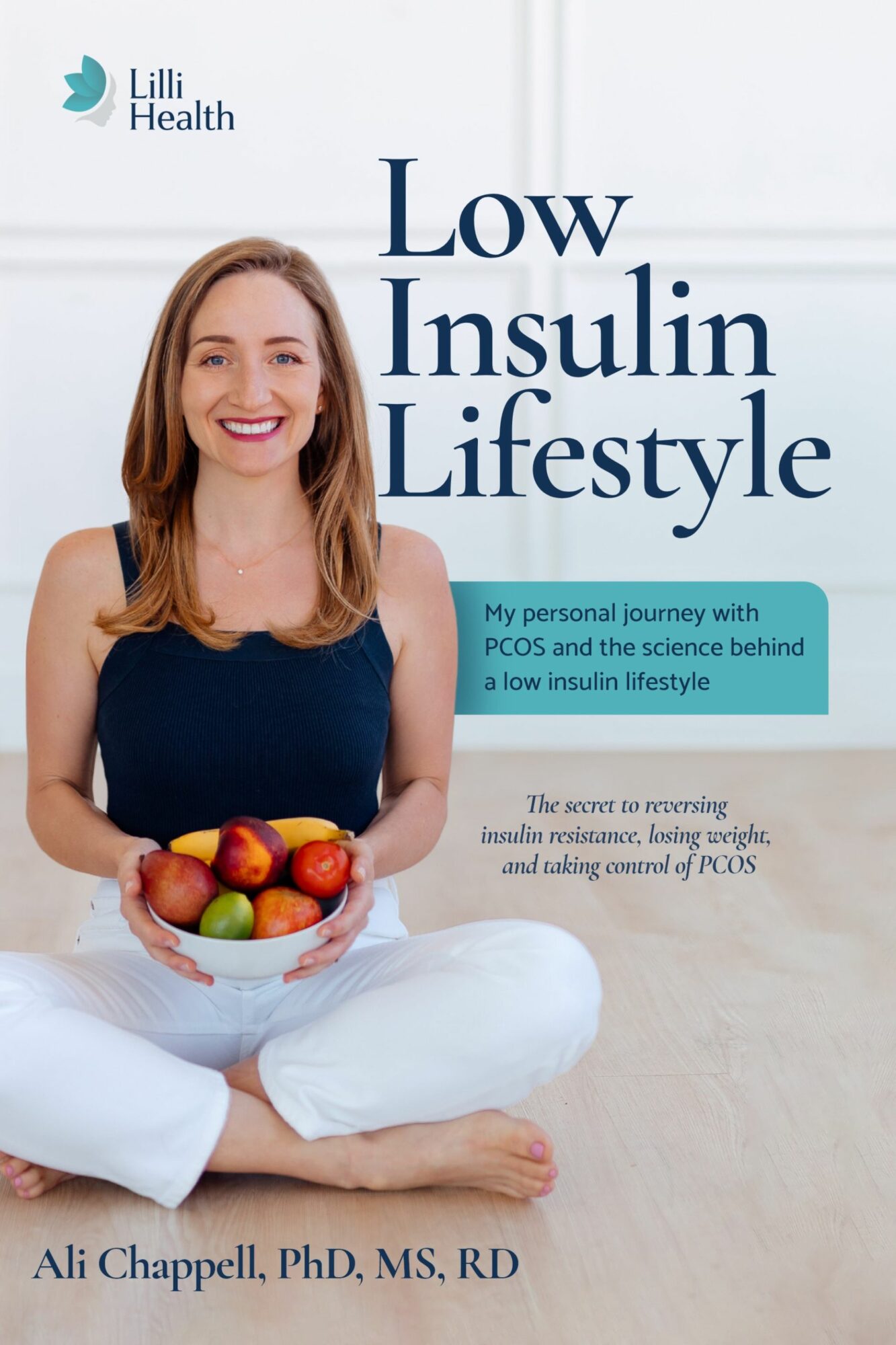
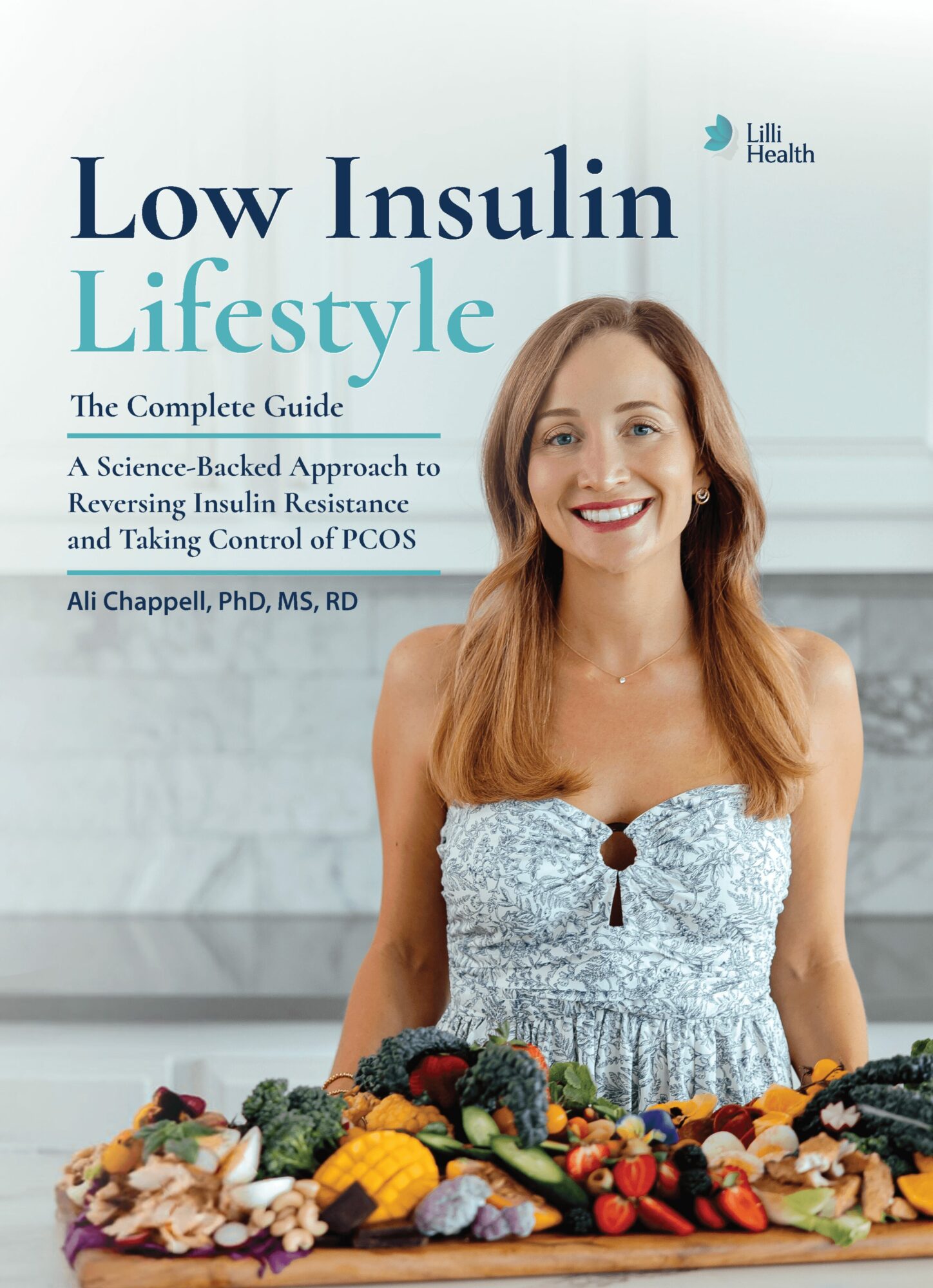

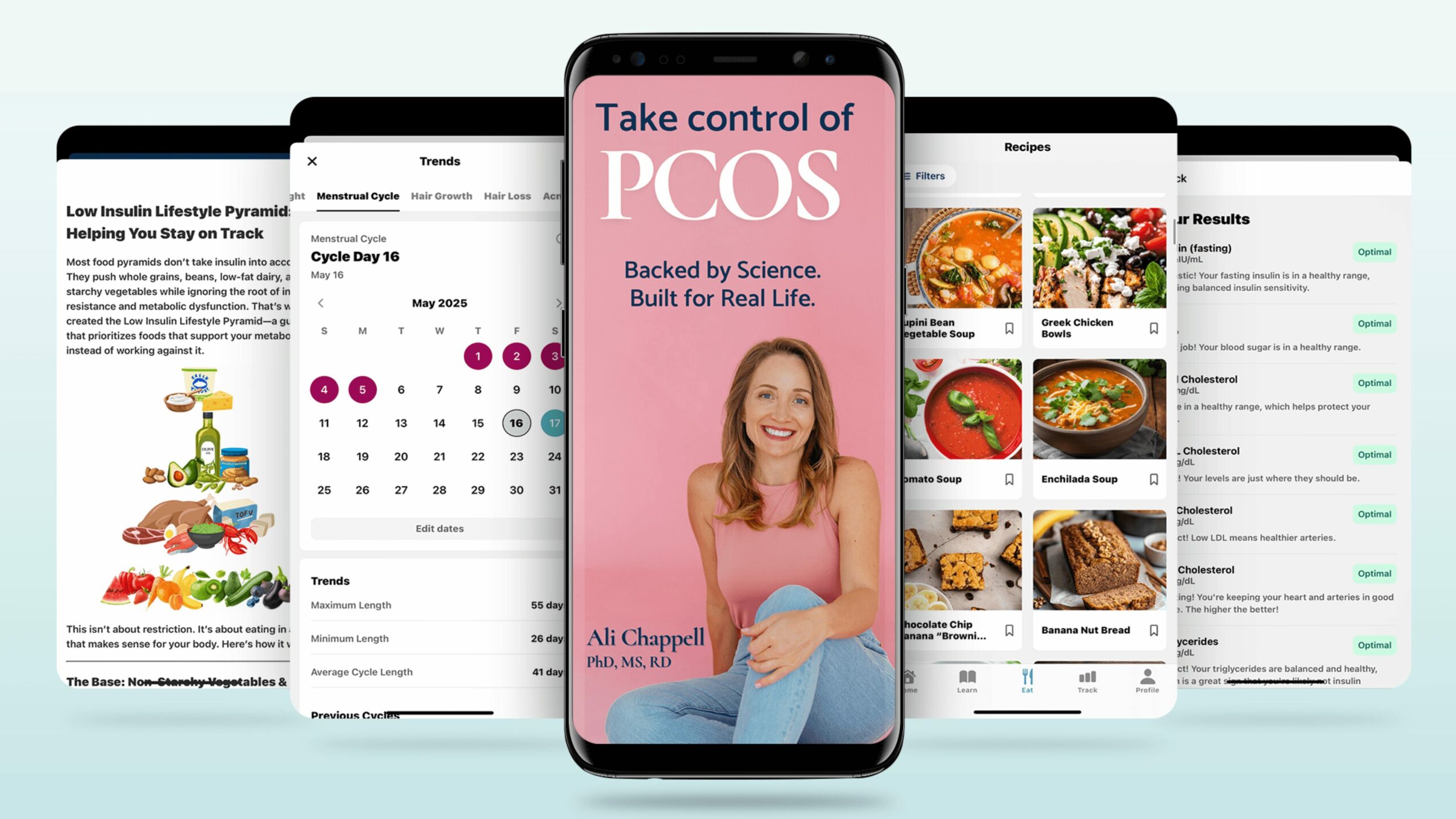

Image Credits
Photography: Callie Walker https://calliewalker.com/
Popular
-
Fifty Years of Trust, Innovation, and People: Erika Mandel on the Legacy of Creative Blinds
-

Houston’s Most Inspiring Stories
-

Designing for Motherhood Without Losing Yourself: How Shafiqah Sarfani Is Redefining the Diaper Bag with Lion & Light
-

From Street Corners to Center Stage: Brande Pa’trice on Claiming Her Power, Craft, and Legacy