






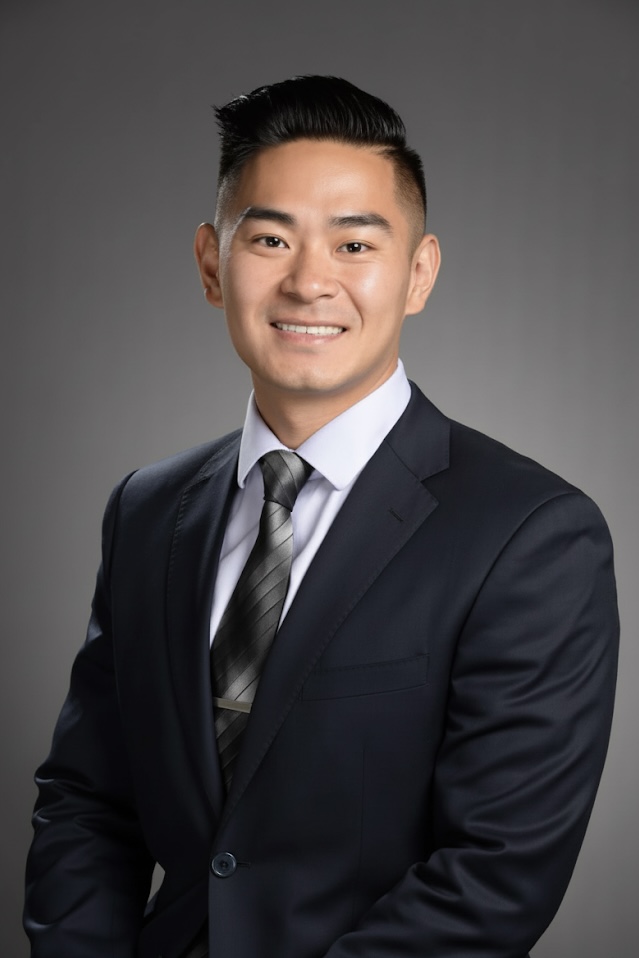
Today we’d like to introduce you to Xinwei Liu.
Hi Xinwei, please kick things off for us with an introduction to yourself and your story.
I started my medical career in Emergency Medicine, working in high-acuity environments where decisions matter and you often meet people on the worst day of their lives. I did my residency training in Southern California, in San Diego. Over the years, I treated countless patients struggling not just with physical emergencies, but with deep, persistent suffering—depression, PTSD, chronic pain, anxiety—conditions that didn’t fit neatly into a single ER visit or prescription. I saw how limited the traditional system can be for people who have “tried everything” and still aren’t getting better.
At the same time, I was becoming increasingly interested in ketamine—not just from an academic standpoint, but from watching real patients respond to it when nothing else worked. Ketamine is a medication that we use in the ER almost daily, a medication that I’m very comfortable with. What stood out to me wasn’t just symptom improvement, but the speed and depth of relief some people experienced. It challenged the way I thought about healing and mental health care.
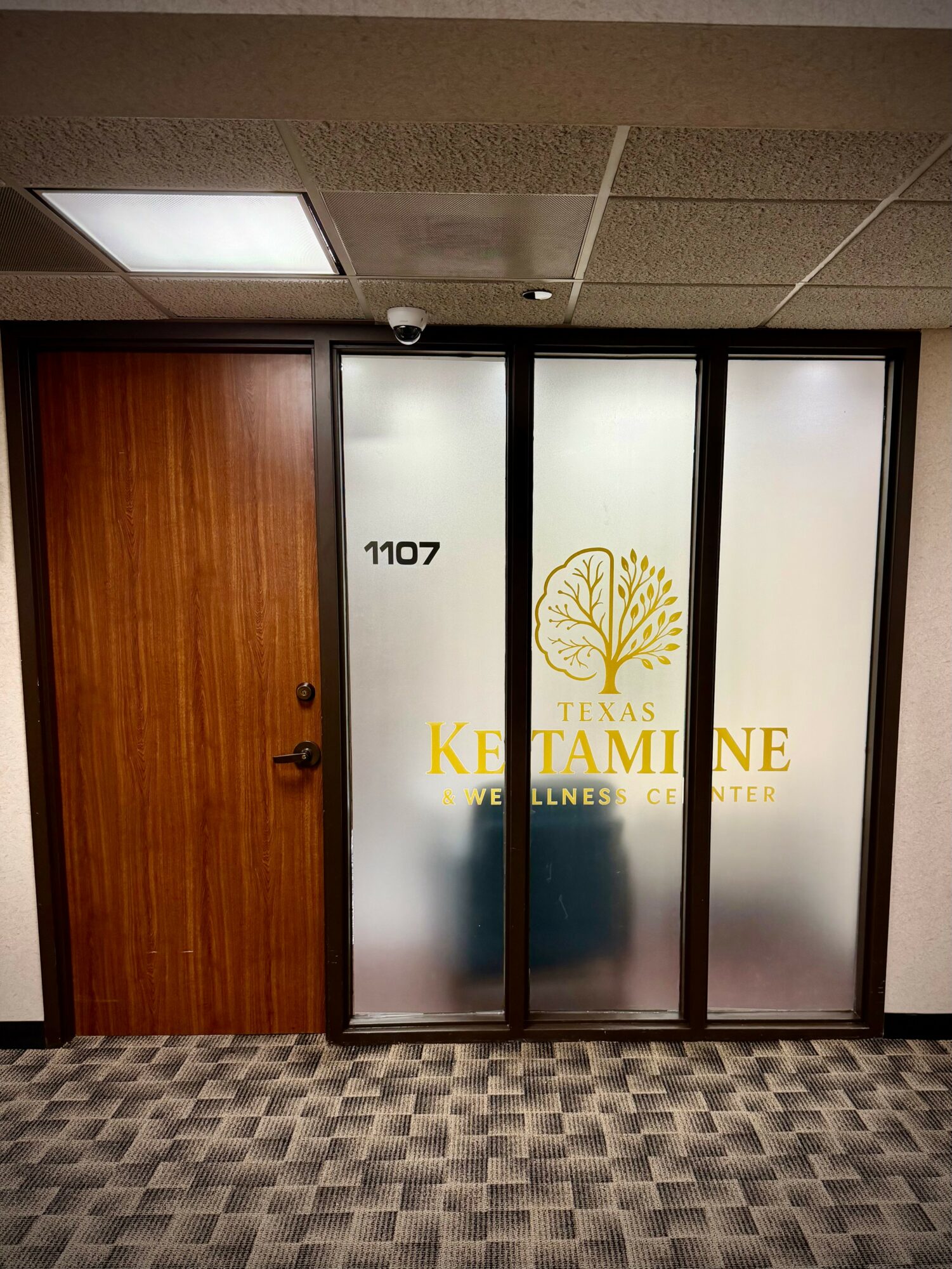
Texas Ketamine & Wellness Center grew out of that realization. I didn’t want to create just another clinic—I wanted to build a space that combined rigorous medical oversight with a deeply human approach to care. Something that felt safe, calm, and intentional. A place where patients felt heard, respected, and supported, not rushed through a system.
Starting the clinic meant stepping outside the traditional ER physician path and learning an entirely new skill set—business, compliance, operations, branding, and patient experience design. I built everything from the ground up, from protocols and safety systems to the physical environment itself. It was challenging, but also incredibly rewarding to create something aligned with my values.
Today, the wellness center serves people who are often at a crossroads—patients with treatment-resistant depression, PTSD, severe anxiety, and chronic pain who are searching for hope after years of frustration. What keeps me motivated is seeing patients regain clarity, function, and a sense of possibility again. For many, ketamine isn’t just a treatment—it’s a turning point.
Looking back, the common thread in my journey has been a desire to bridge the gap between acute medicine and long-term healing. Texas Ketamine & Wellness Center is the result of that journey—a practice built on medical integrity, safety, and compassion, with the goal of helping people reclaim their lives.
Alright, so let’s dig a little deeper into the story – has it been an easy path overall and if not, what were the challenges you’ve had to overcome?
It’s been anything but a smooth road. One of the biggest challenges has been navigating the regulatory landscape in Texas, which is understandably strict when it comes to office-based anesthesia and controlled substances. While patient safety should always come first, the reality is that these regulations add layers of complexity, cost, and administrative burden that many people never see. Building a ketamine clinic here requires meticulous compliance, extensive documentation, and constant vigilance—far more than most outpatient medical practices.
Another major hurdle is the broader mental health system itself. Ketamine therapy, despite growing evidence and real-world success, is still largely considered “off-label” by the FDA, with the exception of Spravato (esketamine). That creates confusion and skepticism—for patients, providers, and insurers alike. Many patients come to us after years of failed treatments, yet still face barriers because the therapy that may finally help them isn’t fully embraced by the traditional system. I try to remind my patients that many medications on the market are currently being used “off-label” and not technically FDA approved. For example, ozempic is not FDA approved for weight loss, only for diabetes, yet it’s prescribed and used as such. Off label does not mean it does not work.
Cost is another very real challenge. Because most ketamine treatments are not covered by insurance, patients often have to pay out of pocket. That’s incredibly difficult, especially for people already struggling with depression, PTSD, or chronic pain—conditions that can impact employment, relationships, and financial stability. It’s one of the hardest conversations I have with patients: knowing a treatment could help, but also recognizing the financial strain it may cause.
There’s also a stigma component. Mental health patients are frequently expected to “just try harder,” switch medications again, or wait months to be seen by a specialist. Many arrive at the clinic exhausted, discouraged, and afraid to hope. Part of the struggle has been pushing back—gently but firmly—against outdated narratives that minimize mental health suffering or dismiss newer treatment options simply because they challenge the status quo.
Despite all of this, the challenges have reinforced why this work matters. Every regulatory hurdle, every tough financial conversation, every skeptical referral reminds me how broken access to mental health care still is. The road hasn’t been smooth—but it’s been meaningful. And the resilience of the patients we serve makes every obstacle worth navigating.
Thanks for sharing that. So, maybe next you can tell us a bit more about your work?
At its core, my work focuses on helping people who feel stuck—patients with treatment-resistant depression, PTSD, severe anxiety, and chronic pain who haven’t found relief through conventional options. I specialize in physician-led ketamine therapy, delivered in a highly structured, medically rigorous setting with an emphasis on safety, precision, and individualized care.
What I do differently starts with how I approach ketamine itself. Ketamine is a powerful medication that sits at the intersection of anesthesia, psychiatry, and pain medicine. Because of that, my background in Emergency Medicine plays a central role in how the clinic operates—from patient selection and dosing decisions to monitoring standards and emergency preparedness. Every treatment is approached with the mindset that safety is non-negotiable, and that trust has to be earned.
I’m particularly known for working with complex patients—people who have tried multiple medications, therapies, or procedures and are often told there are no good options left. Rather than applying a one-size-fits-all protocol, we tailor treatment plans carefully, taking into account medical history, mental health context, and long-term goals. Ketamine isn’t viewed as a standalone “quick fix,” but as part of a broader healing process that includes education, integration, and coordination with other healthcare professionals when appropriate.
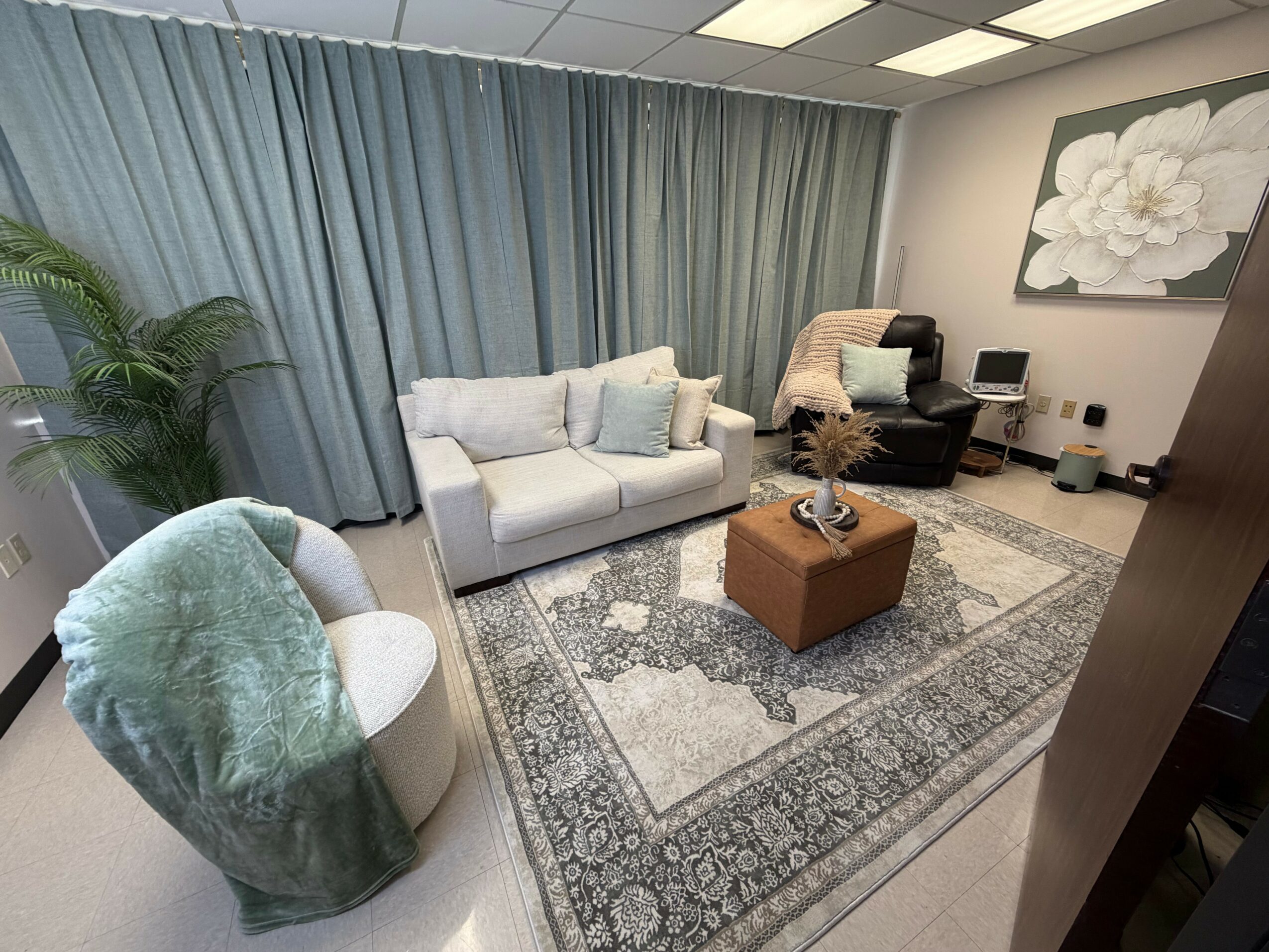
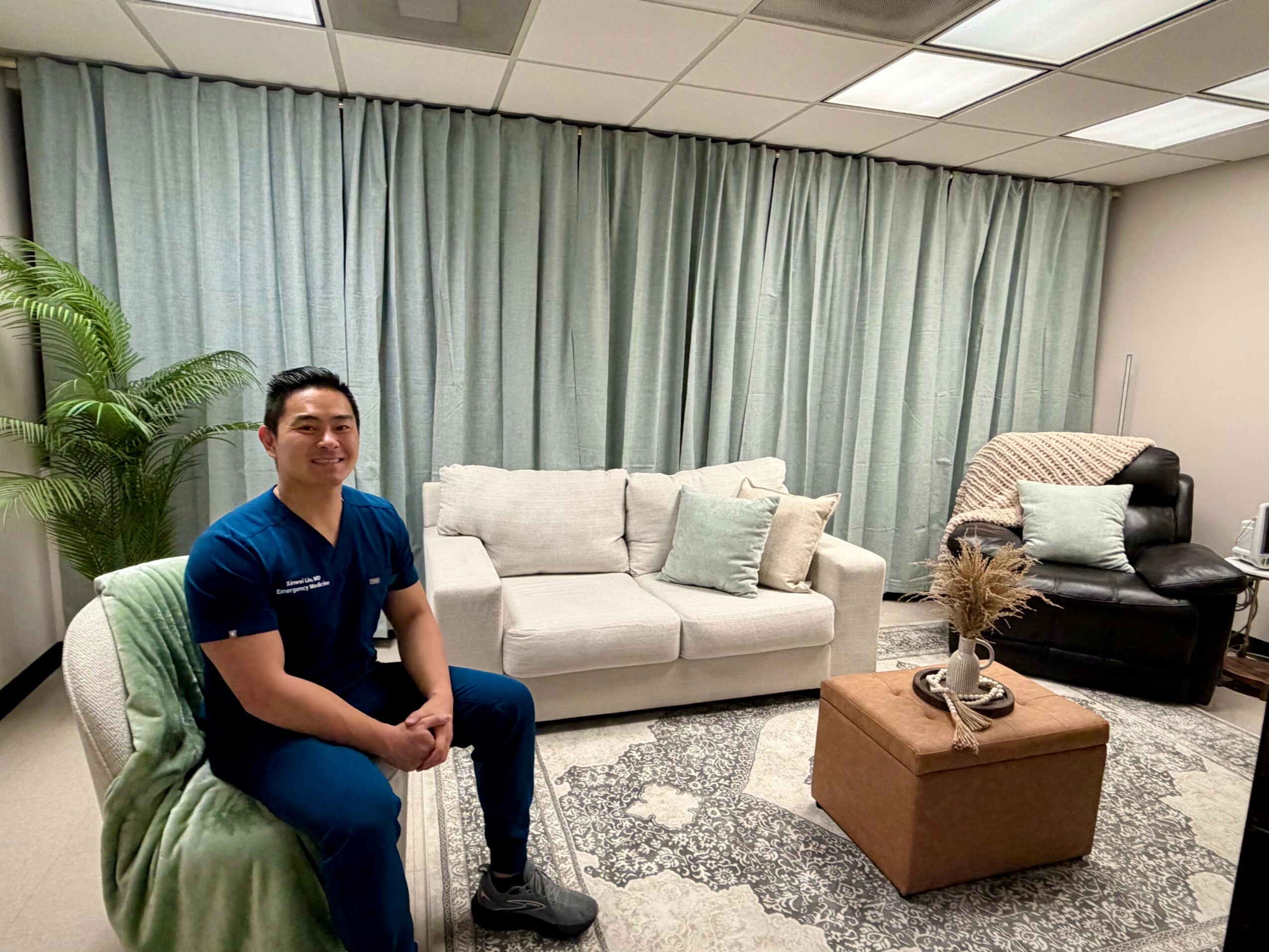
What I’m most proud of is the environment we’ve built. Texas Ketamine & Wellness Center was designed intentionally to feel calm, private, and respectful—more like a thoughtful medical sanctuary than a typical clinic. For many patients, just feeling safe and heard is a meaningful part of their healing. Creating that space, both physically and emotionally, has been just as important to me as the medicine itself.
What truly sets us apart is the combination of high-level medical oversight with a deeply human approach. Ketamine therapy is sometimes oversimplified or commercialized, but I believe it deserves careful stewardship. We don’t chase volume or trends—we focus on outcomes, integrity, and long-term patient well-being.
At the end of the day, I’m proud that our clinic stands for something simple but increasingly rare in healthcare: taking suffering seriously, practicing responsibly, and offering hope without cutting corners.
Can you talk to us about how you think about risk?
I don’t think of myself as a traditional risk-taker. I think of risk as something to be understood, respected, and managed thoughtfully. In medicine—especially in mental health—taking shortcuts is the real danger. Every major decision I’ve made has been about balancing access, safety, and integrity.
One of the biggest risks I took was expanding the clinic beyond a traditional brick-and-mortar model and offering mobile, concierge-level ketamine care. On paper, it would have been far easier to limit everything to a single physical location. Mobile care introduces more variables—logistics, safety planning, regulatory scrutiny, and cost. It also comes with higher responsibility as a physician, because you’re bringing medical treatment into a patient’s personal space.
But I kept thinking about the patients who couldn’t realistically come to a clinic—people with severe depression, PTSD, chronic pain, or mobility limitations; people who feel overwhelmed leaving their home; people who function better in familiar environments. For them, access itself was the barrier. So the question became: Can this be done safely, ethically, and at a level that meets or exceeds in-clinic standards?
That’s where my philosophy on risk really shows. I don’t take risks lightly—I build systems around them. Mobile care only exists because we created strict patient selection criteria, redundancy in monitoring and emergency equipment, physician-led oversight, and clear stop-rules. Every mobile session is treated like a clinic visit that just happens to occur elsewhere. If those standards can’t be met, we don’t proceed—no exceptions.
Offering concierge-level care is also a form of risk. It goes against the high-volume, assembly-line approach that healthcare often incentivizes. It means fewer patients per day, longer visits, and more individualized attention. Financially, that’s not the “safe” route. But philosophically, it aligns with how I believe medicine should be practiced—especially when working with vulnerable mental health patients who need time, trust, and consistency.
Ultimately, I believe the most meaningful risks are taken in service of patients, not ego or growth metrics. Every step we’ve taken—whether it’s mobile care or a more intimate treatment model—has been about expanding access without compromising safety. To me, that’s not gambling. That’s responsible innovation.
Pricing:
- $350/infusion (in-clinic)
- $1000/infusion (at home/mobile)
- Membership pricing available
Contact Info:
- Website: https://www.ketaminewellnesstx.com
- Instagram: https://www.instagram.com/txketaminewellness/
- Facebook: https://www.facebook.com/profile.php?id=61586568026342
- Youtube: https://www.youtube.com/@txketaminewellness
- Yelp: https://www.yelp.com/biz/texas-ketamine-and-wellness-center-houston-2?osq=texas+ketamine+and+wellness+center


Popular
-

A Best Friend With Real‑Life Roots and Big‑Screen Heart
-

Precision, Progress, and Real Results: Kristen Dockter on Teaching Pilates the Way It Was Meant to Be Taught
-

Building Depth Over Scale: How Jen Kolb Is Clarifying Her Point of View in Interior Design
-

Dumm Munee Is Building a Multi‑Lane Creative Empire Rooted in Ownership and Legacy