
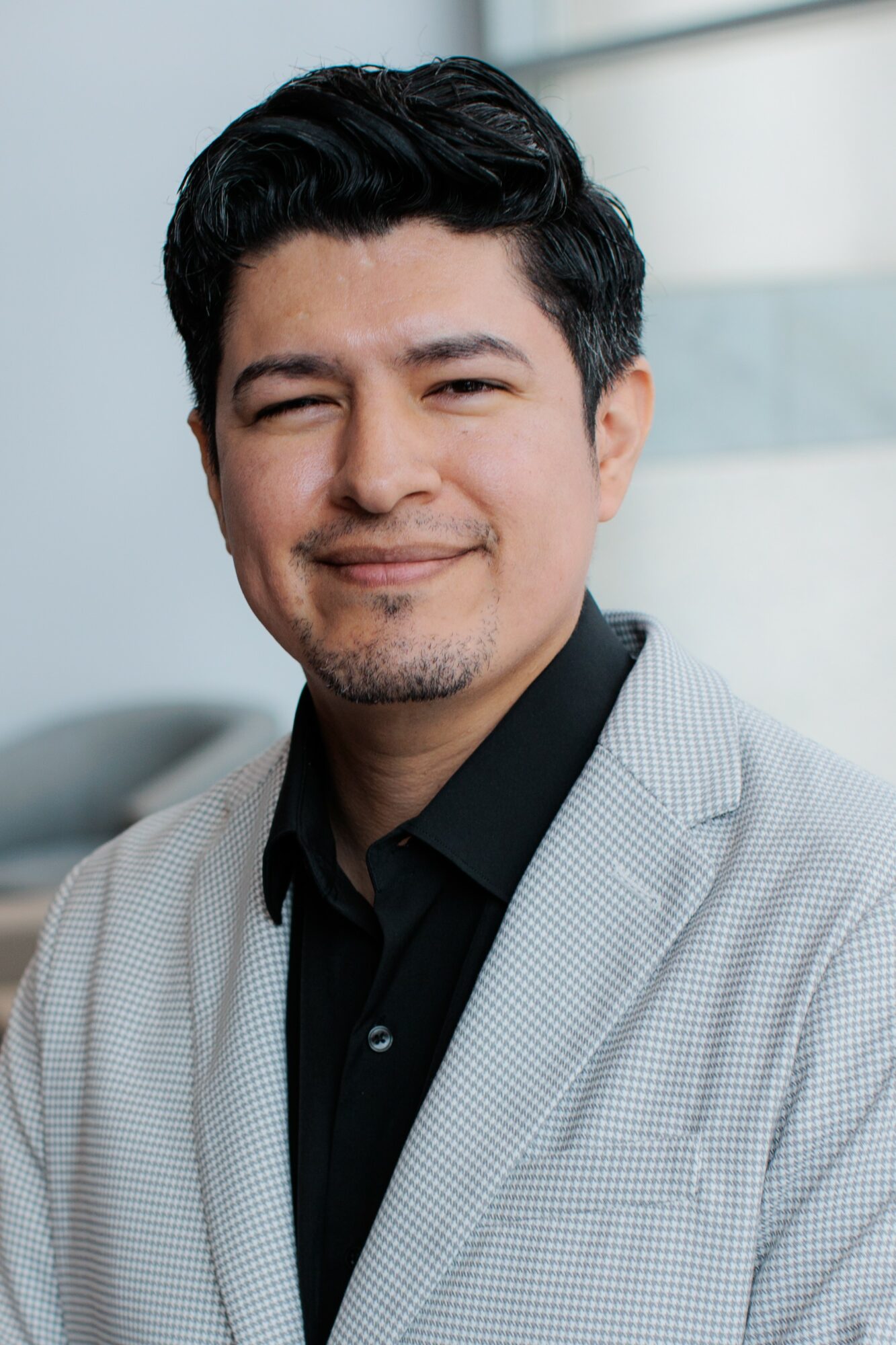
Today we’d like to introduce you to Adolfo Lara.
Hi Adolfo, it’s an honor to have you on the platform. Thanks for taking the time to share your story with us – to start maybe you can share some of your backstory with our readers?
Can you briefly walk us through your story – how you started and how you got to where you are today. You can include as little or as much detail as you’d like.
My ideals and personality was shaped by a mix of two cultures Mexican culture and American culture. My early childhood spent in Mexico shaped the way I see school and the value of education. Houston however shaped the way I see opportunities. Houston’s diversity something that I only began to understood more so when I was in college, allowed me to shift from a early goal of becoming a physician to realizing my dream of becoming a scientist.
But the journey to get there it’s not something that is charted and if so for people like me it’s not something that’s easily accessible. So it started with college. I attended the University of Houston–Downtown, where I got my first real exposure to research. That experience was transformative. For the first time, I wasn’t just learning facts—I was learning how knowledge is created. I realized that science wasn’t just about being “smart”; it was about persistence, asking better questions, and being willing to sit with uncertainty. And that was great for me because I never considered myself smart but I do know I can put in the work and stay persistent in learning.
I am fortunate to have a supportive community and network that allowed me to pursue my interest in research allowing me to become the 1st in my family to pursue a PhD.
Why I didn’t know 100% what it would take to achieve success at the PhD level I knew that it is was something I wanted to pursue as I have always had a love for learning and using that learning to make the world a better place.
Thanks to my alma matter I was able to become the 1st Mexican-American accepted into the prestigious American Museum of Natural history PhD program. So I packed my bags and moved from Texas to New York City. That would represent the first time I was away from home for more than a week at a time. I studied non-model organisms like sea anemones and jellyfish, which might sound unconventional, but those systems taught me how evolution, genetics, and complexity really work. Being in that environment pushed me intellectually, but it also forced me to grow personally. As a first-generation Latino scientist, I often felt like I was learning two systems at once: the science itself and the unspoken rules of the academic world. Over time, I learned how to navigate those systems, how to teach, how to mentor, and how to translate complex ideas for different audiences.
After some struggle but with persistence I completed my PhD and graduated. I moved back to Houston with the goals to remain in research and science education. And to that effort I came across an opportunity at the health museum staying in the museum world to share my love and passion and scientific knowledge with the general public. I enjoyed my time at the museum and then the pandemic began.
I was fortunate to be able to work from home and that also gave me time to think about what we were all going through. It fell to some degree that I had selfishly chosen to be in education , as it was an interest of mine but given the situation, COVID, I felt it was my duty to put to use my other sets of skills: being a professional in the lab.
Given my scientific experience I knew that we would first being able to detect if somebody was sick based on presence and absence but then I figured the question of what strains are emerging would come. That is a question that can be answered by genetic sequencing which is the same skill I learned as part of my PhD. It may have been with anemones but the technique also applies for viruses.
I still loved research, but I became increasingly interested in how science is used in the real world, especially in public health. That curiosity led me into the Houston Health Department where I tested SARS-CoV-2 samples to get you your results – which was a defining experience. Seeing science move at the speed of public need, and understanding the consequences when systems aren’t prepared, fundamentally changed how I think about impact.
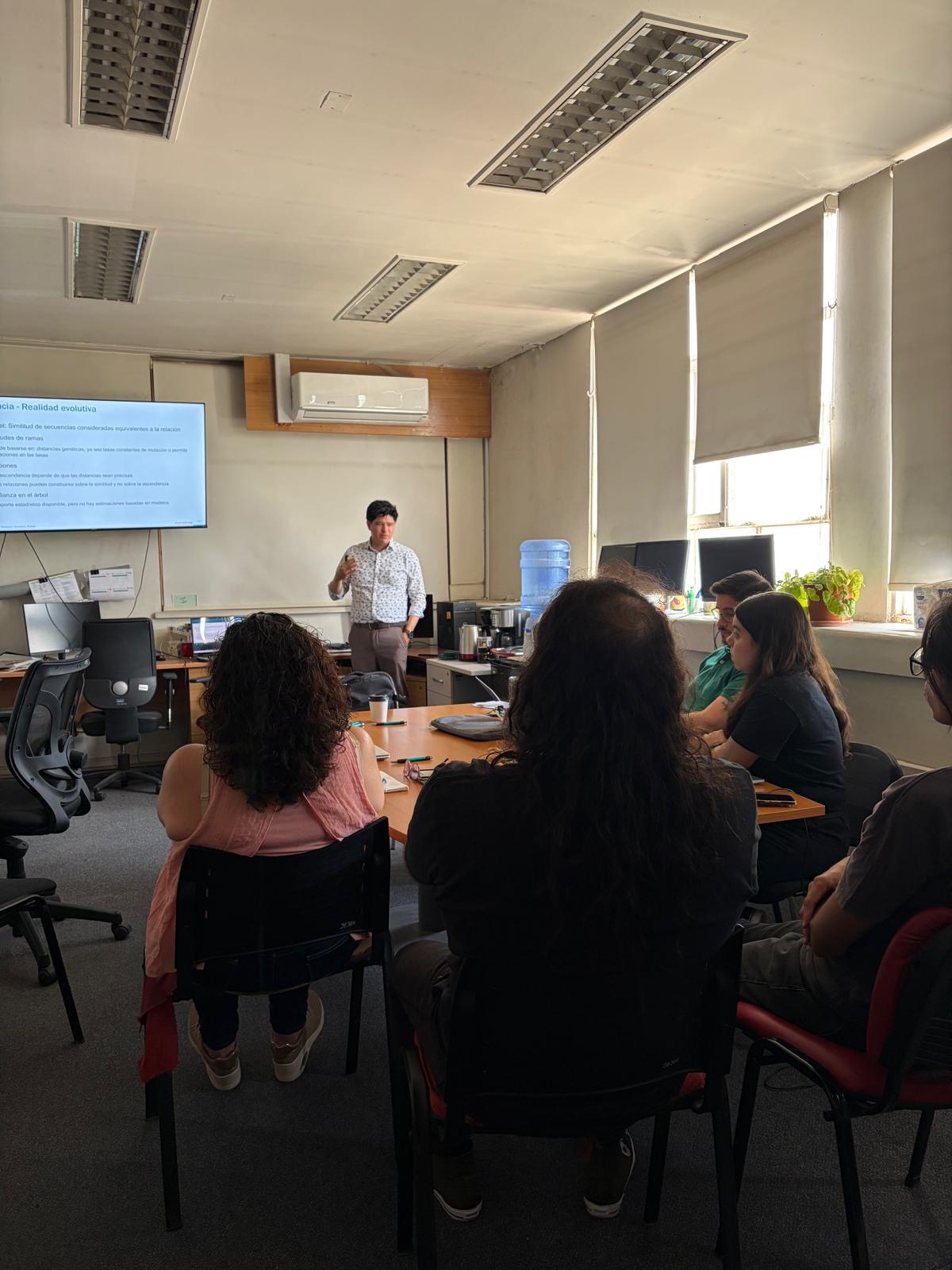
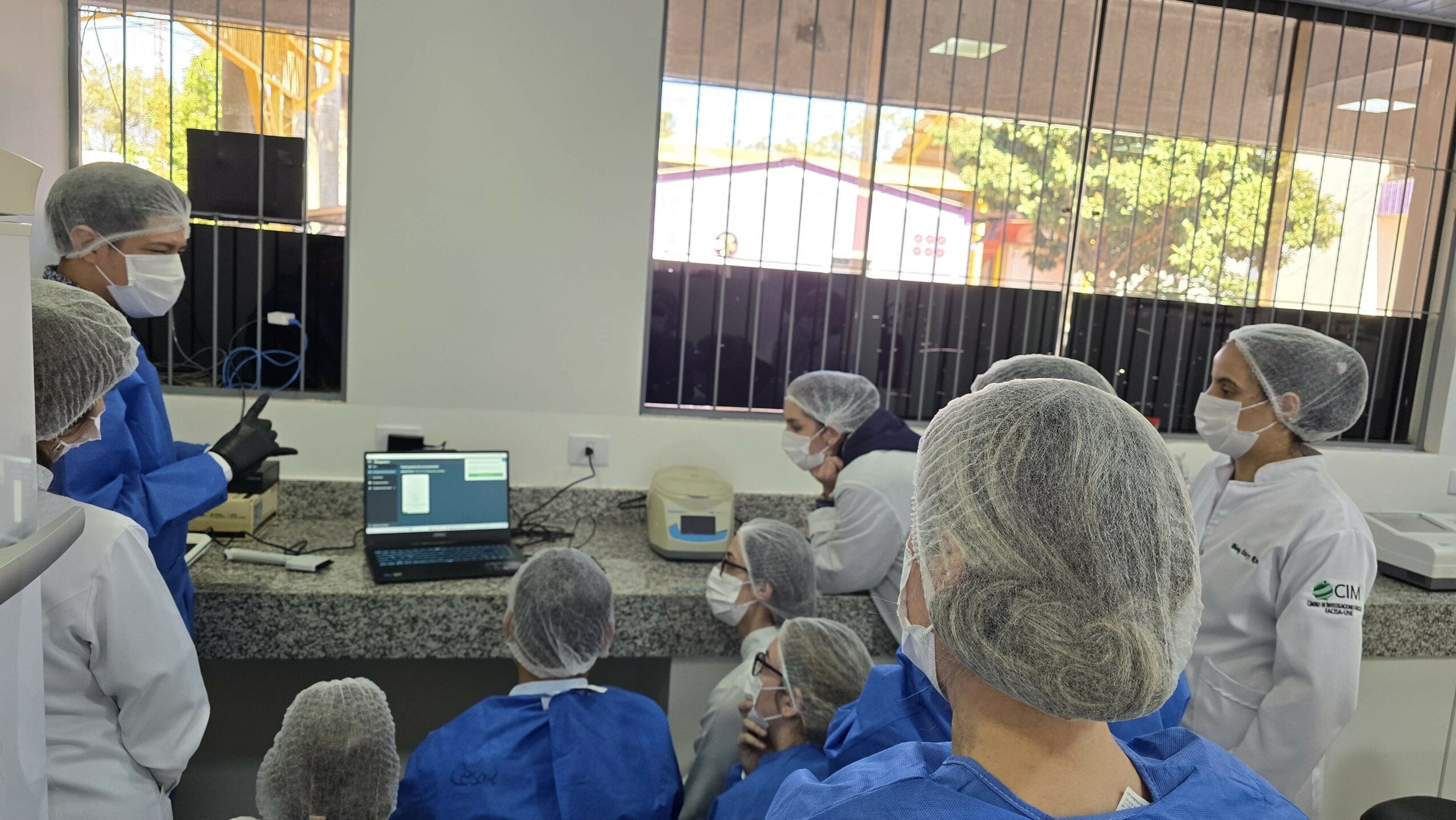
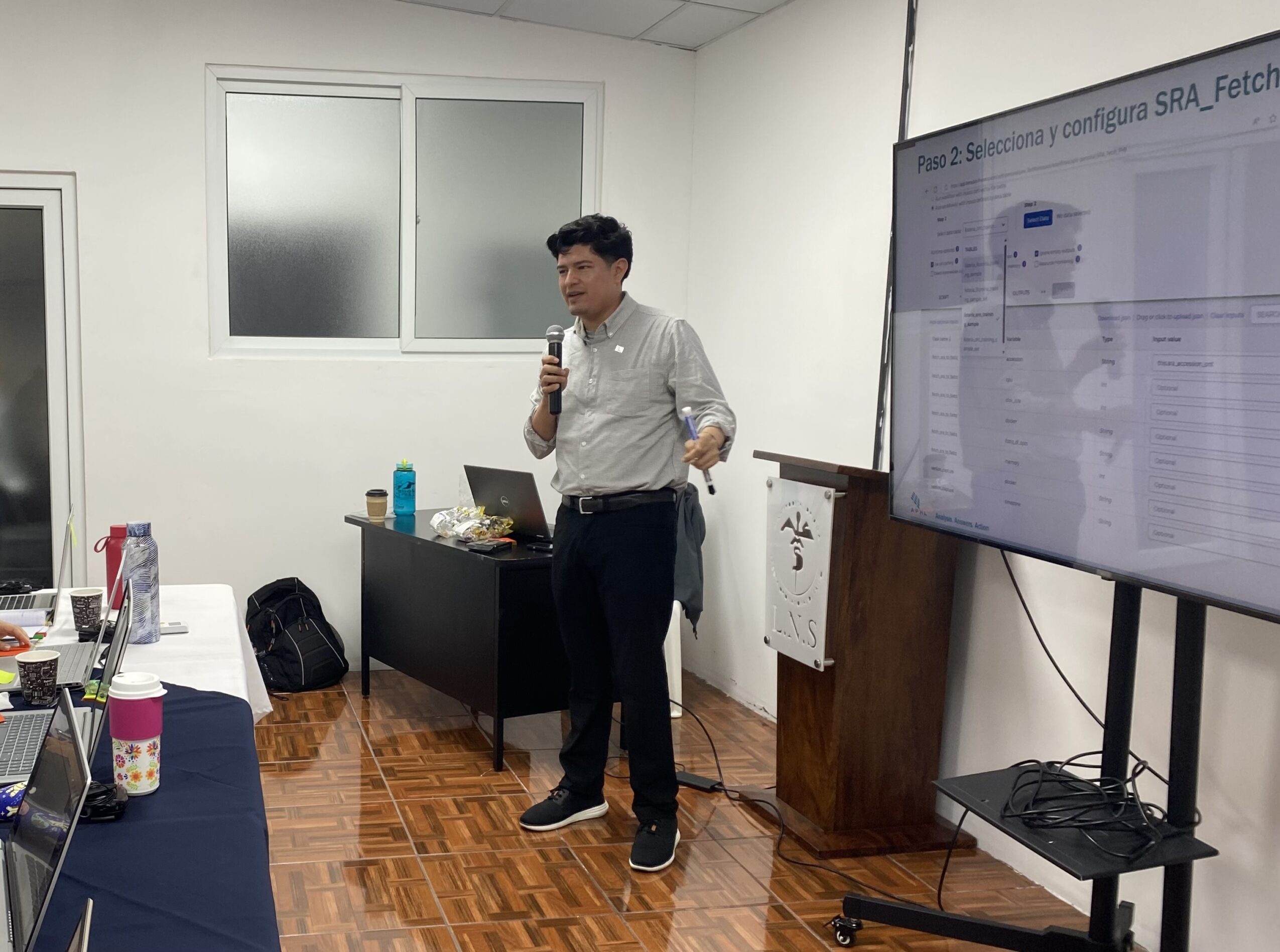
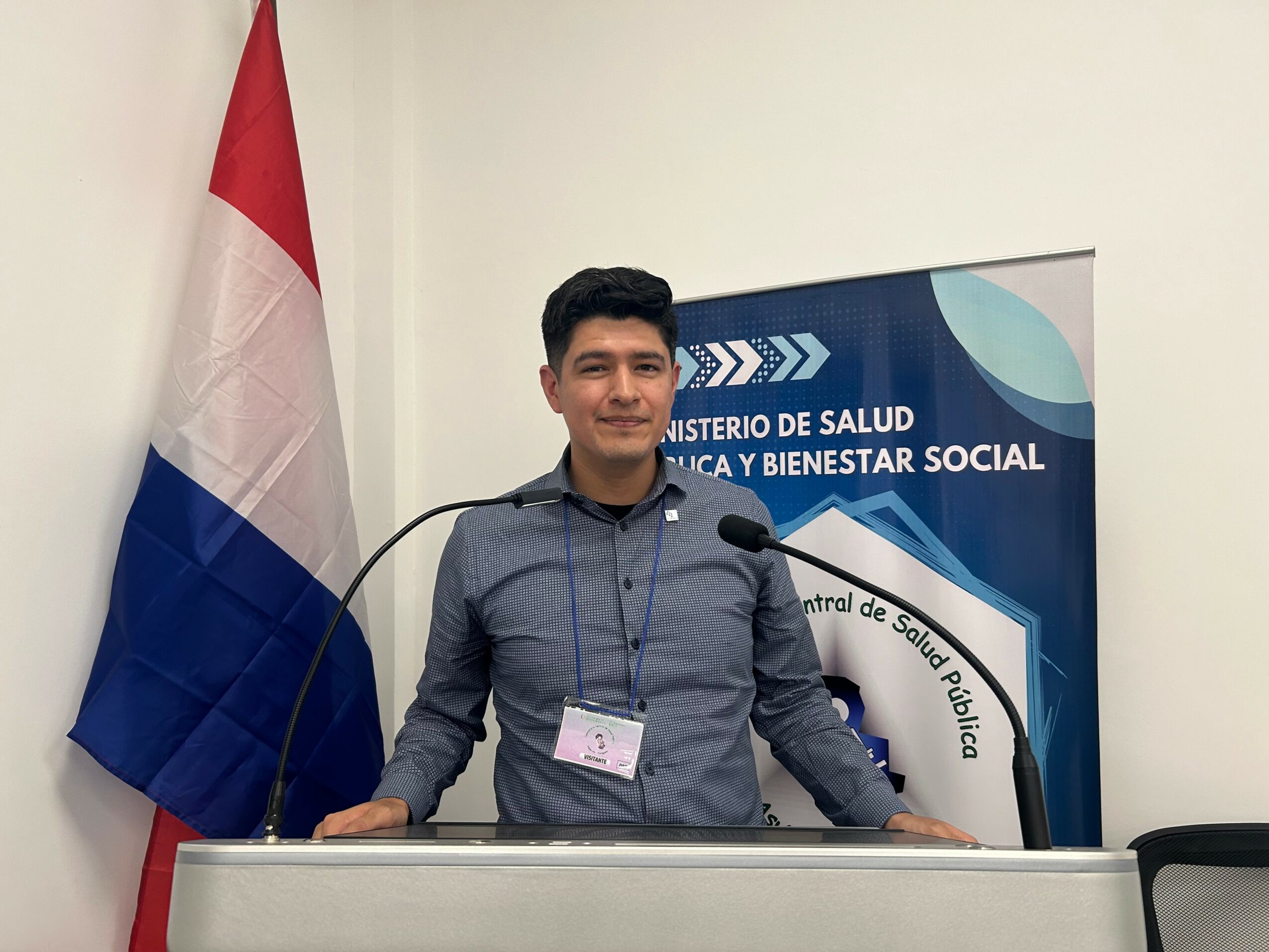
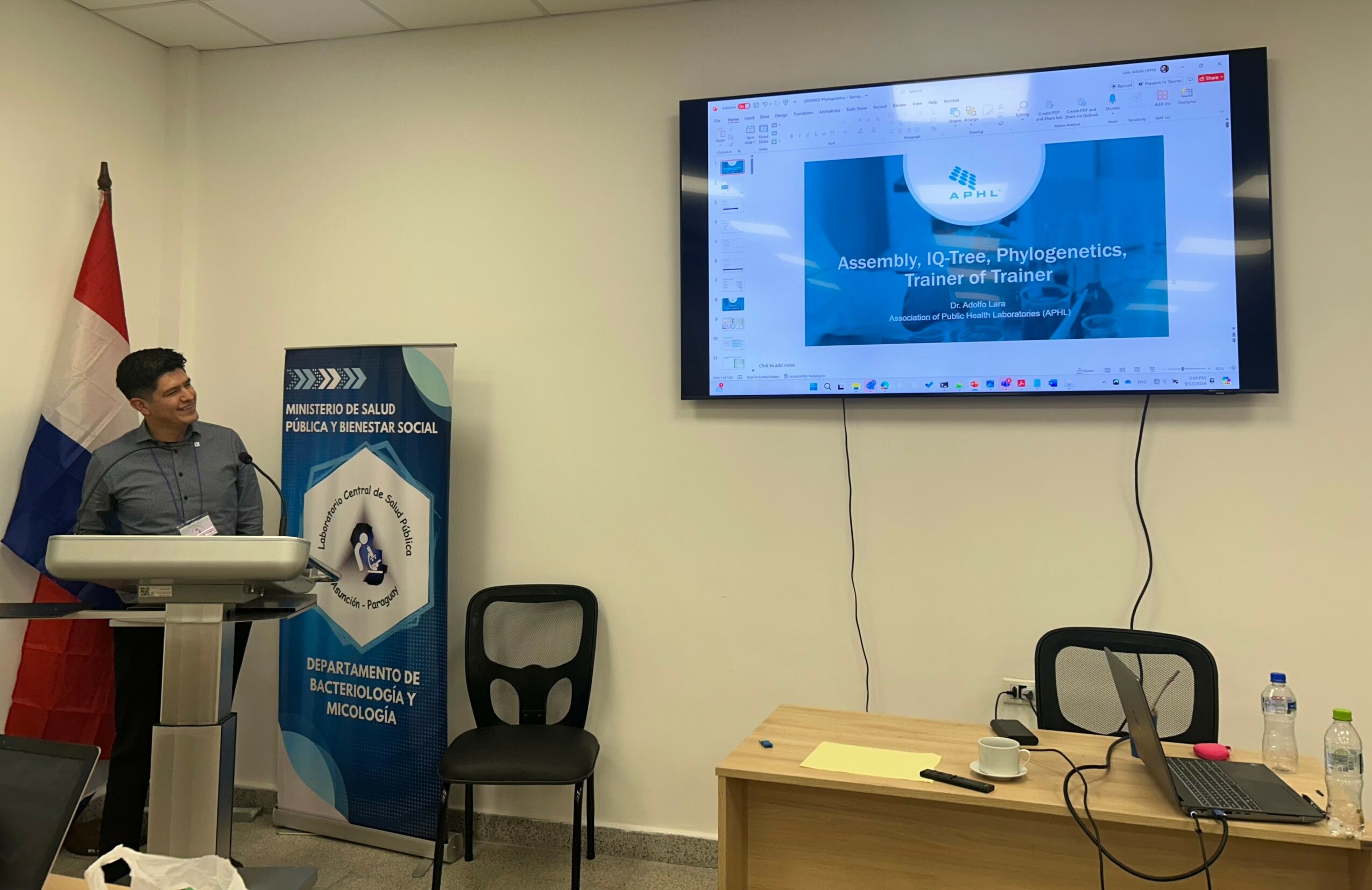
Today, I work at the Association of Public Health Laboratories, where I lead and design training programs in next-generation sequencing and bioinformatics for public health laboratories across the U.S. and Latin America. I’ve led bilingual trainings in countries like Honduras, Colombia, and Paraguay, often working with scientists who are building genomic surveillance capacity from the ground up. That work sits at the intersection of science, education, and equity—helping labs not just adopt technology, but actually sustain it.
Alongside my professional work, I’ve become deeply invested in mentorship and science communication, particularly for first-generation and Latino students. I create content, tools, and resources to help people navigate academic and professional systems that were never designed with them in mind. A lot of this comes from my own experience, figuring things out through trial and error, learning how to study effectively, how to manage time, how to advocate for myself, and how to stay grounded in identity while moving through elite spaces.
Looking back, my journey isn’t just about moving from Houston to New York and back into global public health, it’s about learning how to translate between worlds. Between academia and public health. Between technical expertise and human stories. Between where I came from and where I’m going. Houston gave me that ability. It taught me adaptability, humility, and the importance of community.
Where I am today is the result of curiosity, persistence, mentorship, and a willingness to keep evolving. And in many ways, I still see myself as someone in progress, continuing to learn, teach, and build pathways so that others don’t have to navigate these systems alone.
I’m sure it wasn’t obstacle-free, but would you say the journey has been fairly smooth so far?
It hasn’t been a completely smooth road. It’s been a mix. I’m very aware of how fortunate I’ve been to have a supportive family and friends who encouraged me to pursue my interests. Not everyone has that kind of support, and I don’t take it lightly. While I didn’t have the financial cushion that allowed me to avoid working altogether, I did work throughout college, which came with its own challenges. At the same time, I was able to work as a tutor and mentor, and those roles were incredibly enriching. They helped me develop the ability to communicate science and ideas clearly to my peers. Skills that continue to shape my work today.
One of the early struggles was moving away from home. At first, it’s exciting, but eventually the day-to-day realities set in: figuring out housing, finances, routines, and how to build a life in a new place. That transition can be isolating, even as you recognize that others may be facing much larger or more visible hardships.
Looking back, my PhD was also a significant challenge, even if hindsight sometimes softens the edges. From the outside, it can look like “just more school,” but the reality involves long hours, constant learning, uncertainty, and pressure to perform. Over time, that environment can lead to burnout, which is something I didn’t fully recognize until later. Burnout isn’t always obvious when you’re in it, and even when you realize it’s happening, it’s not always something you can address on your own.
More recently, one of the biggest struggles I see and feel is the disconnect between scientists and the general public. We watched that gap widen in real time during the COVID-19 pandemic. It’s an unfortunate reality, because science and society depend on each other. Without trust and communication, progress stalls. That disconnect is one of the main reasons I’ve become more intentional and vocal about sharing my experiences as a scientist to help bridge that gap and make science feel more human, accessible, and relevant.
Thanks for sharing that. So, maybe next you can tell us a bit more about your work?
My official title is a specialist in next generation sequencing and bioinformatics. What the heck does that mean right? As someone who has 15 years of lab experience, I get the opportunity to put those cutting-edge skills to prevent and respond to disease outbreaks, including those with pandemic potential. Let me explain. 1st let’s talk about the next generation sequencing part. If you are familiar or have heard of the company called 23andMe, not an ad by the way, they use a technique called DNA or genetic sequencing. This technique is one of the coolest techniques as it allows us to take DNA from its physical form and basically be able to read it almost letter by letter and write that down in a big encyclopedia. Now let’s talk about the bioinformatics part of my job title. Once that information is written down, let’s say for a human, we can then search through it to find things like what genes might be present, so this may tell you about your propensity for a certain disease or even things like having a mutation to break down caffeine faster than others. Of course, and unfortunately it’s not as easy as just flipping through pages in a book to find these things instead we have to use computer software to carry out these analysis to find an answer to the questions we have. If we apply that same technique of sequencing DNA to other organisms such as viruses and bacteria, we can then start to answer critical questions: What organism is causing an outbreak? How are cases connected? Is a strain becoming more dangerous or more transmissible?
Genetic sequencing was central to my PhD research, and it remains central to my work today. The difference now is scale and impact. Instead of working only at the bench, I focus on training other scientists, both domestically and internationally, so laboratories around the world can apply these tools themselves. I’ve had the privilege of training over 100 scientists from more than 25 countries, many of them in Central and South America, helping build sustainable laboratory and bioinformatics capacity that strengthens global disease surveillance.
One of the things I’m most proud of is leading bilingual trainings in Spanish. This work goes beyond literal translation. It’s about making complex, abstract scientific concepts accessible, practical, and usable in real-world public health settings. I help bridge gaps—not just between English and Spanish, but between advanced science and day-to-day decision-making.
What sets me apart is my ability to operate at that intersection: deep technical expertise, lived experience in the lab, and the ability to communicate clearly across cultures, languages, and levels of scientific background. I don’t just teach tools, I help people understand why they matter and how to use them confidently. That combination is what allows science to move faster, farther, and more equitably.
Can you talk to us about how you think about risk?
I can only look back and see that the PhD was a risk. I was so confident I could be successful that I did not take into account the possibility of not completing it. I moved into a new city. Without knowing anyone too close. That was a risk. But given my age, being right out of college I felt it was as good as a time I would ever have to pursue that degree.
Going through the PhD was a risk too. In the PhD process there is an exam that one has to take, an exam that you can fail. I ended up failing the written version, which meant that I had to take the verbal exam. In this exam I had to answer questions, on the spot about scientific concepts to a committee and based on their evaluation of me, I would be deemed qualified to remain in the program or not. I prepared as best as I could, and took the test. Fortunately I did pass. It was not easy, but it was a wake up call to change that version of my workflows.
I would like to think, had I not passed that I still would have continued to pursue my interested in the PhD, but practically it would have been much more difficult. Now, older, I value risk different, I think about it more. I think about in a more critical way and try to view it from different perspectives and weight the trade-offs more.
Contact Info:
- Website: https://adolfolaraphd.gumroad.com/
- Instagram: https://www.instagram.com/alr1129/
- LinkedIn: https://www.linkedin.com/in/alarasci/
- Youtube: https://www.youtube.com/@LatinoPhD


Popular
-
A Best Friend With Real‑Life Roots and Big‑Screen Heart
-
Precision, Progress, and Real Results: Kristen Dockter on Teaching Pilates the Way It Was Meant to Be Taught
-

Building Depth Over Scale: How Jen Kolb Is Clarifying Her Point of View in Interior Design
-
Dumm Munee Is Building a Multi‑Lane Creative Empire Rooted in Ownership and Legacy