






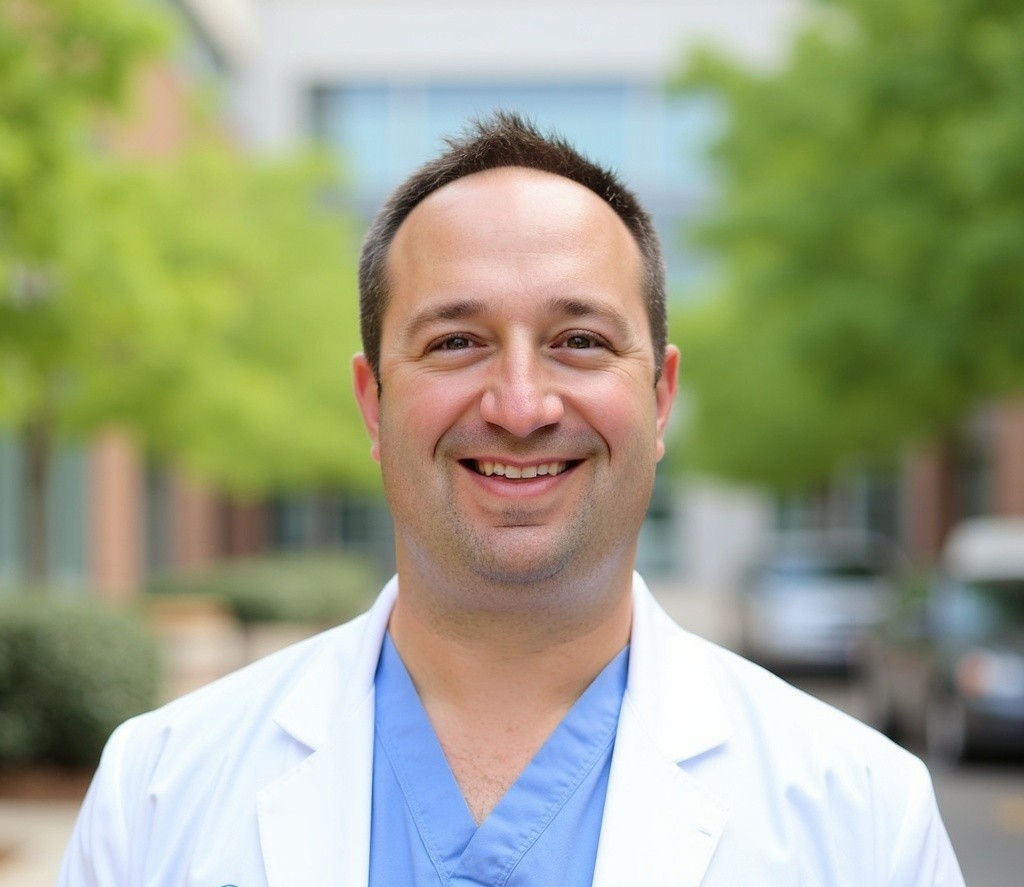
Today we’d like to introduce you to Eric Blacher.
Eric, we appreciate you taking the time to share your story with us today. Where does your story begin?
I’ve always seen medicine as both a calling and a responsibility, and in many ways that started long before my own training. I’m a third‑generation physician. My grandfather was a family doctor in Boston, and my father was a cardiologist in Miami. I grew up around medicine—literally. Some of my earliest memories are tagging along with my dad on weekend hospital rounds, watching him pour himself into the care of others. Seeing that level of service and sacrifice up close shaped me deeply. It taught me that medicine isn’t just a profession; it’s a way of showing up for people.
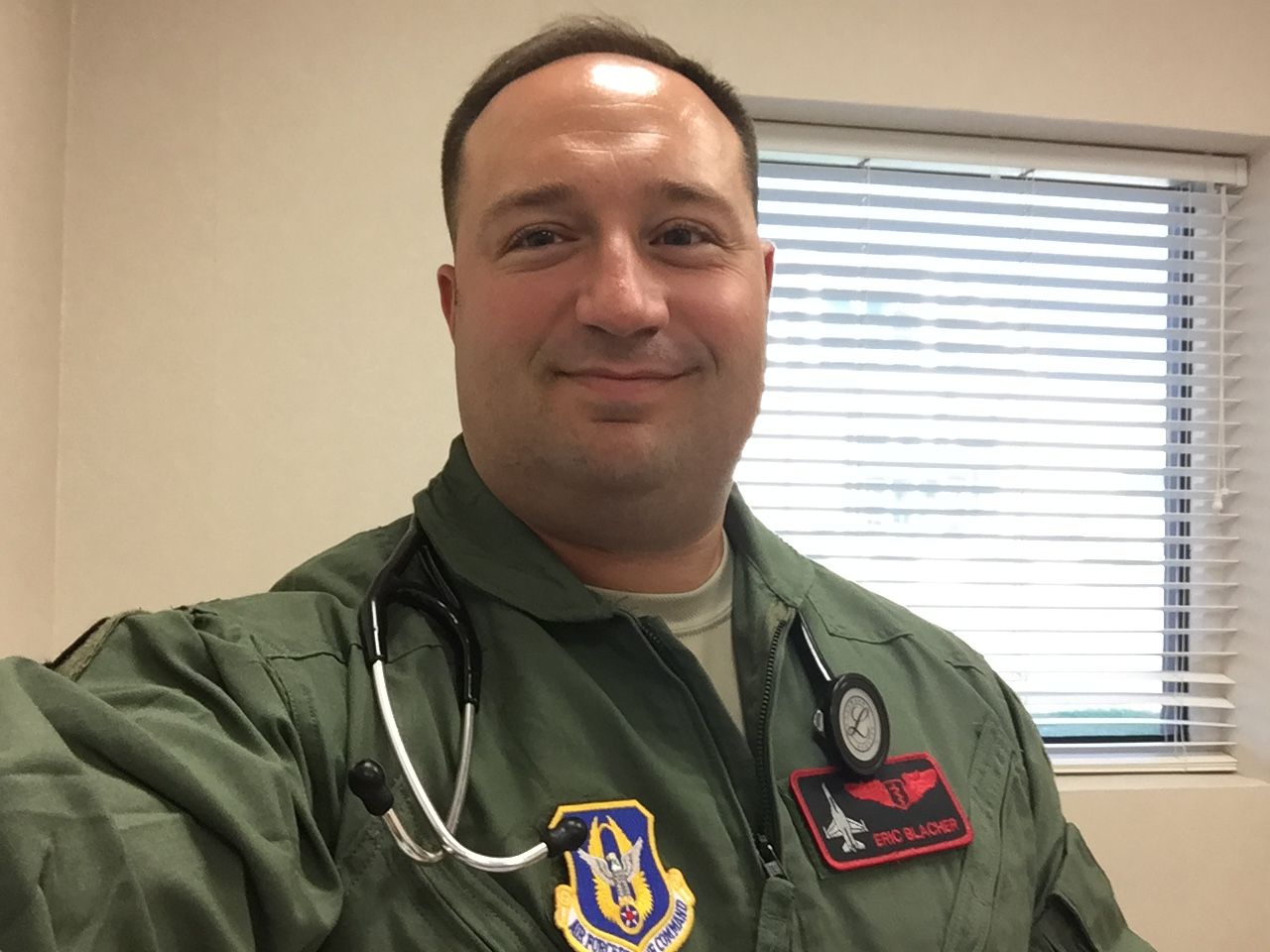
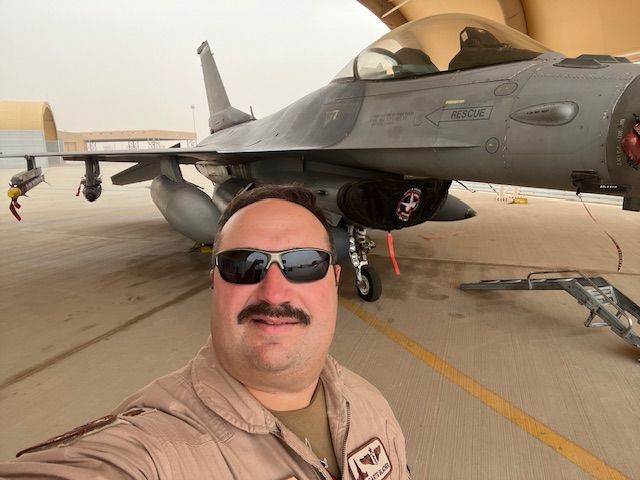
Those values carried me through medical school and into a parallel career in military service. I was never on active duty; I’ve always served as an Air Force Reservist, practicing medicine in the civilian world while supporting the mission in uniform. Over the years, I’ve had the privilege of caring for Airmen across a wide range of missions, conducting hundreds of shop visits, and learning how to integrate clinical medicine with the operational demands of military life. I continue that service today as a Flight Surgeon for an F‑35 fighter squadron in the Air Force Reserve—work that remains one of the most meaningful parts of my professional life.
In my civilian career, I eventually founded BellaireCare Direct Family Health because I wanted to build a practice that stripped away the noise and returned to what patients actually need: time, clarity, access, and a physician who truly knows them. Direct primary care gave me the freedom to practice medicine the way it should be practiced—evidence‑based, relationship‑driven, and centered on the patient rather than the system.
Along the way, I also developed a parallel focus on medical writing, VA disability advocacy, and helping veterans navigate complex medical‑legal landscapes. My background in military medicine and my commitment to clear, rigorous documentation naturally evolved into a second mission: ensuring veterans receive the benefits and recognition they’ve earned.
Today, my work is a blend of clinical care, advocacy, education, and service. I’m grateful for every step of the journey—from those childhood hospital rounds to the Air Force flight line to the exam room in Bellaire—because each chapter has reinforced the same truth: when you put people first, everything else follows.
I’m sure it wasn’t obstacle-free, but would you say the journey has been fairly smooth so far?
It definitely hasn’t been a smooth road. Meaningful work rarely is. Medicine alone comes with its share of challenges, but layering military service on top of a civilian career adds a level of complexity that most people never see.
One of the hardest parts has been the time away from family. I’ve deployed three times—most recently to Saudi Arabia in 2023—and each deployment carries its own emotional weight. You’re serving a mission you believe in, but you’re also missing birthdays, milestones, school events, and celebrations back home. And it’s not just deployments. The exercises, TDYs, and short‑notice taskings add up. There’s a constant tension between wanting to give everything to the mission and wanting to be fully present for the people you love. Learning to navigate that tension has been one of the defining challenges of my career.
Balancing two parallel professions—civilian medicine and Air Force Reserve service—has also required constant recalibration. You’re switching between environments with different cultures, expectations, and operational demands. It’s rewarding, but it’s not simple.
Starting my own practice in the direct primary care model brought a completely different set of challenges. DPC is still unfamiliar to many people, and communicating what it is—and what it isn’t—takes patience and persistence. You’re not just explaining a new practice; you’re un‑indoctrinating people from decades of conditioning under the traditional insurance‑based system. Helping patients understand that healthcare doesn’t have to be rushed, transactional, or dictated by insurance codes is incredibly rewarding, but it requires constant education, clarity, and trust‑building. There’s no established playbook for this model, so you’re building the plane while flying it.
And like many physicians, I’ve had to learn how to advocate for patients in systems that aren’t always designed with them in mind. That challenge is part of what led me into VA disability advocacy—seeing veterans struggle to navigate a complex, often confusing process and realizing I could help by bringing clarity and strong documentation to the table.
Through all of it, the common thread is that challenges have a way of sharpening your purpose. Every obstacle—whether personal, professional, or operational—has pushed me to be clearer about why I do this work and who I want to be for the people I serve.
Great, so let’s talk business. Can you tell our readers more about what you do and what you think sets you apart from others?
BellaireCare Direct Family Health is built on a simple but powerful idea: patients deserve time, access, clarity, and a physician who truly knows them. We operate under the direct primary care (DPC) model, which means we’ve stepped completely outside the traditional insurance‑based system. Instead of rushing through 7‑minute visits and fighting with insurance codes, we focus on what actually matters—evidence‑based medicine delivered through real relationships.
What we do is comprehensive family medicine, but what we’re known for is the way we deliver it. Every patient has direct access to me as their physician—text, phone, video, or in‑person visits without the usual barriers or delays. We keep our patient panel intentionally small so that care is personal, unrushed, and tailored. That alone sets us apart in a healthcare landscape where most physicians are overwhelmed and patients often feel like numbers.
One of the biggest challenges—and one of the things I’m most proud of—is educating people about what direct primary care actually is. Most patients have been conditioned by decades of insurance‑driven medicine to believe that healthcare must be complicated, expensive, and impersonal. Helping them unlearn that mindset and realize that high‑quality care can be simple, transparent, and relationship‑driven is incredibly rewarding. When people experience it for the first time, you can almost see the relief on their faces.
Brand‑wise, I’m proud that BellaireCare stands for integrity, accessibility, and genuine partnership. We don’t hide behind bureaucracy. We don’t nickel‑and‑dime. We don’t let insurance companies dictate how we care for people. Our brand is built on trust—on being available, being thorough, and being accountable.
I also bring a unique background to the practice. As a third‑generation physician, an Air Force Reserve Flight Surgeon for an F‑35 squadron, and someone deeply involved in VA disability advocacy, I’ve learned how to blend clinical medicine with operational demands, documentation excellence, and a deep respect for service. That perspective shapes the way I care for families, veterans, and anyone who wants a physician who truly listens.
What I want readers to know is this: direct primary care isn’t concierge medicine for the elite. It’s accessible, affordable, and designed to restore the doctor‑patient relationship to what it was always meant to be. At BellaireCare, patients get a physician who knows their story, understands their goals, and has the time and freedom to care for them the right way.
That’s the heart of our brand—and the reason I built this practice.
Is there anything else you’d like to share with our readers?
I’d just add that healthcare—and even wellness—can be broader, more personal, and more accessible than most people realize. At BellaireCare, we focus on comprehensive family medicine, but we also offer services that help people feel better, function better, and show up in the world with confidence. That includes therapeutic and cosmetic Botox, facial aesthetics, lip and facial fillers, vitamin IV therapy, and PRP treatments. These aren’t just “extras” to us—they’re part of a holistic approach to helping people look and feel their best, inside and out.
What matters most is that everything we offer is grounded in the same philosophy: thoughtful, evidence‑based care delivered with time, intention, and genuine partnership. Whether someone comes to us for chronic disease management, preventive care, or facial aesthetics, they get the same level of attention and the same commitment to doing things the right way.
And on a personal note, I’m grateful—for my patients, for my family, for the privilege of serving both in the clinic and in uniform, and for the chance to build something that reflects the kind of medicine I believe in. If there’s one takeaway I’d leave with readers, it’s that healthcare can feel human again. That’s what we’re trying to create every day.
Pricing:
- Age 5-19: $40/month with parent sign up, or $50/month without other family signed up
- Age 20-44: $100/month
- Age 45-64: $120/month
- Age 65+: $140/month
- One-time enrollment fee $150
Contact Info:
- Website: https://www.bellairecare.com/
- Instagram: https://www.instagram.com/bellairecare/
- Facebook: https://www.facebook.com/profile.php?id=61573907696513#
- LinkedIn: https://www.linkedin.com/in/ericblacher/




Popular
-

A Best Friend With Real‑Life Roots and Big‑Screen Heart
-

Precision, Progress, and Real Results: Kristen Dockter on Teaching Pilates the Way It Was Meant to Be Taught
-

Building Depth Over Scale: How Jen Kolb Is Clarifying Her Point of View in Interior Design
-

Dumm Munee Is Building a Multi‑Lane Creative Empire Rooted in Ownership and Legacy