





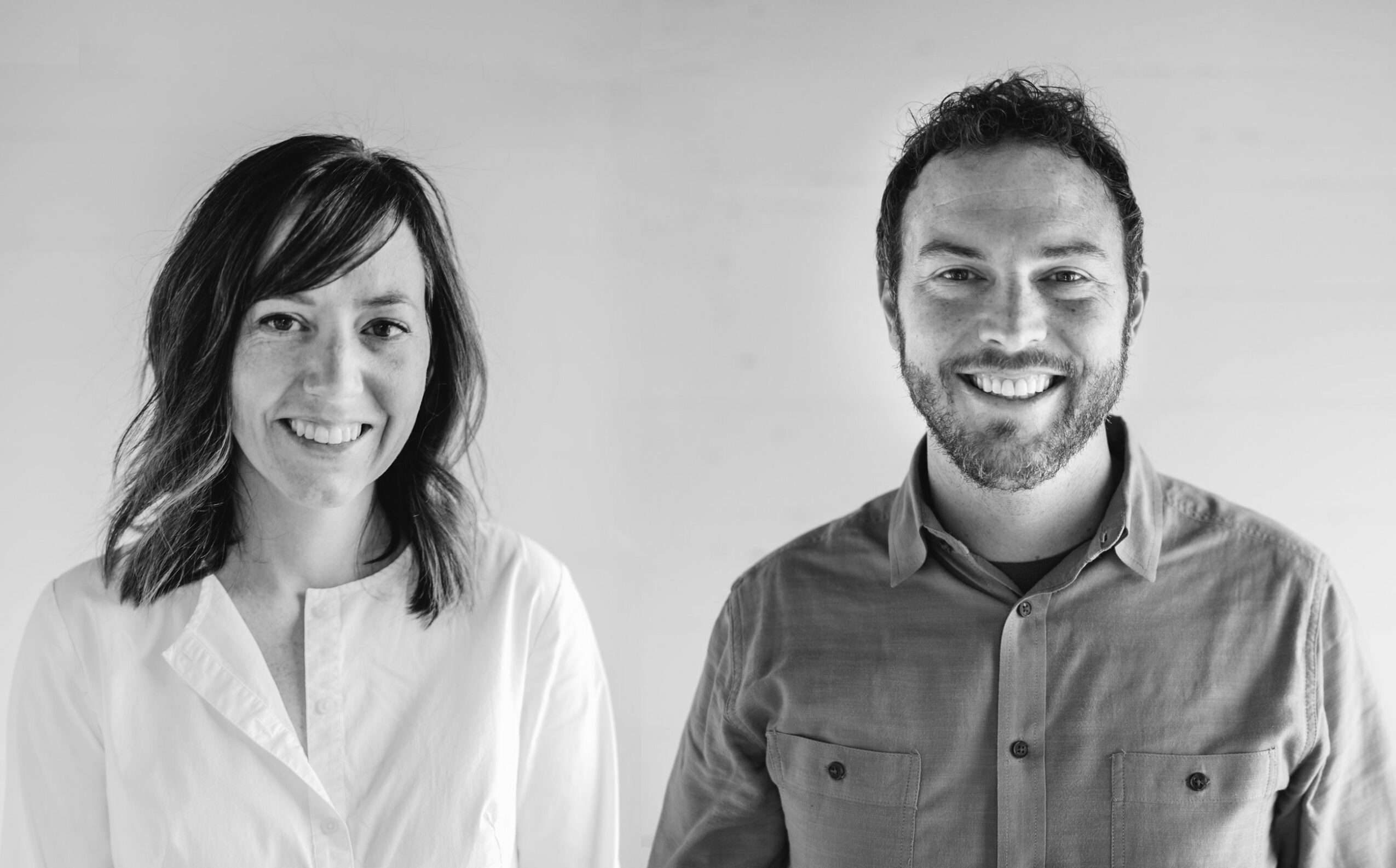
We’re excited to introduce Eric Hughes and Heather Rowell, founders of HR Design Department, an innovative and thoughtful architecture practice based in Houston.
Hi Eric & Heather, so excited to have you with us today. What can you tell us about your story?
We met while studying architecture at Rice University. Although we grew up in very different landscapes and US cultures (Eric, a Midwesterner growing up among the cornfields of rural Nebraska and Heather, rooted in the Appalachian Mountains) we discovered a shared sensibility shaped by small-town life and a deep appreciation for craft and place.
Years later, we reconnected professionally and worked side by side for nearly seven years before founding HR Design Dept. That time together revealed how naturally our skills complement one another. With distinct yet aligned strengths, we developed a collaborative rhythm that made the transition to starting our own practice feel seamless and natural. In a profession that requires wearing many hats, we already understood each other’s instincts and were able to fluidly step into complementary roles.
Our practice launched with several strong projects and supportive clients, leading to and handful of AIA design awards and recognitions that helped put our small office on the map. Since then, we’ve worked across a wide range of scales—from single family homes to a 30,000-square-foot multifamily development to a zipline play structure.
From the beginning, we’ve believed that great design isn’t about size—it’s about intention. Each project is an opportunity to step outside the expected and discover what meaningful, sometimes unconventional interventions the budget will allow. Our goal is to create a narrative that feels collaborative and specific to our clients—something that emerges through dialogue and ultimately feels less like a solution imposed and more like a shared discovery.
We all face challenges, but looking back would you describe it as a relatively smooth road?
It hasn’t always been a smooth road. One of the most persistent challenges in our work is designing to a budget—especially in a climate where supply chains shift, labor markets fluctuate, and construction costs can change rapidly. Over the past seven years in particular, we’ve had to navigate significant uncertainty that required agility, transparency, and constant recalibration.
But those challenges have made us stronger and more thoughtful designers. They’ve pushed us to be more resourceful and inventive, to prioritize what truly matters in a project, and to align design ambition with financial reality from the very beginning. We’ve strengthened our process by incorporating regular budget check-ins and by fostering close collaboration with builders and engineers to ensure smart, efficient solutions. What could be seen as obstacles have ultimately sharpened our discipline, deepened our partnerships, and reinforced our commitment to delivering well-designed work that respects both vision and investment.
Appreciate you sharing that. What should we know about HR Design Department (HRDD)?
If you visit the HR Design Department website, the first thing you’ll see is a simple statement: we believe architecture should be collaborative, responsive, and responsible. That idea has guided us from the beginning.
We don’t approach projects as fixed architectural statements waiting to be imposed. Instead, we see each one as a journey of discovery. The destination isn’t predetermined on day one—it emerges through conversation, careful listening, and the gradual shaping of a narrative that feels authentic to the client and the place.
Our role is to identify the unique variables that can shape a project—site, climate, materiality, budget, and the people involved—and respond with ideas that challenge a conventional approach. The work must be both practical and daring. It also requires flexibility. New information inevitably surfaces during design and construction, and we believe good architecture depends on the ability to pivot thoughtfully without losing the project’s core intent. Every project is a close study of context, materials, and craft. We strive to create work that feels inseparable from its setting, expressive of the collaborative process that formed it, and built for longevity.
We also deeply believe in getting our projects built. For us, that means treating budget as a central design parameter rather than an obstacle. We design with the owner’s budget—not in spite of it. In single-family residential work, that often translates into carefully calibrated detailing that aligns ambition with available resources. In larger commercial projects, it begins with listening closely to all stakeholders before shaping even the earliest conceptual ideas.
What we’re most proud of, brand-wise, is the trust and enduring relationships we’ve built—with clients, builders, consultants, and collaborators. We see every project as a team effort grounded in mutual respect. The architecture is important, but the process and partnerships that create it are just as meaningful.
What do you like best about our city? What do you like least?
What we like best: It’s sticky.
When we arrived in Houston for graduate school at Rice University, we were certain we’d collect our degrees and head somewhere else. Houston, from a distance, is hard to decode. It doesn’t offer a tidy postcard version of itself.
People often say Houston lacks a single identity. And they’re right—it refuses to be just one thing. It’s art and refineries, live oaks and concrete, rodeo boots and experimental cuisine, Art Cars and Ferraris. It’s humid, generous, contradictory, and completely unbothered by categories.
That’s the magic. Houston makes room. For ambition. For experimentation. For reinvention. For everyone. You can build a life here that fits you precisely because the city doesn’t insist on defining you first. Over time, that freedom has a way of holding on to you. It’s what makes the city, and the work we do here, feel both deeply personal and endlessly expansive.
It’s sticky in the best way.
What we like least: It’s sticky.
Spend one summer here and you’ll know what we mean.
Contact Info:
- Website: https://www.hrdesigndept.com
- Instagram: https://www.instagram.com/hrdesigndept
- Facebook: https://www.facebook.com/hrdesigndept
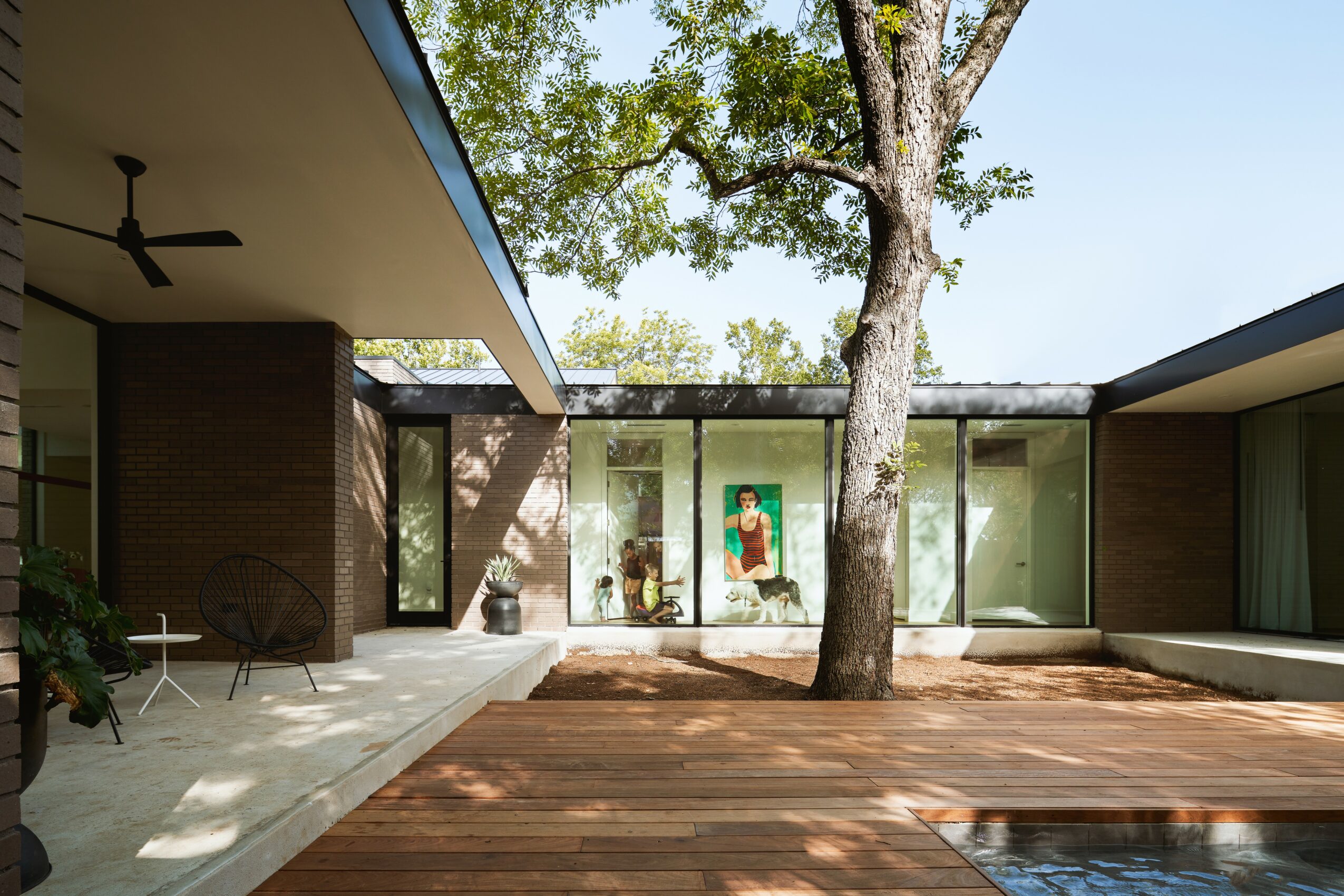
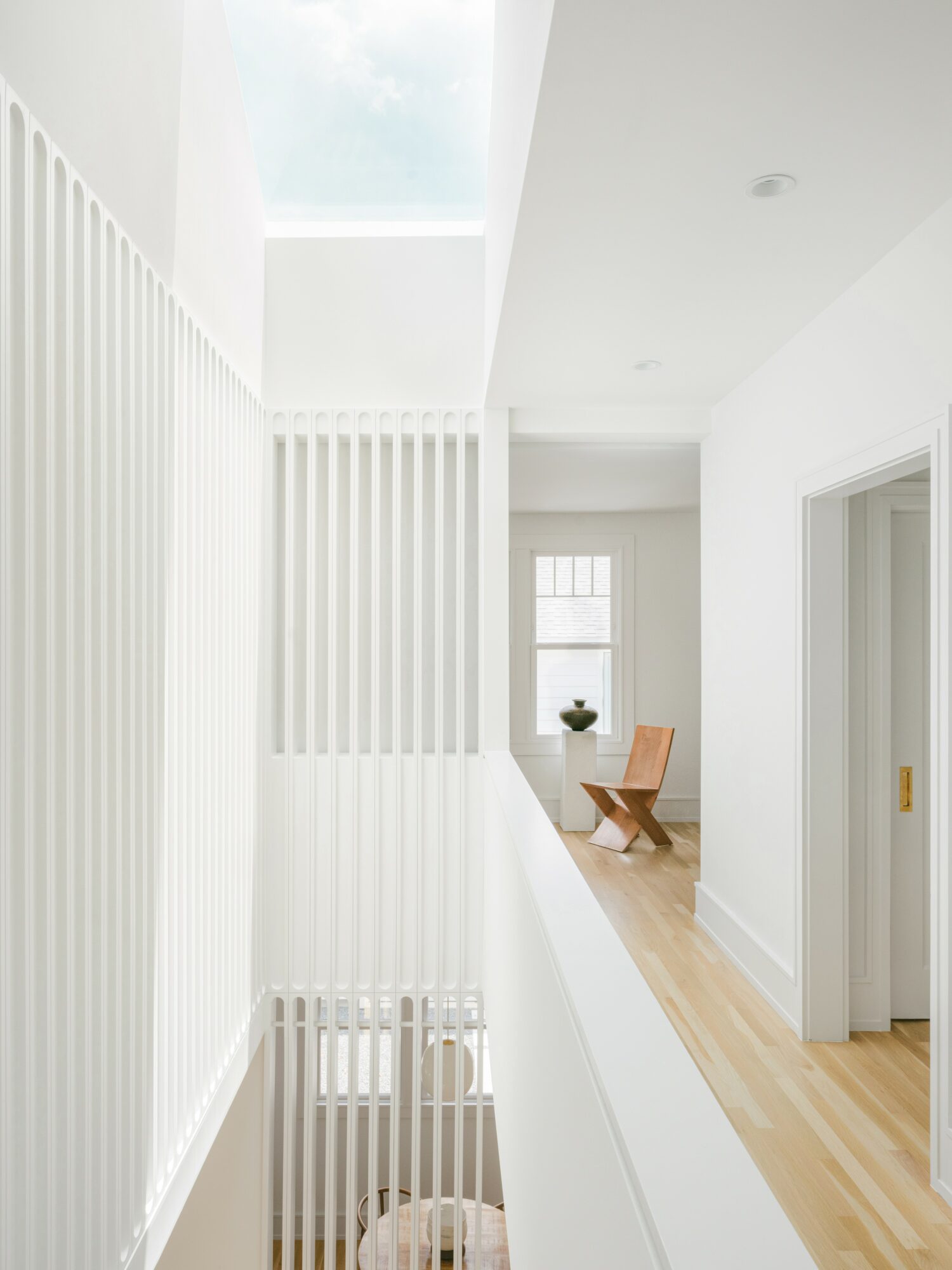
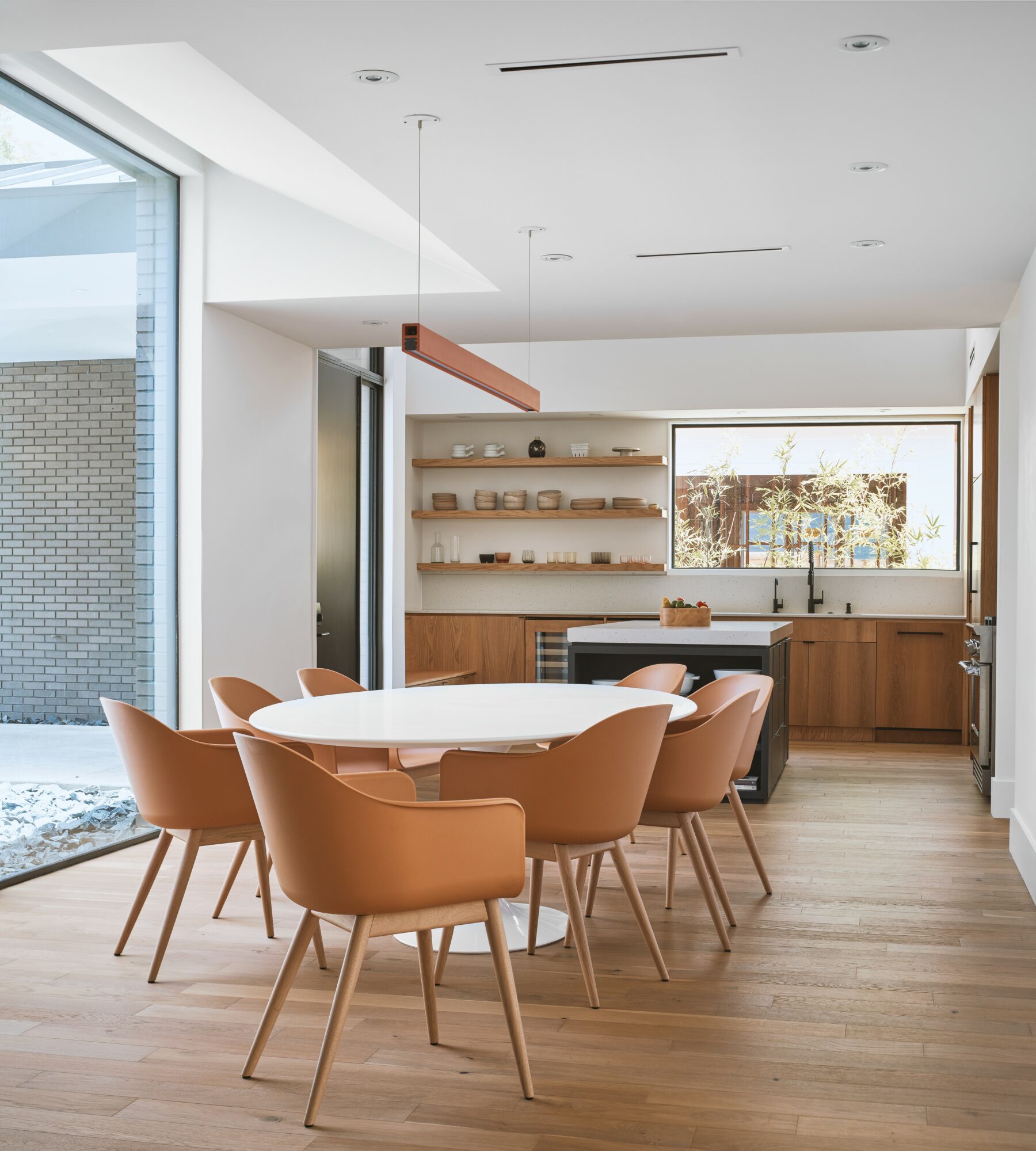
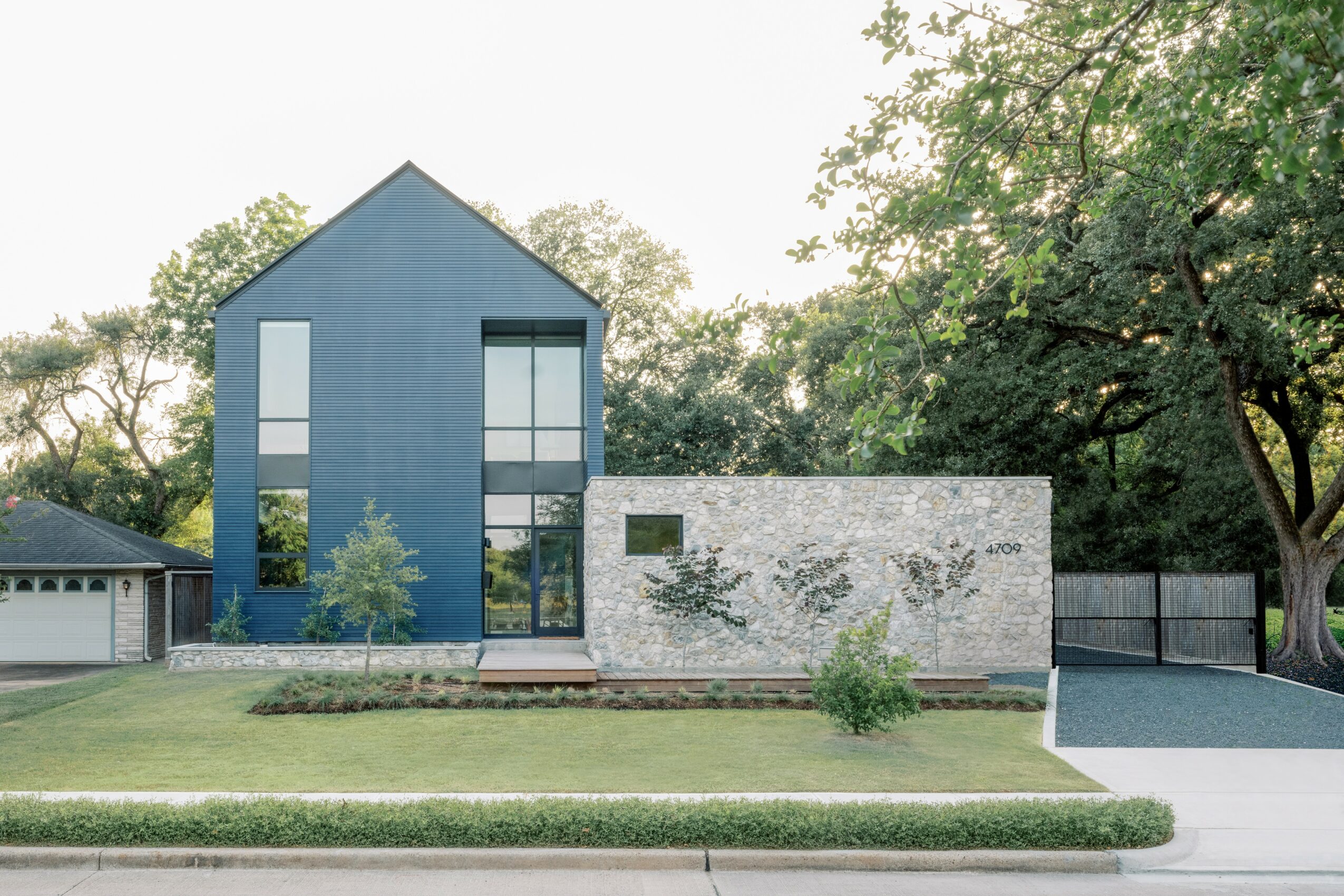
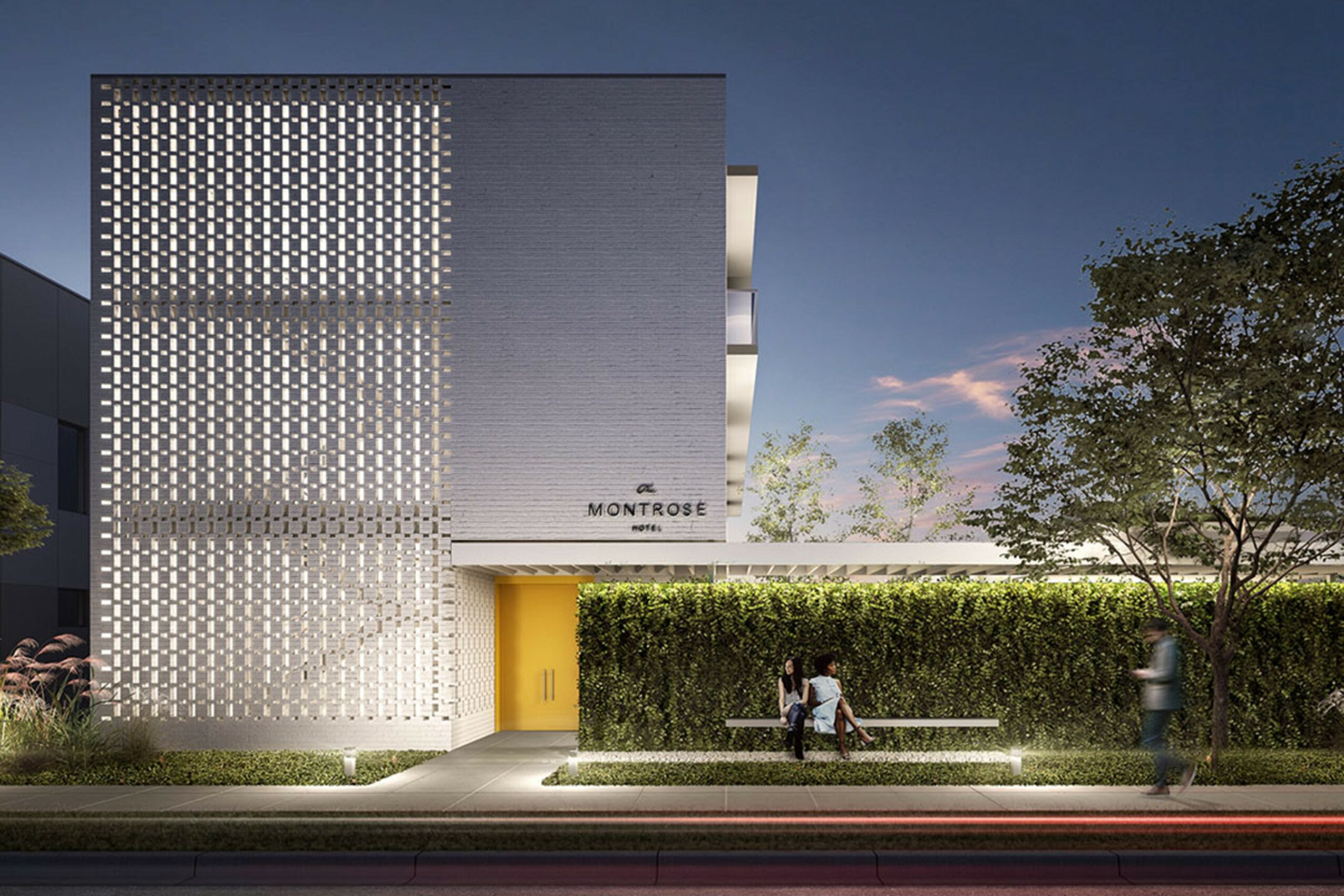
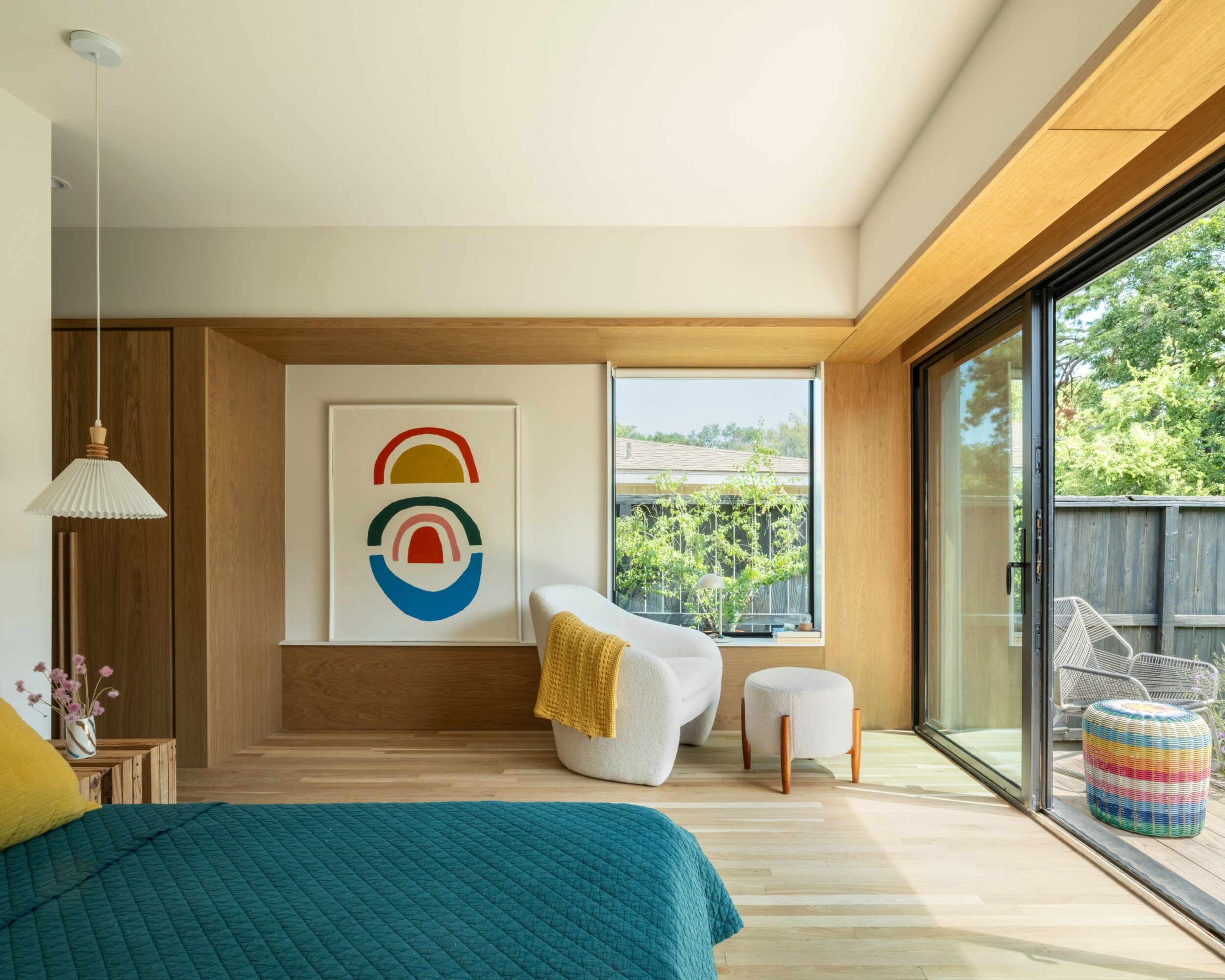
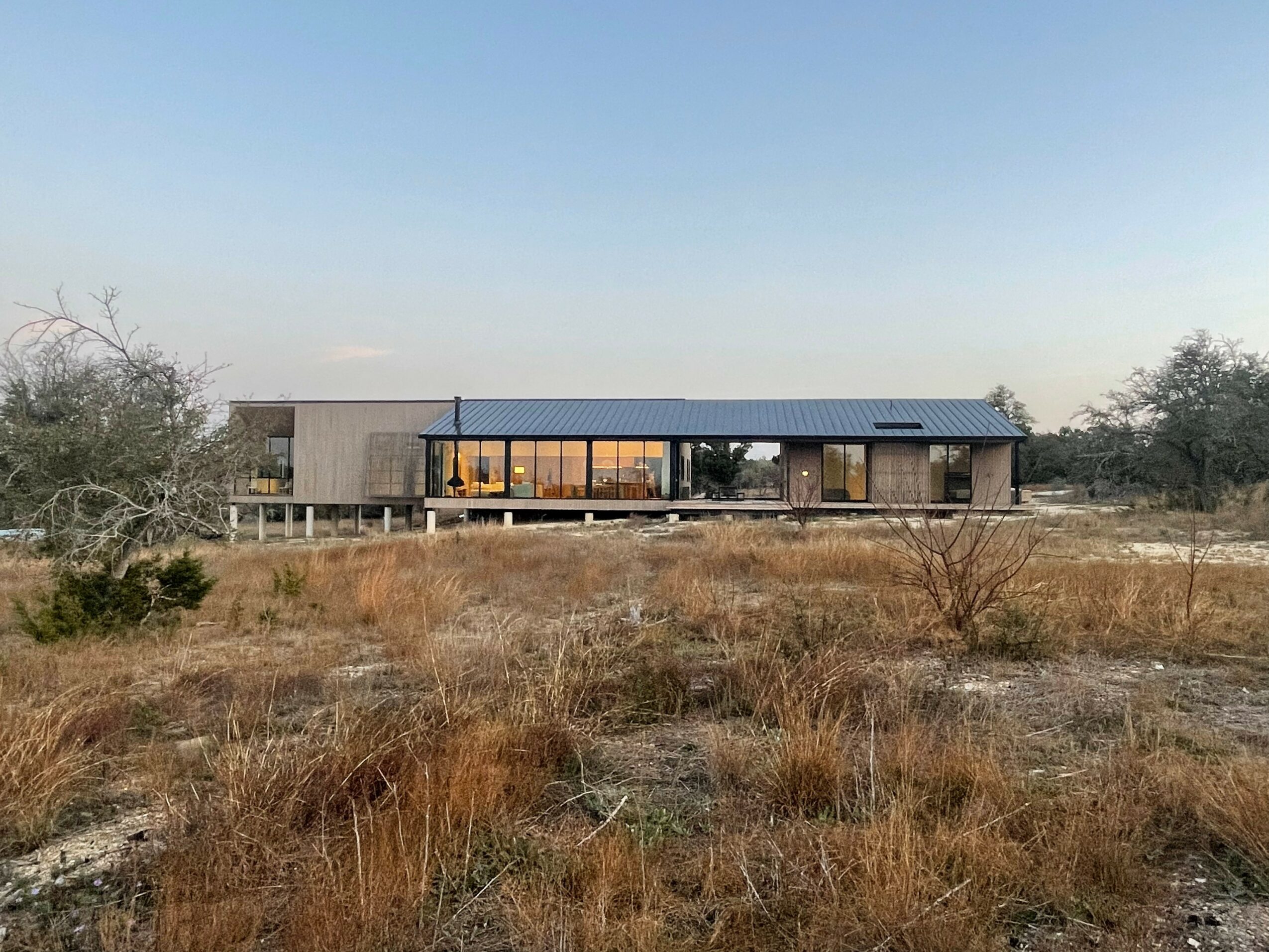
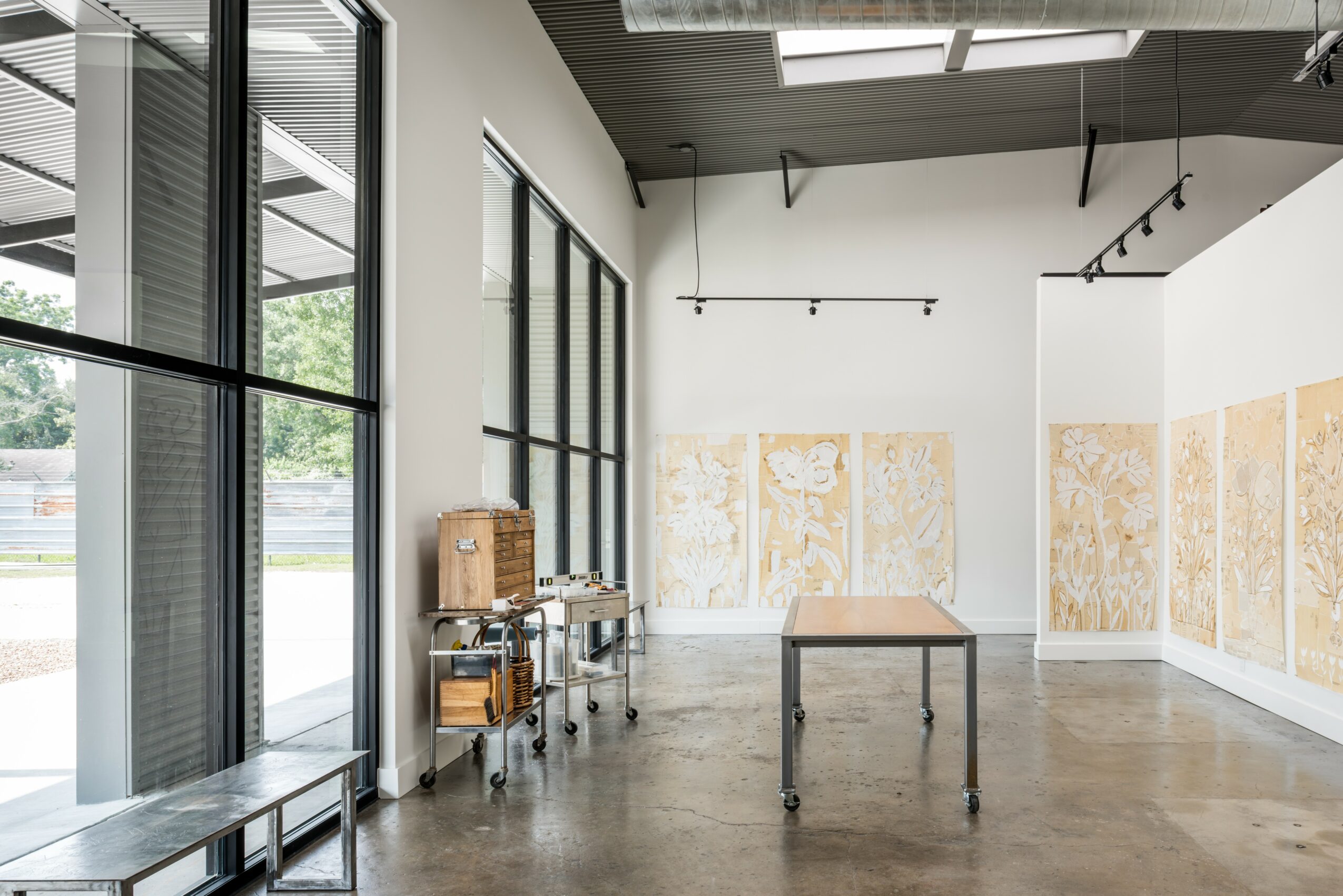
Image Credits
Headshots: Hannah Key
Leonid Furmansky: Crestview Residence, Joyce Residence
Divya Pande: Avondale Residence, Watonga Residence
Peter Molick: Delz Residence
Montrose Hotel, Wimberley Residence, courtesy of HR Design Dept.