





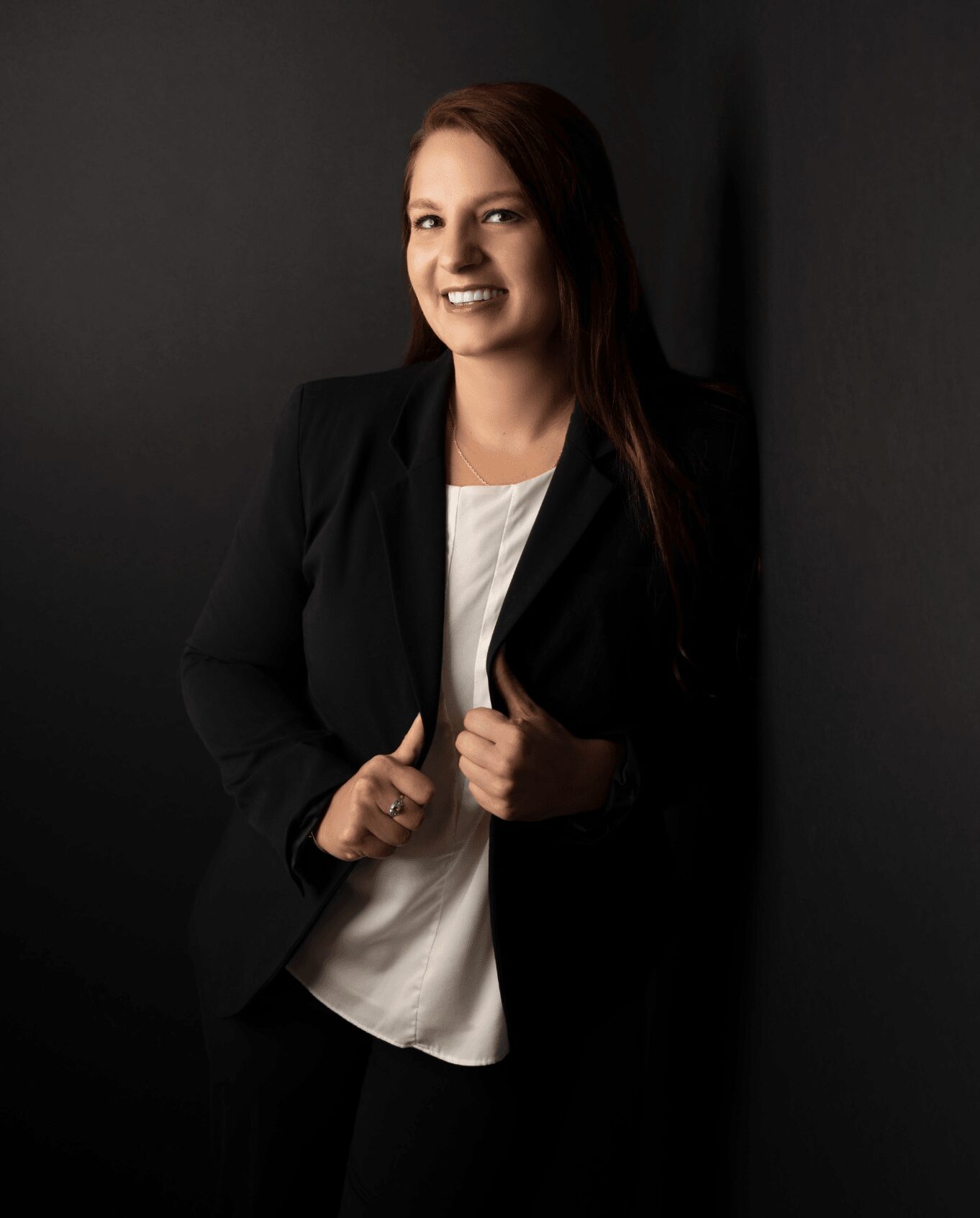
Today we’d like to introduce you to Jacquelyn Wilson.
Hi Jacquelyn, so excited to have you with us today. What can you tell us about your story?
It has been a long journey to create InnerFlow Family Wellness, and in many ways it represents the culmination of more than two decades of experience working across education, athletics, wellness, and family support.
Throughout my career, I kept seeing the same pattern: children and families were struggling, but the solutions they were offered were often fragmented. One professional focused on academics, another on behavior, another on health, but very rarely was anyone looking at the whole picture of how a child’s brain, body, emotions, and relationships interact.
InnerFlow was created to bridge that gap.
The InnerFlow method I developed focuses on four core pillars of wellness: Brain, Body, Behavior, and Bonds. These pillars help families understand that challenges with learning, focus, mood, or daily functioning are often connected to multiple systems working together. When we address those systems holistically, children can regain balance and confidence much more naturally.
Since launching InnerFlow in early 2026, I’ve been fortunate to begin working with families who are looking for thoughtful, root-cause support. At the same time, I’ve expanded the framework into educational resources for parents and a new children’s book series titled “What Is It to Be Well?” which introduces the Brain, Body, Behavior, and Bonds pillars in a way young readers can understand.
For me, this work is deeply meaningful. My goal has always been to help families feel less overwhelmed and more empowered, and to give children tools that support their growth not just academically, but emotionally, physically, and socially as well.
Can you talk to us a bit about the challenges and lessons you’ve learned along the way. Looking back would you say it’s been easy or smooth in retrospect?
The journey hasn’t necessarily been defined by major setbacks, but one of the biggest challenges has been explaining a model that doesn’t fit neatly into a traditional professional category.
My background spans communications, higher education, research, and wellness education, and the work I do through InnerFlow Family Wellness focuses on helping families understand the connections between brain function, physical health, behavior patterns, and relationships. Because of that interdisciplinary approach, one of the most common questions I receive is whether I’m a doctor, therapist, or counselor.
The answer is no—and that distinction is important. My role is not to diagnose or provide clinical treatment, but to help families step back and look at the full picture of what may be influencing a child’s well-being. Many parents appreciate having someone who can help them organize information, identify patterns, and explore supportive strategies that address multiple aspects of a child’s life.
Another challenge has been translating complex ideas into tools that feel simple and accessible for families. Concepts related to neuroscience, behavior, and wellness can easily become overwhelming, so much of my work involves breaking those ideas down into clear frameworks, like the Brain, Body, Behavior, and Bonds model, and creating resources that parents and children can actually use in everyday life.
Ultimately, those challenges have helped refine the mission behind InnerFlow: helping families feel less overwhelmed and more empowered as they support their children’s growth.
Thanks – so what else should our readers know about InnerFlow Family Wellness?
InnerFlow Family Wellness is a virtual wellness education and family support practice built around a simple idea: children thrive when we look at the whole picture of their development rather than focusing on just one piece at a time.
In my work with families, I often saw how challenges related to focus, learning, behavior, or emotional regulation were being addressed in isolation. A child might receive academic support, behavioral support, or health guidance separately, but rarely was anyone stepping back to consider how the brain, body, daily habits, and relationships were all interacting.
To address that gap, I developed what I call the Brain, Body, Behavior, and Bonds framework. This model helps families explore how sleep, nutrition, movement, emotional regulation, and safe relationships all influence a child’s ability to learn and feel well. Rather than replacing medical or therapeutic care, the goal is to help parents better understand patterns in their child’s life and build supportive routines that strengthen multiple areas of development at the same time.
One of the things that sets InnerFlow apart is its focus on education and empowerment. Parents are often overwhelmed by conflicting information, so a large part of my work involves translating research and complex wellness concepts into clear, practical tools that families can use in everyday life.
Recently, I expanded the InnerFlow framework into a children’s book series titled “What Is It to Be Well?”. The series introduces the Brain, Body, Behavior, and Bonds pillars in a way young children can understand, helping them recognize how their bodies, feelings, habits, and relationships all work together.
What I’m most proud of brand-wise is creating something that helps families feel less overwhelmed and more capable. My goal has always been to give parents and children a framework that makes wellness feel understandable and achievable, rather than complicated or intimidating.
Dr. Jacquelyn Wilson is the founder of InnerFlow Family Wellness, a virtual family wellness practice that helps parents understand how brain function, physical health, behavior, and relationships work together in child development. She is also the creator of the What Is It to Be Well? children’s book series, which introduces these ideas to young readers through the Brain, Body, Behavior, and Bonds framework.
How do you define success?
A few months ago, I probably would have defined success very differently than I do now.
When I first started building InnerFlow, I wasn’t even sure whether something like this could truly work. The idea of creating a framework, launching a practice, and developing educational resources and books around it felt ambitious, and there were plenty of moments where I questioned whether it was possible.
But through the process, my definition of success has changed.
Success, to me, is not about mastering everything immediately or having everything perfectly figured out. It’s about showing up consistently and improving a little at a time. If I can become one percent better each day, learning, refining ideas, helping a family understand something new, or creating a resource that makes life a little easier, then that’s meaningful progress.
I think we often put a lot of pressure on ourselves to have everything right from the beginning, but real growth rarely works that way. Success is giving ourselves the space to learn, adapt, and keep moving forward.
Contact Info:
- Website: https://www.innerflowfamilywellness.com
- Instagram: https://www.instagram.com/innerflowfamilywellness
- Facebook: https://www.facebook.com/innerflowfamilywellness
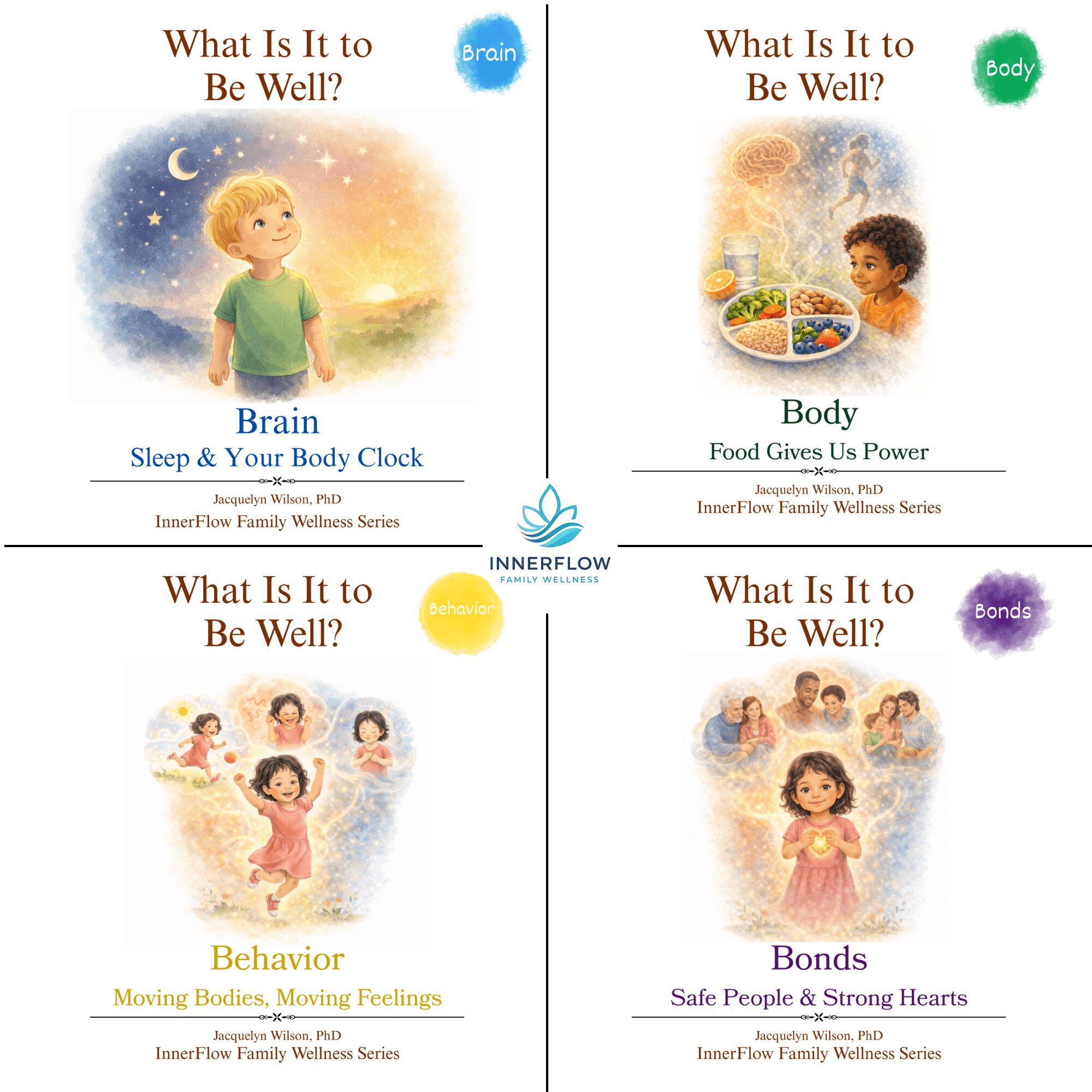
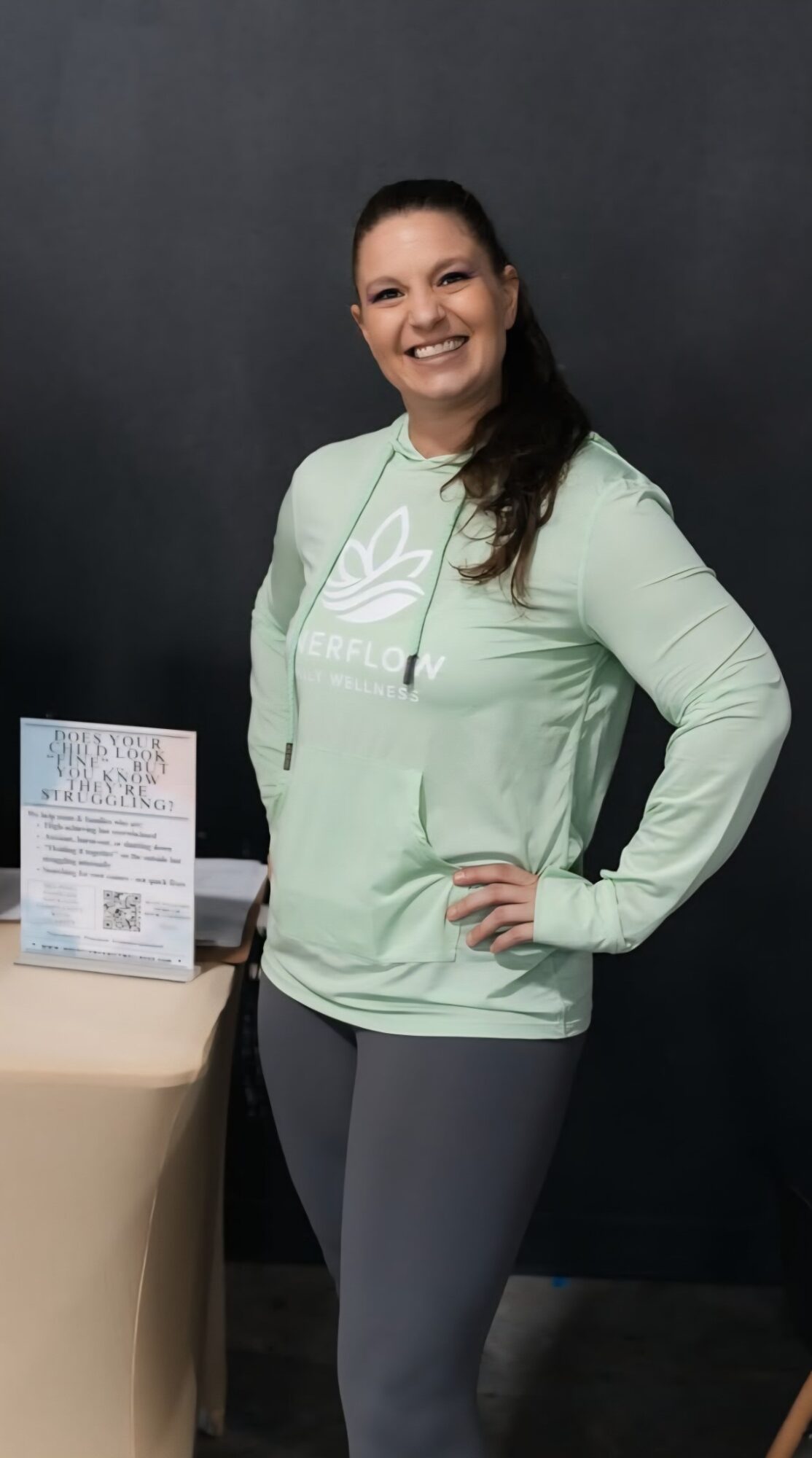
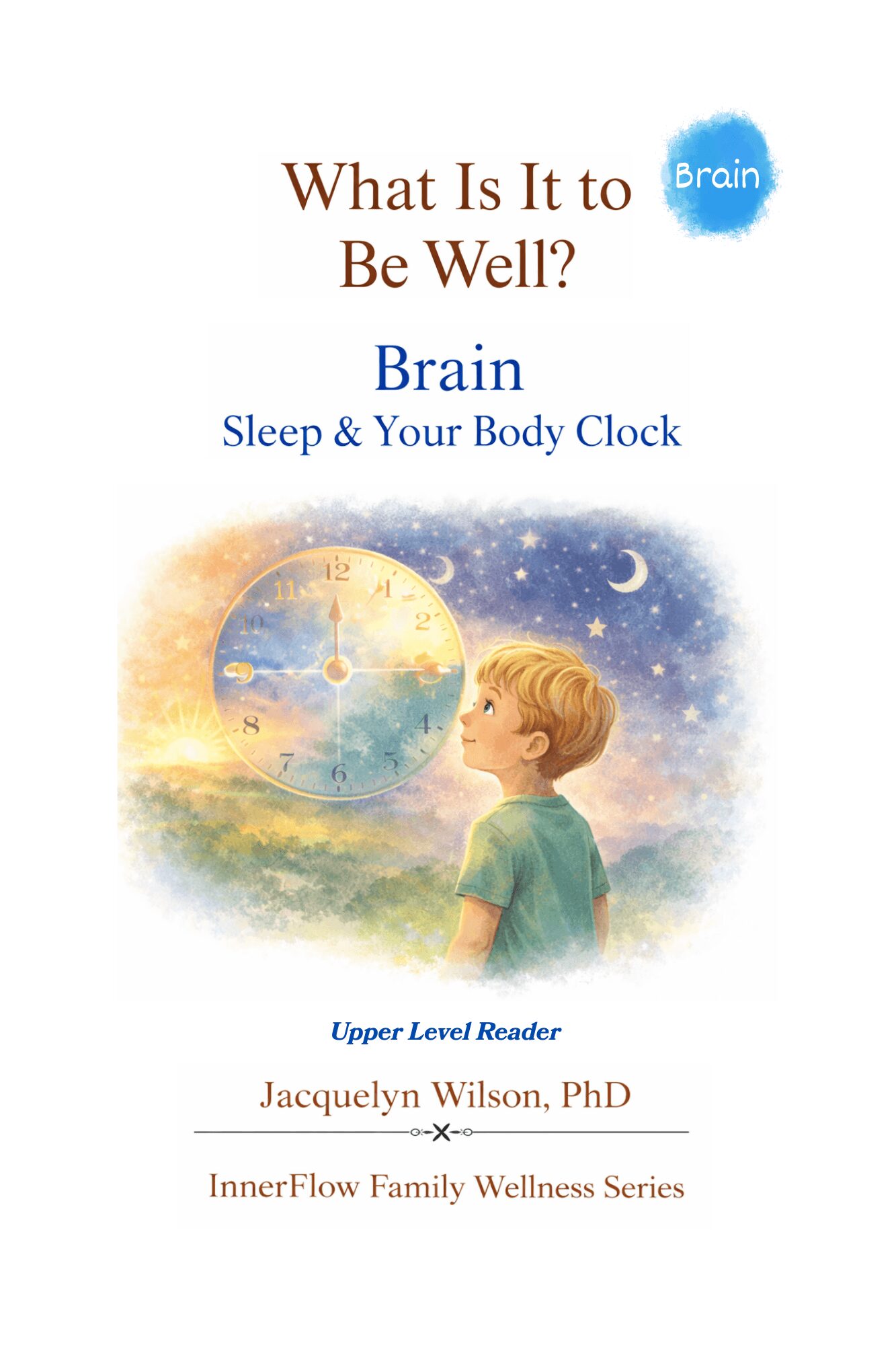
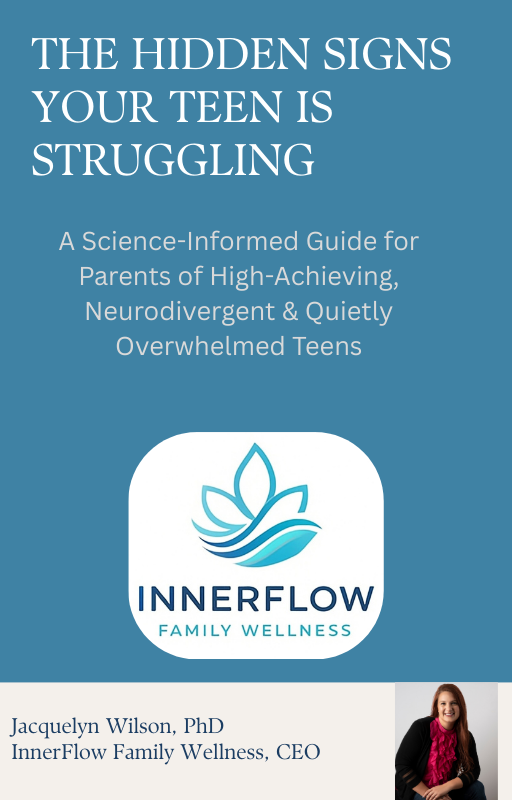
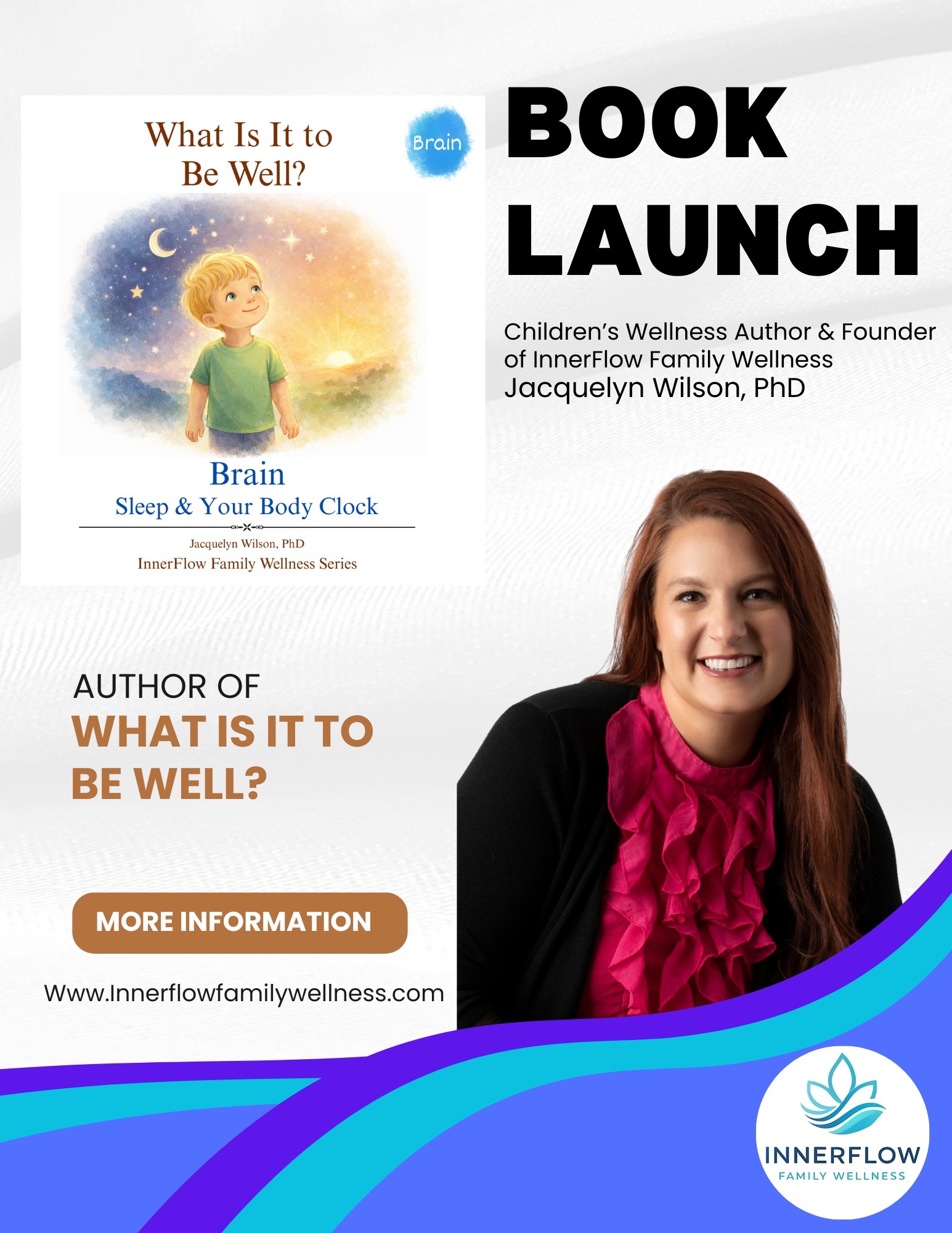
Image Credits
LaDavid Taylor
Chelsea Williams