




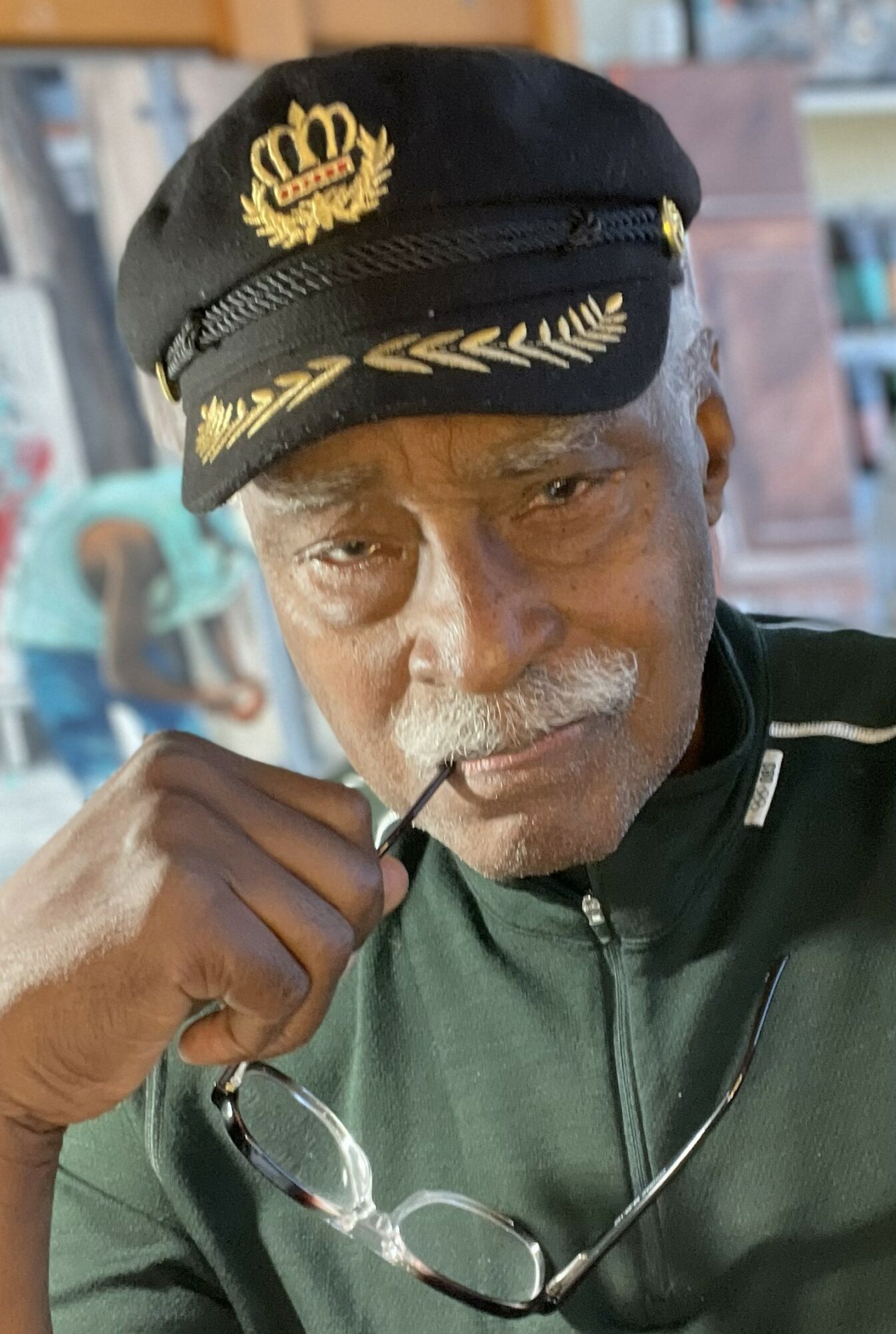
Today we’d like to introduce you to C. Anthony Sherman.
Hi C. Anthony, we’d love for you to start by introducing yourself.
My path to writing didn’t begin in a traditional way. I’ve always been drawn to storytelling, but much of my early life was spent building businesses, creating art, and working in environments where I saw how power, systems, and institutions actually operate behind the scenes.
Over time, those experiences started to feel like stories that needed to be told.
I began writing seriously because I realized that fiction—especially legal and political thrillers—was the best way to explore the deeper questions that fascinated me: how power really works, how families and legacies are shaped by decisions made generations earlier, and how ordinary people collide with systems much larger than themselves.
My work tends to live in that space between personal legacy and institutional power. The stories often look at inheritance, law, property, and the quiet mechanisms that influence people’s lives in ways most never see.
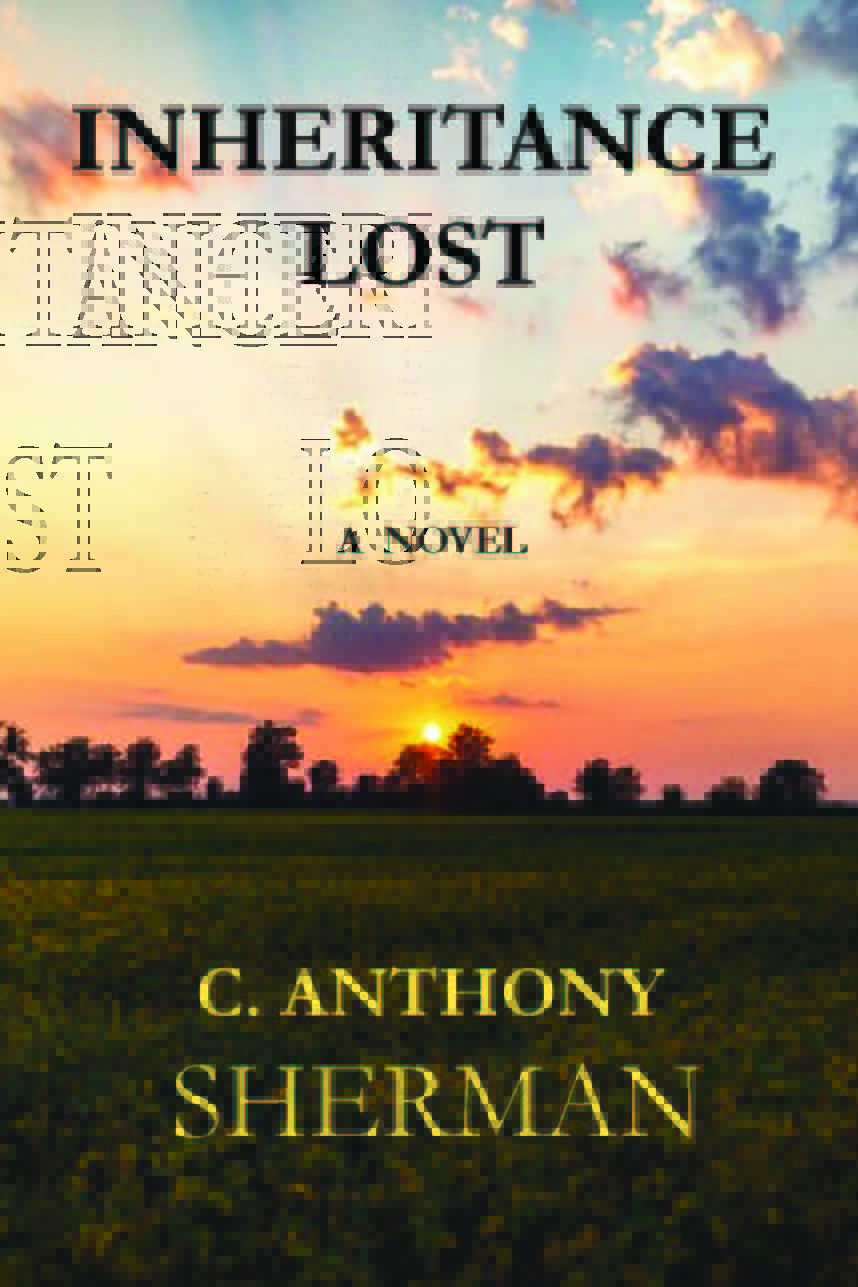
What started as one book quickly became something bigger. I began developing connected novels and series that explore those themes from different angles. Projects like the Inheritance series grew out of that idea—stories about land, justice, and the unseen structures shaping American life.
Along the way, I’ve also continued my work as a visual artist, which has influenced how I write. I tend to think cinematically, building scenes visually and letting dialogue carry the emotional weight of the story.
Today, my focus is on building a body of work that combines suspense, legal drama, and deeper questions about power, legacy, and truth. I’m less interested in quick entertainment than in stories that stay with readers and make them think about the systems around them.
At the end of the day, I write because stories help reveal things that statistics and headlines never fully explain.
Alright, so let’s dig a little deeper into the story – has it been an easy path overall and if not, what were the challenges you’ve had to overcome?
No, it definitely hasn’t been a smooth road. Most meaningful work rarely is.
Like many people who come to writing later in life, my path wasn’t built inside the traditional publishing pipeline. I spent years building businesses, creating art, and working in environments where I was seeing how systems actually function behind the scenes. Those experiences gave me material, but they also meant I started writing seriously later than many authors.
One of the biggest challenges has been learning the publishing world while simultaneously building the work itself. Writing a novel is one craft; understanding editing, cover design, formatting, distribution, marketing, and the business side of books is an entirely different skill set. I’ve had to learn a lot of that firsthand.
Another challenge is simply the discipline of the work. Writing novels—especially complex legal thrillers about power, legacy, and institutions—requires patience and persistence. There are long stretches where you’re refining structure, rewriting chapters, and making the story stronger when no one else sees the effort.
But those challenges have also shaped the work. The process forces you to be clearer about what you want to say and why the story matters.
In many ways, the road hasn’t been smooth—but it’s been meaningful. And the obstacles along the way are part of what gives the stories their depth and authenticity.
Thanks – so what else should our readers know about your work and what you’re currently focused on?
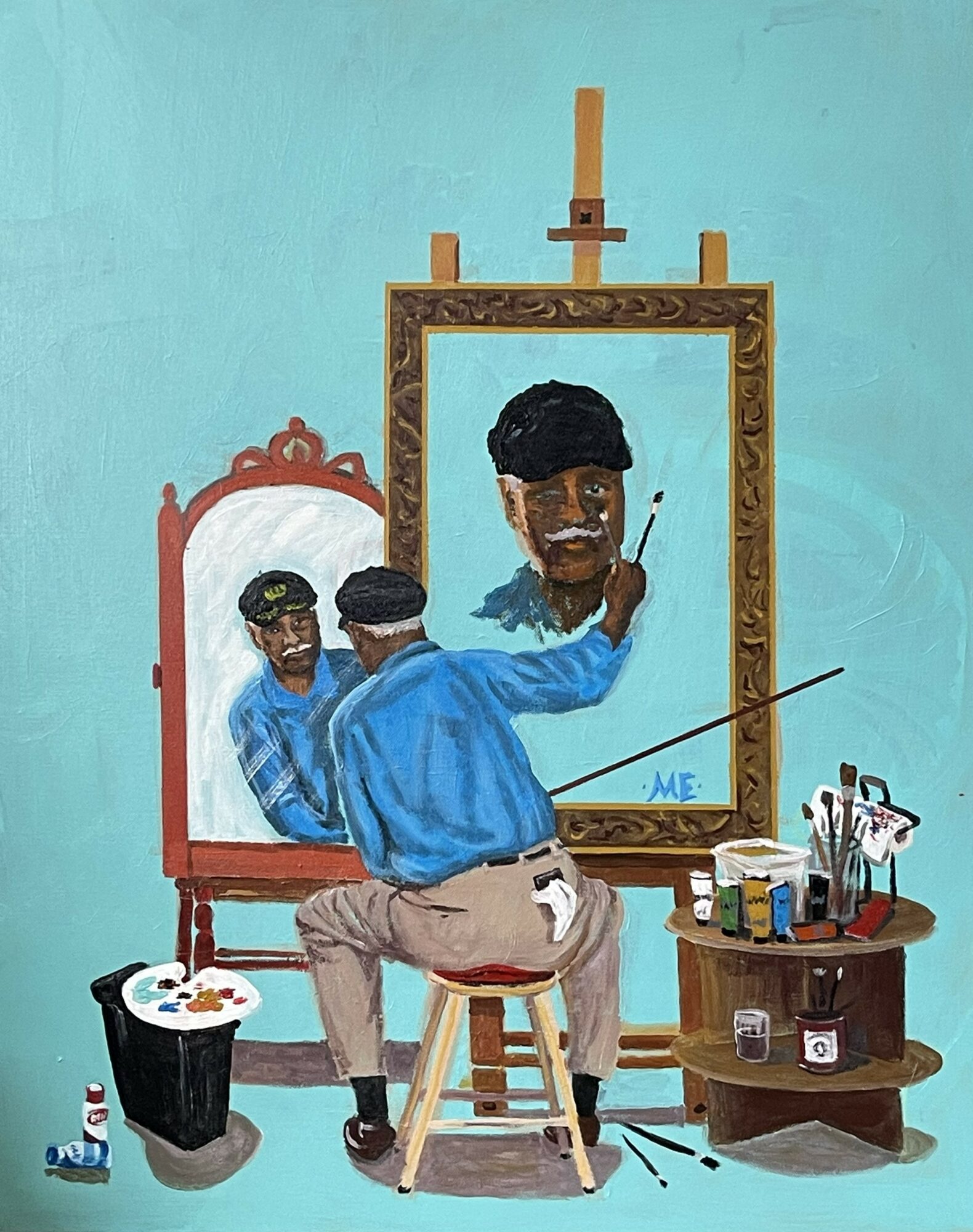
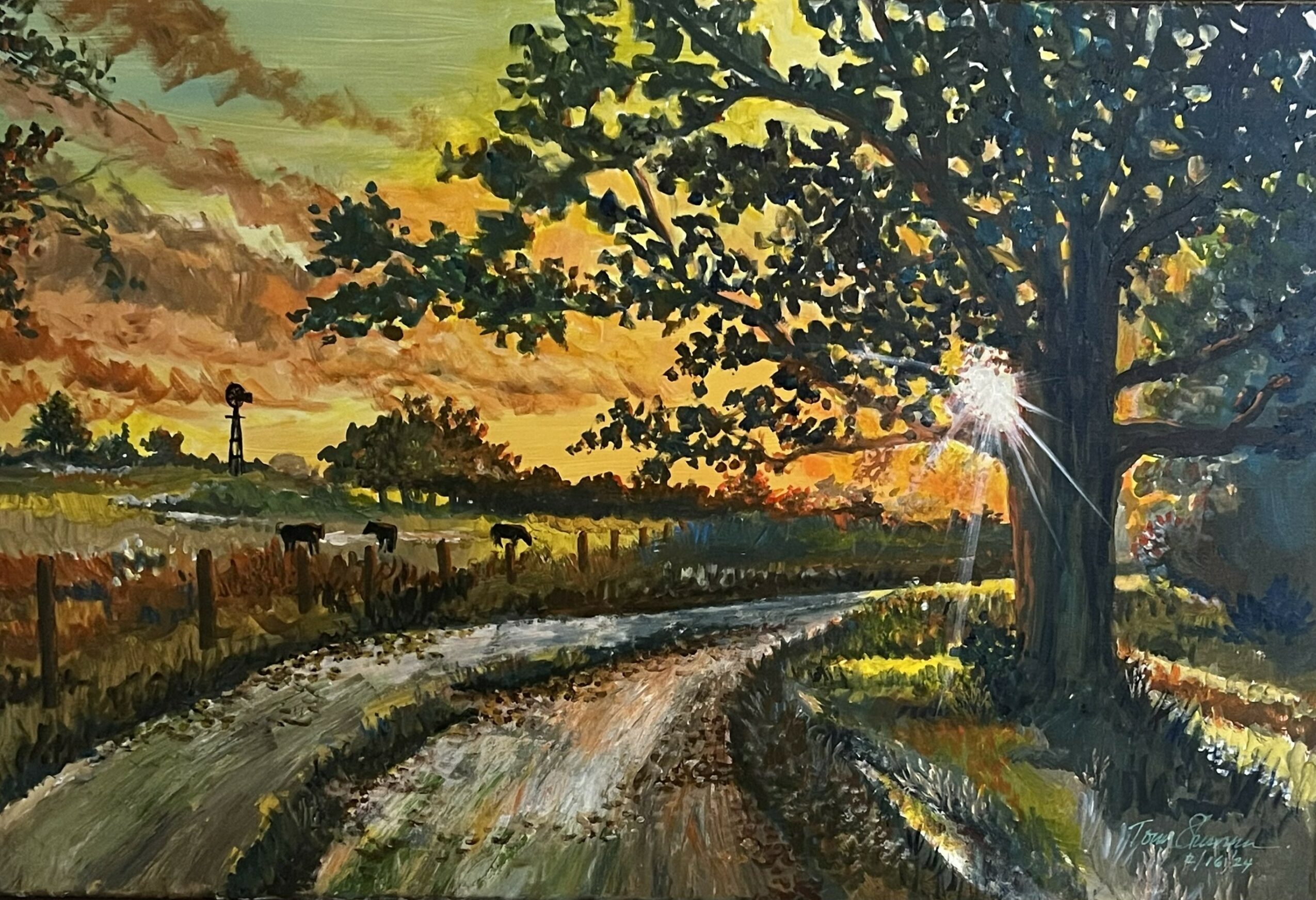
I work as both a novelist and a visual artist, and in many ways the two disciplines inform each other. My background as a painter trained me to think visually about storytelling—composition, light, tension, and atmosphere. When I write, I often approach scenes the same way I approach a canvas, building the environment first and then allowing the characters and dialogue to bring it to life.
As a writer, I specialize in legal and political thrillers that explore legacy, power, and the systems that shape people’s lives—often in ways they don’t fully see. My work tends to focus on themes like inheritance, property, justice, and the quiet mechanisms behind institutional authority. Rather than simply telling fast-paced courtroom stories, I’m interested in the deeper structures beneath them: how law, family history, and land can intersect to create conflicts that echo across generations.
What I’m most proud of is building a body of work that explores those ideas through connected novels and series. Projects like my Inheritance series examine the hidden frameworks behind American life—who holds power, how it’s transferred, and what happens when ordinary people challenge those systems.
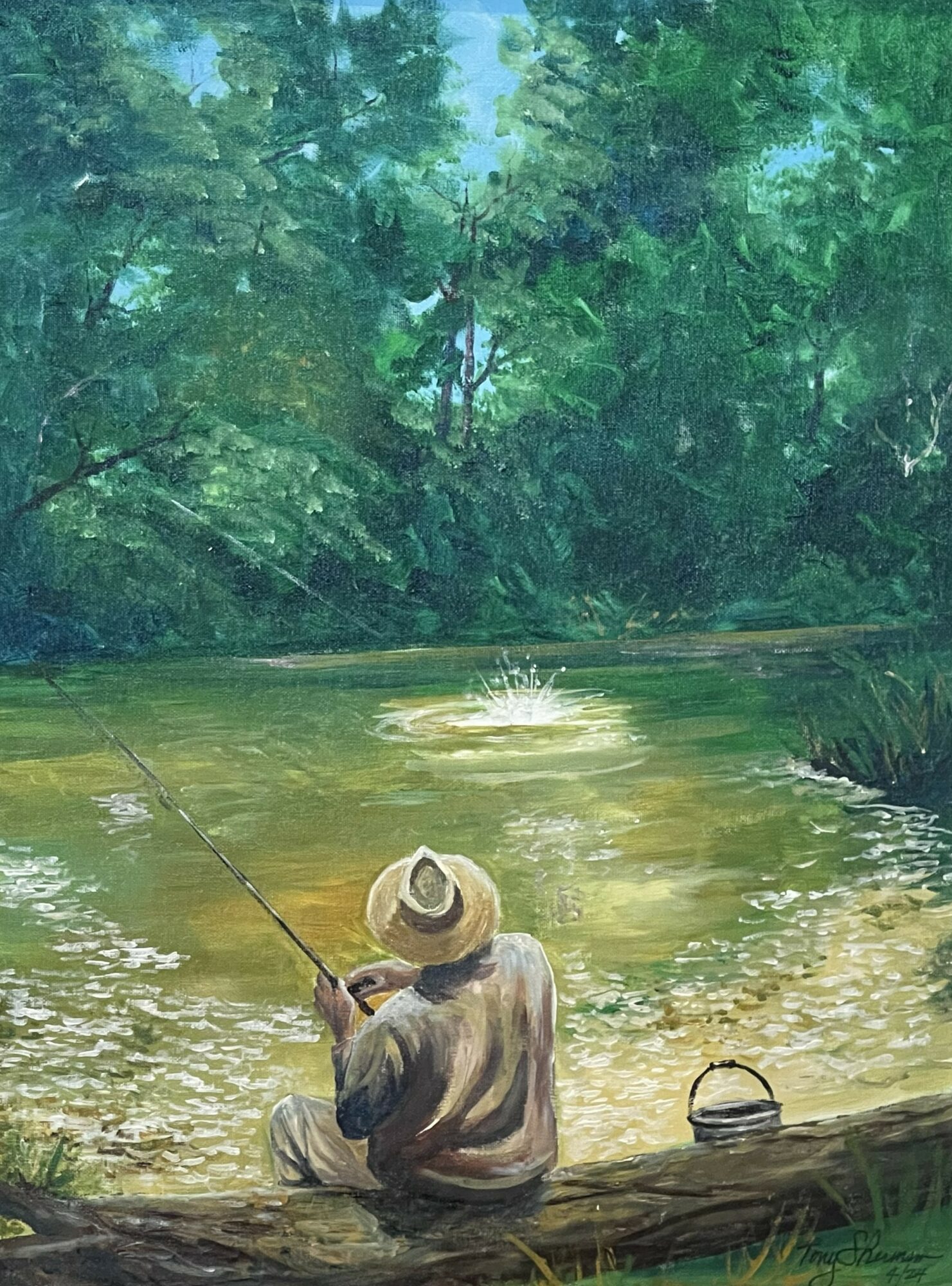
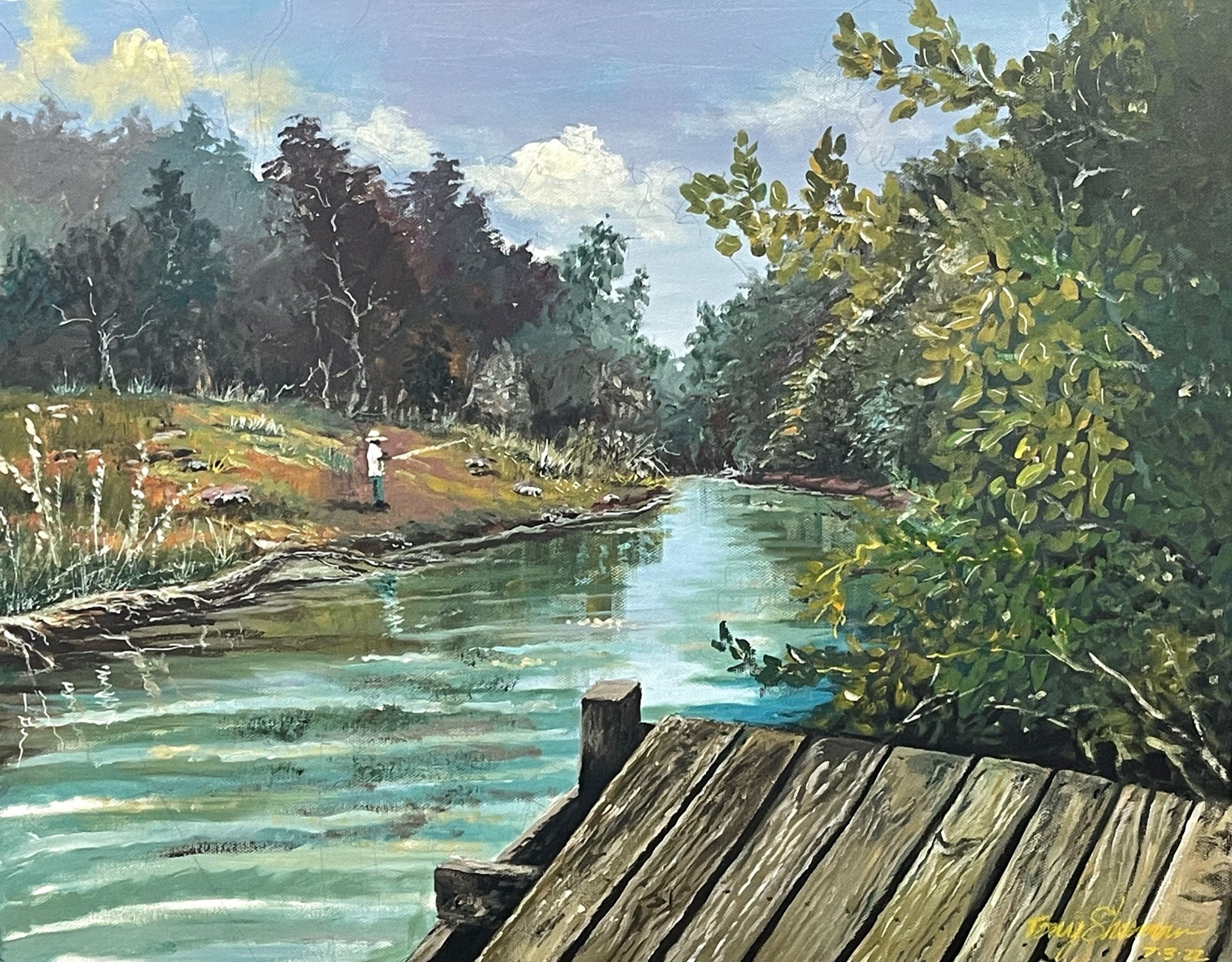
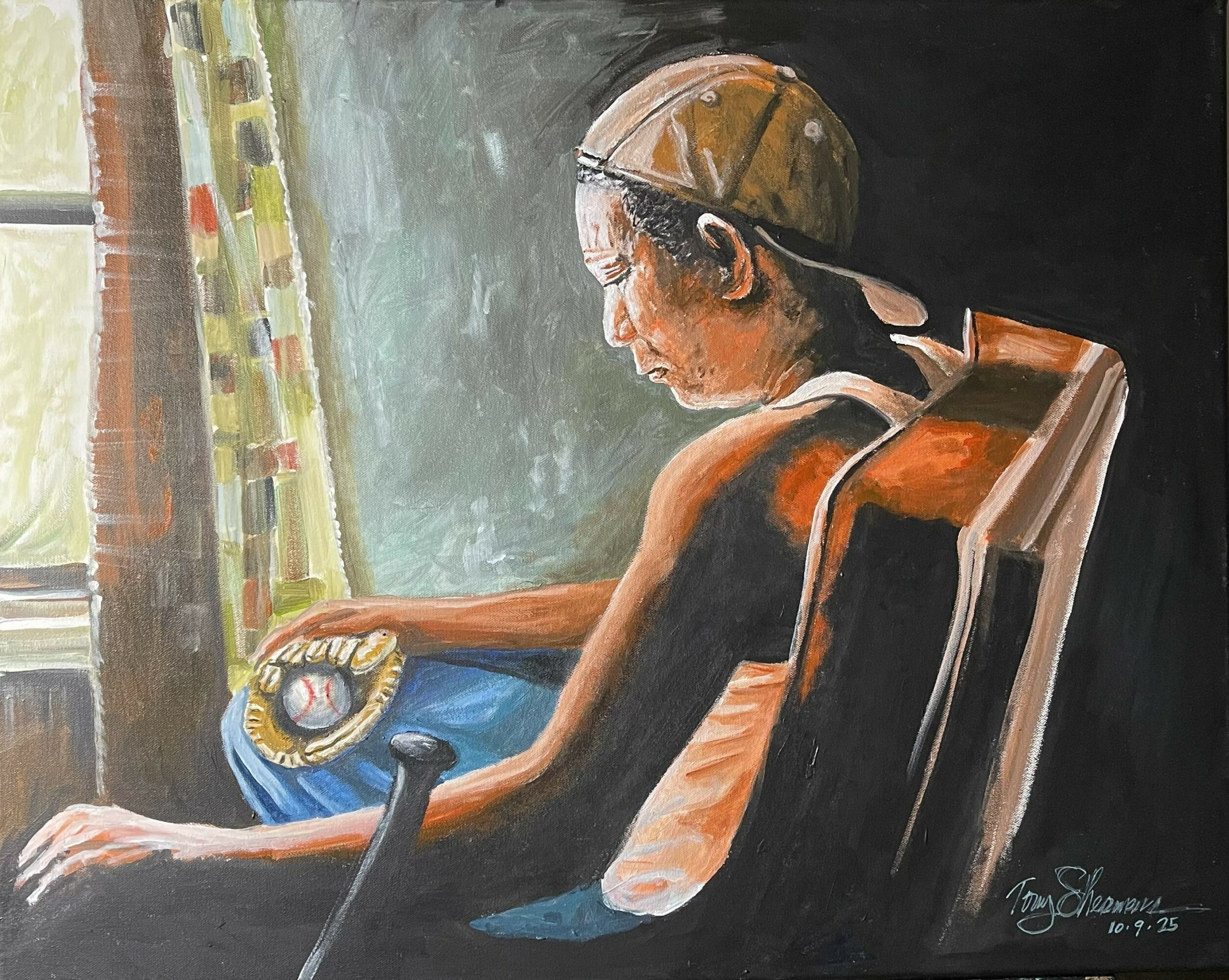
Before focusing on fiction, I also built a substantial body of work as a landscape painter, producing hundreds of original acrylic pieces. That experience shaped how I approach storytelling. I tend to write cinematically, with a strong sense of place and atmosphere, allowing dialogue and tension to drive the narrative.
What sets my work apart is that it lives at the intersection of storytelling, law, and legacy. My goal isn’t just to entertain readers, but to pull back the curtain on the forces—legal, historical, and personal—that quietly shape the lives of individuals and families.
At its core, my work asks a simple question: what happens when someone finally challenges the system they were told could never be questioned? I am not aware of many others who have that duality of creativity.
What has been the most important lesson you’ve learned along your journey?
One of the most important lessons I’ve learned is that meaningful creative work is really a long game. It requires patience, persistence, and a willingness to keep refining your craft even when progress isn’t immediately visible. When I paint, seldom do I sit, expecting to complete a piece in one setting. The image has to simmer, sometimes for days, before I feel it’s ready to be addressed again.
When you’re writing novels or creating art, there are long stretches where you’re working in relative quiet—revising, rebuilding structure, improving dialogue, strengthening themes. The outside world may not see that effort, but that’s where the real work happens. I’ve learned that consistency matters more than bursts of inspiration.
Another lesson is that experience outside the creative world actually enriches the work. Much of what I write about—power, legacy, institutions, and the systems that shape people’s lives—comes from observing the real world over many years. Those experiences gave me a deeper perspective that I can bring into my fiction.
Finally, I’ve learned that authenticity matters. Readers can tell when a story is grounded in something genuine. The goal isn’t just to produce entertainment, but to create stories that feel real-that ask meaningful questions, and that stay with people after they finish the last page.
If you stay committed to that process, the work tends to find its voice over time.
Contact Info:
- Website: https://casliteraryproduction.com