





Today we’d like to introduce you to Brittanni Hendricks.
Hi Brittanni, thanks for sharing your story with us. To start, maybe you can tell our readers some of your backstory.
My path into coaching and leadership development has been shaped by both professional experience and personal evolution.
For most of my career, I worked inside corporate organizations focused on talent development, leadership strategy, and organizational learning. I hold an MBA and have spent years designing leadership programs, coaching professionals, and helping organizations develop the people they rely on to move business forward. That work gave me a close view of how leadership actually develops inside organizations, and how often strong performers are overlooked for advancement, not because of capability, but because of positioning, communication, and visibility.
Again and again, I saw talented professionals doing excellent work while quietly wondering why others were being promoted ahead of them. They were dependable, high-performing, and deeply committed to their organizations, but they hadn’t been taught how to translate that performance into leadership credibility.
Over time, I began coaching professionals one-on-one to help them bridge that gap. What started as supporting colleagues and leaders in my network grew into a formal coaching practice. Today, through my company, I work with high-performing professionals and people leaders who are ready to be seen, trusted, and positioned for the next level of their careers.
My coaching framework, the Playful Power Method, focuses on four pillars: clarity, courage, communication, and consistency. Together, those elements help professionals move from simply doing great work to being recognized as leaders who are ready for expanded responsibility and influence.
Alongside my coaching work, I’m also a mother to my son George, a speaker and author of It’s My Turn, a book written for professionals who have spent years showing up for everyone else and are ready to claim the next chapter of their leadership journey with confidence and alignment.
Today, my work sits at the intersection of leadership development, career positioning, and emotional intelligence. I’m particularly passionate about helping high-performing professionals, many of whom have carried significant responsibility both inside and outside of work, step into leadership roles with calm confidence and a clear strategy for growth.
At the end of the day, my mission is simple: help capable people stop being overlooked and start being positioned for the opportunities they’ve earned.
We all face challenges, but looking back would you describe it as a relatively smooth road?
It definitely hasn’t been a completely smooth road, but the challenges have shaped the work I do today.
Like many professionals who build a coaching practice, my journey started while I was still working inside corporate organizations. Balancing a demanding career in talent development while building something of my own required discipline, clarity, and a willingness to take risks before everything felt perfectly secure. There were seasons where I was learning the business side of coaching in real time, marketing, positioning, and pricing, while still serving clients at a high level.
Another challenge I’ve seen consistently, both in my own journey and in the professionals I work with, is the tension between being dependable and being visible. Many high performers are trusted to do important work, but they aren’t always positioned in a way that leadership recognizes as promotable. Learning how to advocate for my own ideas, my own work, and my own value was a growth process.
There were also personal seasons that required resilience and clarity about what I was building and why. Those moments reinforced the importance of emotional intelligence, boundaries, and staying anchored in purpose even when circumstances are uncertain.
What I’ve come to appreciate is that leadership development isn’t something that only happens in classrooms or workshops; it happens through lived experience. The challenges taught me how to stay steady, how to think strategically about growth, and how to help others navigate similar transitions in their careers.
Today, when I work with clients who feel overlooked, stretched thin, or unsure about their next move, I understand that place well. My role is to help them step back, regain clarity, and position themselves for the next level with intention instead of exhaustion.
In many ways, the road wasn’t meant to be smooth; it was meant to make the work real.
Alright, so let’s switch gears a bit and talk business. What should we know?
Through my practice, BB Coaching, LLC, I work with high-performing professionals and people leaders who are ready to be positioned for the next level of their careers. Many of my clients are dependable, respected, and consistently deliver strong results, yet they find themselves being overlooked for promotions or leadership opportunities. My work helps them close that gap.
I specialize in leadership alignment and promotion strategy, helping professionals strengthen their executive presence, communicate with clarity, and position their contributions in a way that leadership recognizes and rewards. Most people believe promotions are simply the result of working harder or gaining more experience. In reality, advancement often comes down to how clearly someone communicates their value, how they navigate influence inside an organization, and how leadership perceives their readiness for greater responsibility.
My coaching is built around a framework I developed called the Playful Power Method, which focuses on four core pillars: Clarity, Courage, Communication, and Consistency. Together, these pillars help professionals move from quietly performing at a high level to confidently leading, influencing, and advocating for the opportunities they’ve earned.
What sets my work apart is the integration of strategy and emotional intelligence. Many leadership programs focus only on performance metrics or technical capability. My approach also addresses the internal barriers professionals carry: self-doubt, over-functioning, or the pressure to prove themselves repeatedly. When those patterns shift, leaders show up differently, and their influence expands naturally.
I’m particularly proud that my brand stands for something steady and dependable in a space that can sometimes feel overly motivational or surface-level. My work is practical, research-informed, and grounded in real leadership experience. Clients leave with clear strategies they can implement immediately inside their organizations.
In addition to coaching, I’m also a speaker and author of the book It’s My Turn, which encourages professionals to stop playing small and take ownership of their next chapter of leadership. I speak with organizations and professional communities about leadership alignment, career positioning, and the role emotional intelligence plays in sustainable success.
What I want readers to know is that leadership growth doesn’t require becoming a completely different person. Often, it’s about becoming clearer, more confident, and more intentional about how you show up. When that alignment happens, opportunities tend to follow.
At its core, my work is about helping capable people be seen, trusted, and positioned for the leadership roles they’re ready for.
Networking and finding a mentor can have such a positive impact on one’s life and career. Any advice?
One of the biggest misconceptions about mentorship and networking is that they happen through one perfect relationship. In reality, most people grow through a network of conversations, learning from different people at different stages of their journey.
The first thing I encourage professionals to do is shift their mindset about networking. It’s not about collecting contacts or asking someone to “be your mentor.” It’s about building genuine professional relationships over time. The strongest connections I’ve built came from curiosity, respect, and consistent engagement, not from asking for something right away.
What has worked well for me is approaching networking through contribution and learning. When I connect with someone, I try to understand their work, their perspective, and what they’re building. That creates a more natural and meaningful conversation. Over time, those conversations turn into trusted professional relationships.
I also recommend being very intentional about who you learn from. Look for people who are a few steps ahead in areas you want to grow: leadership, communication, business strategy, or industry influence. Sometimes mentorship looks like formal guidance, but often it looks like observing how someone leads, how they think, and how they make decisions.
Another important lesson is that visibility matters. Mentors and sponsors can’t advocate for you if they don’t know your work or your goals. Being willing to share your ideas, speak up in the room, and articulate where you want to grow makes it much easier for the right people to support you.
For me personally, some of the most valuable relationships have come through professional communities, leadership organizations, and speaking opportunities. When you put yourself in rooms where thoughtful people are having meaningful conversations, the relationships tend to form naturally.
The most important thing is consistency. One conversation rarely changes everything, but staying connected, staying curious, and continuing to build relationships over time can shape your career in powerful ways.
At the end of the day, mentorship isn’t about finding one person with all the answers. It’s about surrounding yourself with people who challenge you to grow, think bigger, and lead with greater clarity.
Contact Info:
- Website: https://www.brittannihendricks.com
- Instagram: https://www.instagram.com/thepromotioncoach
- Facebook: https://www.facebook.com/brittannihendricks
- LinkedIn: https://www.linkedin.com/in/brittannihendricks
- Youtube: https://www.youtube.com/@brittannihendricks
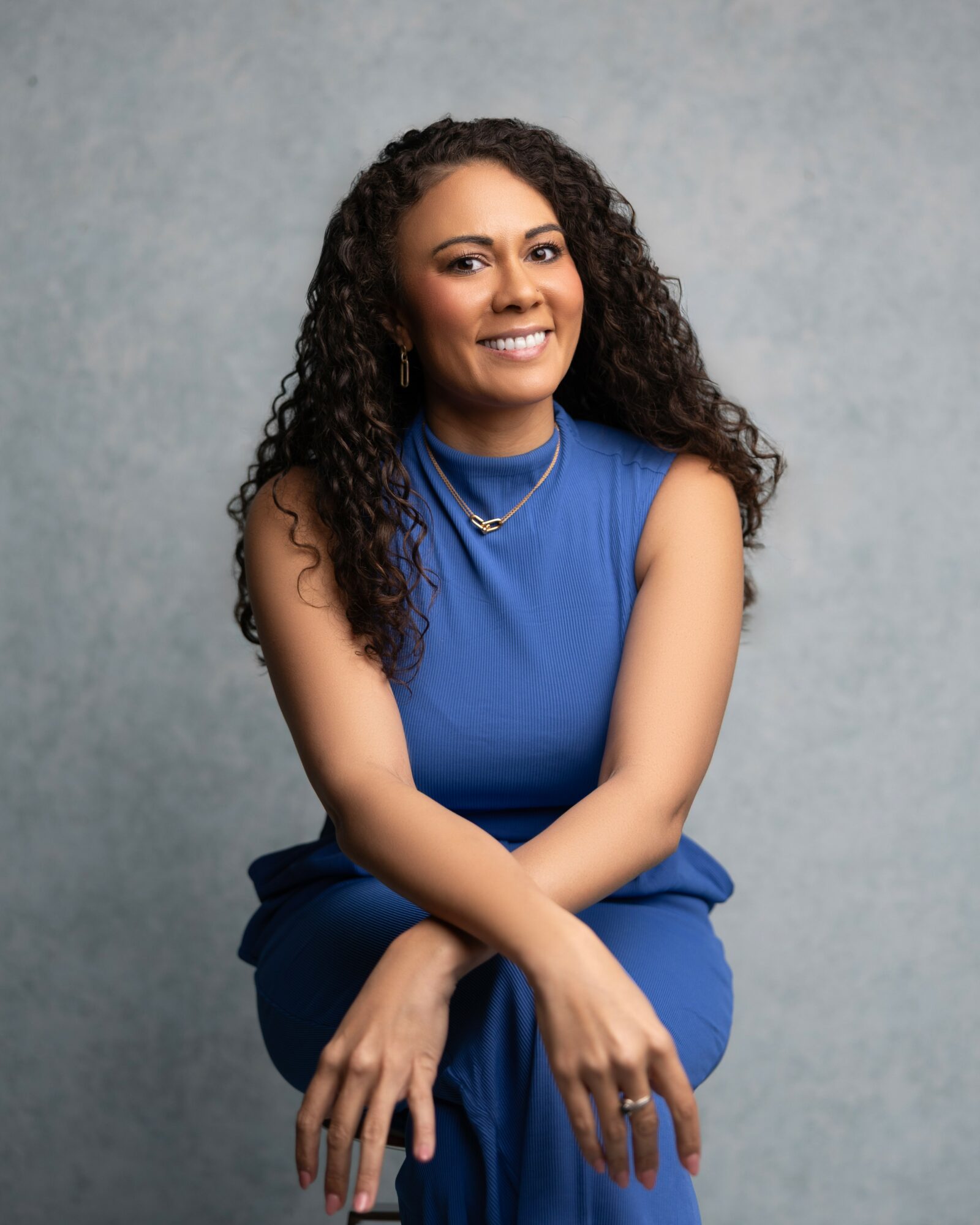
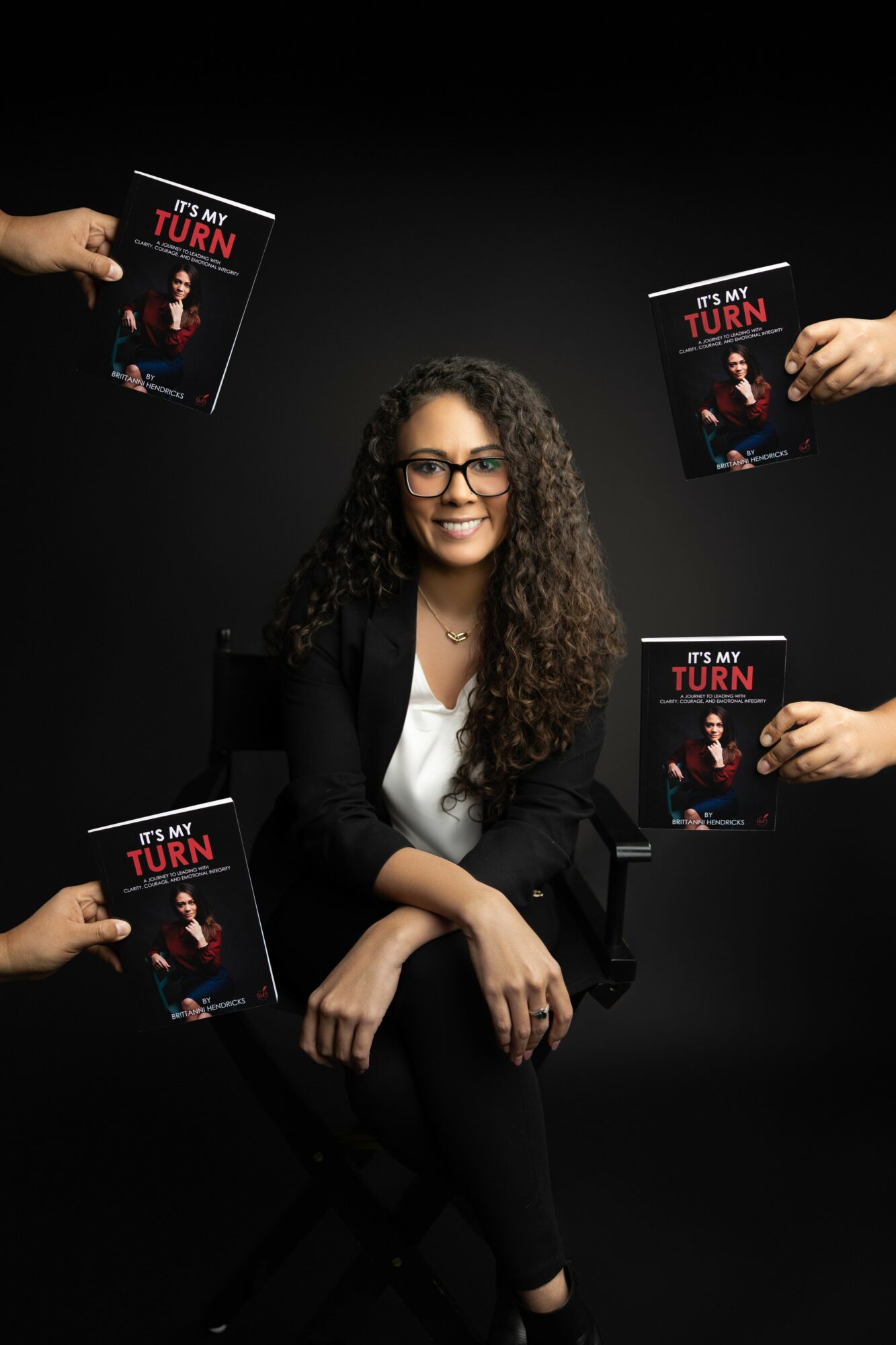
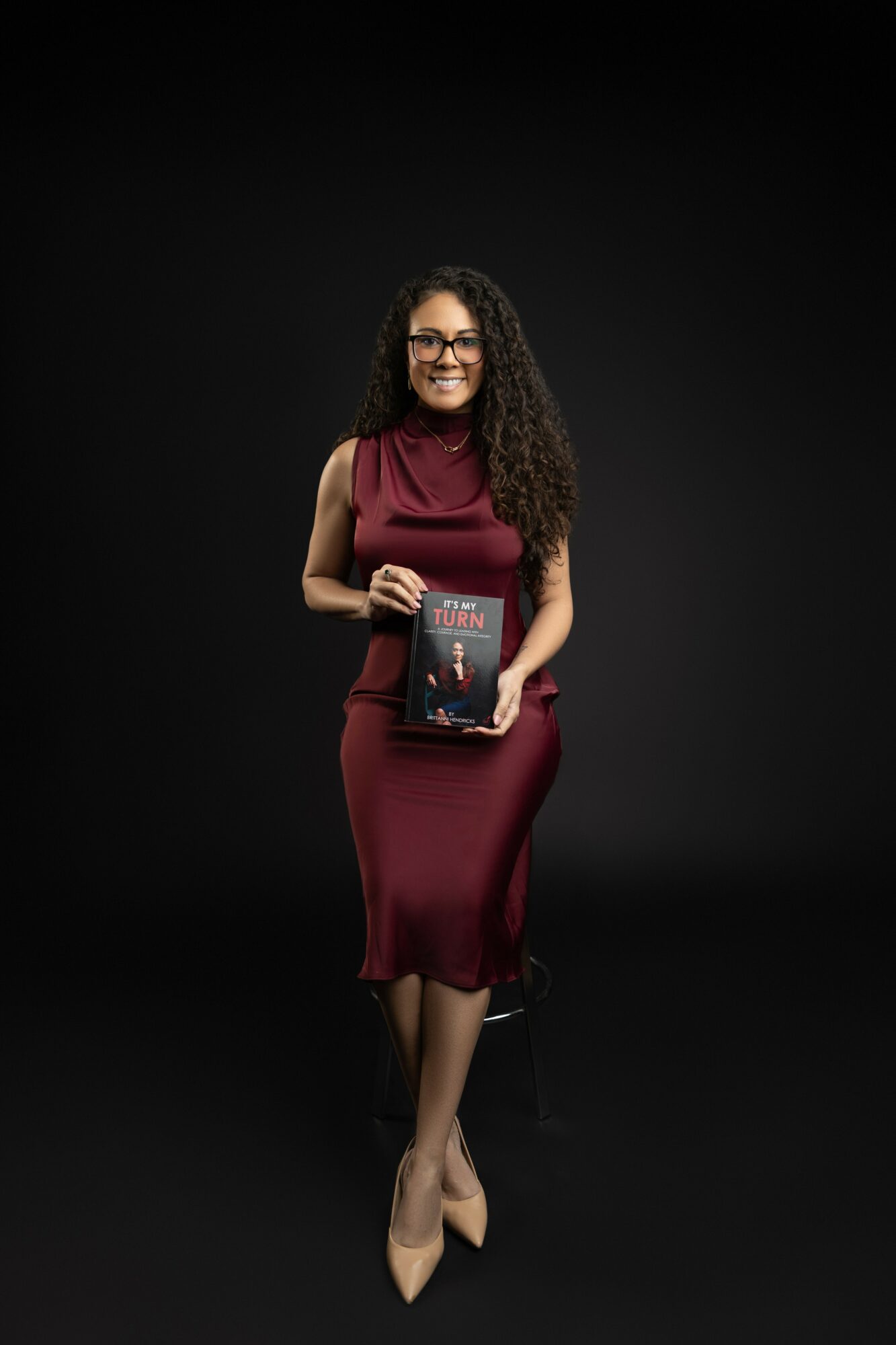

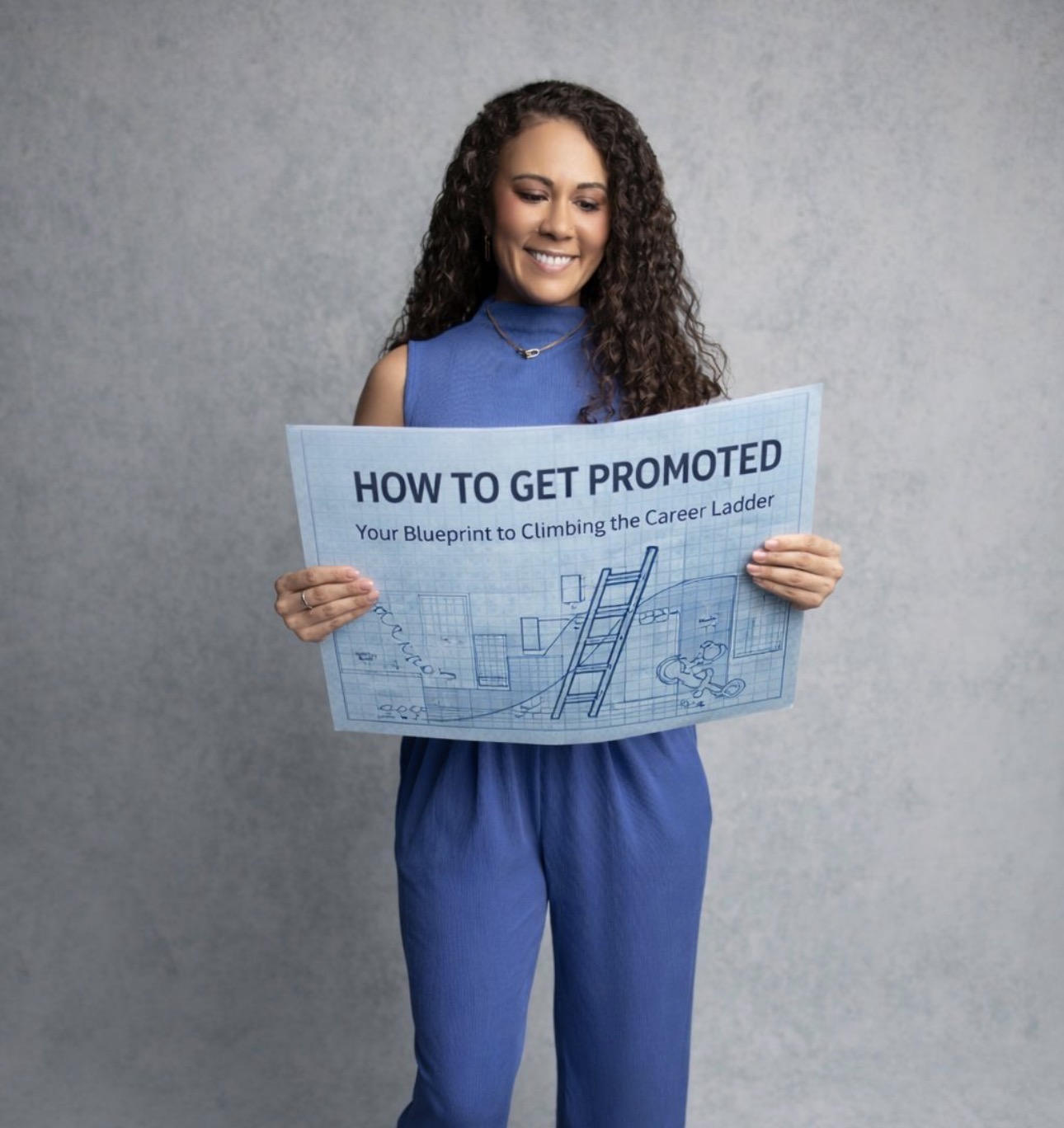

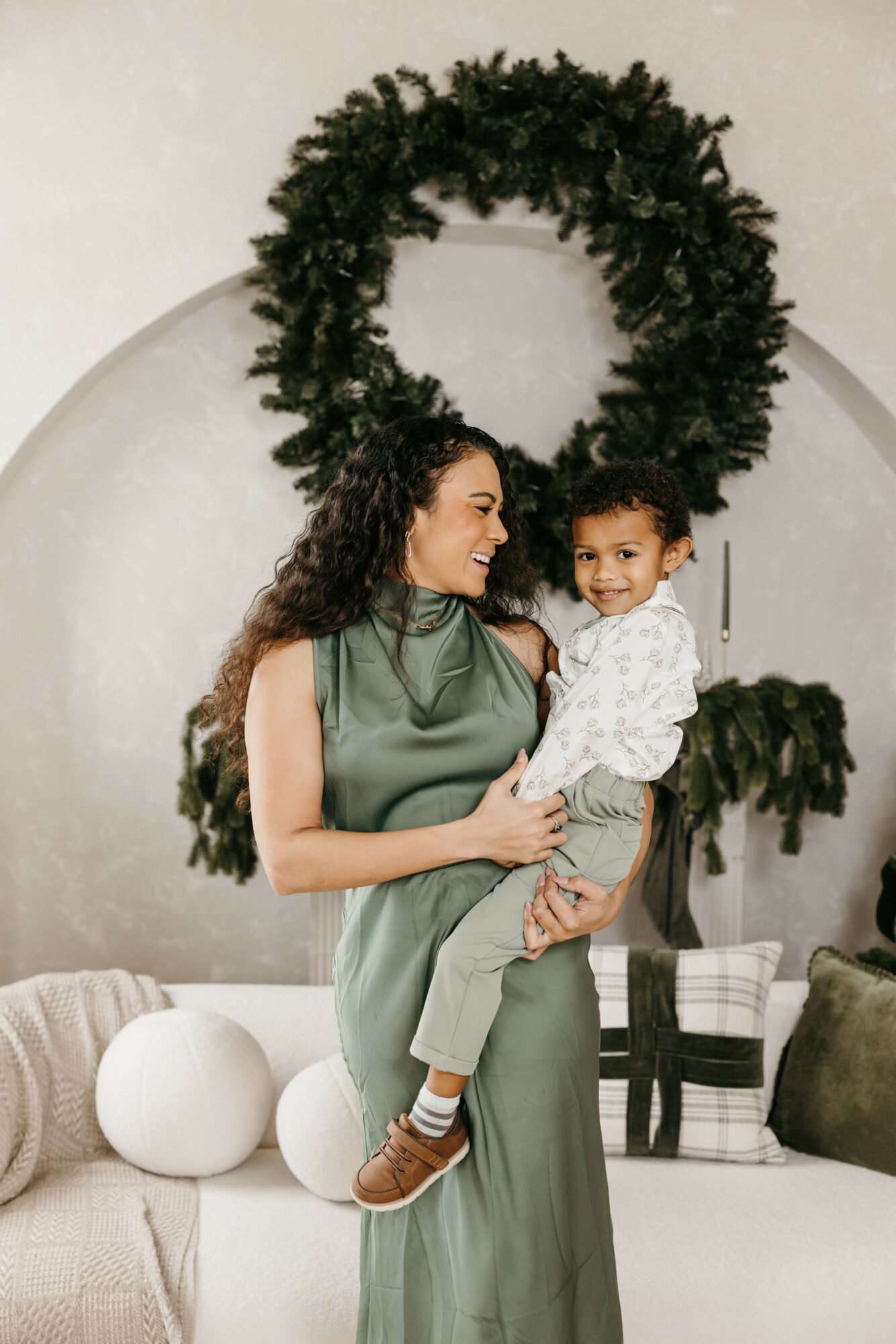
Image Credits
Monica Alanis
Zaira Callis