



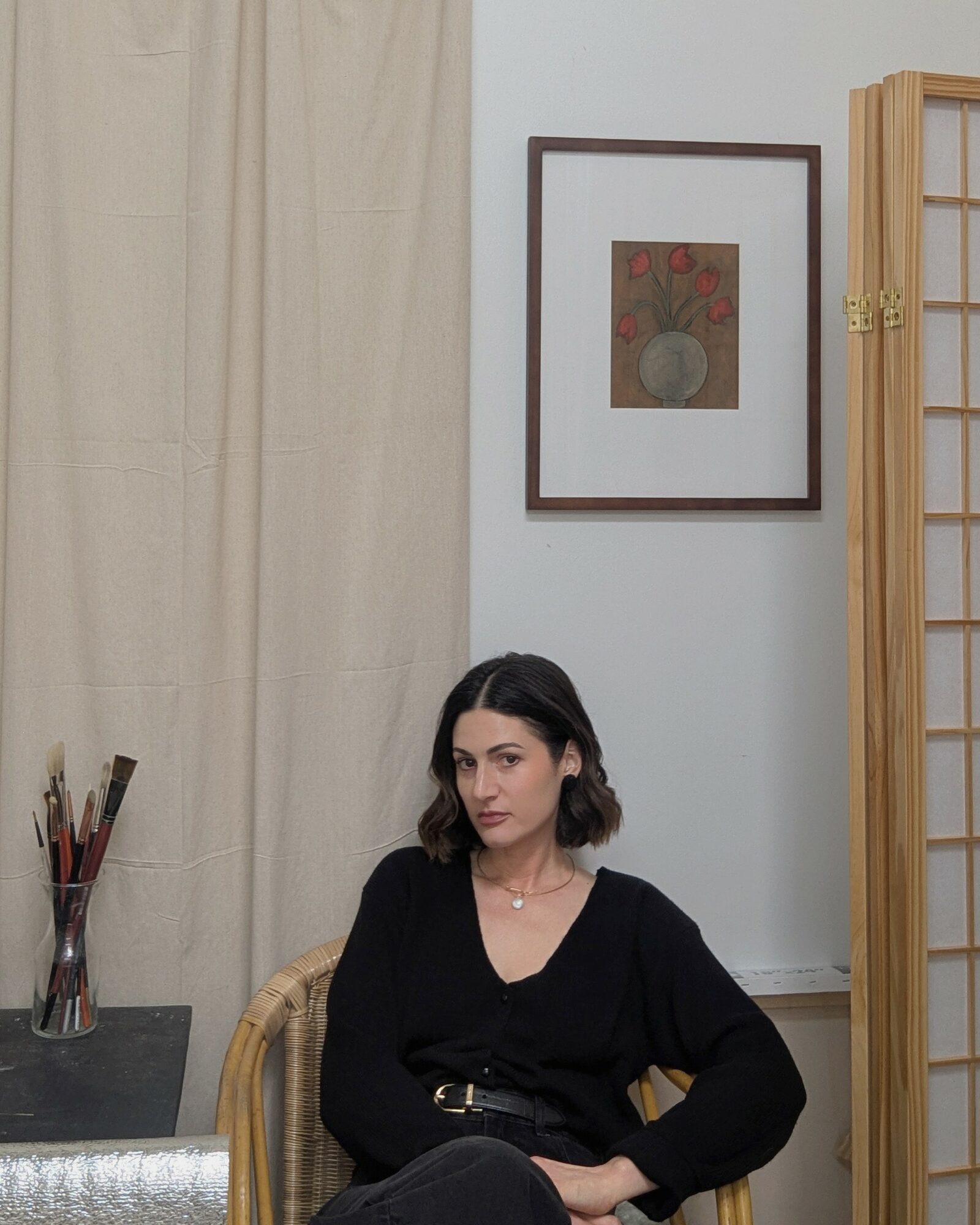
Today we’d like to introduce you to Kari Breitigam.
Alright, so thank you so much for sharing your story and insight with our readers. To kick things off, can you tell us a bit about how you got started?
I’ve always been drawn to making things by hand. I studied painting in college, both for my undergraduate and graduate degrees. Over time, my visual art practice expanded into jewelry, which grew out of a similar interest in materials and form.
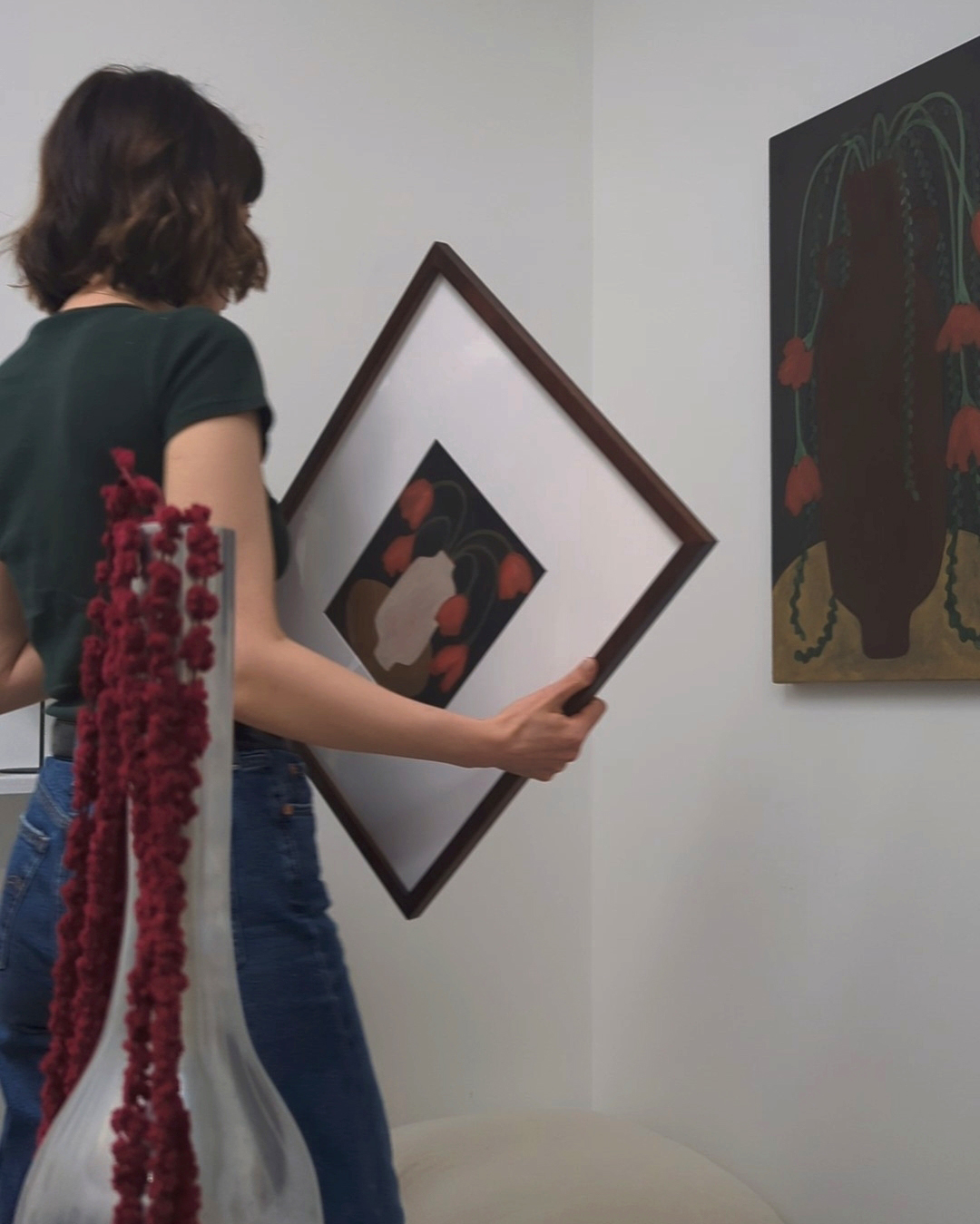
Today my work lives in a few interconnected spaces. I maintain a studio practice where I create paintings and small-batch jewelry collections. I am also a full-time art professor at a community college, where I teach drawing and painting as well as manage the college’s art galleries. That role keeps me closely connected to artists and students, and I value the way it keeps the conversation around art active and evolving.
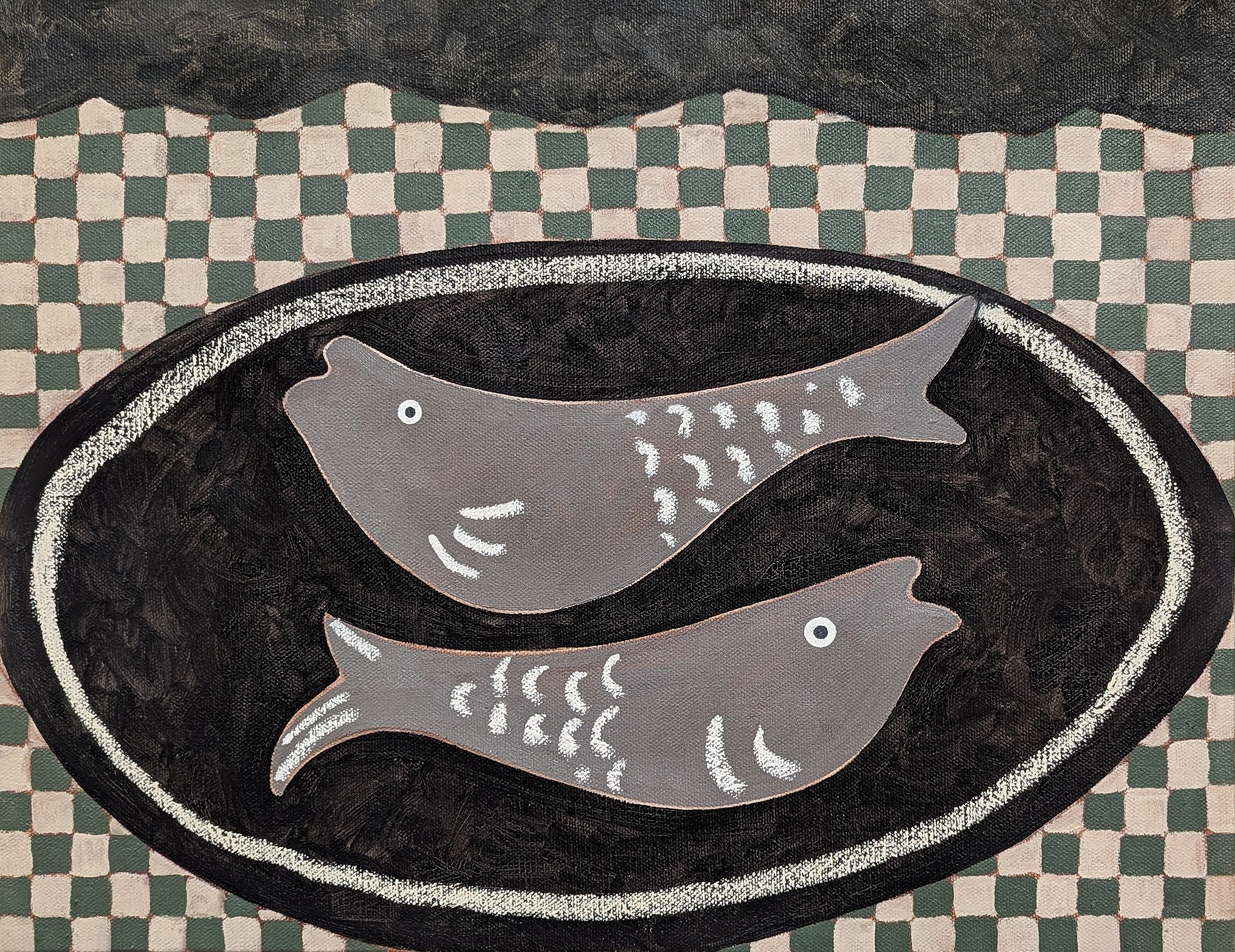
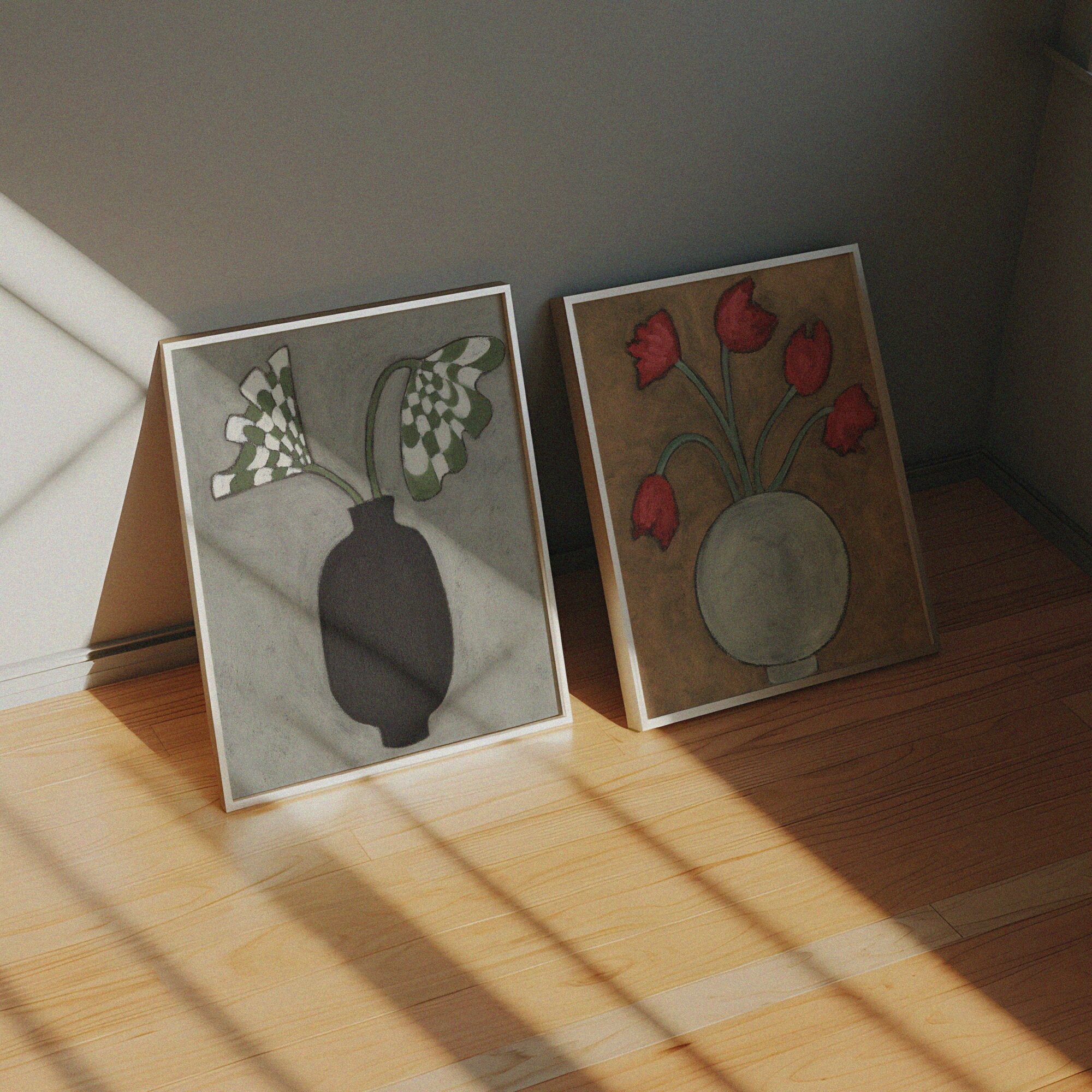
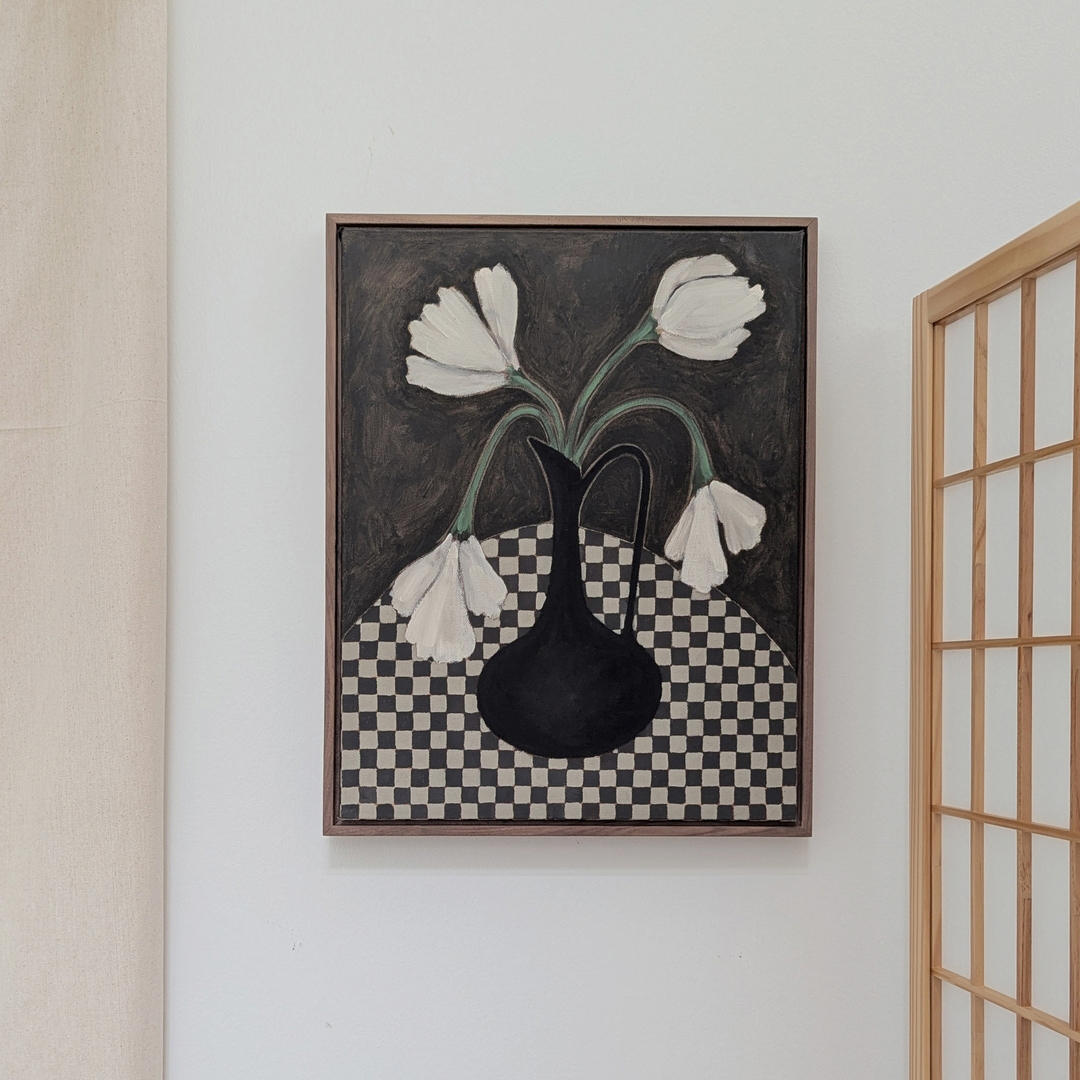
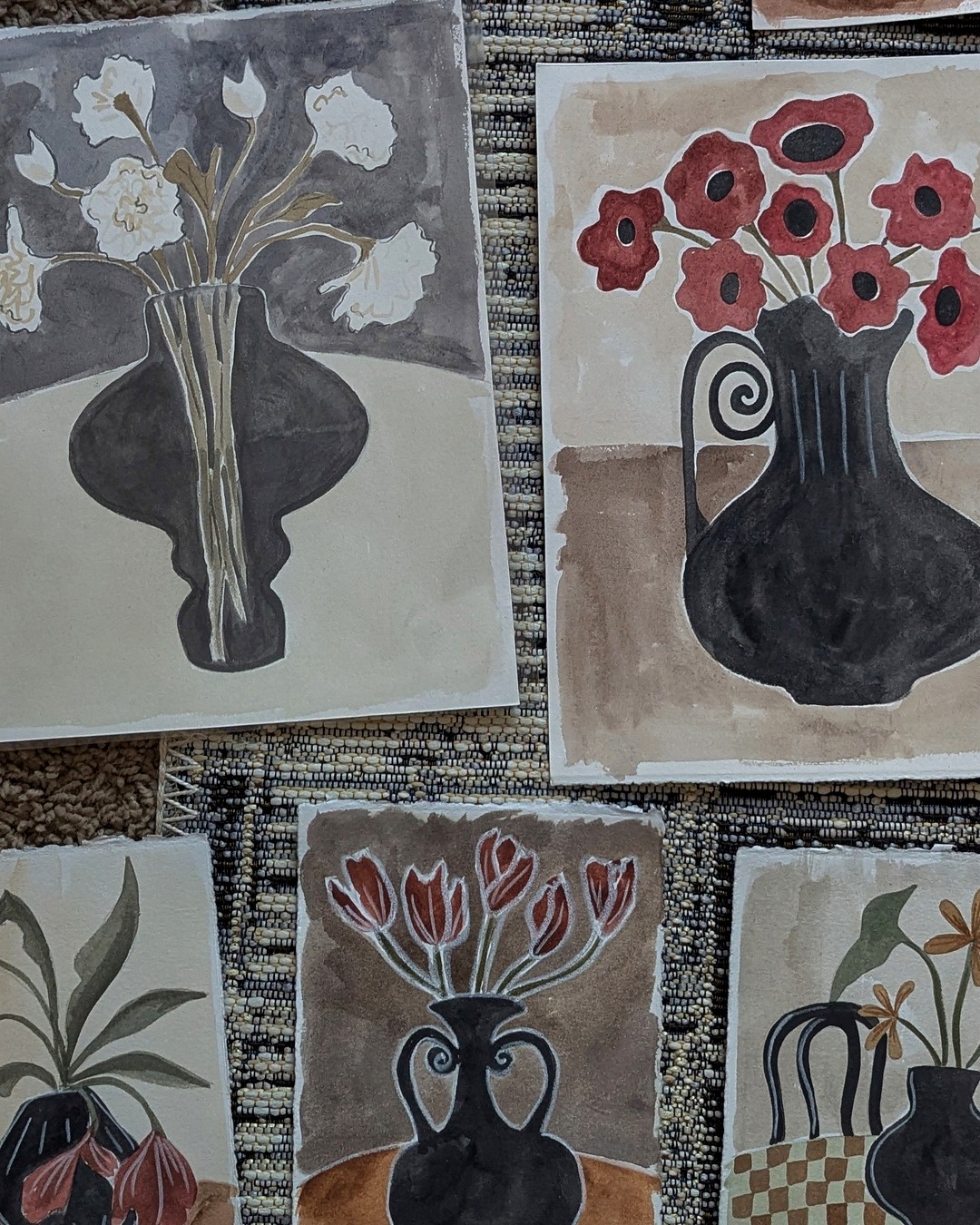
My own work tends to center around elevating and romanticizing the familiar – flowers on a table, collected objects, beautifully plated dinners. I’m interested in the small moments we often overlook and how art can hold them a little longer.
Can you talk to us a bit about the challenges and lessons you’ve learned along the way. Looking back would you say it’s been easy or smooth in retrospect?
Like most creative paths, it hasn’t been entirely smooth. One of the biggest challenges has simply been learning how to sustain a creative practice over time, especially while balancing teaching, administrative work, and running a small business.
There’s also the ongoing work of believing in the value of slow, thoughtful work in a culture that rewards speed and constant output. My process tends to be patient and deliberate, so part of the journey has been learning to trust my own pace.
But these challenges have also shaped my work. They’ve pushed me to build a practice that feels sustainable and integrated into daily life rather than something separate from it.
Thanks – so what else should our readers know about your work and what you’re currently focused on?
My creative practice moves between painting and jewelry, but both share a similar sensibility. I’m interested in simple forms, organic shapes, and objects that feel meaningful – flowers, vessels, small relic-like pieces.
In painting, I often work with still life and natural subjects, simplifying them until they become almost symbolic. The work is less about exact representation and more about atmosphere, memory, and a touch of whimsy.
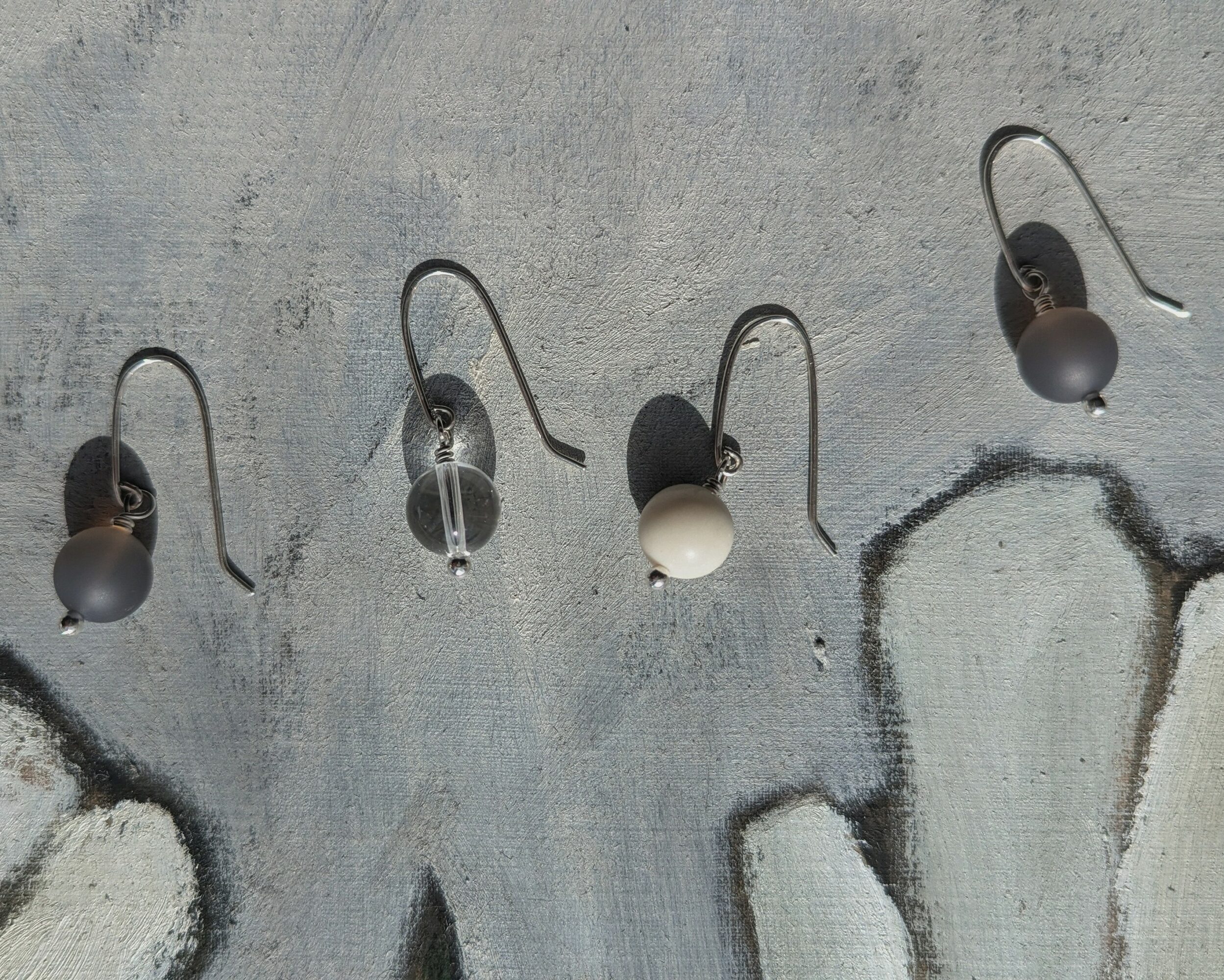
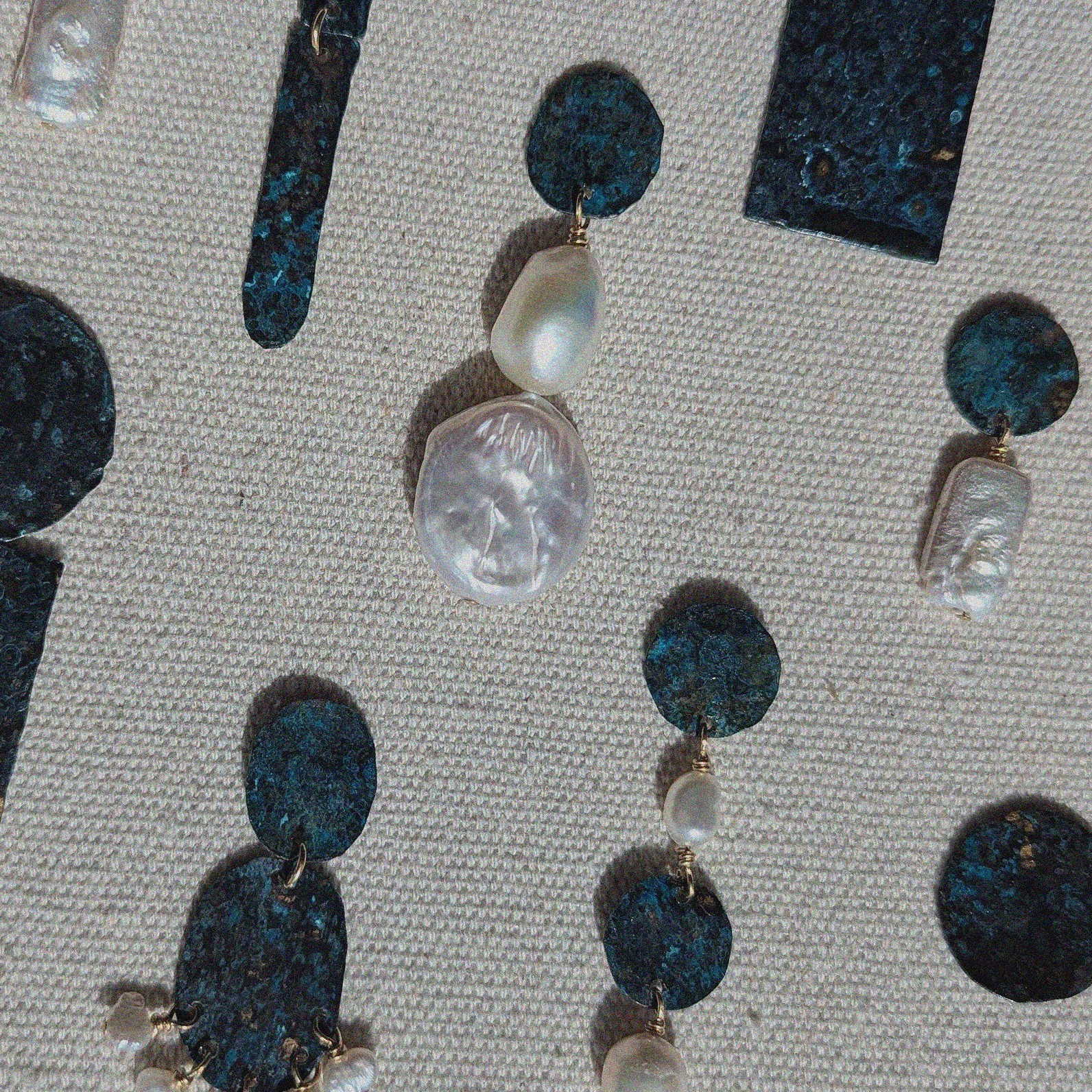
My jewelry follows a similar philosophy. The pieces are hand-fabricated and often intentionally imperfect, with patinas or organic textures that make them feel like small artifacts or keepsakes.
I’m most proud of building a body of work that feels cohesive across mediums. Whether it’s a painting or a piece of jewelry, the intention is the same: to create something quiet, thoughtful, and lasting.
Painting and jewelry might seem like separate practices, but for me they come from the same place: an interest in form, touch, and the emotional life of objects. I approach both with a similar attention to form and a respect for the handmade.
Risk taking is a topic that people have widely differing views on – we’d love to hear your thoughts.
I don’t necessarily think of myself as a risk-taker in the dramatic sense, but I do think choosing a creative life is often perceived that way. Pursuing the things you genuinely care about, especially when there isn’t a clear or guaranteed outcome, requires a certain amount of conviction.
The life I’ve built might not look conventional by some standards. I’ve prioritized creative work, independence, and the freedom to follow what feels meaningful. In many ways, that choice itself carries a kind of risk, but it’s also where I’ve found the most fulfillment.
Maintaining a studio practice alongside a full professional life is another version of that. Much of the work happens privately and slowly, long before anyone else sees it. You spend a lot of time trusting that the process itself is worthwhile.
In the studio, risk often shows up as experimentation—trying a new medium, changing scale, or letting a piece move in a direction I didn’t originally plan. Some of the work I value most has come from following curiosity rather than certainty.
I’ve learned that the most meaningful shifts rarely come from one big leap. They come from a series of small decisions to keep showing up, keep experimenting, and keep trusting your instincts. Over time, those small risks shape both the work and the life around it.
Contact Info:
- Website: https://www.karibreitigam.com/
- Instagram: https://www.instagram.com/karibreitigam/
- Facebook: https://www.facebook.com/karibreitigamstudio