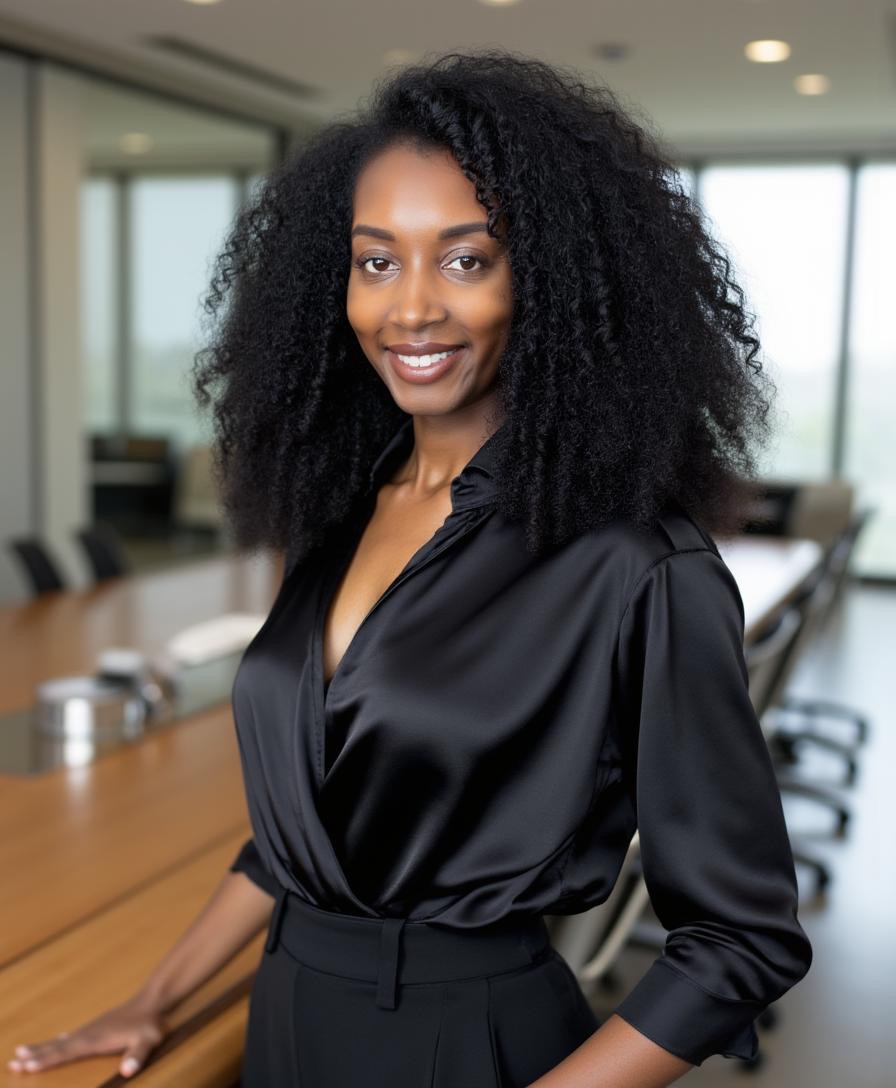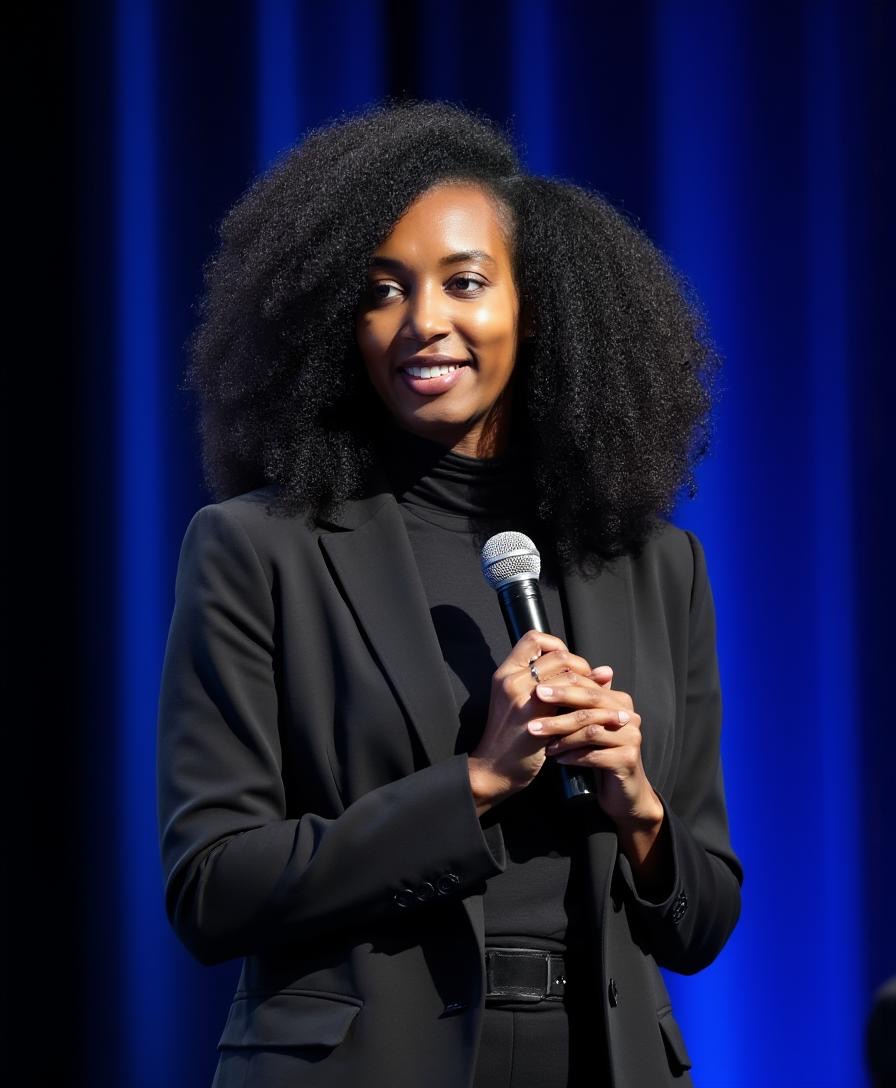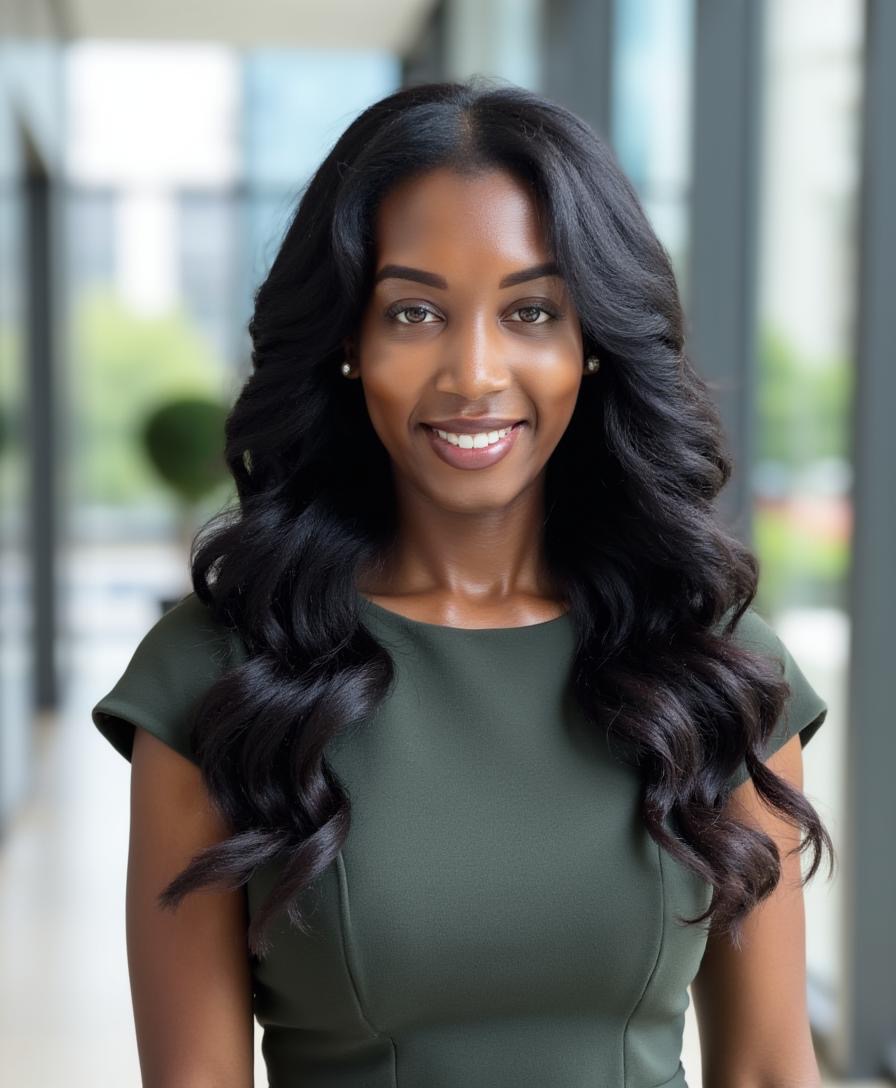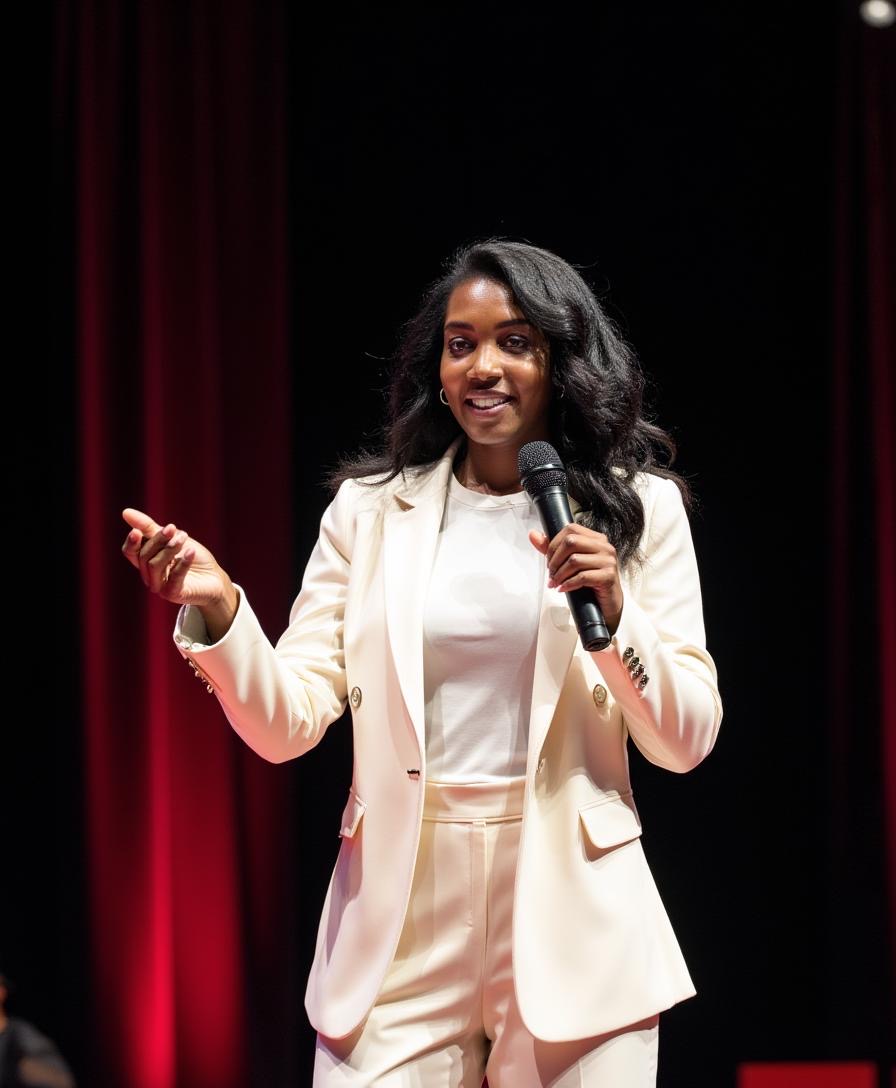





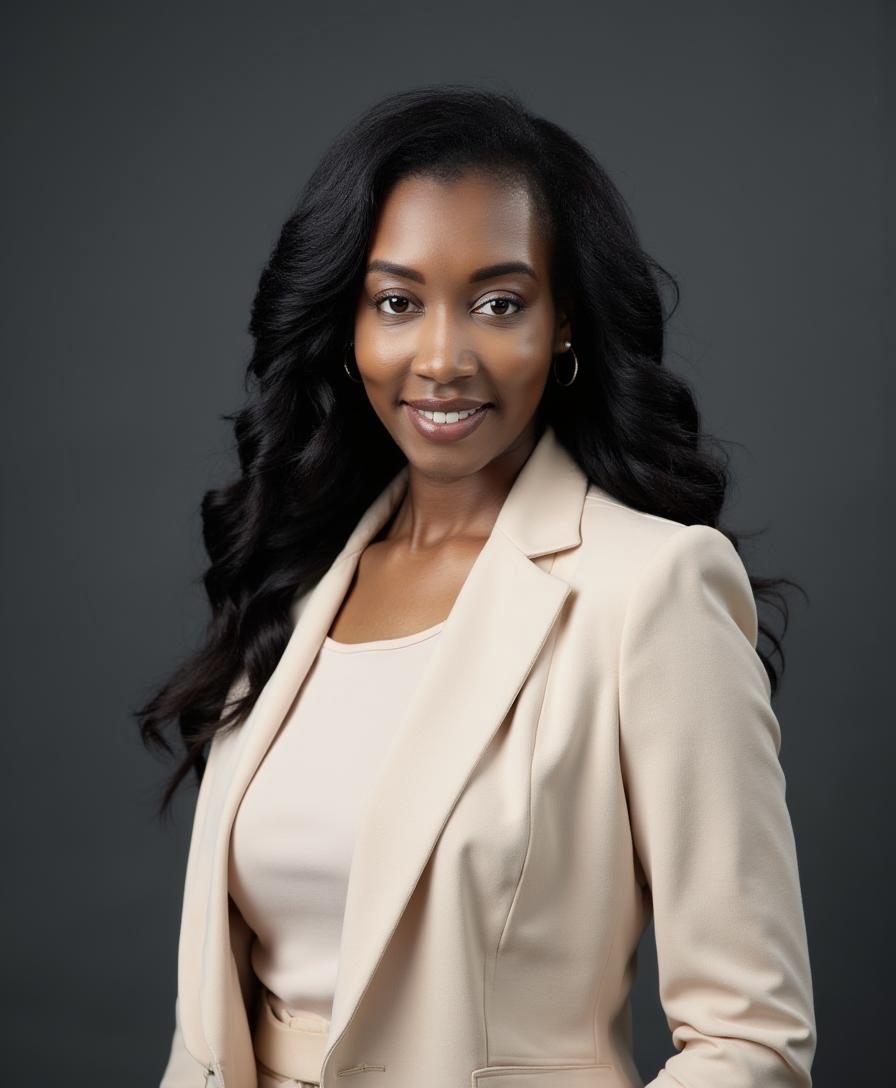
Today we’d like to introduce you to Kyara Ofuani Esq.
Hi Kyara, thanks for sharing your story with us. To start, maybe you can tell our readers some of your backstory.
My journey began in a small town in Janesville, Wisconsin, where I learned early what it meant to stand out. Growing up, I was often one of only a few Black students in predominantly white schools. Those experiences shaped the way I understood identity, justice, and leadership. I was frequently reminded that I was different, sometimes through subtle comments and sometimes through direct discrimination. Instead of allowing those experiences to silence me, they pushed me to find my voice.
When I was young, my mother often reminded me that if no one creates space for you, sometimes you must build the space yourself. Together we founded two youth organizations, Sisters Empowering Sisters and Brothers Reaching Out, to support minority students in our community. These programs created safe spaces where students could receive mentorship, financial support, and counseling while also learning to embrace their identity with confidence. What began as a grassroots initiative eventually gained recognition from the school district and was implemented across schools throughout the city. That experience showed me that advocacy and leadership could transform not only individual lives but entire systems.
My desire to continue building spaces for others led me to attend Tennessee State University, a Historically Black College and University. TSU was a transformative experience because it allowed me to embrace my identity while stepping into leadership roles that helped shape the campus community. I served in leadership within the Student Government Association, where I worked alongside administrators and faculty to support students through fundraising initiatives, grant writing, and advocacy efforts aimed at reducing financial barriers to education. I also helped organize one of the university’s first student-led Black business expos, connecting students with Black-owned businesses, nonprofit organizations, and career professionals.
After graduating from Tennessee State University, I was selected to participate in the HBCU Initiative Fellowship at Columbia University, which was created to expand access and opportunity for HBCU graduates. While at Columbia, I helped organize the “I Am Historical” Black History Gala, which celebrated Black scholars, professors, and community leaders who had made meaningful contributions to students of color on campus. This experience reinforced my commitment to building spaces that honor culture, representation, and leadership.
I later earned my Juris Doctor from Thurgood Marshall School of Law, where my focus on justice and advocacy continued to evolve. Today, I serve as the Managing Attorney of Ofuani Legal Group, where I work with nonprofits, social entrepreneurs, and community organizations to build the legal infrastructure that allows their missions to grow sustainably.
My work extends beyond legal practice. I am also the founder of Freedom of Faith Food Bank, which focuses on addressing food insecurity while promoting healthier food systems and environmental stewardship. For me, food justice, environmental health, and community empowerment are deeply interconnected. Access to healthy food is not only a public health issue—it is also a matter of dignity and justice.
In addition to my legal and advocacy work, I am an author and speaker focused on empowering individuals and organizations to build systems that strengthen communities. My books, including Nonprofit Navigator and The Wife Reset, explore leadership, nonprofit development, family, and personal growth.
When I reflect on my journey, I realize it has always been about building spaces—spaces for opportunity, for justice, for healing, and for community. Whether through law, nonprofit work, education, or advocacy, my mission has remained the same: to create systems that allow people to thrive and to help communities build their own pathways toward freedom, health, and opportunity.
We all face challenges, but looking back would you describe it as a relatively smooth road?
The road has definitely not been smooth, and one of the most significant challenges has been navigating the path to becoming a lawyer as a first-generation legal professional.
The legal field is still one where Black attorneys remain significantly underrepresented. For many students who pursue law, there is often a generational understanding of the profession—family members who are lawyers, judges, or legal professionals who can provide guidance through the process. For me, that roadmap did not exist. I had to learn how to navigate the admissions process, law school expectations, professional networking, and the broader legal system largely through my own research and persistence.
There are also financial realities that many aspiring lawyers face. The journey to becoming an attorney can be extremely expensive—from undergraduate education, to graduate studies, to law school tuition, bar preparation, and licensing fees. For students who come from communities where generational wealth or professional legal networks may not exist, those financial barriers can feel overwhelming. Balancing the demands of education, professional development, and financial responsibility requires a level of resilience and discipline that often goes unseen.
Family dynamics can also play a role in that journey. Being the first in your family to pursue a doctoral-level profession comes with both pride and pressure. On one hand, there is excitement about breaking new ground and creating opportunities for future generations. On the other hand, there can be moments of uncertainty because you are charting a path that few around you have experienced before. You often carry the responsibility of learning the process while simultaneously explaining it to others.
Despite those challenges, those experiences have also strengthened my perspective. They have reminded me that representation in professions like law matters—not only for the individuals who pursue it, but for the communities who benefit from having advocates who understand their experiences. My journey has reinforced my commitment to making legal knowledge more accessible and to helping others navigate pathways that may have once seemed out of reach.
In many ways, the obstacles along the way have made the purpose of the work even clearer: to ensure that the doors I walk through remain open for others who will come after me.
Thanks for sharing that. So, maybe next you can tell us a bit more about your business?
My work exists at the intersection of law, community development, and systems change. I am the Managing Attorney of Ofuani Legal Group, a law firm that focuses on helping nonprofits, mission-driven organizations, entrepreneurs, and community initiatives build strong legal and operational foundations so their work can grow sustainably and responsibly.
At Ofuani Legal Group, we work across several practice areas including business law, nonprofit law, civil rights advocacy, international law, and environmental justice. We also advise organizations operating within industries connected to energy, environmental policy, and economic development, including sectors such as oil, energy, and infrastructure. Our work often involves helping clients navigate complex legal frameworks while ensuring that their work contributes to ethical growth, community impact, and long-term sustainability.
Much of our work focuses on organizational formation, governance, compliance, and strategic development. We assist nonprofits and businesses with legal structuring, grant strategy, contracts, and leadership frameworks that allow them to operate effectively and access funding opportunities. Many individuals have strong visions for serving their communities, but they may not have the legal or strategic support necessary to bring those ideas to life. Our role is to help bridge that gap so that vision can become structure, and structure can become lasting impact.
What sets our firm apart is that we approach law through a community-centered and justice-focused lens. Law is not simply a technical process; it is also a tool for empowerment. Our work often intersects with broader conversations around civil rights, environmental equity, economic opportunity, and community sustainability. We work with organizations that are addressing issues such as youth leadership development, food insecurity, environmental justice, financial literacy, and community health.
Alongside my legal work, I also lead initiatives focused on social impact. I am the founder of Freedom of Faith Food Bank, which addresses food insecurity while also promoting healthier and more sustainable food systems in underserved communities. The work connects food access with environmental awareness and public health, emphasizing that the food environment plays a significant role in community wellness.
Education is another important part of my brand. I am the author of several books designed to equip individuals and organizations with practical knowledge. Two of my recent books, Nonprofit Navigator and The Wife Reset, reflect different aspects of my mission. Nonprofit Navigator focuses on helping leaders build effective nonprofit organizations, while The Wife Reset explores personal growth, partnership, and the importance of strong family foundations in building stable communities.
Brand-wise, what I am most proud of is building work that connects multiple areas of impact—law, advocacy, environmental responsibility, food systems, family, and leadership. Each part of my work supports the others. The law firm helps organizations build infrastructure, the nonprofit addresses community needs directly, and my writing and speaking allow me to share knowledge that helps others replicate and expand that impact.
Ultimately, my brand is about building systems that empower people and communities. Whether through legal services, nonprofit leadership, environmental advocacy, or education, my goal is to help create structures that promote justice, sustainability, and long-term opportunity.
Any advice for finding a mentor or networking in general?
One of the most important things I have learned about mentorship and networking is that it is not always about finding one perfect mentor—it is about building a community of guidance and support over time.
As someone who entered the legal profession as a first-generation lawyer, I did not always have a clear roadmap for navigating certain spaces. Because of that, I had to learn early on that mentorship can come in many forms. Some mentors provide direct advice, others provide opportunities, and some simply model what leadership and integrity look like in their work.
One strategy that has worked well for me is approaching relationships with curiosity and respect rather than simply asking for something. When I meet people whose work I admire, I take the time to learn about their experiences, their perspectives, and the lessons they have gained along their journey. Those conversations often grow naturally into mentorship relationships over time.
Another important lesson is to be intentional about showing up in spaces where the work you care about is happening. Conferences, professional associations, community initiatives, and industry events can all become opportunities to meet people who share your values and interests. Networking becomes much more meaningful when it is centered around shared purpose rather than simply exchanging business cards.
I also believe strongly in reciprocity. Mentorship is not only about receiving guidance; it is also about contributing to the relationship. That might mean supporting someone’s work, sharing resources, or offering a fresh perspective. When mentorship is mutual and rooted in genuine respect, it tends to grow into long-term relationships.
Finally, I always encourage people not to be discouraged if mentorship does not happen immediately. Sometimes the most meaningful mentors appear at different stages of your life and career. The key is to remain open to learning, to stay connected to your purpose, and to continue building relationships with people who inspire you.
In many ways, mentorship and networking are simply extensions of community—when approached with authenticity and generosity, they can become some of the most powerful sources of growth in both your personal and professional journey.
Contact Info:
- Website: www.ofuanilegalgroup.com
- Instagram: https://www.instagram.com/dr.kyofuani and https://www.instagram.com/ofuanilegalgroupllc/
- Facebook: https://www.facebook.com/kyara.murry
- LinkedIn: https://www.linkedin.com/in/kyara-ofuani-esq-a86695111
- Youtube: https://youtube.com/@nonprofitwithkyara
- TikTok: @drkyaraofuani
- Email: kyaraofuaniesq@ofuanilegalgroup.com
- Phone: (713) 730-9383
- Other: https://linktr.ee/Kyaraofuaniesq
- Books & Resources: https://stan.store/Ofuanilegalgroup