






Today we’d like to introduce you to Courtney Sellers.
Hi Courtney, thanks for sharing your story with us. To start, maybe you can tell our readers some of your backstory.
I have lived in Houston, TX for my entire life except for five years when I lived in the Texas hill-country to attend college. As long as I can remember, I wanted whatever I did as a career to be “helping” and originally I thought I would be a special education teacher. When I went to college, however, and started taking my education focus classes I realized that wasn’t my passion and eventually received my BA in Psychology. While I was in college my dad left our family, and my mom had to figure out how to raise two teenagers with little help. This experience along with getting pregnant and my daughter’s dad struggling with active addiction made me realize that my passion really lay in being a support system for people going through tough transitional times in their lives.
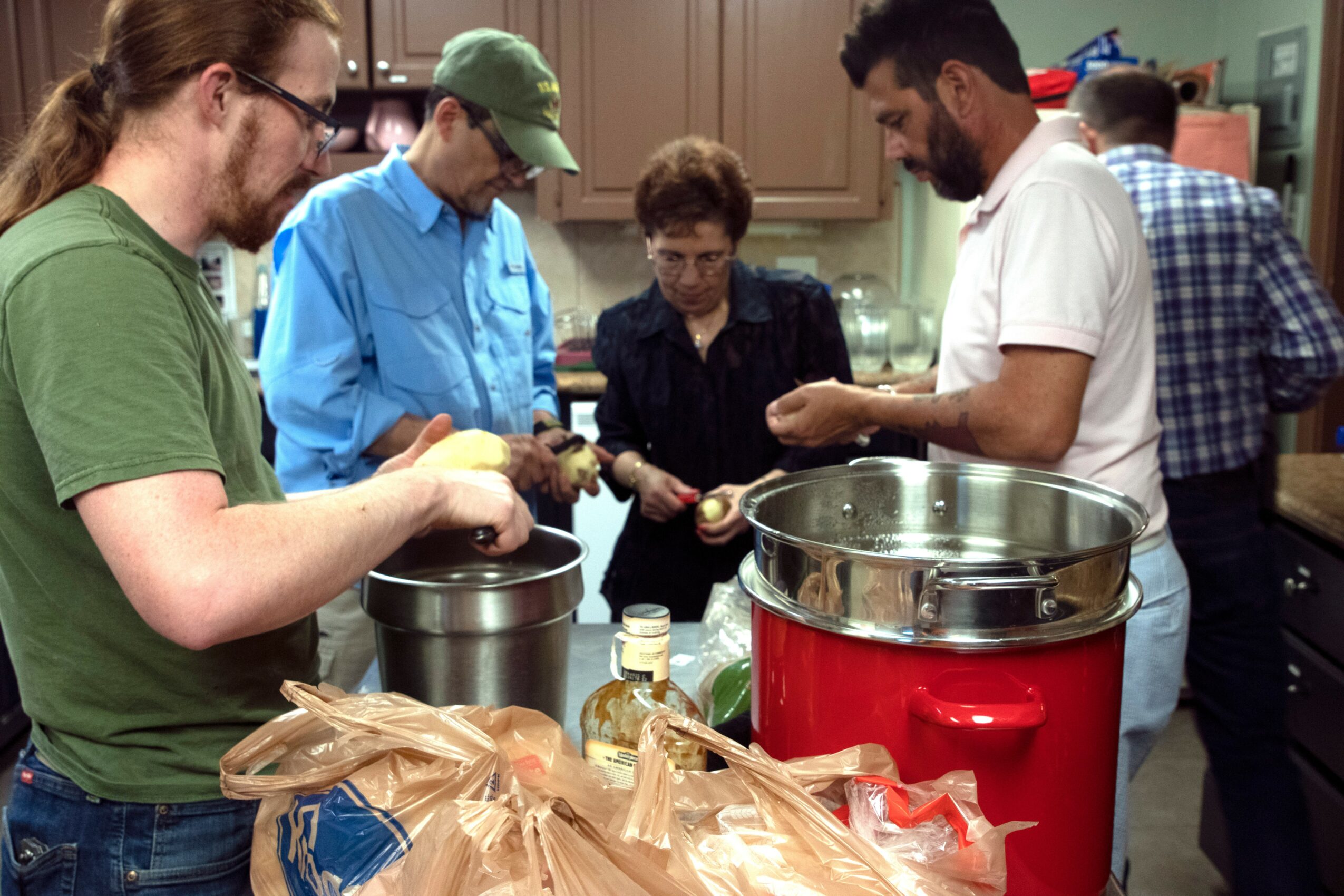
After I had my daughter I was working a regular corporate job and had joined my company’s LGBTQ+ employee group where some of my coworkers were volunteering at Montrose Grace Place cooking dinner and doing fun activities. After the first time I volunteered I knew I wanted to do more so I became a direct mentor volunteer and would spend about 10 hours a month eating dinner and spending time with youth of all sexualities and genders experiencing homelessness.
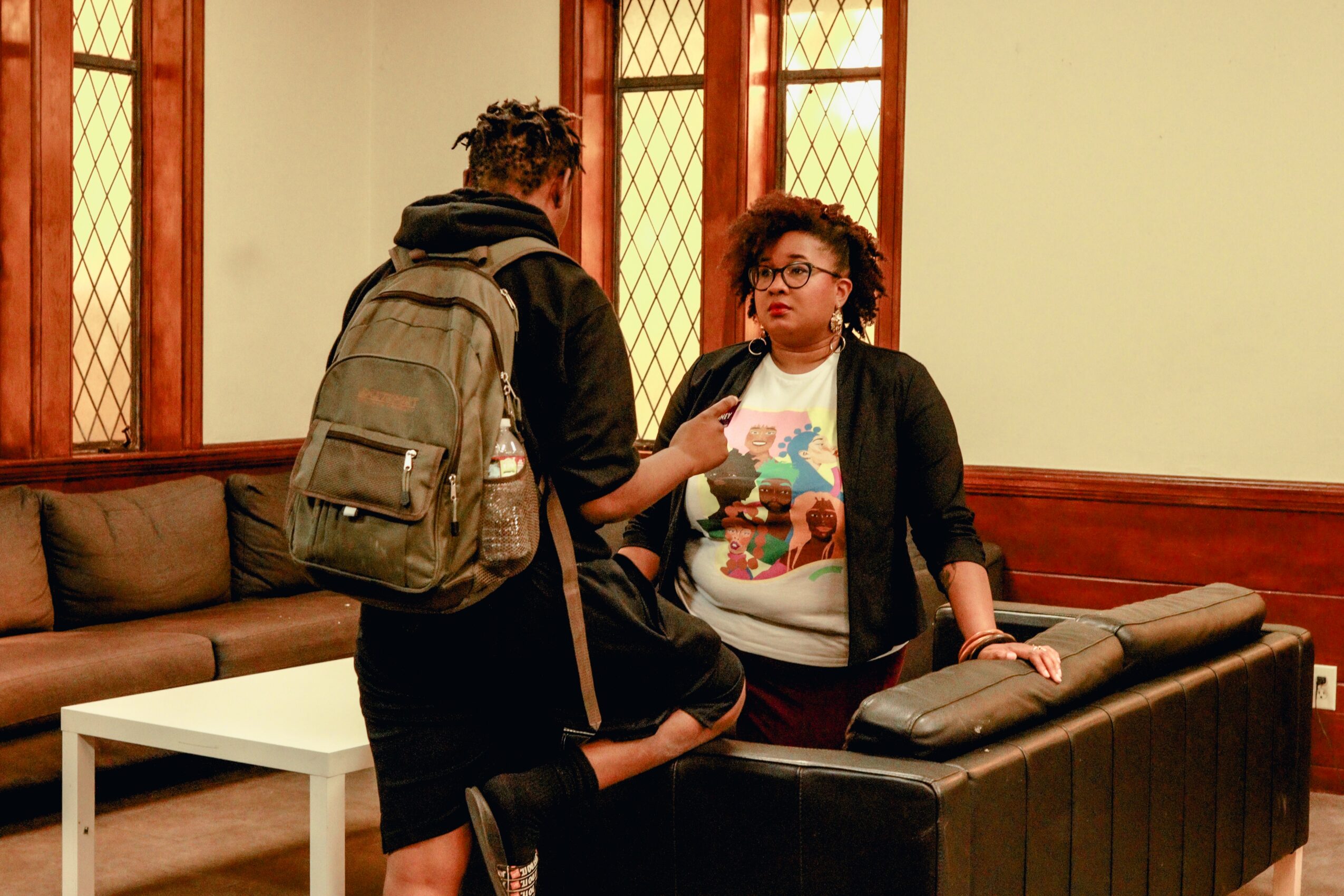
By 2017 I had become so involved in Montrose Grace Place that when it came time for them to hire an Executive Director I applied for the position, interviewed, and I got the job!! I was going to be Montrose Grace Place’s first official Executive Director. I love being a positive mentor for the youth who come through Grace Place’s drop-in, whatever that mentorship looks like for them. I like to serve as a sounding board for the young mothers that come to Grace Place, because when you’re young and pregnant having someone who has been through it to support you can be really affirming, especially for people who don’t have their parents in their lives.
Since I took the position in June 2017, we have increased our nights of service, added a HUD funded Diversion program, provided Direct Cash Transfer to youth during COVID-19 and Winter Storm Uri, and launched a youth advocacy collective called Youth Voices Empowered. We are now getting ready to launch our newest initiative, a small, six bed emergency shelter for runaway and homeless youth ages 15-17!
Can you talk to us a bit about the challenges and lessons you’ve learned along the way. Looking back would you say it’s been easy or smooth in retrospect?
My road has definitely not be the smoothest, but having community helps to mitigate struggle and that’s why I’m so passionate about community-centered and grassroots work. When my dad left, my mom was able to lean on her friends and me for support just as I have leaned on her in the past to support me. My daughter’s father died last April, and the support system we have through my work with Grace Place, friends, family, and community have helped me get through having to tell my daughter her dad is gone, and create this new life where he isn’t in it.
On an organizational level with Grace Place, funding is always a struggle. Right now, the Trump administration is vilifying unhoused people and characterizing them as not worthy of housing, which I believe to be a human right. They’ve been reverting back to outdated sobriety and institutionalization tactics which have been shown to fail. I hate how our leaders look at evidence-based interventions and intentionally go the other way, saying we can’t support our community members, while billionaires get more and more wealthy.
The demonization of unhoused people also extends to neighbors who don’t see the youth we serve as part of the greater community worthy of respect and all of society’s ills become our fault, when we’re just helping the people that already exist here.
LGBTQ+ people, especially trans people are under attack from all levels of government and LGBTQ+ youth make up about 20% of the population but 40% of the homeless population. However, government agencies are not even allowed to track these numbers.
Alright, so let’s switch gears a bit and talk business. What should we know?
Montrose Grace Place specializes in supporting homeless youth and young adults (13-24) of all sexualities and genders. We provide essential and life-affirming health, wellness, fellowship, and mentorship opportunities through our three pillar programs – Youth Night, Diversion SSO, and Youth Voices Empowered.
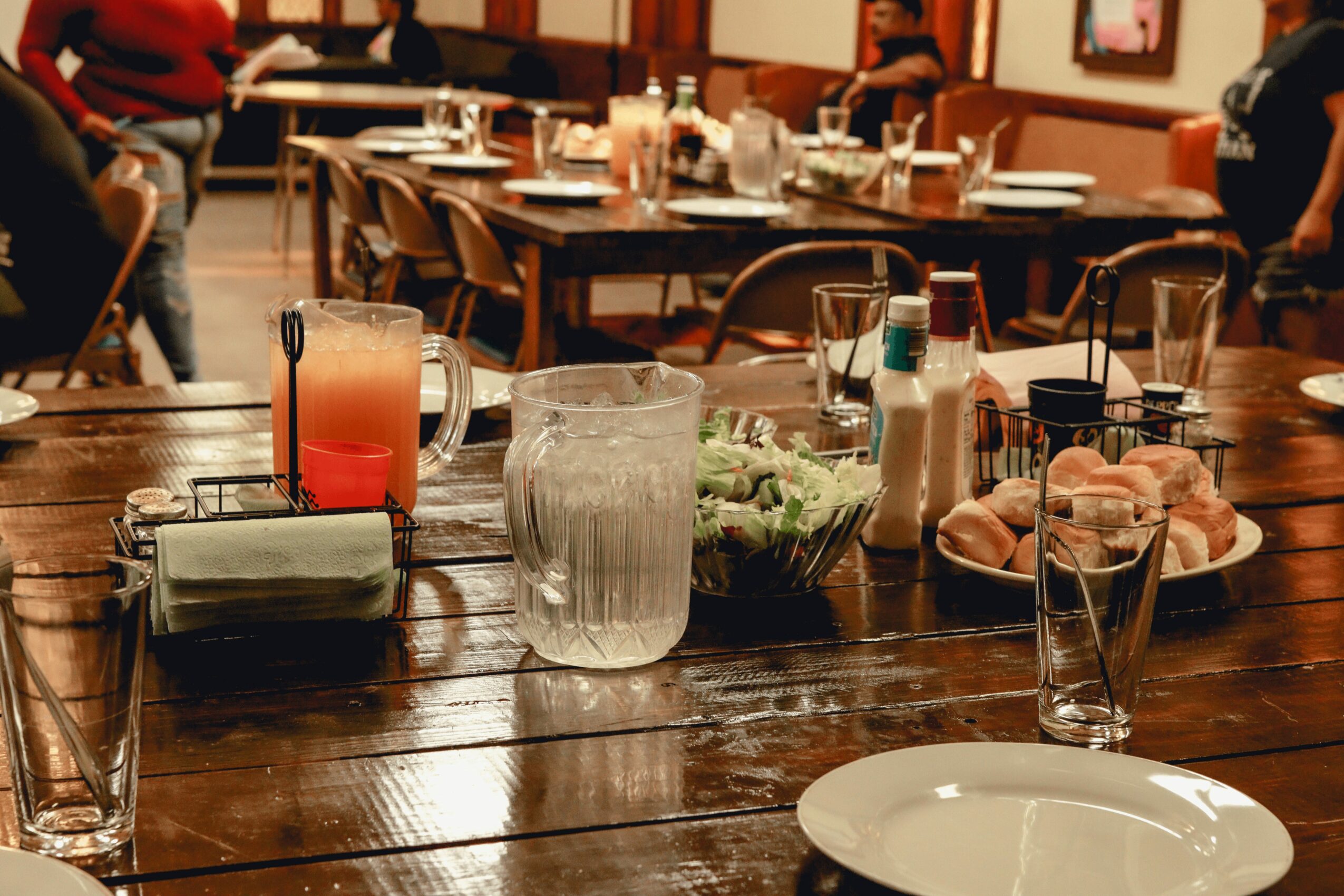
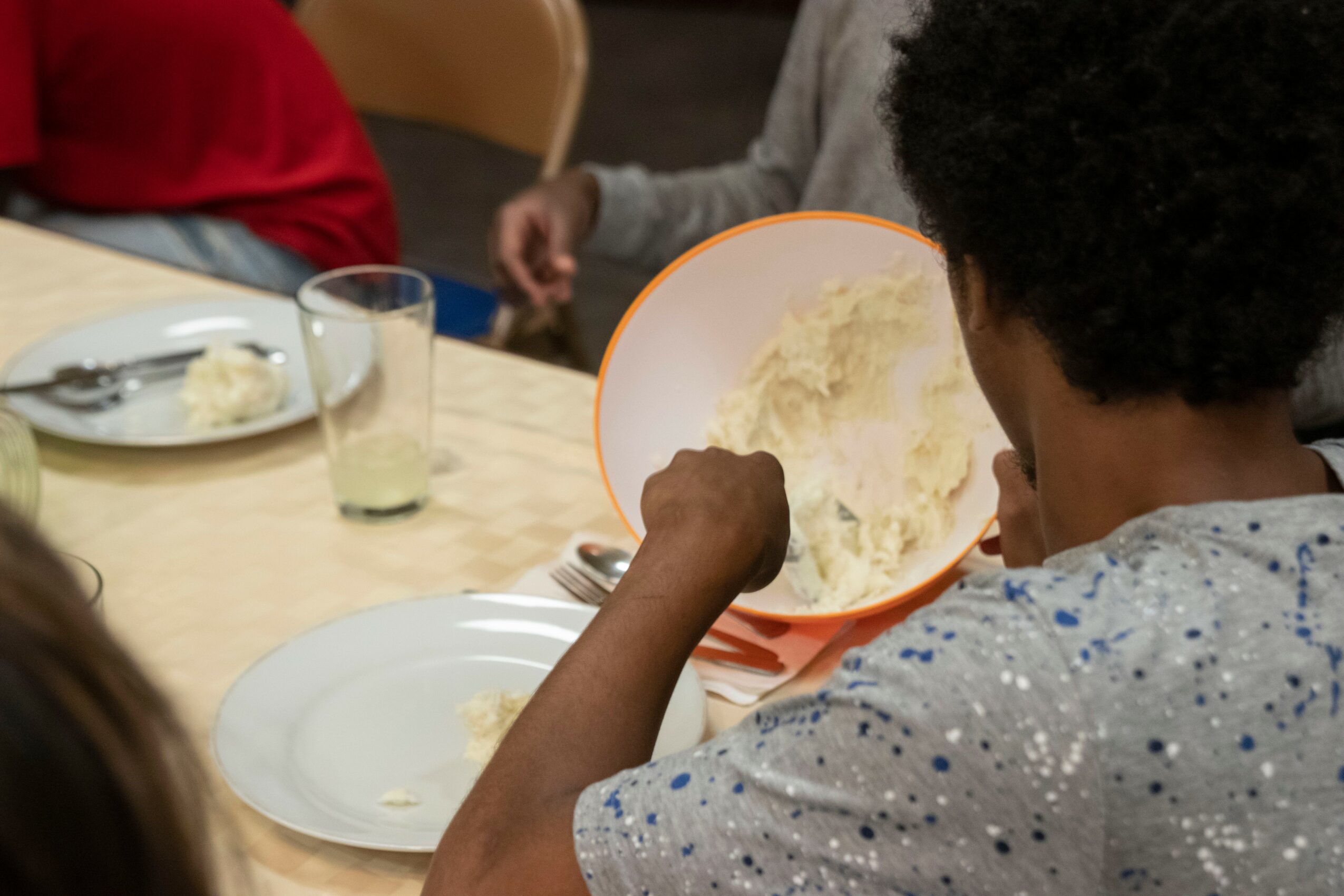
We are probably most known for Youth Night, Houston’s only evening drop-in center for unhoused youth and young adults. We open our doors at 6 pm where we serve a hot, home-cooked, family-style meal that young people enjoy with peers and Direct Mentor volunteers from the community. After dinner we host an open time where youth can “shop” in Tracy’s Closet for cute and trendy clothes and basic supplies, participate in our creative activity, or engage with one of our various partners who provided HIV/STI testing, ID Document assistance, connections to educational and job opportunities, and mental health supports.
Our Diversion SSO program pairs intensive, client-led case management with financial assistance to help a youth at the “front door” of homelessness through their current housing crisis and towards stability and thriving.
Youth Voices Empowered provides a place and paid stipends for youth interested in organizing and using their voice towards community solutions.
I’m most proud of the way Grace Place can quickly and creatively problem solve barriers or gaps in services for homeless youth and ensure we are always doing so in a way that affirms our youth and their identities. LGBTQ+ youth account for 40% of youth experiencing homelessness, but they often face discrimination seeking services. We opened our doors initially because of a lack of services and healthy adult relationships for LGBTQ+ youth experiencing homelessness. After we were able to distribute over $160,000 of direct cash transfers to youth and young adults during the COVID-19 pandemic and Winter Storm Uri in 2021, and due to the positive relationships we’d built with our youth, The Coalition for the Homeless approached us to plan and participate in a Youth Homelessness Demonstration Period with HUD. This allowed us to launch our Diversion Supportive Services program.
Several things set us apart:
– we are the only evening hours drop-in center in Houston. This means that the youth who may otherwise not be able to seek services during the day can access a hot meal, essential needs, and connections while still doing the things they need to do during the day.
– Our harm reduction framework – Montrose Grace Place services are designed to reduce the harm youth face while experiencing homelessness, not dictate how we think they should live their lives.
– Our Direct Mentors who eat create and maintain healthy relationships with youth, modeling health boundaries. There’s so much you can learn about a person and really understand them over a shared dinner.
– The way we incorporate youth voice. Youth Voice drives our work, and through direct conversations we take feedback about everything from the meals, to the activities, to what we put in the closet. Each quarter we host a town hall for any youth who want to come provide feedback on our services. Our Youth Voices Empowered program helps to provide leadership development and healing centered group work to youth who want to take a more active role in our community.
Where do you see things going in the next 5-10 years?
I do see the work of homeless services organizations going away from Housing First over the next few years and towards supportive services and mandated sobriety/substance use metrics. HUD recently released guidlines that require communities to cap their Permanent Supportive Housing (PSH) at 30%. Houston’s homeless response relies heavily on PSH at well over 65% of our HUD funding supporting PSH – this is why we’ve been able to decrease chronic homelessness in our community. Many people will not be able to shift to Transitional Housing, which provides only one year of housing.
I also believe LGBTQ+ youth are going to suffer worse outcomes as it relates to mental health and homelessness as this administration attacks them, criminalizes families attempts to affirm their children, and erases the ability to report on gender and sexual orientation in youth homelessness data at a federal level.
Contact Info:
- Website: https://www.montrosegraceplace.org
- Instagram: https://www.instagram.com/montrosegraceplace
- Facebook: https://www.facebook.com/MontroseGracePlace
- Youtube: https://www.youtube.com/@MontroseGracePlace