
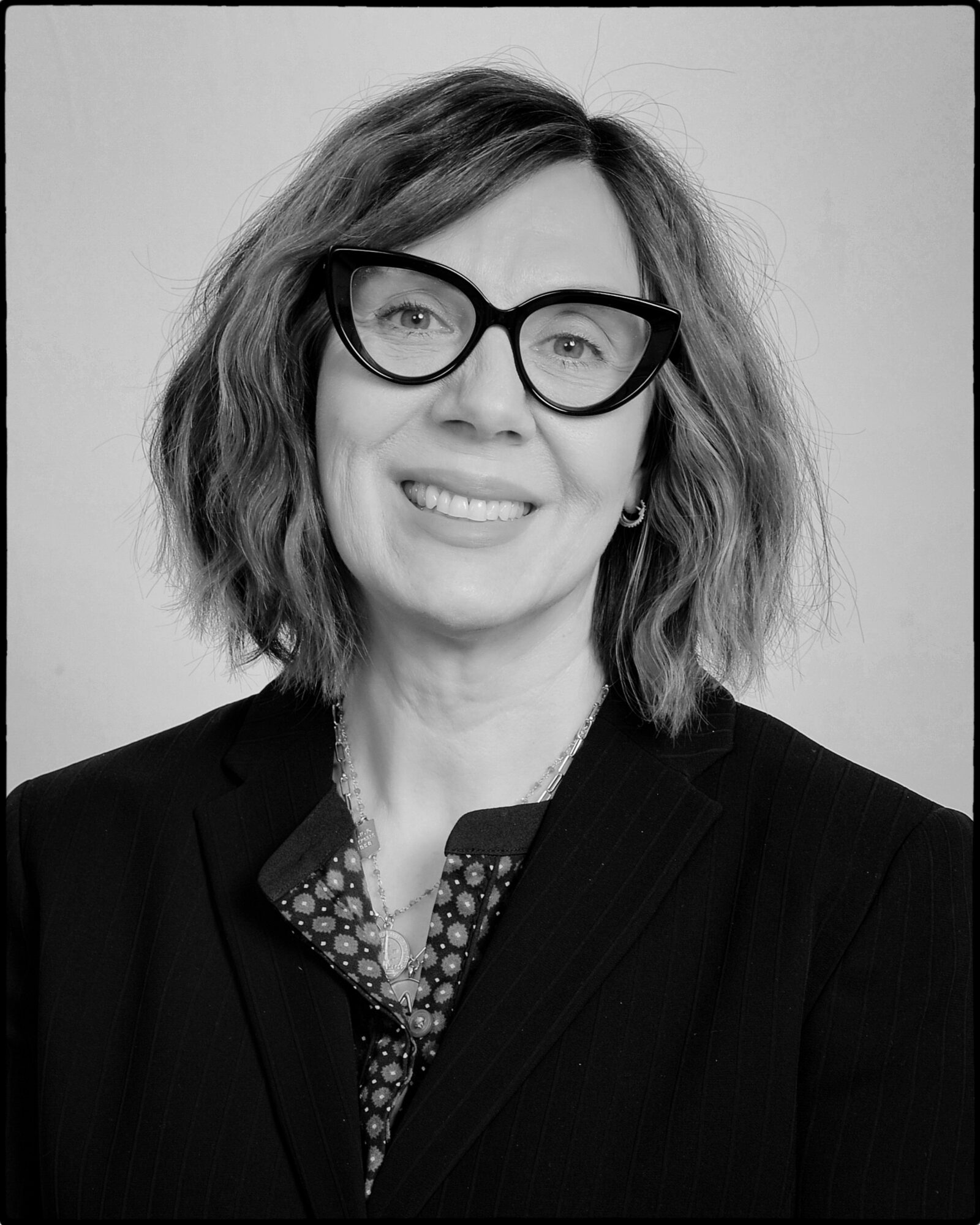
Today we’d like to introduce you to Ana María Caula.
Ana María, we appreciate you taking the time to share your story with us today. Where does your story begin?
I grew up in Caracas, Venezuela, oriented by the Ávila, a huge, green mountain that anchors the city, and somewhat disoriented by a household of Argentine parents who tried to reconcile, under one roof, Havanna alfajores with homemade quesillo, the Argentine vos with the Venezuelan tú, and Gardel’s El día que me quieras with Venezuela’s Alma llanera. I studied literature at the Escuela de Letras at the Universidad Central de Venezuela, then completed a doctorate in Latin American Literature and Spanish Linguistics from the University of Pittsburgh, and taught for eighteen years at Slippery Rock University, where I chaired the Department of Modern Languages. Throughout those years, I drove 120 miles a day, 60 each way, to get to campus.
In 2022, fleeing both the long northern winters and that highway, I decided to close the chapter of full-time academia. My husband, our two dogs, and I moved to Houston. I teach part-time in the Department of Hispanic Studies at the University of Houston. Soon after arriving, I completed the “Photography Foundations Certificate” at the Houston Center for Photography, and I continue to take workshops in writing and photography. The rest of my time I devote to my family, scattered across several U.S. cities, and to keep searching, the way I did as a child, for ways to weave together geographies, cultures, languages, and ways of seeing.
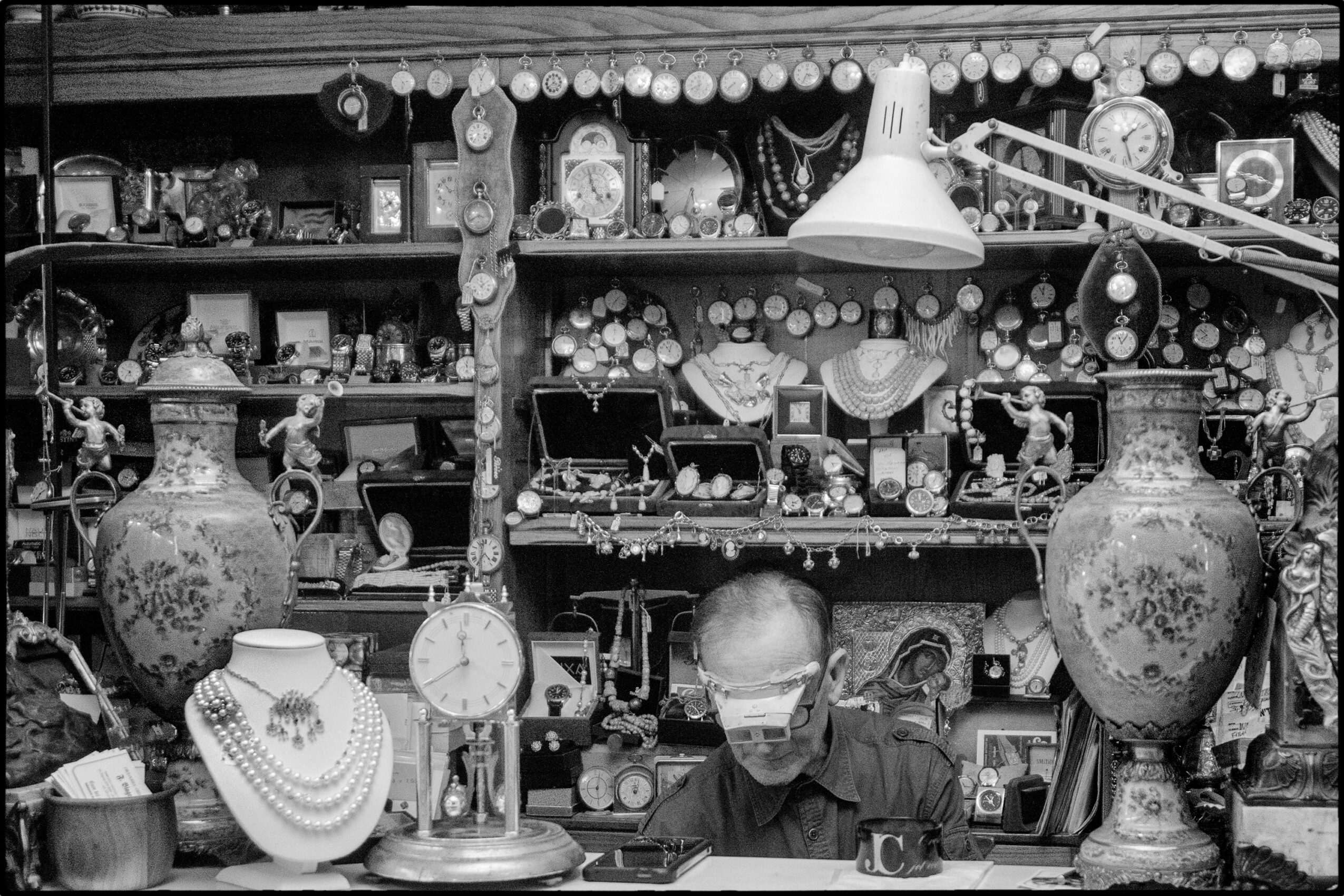
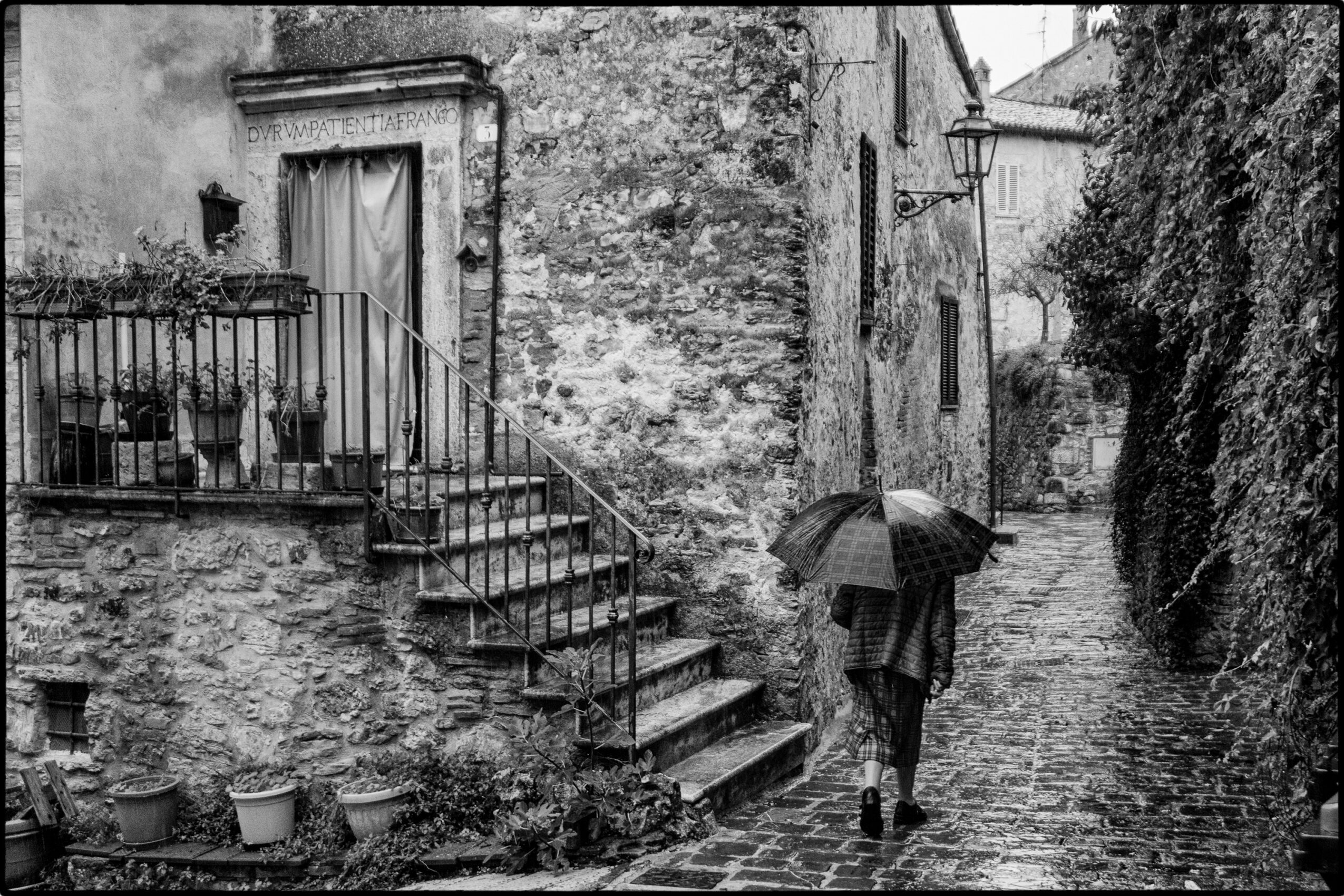
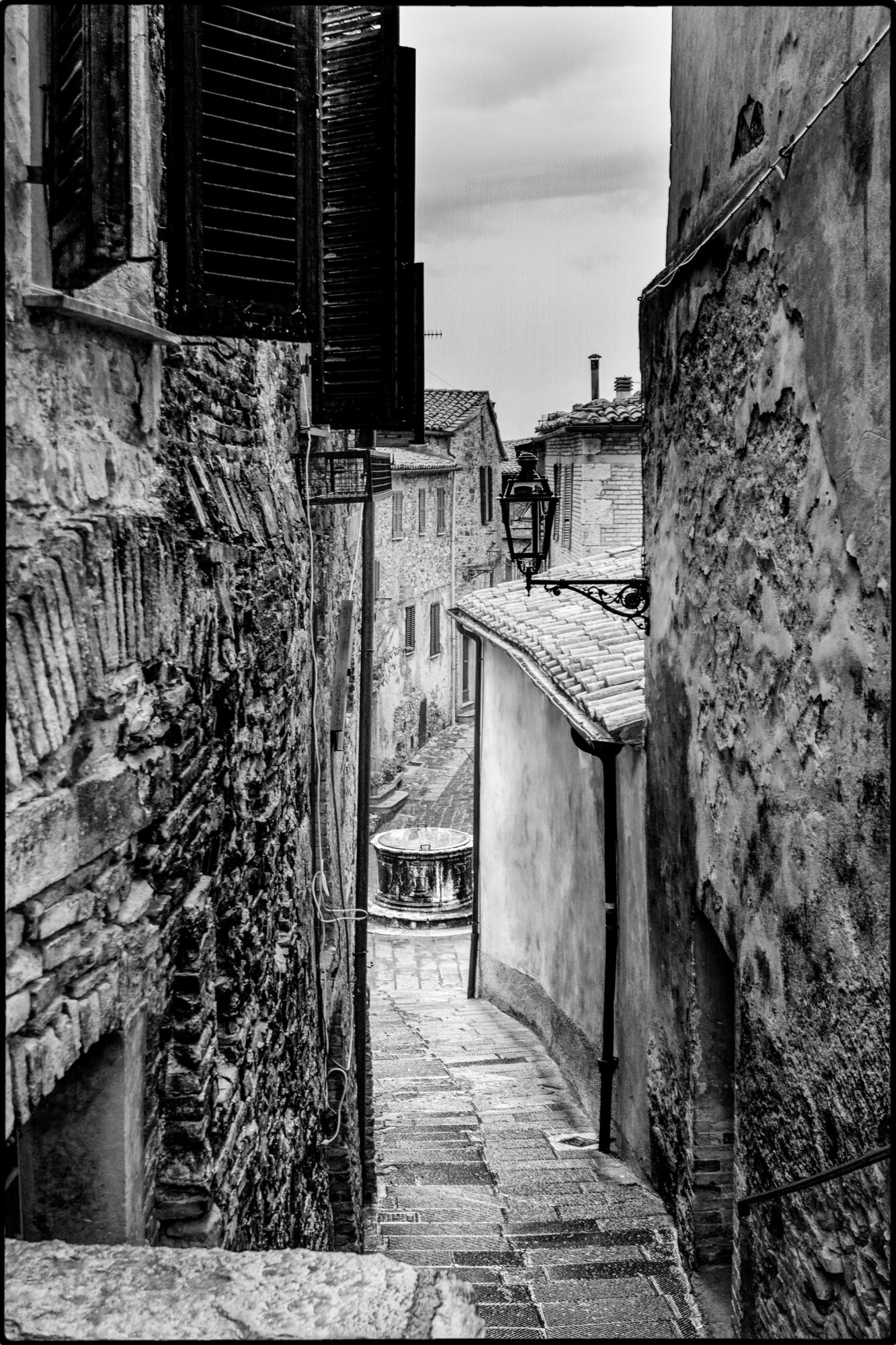
Photography came late, and through the door of writing. In 2018, a Fulbright Scholar Award took me to Buenos Aires for three months. There, in the archives of the city’s Museum of Immigration, I discovered that my great-grandfather, Francisco Caula, had left Italy and arrived at that same port in 1887 aboard the Perseo, the same ship that, just a year earlier, had brought Argentina’s last cholera epidemic. His was the first of many migrations that would follow in my family, across Cuba, Venezuela, Spain, Ecuador, and the United States. Learning this changed the way I understood my own identity: migration, I came to see, was less something I had done than something I had inherited. Out of those months in Buenos Aires came El álbum incompleto (The Unfinished Album), my first photobook. It was a finalist for the Premio Publicación Latinoamericano La Luminosa-FELIFA 2025, and in 2026 was published in Houston by Literal Publishing. That same year, the book’s archival material also became an interactive exhibition at Serrano Gallery, a “Participating Space” of the FotoFest 2026 Biennial. Years later, that same discovery sent me to Italy, this time with a camera in hand, in search of the country my great-grandfather had left. From that second journey came Cose del Passato, a photographic series whose title is borrowed from a small clockmaker’s shop in San Casciano dei Bagni; the shop’s owner, indulging my Duolingo Italian, told me his family had repaired clocks there for generations.
We all face challenges, but looking back would you describe it as a relatively smooth road?
Coming to photography mid-life, after a long academic career, implied a lot of learning. I am not a young woman with a camera at twenty; I am a reader who is still learning, and who now wants to read images and tell stories with them.
Working from the archive, and particularly from a family archive, made by people I loved and lost, raised real questions: about voice, authorship, and the responsibility of someone who is now gathering, and using both my own images and those made by others. The work asked me to be careful with the images that are not mine, and meaningful with those that are.
And then there is the condition of the diaspora. I am a Venezuelan working from Houston, with no possibility, at present, of returning to live in Venezuela. Much of my material is still in a country that is difficult for me to visit. I have lived in the United States for more than thirty years, but, like most who have emigrated, I still sometimes feel foreign here, and when I return to Venezuela, I struggle to feel that I belong in the way I once did. My work and my gaze are shaped by that distance, in complicated ways, but ones that have also widened my view of the world.
Can you tell our readers more about what you do and what you think sets you apart from others?
I work in two languages: photography and writing. What interests me is the space where they accompany, contradict, or complete one another, to say what neither alone can. I prefer small stories to big History. The details that survive often tell us more about a time than the official version.
El álbum incompleto gathers fragments of personal and collective history between Argentina and Venezuela through memory, research, and affection. It was developed by a team of three Venezuelan women: Gisela Viloria designed the book, Johanna Pérez Daza, curator and scholar of Venezuelan photography, handled the editorial coordination, and I wrote the essays. Johanna and I also curated an exhibition based on the archival materials used in the book. The exhibition is not only photography: it weaves together materials, objects, and texts to evoke the texture of an analog and seemingly prosperous Latin America. The result is an unconventional way of telling the story of a family.
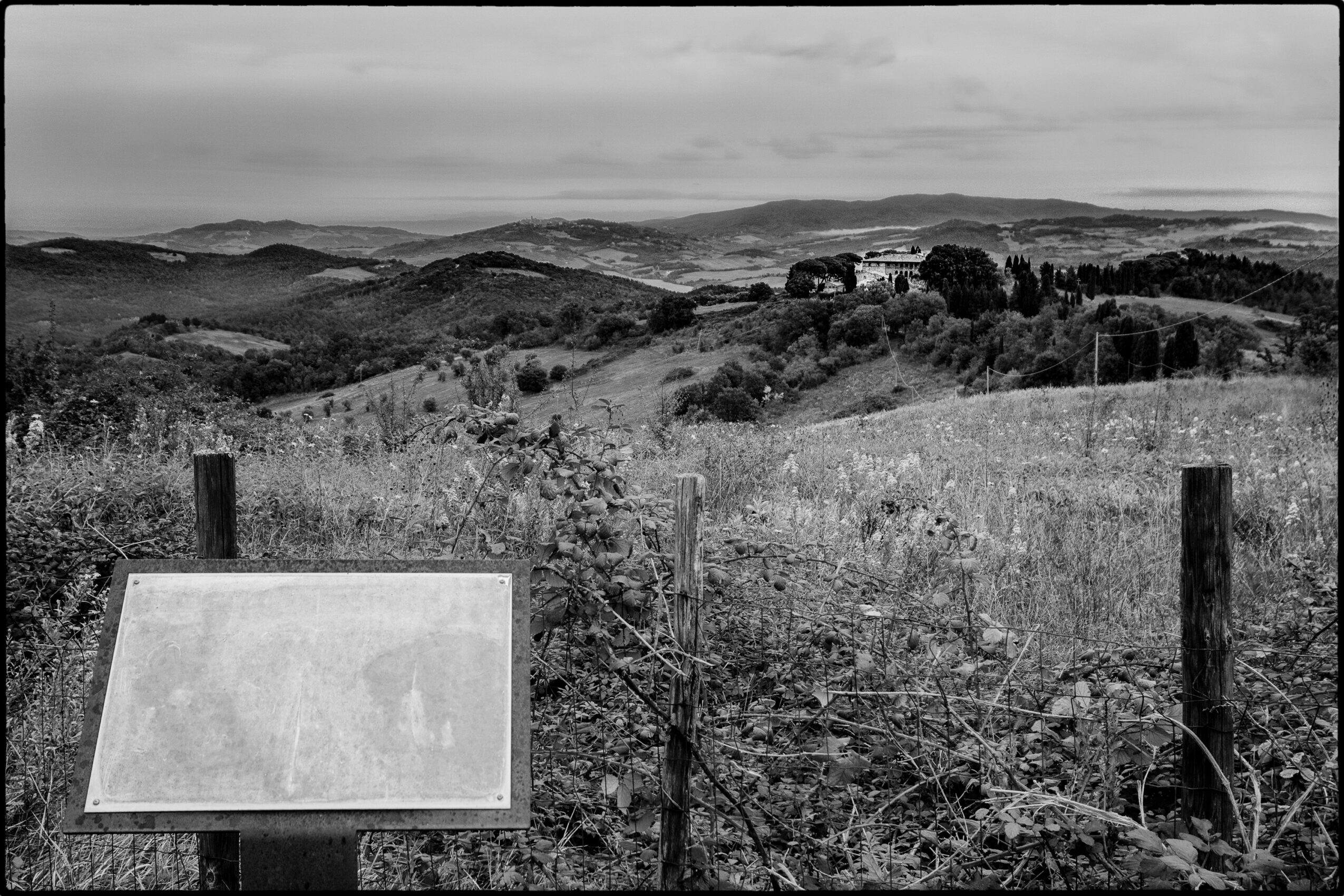
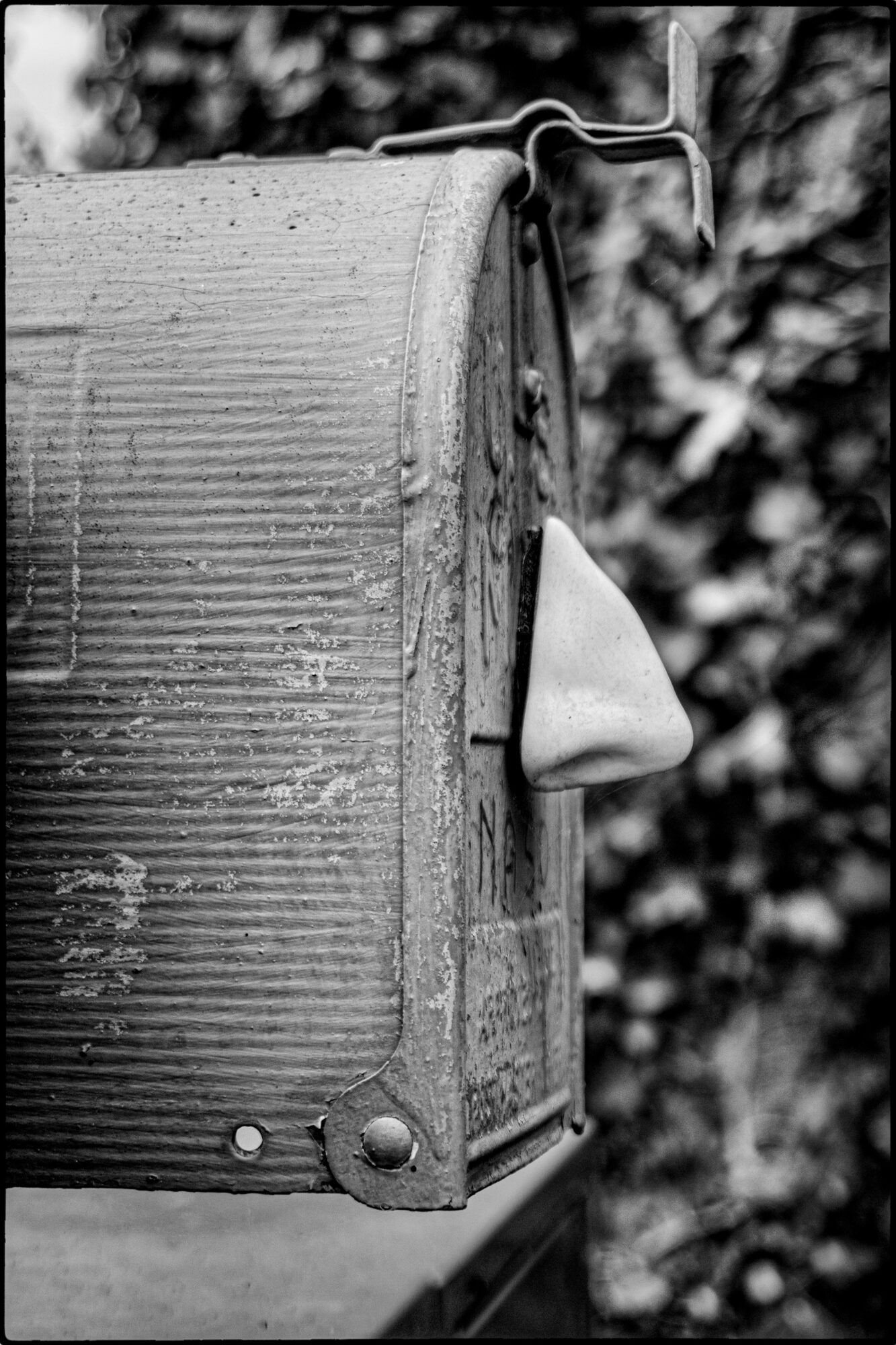
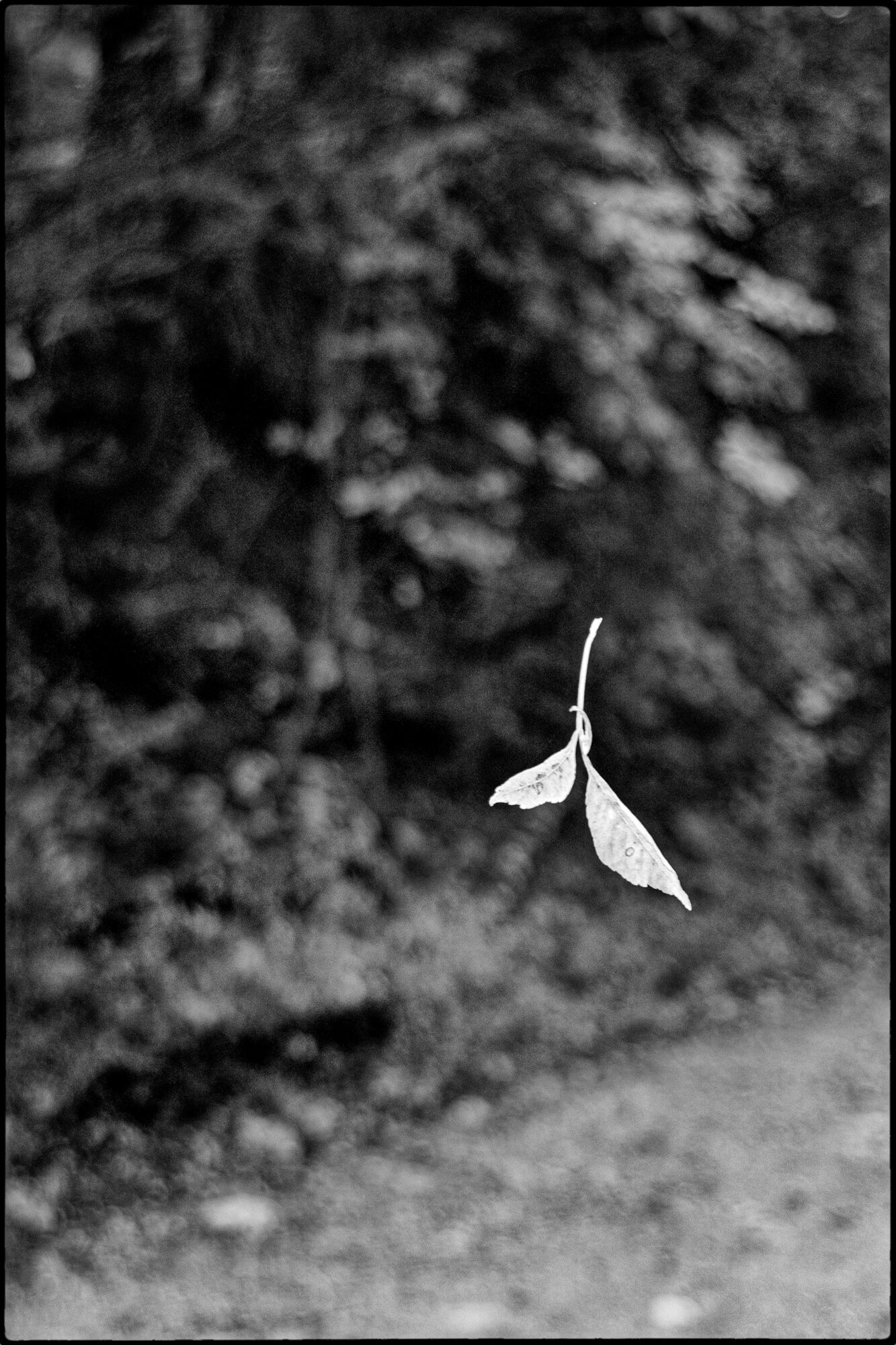
Cose del Passato, the photographic series I made in Italy, traces in the landscapes the pasts I never lived but that inhabit me: my great-grandfather’s departure from Italy in 1887, and the generations of migrations that followed. The work moves through fog-veiled paths, half-open doors, objects out of place, fragments that seem to share a common memory. It is less a portrait of Italy than of the layered identity it helped me see.
In parallel, I am preparing Juegos de niña (Girl’s Games), a book of short stories in which childhood games are not only memories but living structures that continue to operate in adulthood. Each story departs from a game, the Rubik’s cube, hide and seek, the Ouija board, to speak of what adult life does not always allow us to look at directly. The protagonists do not play out of innocence, but to process what they have lived, to resist what is imposed on them, and to narrate fragments of their lives. In these stories, playing becomes ritual, code, refuge, a way of surviving.
I am also beginning a new long-term project that places Fredericksburg, Texas, in dialogue with La Colonia Tovar, in Venezuela: two German towns founded almost simultaneously in the nineteenth century, on opposite ends of the Americas. The project blends new photographs with archival material and asks what it means for a place to remind you of another to which you cannot easily return, and what it has meant, for these communities of Germans who left their country and settled in another, to negotiate which parts of their identity and customs to keep, and which to let go.
The same questions keep coming to me: memory, migration, loss, and what it means to belong. I keep returning, too, to childhood, not as a time of innocence but as where we first become who we are, where our curiosity and our first fears take shape together. That curious, free way of seeing still runs through what I write and what I photograph.
If you had to, what characteristic of yours would you give the most credit to?
• Patience. Archival work does not respond to deadlines.
• Bilingual attention. I work between Spanish and English, between words and images.
• A child’s gaze. Fresh and playful.
• Tenderness toward the material. The photographs I first began to work with were made by someone I loved and lost. My connection to photography is, for that reason, deeply personal and intimate.
• A preference for questions over answers.
Contact Info:
- Website: https://www.anacaula.com
- Instagram: @anamariacaulaq