


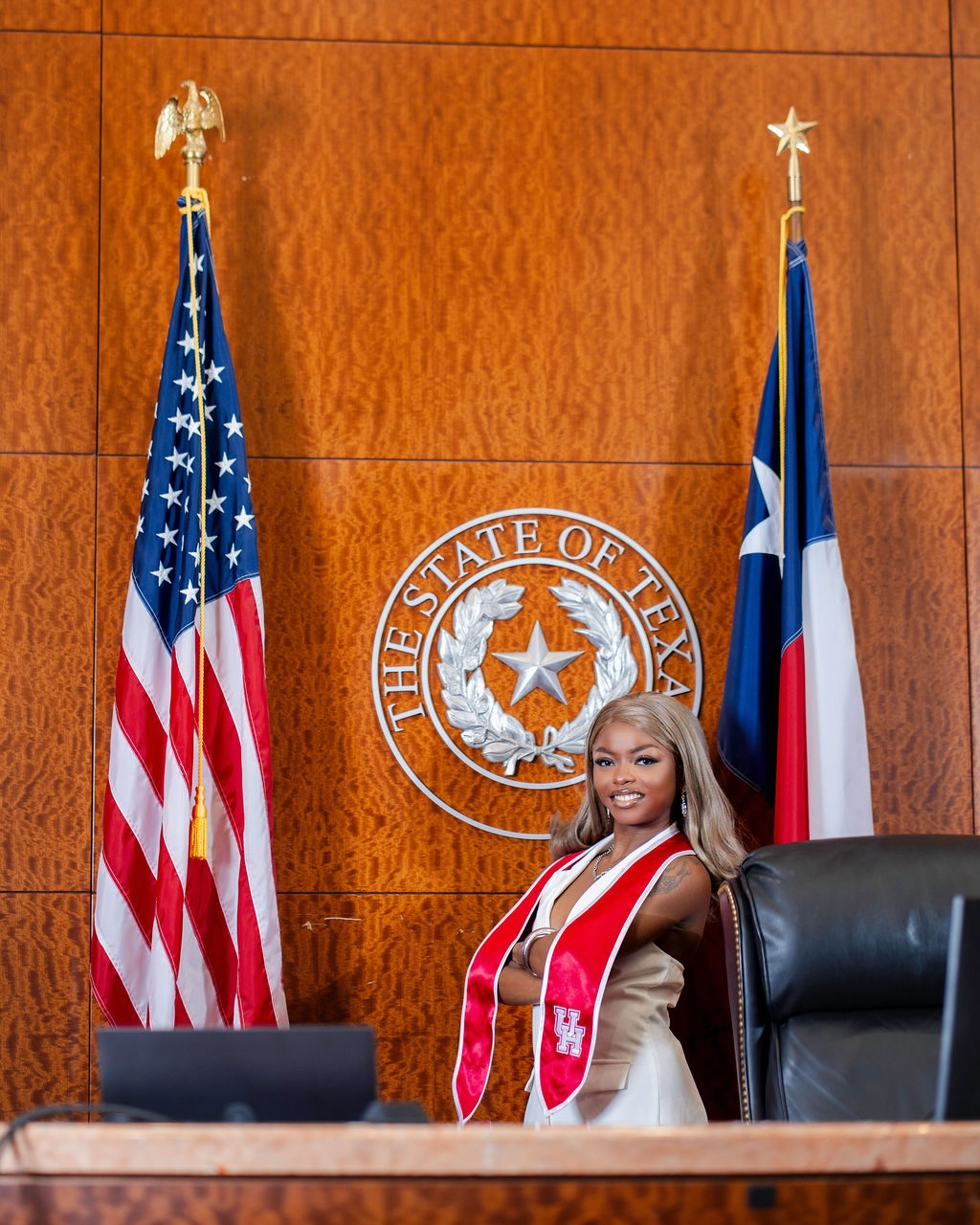
Today we’d like to introduce you to Ilana Janniere.
Hi Ilana, can you start by introducing yourself? We’d love to learn more about how you got to where you are today?
I’ve always found comfort in being creative and multifaceted.
When I was nine years old, I wrote and illustrated my first fiction book. Even then, storytelling was how I made sense of the world. As a child, I was bullied, and instead of shrinking, I turned inward—finding refuge in books, art, fashion, and music. But those experiences didn’t take away my voice; they strengthened my desire to advocate for others. Around that same time, my third-grade teacher told me I would make a great attorney one day, and I held onto that vision.
Growing up in a predominantly white neighborhood, I often felt pressure to conform to what others thought a Black woman should be. But as I got older, I began to reject those expectations and lean into authenticity. I realized that my creativity didn’t just have to exist for expression—it could also carry meaning, tell stories, and advocate for change. That’s when I started using social media and art as tools for advocacy.
At 16, I attended my first Black Lives Matter protest, and it changed everything. It gave me a deeper sense of purpose and solidified my commitment to serving my community. When I went off to college, I had one goal: to create impact and become the kind of representation I didn’t see growing up.
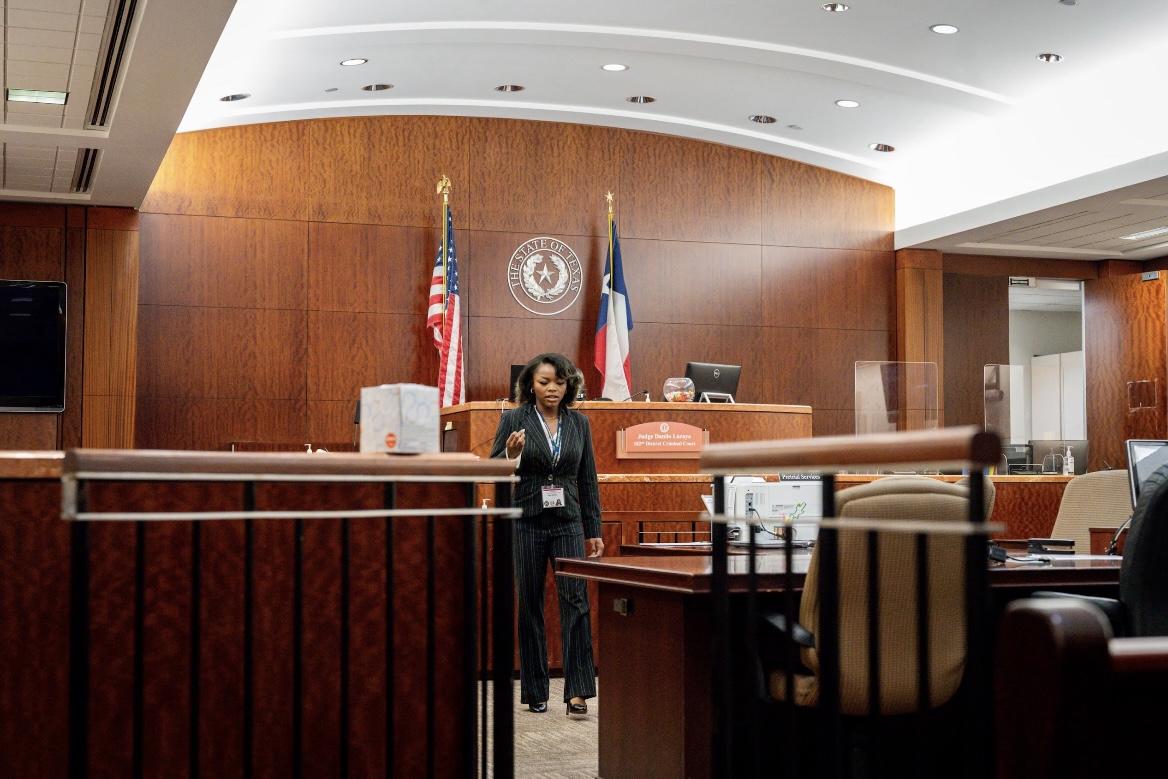
My journey hasn’t been perfect—and that’s exactly the point. I want people to understand that you don’t have to be perfect to achieve your goals. At 19, I walked into my first internship at the Harris County District Attorney’s Office feeling completely unqualified. But I held onto something my pastor always said: “God doesn’t call the qualified—He qualifies the called.” Over time, I proved to myself and to those around me that I belonged. I even placed second in an argument competition against law students—something that surprised everyone, including me.
That experience introduced me to the intersection of media, law, and politics, and helped me refine skills I had been building since high school. For the first time, I wasn’t afraid to speak up. I felt powerful in my voice.
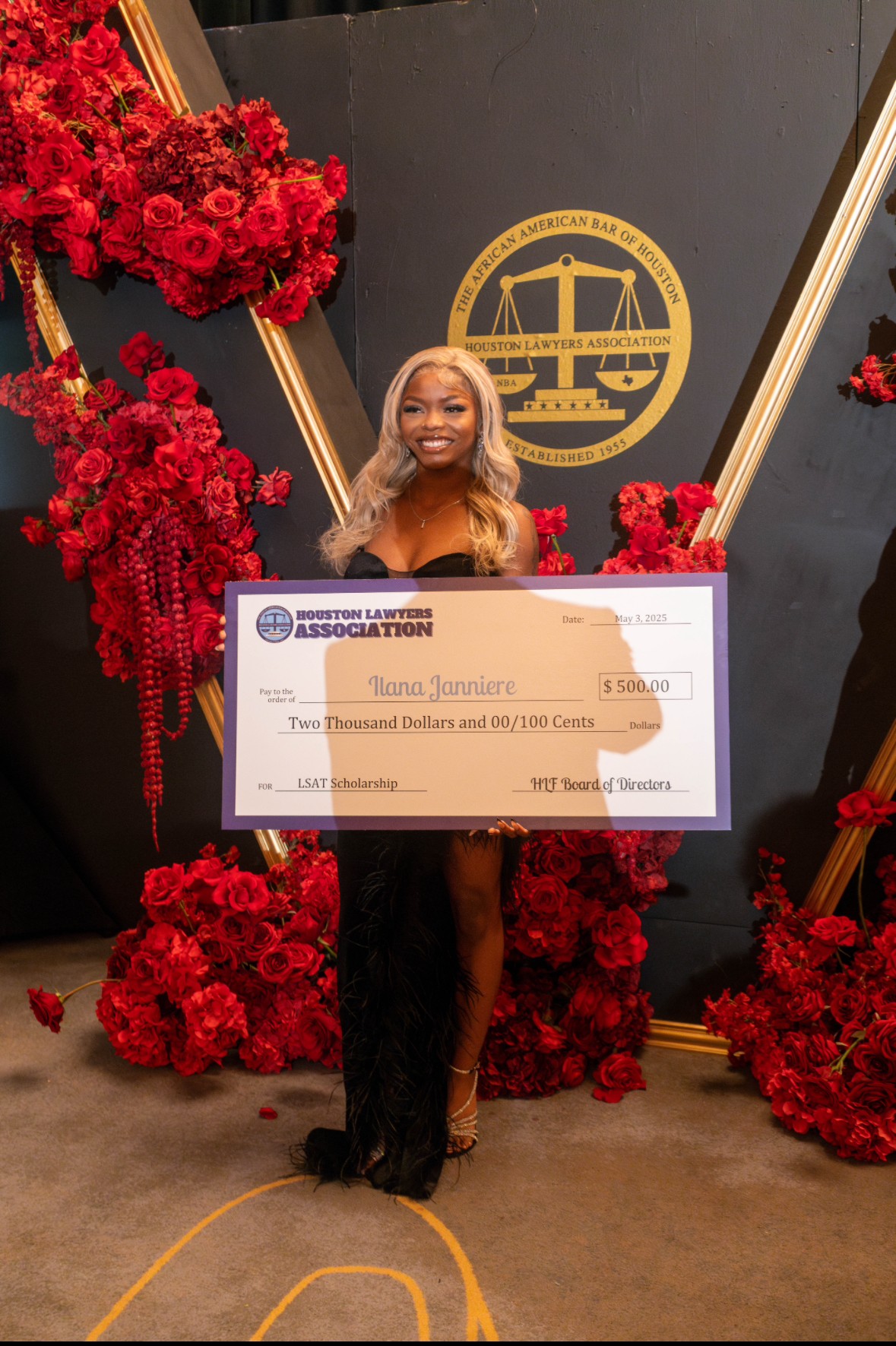
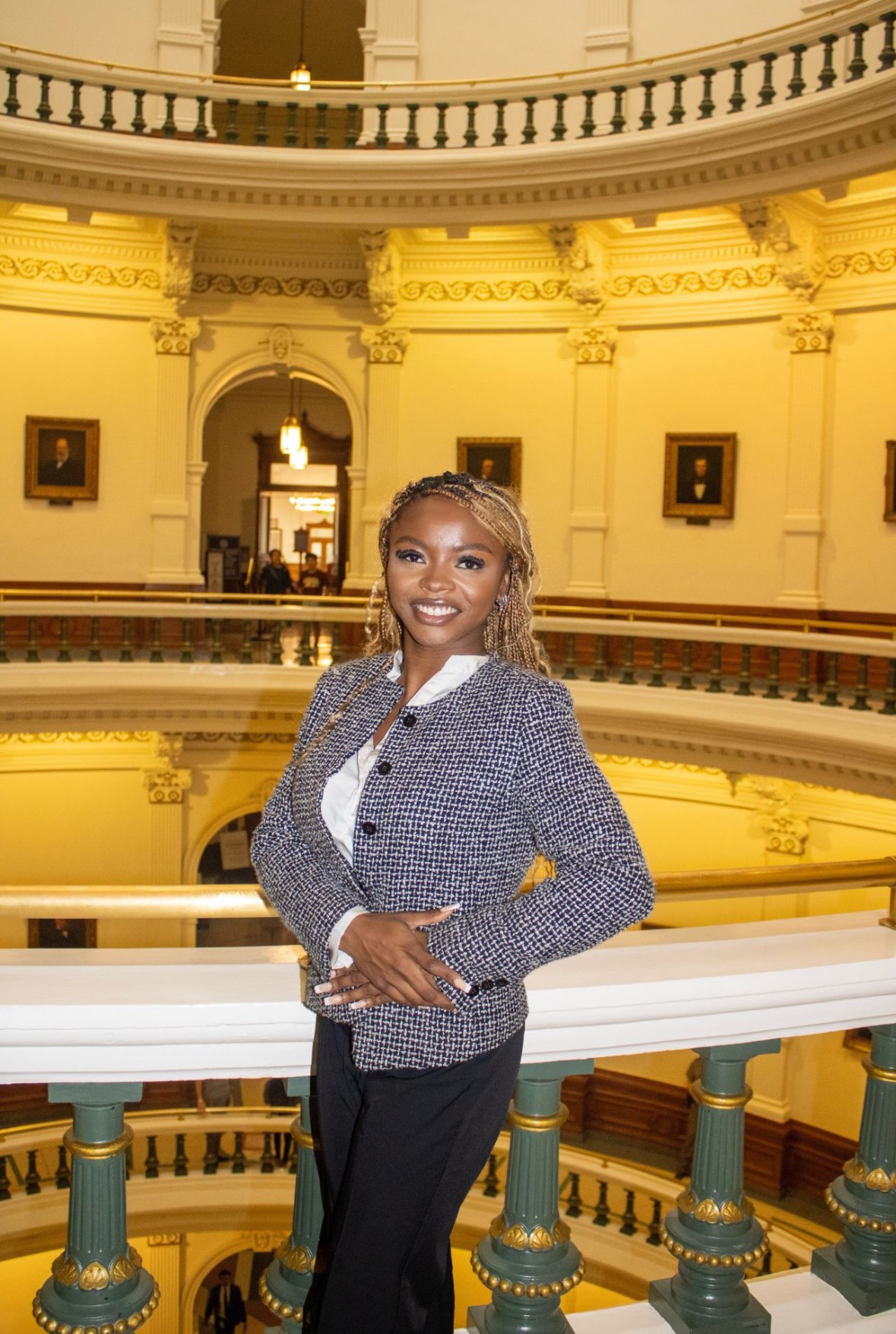
At 21, everything began to come full circle. I went to the Texas State Capitol with the Houston Black Democrats to advocate for student safety. Through my involvement, I also began creating content to bring more awareness to local politics—work that contributed to the organization opening student membership for the first time ever. That same year, I expanded my photography work to include public figures, including Congresswoman Jasmine Crockett. At 22, I became the first undergraduate recipient of a scholarship from the Houston Lawyers Association in its 70-year history. That moment showed me that no door is truly closed—it just hasn’t been opened yet.
Not every moment was a win. I was denied an apprenticeship I had hoped for—but that rejection led to something better. A mentor of mine, Traci Gibson, saw my potential and offered me a full-time position instead. It was a reminder that sometimes what feels like a setback is actually redirection.
Today, at 22, I can confidently say I’ve stepped into rooms I once thought were out of reach—and I’ve earned my place in them. But more importantly, I’ve learned not to disqualify myself before I even begin.
It took time to find my voice, my confidence, and my purpose. Now, I’m not only comfortable in these spaces—I’m excited for what’s next, and for the impact I’ll continue to make.
Would you say it’s been a smooth road, and if not what are some of the biggest challenges you’ve faced along the way?
It hasn’t been a smooth road—and I don’t think it was ever meant to be.
I’ve faced depression, imposter syndrome, and moments where I questioned whether I truly belonged in the spaces I was stepping into. But I’ve learned to reframe those thoughts. I’m in these rooms for a reason—not just for myself, but for the younger version of me and for every young Black girl who needs to see that her voice, her presence, and her work matter. And if someone doesn’t see your potential right away, you keep going until they wish they had.
My journey really shifted in 2020. I was 16, trying to make sense of emotions that felt heavier than what others around me seemed to experience. That same year, during lockdown, my mom became seriously ill due to heart issues. Being isolated at home while dealing with that fear took a major toll on my mental health. But in that stillness, I also started discovering myself—my passions, my voice, and my purpose. I turned to art as an outlet and became more vocal about the disparities I saw in my community. That was the beginning of everything.
I started college at DePaul University in Chicago, but I felt stuck—like I was moving without direction. Being in the same environment I had always known didn’t push me to grow. So I made a decision that changed my life: I transferred to the University of Houston, moving to a new city where I didn’t know anyone and had no family nearby. It was the first time I was truly on my own, building something from the ground up.
That transition wasn’t easy. During my sophomore year, I hit one of my lowest points and ended up on academic probation. I went from being an honor student to being at risk of losing everything I had worked for. At the same time, my mom’s health was still unstable, and mentally, I felt like I was carrying everything at once.
But I refused to let that be the end of my story.
I leaned into my faith, found small reasons each day to keep going, and slowly began rebuilding. The very next semester, I made the Dean’s List and secured my first college internship at the District Attorney’s Office. That moment was a turning point—it reminded me that setbacks don’t define you, your response to them does.
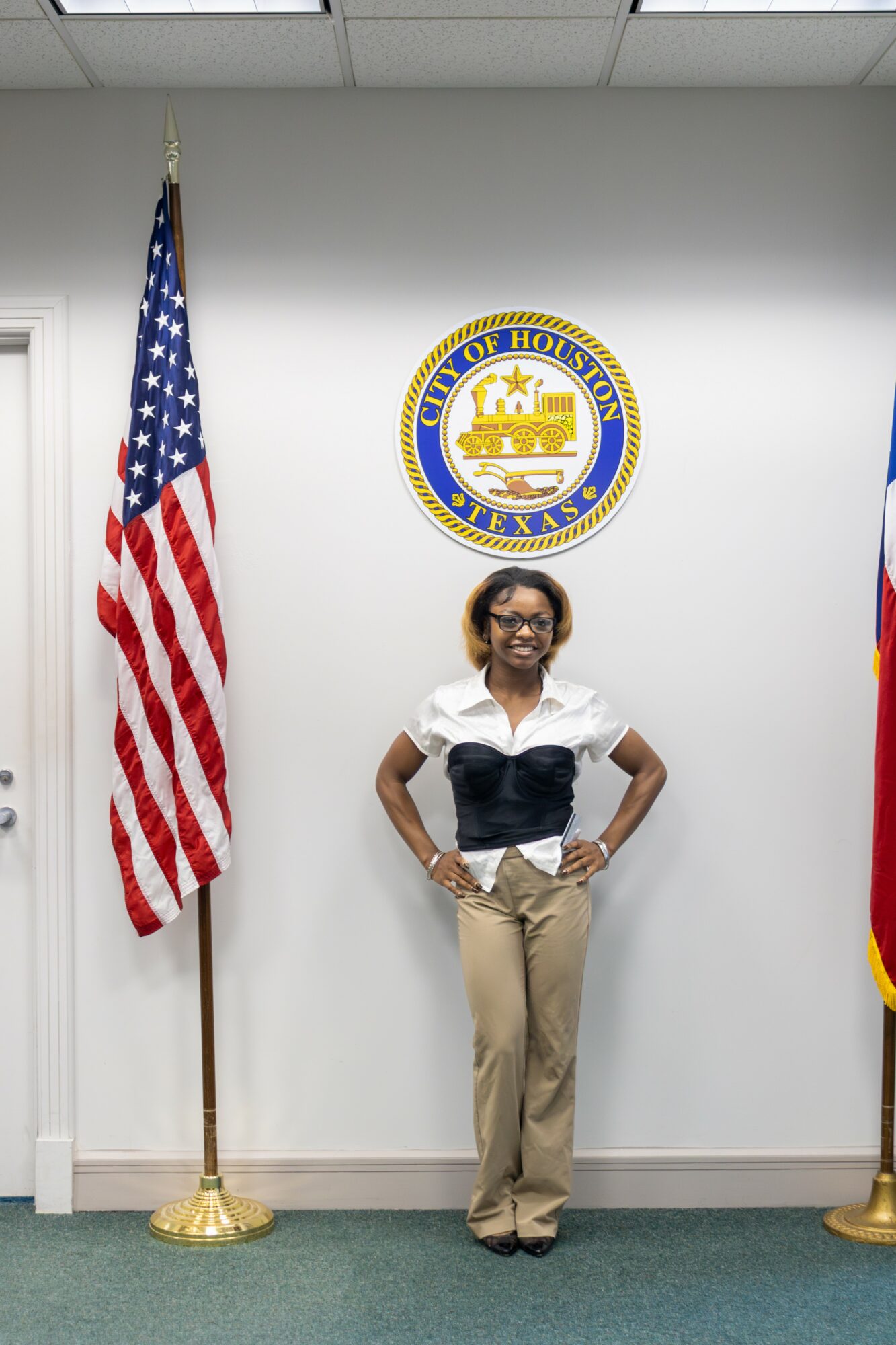
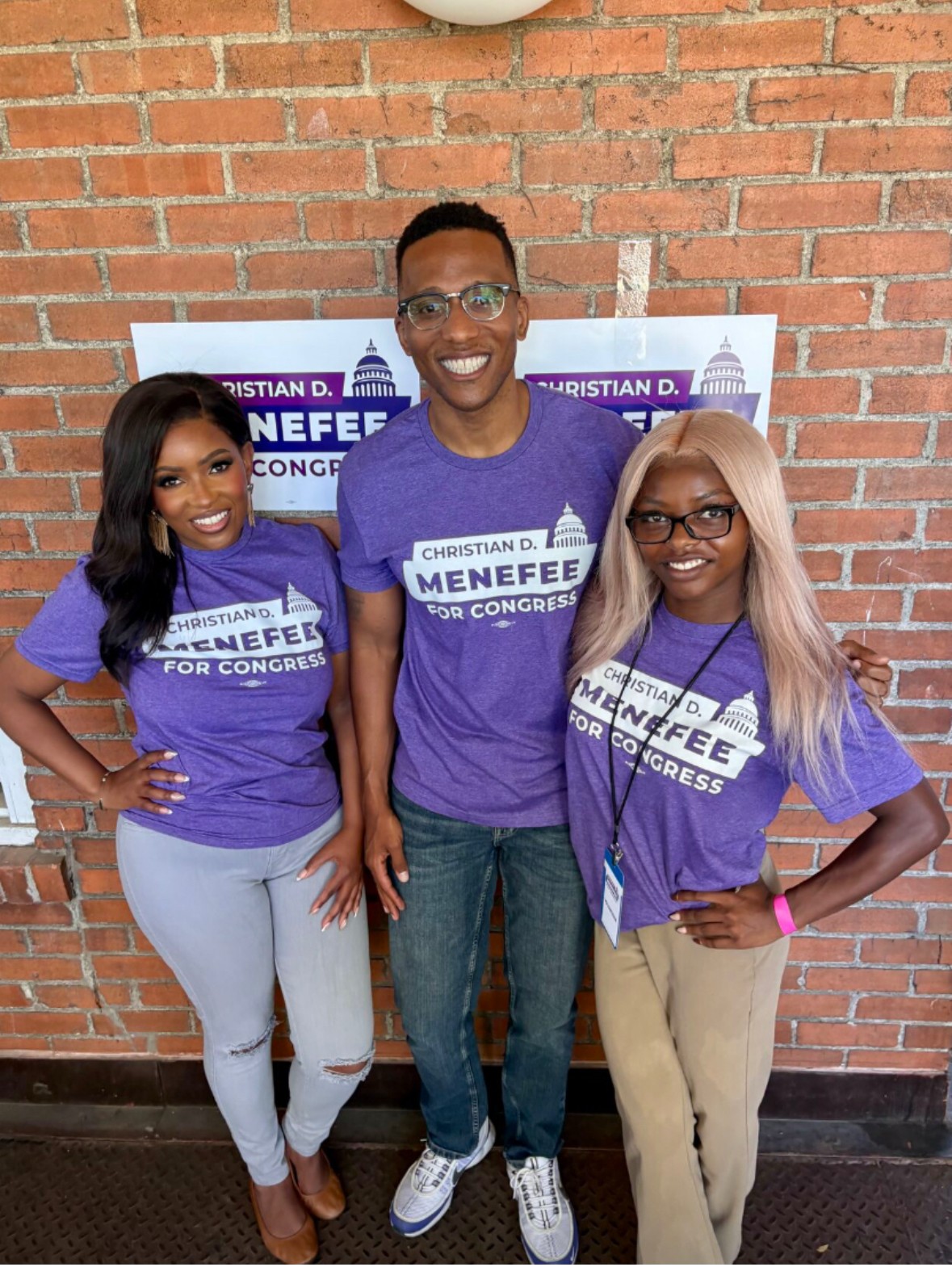
And the challenges didn’t stop there. During my junior year, right as I was gaining momentum—interning at the Mayor’s Office and growing my photography business—my car was stolen at the end of the semester. It felt like another setback at the worst possible time. But by then, I had built a mindset rooted in persistence. I finished my internship, secured a summer position with my department and as a campaign intern for Christain Menfee and continued expanding my business, turning difficult moments into motivation.
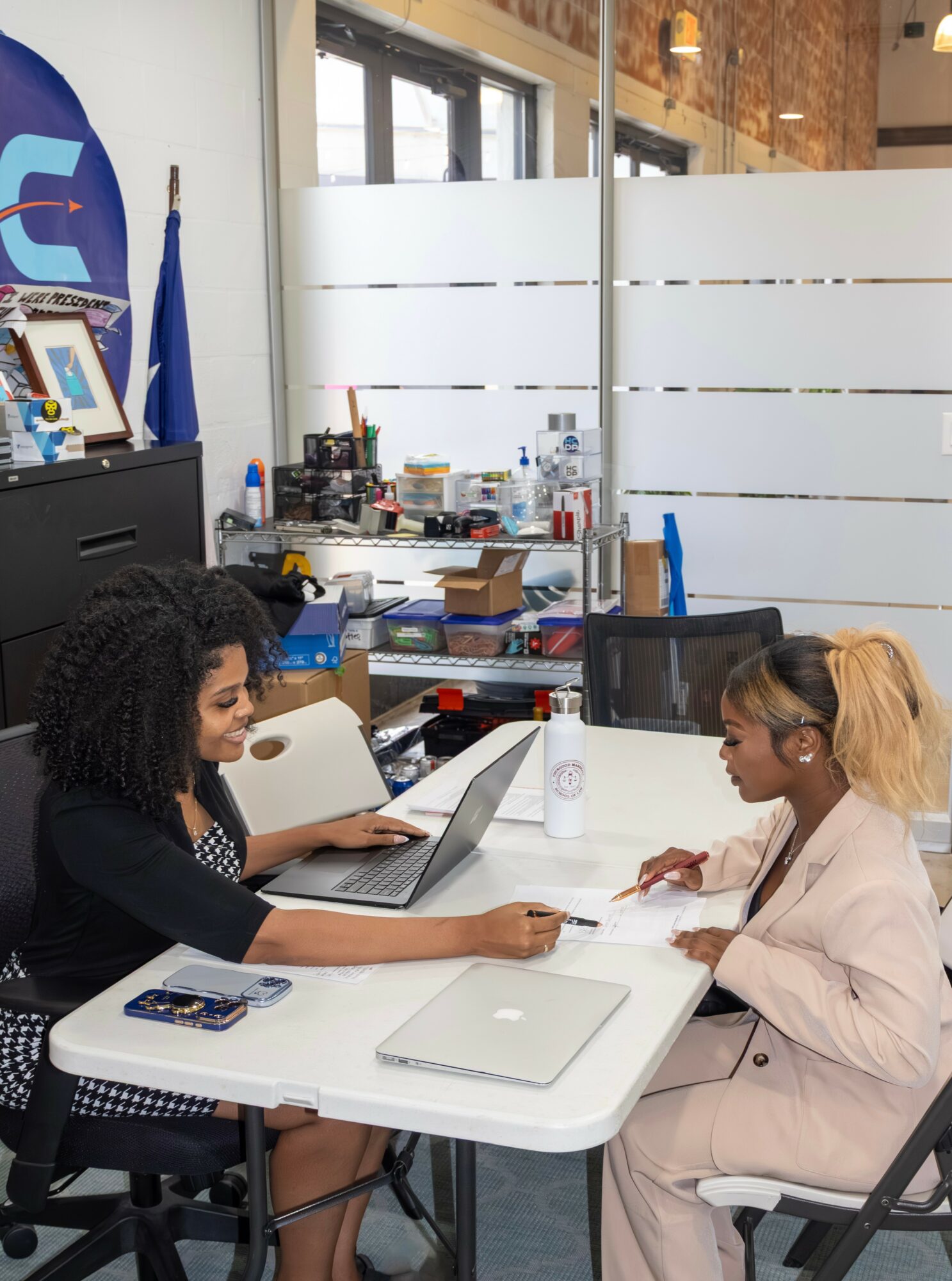
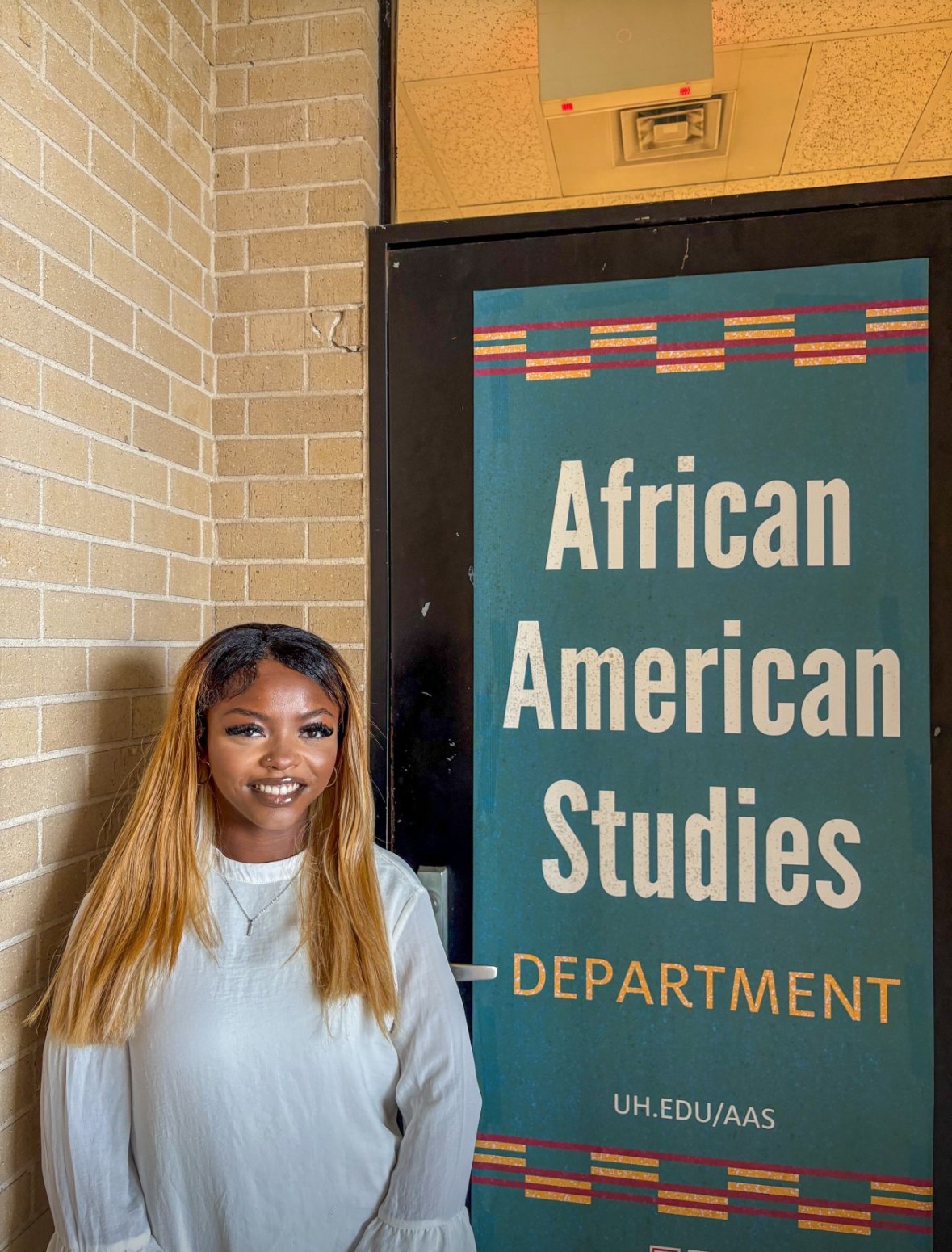
Today, I’m a graduate of the University of Houston with a Bachelor of Arts in Political Science and a minor in African American Studies. I’ve accepted a full-time position with the Harris County Democratic Party as an Election Associate, while also securing an eight-month contract for my photography business with a nonprofit political organization.
Every obstacle I faced shaped me into the woman I am today. They taught me resilience, discipline, and purpose. More importantly, they showed me that my experiences aren’t just mine—they’re tools I can use to advocate, to create, and to make space for others who are navigating similar paths.
Because growth isn’t about avoiding challenges—it’s about becoming someone stronger because of them.
Thanks – so what else should our readers know about your work and what you’re currently focused on?
I specialize in digital storytelling—using photography, content creation, and advocacy-driven work to capture stories that feel both personal and intentional. My work lives at the intersection of visual art, politics, and representation. Whether I’m behind the camera or developing digital content, my goal is to amplify voices—especially Black voices—in spaces where they’ve historically been underrepresented, including law and politics.
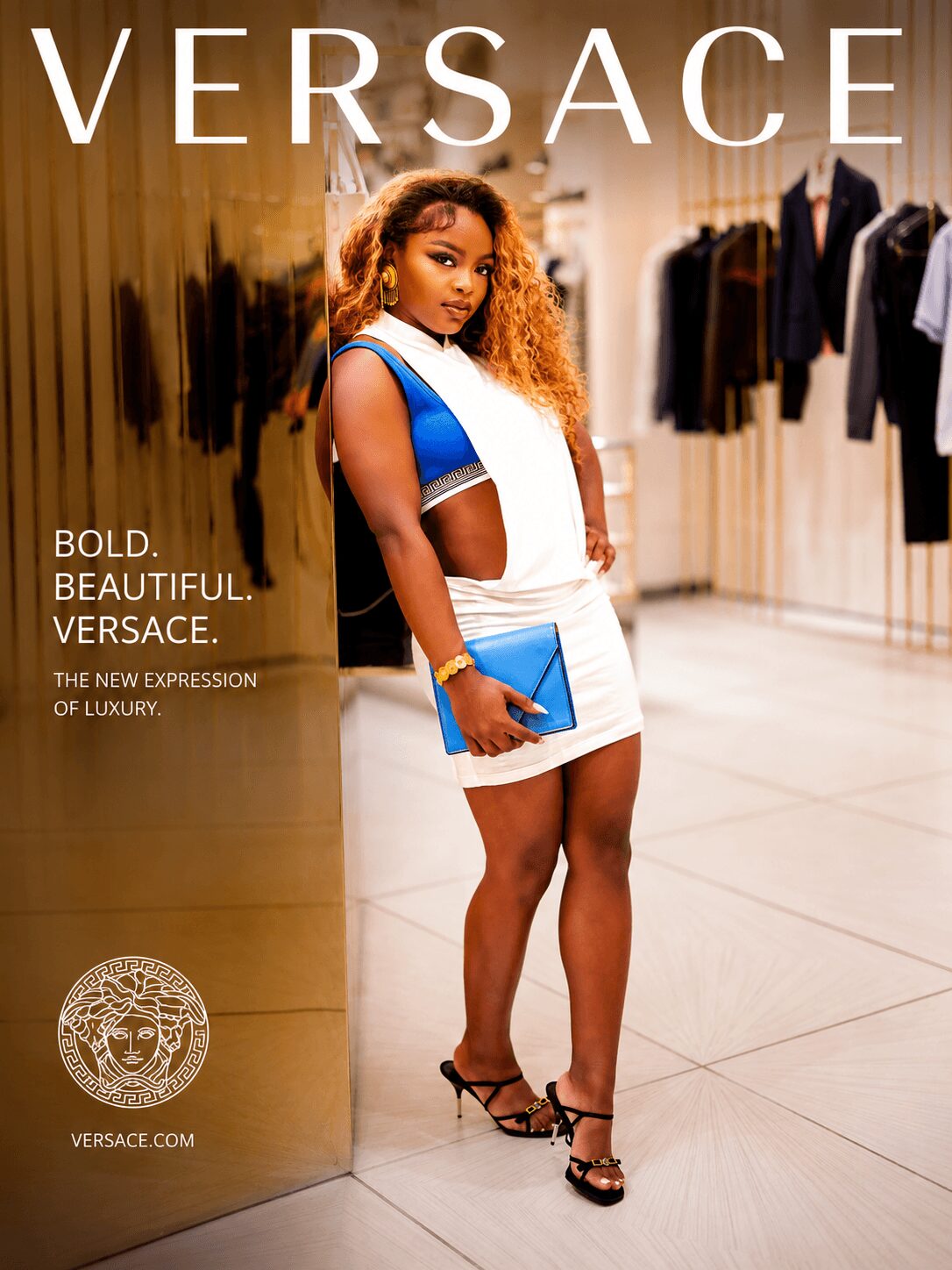
Photography started as a hobby, something I explored while I was also modeling. But once I began to understand the technical side—lighting, composition, storytelling—it quickly became something more serious. I took classes to strengthen my skills, and during my final year at the University of Houston, I started using my network as my first client base. What began as small shoots and content projects for people I knew gradually grew into a steady rotation of professionals who relied on me to visually tell their stories.
That’s how Llani Lens was built—organically, through relationships, consistency, and trust.
At the same time, my work has always been rooted in advocacy. As a Black woman pursuing a career in law and politics, I’m intentional about using my platform to highlight issues that impact my community and to bring a different perspective into professional and political spaces. My creative work isn’t separate from my advocacy—it’s an extension of it.
I’ve always been strategic about integrating my business into every space I enter. During my internships, I contributed creatively while expanding my portfolio. While working with the Mayor’s Office of Education and Youth Engagement, I produced photography and recap videos for social media and contributed to a mental health campaign, combining storytelling with purpose-driven impact.
What sets me apart is how I’ve combined all of my passions into one cohesive path. My experience as a model made me a stronger photographer because I understand what it feels like to be on both sides of the camera. At the same time, my background in politics and pre-law shapes how I approach storytelling—with intention, awareness, and a focus on advocacy.
That combination has opened doors quickly. Within a year of officially launching my business, I secured a contract with a political organization—an opportunity that came from both my creative work and the relationships I built over time.
I’m especially proud of the spaces I’ve been able to enter and reshape. As a Black woman photographer in Houston, I’m part of a group that is still underrepresented. Instead of waiting for opportunities, I’ve focused on creating them—while also making space for others like me. That mindset led me to become the first undergraduate scholarship recipient in the 70-year history of the Houston Lawyers Association. After months of volunteering and contributing my creative skills, I helped demonstrate the value of a voice like mine in their space—ultimately contributing to them opening opportunities for students like me.
I’m not a typical pre-law student, and I’ve embraced that. I’ve learned that when you stand out with purpose—especially when you’re advocating for something bigger than yourself—you don’t just build a career, you create impact. And for me, that impact means ensuring Black voices are seen, heard, and represented in both creative industries and in law and politics.
Can you talk to us a bit about the role of luck?
I used to think I had my life mapped out.
Growing up in a suburb of Chicago, I was surrounded by progressive ideas, but I hadn’t fully stepped into my identity as a Black woman or explored how that identity would shape my future. When I started college, I was confident in my path and what I wanted to pursue. But everything shifted during my sophomore year, when I transferred to the University of Houston.
Moving from the North to the South changed more than just my environment—it changed my perspective. Houston introduced me to a completely different kind of energy. It’s a city where people don’t wait for opportunities; they create them. The culture of hustling, building something for yourself, and navigating multiple career paths at once was unlike anything I had experienced before. At the same time, Houston’s political landscape and cultural diversity pushed me to think more deeply about where I fit in and what I wanted my career to look like.
Since arriving in 2022, I’ve watched Houston’s creative community grow year by year, and I found myself right in the middle of it. Looking back, I can honestly say that luck has played a role—but not in the way people often think. My “luck” came from being in the right rooms at the right time. It came from meeting people who saw something in me before I fully saw it in myself.
The mentors I’ve connected with have been pivotal. Without them, many of the opportunities I’ve had wouldn’t exist. After graduating in December 2026 with a degree in political science—during one of the toughest job markets for that field—I still managed to secure a position working on staff for the county’s party within three months. On paper, that might look like luck. But in reality, it was the result of relationships I had built, including knowing the party chair, who had become one of my mentors.
At the same time, I’ve learned not to see rejection as bad luck. There were moments when I faced a string of denials, and at first, it was discouraging. But each closed door redirected me toward spaces that valued me—not just as a candidate, but as a person with a unique perspective. Those experiences taught me that not every opportunity is meant for you, and that’s not failure—it’s alignment
Today, I’m in a position where I get to pursue multiple passions: photography, entrepreneurship, modeling, politics, and the legal system. That, more than anything, feels like the real stroke of luck—being able to build a career that reflects all the different parts of who I am.
Contact Info:
- Website: https://llanilens.com/
- Instagram: https://www.instagram.com/ilana.joy/
- LinkedIn: https://www.linkedin.com/in/ilanajanniere/