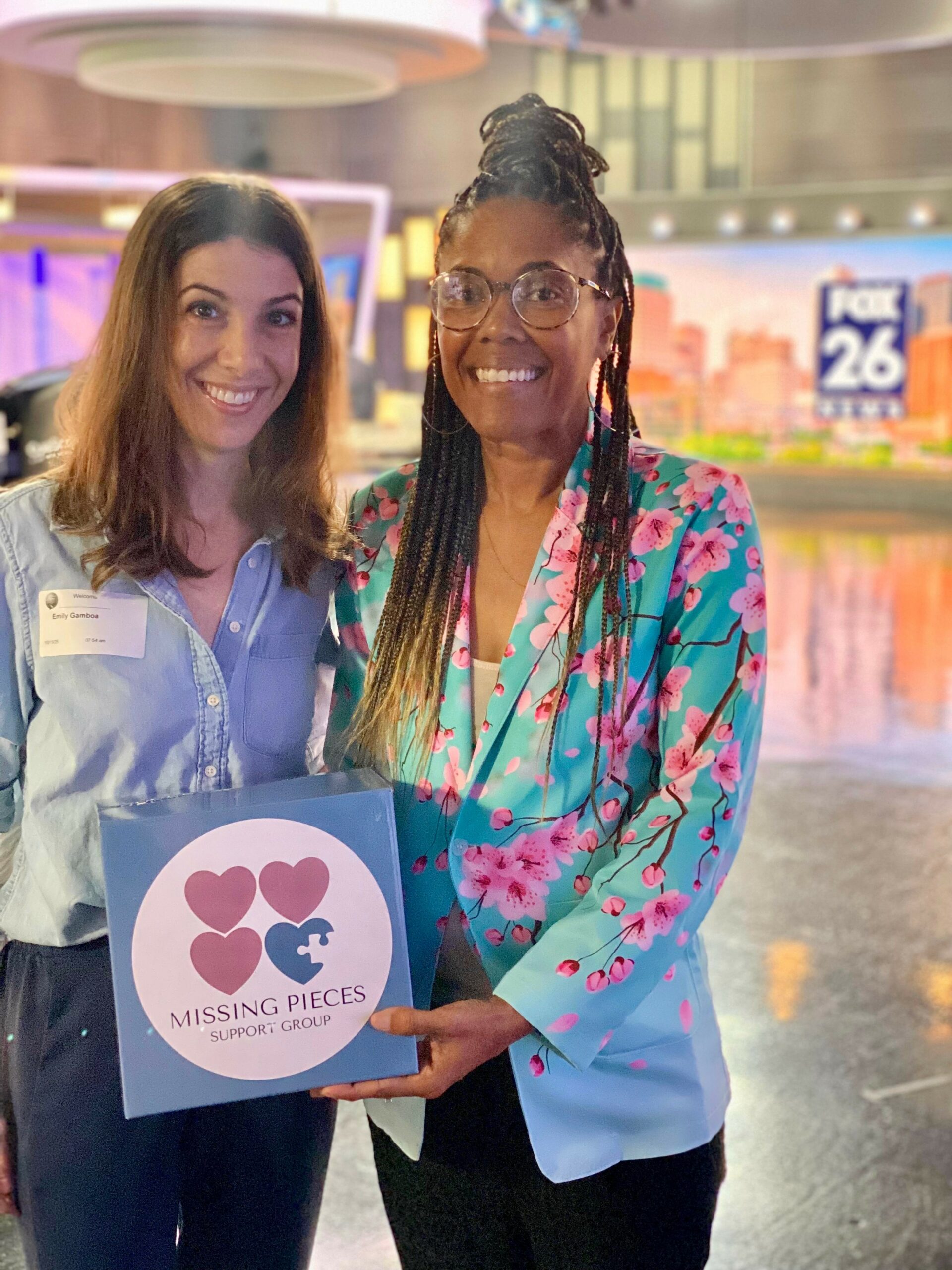





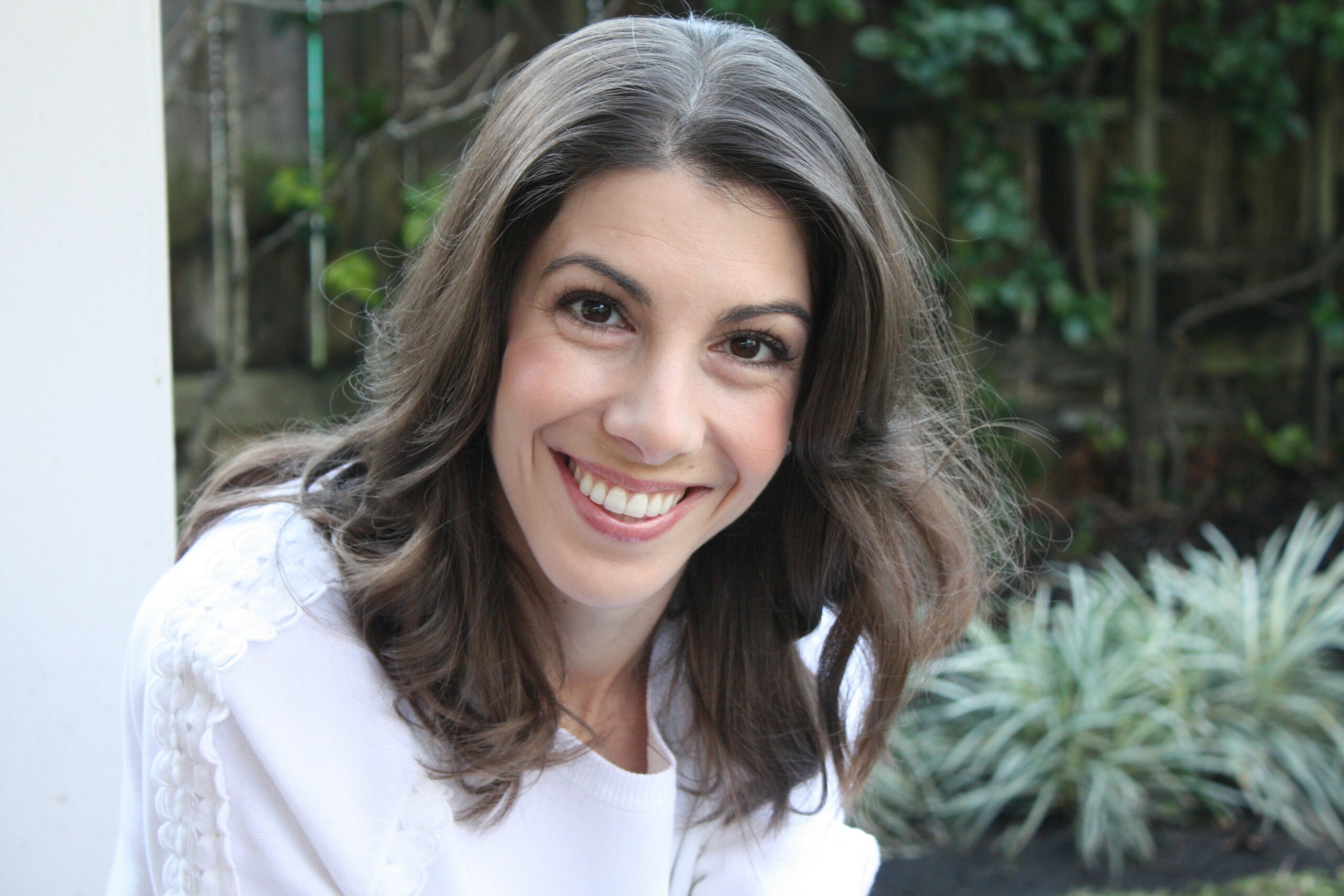
Today we’d like to introduce you to Emily Gamboa.
Alright, so thank you so much for sharing your story and insight with our readers. To kick things off, can you tell us a bit about how you got started?
My story — as it relates to Missing Pieces Support Group — starts in 2018, when I experienced back-to-back pregnancy losses — a second trimester loss followed by a loss around 10 weeks. That season was incredibly difficult. I struggled a lot with grief, and I felt very isolated… there was a lot of guilt and a sense of hopelessness that I didn’t really know how to navigate.
I started seeking support through therapy and more holistic health approaches, which helped, but what really shifted things for me was finding a support group at Bo’s Place. That was the first time I was in a room with other women who truly understood what I was going through. It was also where I met the women who would later become my co-founders.
After the group ended, a few of us just… kept meeting. Nothing formal. We just wanted to stay connected. Those relationships became a space for validation, compassion, and honesty in a way I hadn’t experienced before.
Months later, one of my co-founders and I found ourselves pregnant again, and we really leaned on each other through that emotional roller coaster. Then, a year later during COVID, she suggested starting a nonprofit. And it just clicked.
We realized we wanted to give back to the community we had found ourselves in. We wanted to change how women experience this kind of loss — to make sure they don’t have to grieve alone, and that they have access to emotional support, tangible resources, and a community that truly understands.
Today, I serve as President of Missing Pieces Support Group, where I help ensure that everything we do stays grounded in that mission—supporting families through pregnancy loss with compassion, connection, and care.
Would you say it’s been a smooth road, and if not what are some of the biggest challenges you’ve faced along the way?
Absolutely not! It has definitely not been a smooth road.
I come from a background as a Pre-K and Kindergarten teacher, and I had already stepped out of the classroom for a couple of years when we started this. So I didn’t have experience in building or running an organization. Thankfully, my co-founder is an entrepreneur and had experience starting her own business, which helped balance things, but even then, it was a lot of learning.
And honestly, it still is.
In the early days, we were figuring everything out as we went — from drafting the paperwork to apply for nonprofit status, to learning how to fundraise beyond our own personal contributions, to even building a website. We leaned heavily on people in our network — asking questions, seeking guidance and support, and even relying on pro bono work just to get things off the ground.
Now, as we approach five years this November, we still say we’re “building the ship as we sail.” One of the biggest ongoing challenges is that we’re a fully volunteer-run organization. Creating sustainable processes, keeping people engaged, and continuing to grow while respecting everyone’s capacity is not easy.
But what’s been really incredible is that we continue to attract people who feel personally connected to the mission — whether through their own experience or a deep sense of calling. And that passion is what keeps us moving forward, even when things feel hard or uncertain.
We’ve been impressed with Missing Pieces Support Group , but for folks who might not be as familiar, what can you share with them about what you do and what sets you apart from others?
Missing Pieces Support Group is a 501(c)(3) nonprofit dedicated to supporting those who have experience pregnancy loss and shedding a light on this type of grief. At our core, we focus on making sure no one has to walk that journey alone.
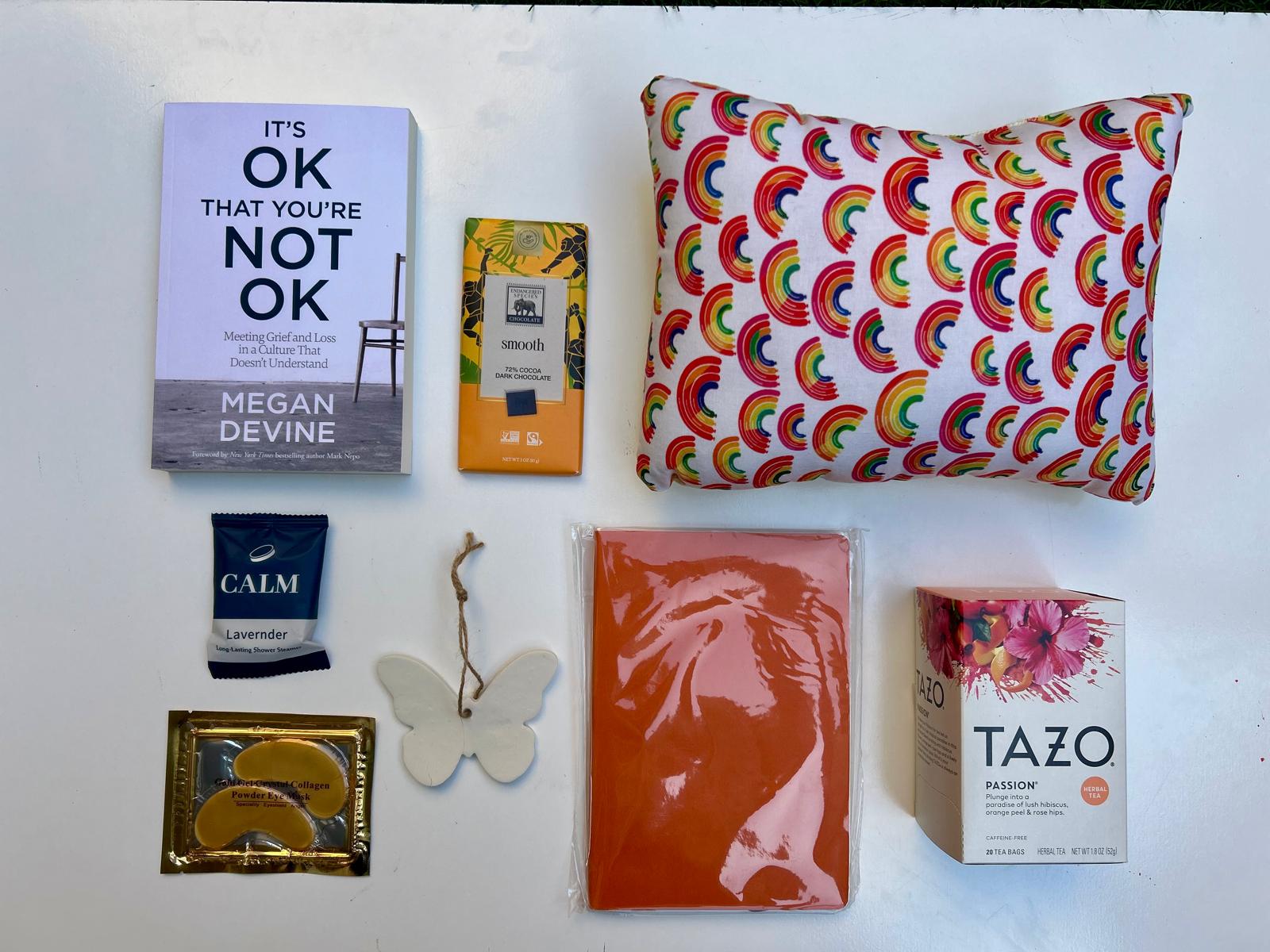
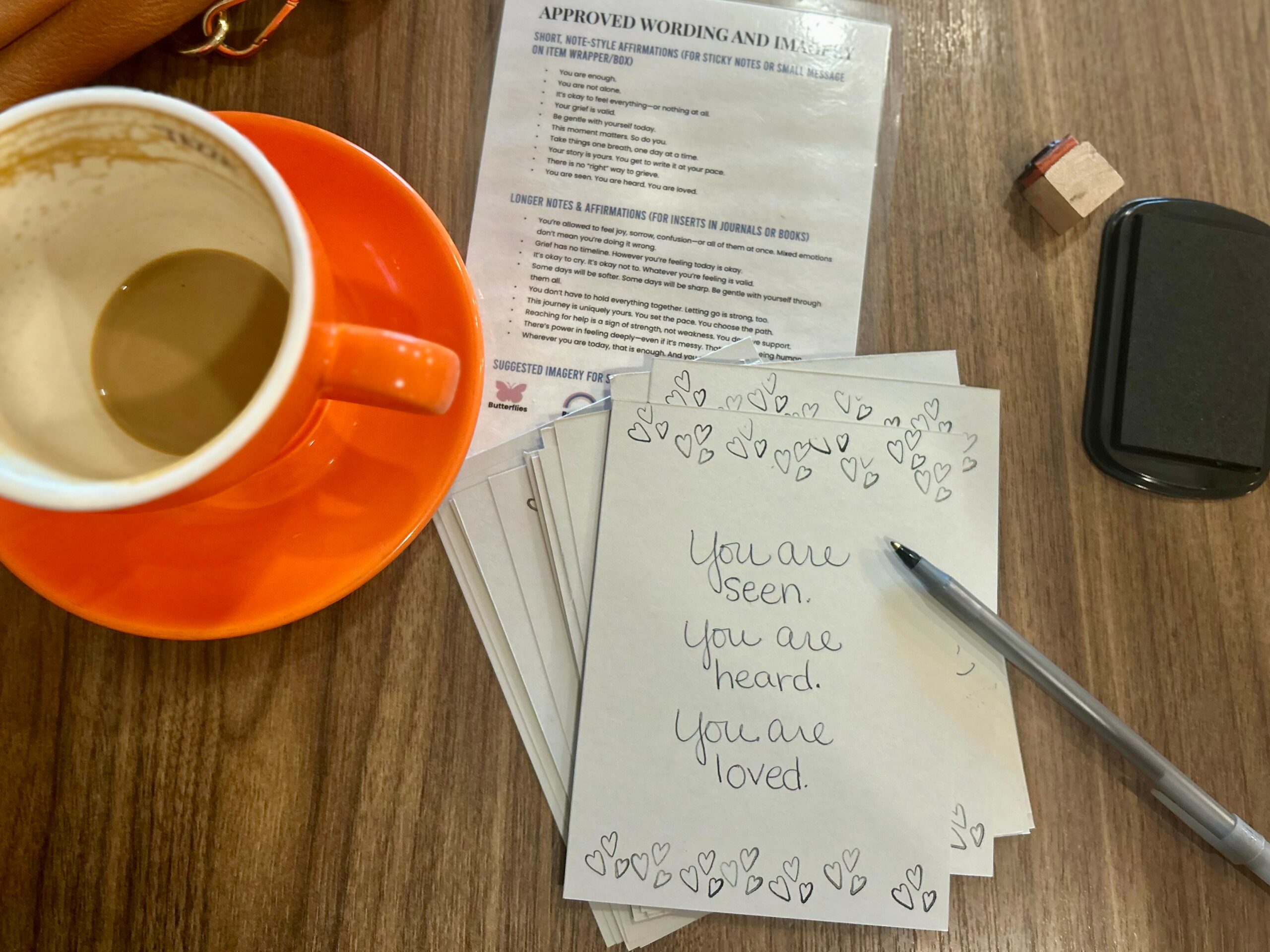
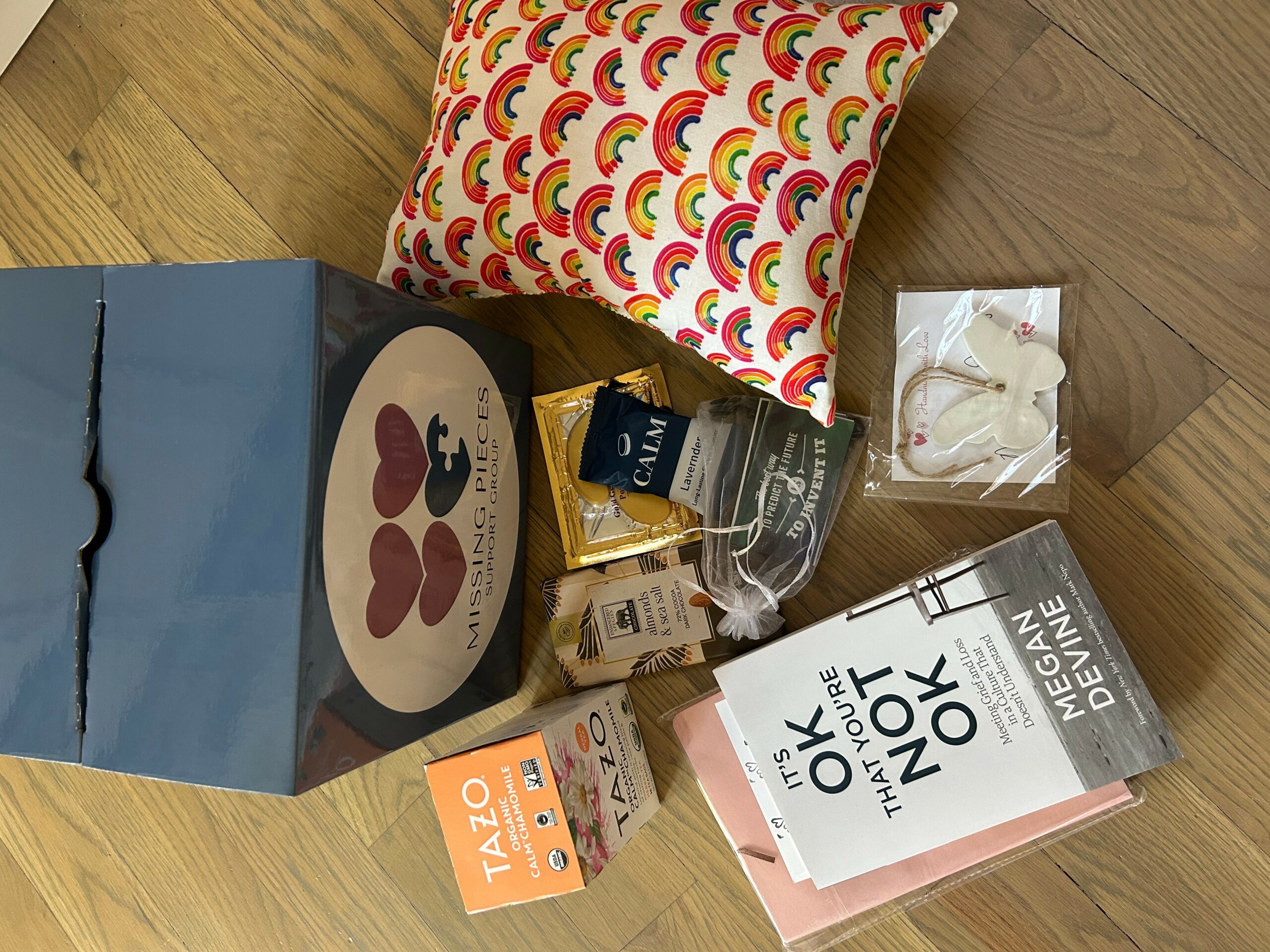
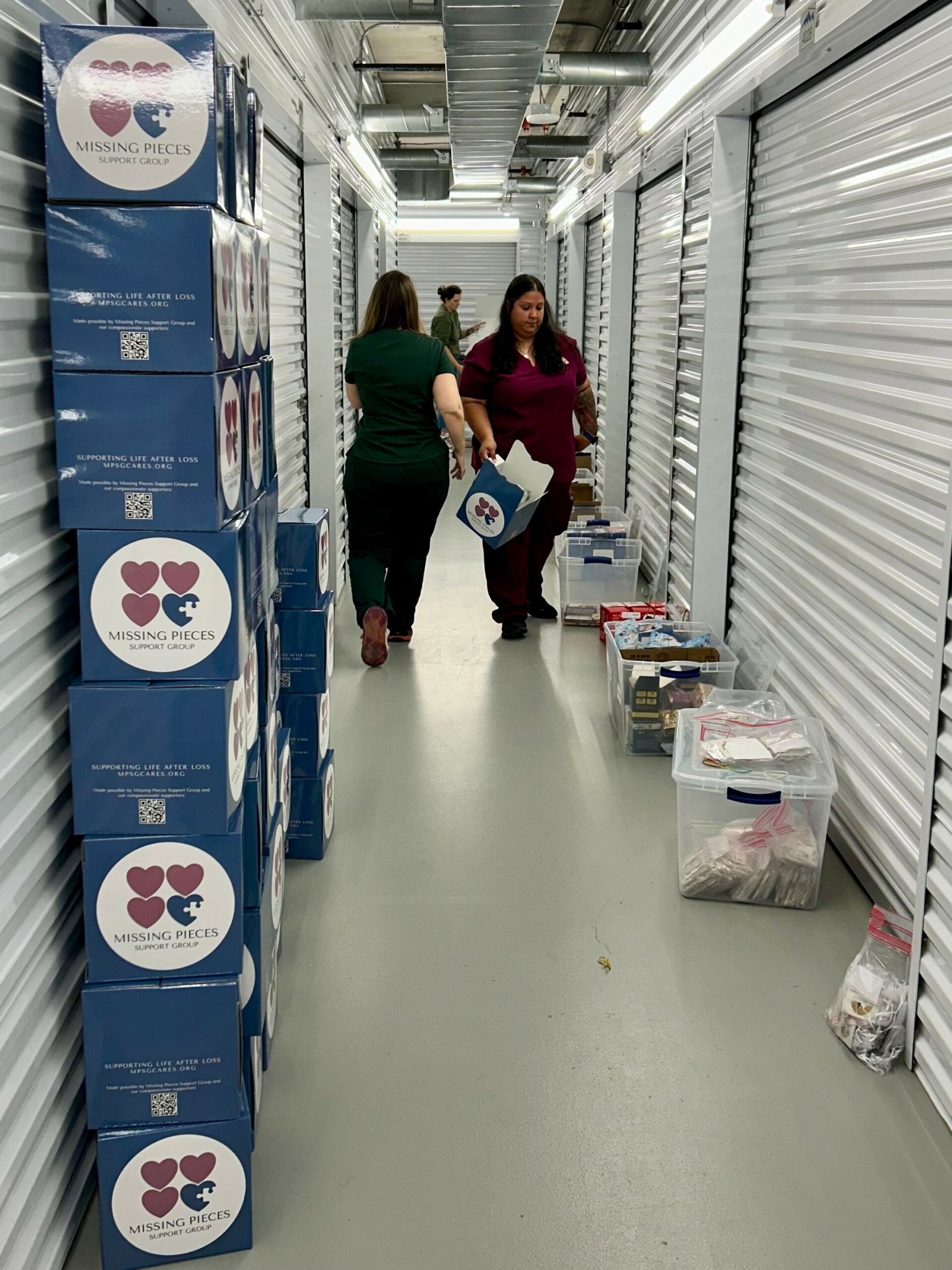
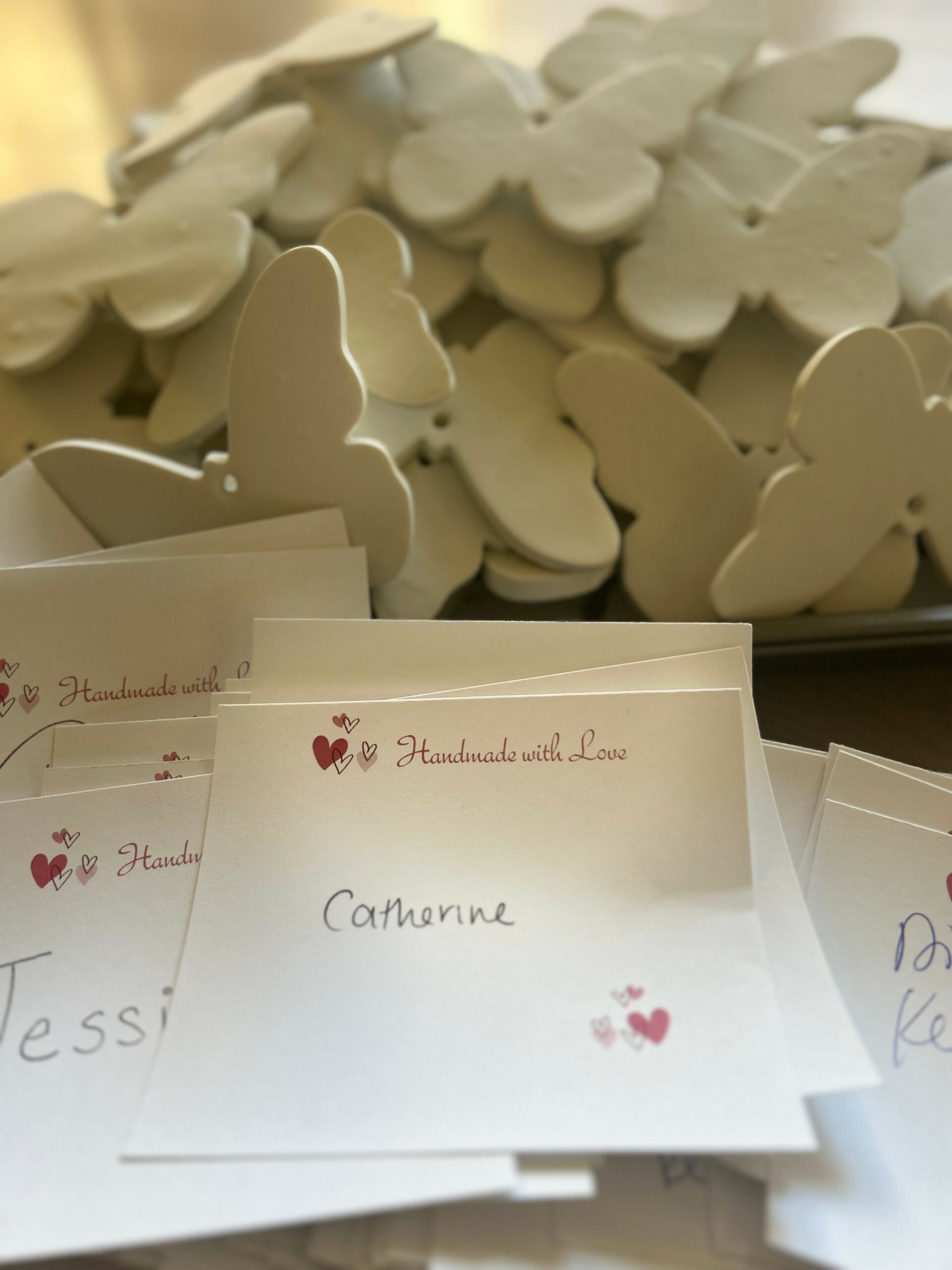
What that looks like in practice is a combination of emotional support, tangible care, and community connection. We provide care packages to families through our website or local distributors, facilitate support groups and community events, and connect individuals to a broader network of grief support and resources. Through both in-person and online spaces, we create opportunities for people to share their stories, feel seen and understood, and find a sense of community.
What really sets us apart is that we were built by women who have personally experienced loss, and we continue to be shaped by the people we serve. Many of our current and former participants stay connected and help inform how we grow, what we offer, and where the gaps are.
We recognize that grief isn’t linear, and support isn’t one-size-fits-all. So we’ve been very intentional about evolving in real time — listening closely and adapting as needs come up, rather than taking a one-size-fits-all approach.
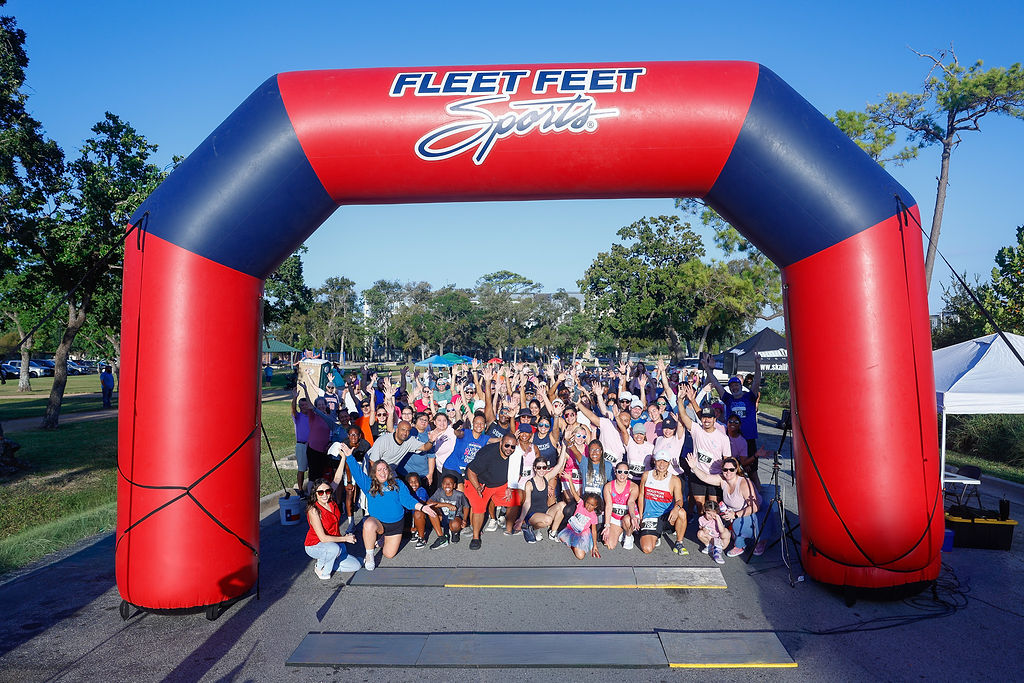
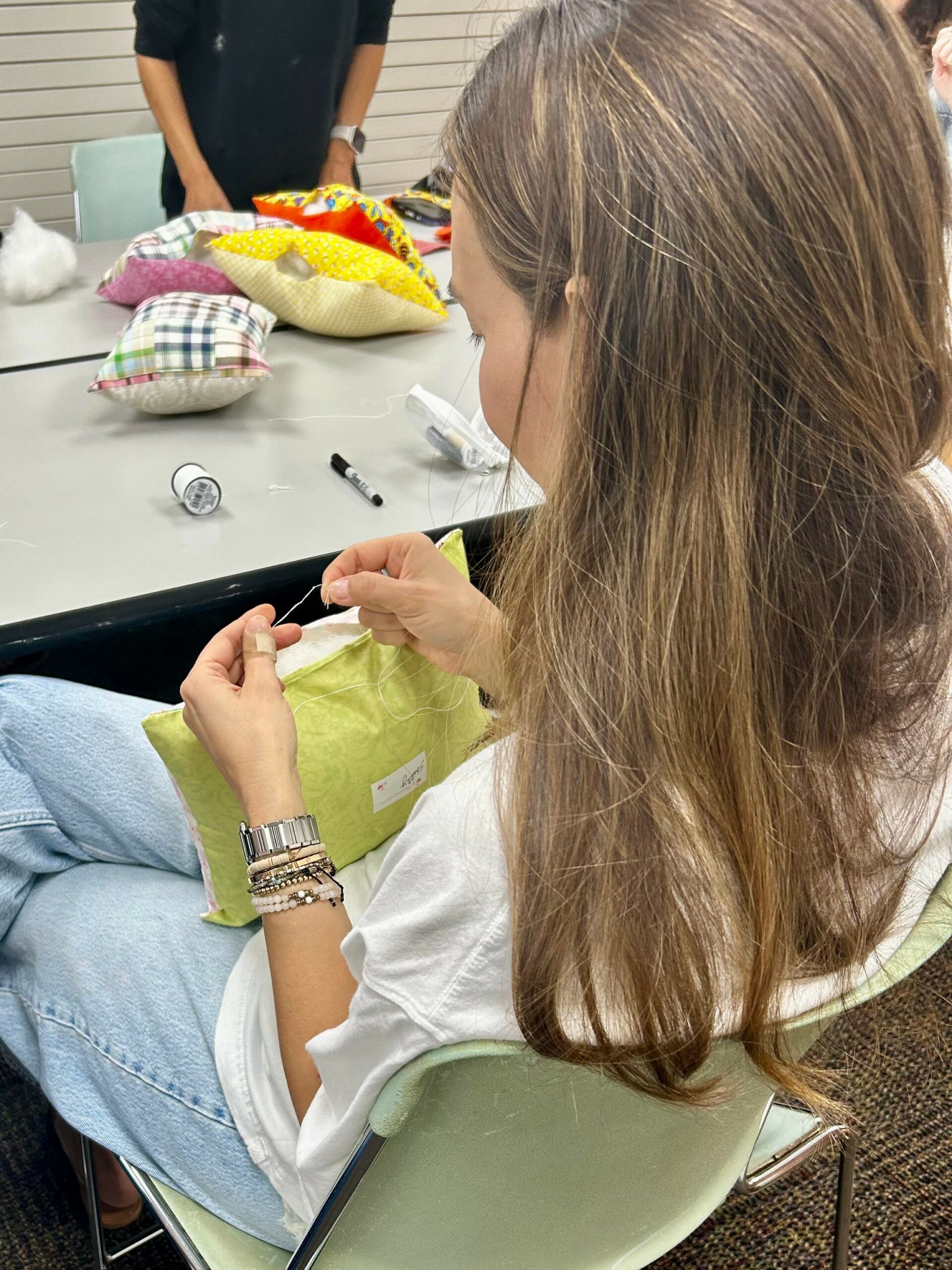
As we’ve grown, we’ve also focused on expanding our reach through partnerships with providers like hospitals, OB-GYNs or other birthworkers, and therapists so support can reach families earlier. At the same time, we engage the broader community through service projects, giving people meaningful ways to get involved and support families navigating loss while spreading awareness of this type of loss.
Brand-wise, I’m most proud that we’ve created something that feels both compassionate and approachable. Pregnancy loss can leave someone feeling completely raw, and we’ve worked hard to ensure our organization feels like a safe, welcoming space.
More than anything, I want people to know that support exists. You don’t have to know exactly what you need. You can just show up, and we’ll meet you where you are.
What matters most to you?
Connection. Because in my own experience, that’s what changed everything. Grief made me feel isolated and like a complete outsider, and I struggled to recognize my emotions or navigate what I was feeling day to day. I wasn’t the same person I had been before, and I couldn’t operate in the same spaces in the same way.
But being able to sit in a room with people who understood was powerful. It reminded me I wasn’t alone, and that’s something I want every person we serve to feel.
Pricing:
- Missing Pieces Support Group is primarily funded through individual donors as well as corporate sponsors and grants.
- Care packages are provided at no cost to recipients, with an average cost of about $50 per package to cover contents and shipping, supported by donor funding , collection drives and Amazon Wish List in-kind donations.
- Support groups are offered at no cost to participants.
- We rely heavily on recurring donations through The Collective to sustain and grow ongoing programming.
- We also receive in-kind and pro bono support that helps reduce operational and administrative costs.
Contact Info:
- Website: https://www.missingpiecessupportgroup.org
- Instagram: https://www.instagram.com/missingpiecessupport
- Facebook: https://www.facebook.com/missingpiecessupport
- LinkedIn: https://www.linkedin.com/company/missing-pieces-support-group-texas/
- Twitter: https://x.com/missingpiecessg
- Youtube: https://youtube.com/@missingpiecessupportgroup
- Other: https://www.amazon.com/hz/wishlist/ls/2R3V57NP64MSO?ref_=wl_share