


Today we’d like to introduce you to Noa Sakamoto.
Hi Noa, please kick things off for us with an introduction to yourself and your story.
I started TAMBI FLOWER in 2022 in Nishinomiya, Japan. At first, I was simply fascinated by flowers themselves, but over time I began to feel uncomfortable with the way flowers were often treated only as decoration or something “beautiful.”
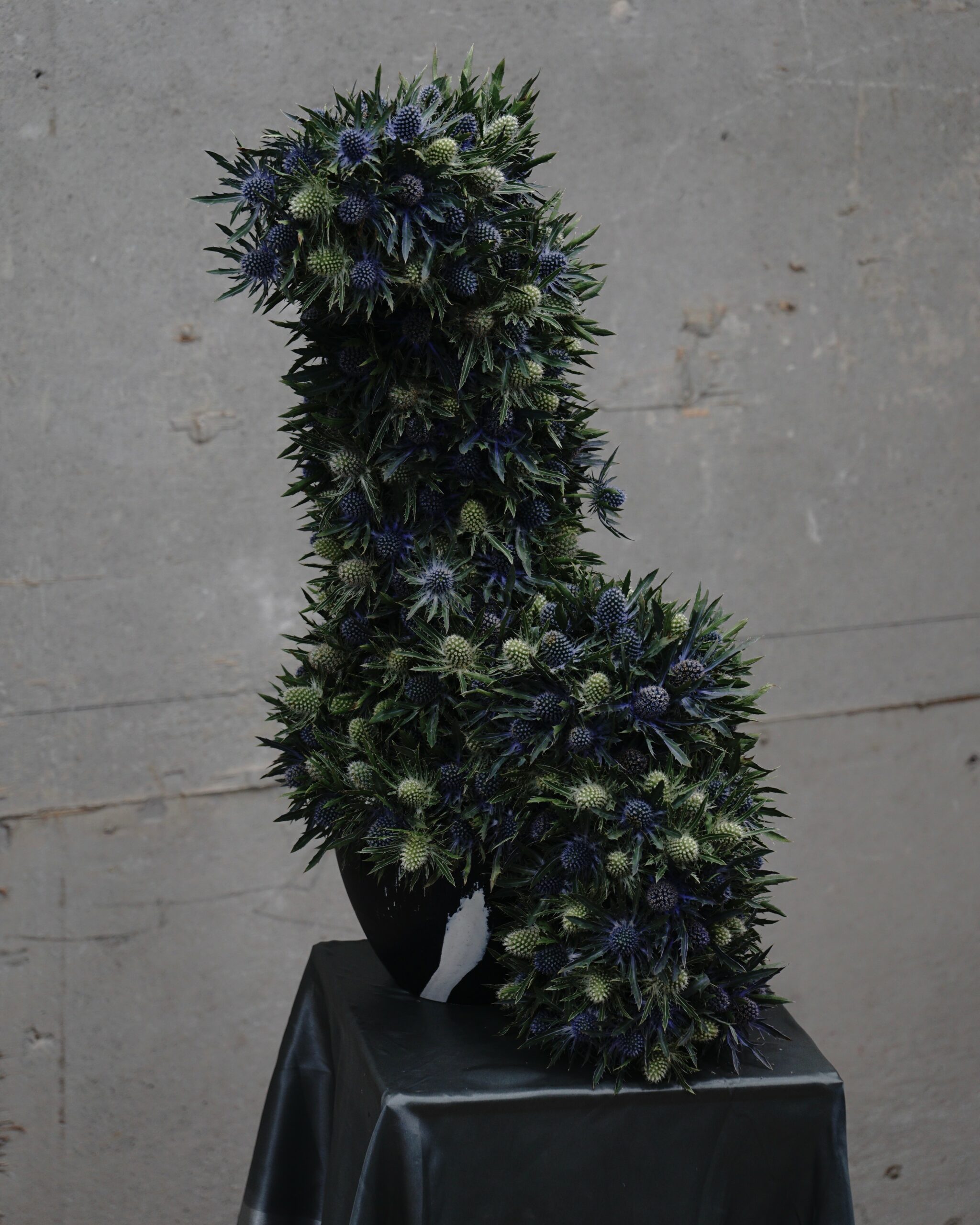
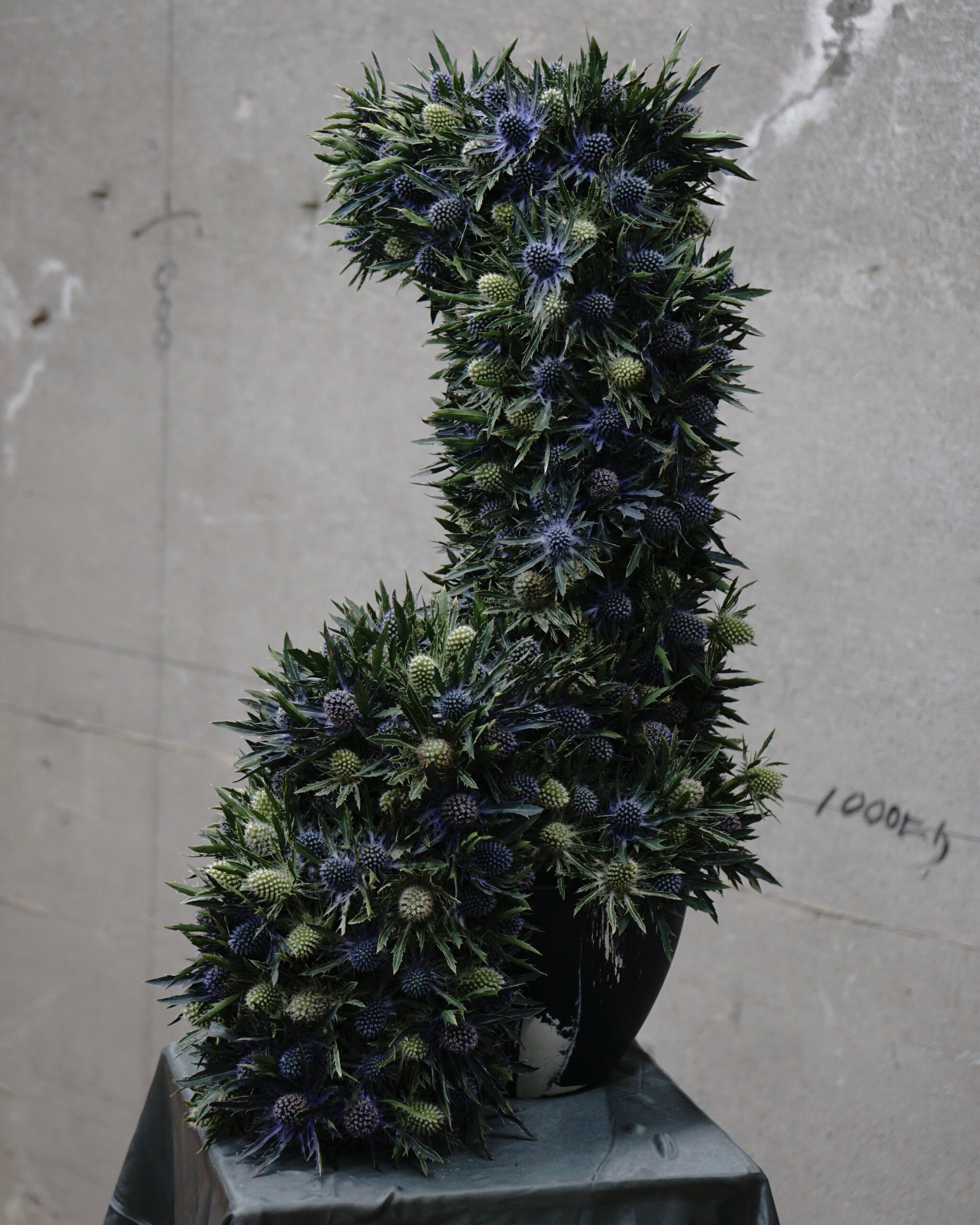
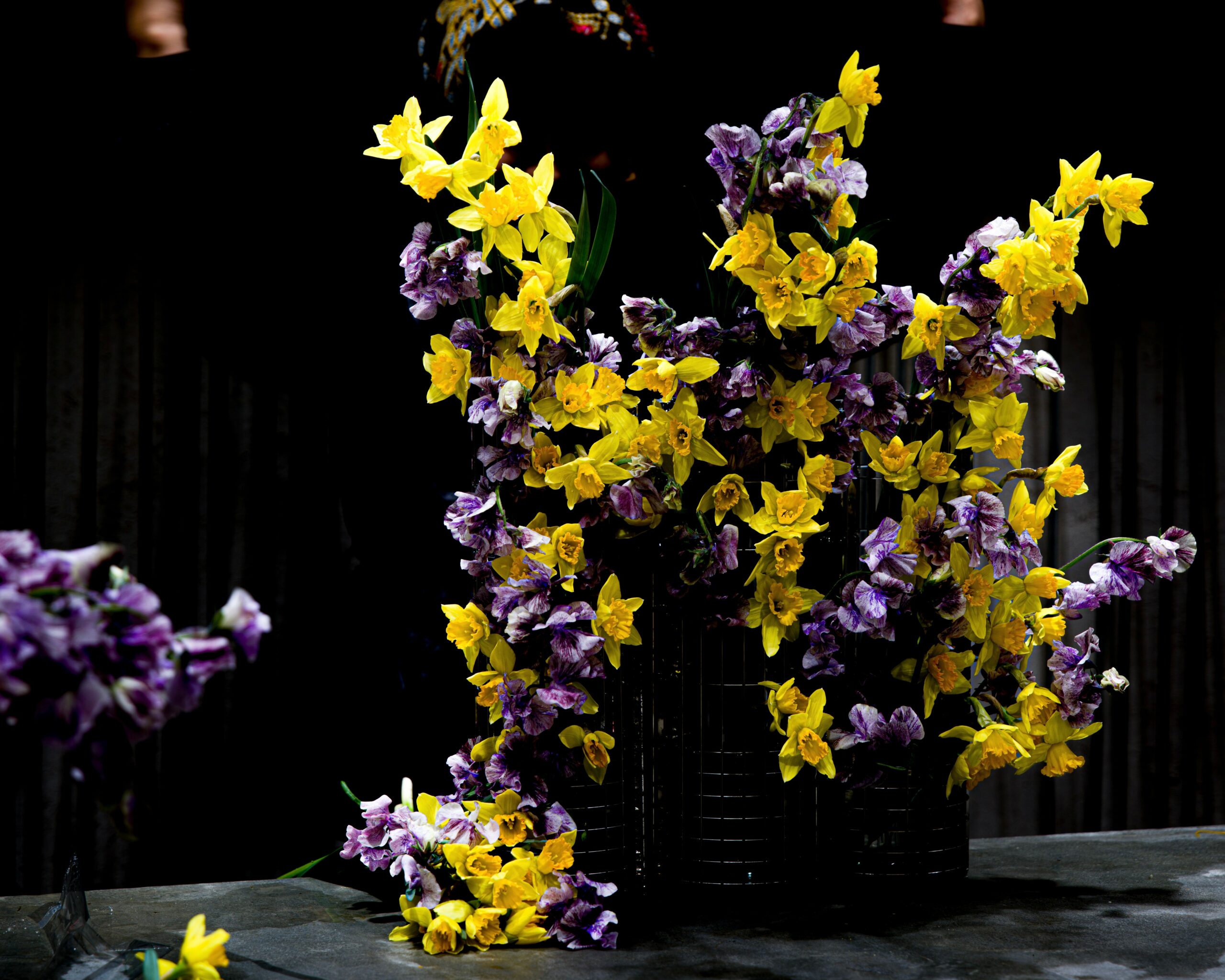
I became more interested in the emotions hidden underneath beauty — shame, desire, loneliness, violence, fragility and human contradictions. That feeling gradually led me to create sculptural floral works instead of traditional arrangements.
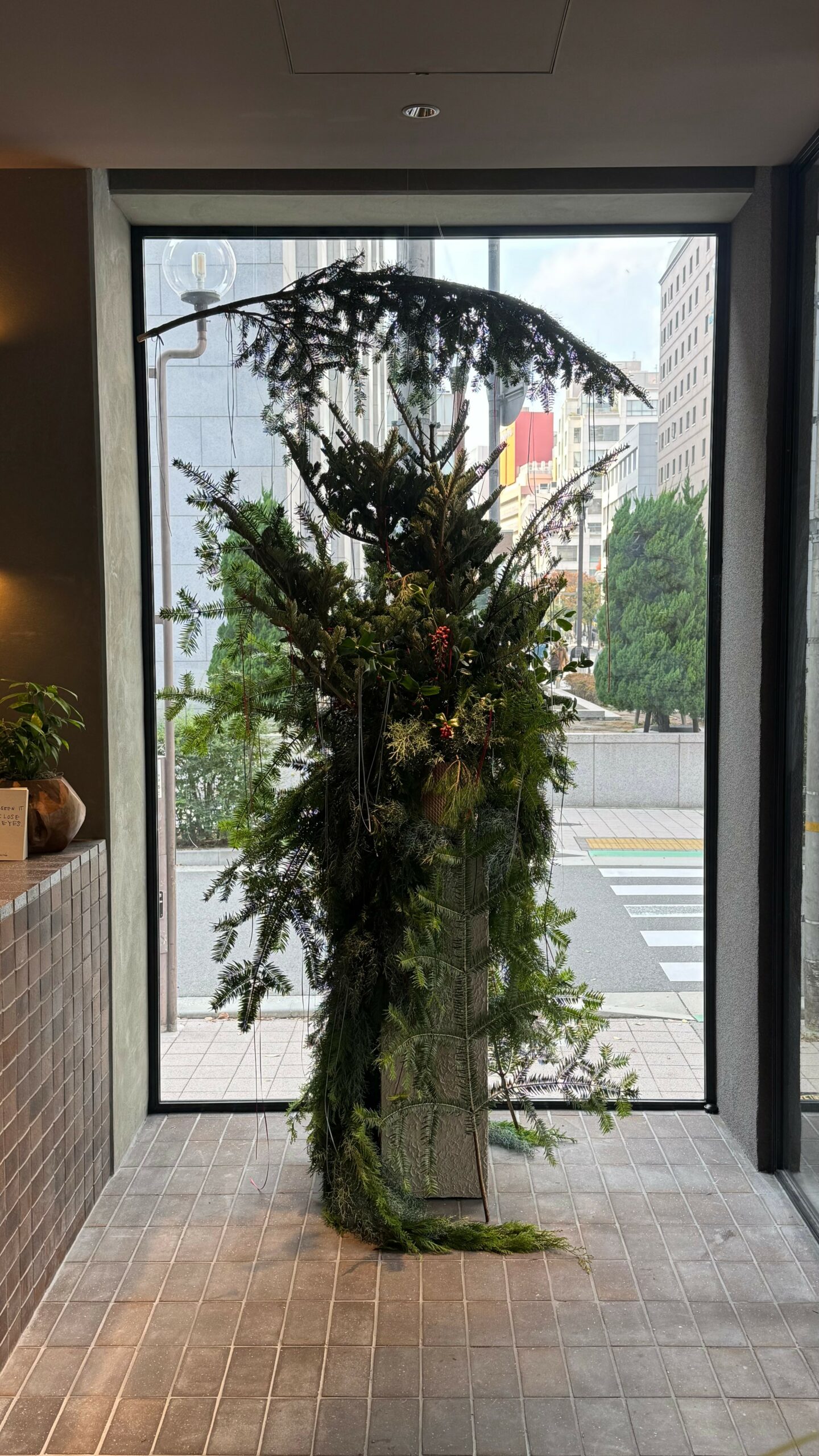
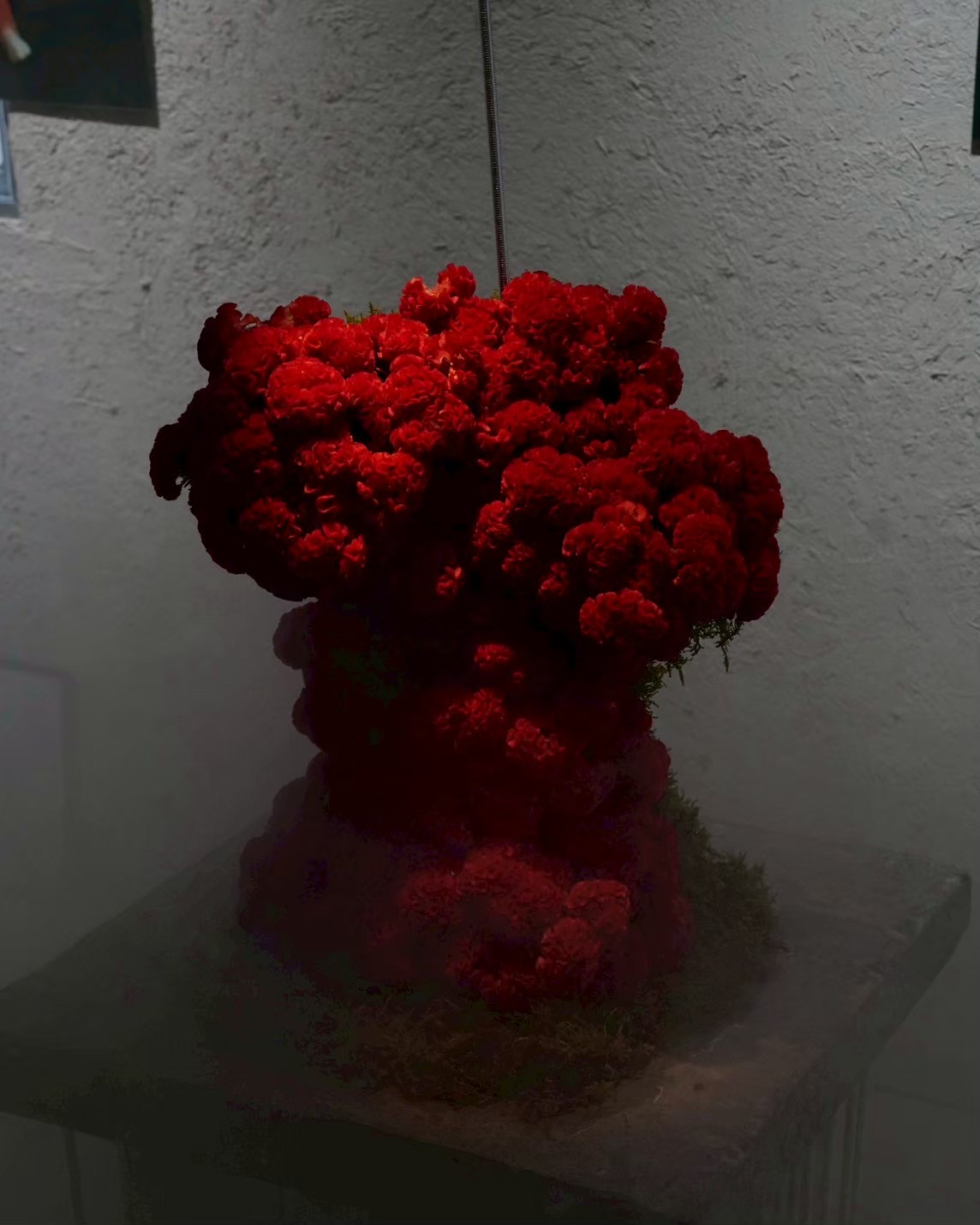
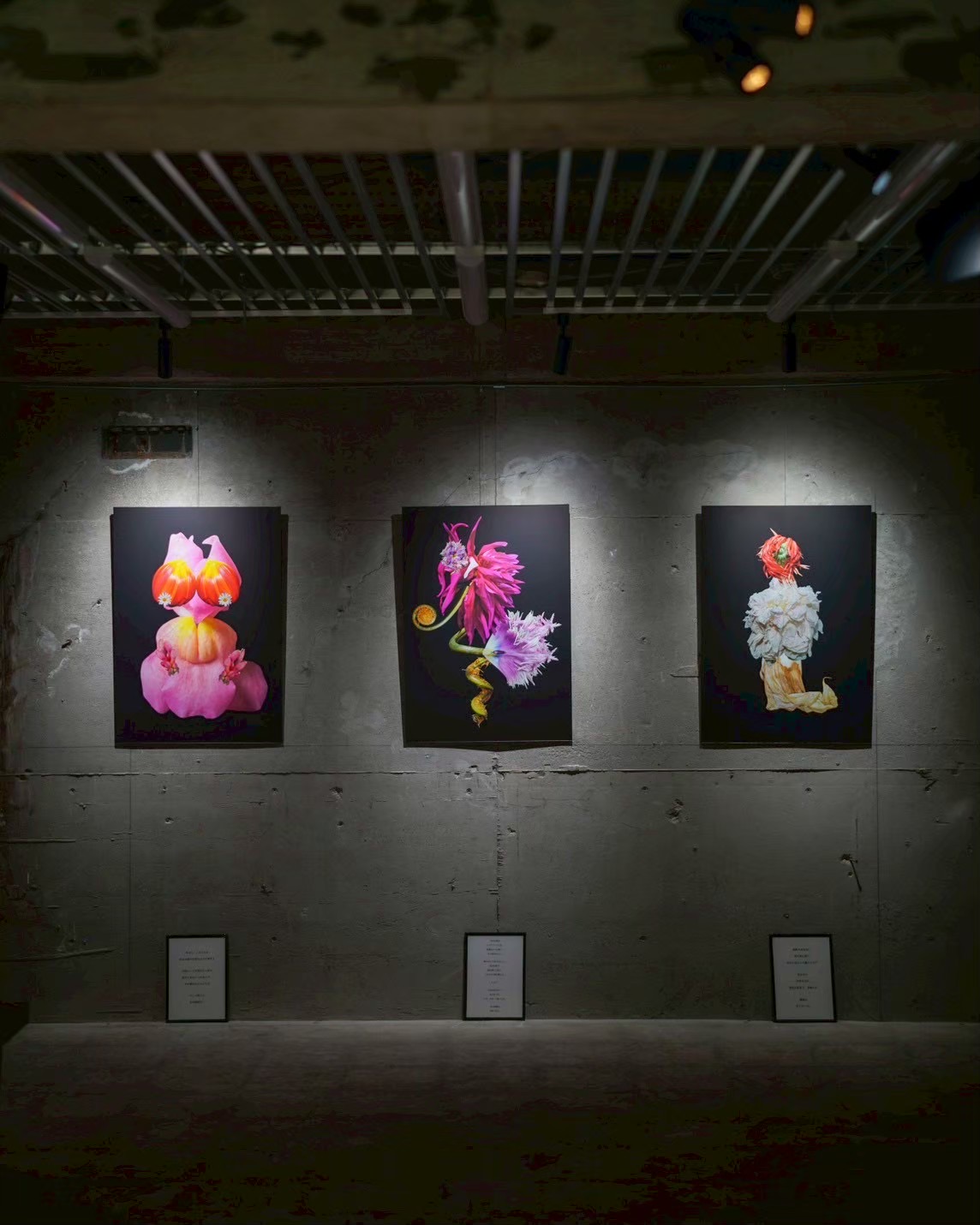
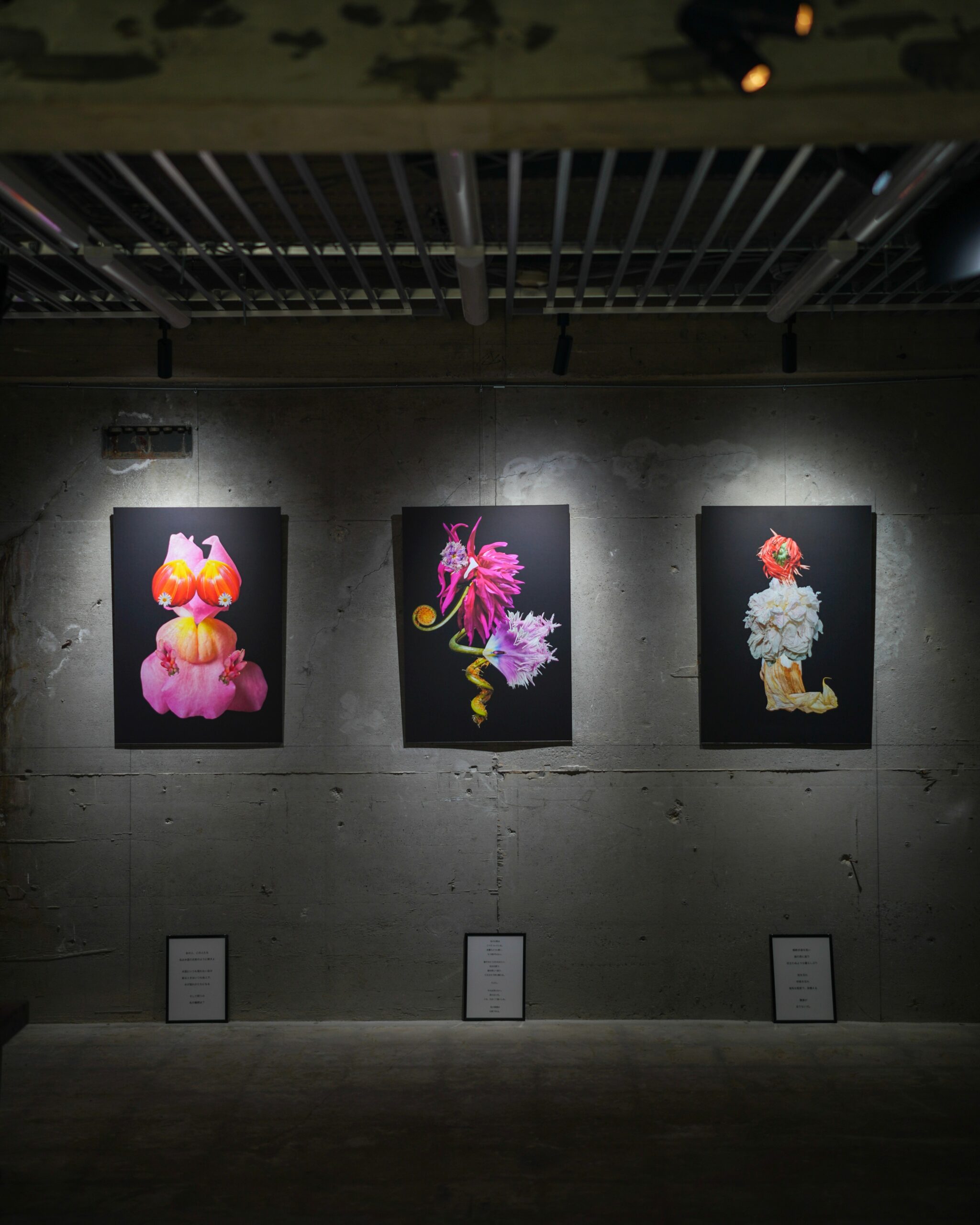
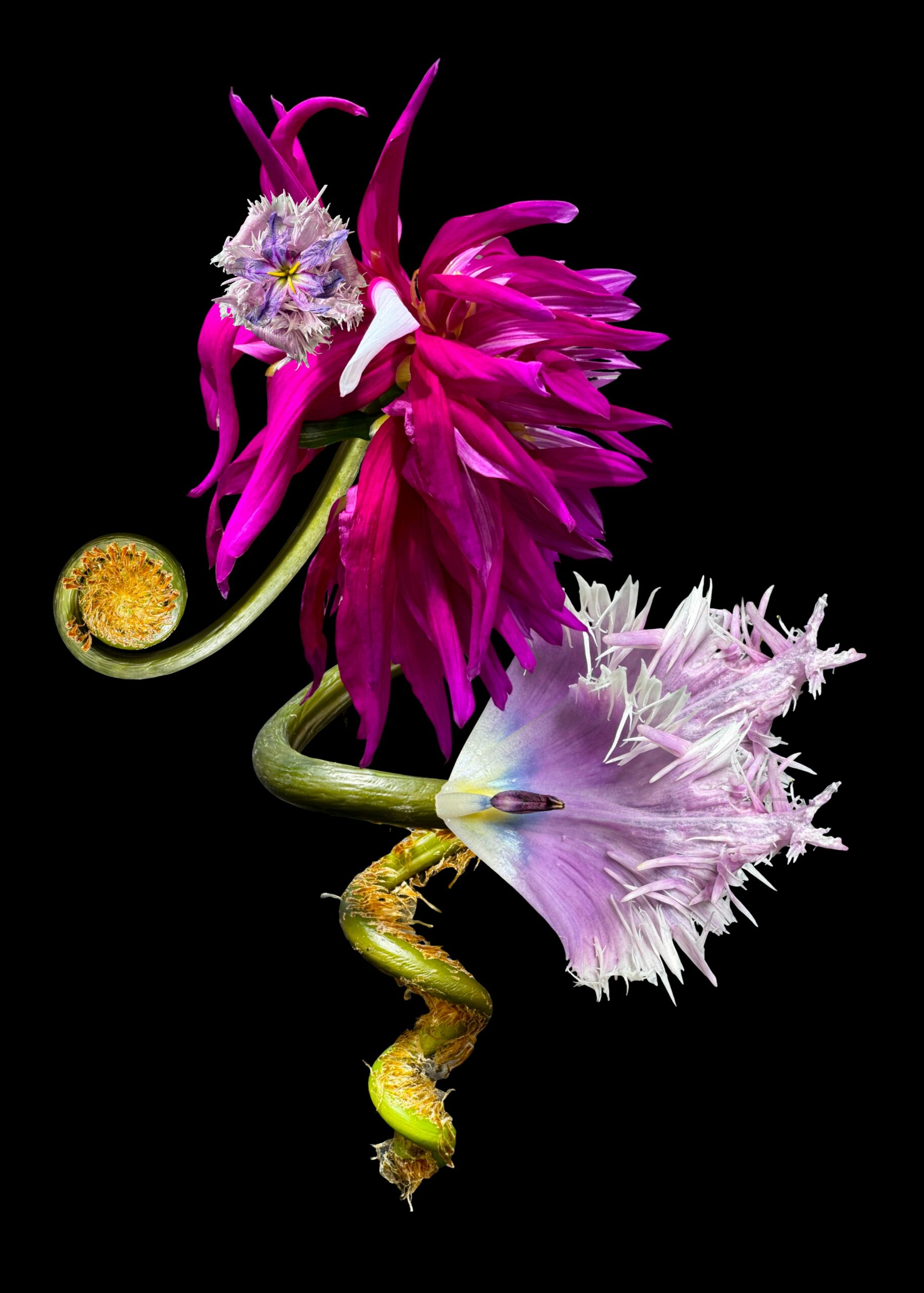
My work is heavily influenced by poetry, memory and human emotion. I started creating a series called “TAMBI CREATURE,” where flowers become almost like living bodies or psychological self-portraits. Alongside the works, I also write poems as part of the same expression.
In addition to commercial floral work for brands, weddings and spaces, I built a small gallery space called “Pupil” above my flower shop, where I can experiment more freely with these ideas.
Instagram has played a large role in helping my work reach people internationally, but what matters most to me is creating work that makes people stop, feel something uncomfortable or emotional, and stay with the image for a while instead of simply consuming it quickly.
I still feel like I’m at the beginning of what I want to create, and I hope to continue expanding TAMBI as both a flower practice and an artistic language.
Would you say it’s been a smooth road, and if not what are some of the biggest challenges you’ve faced along the way?
It definitely has not been a smooth road.
One of the biggest struggles has been balancing commercial floral work with my personal artistic practice. Flowers are often expected to be soft, decorative or simply “pleasant,” but my work is usually connected to more uncomfortable emotions and psychological themes. There were times when I felt misunderstood because what I wanted to express did not fit the typical image of a florist.
Another challenge has been trying to build something independently without a large team or financial backing. I built much of my space and practice slowly, step by step, while continuing daily flower work at the same time. There were periods where I questioned whether this direction was sustainable at all.
Social media has also been complicated. Instagram helped my work reach people around the world, and I’m grateful for that, but at the same time, constantly creating within fast-moving online culture can feel mentally exhausting. I often think about how to create work that remains emotionally meaningful instead of becoming something people consume for only a few seconds.
I think one of the hardest things has been protecting the honesty of the work while still surviving financially. But those tensions are also what shaped TAMBI into what it is today.
Thanks – so what else should our readers know about your work and what you’re currently focused on?
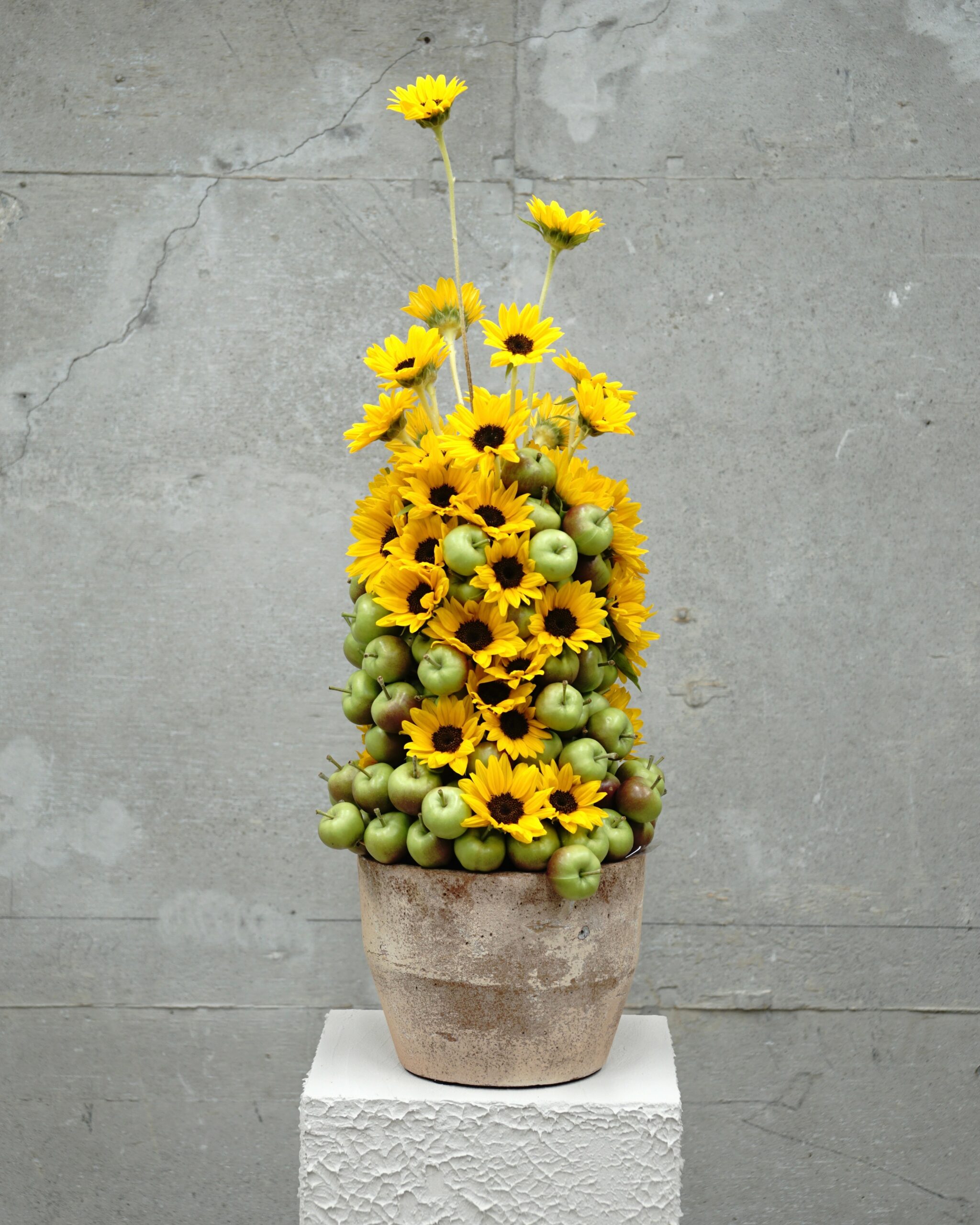
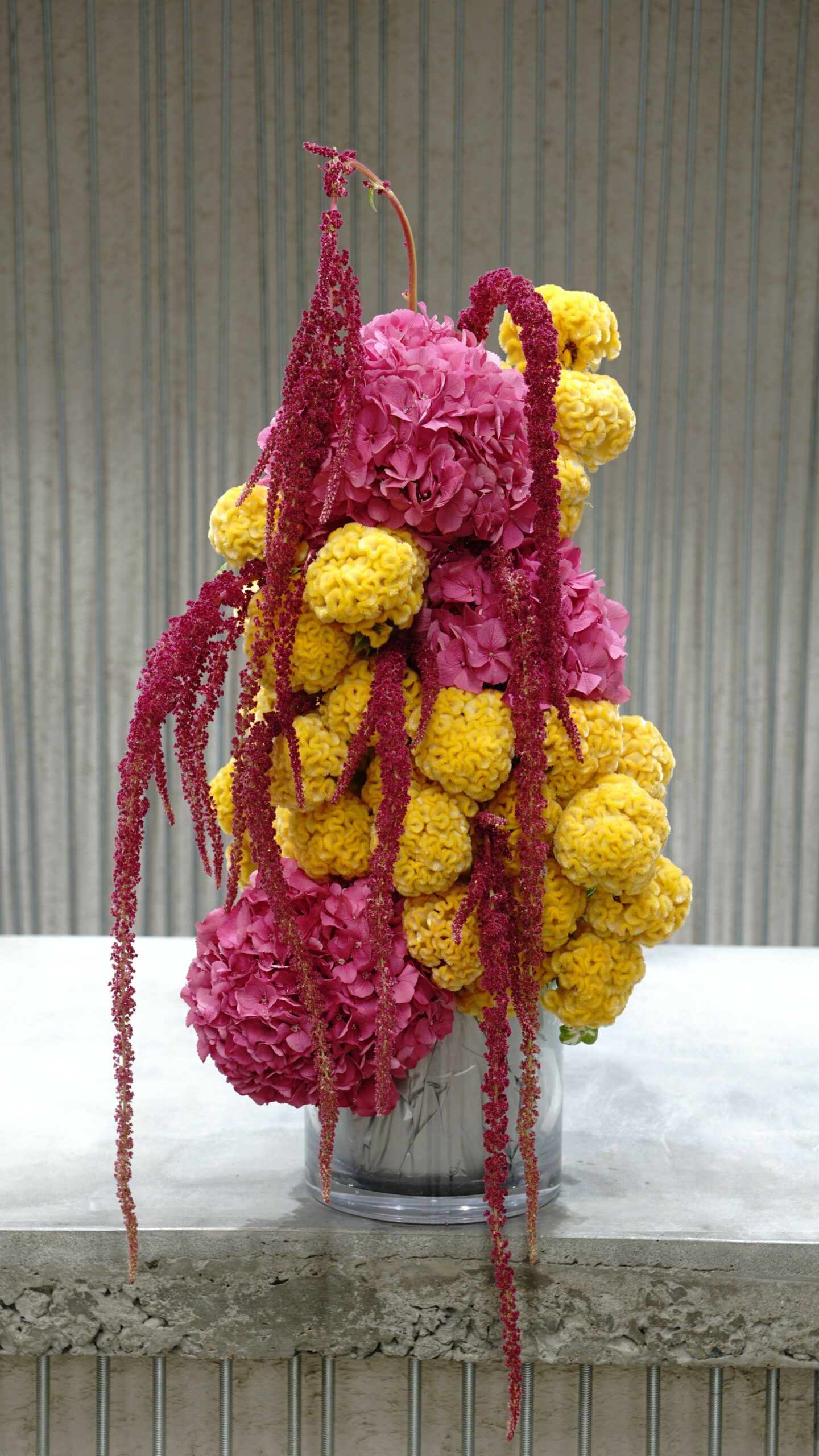
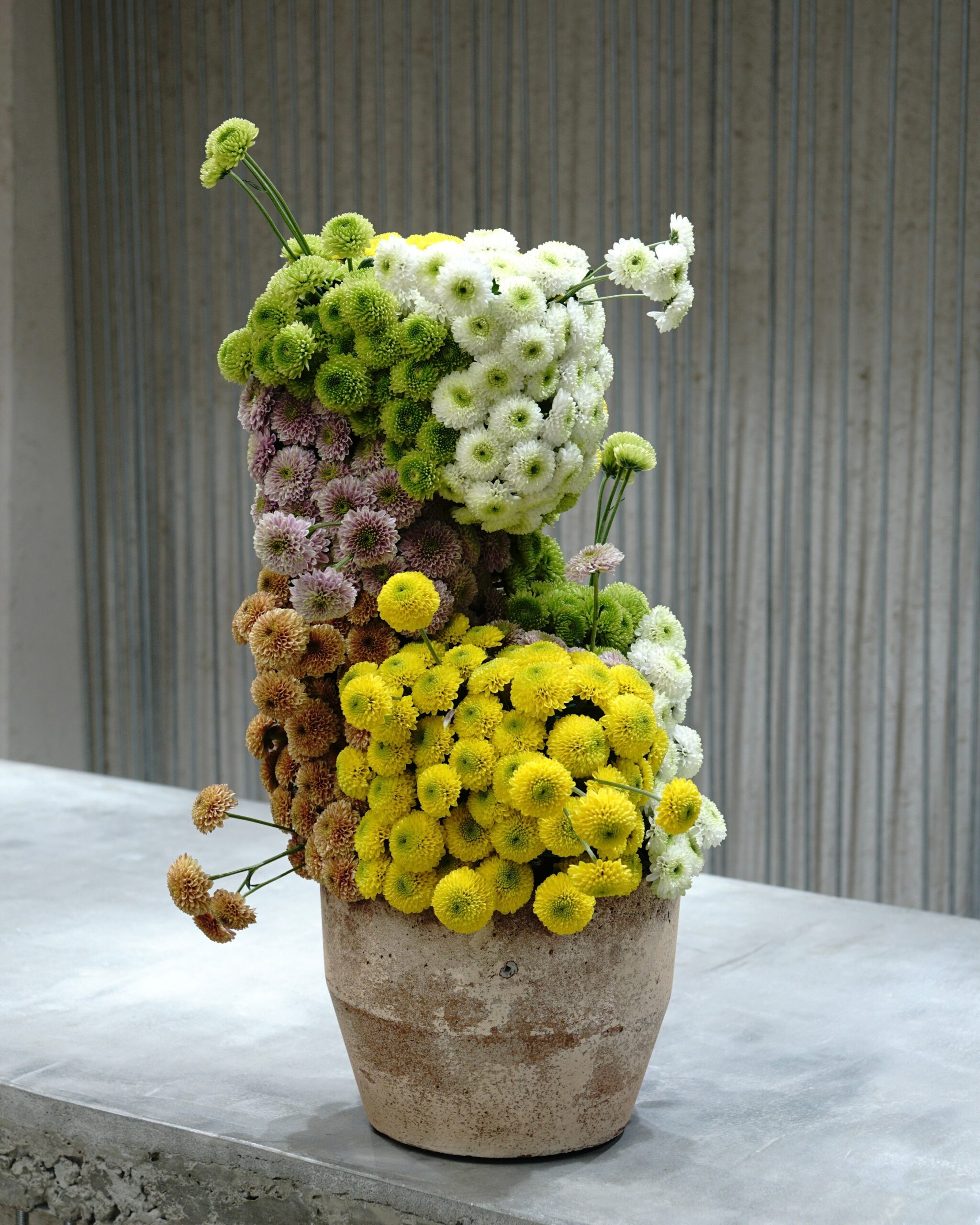
I work with flowers as both a florist and an artist. Alongside bouquets, spatial installations and commercial floral projects, I create sculptural works and poetic series under the name “TAMBI CREATURE.”
I specialize in using flowers not simply as decoration, but as emotional and psychological material. I’m interested in the tension between beauty and discomfort — the way flowers can represent desire, fragility, shame, loneliness or even violence. Because of that, many of my works feel closer to living bodies or emotional self-portraits than traditional floral arrangements.
I’m probably most known for combining floral sculpture with poetry. For me, the text and the object are inseparable parts of the same expression. I want the viewer to experience not only visual beauty, but also a lingering emotional or psychological sensation after seeing the work.
One thing I’m proud of is building my own visual language independently at a relatively young age. Rather than following trends within the floral industry, I’ve tried to create a world that feels deeply personal and emotionally honest, even if it sometimes feels uncomfortable or difficult to categorize.
I think what sets me apart is that my work exists somewhere between floral design, sculpture, poetry and emotional documentation. I’m less interested in making flowers look “luxurious” or “perfect,” and more interested in using them to reveal something human.
Is there anything else you’d like to share with our readers?
I still feel like I’m searching and learning through the process of making work. I don’t think flowers are only about beauty — I think they can also hold memory, fear, desire and contradiction.
I hope people who encounter my work feel something personal from it, even if they cannot fully explain it in words.
More than anything, I want flowers to exist as something emotionally alive, not just something decorative or easy to consume.
Contact Info: