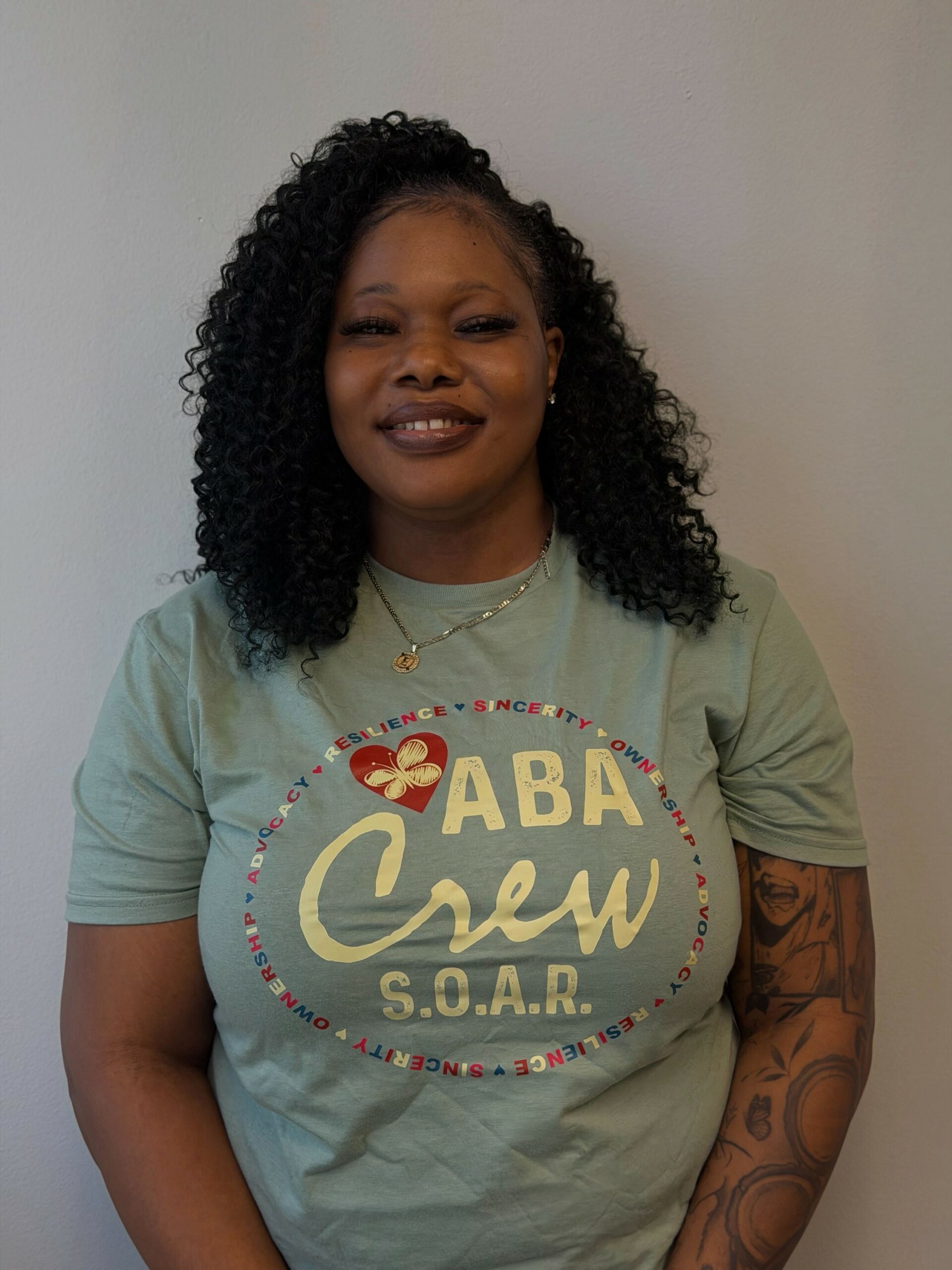





Today we’d like to introduce you to Ebony Trahan.
Hi Ebony, so excited to have you with us today. What can you tell us about your story?
Growing up in Baton Rouge, Louisiana, my journey was shaped by profound challenges that often made me feel unwanted and forgotten. I navigated a childhood marked by abuse from those who were meant to protect me, which left me feeling inequitable and alone. I became a mother for the first time at 17, and as life continued, I welcomed another daughter and a son. However, in July 2015, my world was shattered when my son passed away, a loss that broke me in ways I can hardly describe.
In the years following that tragedy, I was blessed with a “rainbow child” and another daughter. Both of my youngest children are on the autism spectrum, currently ages 8 and 7, and they have become a central part of my purpose. In 2019, I moved to Texas in search of the peace I needed to truly heal myself.
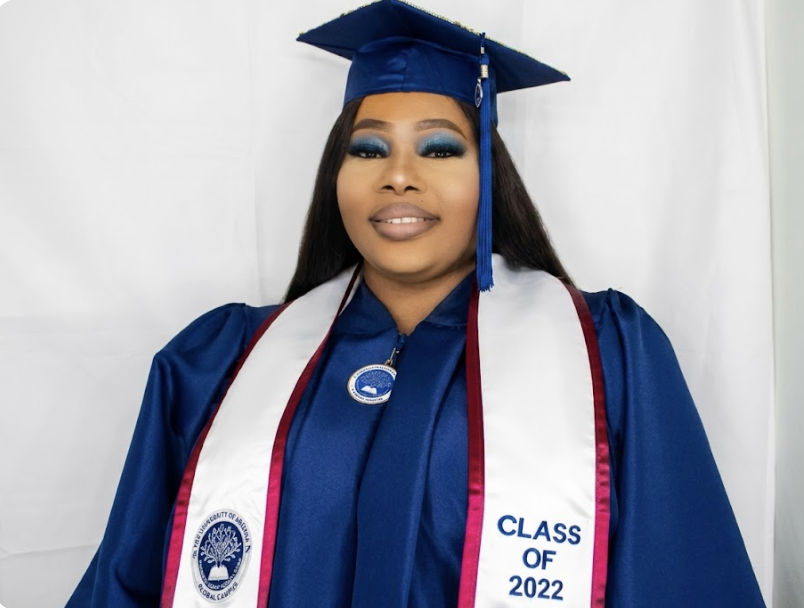
That move sparked a period of intense personal and professional growth. I completed my Bachelor’s in Healthcare Administration in 2022, followed by my Master of Healthcare Administration (MHA) in 2024. While I initially began a PhD program in Public Health, life took an unexpected turn. Despite having had a tubal ligation, I experienced a surprise pregnancy with my son, True Dream.
This miracle changed my trajectory. Just a week before he was born, I pivoted my educational path to begin a Graduate Certificate in Applied Behavior Analysis (ABA), which I am on track to complete in August 2026. This field is my true passion. My own experiences of lost innocence and vulnerability have fueled a deep-seated drive to protect and advocate for those who cannot fight for themselves. Today, I am a Registered Behavior Technician (RBT) working toward becoming a BCBA. My ultimate goal is to complete my doctorate and go further than ever before to fight for the vulnerable populations that deserve to be seen, heard, and protected.
I’m sure it wasn’t obstacle-free, but would you say the journey has been fairly smooth so far?
It has been anything but a smooth road. The journey toward healing and stability has required navigating a complex landscape of mental health challenges, including CPTSD, anxiety, major depressive disorder, and ADHD, all of which were rooted in the trauma I endured growing up. Carrying the weight of those experiences while trying to build a future was an uphill battle from the start.
One of the most significant hurdles was the sheer leap of faith I took in 2019. I moved to a completely new state with four children, leaving behind everything familiar. I had no family nearby and found myself in entirely unfamiliar surroundings. Trying to provide a stable, nurturing environment for my kids while I was still trying to find my own footing in a new place was incredibly taxing.
Beyond the physical move, the internal work was perhaps the hardest struggle. I had to learn how to:
-Trust my own judgment: After years of feeling inequitable, I had to silence the doubt and believe in my ability to make the right choices for my family.
-Build my confidence: I had to reconstruct my self-worth from the ground up, moving away from the girl who felt “forgotten” to the woman who could lead a household and excel in higher education.
-Adjust to a new reality: Balancing the needs of my children, including two on the autism spectrum, with the demands of my MHA and ABA programs required a level of resilience I didn’t know I possessed.
Every milestone, from completing my degrees to advocating for the vulnerable community, has been won through perseverance against these mental and situational obstacles. It wasn’t just about getting to where I am today; it was about proving to myself that I could survive the struggle and come out stronger on the other side.
Can you tell our readers more about what you do and what you think sets you apart from others?
Currently, I serve as a BCBA Intern and Registered Behavior Technician (RBT), bridging the gap between direct clinical practice and high-level behavioral oversight. My work is a unique blend of hands-on therapy and healthcare leadership, underpinned by my Master of Healthcare Administration (MHA). I specialize in the neurodivergent community, specifically focusing on pediatric behavioral health, trauma-informed care, and clinical program design.
What I Do & My Specialties
As a BCBA Intern, I am deeply involved in the clinical side of program management. My specialties include:
Skill Assessment & Planning: I am proficient in utilizing the VB-MAPP to assess language and social milestones, helping to craft the treatment plans that guide a child’s progress.
Nervous System Regulation: With my certification in the Safe and Sound Protocol, I integrate a trauma-informed lens into behavioral science to ensure my clients feel safe and supported.
What I Am Known For
I am known for being a fierce, proactive advocate. Colleagues recognize me for my clinical initiative, I don’t just follow a protocol; I analyze how we can improve the quality of care for the most vulnerable. I’ve built a reputation for having the administrative “know-how” of an executive combined with the compassionate, real-world perspective of a clinician in the field.
What Sets Me Apart
What sets me apart is the lived experience I bring to my clinical hours. I am a mother who has navigated the complexities of the autism spectrum with two of my own children. This isn’t just a career for me; it is a calling. I don’t just see data points on a graph; I see a human being whose voice deserves to be heard. My ability to blend high-level academic theory with a survivor’s grit and a mother’s empathy allows me to advocate for my clients with a unique depth of understanding.
What I Am Most Proud Of
I am most proud of my unwavering resilience. Balancing my internship hours and my graduate certificate program while raising five children is an immense task, but it’s one I embrace. I am proud to have transformed a past that once made me feel forgotten into a future where I am a leader, using my doctorate-track journey to fight for the dignity and protection of the vulnerable population.
Networking and finding a mentor can have such a positive impact on one’s life and career. Any advice?
Finding a mentor and building a network is less about “climbing a ladder” and more about finding people who share your heart for the work. In the behavioral health and administration fields, I’ve found that being genuine about your mission attracts the right kind of guidance.
Here is what has worked specifically well for me:
1. Lead with Your “Why”
When I reach out to professionals I admire, I don’t just ask for a job or a favor. I share my passion for the vulnerable community. People are much more likely to mentor you when they see that you have a clear purpose. Don’t be afraid to let your lived experience fuel your professional pitch, it makes you memorable and shows you have the “grit” mentors look for.
2. Look for “Working” Mentors
Instead of just looking for the person with the highest title, look for the person doing the work you want to be doing in five years. As a BCBA Intern, I look for supervisors who prioritize trauma-informed care and clinical integrity. Watch how people lead when things get difficult; those are the individuals you want to learn from.
3. Join Niche Professional Communities
Networking isn’t just about LinkedIn; it’s about being where the conversations are happening.
For ABA: Engage in groups focused on specific assessments (like VB-MAPP) or trauma-informed ABA.
For Administration: Look into local healthcare administration chapters.
The “Proactive” Approach: I’ve found success by simply taking initiative, offering to help with program design or staff training. When you provide value first, mentorship often follows naturally.
4. Be Transparent About Your Path
I have found that being open about my journey, balancing a large family, pursuing my graduate certificate, and working toward my doctorate, actually helps my networking. It demonstrates my time-management skills and my dedication. High-level professionals respect a “hustle” that is backed by education and a solid “why.”
5. Don’t Just Network “Up”
Network with your peers. The people you are in school with or working alongside as RBTs today will be the clinical directors and CEOs of tomorrow. Building a strong foundation with your cohort is just as important as finding a high-level mentor.
My best advice: Don’t wait for a formal “mentorship” program. If you see someone doing amazing work for the populations you care about, reach out and tell them specifically what you admire about their approach. A simple, “I love how you advocate for client dignity; could I pick your brain for 15 minutes?” can open doors you didn’t even know existed.