





Today we’d like to introduce you to Selena Kirksey.
Hi Selena, thanks for sharing your story with us. To start, maybe you can tell our readers some of your backstory.
My journey started from a place of wanting more freedom, stability, and ownership over my future. I’ve always had an entrepreneurial mindset, but over time I realized I wasn’t just passionate about business—I was passionate about helping people navigate systems that often feel confusing or inaccessible, especially within underserved communities.
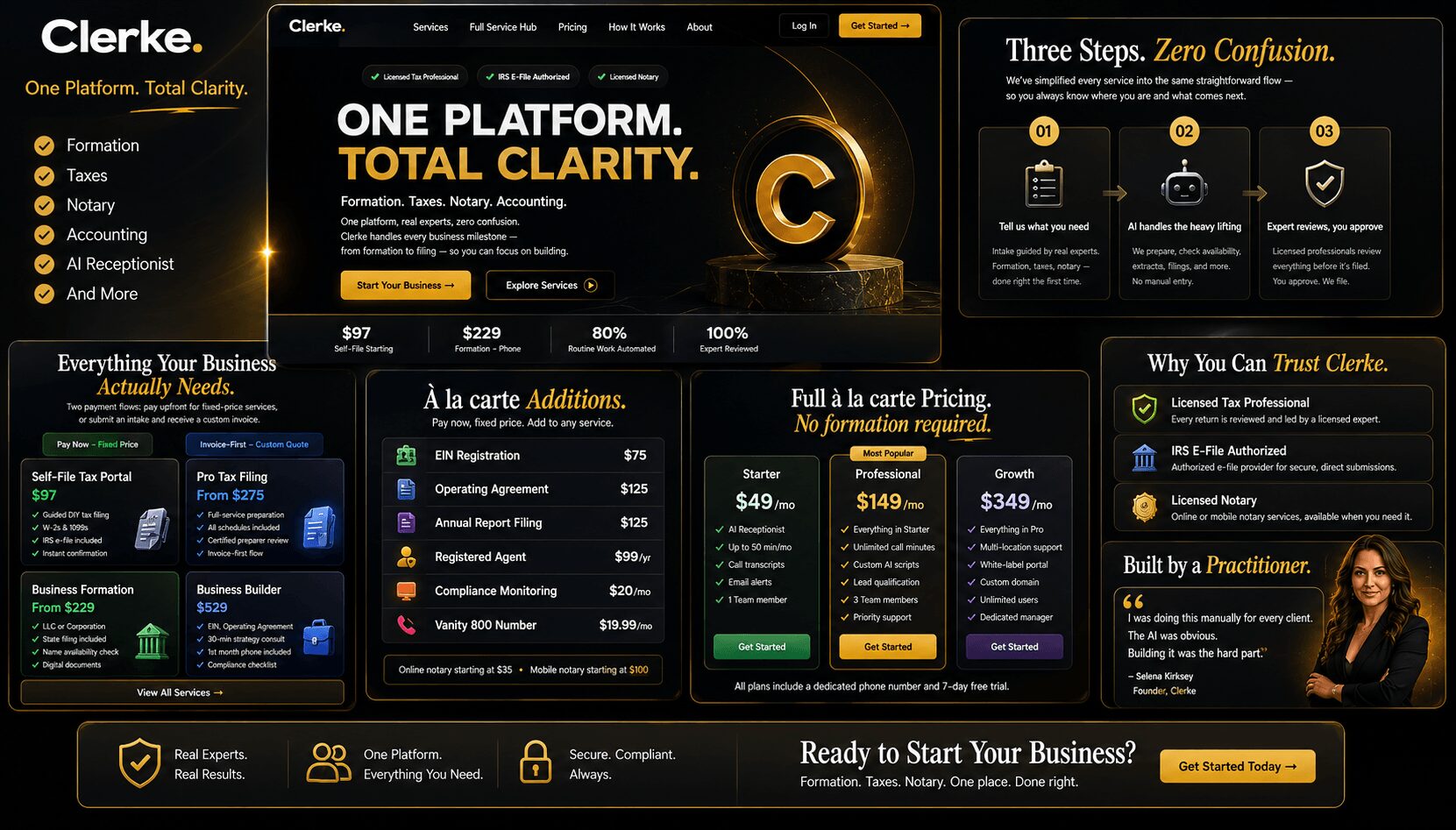
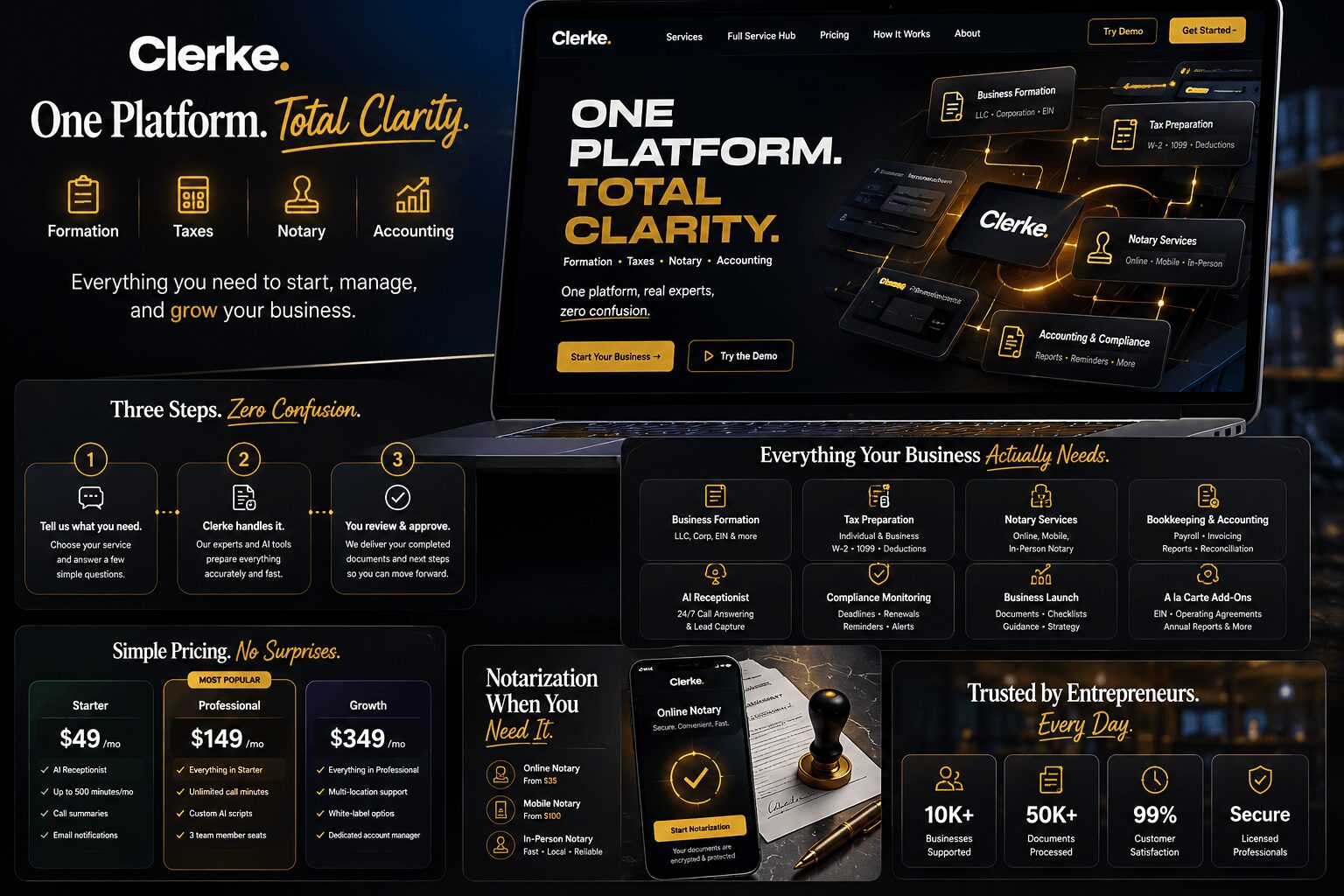
I founded TBG Shoppe LLC, which stands for Total Business Guidance Shoppe, with the vision of creating a one-stop business hub where individuals and entrepreneurs can access tax preparation, business formation, notary services, and guidance under a single, streamlined experience. As the business grew, I began focusing on systems and infrastructure, leading me to create **Clerke** and **OperIQ**, fully developed platforms now available to the public. These platforms serve as modular service bureaus that allow entrepreneurs and service providers to operate efficiently, with built-in AI reception, workflow automation, client intake systems, and scalable operational models.
Unlike traditional software that I would simply use, I am actively the creator and architect behind both Clerke and OperIQ. I designed the platforms to handle everything from client management and tax workflow automation to business formation processes and notary coordination. Each platform is built to be flexible, scalable, and modular, so users can select the service configuration that fits their needs—whether that’s tax-only, business formation, notary, or a full all-in-one package.
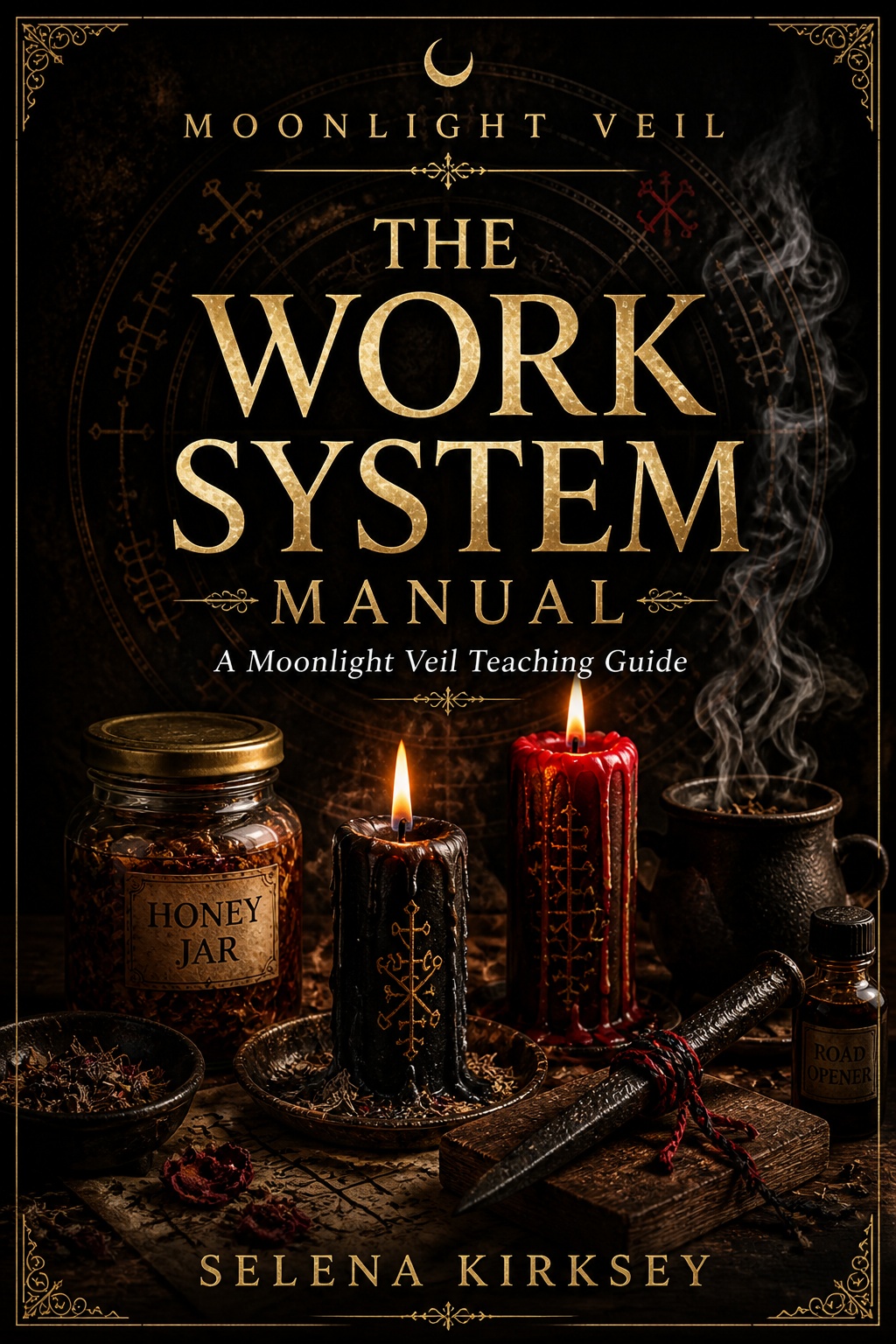
At the same time, I’ve also expanded on my “Moonlight Veil” spiritual and ancestral guidance brand, focused on personal growth and self-awareness. While TBG Shoppe and the platforms focus on operational and business empowerment, Moonlight Veil complements that work by helping individuals reconnect internally with their intuition, purpose, and personal growth. Together, the brands create a full-circle approach to external and internal development.
Today, I continue to scale both TBG Shoppe and the platforms, optimizing the operational systems, automation workflows, and service bureau capabilities, with the goal of creating infrastructure that allows entrepreneurs and professionals to grow efficiently, maintain consistency, and expand their business impact. My mission has never been simply to run a business—it’s to create systems, tools, and opportunities that empower others while building scalable, lasting, and impactful solutions.
Can you talk to us a bit about the challenges and lessons you’ve learned along the way. Looking back would you say it’s been easy or smooth in retrospect?
It definitely hasn’t been a smooth road, and honestly, I think that’s true for most entrepreneurs who are building something meaningful from the ground up. One of the biggest challenges has been learning how to build while simultaneously learning. A lot of what I do now—whether it’s business infrastructure, automation systems, AI integration, workflow development, or operational strategy—I had to teach myself in real time.
There were moments where I was handling client work, developing platforms, learning new technologies, managing branding, creating systems, and still trying to maintain balance personally all at once. When you’re building independently, especially in the early stages, there’s rarely a clean separation between founder, developer, strategist, marketer, and customer support—you become all of those people at the same time.
Another challenge has been navigating growth while building something unconventional. TBG Shoppe, Clerke, OperIQ, and Moonlight Veil all exist in very different spaces, and at first glance people don’t always understand how they connect. I had to become comfortable with building a vision that made sense to me before it made sense to everyone else.
There’s also a unique challenge in moving from being service-based into systems-based thinking. At one point, success felt tied directly to how much work I personally could handle. Eventually I realized that long-term growth required infrastructure, automation, and scalable systems—not just working harder. That mindset shift completely changed how I approached business.
Developing Clerke and OperIQ has also come with its own learning curve because I’m not simply using platforms—I’m actively helping build and structure them. That means constantly testing workflows, refining systems, solving operational problems, and thinking ahead about scalability, client experience, and long-term functionality. Building technology while simultaneously running businesses requires a different level of adaptability and patience.
At the end of the day, though, every challenge taught me something valuable. I’ve learned how important resilience, flexibility, and vision are when you’re creating something from scratch. I’ve also learned that growth often looks messy while you’re in the middle of it, even when the long-term vision is clear.
We’ve been impressed with Clerke/OperIQ, but for folks who might not be as familiar, what can you share with them about what you do and what sets you apart from others?
Clerke and OperIQ were created to solve one of the biggest problems entrepreneurs and growing businesses face: operational chaos. Both platforms were built from real-world experience working directly with startups, service professionals, and small businesses that needed better systems, clearer organization, and smarter infrastructure to grow successfully.
Clerke is an all-in-one business support and operational platform designed to simplify the foundation of running a business. We specialize in business formation, tax preparation support, notary services, AI receptionist systems, compliance support, and operational organization for entrepreneurs and service-based businesses. Our goal is to eliminate the confusion that comes from juggling disconnected tools, scattered communication, and fragmented services by bringing essential business operations into one centralized ecosystem.
OperIQ focuses on workflow intelligence, operational management, team organization, and scalable business infrastructure. It was designed for businesses that need better visibility, accountability, communication flow, and operational structure as they scale. OperIQ helps companies organize workflows, streamline communication, improve team coordination, and build systems that support long-term growth instead of reactive problem solving.
What sets us apart is that both brands were built by practitioners, not just developers creating software from theory. Every feature, workflow, and service model was designed around real operational pain points experienced firsthand while working with entrepreneurs and business owners. We understand the frustration of managing multiple systems, missing leads, repetitive client communication, backend disorganization, and operational inefficiencies because we lived it before building the solution.
One of the things we are most proud of brand-wise is building platforms that blend human-centered support with intelligent automation. We are not trying to replace human interaction with cold technology. Instead, we focus on using AI and operational systems to reduce stress, simplify business management, improve responsiveness, and create a smoother experience for both businesses and their clients.
We are also proud of building infrastructure specifically for entrepreneurs, startups, and underserved small business markets that are often overlooked by larger enterprise-focused platforms. Many small businesses cannot afford complicated enterprise systems or full operational teams, so we created scalable solutions that provide professional-level organization and support without unnecessary complexity.
At the core of both Clerke and OperIQ is one mission: helping businesses operate smarter, grow stronger, and build sustainable systems that support long-term success instead of constant survival mode. Humans normalized burnout, disorganization, and “figuring it out as we go” as if that was some noble business strategy. We decided to build something better.
Are there any important lessons you’ve learned that you can share with us?
One of the most important lessons I’ve learned is that growth requires systems, not just effort. In the beginning, I thought success meant working harder, taking on more clients personally, and trying to manage everything myself. Over time, I realized that approach eventually creates burnout instead of sustainability.
As I started building TBG Shoppe, Clerke, and OperIQ, I learned that real scalability comes from infrastructure, automation, organization, and creating processes that can function consistently beyond your direct involvement every second of the day. That lesson completely changed how I approach business and leadership.
I’ve also learned the importance of trusting my vision, even when it doesn’t immediately make sense to everyone else. Some of the things I’m building combine industries and ideas that people don’t traditionally place together—tax services, AI systems, operational platforms, business infrastructure, and spiritual wellness. Early on, that made me second-guess myself because unconventional ideas are often misunderstood before they’re understood. Eventually, I realized innovation usually feels unfamiliar before it feels obvious.
Another major lesson has been understanding that entrepreneurship is as much a personal growth journey as it is a business journey. Building businesses forced me to develop resilience, discipline, adaptability, and confidence in ways I probably wouldn’t have otherwise. There’s a certain level of uncertainty that comes with creating something from scratch, especially while simultaneously learning, building, and evolving in real time.
Most importantly, I’ve learned that you don’t have to wait until everything is perfect to start building. Some of the biggest breakthroughs in my journey came from taking action before I felt fully ready and figuring things out through experience, consistency, and persistence.
Pricing:
- AI Receptionist Plans starting at $49
- Business Formation Services starting at $299
- Self-File Tax Portal starting at $97
- Remote Online Notary services starting at $25
- Moonlight Veil Readings starting at $9
Contact Info:
- Website: https://www.tbgshoppe.com
- Other: getclerke.polsia.app, operiq-ai.polsia.app, and moonveilos.com