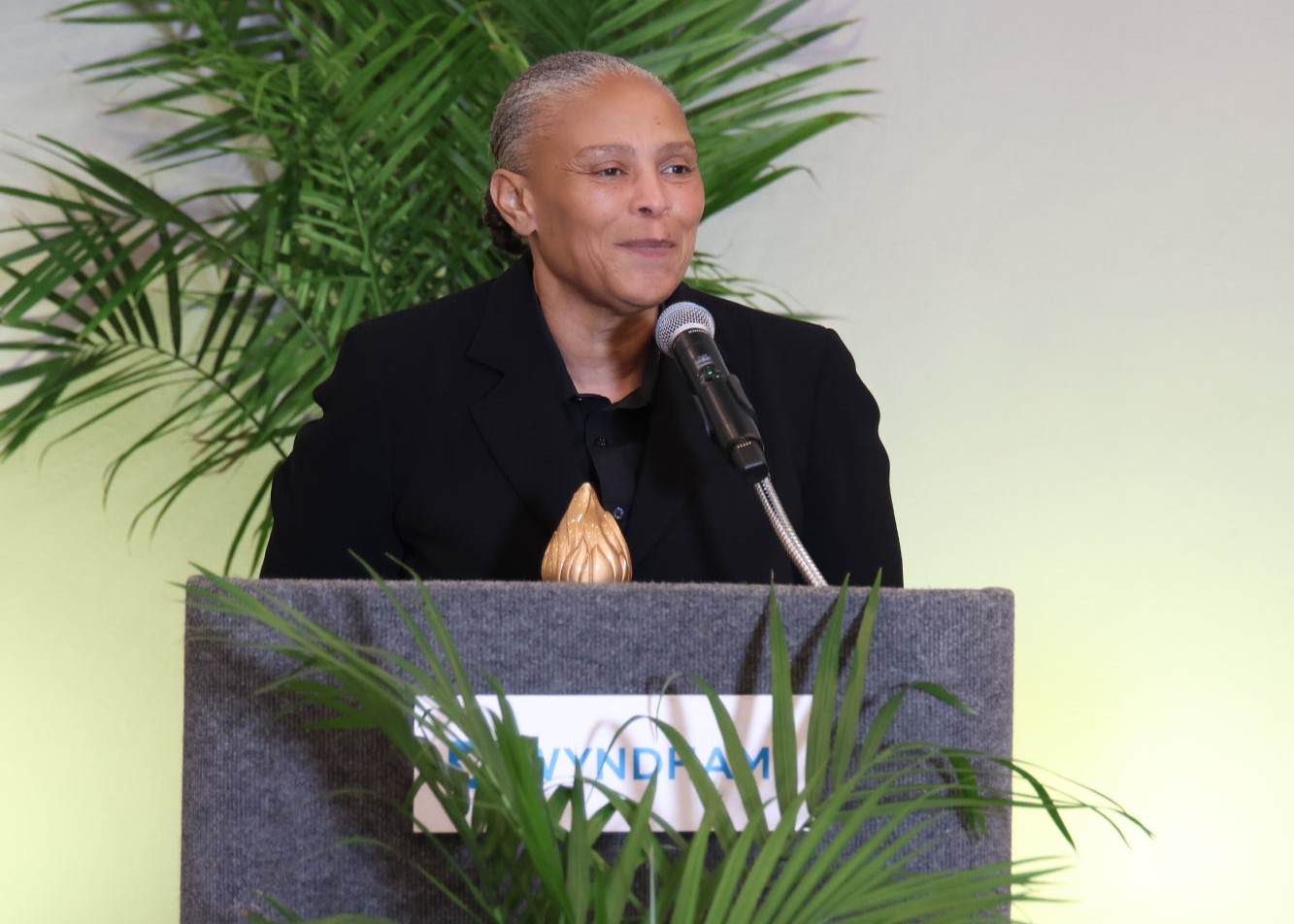



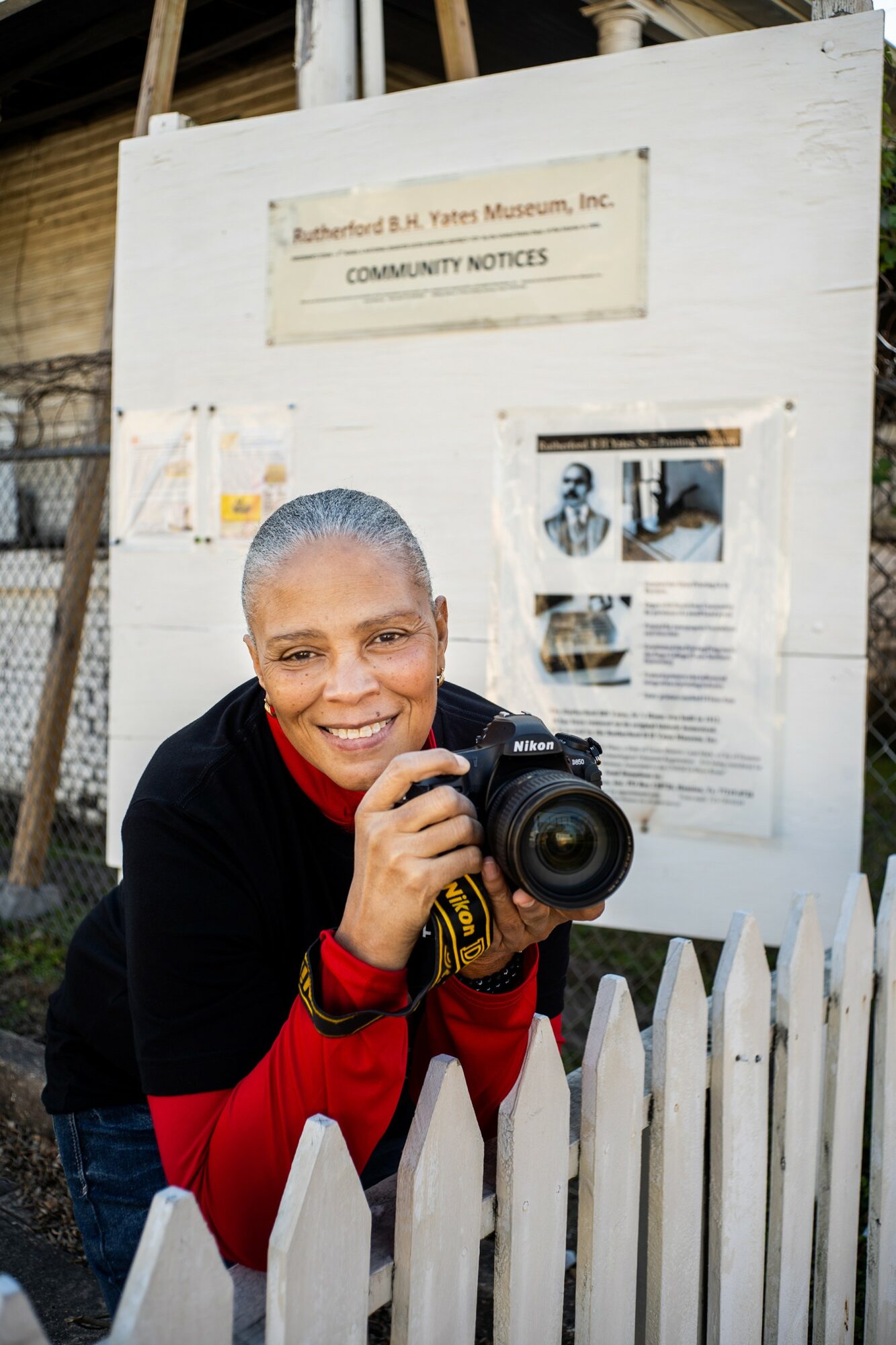
Today we’d like to introduce you to Priscilla T Graham.
Hi Priscilla T, can you start by introducing yourself? We’d love to learn more about how you got to where you are today?
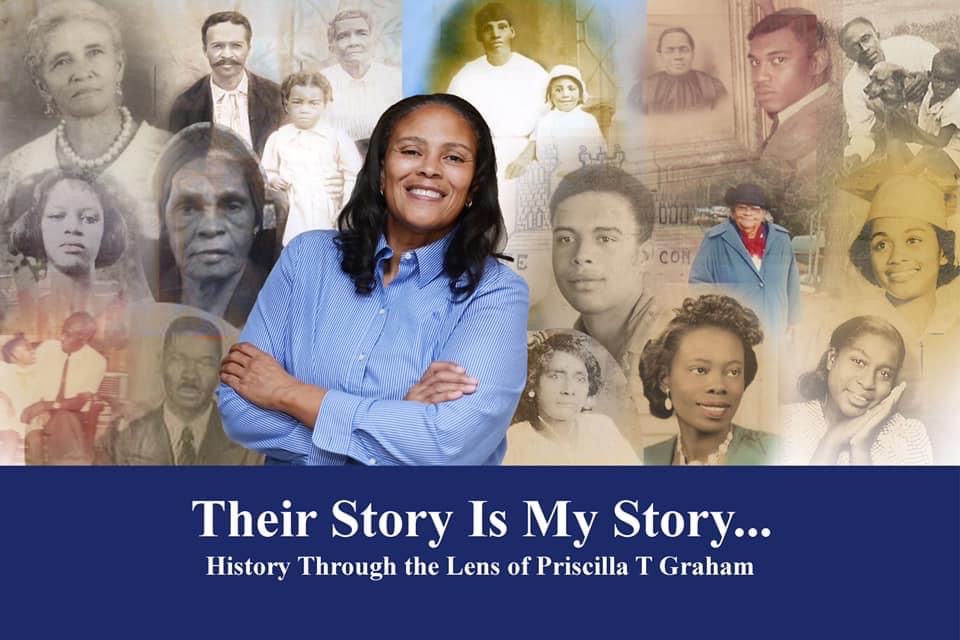
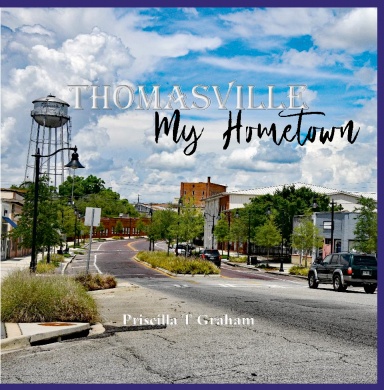
I was born and raised in Thomasville, Georgia, and my story begins long before I ever became an artist, author, or preservationist. It begins with my ancestors. As a child, I looked at a photograph of my grandfather’s family every day, never knowing who the little girl in the image truly was. Many years later, I found a newspaper photo of my grandfather pointing to that same little girl and saying she was his grandmother, Harriett Mitchell. I did not yet know her full story, but I carried her name, her strength, and her silence. Over time, that silence became my motivation. I wanted to know who she was, where she walked, and what she survived. That desire to reclaim what was lost is the foundation of everything I do.
My path was not traditional. I served six years in the United States Army Signal Corps, which taught me discipline, precision, and the importance of service. After completing my military service, I earned my degree from Texas Southern University, then my MBA. My life moved in the direction of purpose, community, and truth, which eventually led me into preservation work.
A defining moment came in 1994, when I heard Congresswoman Sheila Jackson Lee say, “Too often when people need us the most, we give them our worst.” Those words struck me deeply. They became a personal vow, a commitment to give people my best, especially those who need it the most. That moment still guides me today.
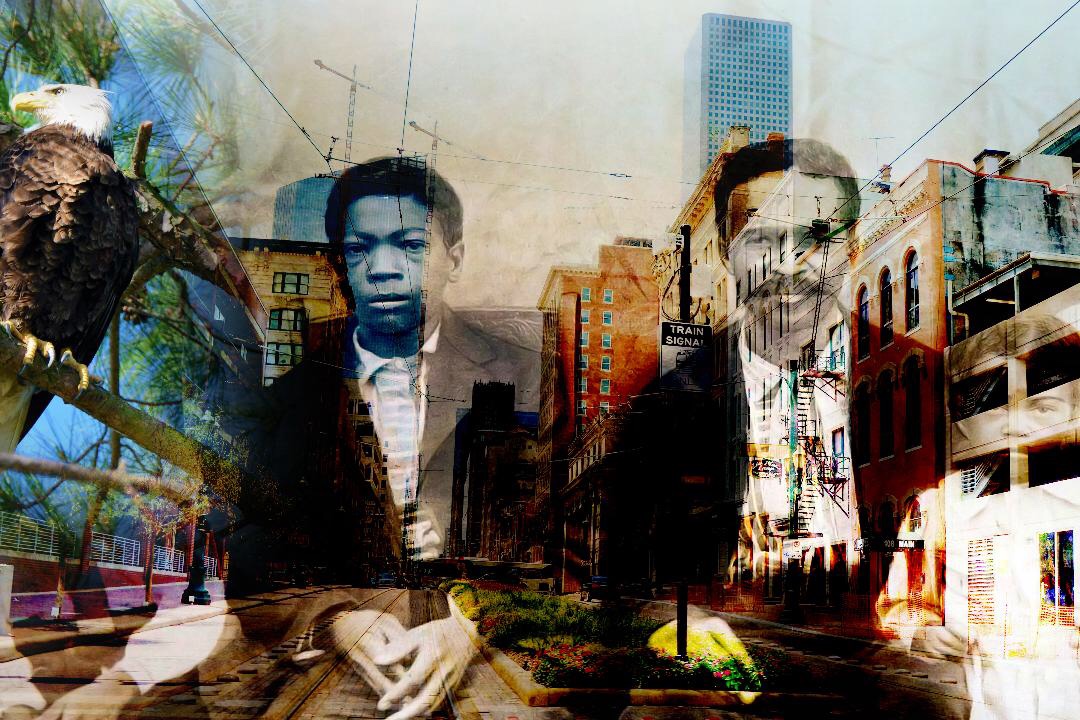
I did not begin with a camera or a plan. I began with curiosity. I walked neighborhoods, visited churches, talked to elders, photographed landmarks, and listened to stories that had never been written down. What started as a personal mission grew into a regional archive. Over time, I built one of the most extensive contemporary collections of Black cultural heritage in Texas, documenting historic settlements, churches, cemeteries, neighborhoods, and cultural landscapes across the state.
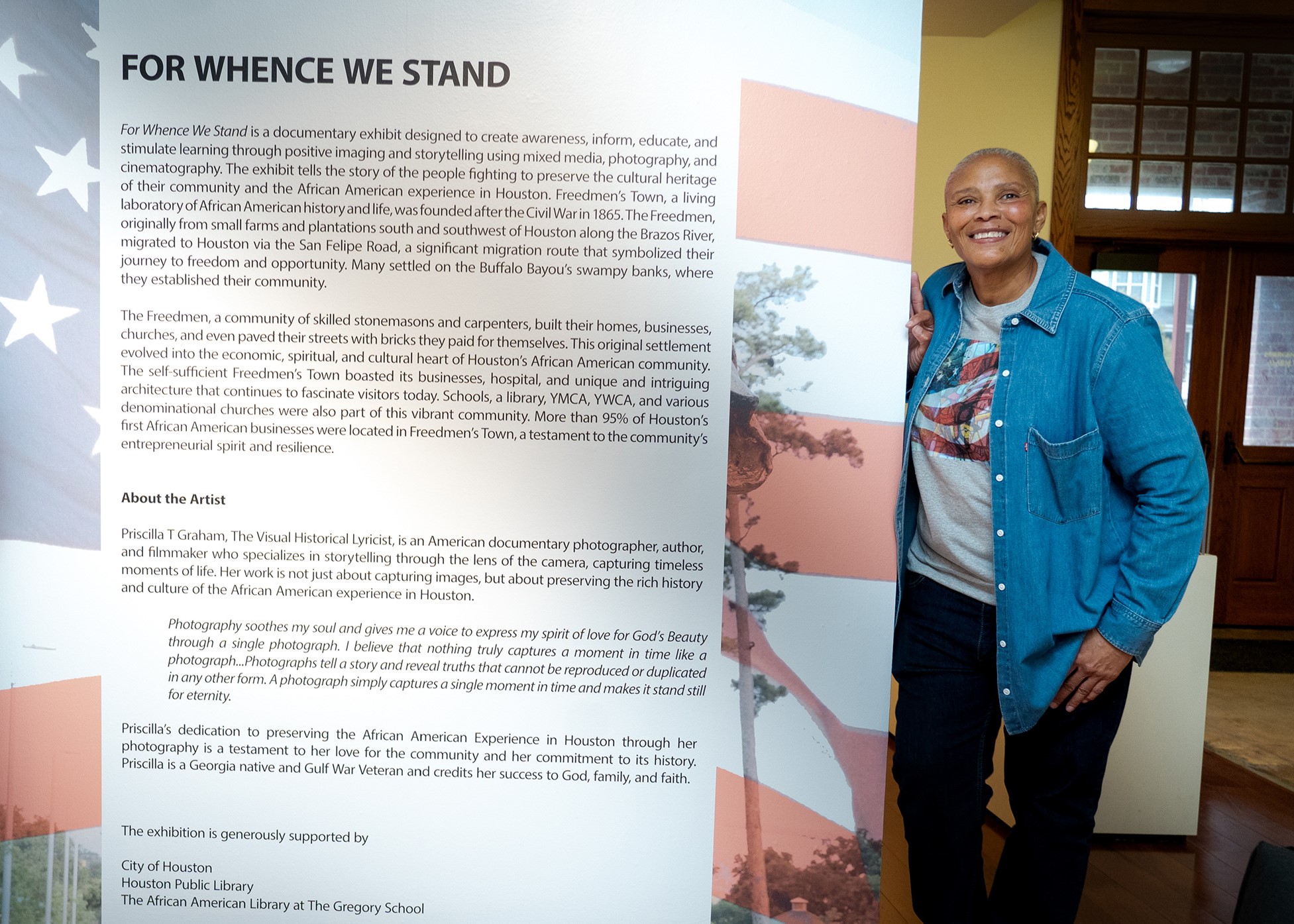
My work expanded into exhibitions at the Buffalo Soldiers National Museum, the Contemporary Arts Museum Houston, Hogan Brown Gallery, and the Houston Freedmen’s Town Conservancy. I wrote book after book, forty-nine published works, not because I set out to be an author, but because the stories demanded a place to live.
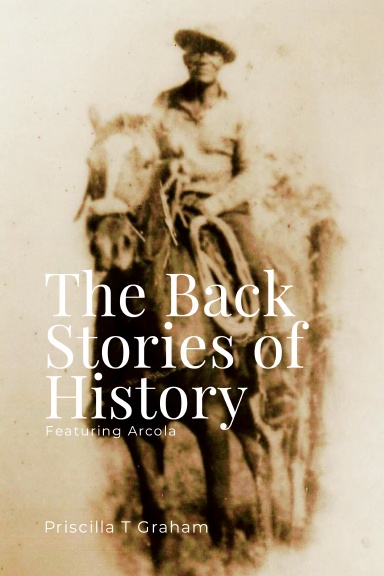
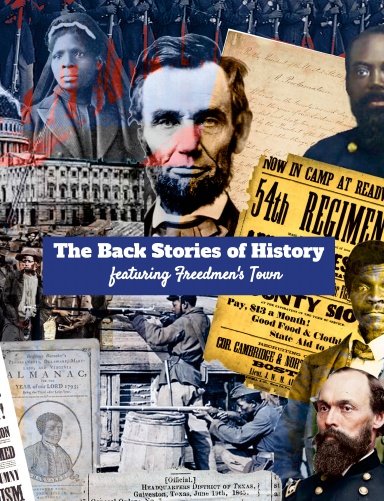
Eventually, my journey led me to Arcola. I realized that the community I lived in carried a history that had never been fully told. Families, churches, civic leaders, and cultural landscapes were part of a story that deserved to be documented with dignity and accuracy. That is how The Back Stories of History: Featuring Arcola came to life, as one book in a much larger body of work, but one that holds special meaning because it restores the memory of a community whose history had been overlooked.
Today, I continue to preserve the stories of Arcola and communities across Texas. My work blends photography, genealogy, oral history, and archival preservation, but at its core, it is about honoring people. It is about making sure that when future generations look back, they will see themselves reflected in truth, strength, and legacy.
My journey began with a question: Who were we before the world tried to erase us? I have spent most of my adult life answering that question, one photograph, one interview, one book, and one community at a time.
Can you talk to us a bit about the challenges and lessons you’ve learned along the way. Looking back would you say it’s been easy or smooth in retrospect?
The road has not been smooth. Preservation work rarely is. When I started, I had no blueprint, no funding, no mentors in this field, and no one telling me which direction to go. I had to learn everything on my own, from research to photography to archival preservation. Every step required patience, persistence, and a willingness to keep going even when the path was unclear.
One of the biggest challenges was realizing how much history had been lost, scattered, or intentionally erased. I often found myself searching for records that no longer existed, walking land where nothing remained, or talking to elders who were the last living link to a story. There were moments when the weight of what had been forgotten felt overwhelming. But I kept going because the silence itself demanded answers.
Another struggle was access. Many historic Black communities were overlooked, under documented, or dismissed. Doors did not always open easily. I had to earn trust, show respect, and prove my commitment to telling the truth with dignity. Over time, people began to share their stories, photographs, memories, and history with me.
There were also personal challenges. Preservation work is time-intensive, emotionally heavy, and often done alone. I spent years walking neighborhoods, visiting churches, digging through archives, and piecing together fragments of history. It required discipline, the same discipline I learned during my six years of military service. That training helped me stay focused, organized, and committed even when the work was difficult.
Despite the struggles, every obstacle shaped me. Every unanswered question pushed me to look deeper. Every missing record reminded me why this work matters. The road has not been smooth, but it has been purposeful. And every challenge along the way strengthened my commitment to preserving the stories that deserve to be remembered.
As you know, we’re big fans of you and your work. For our readers who might not be as familiar what can you tell them about what you do?
My work centers on documenting, preserving, and restoring the histories of Black communities across Texas and the American South. I am a documentary artist, genealogist, cultural preservationist, and the author of forty nine published books that focus on forgotten people, places, settlements, churches, and cultural landscapes. I specialize in combining photography, archival research, oral history, and community memory to create accurate, dignified records of places that were often overlooked or intentionally erased.
I am known for building one of the most extensive contemporary archives of Black heritage in Texas. My work spans historic settlements, churches, cemeteries, neighborhoods, and civic landmarks, and it has been featured in exhibitions at the Buffalo Soldiers National Museum, the Contemporary Arts Museum Houston, Hogan Brown Gallery, and the Houston Freedmen’s Town Conservancy. I am also known for my ability to uncover stories that have been buried for generations and present them in a way that honors the people who lived them.
What I am most proud of is the trust communities place in me. People share their photographs, their memories, their family histories, and their sacred spaces because they know I will treat them with respect. I am proud that my work has helped families reconnect with their lineage, helped communities reclaim their identity, and helped preserve cultural landscapes that might otherwise disappear.
What sets me apart is the way I work. I do not approach history from a distance. I walk the land, I talk to elders, I study the archives, and I photograph the places where stories were lived. My preservation practice is hands on, community centered, and deeply personal. I carry the discipline of my six years of military service, the curiosity that began in my childhood, and the commitment inspired by Congresswoman Sheila Jackson Lee’s words in 1994. I give communities my best, and I document their stories with accuracy, dignity, and care.
My work is not just about history. It is about restoring memory, honoring ancestors, and making sure future generations know exactly who they come from.
Can you tell us more about what you were like growing up?
Growing up in Thomasville, Georgia, I was a quiet, observant child who paid attention to everything around me. I loved listening more than talking, and I spent a lot of time studying people, places, and details that others overlooked. I was curious, disciplined, and deeply connected to my grandparents’ routines, values, and stories. Their home was a place where faith, order, and tradition shaped daily life, and those rhythms formed the foundation of who I became.
I was drawn to photographs, history, and anything that carried a sense of memory. That family photo on the wall, the one I looked at every day, stayed with me even before I knew who the little girl was. I didn’t realize it then, but I was already developing the instincts of a preservationist. I wanted to understand things, to know where people came from, and to make sense of the past.
Personality wise, I was focused, responsible, and mature for my age. I followed structure well, which later aligned perfectly with my six years of military service. I enjoyed learning, reading, and exploring, and I had a natural drive to finish what I started. I wasn’t the loudest or the most outgoing, but I was steady, thoughtful, and determined.
Looking back, everything I loved as a child, photographs, stories, quiet observation, discipline, and curiosity, became the foundation of the work I do today. My childhood shaped my purpose long before I knew what that purpose would be.
Contact Info:
- Website: https://www.priscillatgraham.com/
- Facebook: https://www.facebook.com/priscilla.graham1/
- Youtube: https://www.youtube.com/@ptgraham53