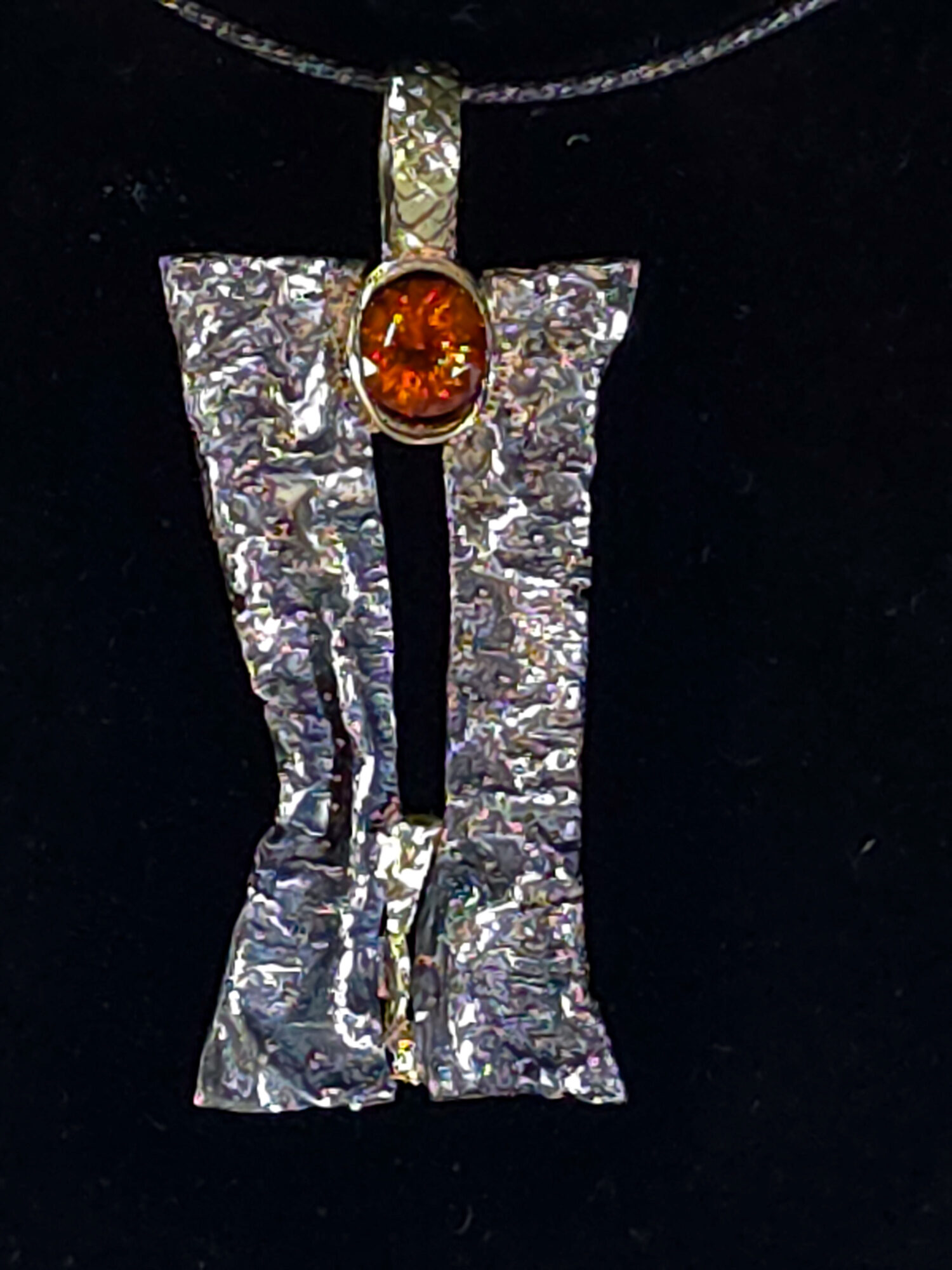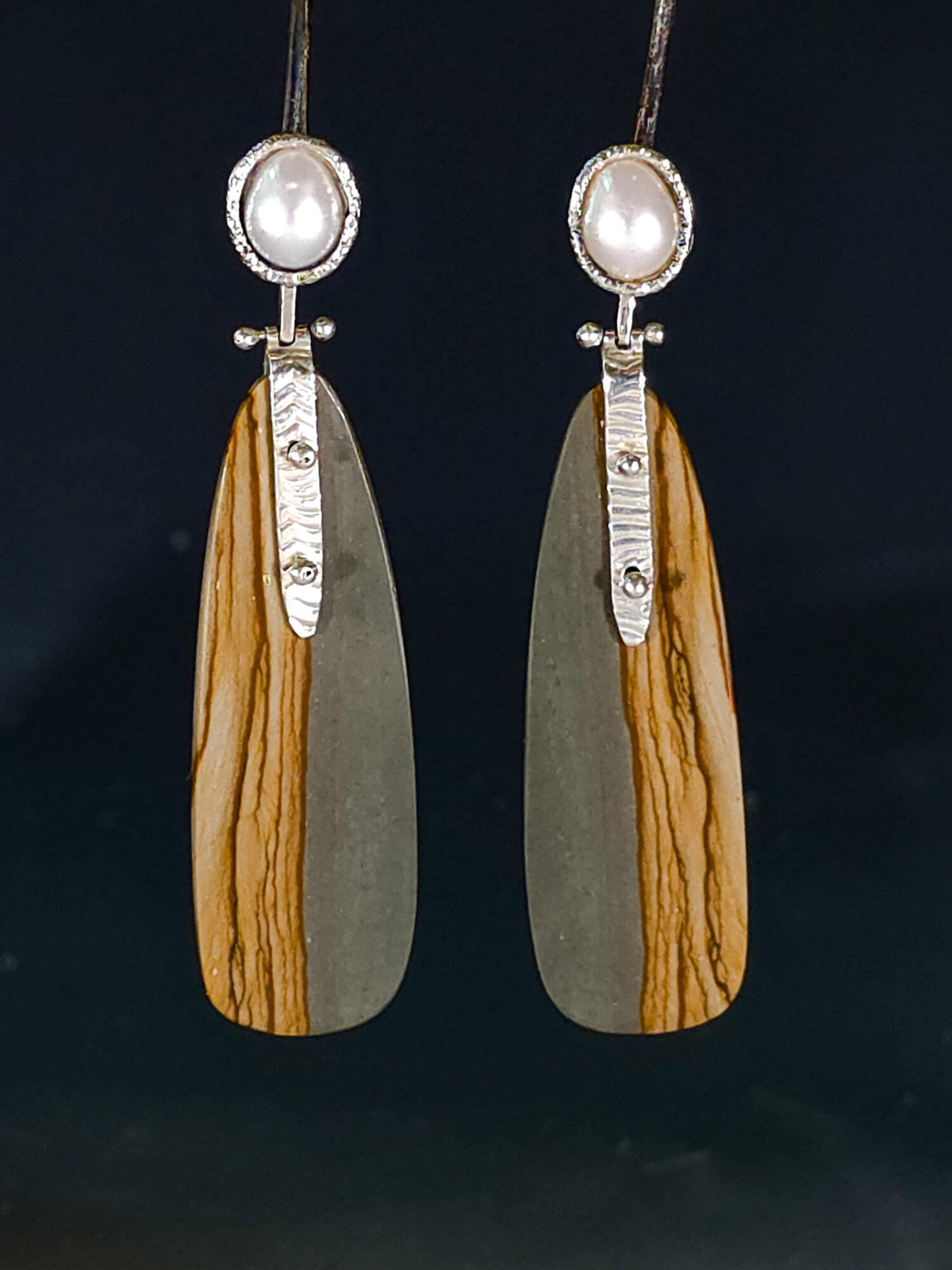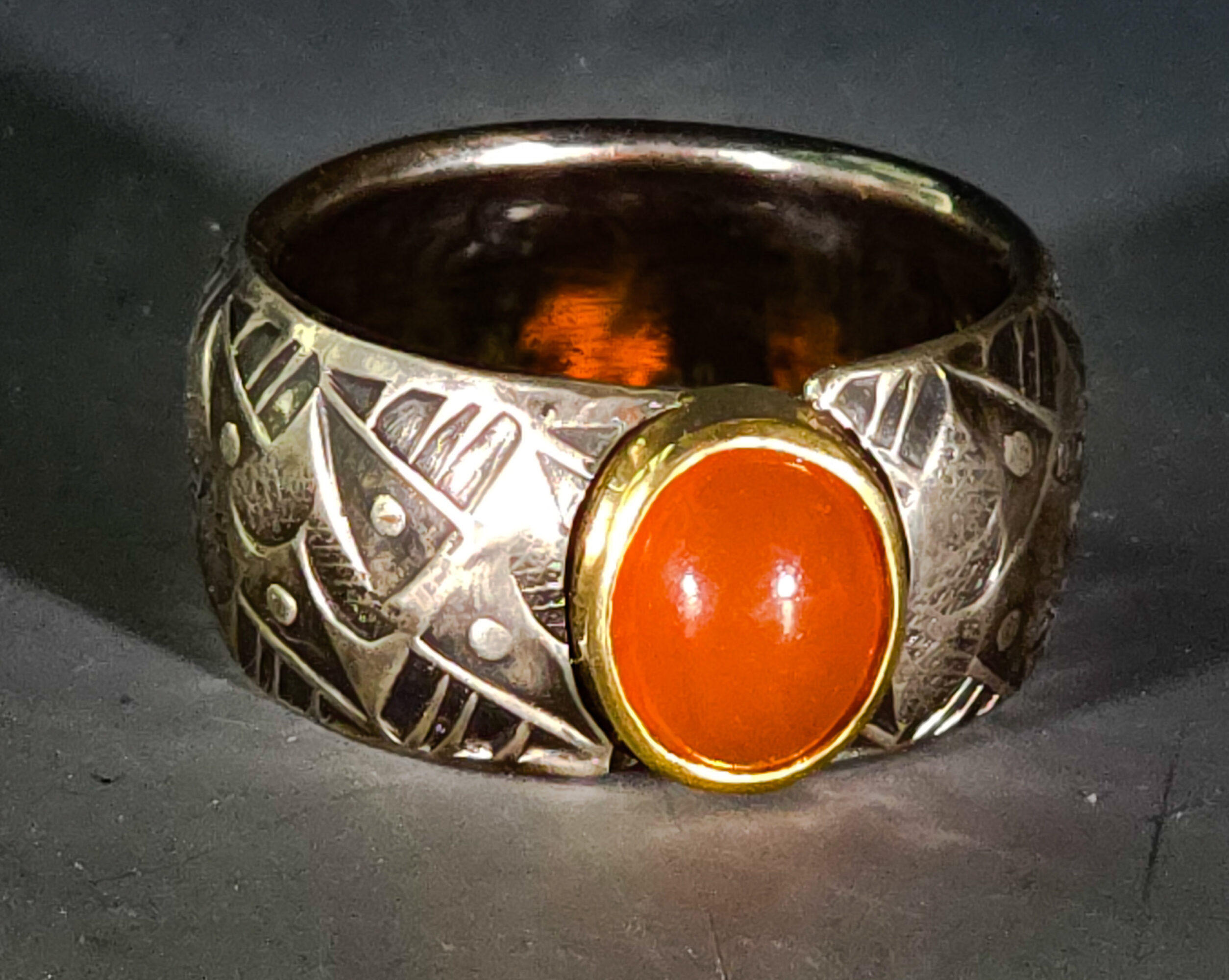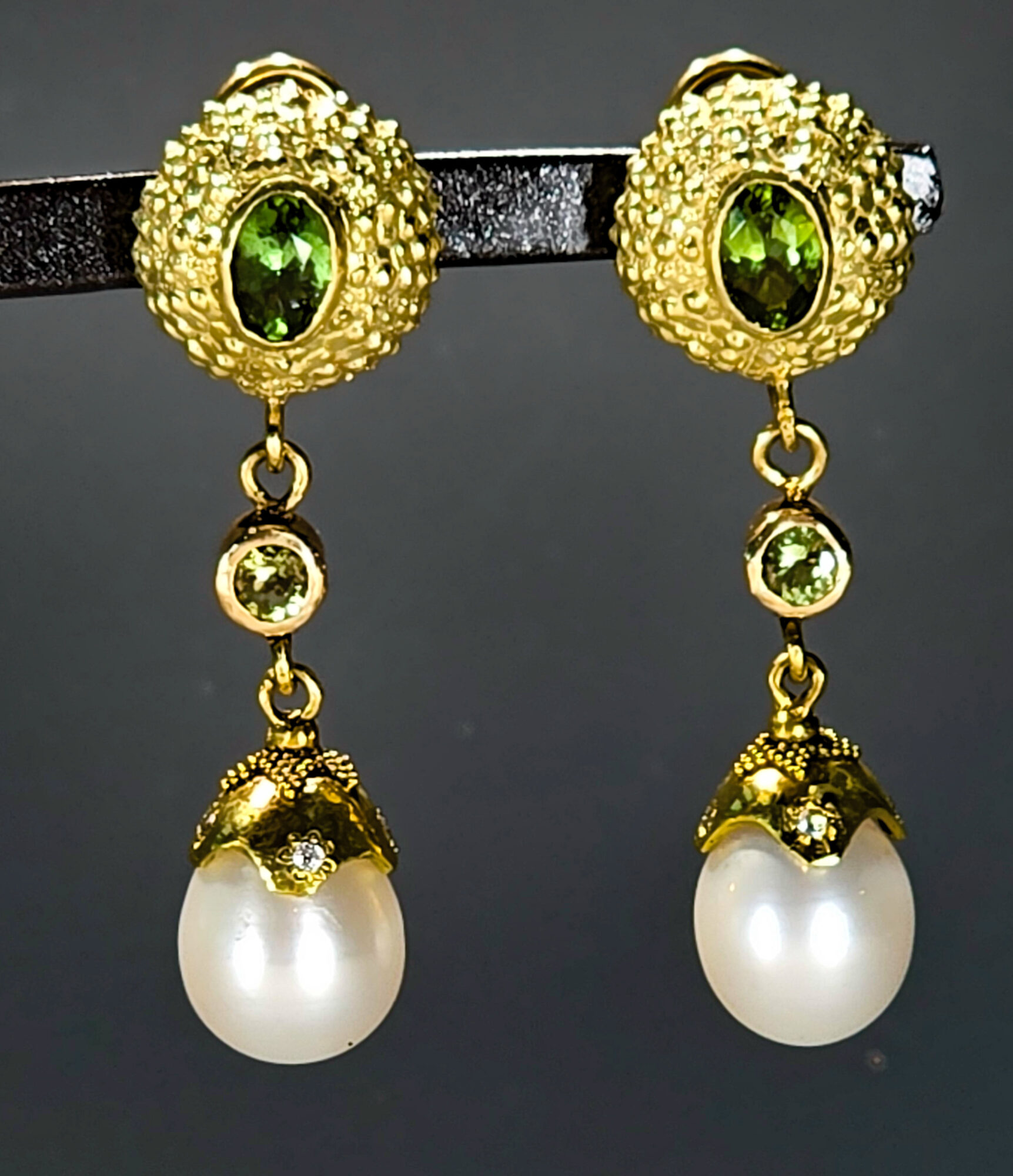




Today we’d like to introduce you to Al Heilman.
Hi Al, so excited to have you on the platform. So before we get into questions about your work-life, maybe you can bring our readers up to speed on your story and how you got to where you are today?
I started with my hands in someone else’s body.
Four decades as a spine surgeon. Founding partner at Texas Orthopedic Hospital in Houston. I opened people up, rebuilt what was broken, and closed them back together. That was the work. That was who I was.
Then my own body turned on me. Latex sensitivity. Chemical sensitivity. The OR became a place I could no longer enter. After forty years, the thing that defined me was simply gone.
I didn’t retire gracefully. I was pushed.
But I’d had my own spine rebuilt — L3 through L5, a 360-degree fusion in 2005 — and I knew something about starting over in pain. So I enrolled at the Glassell School of Art in Houston. Studied enameling. Then glass at Bullseye in Santa Fe. Then goldsmithing. Then lapidary. Then steel sculpture. I wasn’t dabbling. I was rebuilding an identity the same way I’d rebuilt spines — one careful layer at a time.
I designed and built my studio on Lake Conroe. Floor-to-ceiling windows. A Jen-Ken kiln. A rolling mill. A jeweler’s bench. Everything I need is within arm’s reach.
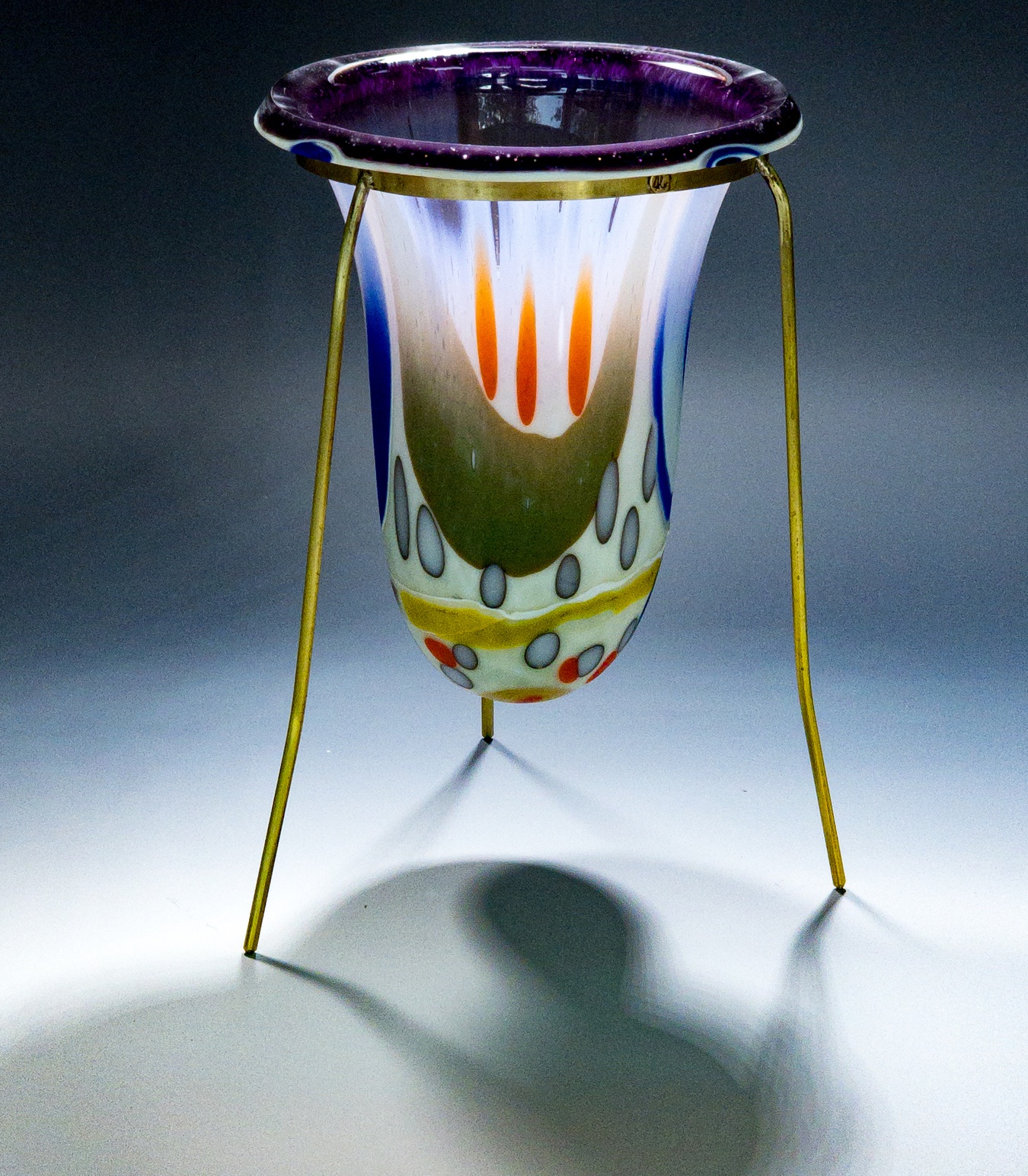
Now I make things. Fused glass vessels. Silver and gold jewelry. Watercolors. Oil paintings. I write a Substack called These Hands Remember. I’ve published a book. I contribute personal essays to a family archive I’ll leave my grandchildren.
The hands that held scalpels now hold torches and gravers. Different tools. Same precision. Same intention.
I didn’t get here by planning it. I got here by refusing to stop.
We all face challenges, but looking back would you describe it as a relatively smooth road?
Smooth? No. Not even close.
The first struggle was identity. I was a surgeon for forty years. That’s not a job — it’s a self-concept. When the OR door closed for the last time, I didn’t know who I was without a patient on the table. That kind of loss doesn’t announce itself cleanly. It seeps in. You wake up one morning and realize the thing that organized your entire existence is just gone.
Then there was my own body. I’d spent decades fixing other people’s spines while quietly destroying my own. The fusion surgery helped, but chronic pain became a permanent companion. You learn to work around it or you don’t work. I learned to work around it.
The chemical and latex sensitivities that ended my surgical career didn’t stop at the OR door. They followed me into the studio. Certain materials. Certain processes. Things other artists use without thinking. I’ve had to adapt constantly — find workarounds, substitute materials, accept limitations I didn’t choose.
Learning new crafts in your sixties isn’t romantic. It’s humbling. You’re a beginner again, in a room full of people half your age, and your hands know how to do something entirely different. Glass doesn’t behave like tissue. Metal doesn’t respond like bone. I failed at things repeatedly. Kilns don’t care about your credentials.
And there’s the quieter struggle nobody talks about. Writing about it. Processing it honestly. Deciding what to share and what to keep. I’ve written over 450 personal essays. Some of them were hard to finish. A few were hard to survive.
But here’s what I know. The road doesn’t have to be smooth to be worth traveling.
As you know, we’re big fans of you and your work. For our readers who might not be as familiar what can you tell them about what you do?
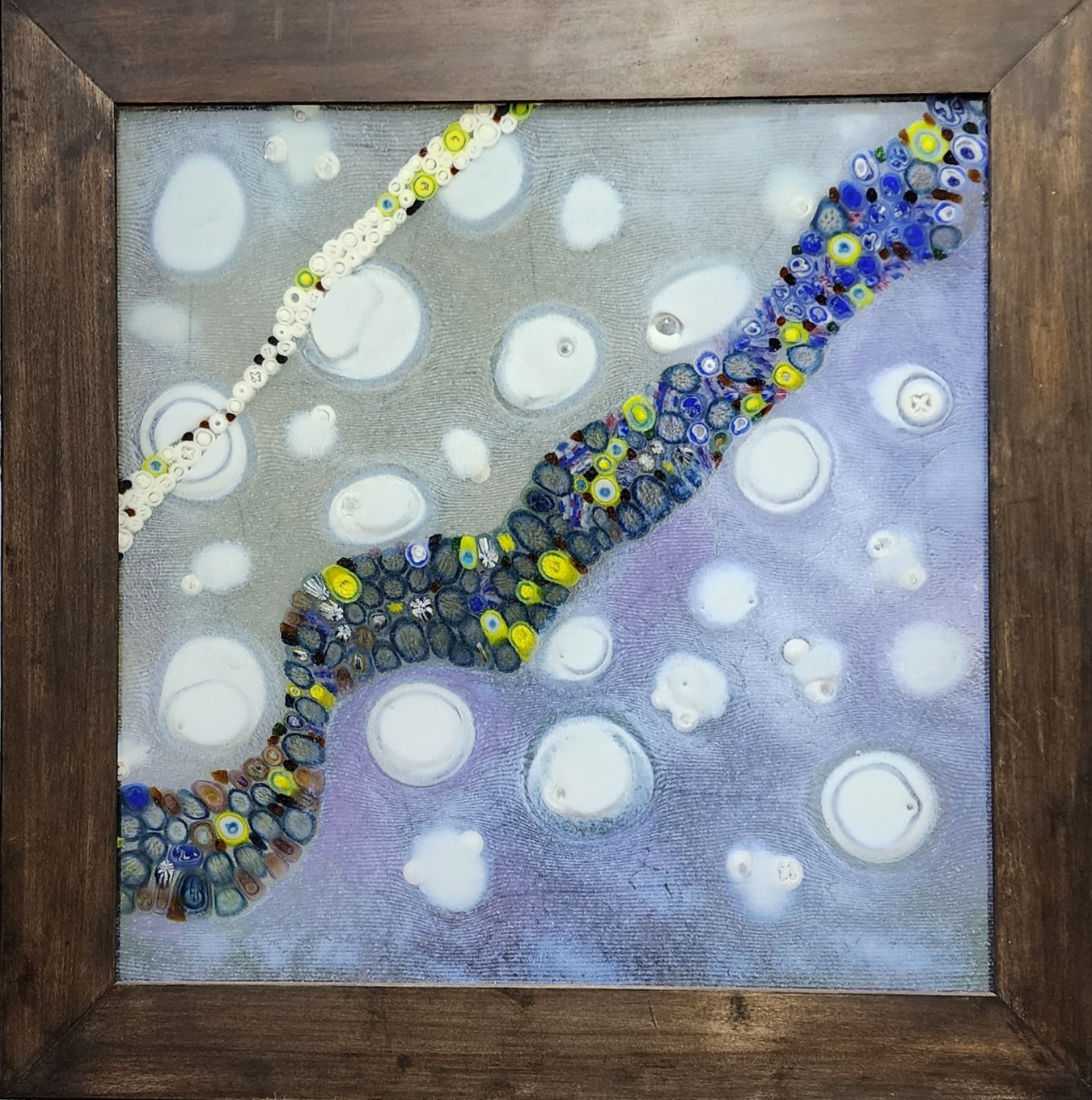
I work across disciplines most people keep separate. But the thread running through all of it is the same: I take raw material and coax it into form. In glass it’s heat and gravity. In metal it’s hammers, mandrals, files, and presses. In prose it’s thought and memory, shaped into something that holds.
That process unfolds in stages, never all at once. You put in the effort, the study, the failed attempts — and then something shifts. The work finds its voice. It sings. It’s like blowing bubbles into a pool: all that invisible energy beneath the surface, and then suddenly something rises and catches the light.
It takes days, not hours. It took years of failure before I trusted it.
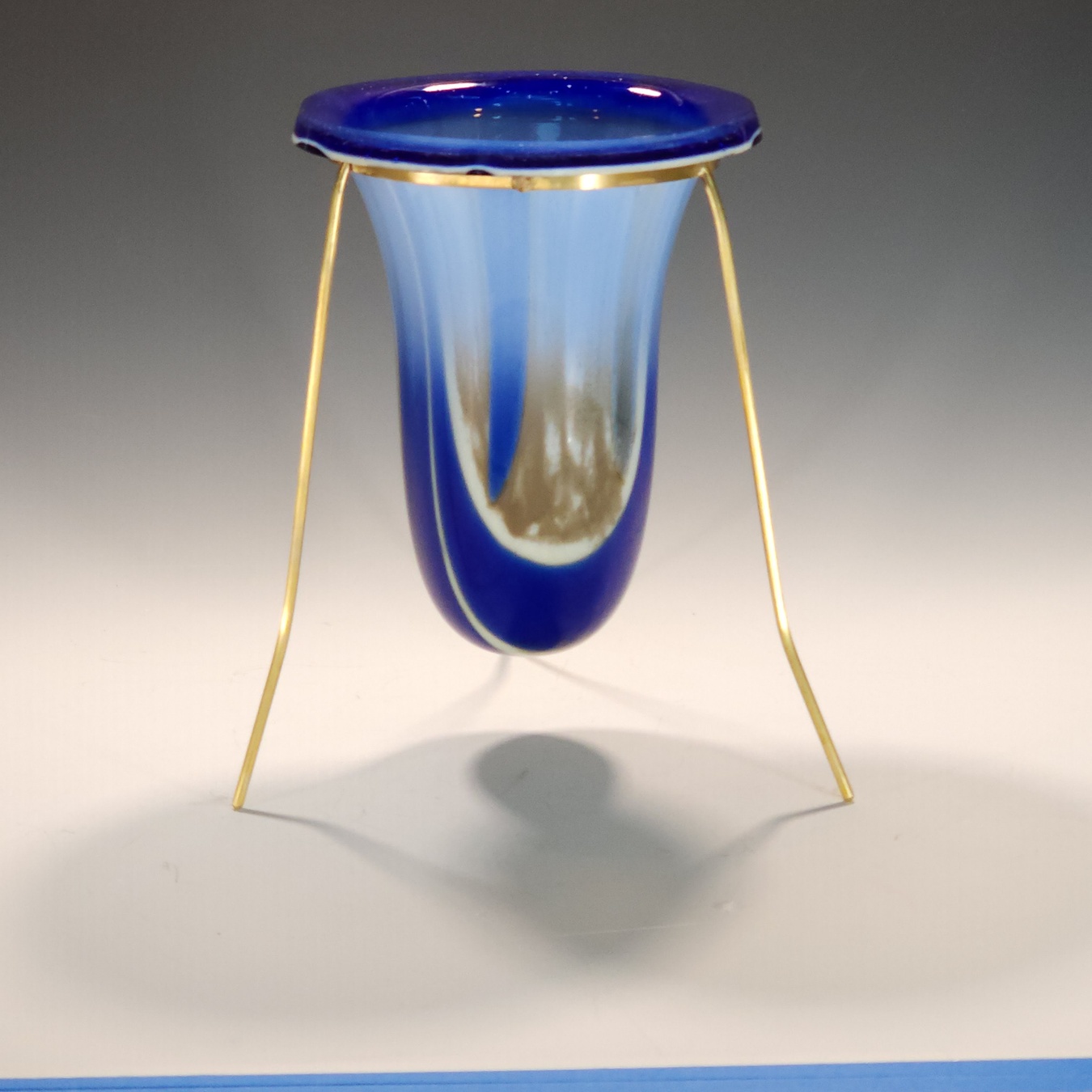
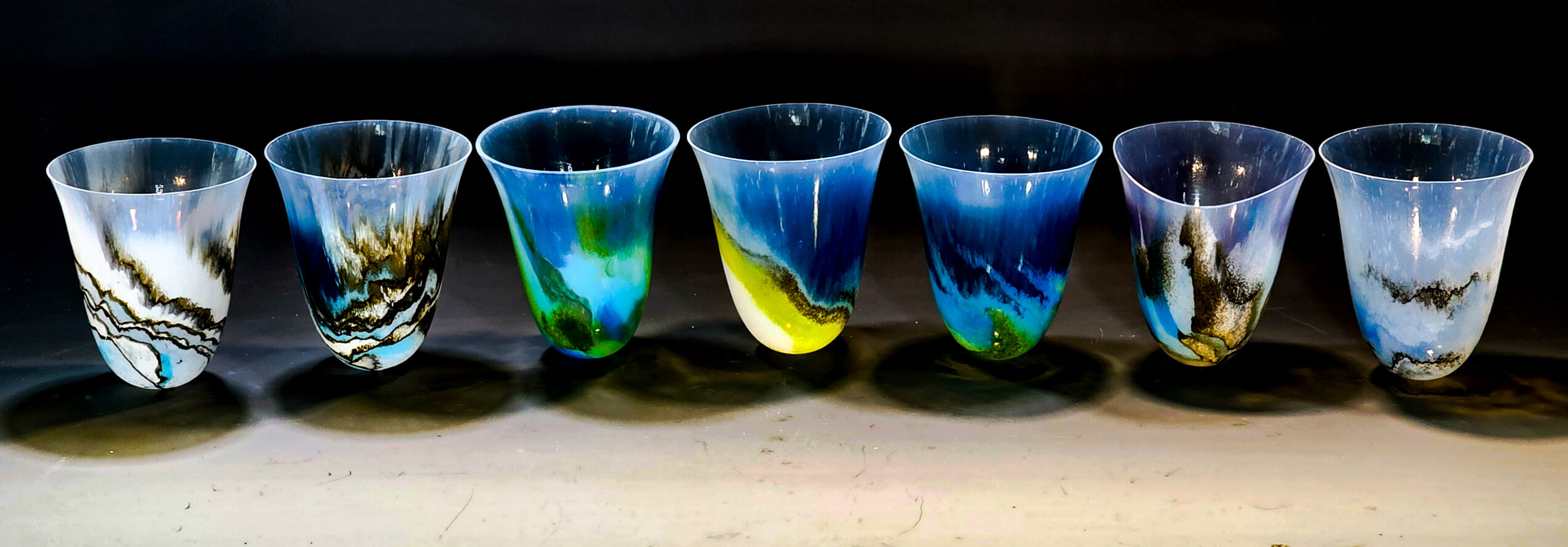
In glass, I work primarily in drop ring vessels — a technically demanding form where I begin by assembling many shapes, colors, and forms of glass into a single flat blank. That blank is laid over a custom designed vermiculite ring and placed in the kiln. Heat softens the glass. Gravity does the rest. The blank falls through the ring and becomes something three-dimensional — a vessel, a form, a thing with presence. My job is to have prepared well enough that what emerges is what I was after — or something better. I’ve logged nearly 400 firings.
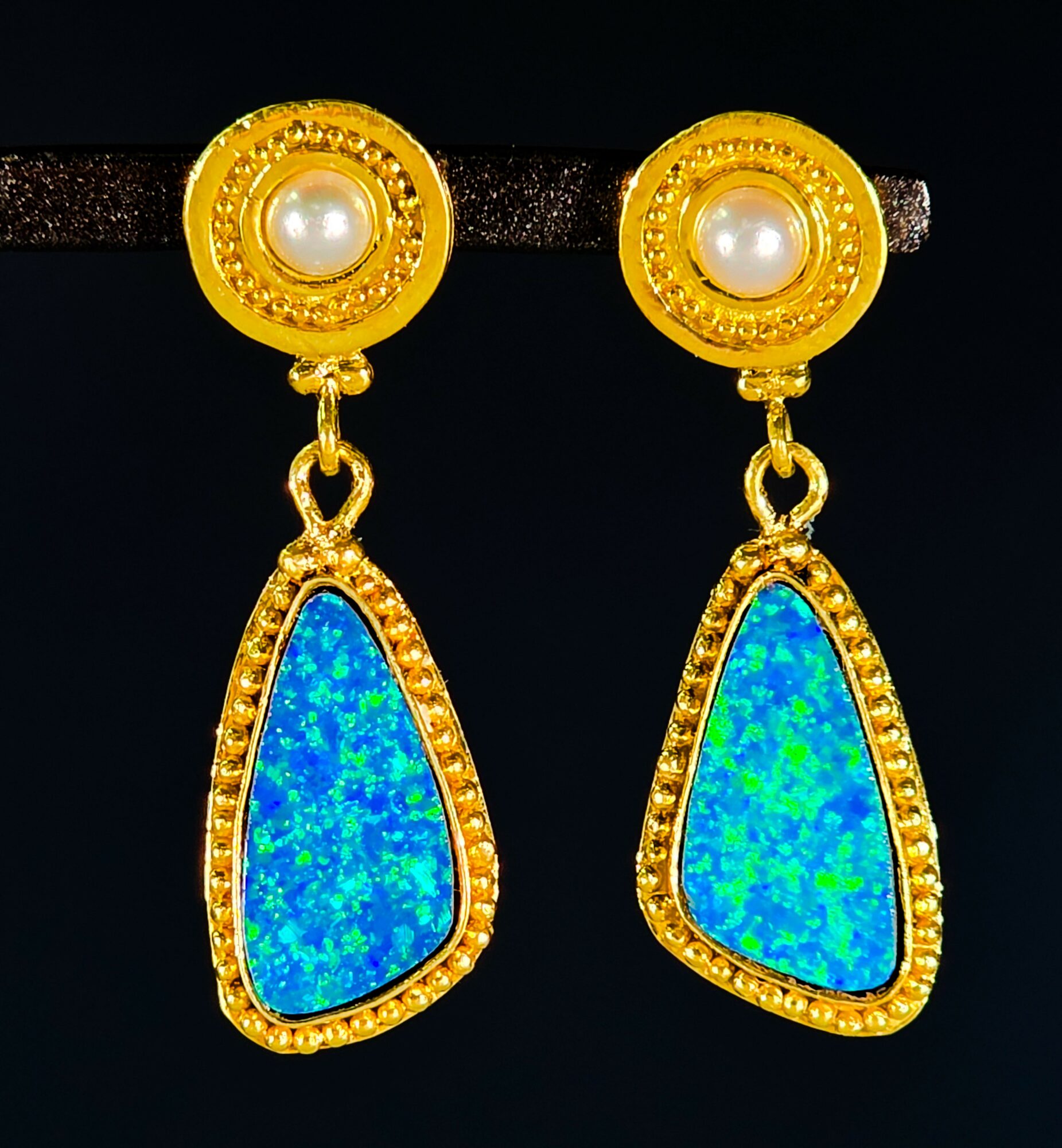
In metalwork, the tools change but the intention doesn’t. Hammer and stake stretch and compress a flat sheet of metal simultaneously — pulling it into compound curves that have no seam, no solder, no shortcut. It’s physically demanding work. A single piece can take days of deliberate, repetitive forming before it arrives at something balanced. I sought out the best teachers I could find — Michael Good, Kent Raible, Michael Boyd — and I worked until the knowledge was in my hands, not just my head. I make pieces meant to be worn, not admired from a distance.
The balance I’m after — in glass and in metal both — is between meticulous technique and genuine play. The plan matters. The execution matters. And then there’s the moment when you sit back and let the form tell you what it’s becoming. That moment is what forty years of surgical training and another decade at the bench and kiln taught me to trust.
Writing came later — and honestly, as a gift. As my body has aged there are days when the physicality gives way to prose. I published The Quiet Return, a book about my journey through prostate cancer and radiation — what it takes to come back, and what you find when you do. A book is permanent in a way a vessel or a ring is not. It sits on a shelf. It gets passed along. And I write regularly on Substack at These Hands Remember, where the work continues in real time — the making, the medicine, the life in between. Prose, I’ve learned, is its own art form. The hands that shaped bone and glass and metal now shape sentences. That, it turns out, is also a form of making something from nothing.
Is there something surprising that you feel even people who know you might not know about?
Most people see the finished piece. They don’t see the decades behind it.
Every significant work I’ve made begins with a plan. Precise. Considered. I know the form I’m after, the colors, the proportions. Then I put it in the kiln — and heat and gravity take over.
That’s not a loss of control. It’s the point. But it took years to earn the right to say that.
The failures came first. Pieces that cracked on the shelf. Colors that shifted in ways I didn’t anticipate and couldn’t yet read. Forms that collapsed past the point of beauty into something merely strange. Each one a lesson I couldn’t have gotten from a book. I took courses, studied with masters, fired and refired and started over. The kiln is an unforgiving teacher and a patient one — it will show you the same mistake as many times as you need to see it.
What I was learning, underneath the technique, was balance. Color against form. Texture against surface. The weight of a curve. How much to plan and exactly when to stop planning and let the glass move. A flat sheet, engineered and cut to specification, softens under heat and begins to find its own weight — dropping into shapes I drew on paper but couldn’t have fully imagined until the kiln showed them to me.
That transformation — flat to three-dimensional, designed to discovered — is central to my process. I set the conditions. I step back. And then the work has a voice I couldn’t have written alone.
The surgical parallel holds. You prepare obsessively, then you meet what’s actually there. The plan is essential. So is knowing when to follow what the work is showing you instead.
Pricing:
- I price my work the way I was trained to think about any skilled procedure — materials plus time, honestly accounted for. The materials are not inexpensive. Bullseye glass. Fine silver and 18-karat gold. Precision-cut natural stone. These aren’t substitutes for the real thing — they are the real thing. And the time involved is measured in hours that sometimes stretch into months for a single piece. I am a maker with a pedigree. Four decades of surgical training, formal study under master metalsmiths, hundreds of kiln firings, and a body of work built without shortcuts. That background lives in every piece I make. Being a retired surgeon also gives me something most makers don’t have — freedom. I don’t make work to pay the mortgage. I make pieces that resonate. That means I can wait for the right material, take the time a piece demands, and walk away from anything that doesn’t meet the standard I’ve set for myself. The work doesn’t exist to move inventory. It exists because it needed to be made. A few reference points for readers: Lapidary jewelry — stone-cut and hand-fabricated earrings and pendants in Argentium silver or 18-karat gold typically begin in the mid-hundreds Kiln-formed glass vessels — drop ring vessels representing 20–40+ hours of kiln time and fabrication start in the several-hundred-dollar range and climb with complexity and scale Commission work — priced individually based on design consultation, material selection, and production time Writing and narrative work — available through my Substack at thesehandsremember.substack.com Readers interested in a specific piece or commission are welcome to reach out directly.
- Materials
- Time
- Studio supplies
- Marketing
Contact Info:
- Website: https://Www.alheilmanart.com
- Instagram: Alheilmanart
- Facebook: Alheilmanart
- Other: https://substack.com/@thesehandsremember