





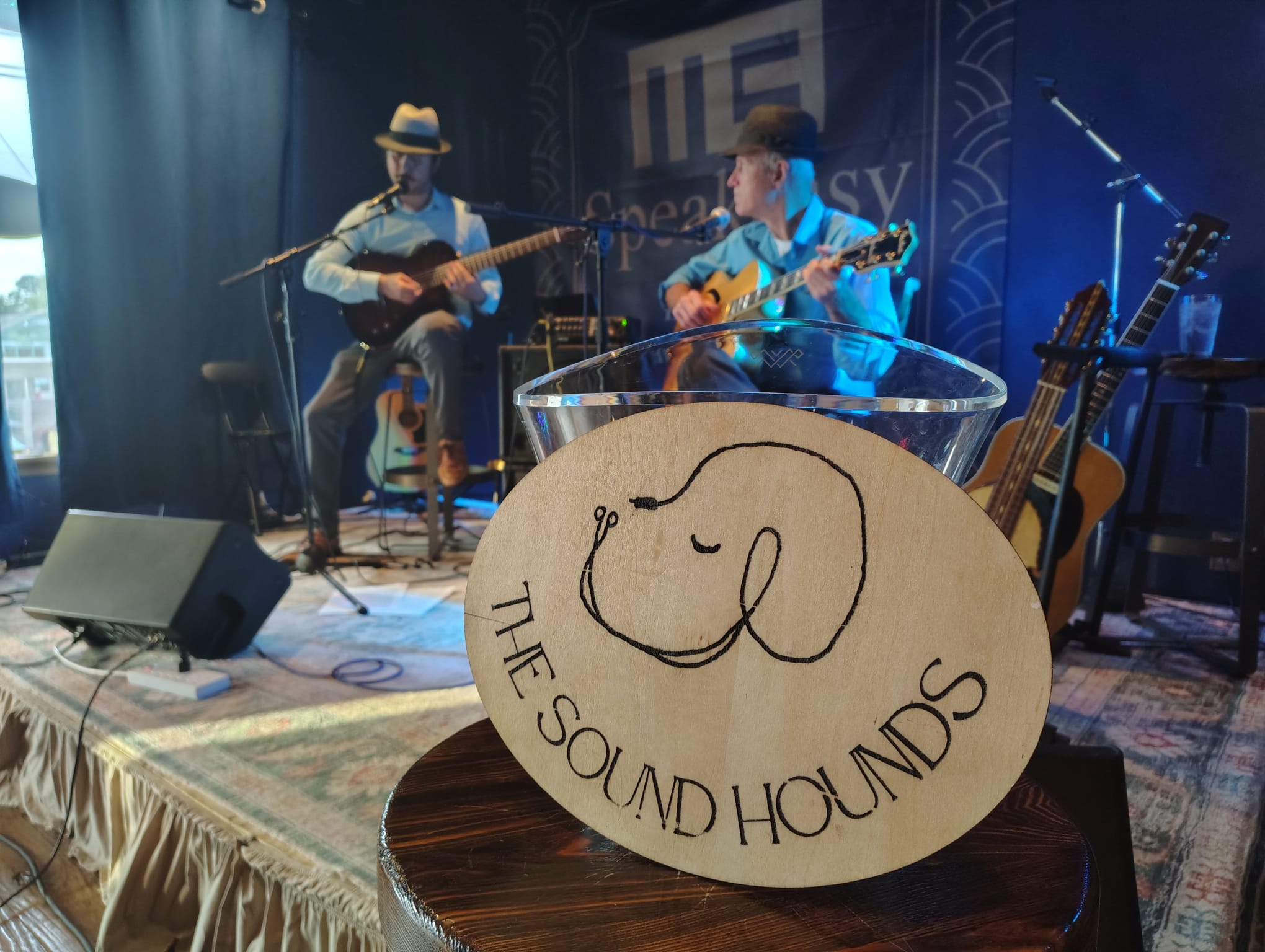
Today we’d like to introduce you to Sound Hounds.
Brian and Roy, we appreciate you taking the time to share your story with us today. Where does your story begin?
BRIAN: When I think back over the years, there are certain moments that stand out. If I had to pick a beginning date, it would be the night of February 9, 1964, when The Beatles appeared on The Ed Sullivan Show. That was the moment the British Invasion really hit America and popular music became a phenomenon. Suddenly every kid wanted to play guitar and grow his hair out.
I took a few guitar lessons from a neighbor, but that didn’t last long. What really inspired me was my cousin Mike and his roommate, Joe Shaub. They were a few years older than me and attended the University of Houston. They would come visit my mom on Sundays, and she would cook for them. They traded guitar lessons for a meal.
They were cool. They turned me on to the music of Eric Clapton, Iron Butterfly, Steppenwolf, and other bands we called “underground” back then. It was really the beginning of FM radio and extended-length songs that weren’t just two-minute pop tunes.
As a teenager, I tried to play guitar like most kids in the neighborhood. We put bands together using a cheap microphone attached to a mop handle stuck in the ground. None of us were very good, but we tried.
After high school, I got a job at a steel mill like many kids from East Houston. It didn’t take me long to realize I didn’t want to do that for the rest of my life. I started taking guitar lessons and studying music in all my spare time.
About six years later, I got a job in a music store as a salesman. It became clear pretty quickly that I was a better teacher than I was a salesman. By about 1981, I was teaching 40 or more students a week. Since then, teaching music and playing gigs is all I’ve ever done.
One of those students was Roy, and he was certainly one of the best students I ever had. When he contacted me years later and wanted to take lessons again, I was impressed by how much he had grown. He was no longer a student—he was a peer. So we did the most obvious thing we could do: we formed The Sound Hounds.
ROY: He’s far too kind! But yes, I actually started learning guitar with Brian when I was 13 years old. I took lessons pretty much throughout high school. I was even in a rock band which gigged occasionally! When I went off to college, guitar remained a hobby; music remained a passion, but I was focused on academics, mostly. I graduated with a double major in linguistics and psychology at Georgetown University. Music became a dormant presence in my life, somewhat like a dear friend from the past with whom you occasionally reconnect and revel in the nostalgia and love you shared before parting ways until the next rendezvous. That’s basically how things stayed throughout 4 years of undergrad, 3 years of life in Europe after school, and then 2 years of a master’s program in clinical mental health counseling back in the US.
One day, shortly after finishing my master’s program, I decided to reach out to Brian to see if he was still teaching. I was older, had lived some life, and had my own disposable income, so on a whim, I decided to take lessons again. I can’t say I had any expectations for the lessons other than inviting music into my life again, so when Brian floated the idea of starting a band, it was like a dream come true out of nowhere, if I’m being honest! It kinda felt like my Jedi master was recognizing both my growth and potential as a padawan. Shortly thereafter, we had the privilege of working with another amazing musician; the Sound Hounds were a three-piece band for a while! However, unfortunately, life got a little too busy for our other member, so he told us one day that he couldn’t fit the band into his schedule anymore. It was a hard moment, for sure, but we’ve been able to make do as a duo since. Although, occasionally you may see our old band mate hop in on a song or two here and there! Once a Sound Hound, always a Sound Hound.
Over the years, we’ve been fortunate to find work and develop good relationships with a few venues around the area, so I think I speak for both of us when I say we’re hoping to keep those relationships happy and healthy as we continue our project. The big thing we’re working on these days is expanding our reach and deepening our connection to the community.
Can you talk to us a bit about the challenges and lessons you’ve learned along the way. Looking back would you say it’s been easy or smooth in retrospect?
BRIAN: Was it smooth? Was it hard? That’s a relative question because we’re always comparing our lives to someone else’s. Compared to most people, I would say my life has not been hard at all.
There is a song by Dan Fogelberg called “Netherlands.” I’ve always liked the line: “I’ve been on the bottom and I’ve stood on the top, but mostly I’ve been in between.”
Like everyone else, I’ve had my insecurities. But here I am at 72 years old. I have a home. I have a beautiful wife. Life is good.
When I look back, I realize I spent a lot of time worrying about things that never happened. I think most of us do that. Looking back now, things have worked out pretty well. If you don’t mind me being frank, my faith in God and my church have been my foundation and my rock. They’ve always been there. They’ve been consistent and stable.
I’ve had conversations with friends about making a living as a musician. The key is lifestyle. I never felt like I had to have the newest car, the newest toys, or the biggest house. When you choose an occupation, you have to weigh those things.
I’ve managed to have a good life on a modest income. That’s not for everyone. A higher-income lifestyle is important to many people, and there’s nothing wrong with that. You just have to decide what your priorities are.
I’ve been able to do what I love for a living all these years. Not many people can say that. I would encourage anyone, if possible, to find work they genuinely enjoy.
ROY: Yeah, it’s definitely important to keep the big-picture things of life in perspective. We’ve had no shortage of positive experiences and lucky breaks along the way to get to where we are, both as individuals and as a group. And yet, I’d say there have definitely been speedbumps and winding paths along the way!
For one, the very mission of Sound Hounds from the start was a daunting one! We had high expectations for ourselves with regard to our musicianship quality, and we mostly wanted to perform from memory. While maintaining day jobs and family life, we must have practiced for about a year before we started gigging. Once we started gigging, I also often felt like I was living a double life, working full time in mental health during the typical workweek and then squeezing in the time demands of this project, which of course only grew over time. After a little while, I made the decision to prioritize music, which has opened up some new doors that I’ve been exploring.
Moreover, Sound Hounds is an unusual project, especially for cover bands in our area. Of course, many people play great songs from the 20th century, but we’ve had to get really creative to make strong arrangements for songs while being a small band; we often have to troubleshoot how to make the sound “bigger” with just two people and how to maintain an amount of fidelity to the original songs. Our repertoire is also eclectic; we don’t know many who would play 1930s jazz, a Lynyrd Skynyrd song, a folk tune, and a 90s Disney piece all in the same set, for example. So carving out a space for us with such a niche has had both benefits and challenges. And of course, Sound Hounds had to adapt from being a three-piece band to a two-piece, so we had to rework our arrangements and setlist!
But on a more personal note, even before Sound Hounds, there were less obvious challenges. Even though I loved music as a kid, I also, somewhere deep within me, doubted that I had what it took to make music a viable life path, and there were a lot of societal messages around me about whom music careers were really for or weren’t for, which was a big reason for why I didn’t end up pursuing music at the collegiate level. However, with the gift of hindsight now, I do think I needed to live a little extra life, to overcome and heal from a few personal challenges, before I was ready to earnestly attempt being a musician. I don’t think I would’ve successfully or in a healthy way been able to navigate the demands of a university music program or of a music career at 18. Instead, I went the “safe” route and learned how to blend into academic and professional environments, which for sure offered more financial freedom out the gate, but they also demanded a minimization of the human spirit. In some ways, getting seriously back into music as an adult has been a process of rediscovery and reconstruction of the self.
To expand on that point, being an artist is, at its highest levels, a profoundly emotional process, so of course, there are also often internal challenges to face. There is vulnerability to being authentically observed, and so much of our society punishes, or at least restricts, the authentic range of human emotion. And yet, to quote something often attributed to Beethoven, audiences instinctively feel that “[playing] without passion is inexcusable,” so on some level, artists need to navigate social conventions that are hostile to emotion while also being willing to at least occasionally show genuine, significant feelings. To do that, one must be able and willing to connect deeply with the self and with core truths of human experiences, which requires making peace with and giving voice to the wondrous, curious, anxious, and courageous parts of ourselves—the very parts that much of our organized work and social landscapes seek to directly or indirectly silence.
Earlier, I talked about feeling honored by the invitation to join Sound Hounds, but let’s not mince words: it was also scary! I looked around and saw artists with way more experience, more direction, more conviction, and more skill, often feeling doubtful that I really belonged or could rise to those levels. I often had to remind myself—and sometimes still do—that the fact that other high-level artists wanted to collaborate with me, that others complimented me or shouted me out, was proof that I did indeed belong in those rooms. When impostor syndrome reared its ugly head and I struggled to trust myself, I found it helpful to believe in the people who seemingly believed in me. And of course, my own formal mental health training and experiences provided me a lot of tools to navigate the challenges of this path, including the difficult emotional experiences that can arise. I do think and feel that my ability to earnestly feel, connect with, understand, contextualize, and flow moment-to-moment with my internal experience is a unique strength.
Thanks – so what else should our readers know about your work and what you’re currently focused on?
BRIAN: We like to say we are musicians playing “the greatest hits of the 20th century” and beyond. That’s like our slogan or tagline or whatever you’d like to call it.
ROY: Yeah, it’s on our business cards and such, and I think it describes most of what seeing a Sound Hounds show is like. If you’re nostalgic for the music your dad used to listen to, or if you miss the music of a childhood in the 80s and 90s, we got you covered. If you like classic early 20th-century swing jazz, whether to dance or just to listen to, we got that. We also toss in folk tunes or just songs that we like from film, TV, or anything really. We’re here to remind people how fun music can be.
If you had to, what characteristic of yours would you give the most credit to?
ROY: As a band, I’d say it probably helped that we practiced playing together for years without even realizing it! I think we have a unique shorthand as bandmates as a result. I feel that we complement each other well, and it’s always easiest when you get to work on a project with people you know well and like. Also, not to answer for him, but I’d say Brian is one of the hardest-working people I’ve ever met.
As an individual, I’d say, in a word, my childishness. Maybe it seems weird to call childishness a strength because I think we often associate it with petulance, impulsivity, and so on. However, I believe that many of the things many adults lack or actively pursue are present in most children, such as genuine curiosity, openness to experience, mindful engagement with the present moment, playfulness, and more. Before adults shame or train these qualities out of children, kids don’t really come with a “cringe” response, but most adults learn to fear that social devaluation—or even the possibility of being devalued that way—on some level. We can’t help that we’ve been socialized, but concurrently, I feel I have always maintained a strong connection to the “childish”. My favorite hobbies are playing music and playing games; my personal heroes of music are videogame and film composers; some of my favorite film and television works are animated; I think I cry quicker than most adult men; I love love LOVE animals; I was also an acting theater kid growing up, and if you know anything about those cultures, you’ll know they’re not afraid to get really silly.
All this to say, I think I have a different relationship to the vulnerability of being observed, whether that be on stage, on a recording, or whatever. That’s not to say I never get nervous in these circumstances because I do! But I also love being able to share good times and good music with people. I hope people like it when I perform or create—I really, really do—but a huge part of that is out of my control. I feel the best I can do is be unabashedly genuine about my enjoyment of performance and creation because it has been the absolute honor of a lifetime to have even had the chance to be a professional musician at any level, and to try to hide all that joy and love that tears my heart at the seams would be a painful—and in my opinion, counterproductive—endeavor. So I don’t. I love this, and I love all of you.
BRIAN: And I’ll keep my response brief. The key to our success? I’ve spent most of my life teaching music, playing music, and learning music. Looking back, I think the secret was simple: don’t give up and never stop.
Contact Info:
- Website: https://www.guitarlessonsbybrian.com/home/tsh/
- Instagram: https://www.instagram.com/thesoundhoundsofficial?igsh=MWVhZXZ2bm84YnF6aw==
- Facebook: https://www.facebook.com/profile.php?id=61589014063445
- Youtube: https://youtube.com/@thesoundhoundsofficial?si=mE_UteyV5WlHiDuA
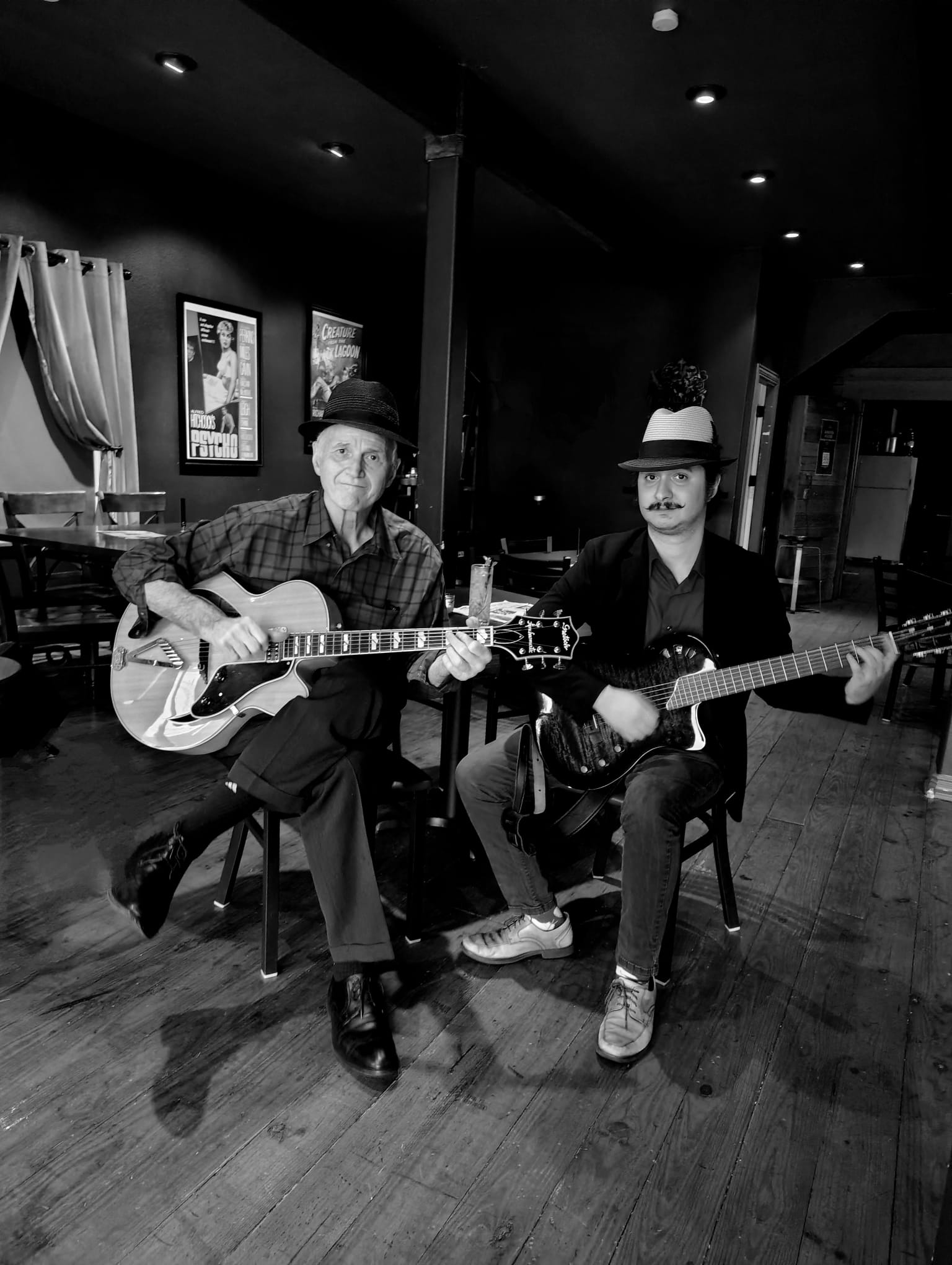
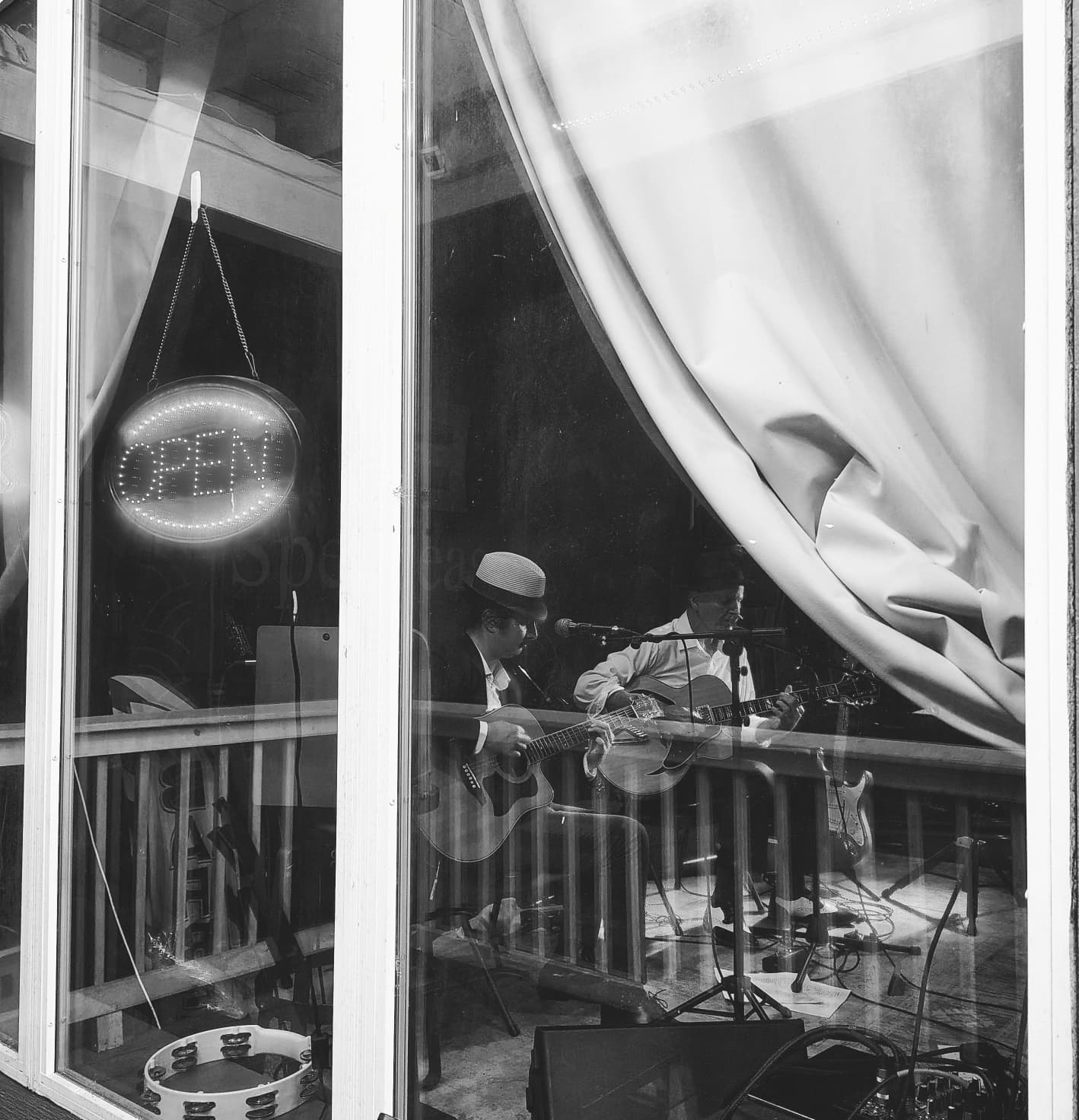
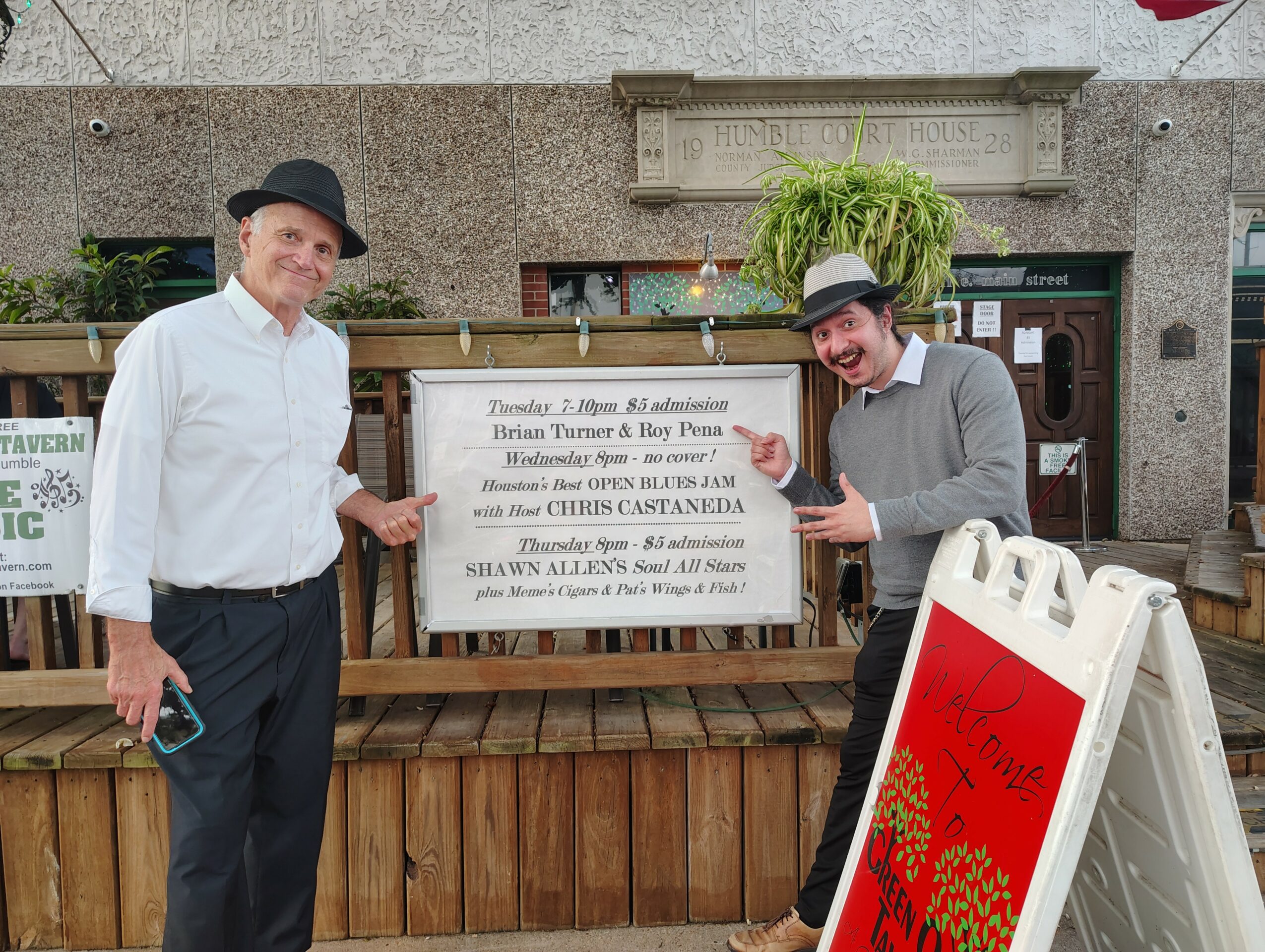
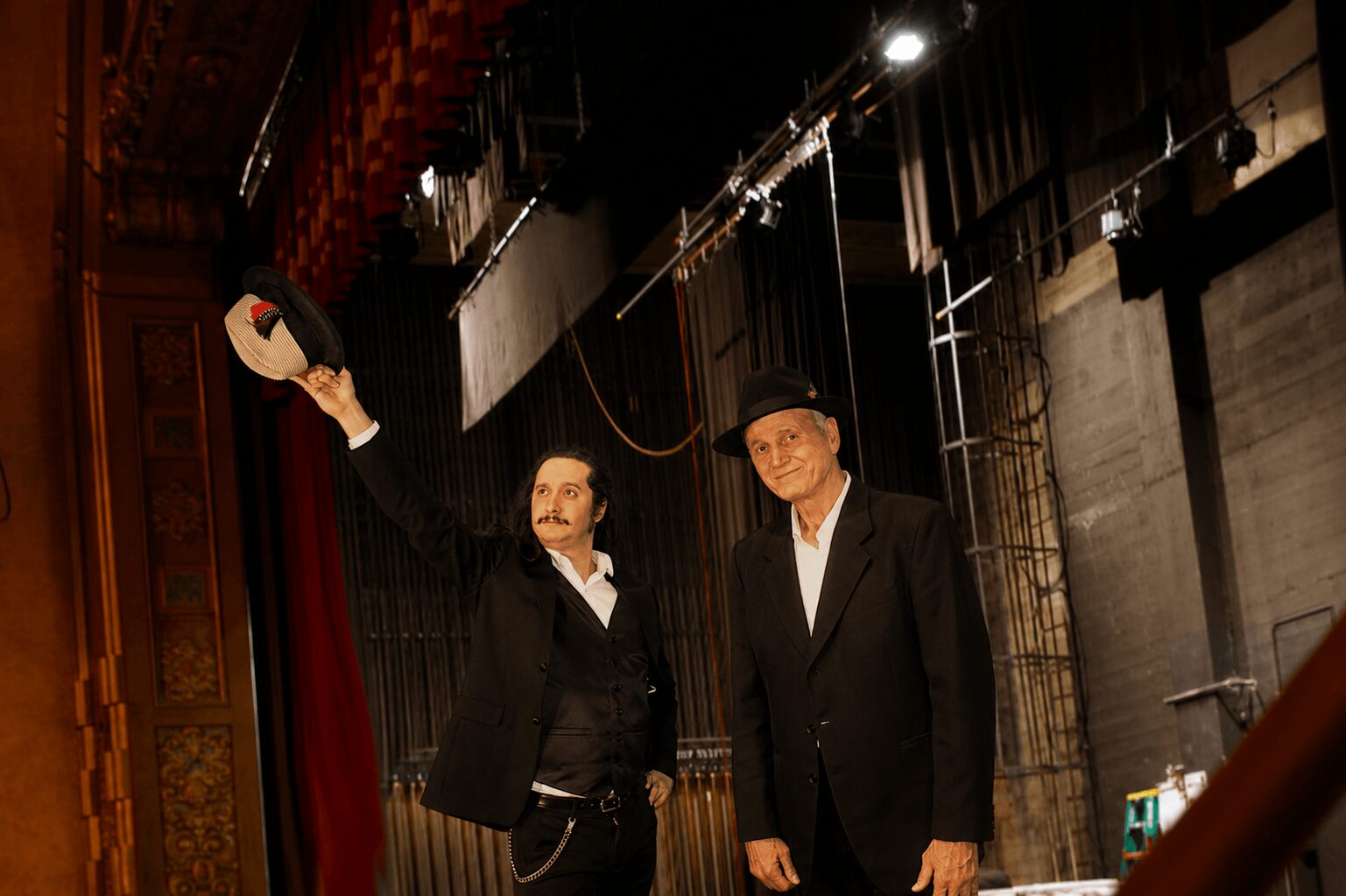

Image Credits
All images captured and edited by The Sound Hounds Team.