





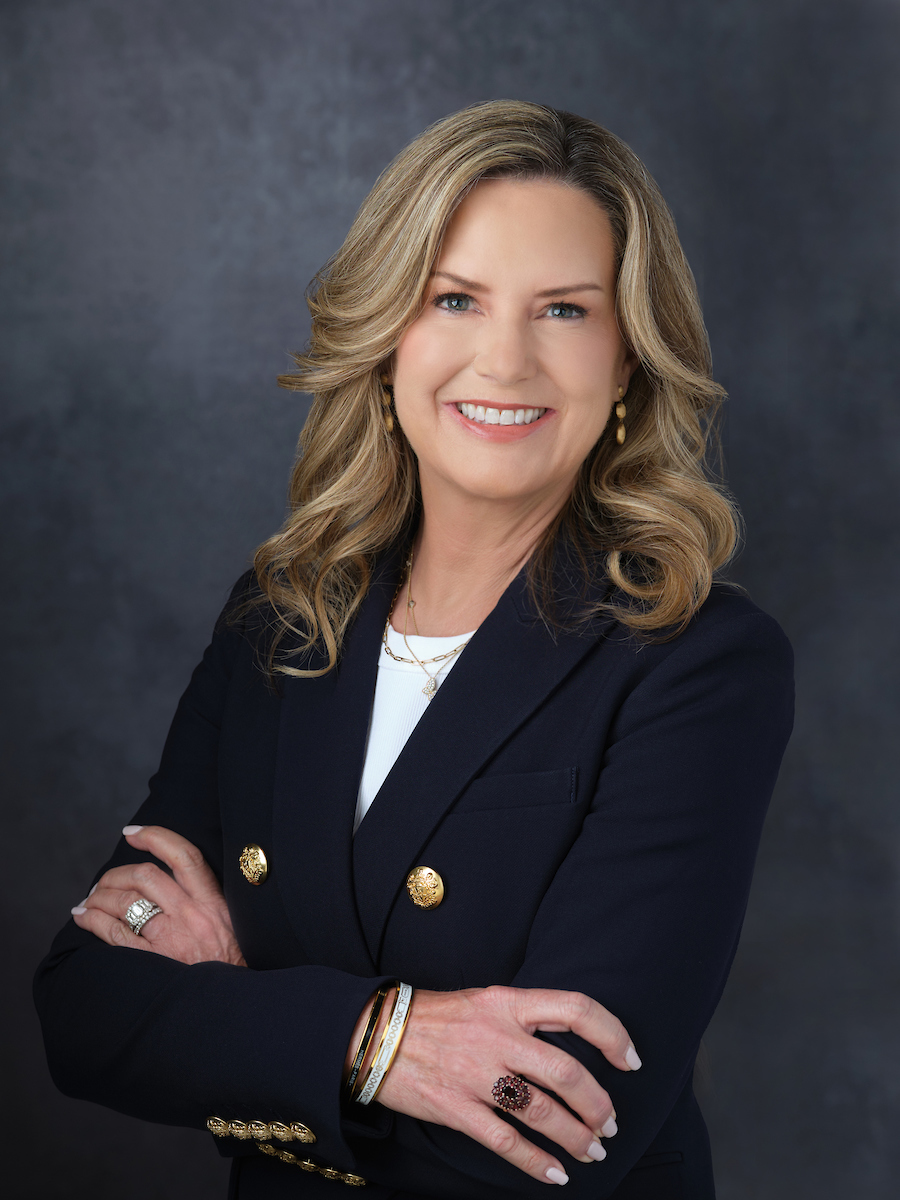
Today we’d like to introduce you to Suzanne Mouton-Odum, PhD.
Hi Suzanne, so excited to have you on the platform. So before we get into questions about your work-life, maybe you can bring our readers up to speed on your story and how you got to where you are today?
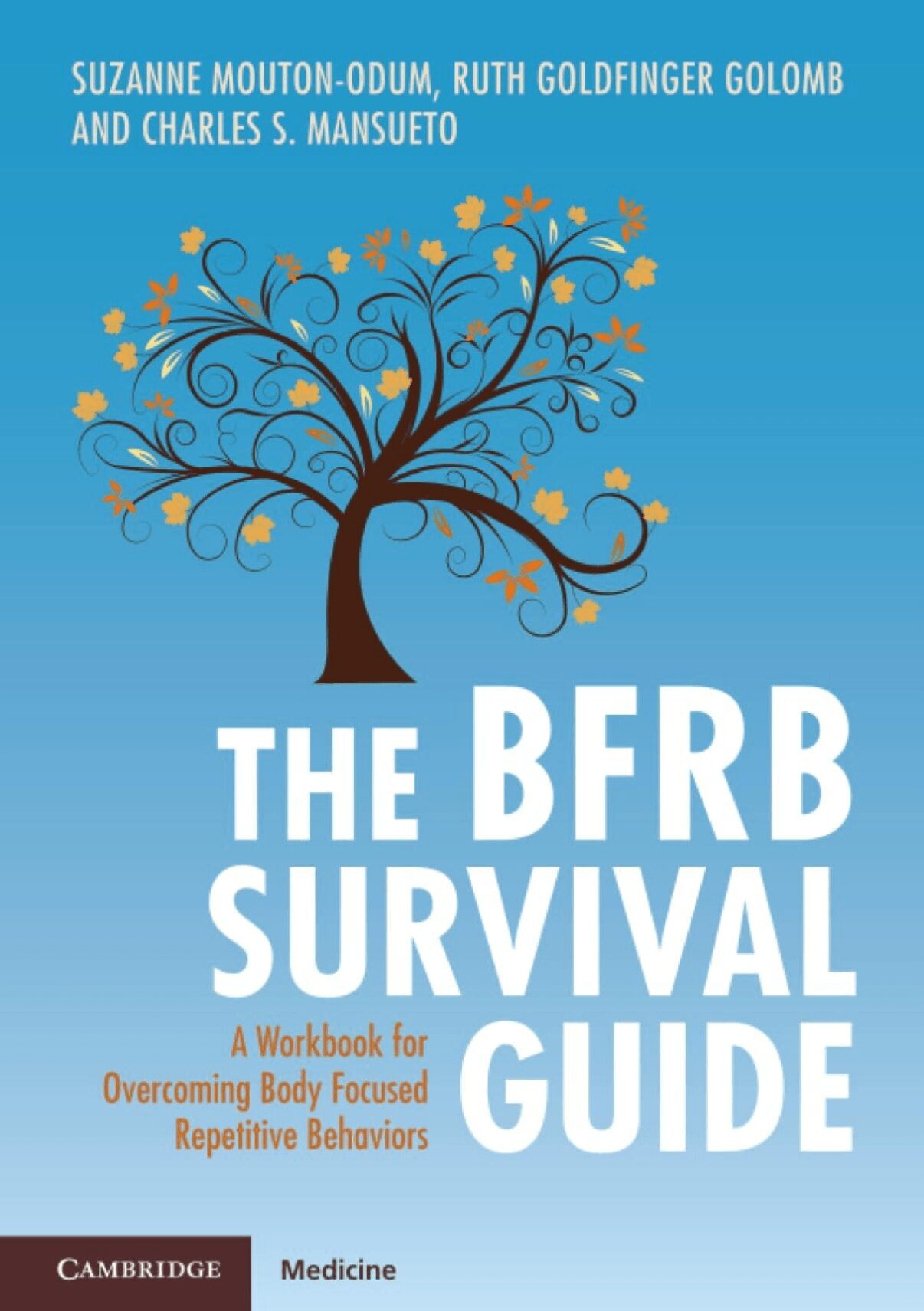
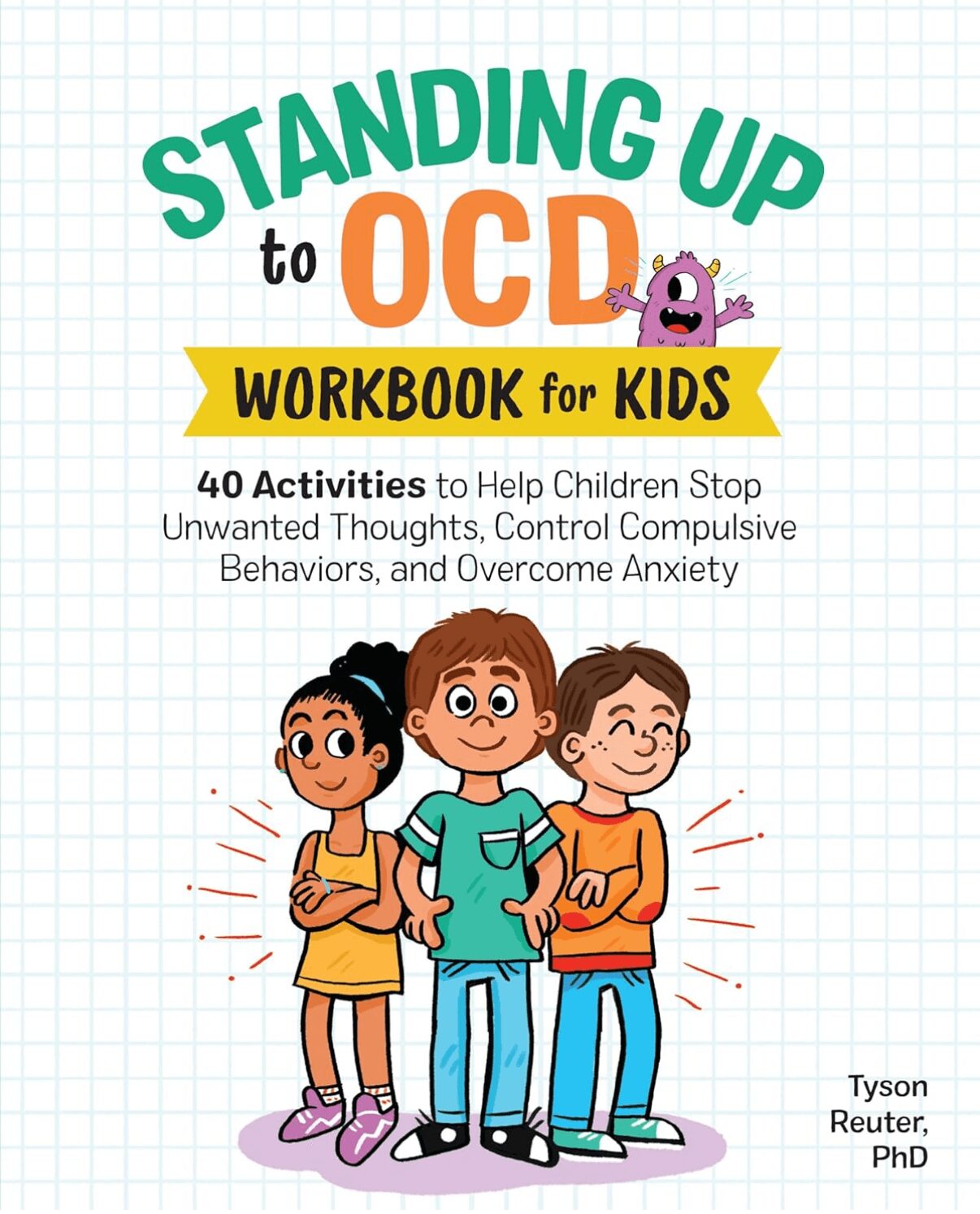
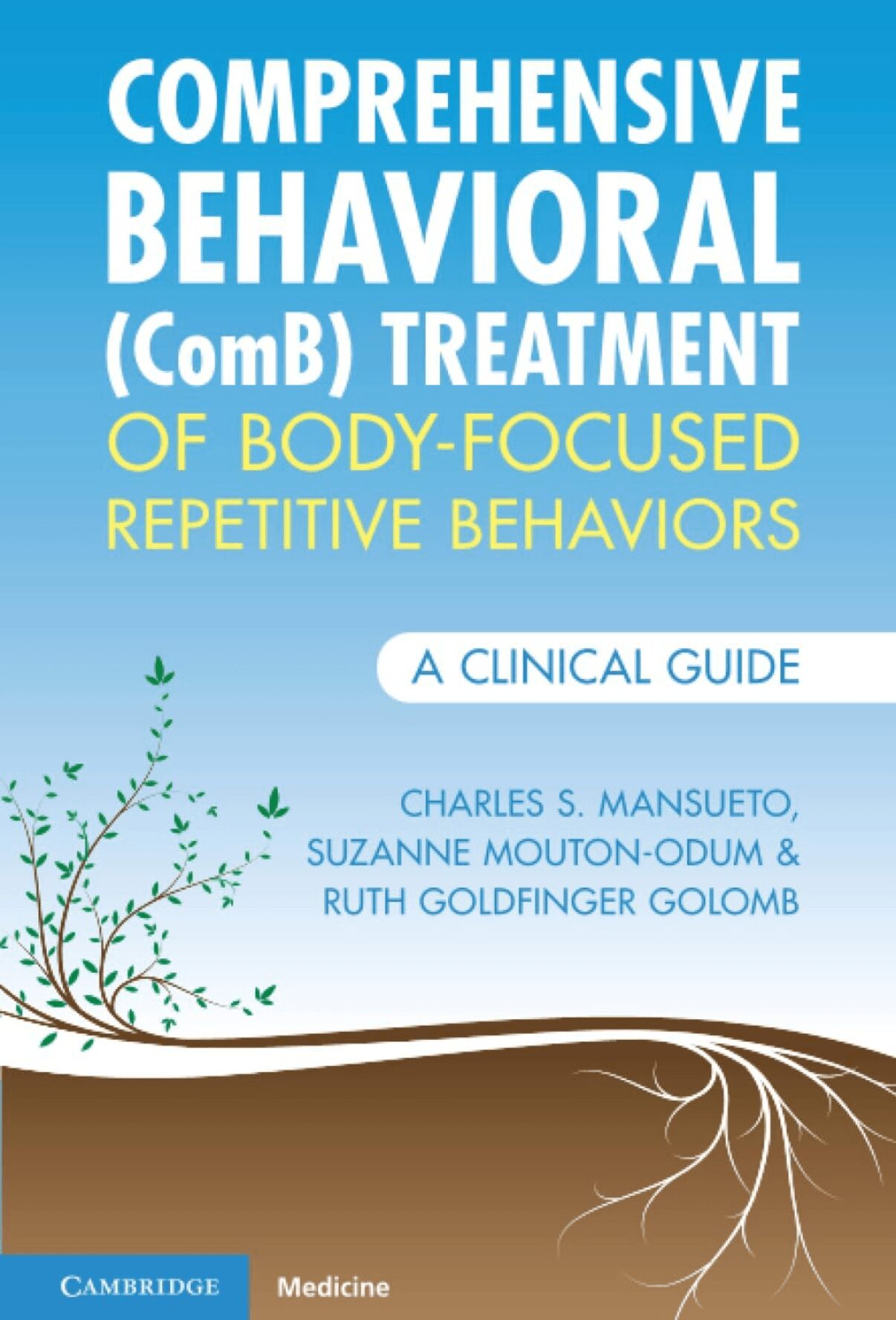
I am originally from Houston, Texas and I attended all Texas Universities (UT Austin, Trinity University for a Masters Degree, and UH Main Campus for a PhD). My goal has always been to help people to live more fulfilled lives. I was in individual private practice for 20 years, then, 10 years ago, I started Psychology Houston, PC: The Center for Cognitive Behavioral Treatment. The goal of Psychology Houston was to be able to expand my reach of helping people by hiring therapists who are expert in treating specific mental health problems. We currently have 9 full time therapists and 2 trainees who are trained in evidence-based treatments. Evidence-based treatments are interventions that have been tested and proven to work. We pride ourselves in the fact that we only do treatments that are shown to work. I have written 5 books for the general public and two for mental health professionals.
Can you talk to us a bit about the challenges and lessons you’ve learned along the way. Looking back would you say it’s been easy or smooth in retrospect?
Is it ever a smooth road? I always say that my life has been a series of happy accidents, nothing was completely planned and yes, there were bumps along the way. Facing adversity is how we grow as individuals and how we learn to do better and to be better. I also raised 2 children along the way, which always adds challenges for working parents. I wouldn’t change a thing though!
As you know, we’re big fans of Psychology Houston, PC: The Center for Cognitive Behavioral Treatment. For our readers who might not be as familiar what can you tell them about the brand?
Psychology Houston is a specialty psychology practice dedicated to helping children, adolescents, and adults overcome anxiety disorders, obsessive-compulsive disorder (OCD), body-focused repetitive behaviors (hair pulling and skin picking), tic disorders, and related conditions. Our goal is not simply to help people feel better in the moment, but to give them the skills and confidence to build lasting change.
What sets us apart is our depth of specialization. Every clinician on our team receives advanced training in evidence-based treatments such as Cognitive Behavioral Therapy (CBT), Exposure and Response Prevention (ERP), Comprehensive Behavioral Intervention for Tics (CBIT), and other scientifically supported approaches. These are treatments that have been shown through research to be highly effective, and we are committed to delivering them with both clinical excellence and genuine compassion.
One of the things I am most proud of is the culture we have built. We strive to create an environment where people feel understood rather than judged. Many of our patients have spent years believing they are “broken” or that no one understands what they are experiencing. We want them to know that healing is possible, that they are not alone, and that they deserve care that is both evidence-based and deeply human.
Beyond our clinical work, I have always believed in giving back to the profession. I have devoted much of my career to training psychologists and other mental health professionals, conducting research, writing books, and helping advance the understanding and treatment of disorders such as hair pulling, skin picking, and tic disorders. It is incredibly rewarding to know that the work we do in Houston reaches far beyond our office walls through education and training.
At the heart of everything we do is a simple belief: people are far more resilient than they realize. With the right support, the right tools, and a compassionate guide, meaningful and lasting change is possible. That belief shapes every patient we see, every clinician we train, and every decision we make as a practice.
In terms of your work and the industry, what are some of the changes you are expecting to see over the next five to ten years?
I believe mental health care is becoming increasingly personalized, and I see that as one of the most exciting changes on the horizon. For many years, treatment has often been driven by diagnosis alone. While diagnosis is important, we’re learning that two people with the same diagnosis may have very different reasons for struggling and may respond best to different interventions. The future of psychology lies in understanding the underlying processes that drive behavior and tailoring treatment to the individual rather than taking a one-size-fits-all approach.
I also think we’ll continue to see greater integration of neuroscience, behavioral science, and technology. Wearable devices, digital tools, and artificial intelligence have the potential to help us monitor symptoms, increase access to care, and support people between therapy sessions. At the same time, these tools will never replace the therapeutic relationship. Technology can enhance treatment, but healing still happens through human connection, trust, and evidence-based care.
Another trend I hope continues is the shift toward prevention rather than crisis intervention. More people are beginning to view therapy the way they view exercise or preventive medical care—as something that helps them build resilience and maintain emotional well-being rather than something they seek only when life becomes overwhelming.
Ultimately, I think the future of psychology is incredibly hopeful. We have better science than ever before, growing public awareness of mental health, and expanding opportunities to make effective treatment accessible to more people. My hope is that we continue to combine scientific rigor with compassion, because that combination is what changes lives.
Contact Info:
- Website: https://www.psychologyhoustonpc.com
- Instagram: PsychologyHouston
- Facebook: Psychology Houston, PC