



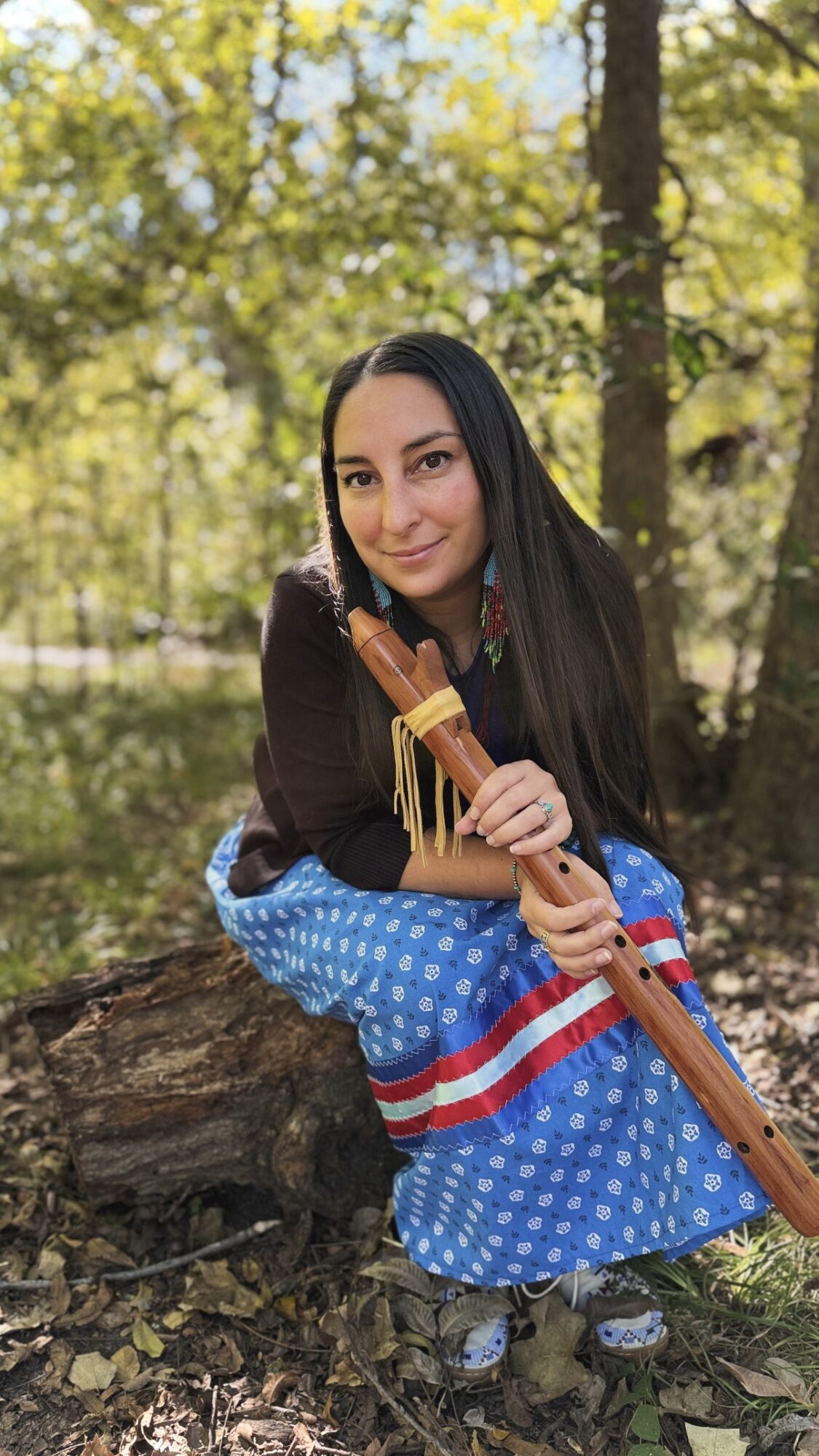
Today we’d like to introduce you to Aryn Ward.
Hi Aryn, it’s an honor to have you on the platform. Thanks for taking the time to share your story with us – to start maybe you can share some of your backstory with our readers?
I didn’t grow up thinking I would become a composer. Music became the place where I learned who I was. As a citizen of the Mvskoke Nation with Yuchi heritage, I found myself searching for ways to connect more deeply with my cultures, my languages, and the stories that shaped my family. Over time, composing became that connection.
I began writing music inspired by the rhythms of the Mvskoke and Yuchi languages, the nature around me, childhood memories in Oklahoma, and the traditions that continue to guide my life. What started as a personal journey gradually grew into something much larger. Today I write everything from orchestral and chamber music to traditional songs, improvisational performances, experimental works, and graphic scores created with traditional beadwork techniques. While the musical styles may be different, they all come from the same place: a desire to honor Indigenous knowledge while creating something that speaks to the present. Every song that I write includes Mvskoke or Yuchi language as a method of language preservation.
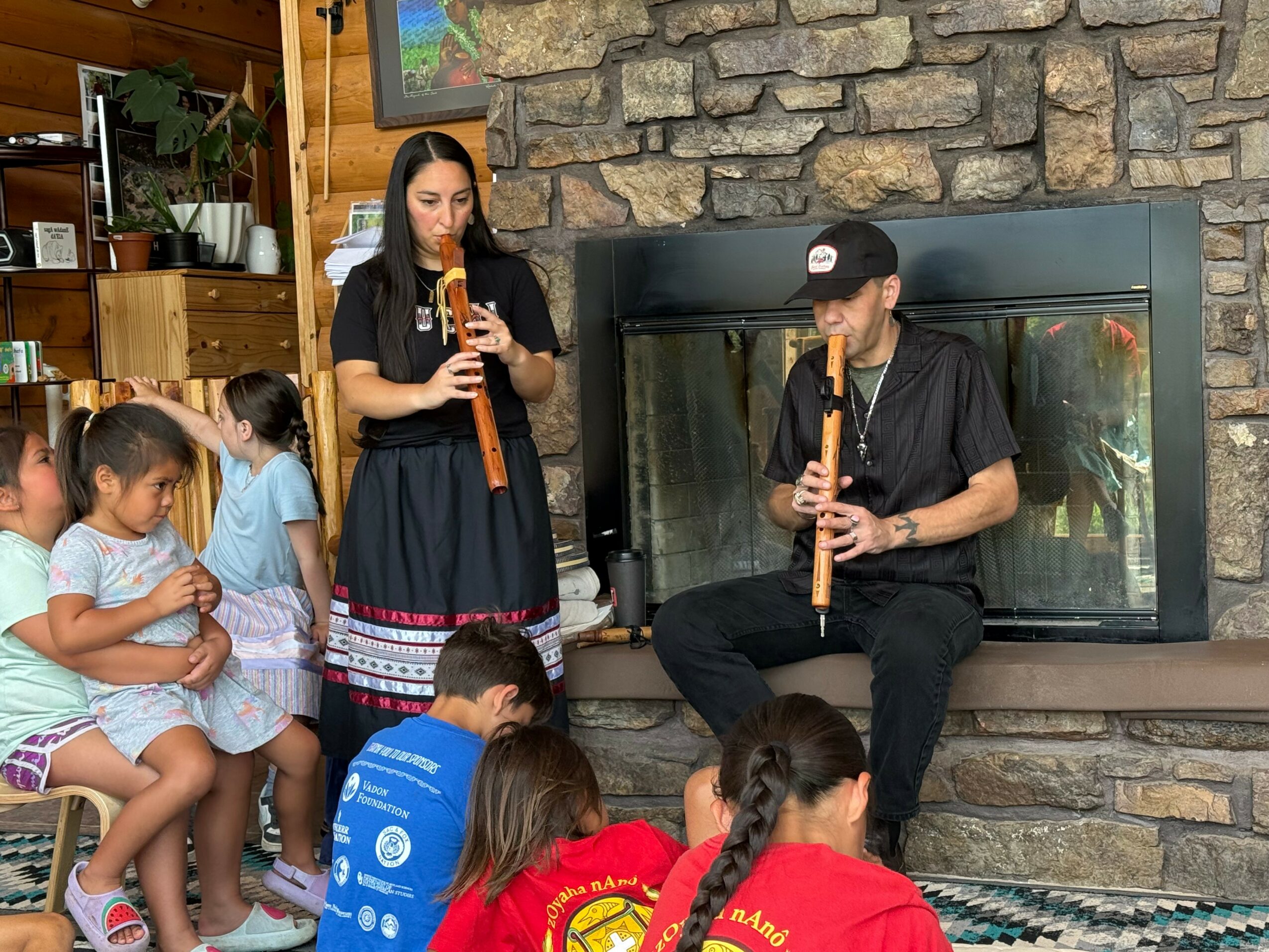
Along the way, I’ve had the opportunity to collaborate with incredible Indigenous artists, perform across the country, teach workshops, and founded the Good Medicine Indigenous Music Festival in Houston. The festival was created to celebrate the full spectrum of Indigenous music from traditional songs and language preservation to contemporary classical composition, jazz, improvisation, opera, and experimental performance; and to create space for Native artists to share their work on their own terms.
Looking back, every step has been about finding my own voice. Now my hope is that my music helps others connect with their voice, while showing that Indigenous cultures and languages are not relics of the past; they are living, evolving, and creating beautiful new work every day.
I’m sure it wasn’t obstacle-free, but would you say the journey has been fairly smooth so far?
It definitely hasn’t been a smooth road, but I think every challenge has shaped the musician I am today.
One of the biggest parts of my journey has been reconnecting with my Mvskoke and Yuchi heritage. Spending time with my Uncle Robert before he passed away was incredibly meaningful. Through him, I learned more about my family, my history, and my culture than I ever imagined. That journey has also connected me with relatives I never knew I had, and it gave me a much deeper understanding of where I come from. That sense of belonging has become the foundation of my music.
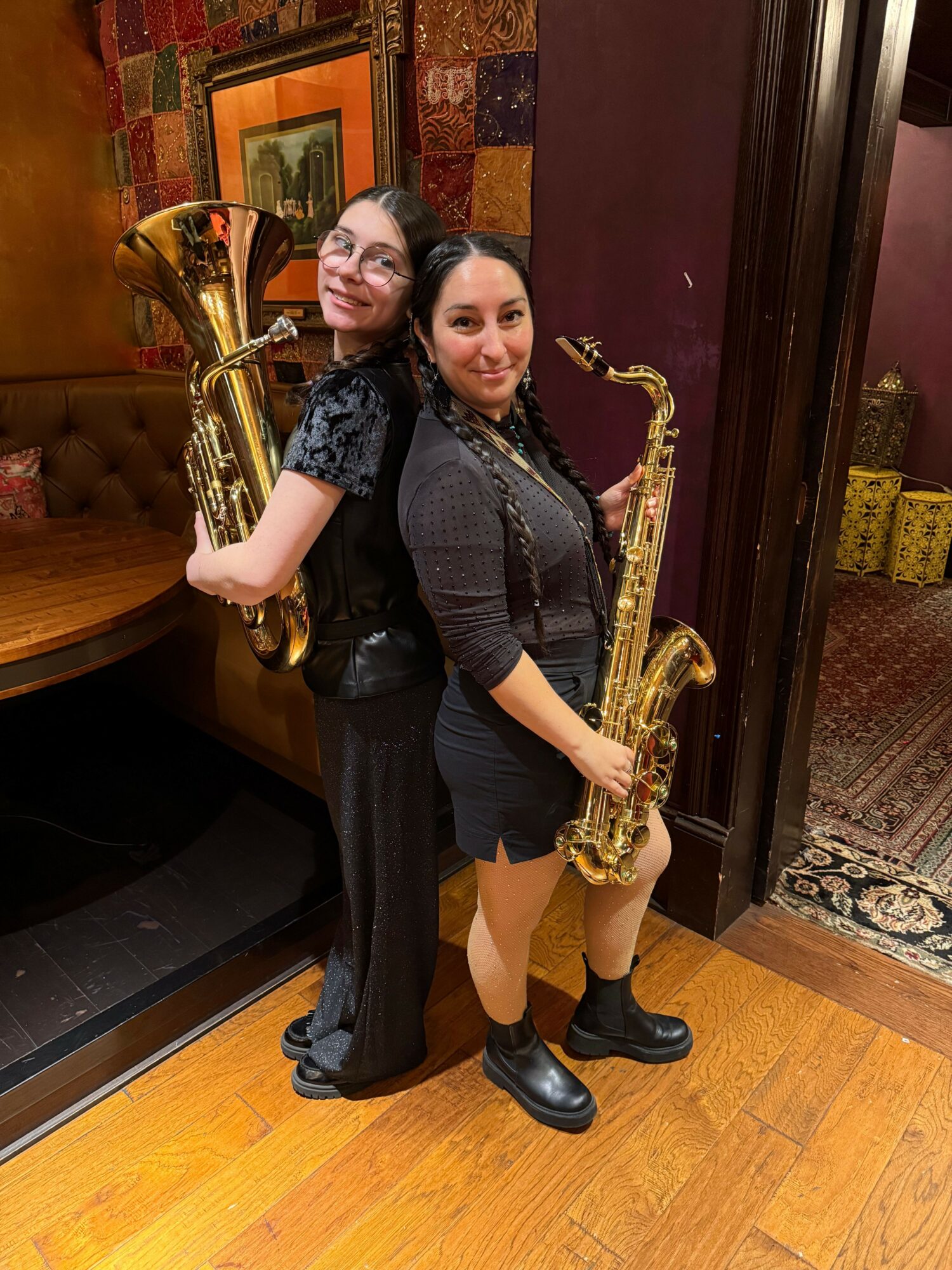
Another challenge has been believing that I belong in the classical music world. I had piano lessons when I was eight years old and played percussion and drumline throughout high school, but I taught myself to play most of the woodwind instruments I use today. There were many moments where I questioned whether I was “qualified” enough to call myself a composer or musician. Imposter syndrome is real, especially when you’re surrounded by people with advanced degrees and conservatory training.
Over time, though, I’ve realized that being a composer isn’t defined by a doctorate or a diploma. My life experiences, my culture, my languages, and my community are just as much a part of my musical education as any classroom. Learning each instrument has helped me understand how musicians think, breathe, and create, making me a better composer. Today, instead of worrying whether I belong, I focus on creating music that only I can write. I’ve learned that there isn’t just one path to becoming a composer, and I hope my story encourages others to trust their own path as well.
Alright, so let’s switch gears a bit and talk business. What should we know about your work?
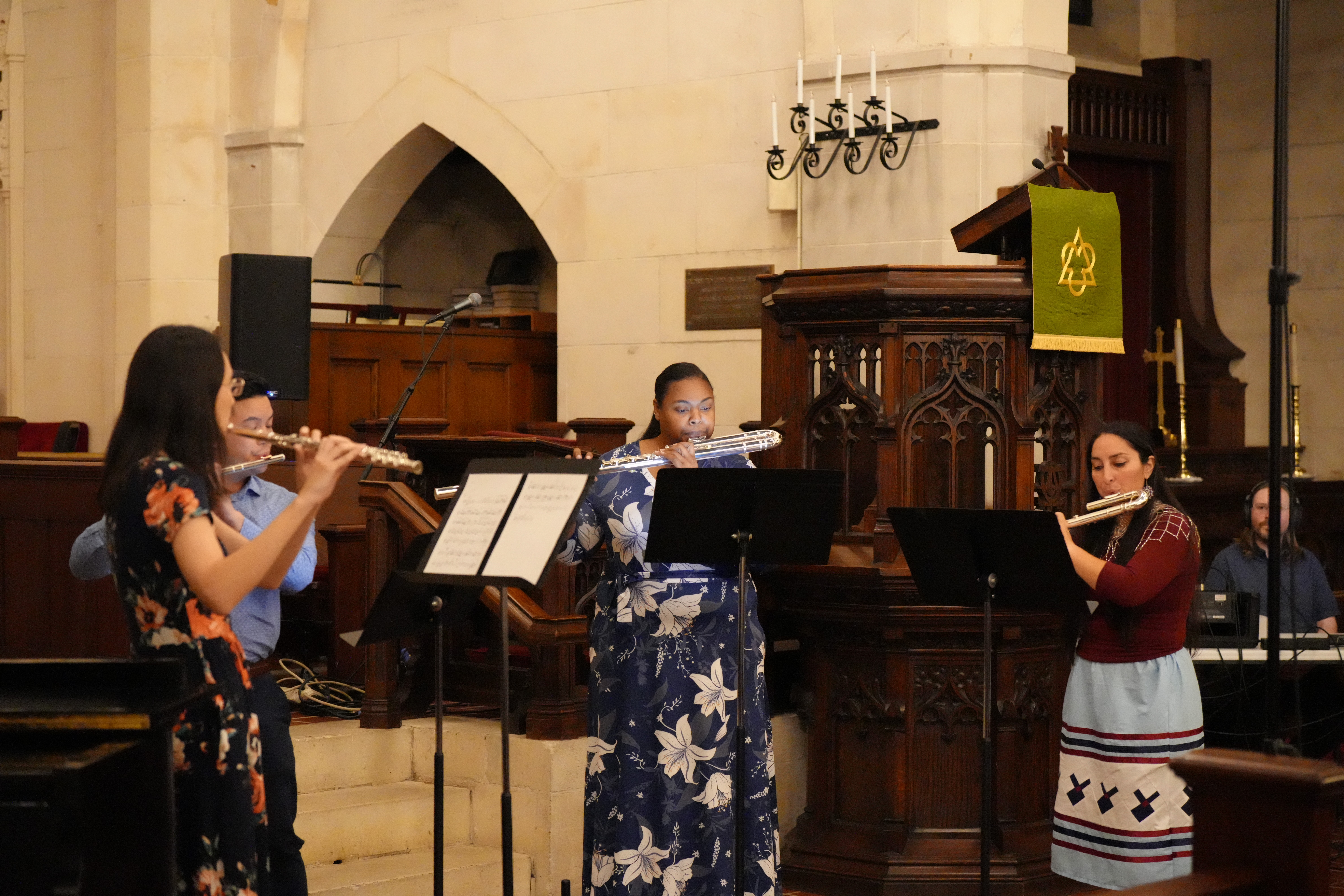
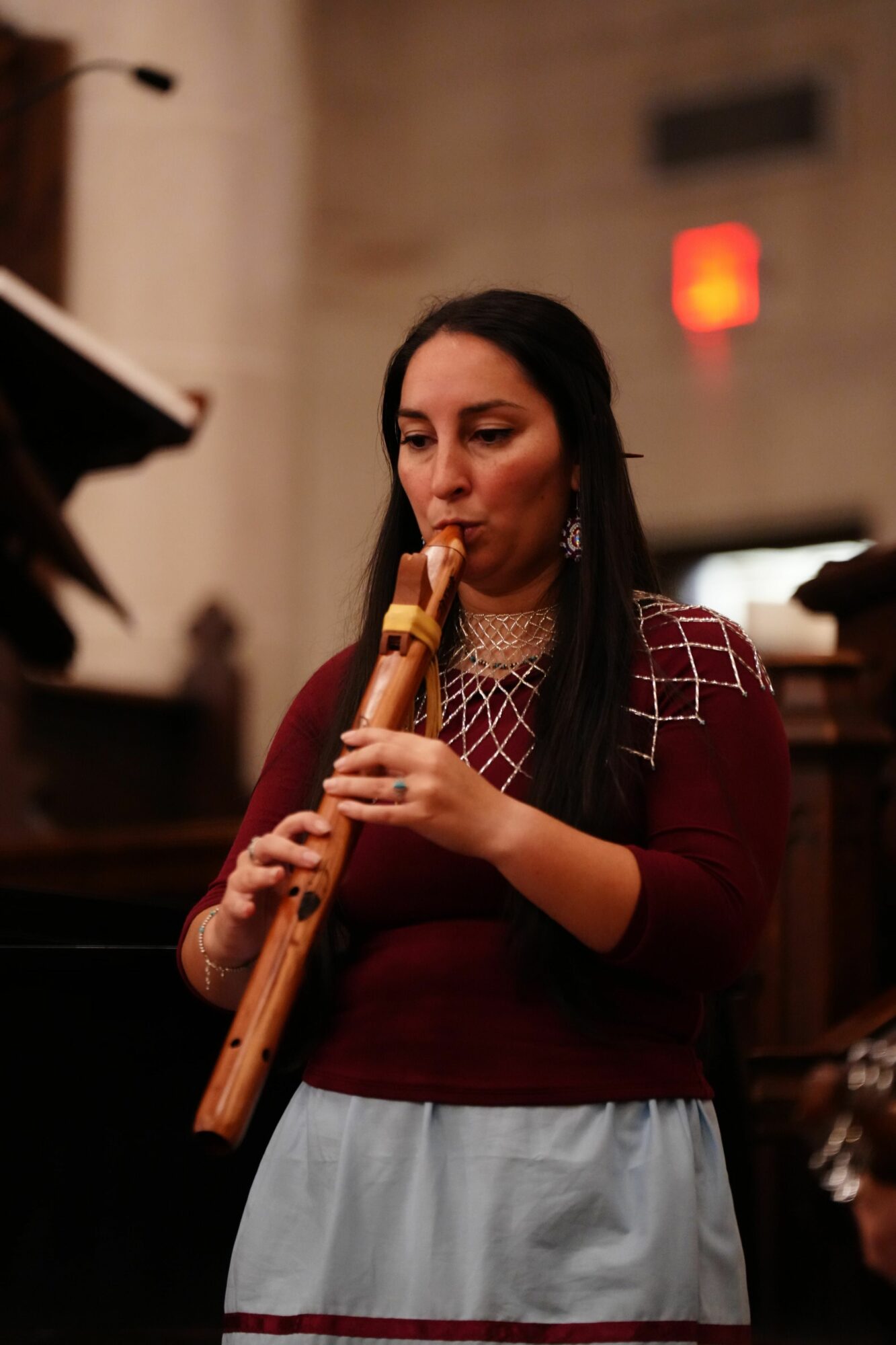
At the center of everything I do is the belief that music is a living connection between generations. I compose, perform, improvise, and teach across many musical traditions from orchestral and chamber music to traditional songs, experimental music, and free improvisation; but every project is rooted in the same purpose: preserving and celebrating Mvskoke and Yuchi language, culture, and ways of knowing.
Much of my music is shaped by the rhythms of spoken language, stories passed down through family, memories of growing up in Oklahoma, and traditional artistic practices. I also create graphic scores using traditional beadwork techniques, allowing Indigenous visual art and music to exist together in the same work. As the founding director of the Good Medicine Indigenous Music Festival, I’ve been able to create a space where Indigenous musicians can share the full extent of their creativity, from ceremonial songs to symphonies, opera, jazz, and experimental performance.
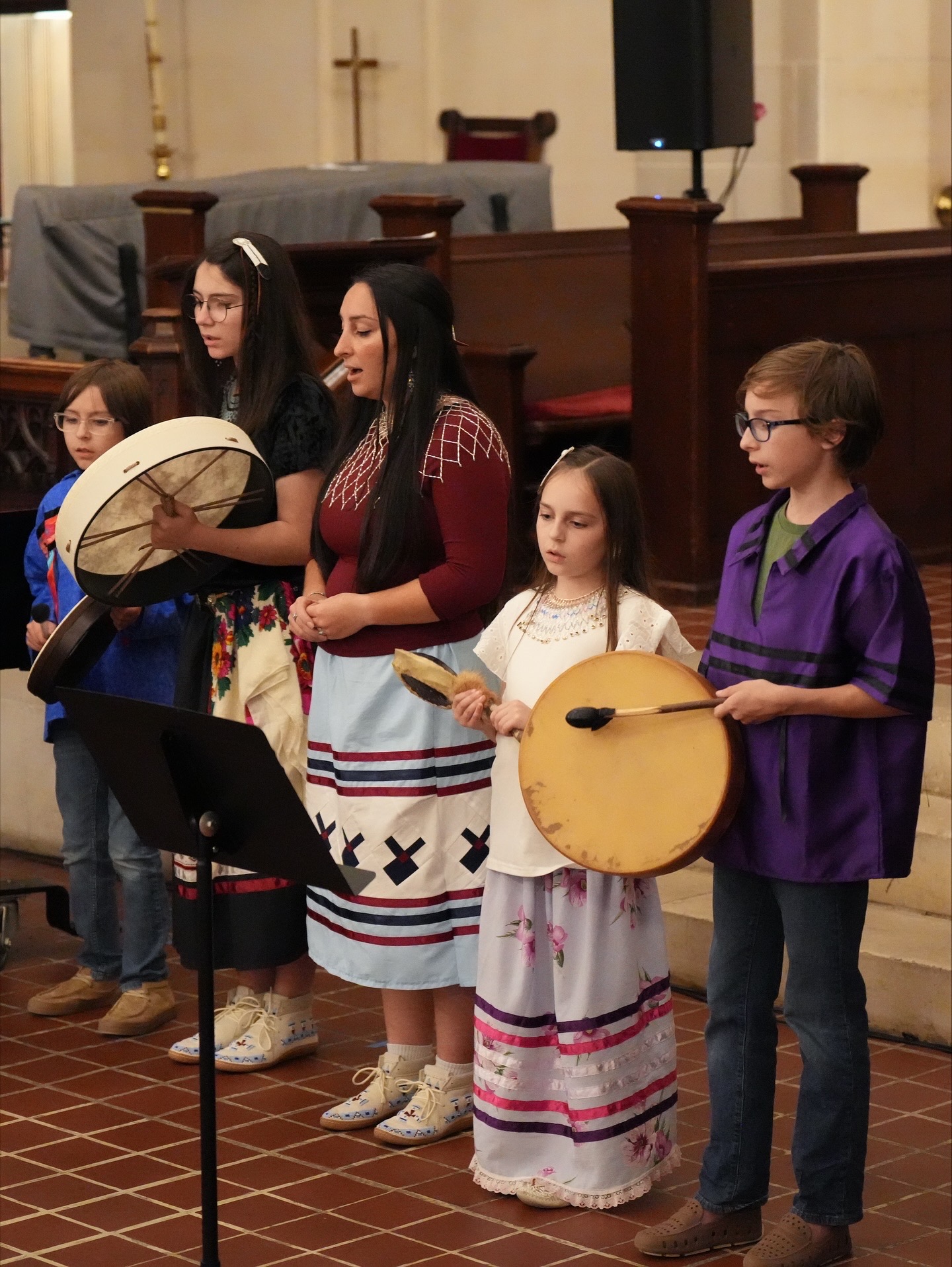
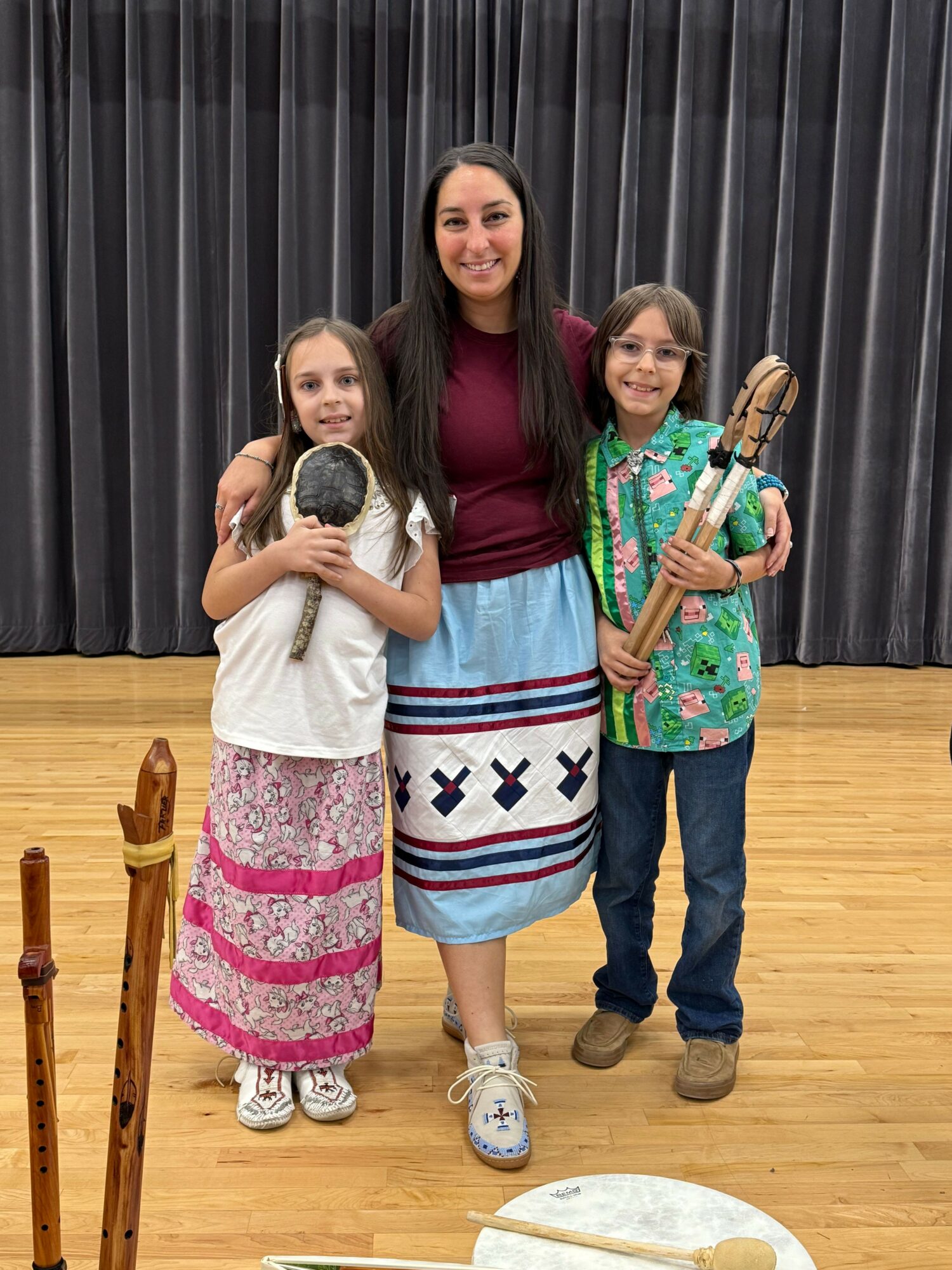
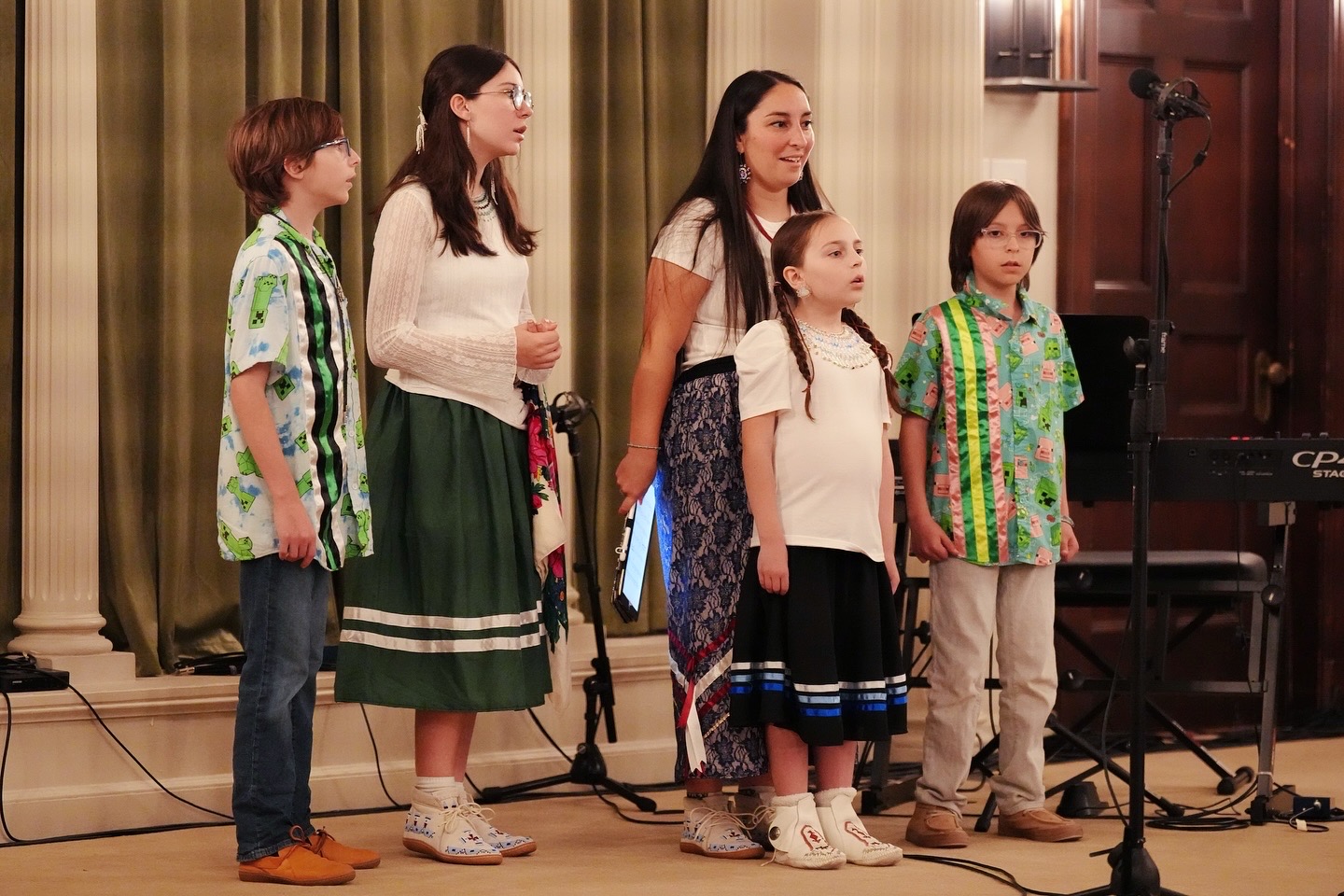
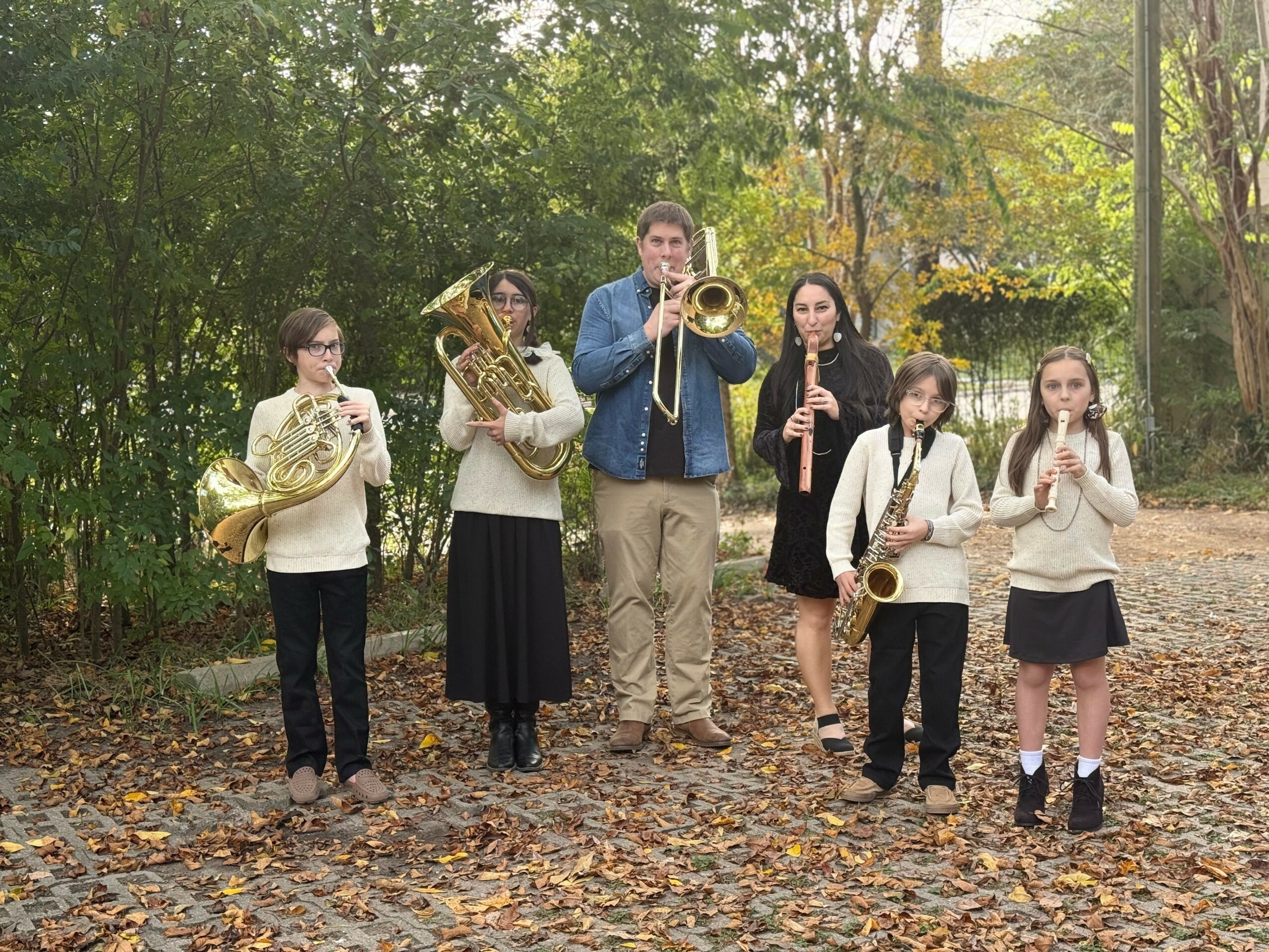
What I’m most proud of, though, isn’t any single composition or performance; it’s my family. My children perform with me, sing in our languages, and are growing up knowing that it’s not only okay to embrace who they truly are at the core of their being, but that their culture is something to celebrate and carry forward. If my music helps even one young Indigenous person feel proud of their identity or inspires someone to learn a word, sing a song, or reconnect with their heritage, then I’ve accomplished something meaningful.
I believe music is one of the most powerful forces we have. It can outlive us, span generations, and become a spiritual connection between those who came before us and those who have yet to come. That’s what I hope my work will continue to do.
What was your favorite childhood memory?
Some of my favorite childhood memories are simply of being outside in Sapulpa, Oklahoma. I was always climbing trees, usually barefoot. There was one evergreen tree in our backyard that covered my hands in sticky sap every time I climbed it, but it had the best branches for reaching the very top. I loved sitting high above the ground, listening to the wind and feeling completely at peace.
I also loved walking down the road to a small brook where I would pick mulberries. Those memories stayed with me for years and eventually became one of my compositions, Mvskoke Months Suite No. 6: Kvco Hvse (“Mulberry Month”). It’s a reminder that some of the most meaningful music comes from the simplest moments in life.
I spent hours listening to birds, watching the clouds drift across the Oklahoma sky, and waiting for thunderstorms to roll in. Storms were my favorite. I loved standing outside as the wind rushed through my hair and breathing in the smell of rain before it fell. Looking back, I realize I was already listening for music long before I knew how to write it.
I didn’t begin composing until my thirties, but I think those sounds and experiences had been living inside me all along. In many ways, I’ve been writing the music of my childhood ever since; I just didn’t have the tools to give it a voice until later in life.
Contact Info:
- Website: https://arynward.mypixieset.com/
- Instagram: https://www.instagram.com/mvskokemusic?igsh=MTloa3lmNXE0NTNibQ%3D%3D&utm_source=qr
- Facebook: https://www.facebook.com/share/1CzchJyF9H/?mibextid=wwXIfr
- Youtube: https://youtube.com/@mvskokemusic?si=tpNzILRVOcBCmTwp