














More in Highlighter Series
-
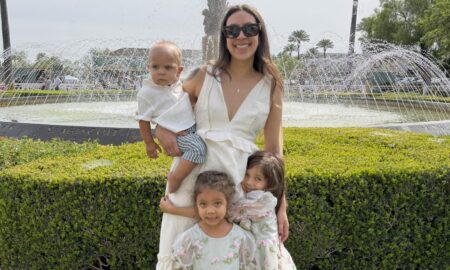 Ashley and Jesse Rojas on Building a Family Legacy Through Wellness, Community, and Purpose-Driven Growth
For Ashley and Jesse Rojas, business growth is about far more than expansion — it’s about creating a lasting impact rooted...
June 3, 2026 -
 Life, Lessons, & Legacies
Through the work we do we are incredibly fortunate to find and learn about so many incredible local artists, creatives and...
April 29, 2026 -
 Phil O’Neal on Bridging Music, Ministry, and Culture to Develop Complete Leaders
Phil O’Neal is building more than a music platform — he’s creating an ecosystem where education, worship, and culture intersect with...
April 22, 2026 -
 Beyond Placement: Lindsay Maxwell-Stewart on Redefining Executive Support Through Concierge-Level Recruiting
Lindsay Maxwell-Stewart is expanding the scope of executive search by transforming Alexander Recruiting into a more holistic, relationship-driven experience with the...
March 31, 2026 -
 Where Beauty Meets Brand: How Taylor Cotton Is Transforming Confidence Through Hair and Design
For Taylor Cotton, creativity isn’t confined to one lane—it flows seamlessly between hair care and branding. By merging her lifelong passions...
March 27, 2026 -
 Raising the Standard of Care: How Jennifer Le Is Bridging General Practice and Specialty Expertise
For Jennifer Le, pursuing ABVP certification isn’t about narrowing her focus—it’s about expanding it. Driven by a commitment to continuous growth...
March 25, 2026 -
 Stepping Into Another Perspective: Erica Serrano on Building Empathy Through The Woodlands Dementia Experience
For Erica Serrano, the goal of the The Woodlands Dementia Experience is simple but powerful: help people truly understand what living with dementia feels...
March 13, 2026 -
 Sweet Craftsmanship: Nermeen Elrayes Blends Art, Culture, and Flavor in Her Chocolate Creations
For chocolatier Nermeen Elrayes, the motivation behind her work has always been simple but powerful: a belief that truly high‑quality chocolate should...
March 7, 2026 -
 A Calling to Serve: Amb. Mercy Ifeanyi Nwachukwu’s Mission to Uplift Africa Through Compassion and Collaboration
For Amb Mercy Ifeanyi Nwachukwu, humanitarian service is not simply a career—it is a lifelong calling that began in childhood. Growing...
March 6, 2026