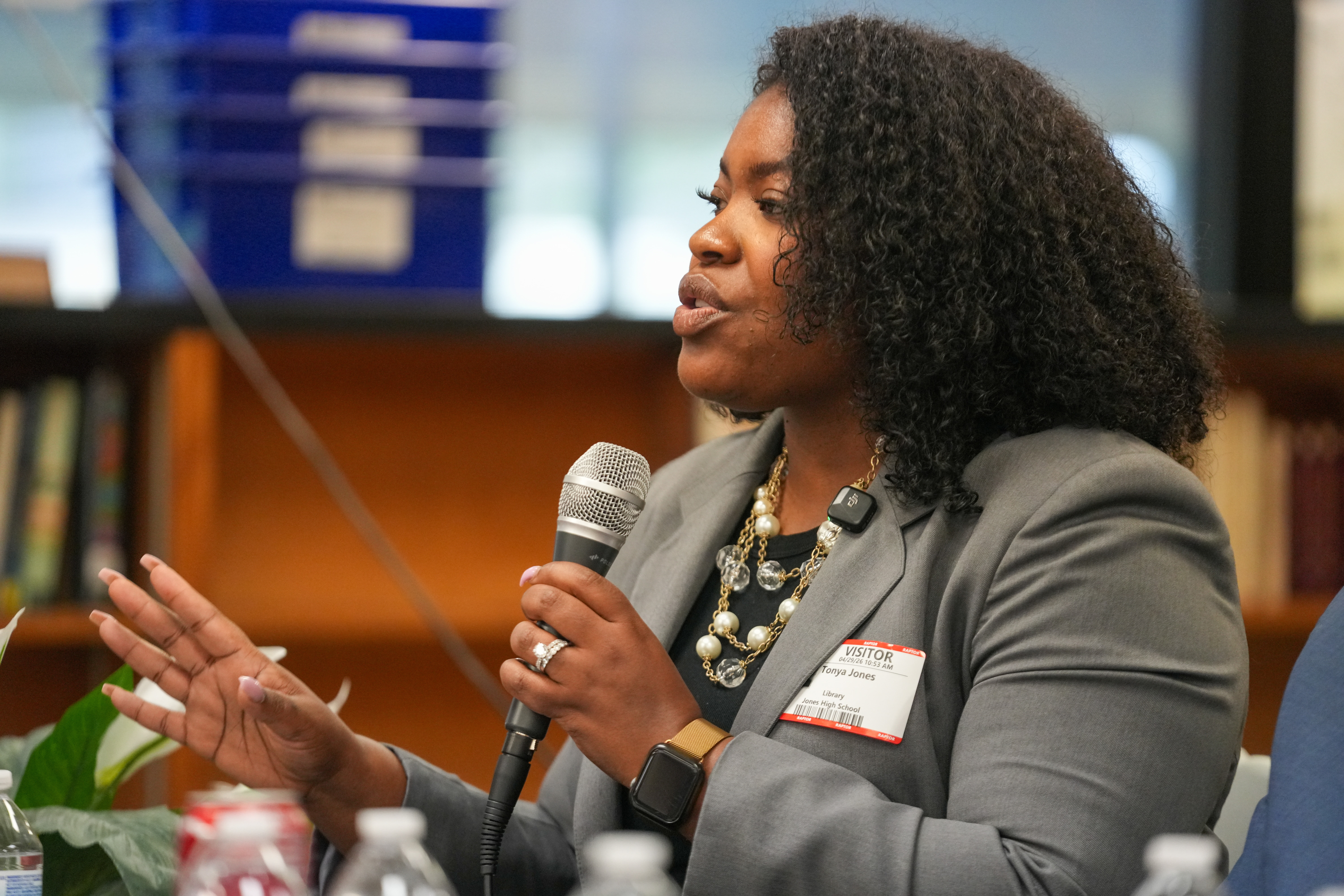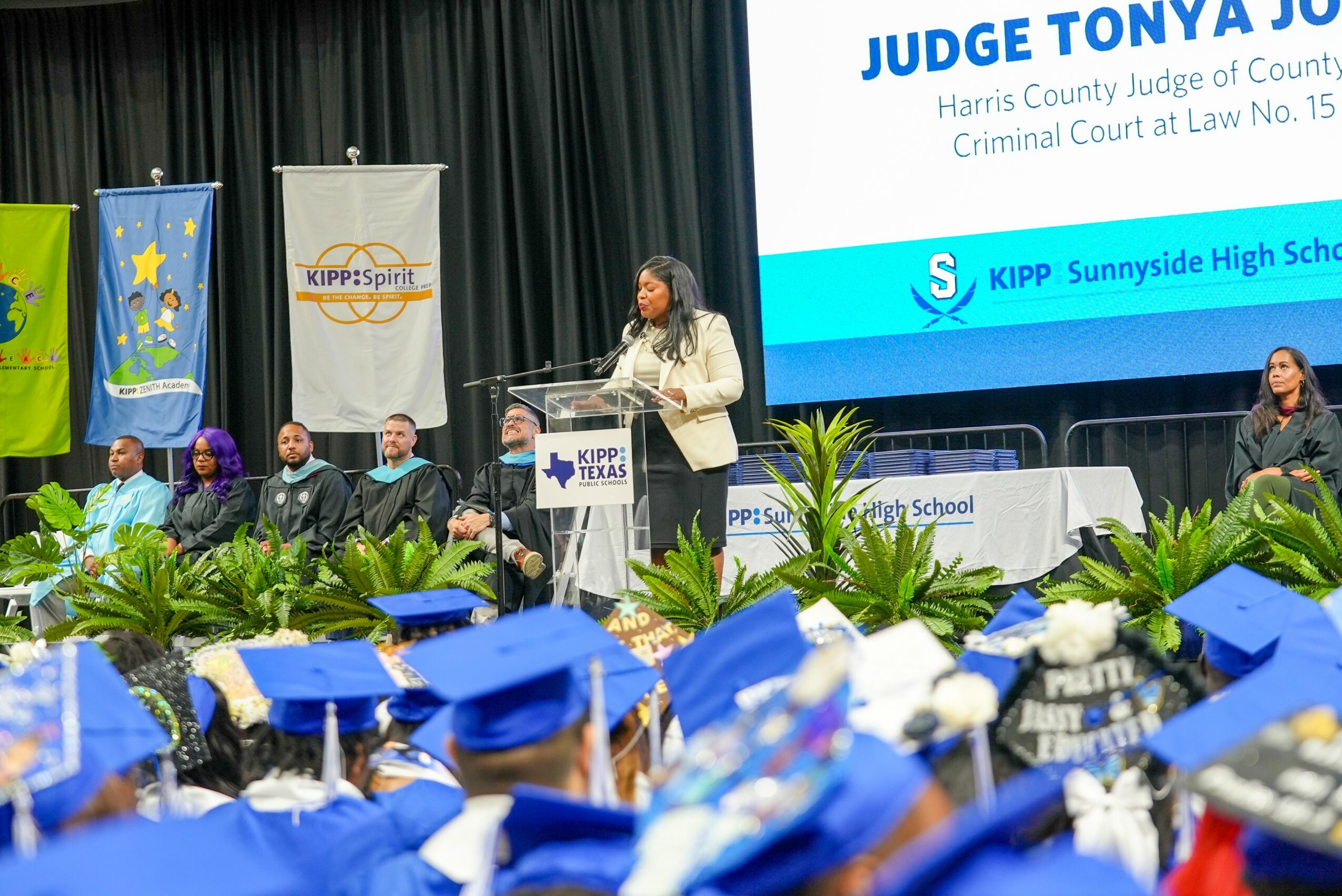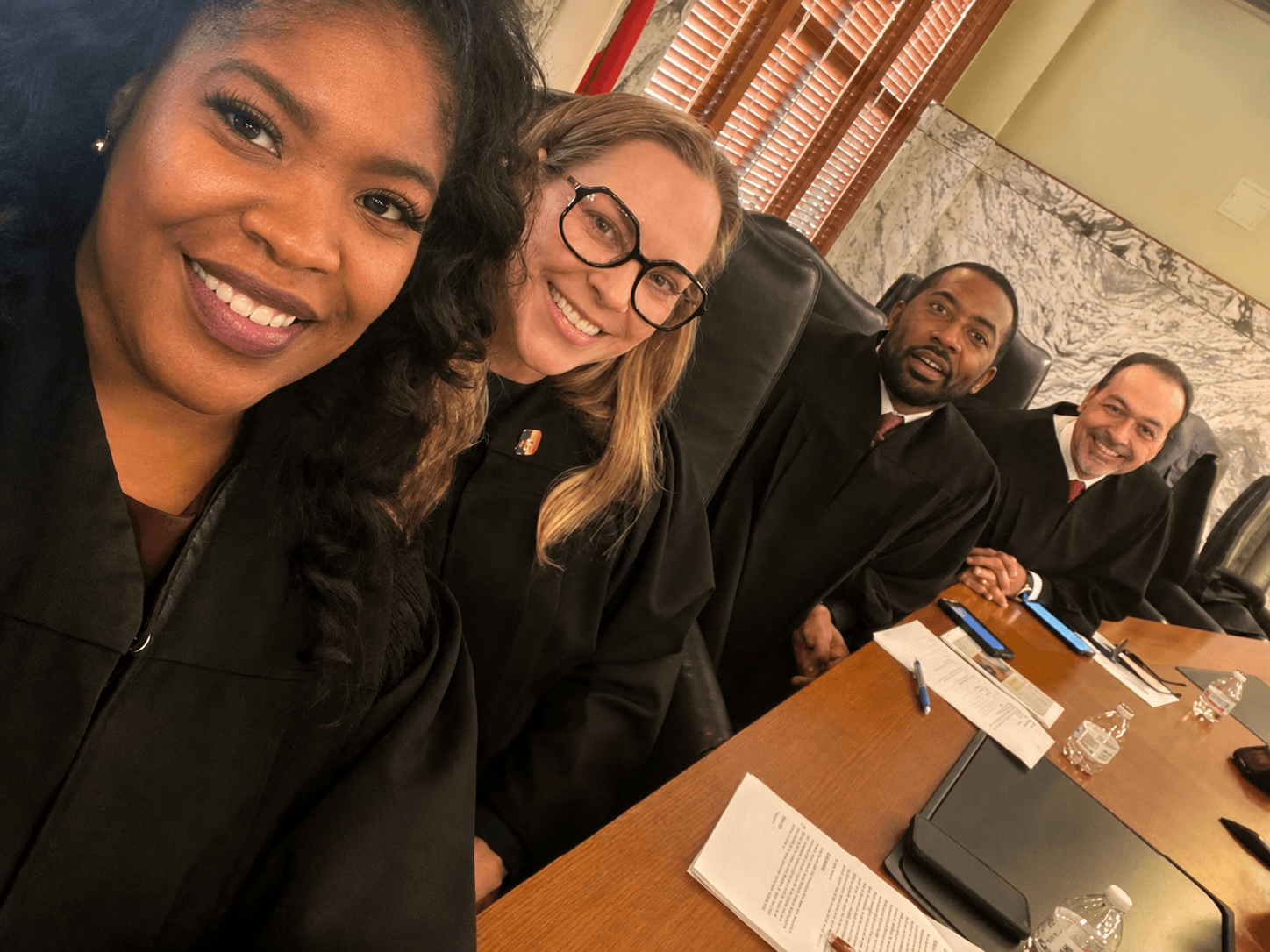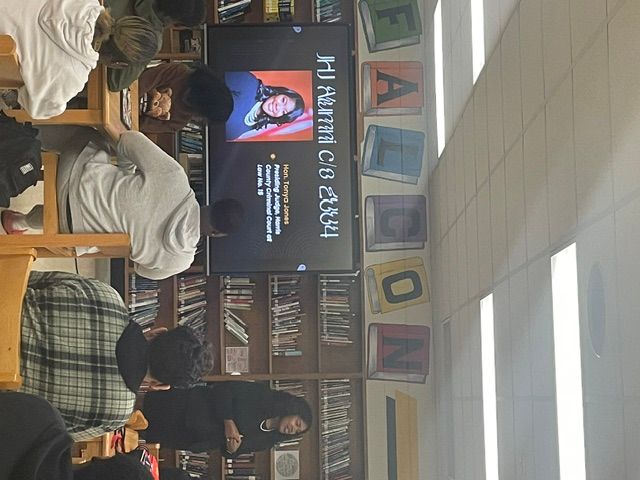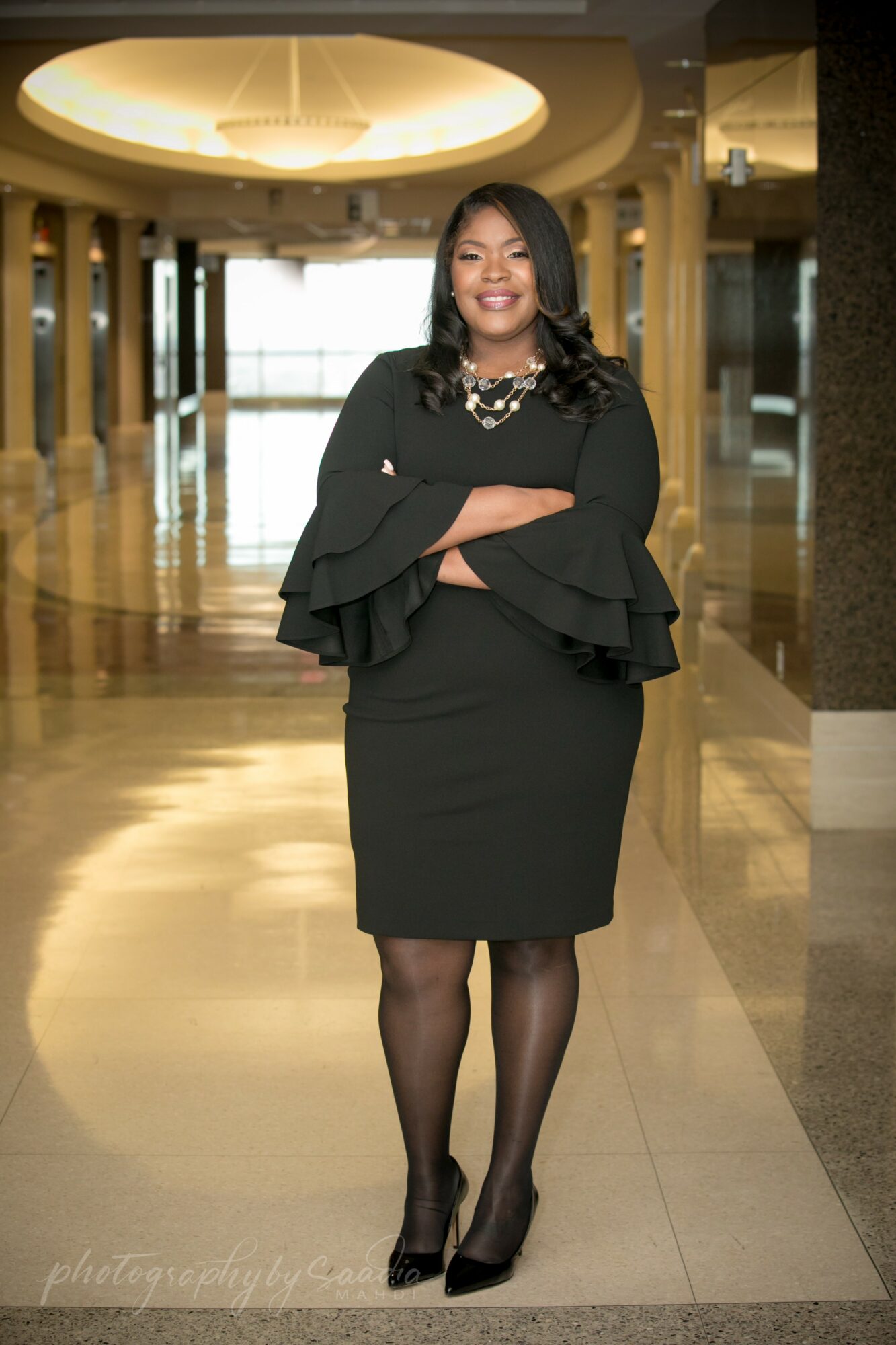





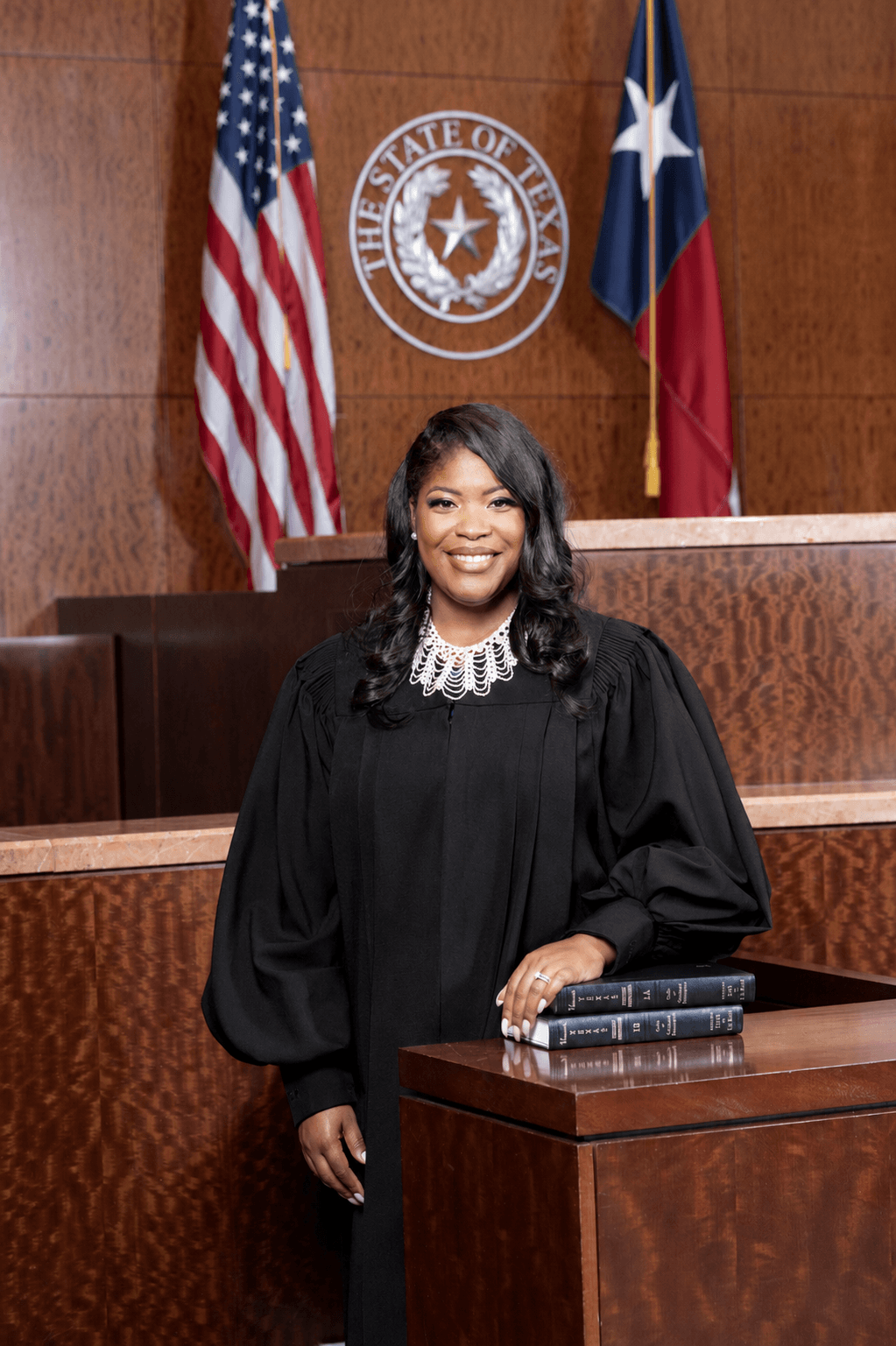
Today we’d like to introduce you to Tonya Jones.
Alright, so thank you so much for sharing your story and insight with our readers. To kick things off, can you tell us a bit about how you got started?
I’m a Houston girl through and through. I was born and raised in South Park, the oldest of five children, and I grew up in a family where hard work, faith, and service were deeply ingrained in me. I didn’t grow up with a blueprint for becoming a lawyer or a judge. In fact, I became the first person in my family to graduate from college, the first to become an attorney, and ultimately, the first to become a judge.
Some of my earliest lessons in confidence and leadership actually came from church. Whether I was giving Easter speeches, participating in Black History programs, singing in the choir, praise dancing, or serving as an usher, I learned very young how to stand in front of people, use my voice, and be part of something bigger than myself. In high school at Jesse H. Jones, speech and debate further developed that confidence and introduced me to the power of advocacy.
I went on to attend Baylor University for college and later Southern University Law Center, where I earned my law degree. My path was not always linear, and there were certainly moments when I had to figure things out as I went. Being first-generation meant there were rooms I entered without knowing all of the unwritten rules, but I learned to ask questions, build relationships, work hard, and trust that I belonged in those spaces.
After law school, I practiced law in several areas, including criminal defense, personal injury, and family law, and eventually opened my own law practice. Criminal law, however, became a significant part of my professional identity. As a defense attorney, I had the opportunity to see the justice system from the perspective of the people standing before the court. That experience shaped the kind of judge I would later become.
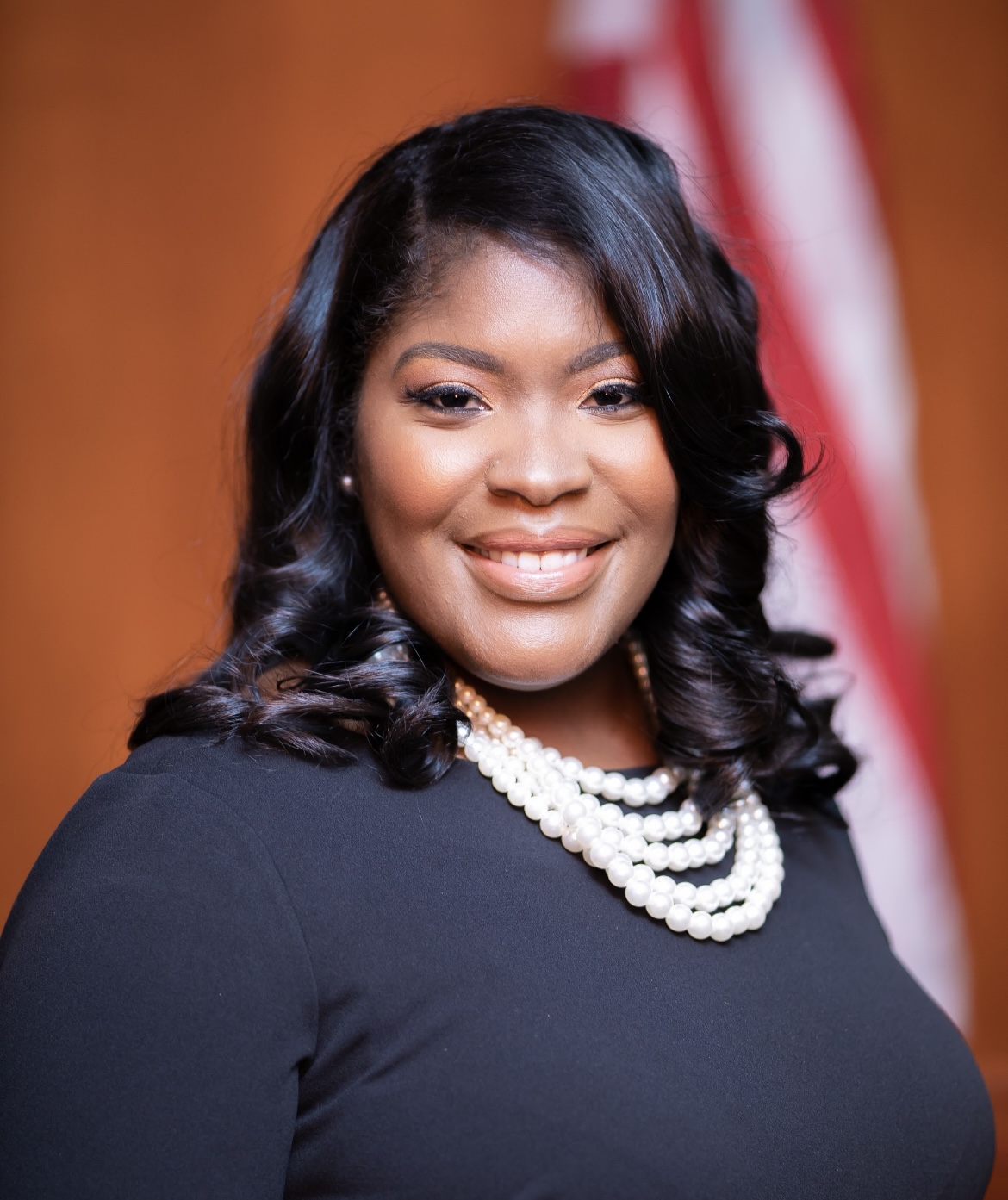
In 2018, I took one of the biggest leaps of faith of my life and ran for judge of Harris County Criminal Court at Law No. 15. I was elected that November and took the bench in January 2019. Since then, I have had the privilege of presiding over thousands of cases and serving Harris County in several leadership capacities within the judiciary.
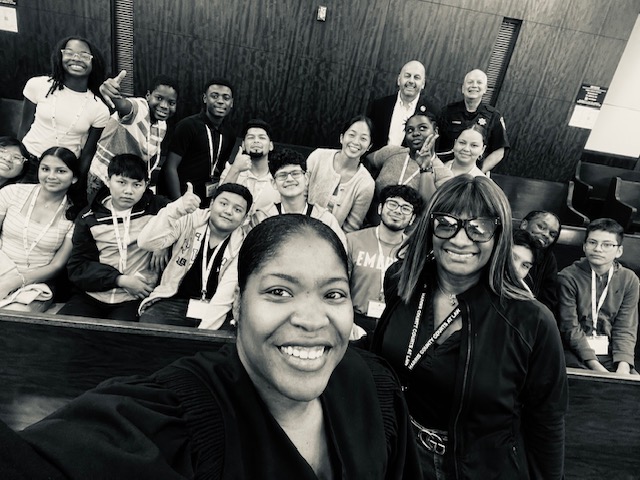
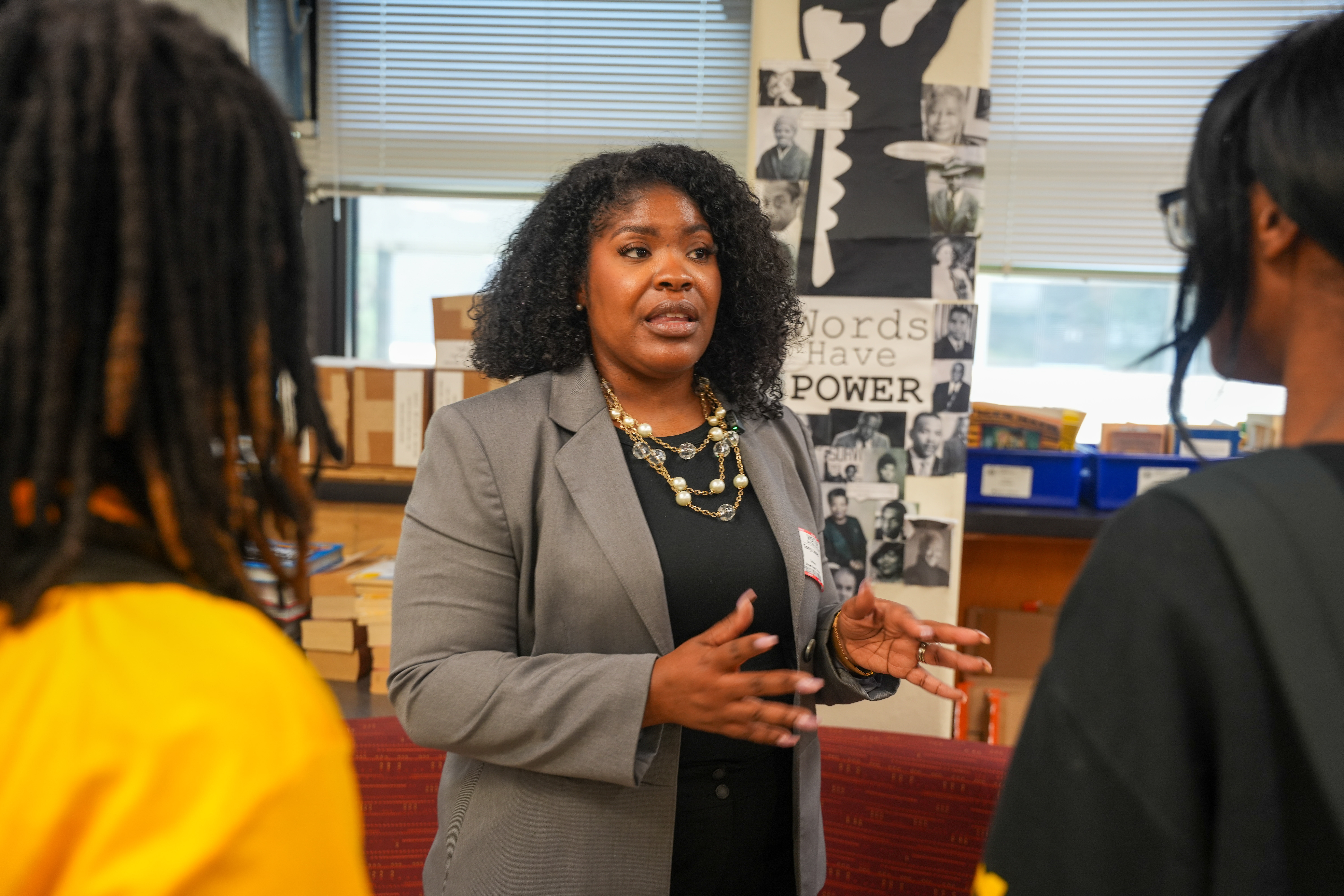
What I value most about this journey is that my story did not stop when I became a judge. I keep looking for ways to improve the system, mentor the next generation, and create opportunities for people who may not yet see themselves in certain spaces. I believe public service is about more than holding a title; it is about what you do with the opportunity you have been given.
When I think about the little girl growing up in South Park, I’m not sure she could have imagined this exact life. But I do think she would recognize the values that brought me here: faith, perseverance, service, preparation, and a willingness to keep walking through doors even when I wasn’t entirely sure what was waiting on the other side.
Would you say it’s been a smooth road, and if not what are some of the biggest challenges you’ve faced along the way?
It definitely has not been a completely smooth road, but I’ve learned that some of the most difficult seasons are also the ones that shape you the most.
One of the biggest challenges throughout my journey has been navigating spaces without always having a roadmap. As a first-generation college graduate and attorney, there were many things I simply did not know because no one in my immediate family had traveled that path before me. I had to learn how to navigate college, law school, the legal profession, entrepreneurship, and eventually public service—sometimes by trial and error.
There were moments when I questioned whether I was making the right decisions or whether I was ready for the next opportunity. Opening my own law practice was one of those leaps. Running for judge was another. Campaigning requires you to put yourself completely out there. You are asking people to believe in you, support you, invest in you, and ultimately vote for you. There is no guarantee that all of that work will result in success.
Even after being elected, the challenges did not disappear—they simply changed. Being a judge carries an enormous amount of responsibility. The decisions made in a courtroom can affect someone’s liberty, family, livelihood, and future. I have had to learn how to carry that responsibility while remaining thoughtful, fair, prepared, and grounded in the law. Leadership also means understanding that every decision will not make everyone happy and becoming comfortable making difficult decisions because they are the right ones, not necessarily the popular ones.
I’ve also learned that personal and professional growth do not always happen on separate tracks. Life continues happening while you are building a career. There have been seasons when I have had to balance demanding professional responsibilities with family, relationships, health, community commitments, and simply taking care of myself. I think many high-achieving people eventually realize that success is not just about how much you can accomplish; it is also about learning what deserves your time and energy.
There have certainly been disappointments, closed doors, difficult lessons, and moments when things did not happen according to my timeline. But looking back, I can see that even those experiences taught me something.
One of the greatest lessons of my journey has been learning not to confuse a difficult season with a final destination. A setback may require you to adjust your approach, but it does not necessarily mean you are on the wrong path.
I’ve become much more comfortable with the fact that growth can be uncomfortable. I don’t expect the road to always be smooth anymore. I just lean into my faith even more when I encounter the bumps along the way.
Thanks for sharing that. So, maybe next you can tell us a bit more about your work?
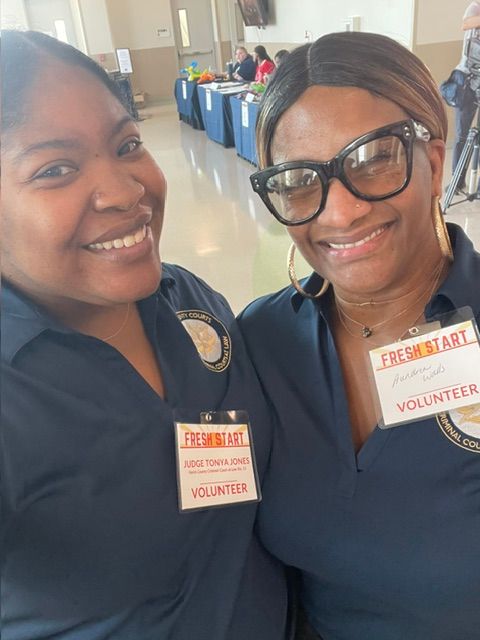
I serve as Judge of Harris County Criminal Court at Law No. 15, where I have presided since January 2019. My court handles misdemeanor criminal cases, which means I see people at very different points in their lives—some facing consequences for poor decisions, some struggling with underlying issues, and others simply trying to navigate a system that can feel overwhelming.
At the core of my work is the responsibility to apply the law fairly, protect due process, maintain an efficient courtroom, and make decisions that are both legally sound and mindful of the real-world impact they have on individuals, families, and the broader community.
Over the years, I have presided over thousands of criminal matters and numerous jury and bench trials. I have also had the opportunity to serve in leadership roles within the Harris County judiciary, including as Local Administrative Judge for the County Courts at Law, and I currently serve as Co-Presiding Judge of the Harris County Criminal Courts at Law.
One of the areas of my work that has been especially meaningful to me is my service as a Sober Court judge. Sober Court gave me the opportunity to work more closely with individuals whose involvement in the criminal justice system was connected to substance abuse and addiction. That experience reinforced for me that accountability is often most effective when it is paired with structure, treatment, support, and an opportunity for meaningful change. Watching participants make progress, rebuild relationships, regain stability, and begin to see a different future for themselves was incredibly rewarding.
That same philosophy is reflected in another initiative I am particularly proud of. My court serves as a pilot court for the PACE program, a pretrial intervention initiative focused on young adults ages 17 to 24. The program brings together the judiciary, prosecutors, defense attorneys, supervision, and community partners to connect eligible young people with wraparound services designed to address some of the issues that may be contributing to their involvement in the criminal justice system.
Both Sober Court and PACE reflect something I strongly believe: accountability and opportunity are not mutually exclusive. There are cases where consequences are necessary, but there are also moments when the justice system has an opportunity to address the underlying circumstances that brought someone into the courtroom in the first place. When appropriate, an intervention at the right time can change the trajectory of a person’s life.
I think I am also known for being willing to question whether the way something has always been done is necessarily the best way to continue doing it. I value efficiency, preparation, collaboration, and innovation, but I never want efficiency to come at the expense of fairness. Every person who enters the courtroom deserves to be treated with dignity and to feel that their case received meaningful consideration.
What I am most proud of, though, is not one title, program, or accomplishment. I am proud that I have remained connected to the reason I wanted to serve in the first place. I understand that for many people, their interaction with the court may be one of the most stressful experiences of their lives. I want them to leave knowing that, regardless of the outcome, they were heard, treated respectfully, and given a fair process.
What sets me apart is probably the combination of experiences I bring to the bench. I practiced criminal defense before becoming a judge, I owned my own law practice, I have served in judicial administration and leadership, and I have had the opportunity to work in programs that focus on treatment, intervention, and rehabilitation. I also remain deeply connected to the community I serve. Those experiences allow me to look at the justice system from multiple perspectives rather than through a single lens.
I am proud to be a judge, but I am even more proud to be a public servant. For me, the goal has never been simply to occupy the seat. It is to use the seat to make the system work better, more fairly, and more effectively for everyone who comes through it.
Are there any important lessons you’ve learned that you can share with us?
The most important lesson I’ve learned is that you do not have to have the entire path figured out before you take the next step.
So much of my journey has involved entering spaces I had never seen anyone in my immediate family navigate before. As a first-generation college graduate, attorney, business owner, and eventually judge, there were many moments when I was learning while moving forward. I used to think confidence meant having all the answers. Over time, I learned that confidence is often trusting yourself enough to move forward even when you do not.
I’ve also learned not to measure my life by someone else’s timeline. Some opportunities came quickly, while others required patience, disappointment, redirection, or a leap of faith. Looking back, I can see that even the seasons that felt uncertain were preparing me for something I could not always see at the time.
The journey has also taught me that titles and accomplishments are meaningful, but they are not the most important measure of success. What matters is how you treat people, whether you remain grounded in your values, and whether you use whatever influence you have to create opportunities for others.
If I could give my younger self one piece of advice, it would be this: you do not need a blueprint to begin. Sometimes you have to trust the next step, do the work, stay open to growth, and allow the path to reveal itself along the way.
And once you make it into rooms you once dreamed about entering, remember to hold the door open for someone coming behind you.
Contact Info:
- Website: https://www.judgetonyajones.com
- Instagram: @judgetonyadjones
- Facebook: @JudgeTonyaJones
- Twitter: @TonyaJforJudge