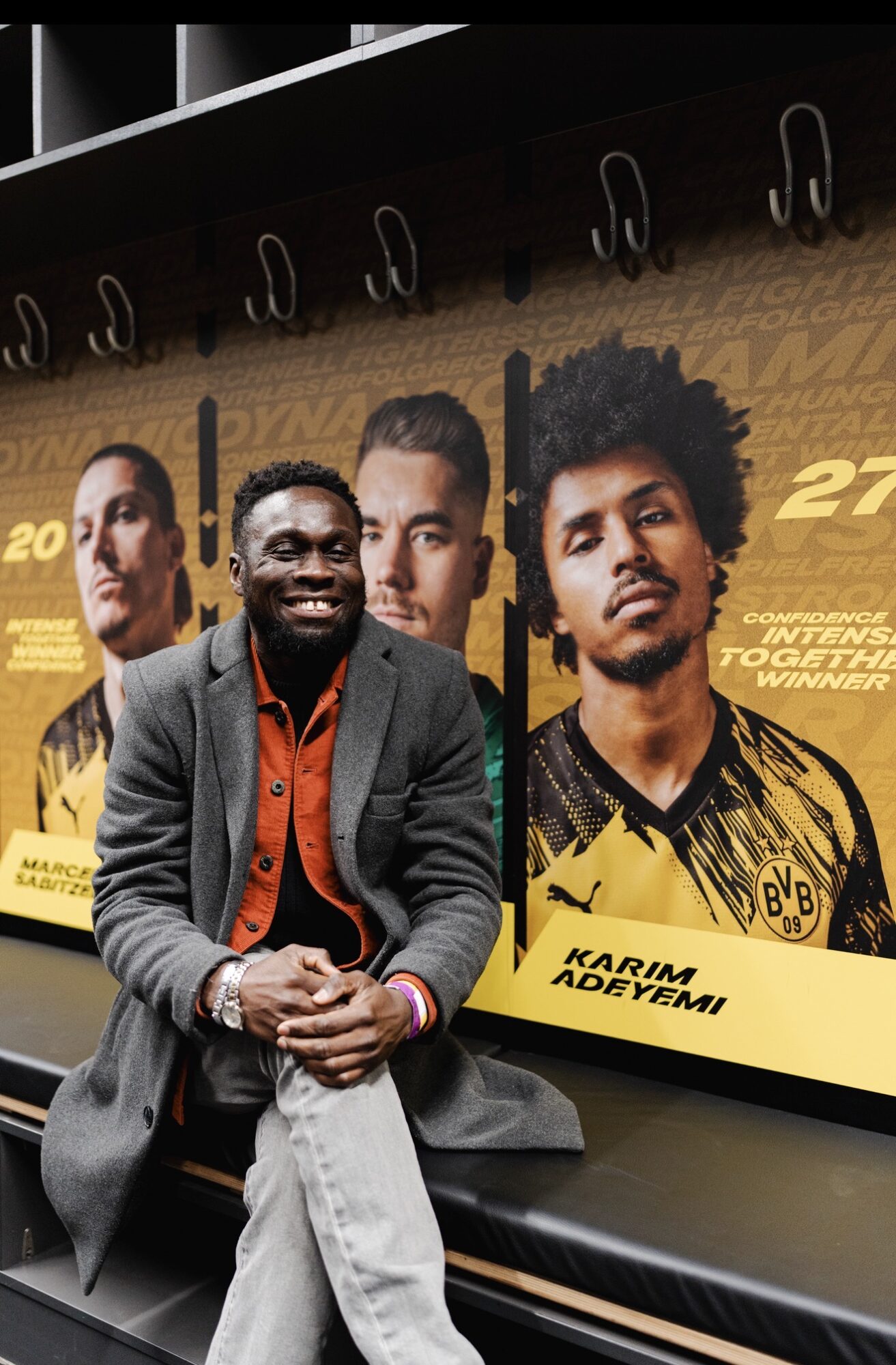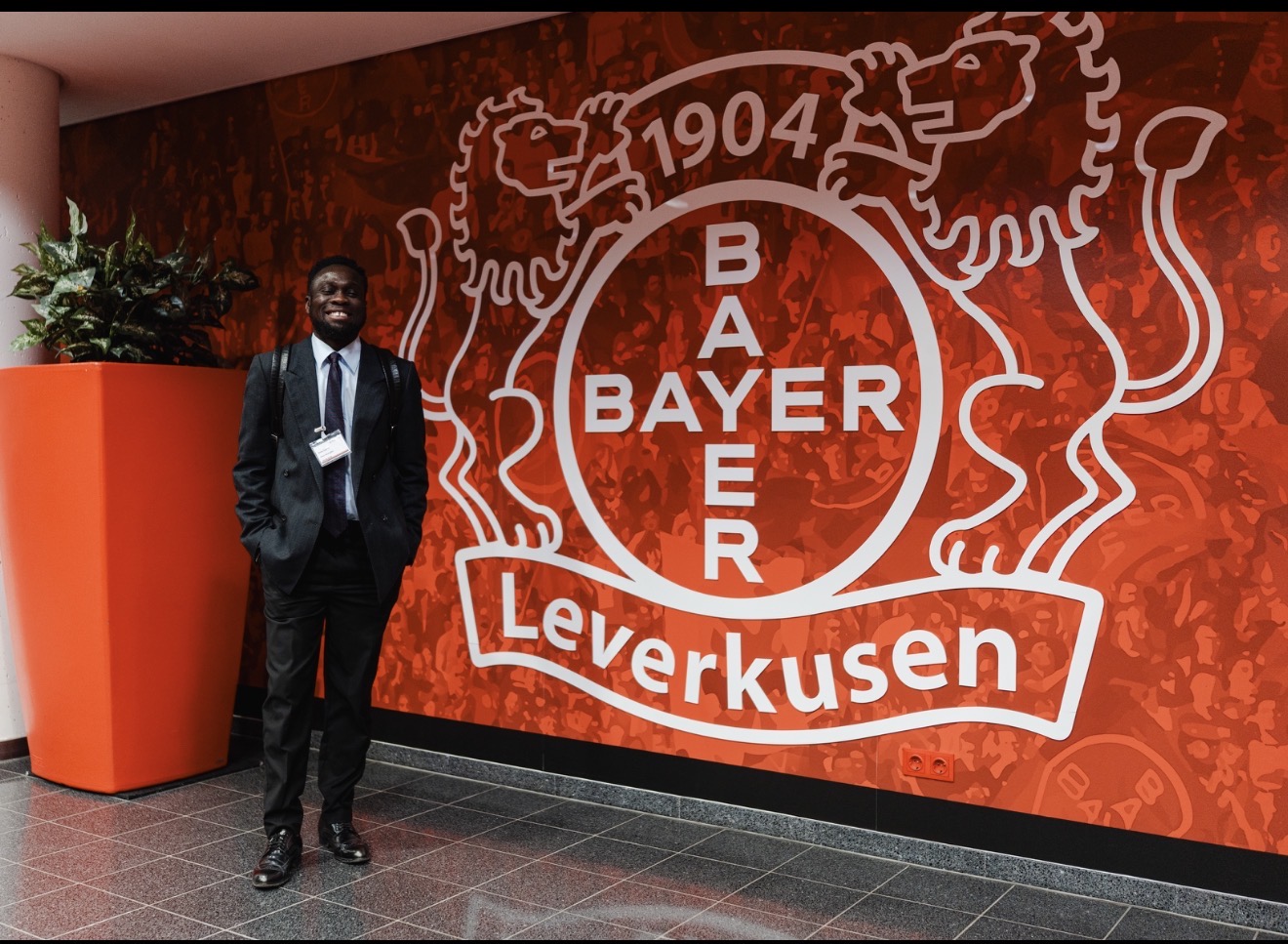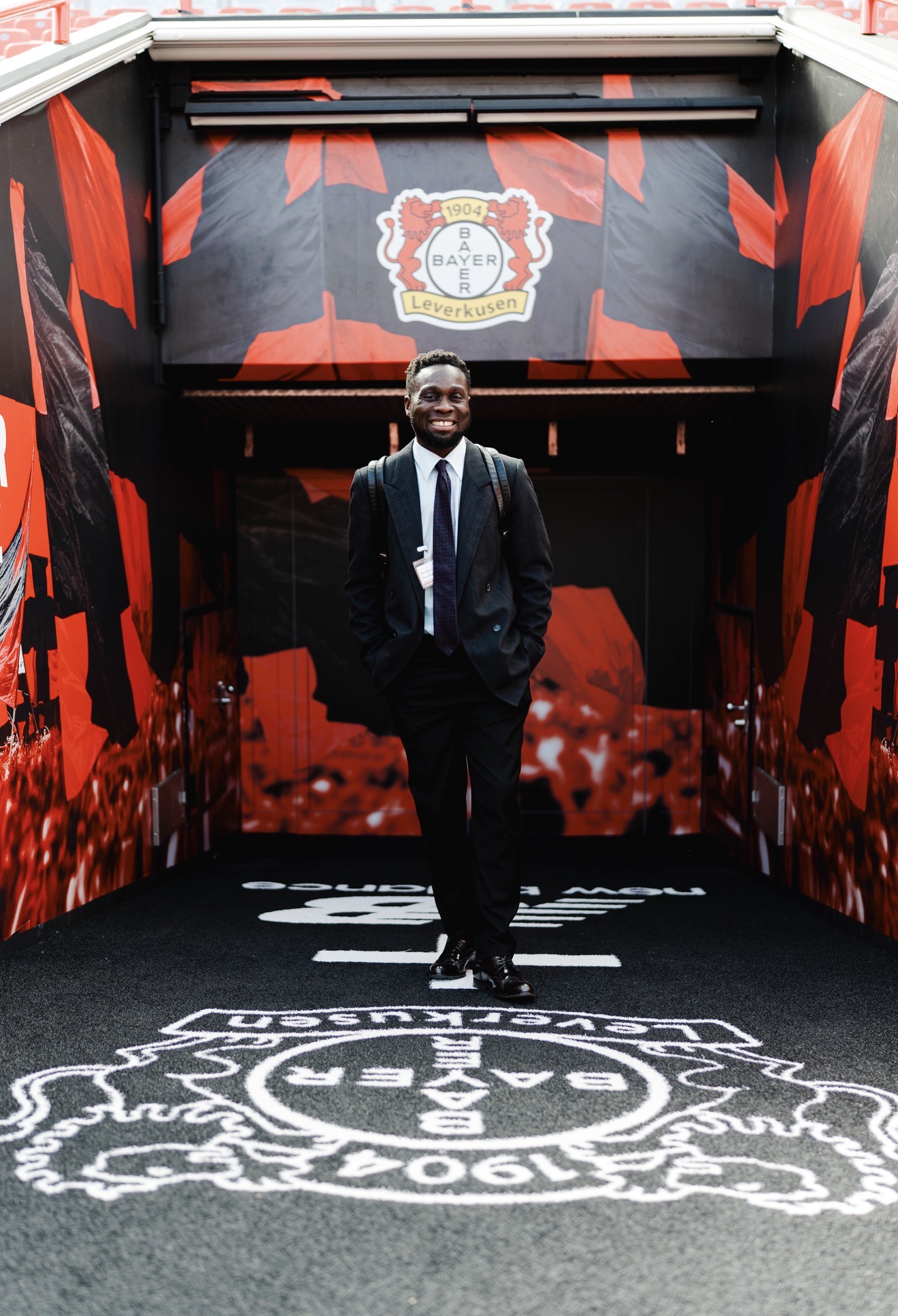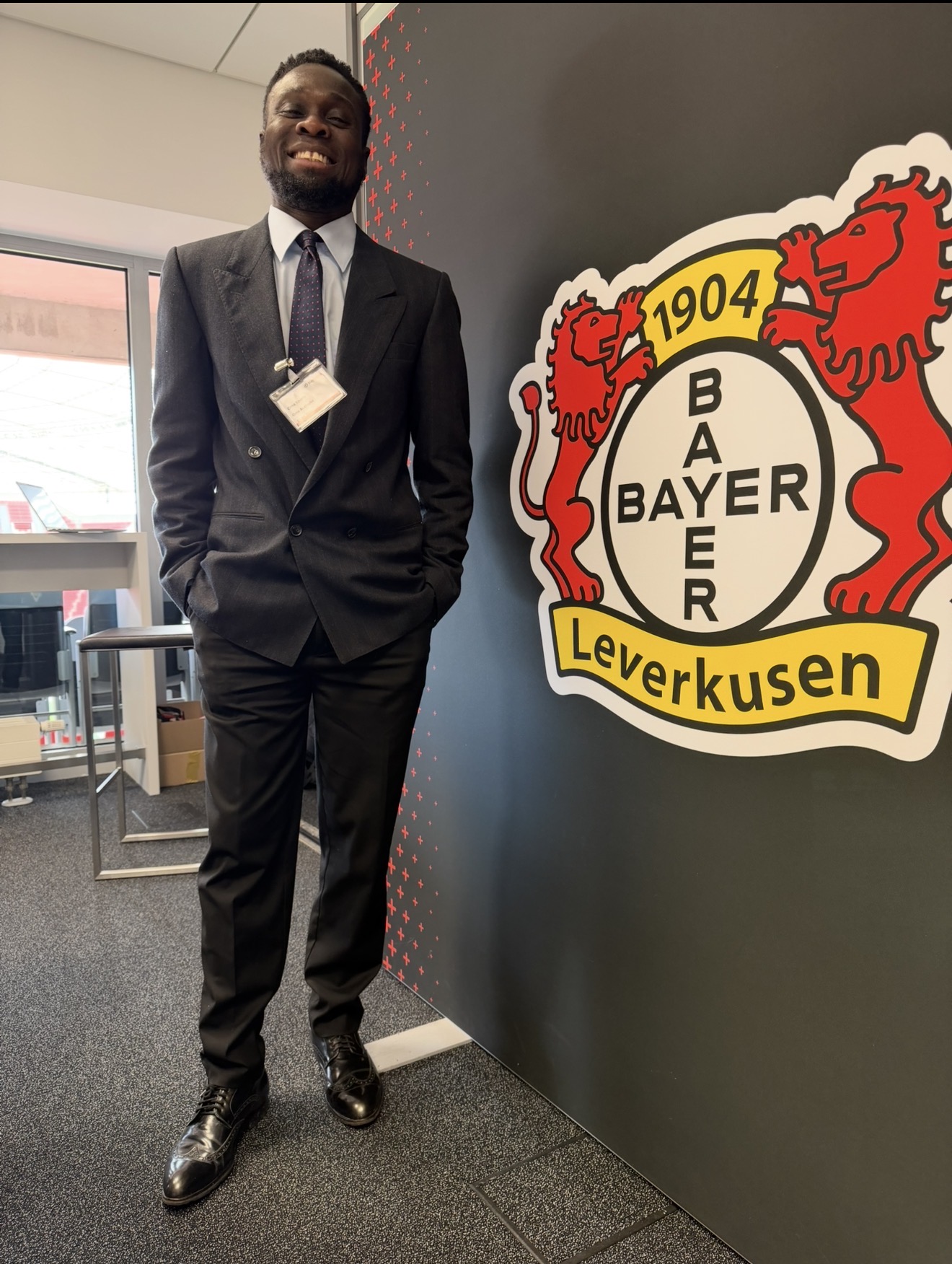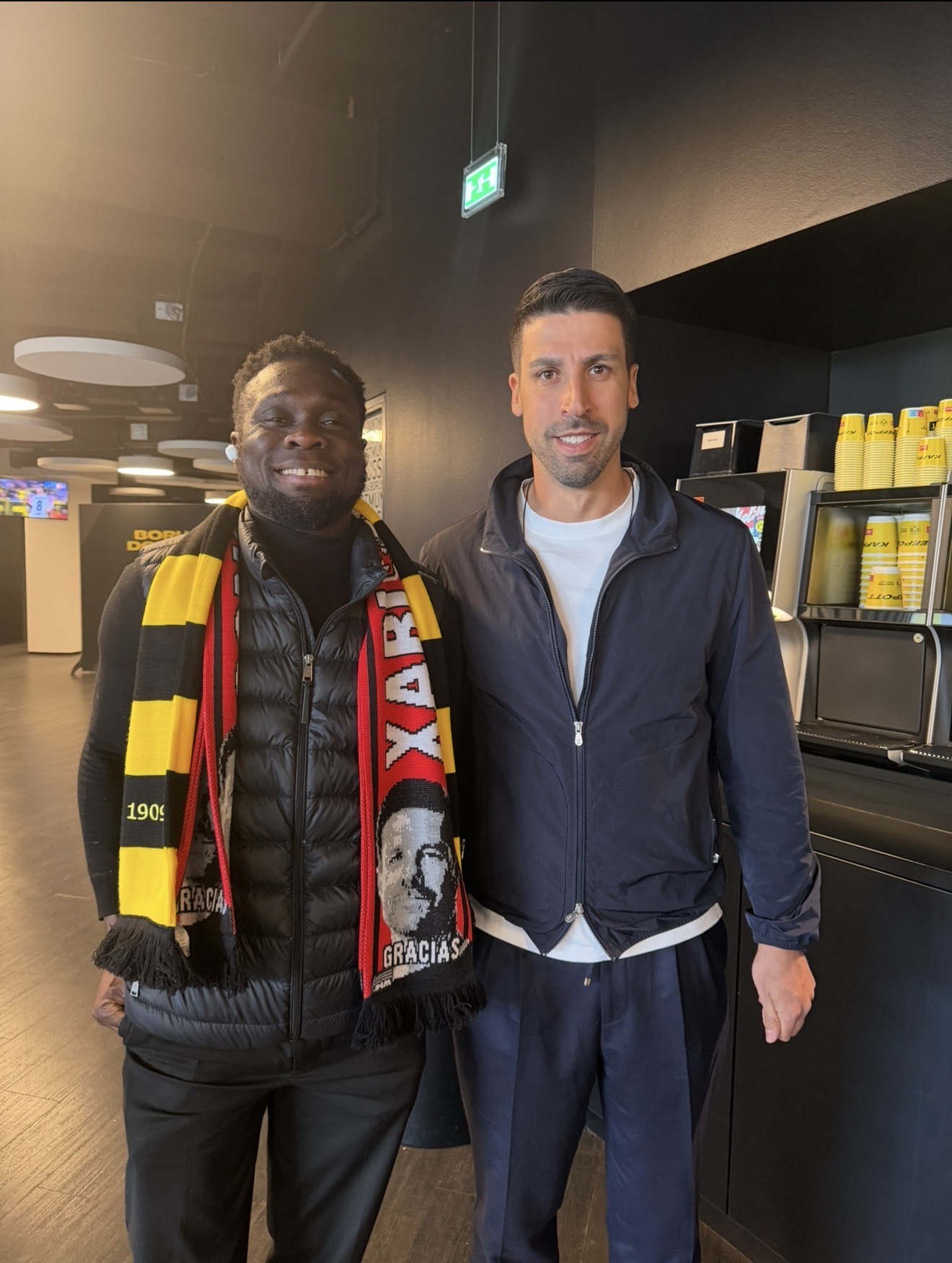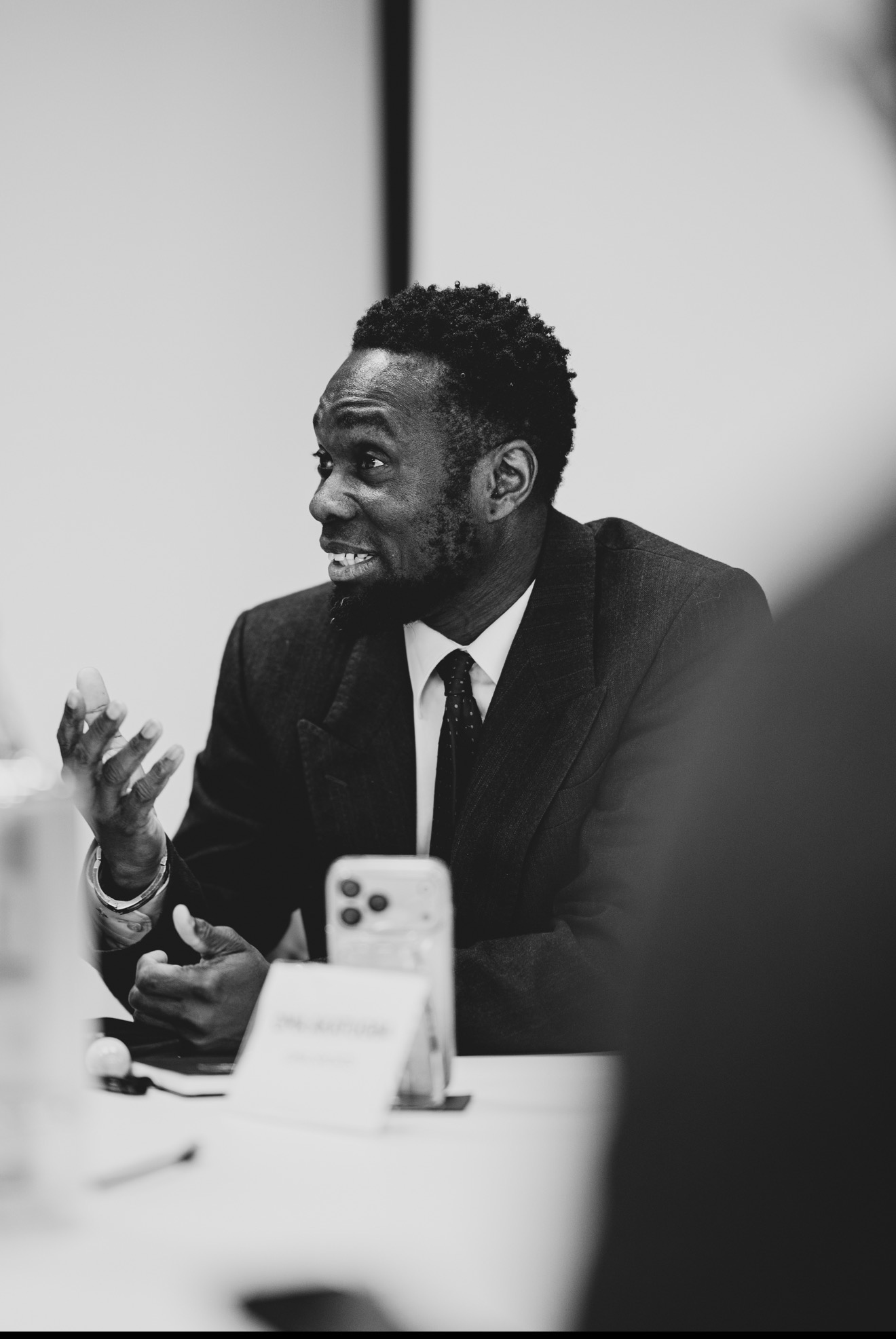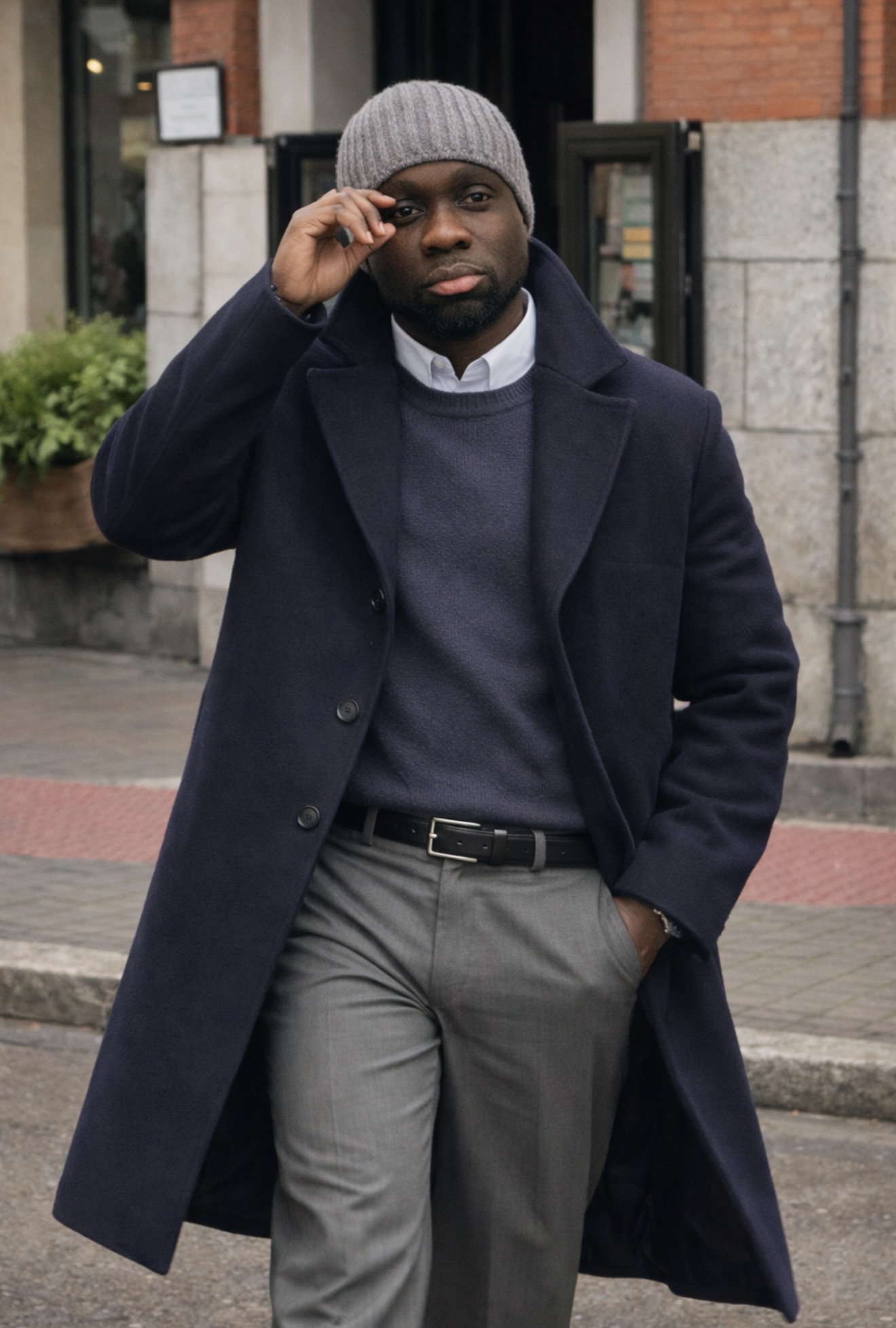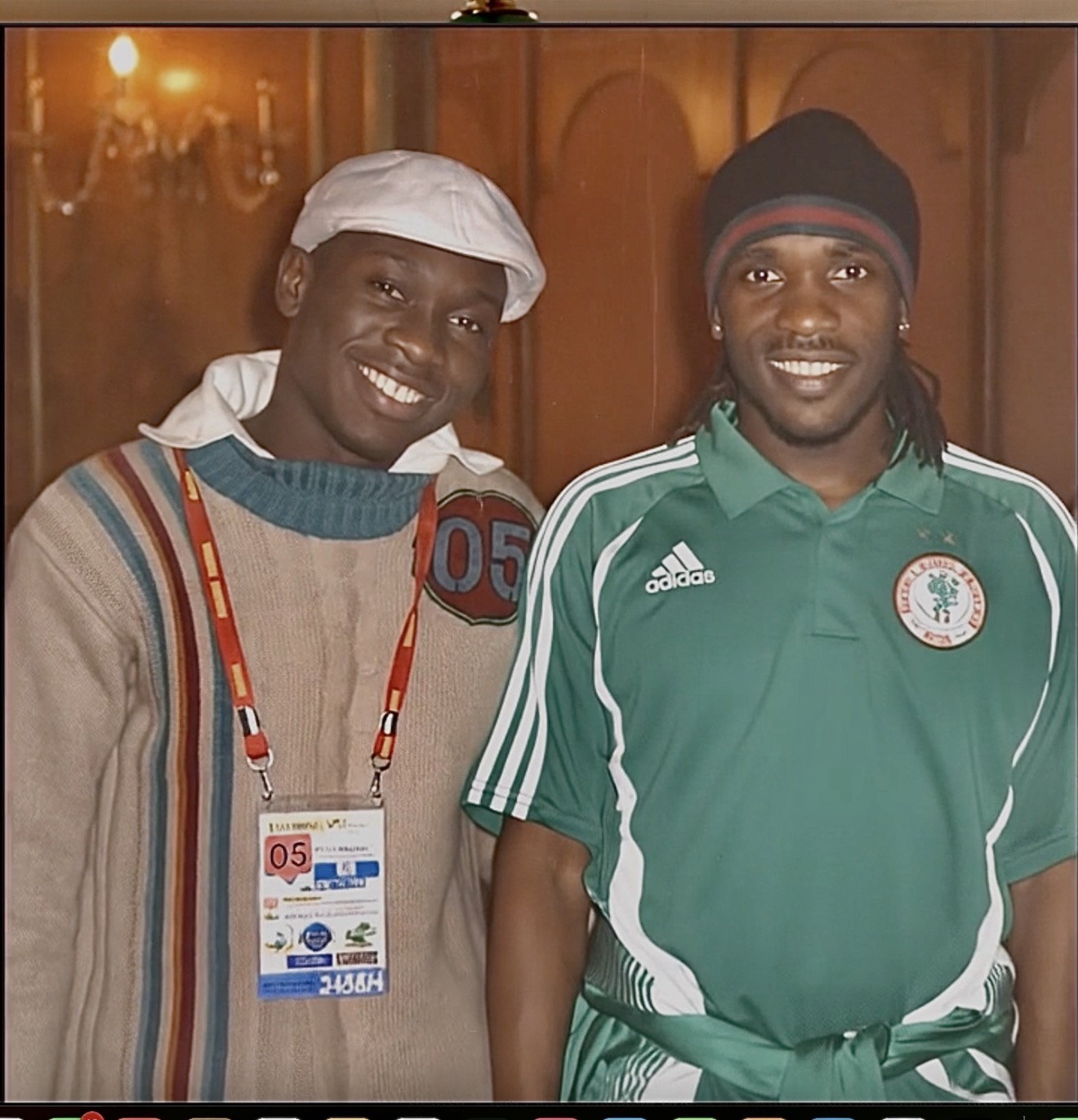




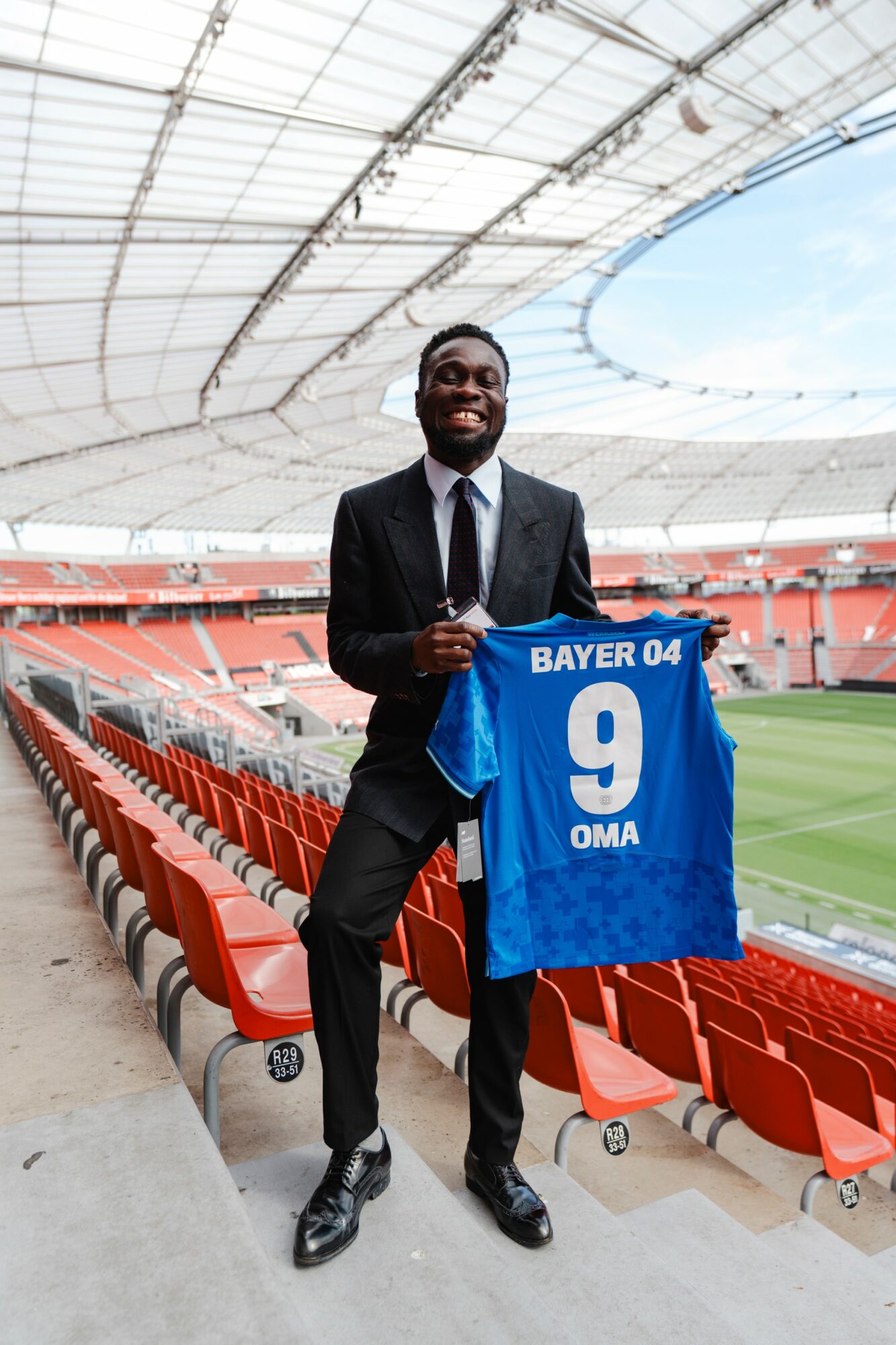
Today we’d like to introduce you to Omavua Akatugba.
Hi Omavua, we’d love for you to start by introducing yourself.
This is a really powerful story. If you’re looking to **clean it up and make it sound more polished, natural, and compelling while keeping the speaker’s personal voice**, I’d phrase it like this:
It all started as a passion. I think I was about seven or eight years old when I first began to realize how much I loved football.
At the time, we didn’t have a television at home, but our neighbours did. So I would stand outside their window just to watch football. I remember the 1990 African Nations Cup. I was seven years old, and watching those games was so special to me.
Then, in 1994, I watched my first FIFA World Cup, hosted in the United States. It was Nigeria’s first-ever World Cup, and that made it even more special. Growing up, I would also listen to my elder brothers talk about football and about the great players of that era—Roger Milla, Diego Armando Maradona, Abedi Pelé, Rashidi Yekini, Jay-Jay Okocha and so many others.
I remember seeing Maradona play for the first time at the 1994 World Cup. I was fascinated. Football became more than just a sport to me; it became a part of my life.
I had a little corner in our house where I kept posters and pictures of football clubs—anything and everything related to football. I would tell people that one day I wanted to become a television football presenter or a journalist. I wanted to travel around the world covering football matches.
Even when I went to school, instead of carrying my schoolbooks, I would sometimes carry football newspapers. During break time, all I wanted to do was talk about football with my friends. That was how passionate I was.
One of my elder brothers eventually said to me, “You have so much passion for football. Why don’t you become a TV presenter?”
That idea immediately excited me. I thought, “Wow, what a dream.” And I told him, “Why not? This is exactly what I want to do.”
At the time, he was involved with a chain of television programmes, and there was a sports segment. I was given the opportunity to anchor the sports section. I remember doing as many as 55 takes before we finally got the right one because the programme was pre-recorded.
The show was called *Football Played*, and it was broadcast on NTA, the Nigerian Television Authority. That was where it really started for me.
From there, I moved to Galaxy TV, and later to AIT, which at the time was one of the biggest independent television stations in Nigeria. I had the opportunity to work alongside one of the most famous television presenters in Nigeria at the time, Felix Okwube, on a programme called *Mundial Sports International*. It was a huge show. Whenever it came on, people were watching it not just in Nigeria, but around the world.
I also had the opportunity to be trained by the BBC in sports reporting, commentary and related areas. I still have the certificate to this day.
And all of this was happening even before university.
I had the opportunity to study at the University of Lagos, where I did a diploma, but I eventually left because I didn’t feel that university was the path for me. I later went to Ghana to study media, broadcasting and journalism.
From there, the rest, as they say, is history.
I continued growing—from television to radio, from radio to different television stations, and eventually to working independently and creating my own television sports programmes.
Then, around 2010, I started thinking about taking the next step. I would see stadiums like Camp Nou, the Amsterdam Arena, the BayArena and the Allianz Arena, and I would tell myself, “One day, I’m going to be inside those stadiums. I don’t just want to talk about them on the radio from Nigeria. One day, I want to be there.”
That dream started becoming reality in 2012, when I got my first opportunity to travel to Europe to cover a football event—Werder Bremen versus Wolfsburg.
And from that moment, the journey continued.
Looking back, it’s amazing to think that the same boy who once stood outside his neighbour’s window just to watch football would eventually travel the world covering the game he loved so much.
Football started as a passion, but it ultimately became my life.
I can also turn this into a **much more powerful documentary/interview-style version**, with a strong opening hook and emotional ending.
We all face challenges, but looking back would you describe it as a relatively smooth road?
Got you. This part adds a much more important dimension to the story: **the conflict between following your passion and meeting your father’s expectations**, while also showing that the financial struggle didn’t matter as much because you genuinely loved the work.
Here’s a polished version that keeps the emotion and authenticity of the original interview:
Some of the biggest obstacles actually came from my own family, particularly my father. He didn’t believe that sports journalism was a noble career or a rewarding one.
I come from a part of Nigeria where going to university to study petroleum engineering, or anything related to oil and gas, was a very big deal. Those were the people who were seen as successful. They were earning good money, and that was the path many people wanted their children to follow.
So my father would say to me, “This is a waste of time. Forget about this football. Go to university, get a degree, and get yourself a good job.”
But I just didn’t feel that way. I had never wanted to do what everybody else was doing. I always wanted to follow my passion. I wanted football to be my job because I was genuinely happy whenever I talked about it. Honestly, I was happier talking about football than even being with a girl.
That was probably the first major challenge I had—to convince myself that it was okay to follow a path that was different from what my family expected of me.
Then, when I started working in the media, the financial side wasn’t exactly encouraging either. I had friends who were already earning much better salaries, while I was basically working as a young apprentice in sports journalism.
I was apprenticing under Felix Osagie Okugbue, and at one point my salary was less than five dollars a month—sometimes around five to seven dollars.
But strangely, I never really saw that as a challenge.
I loved what I was doing. Every month, I would receive my little five dollars in cash, and I would travel a long distance just to get to the studio. I was travelling from one end of Lagos State to the other just to do what I loved.
And I didn’t care.
I was simply happy that I could talk about football and be on television. At 19, 20, 21 years old, I felt like a superstar.
Sometimes I would be walking on the road and someone would stop me and say, “Oh, I saw you on TV yesterday.” And that feeling was incredible.
You have to remember that this was before the internet and social media became what they are today. Television was the main source of information and entertainment, so people watched television a lot. Being recognized on the street because of something you had done on TV was a very special feeling.
Of course, as I got older, I became more aware of the financial realities. The media industry didn’t pay particularly well, and it was difficult sometimes when you looked around and saw some of your friends doing other jobs and earning much better money.
You were doing something you loved, but the money wasn’t necessarily coming.
Those were some of the challenges I experienced.
But when you genuinely love what you do, you learn to live with those difficulties. You become accustomed to them. Because at the end of the day, I was doing what made me happy.
And when you have that kind of passion, sometimes everything else becomes secondary. The money, the long journeys, the sacrifices—they don’t seem as important anymore.
I was simply grateful that I had the opportunity to wake up every day and talk about the game I loved.
Thanks for sharing that. So, maybe next you can tell us a bit more about your work?
Today, I am a sports journalist, sports content creator, sports consultant, talent advocate and sports presenter. This is my profession. This is what I have done all my life.
Like I said earlier, it started as a passion, but today it has become my livelihood and my source of income. What began as something I simply loved has grown into a career that has taken me around the world.
I consider myself one of the leading African sports journalists based in Europe, particularly when it comes to covering Nigerian and African footballers across Europe and around the world.
Over the years, I’ve had the privilege of covering some of the biggest sporting events on the planet—the FIFA World Cup, the UEFA Champions League, the UEFA Cup and Europa League, the European Championship, the Africa Cup of Nations, the Olympic Games, the Asian Champions League, and many more.
I’ve also had the opportunity to interview some of the biggest footballers and personalities in the world.
So, for me, this is much more than a hobby. This is my profession, my passion and my livelihood. Football gave me an opportunity to turn something I loved as a young boy into a career, and I’m grateful that I’ve been able to build my life around the game.
Do you have recommendations for books, apps, blogs, etc?
My favorite books are the diary of a ceo, alchemist, think and grow rich , atomic habits, the subtle art of not giving a fuck. The list is endless. My favorite podcast is the diary of a CEO.
Contact Info:
- Website: https://OyoyoScore.com
- Instagram: https://www.instagram.com/omaakatugba?stkn=MWwwd3l6bGM3cTI5aw%3D%3D&utm_source=qr
- Twitter: https://x.com/omaakatugba?s=11
- Youtube: https://youtube.com/@omasportstv?si=xjrDcKw8KAh3w84w