


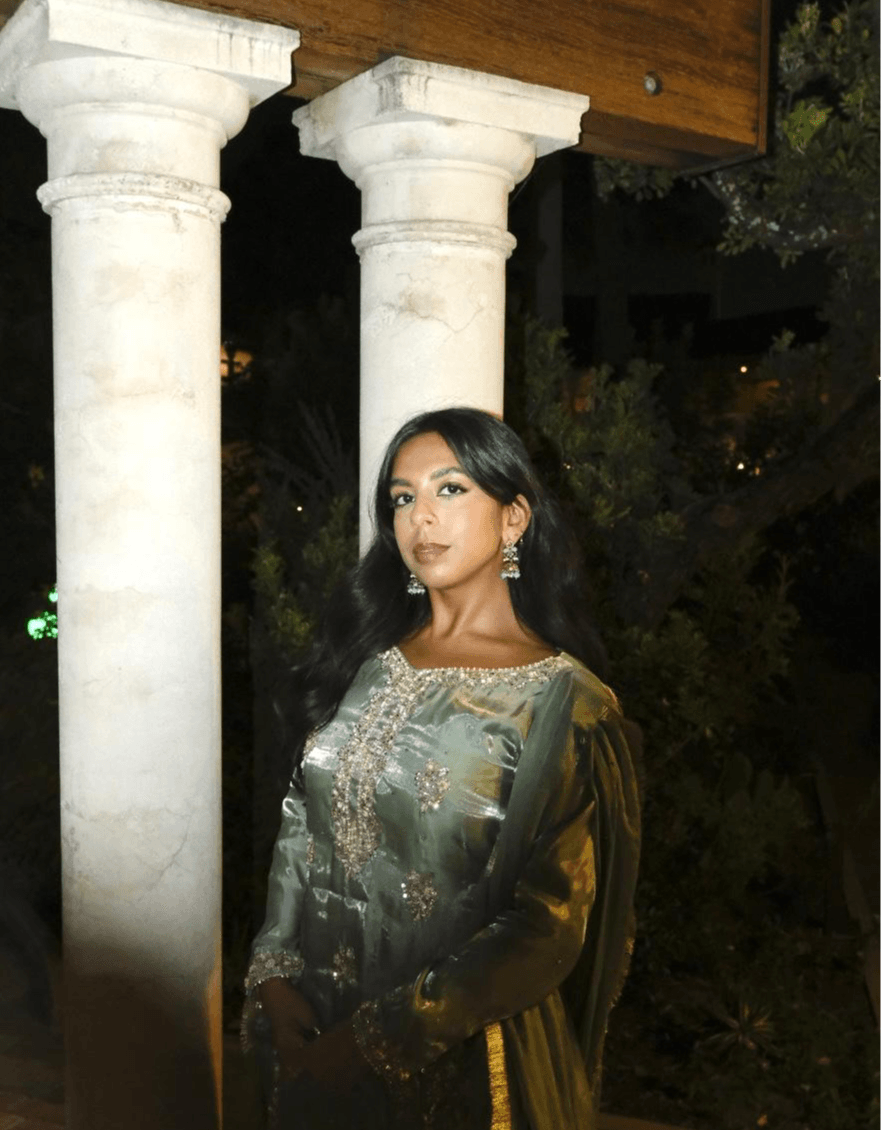
Today we’d like to introduce you to Rimsha Syed.
Hi Rimsha, thanks for joining us today. We’d love for you to start by introducing yourself.
As a Pakistani-American Muslim woman, my layered identity, especially growing up in the Deep South (Texas), has always felt inherently political. I grew up in San Antonio, surrounded by communities of color who welcomed me with open arms, and in many ways, that sparked an interest in the power of storytelling to speak truth to power. Even back in my days as an editor of my high school’s yearbook, I saw the value of both documenting memories and sharing them in a way that helps people think differently, learn something new, or evoke emotion. I studied journalism and women and gender studies at the University of Texas at Austin, but I’ve been writing and creating an archive of things that matter for as long as I can remember. My worldview was shaped from a very young age by both watching the struggles endured by my parents and also having a sharp awareness of who benefits at someone else’s expense. These experiences showed me that almost nothing can be separated from politics.
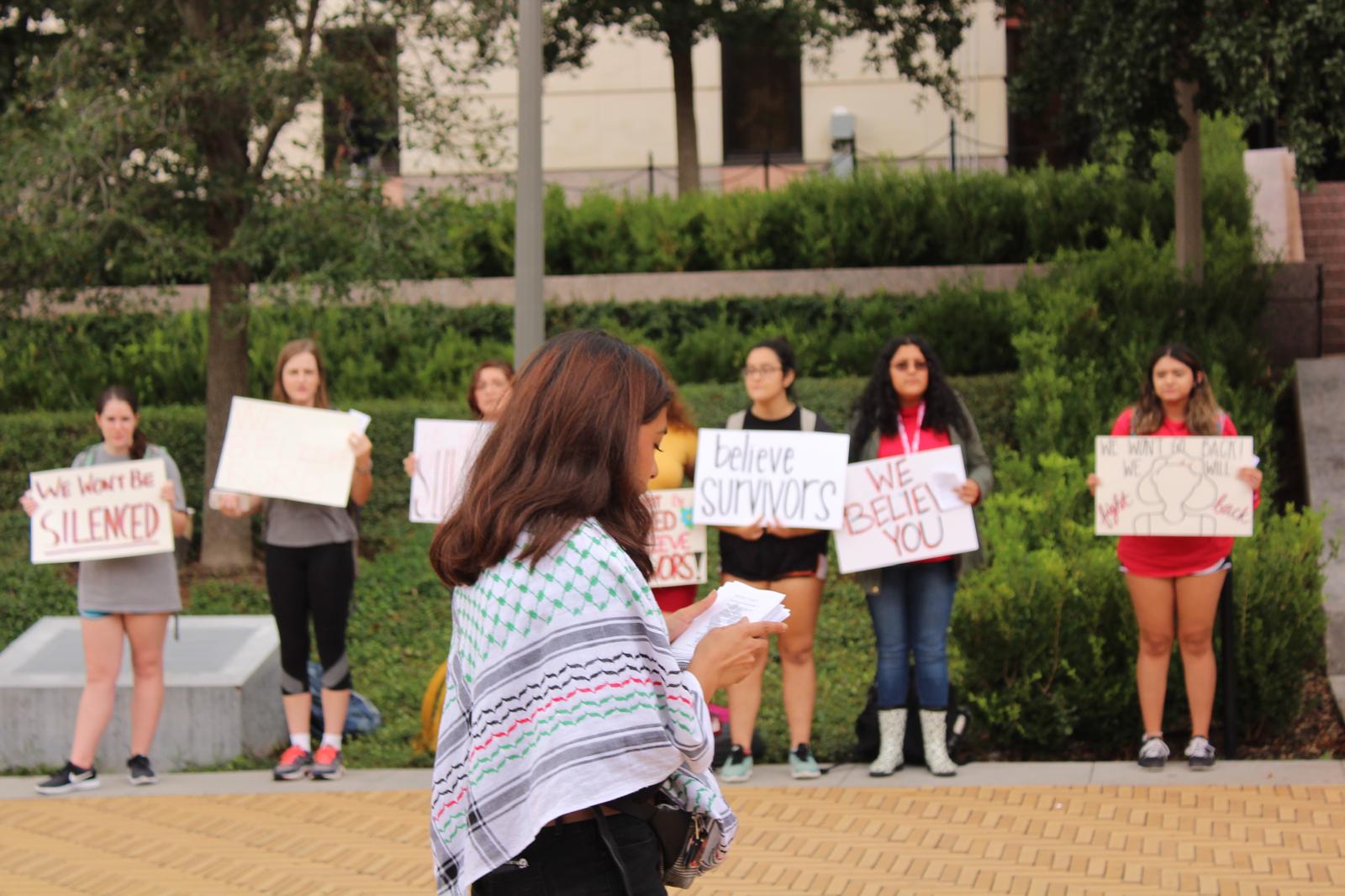
As a student, I was involved in several grassroots organizing campaigns, where I learned even more about standing up for justice through both theory and practical application. I saw the way words mattered, how hearing one person’s story could help materialize a campus protest the very next day, and really the underlying desire for so many of us to take a stand. The urge to memorialize and historicize these movements for justice became a more sedimented part of what I knew my professional journey would look like. I took classes in videography, photography, movement journalism, and graphic design in the hopes of being a well-rounded storyteller.
After I earned my B.A, I entered the non-profit world as a communications strategist and found a home in the reproductive justice space. Fighting for bodily autonomy was the most natural extension of being a feminist. I even got to learn about intersectionality, a framework that encapsulated what I always knew to be true – fighting for a just and equitable world is global and interconnected. I didn’t realize it then, but I became really passionate about drawing connections between movements. Since then, I’ve developed communications strategies for multiple non-profits, started a podcast interviewing activists, attended national conferences, and honed in on my narrative-building skills.
And I kept writing, of course! I’ve been fortunate enough to wield my words against injustice and use a metaphorical pen to champion the values that matter to me most. I’ve written investigative reports and op-eds on surveillance, Islamophobia, abortion criminalization, and the movement for Palestinian liberation, all while keeping in mind the threads that connect people under the same systems of harm. I’ve even had a chance to train as an oral historian and be part of multiple archival collections aimed at preserving the voices and stories of marginalized communities, who are often (intentionally) left out of the historical record.
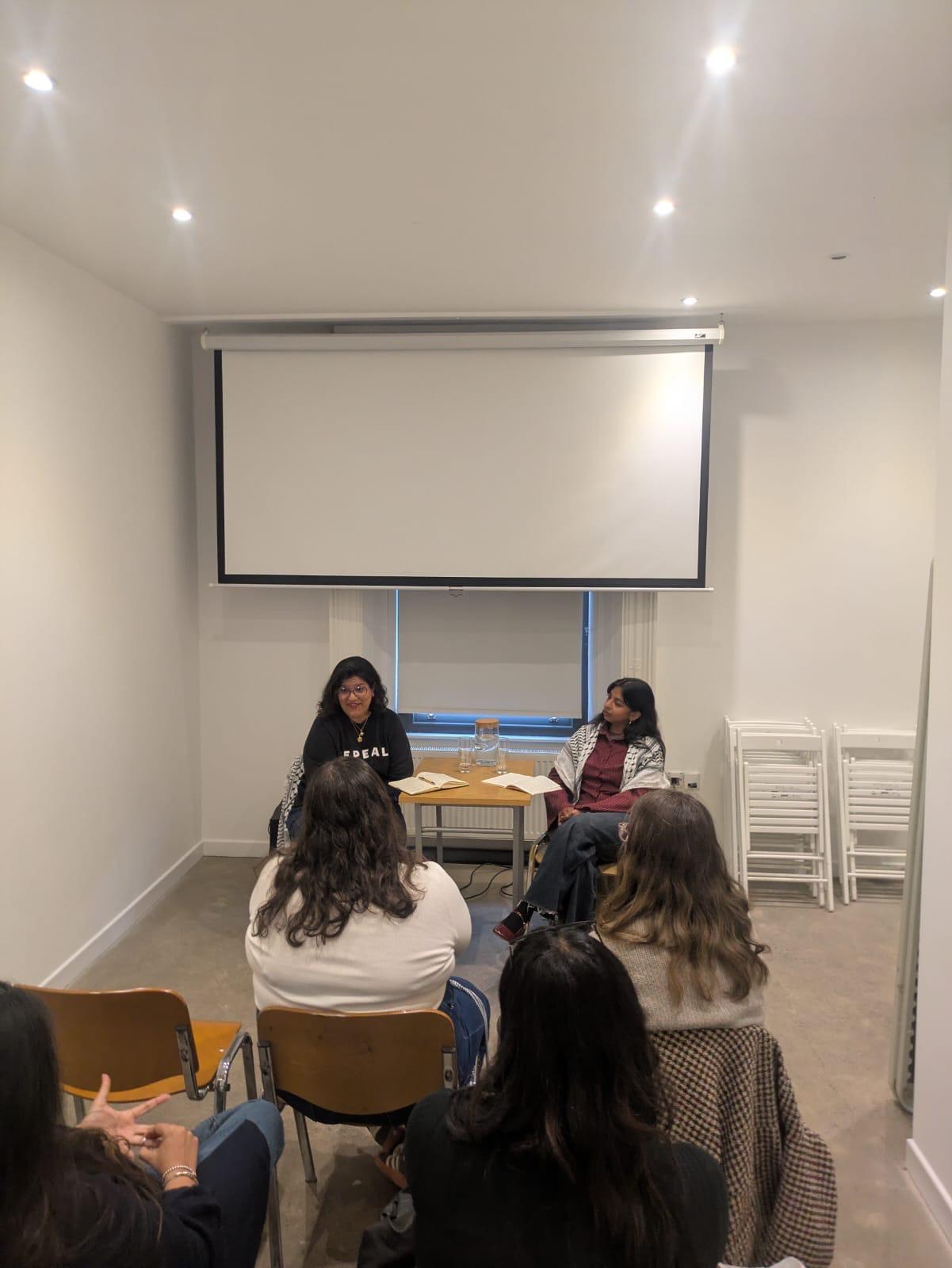
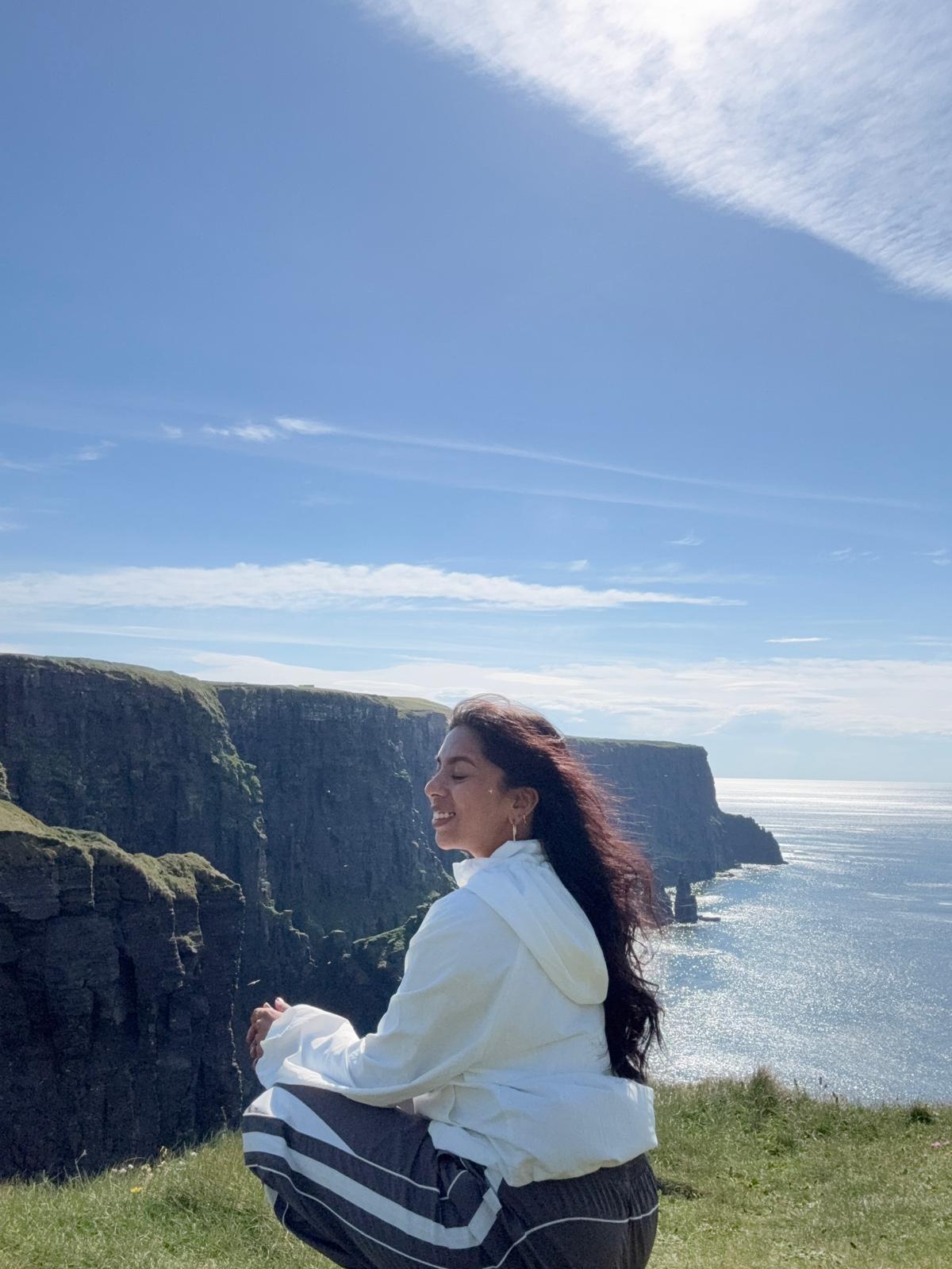
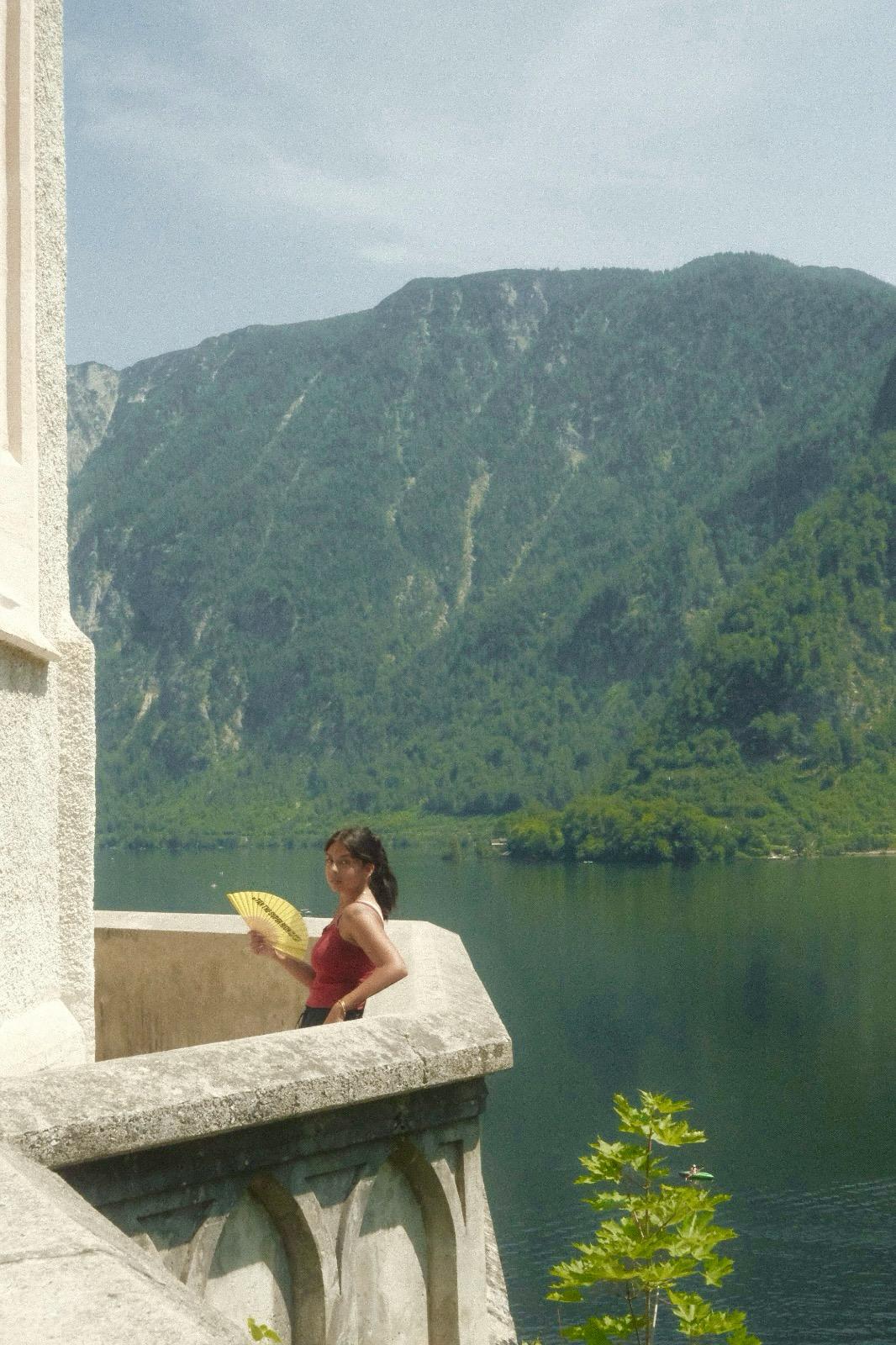
Lately, I’ve been reflecting on my time solo traveling like an anthropologist. I’ve always dreamed of witnessing the world with my own eyes and took a chance on myself, uprooting my life and moving across the world for five months, letting my curiosity lead the way. I learned so much about movement, migration, and global solidarities. Between speaking on a reproductive justice panel in Dublin, Ireland, and starting some travel journalism in Bosnia and Herzegovina, I feel an even deeper connection to being more porous in our relationships across borders.
I’m sure it wasn’t obstacle-free, but would you say the journey has been fairly smooth so far?
In the world of journalism, having to carve out a place for myself was often really disheartening. I’ve had editors that I didn’t agree with, pieces rejected for being “too political,” and words of hate left in the comments section. None of this deterred me from wanting to keep my investigative hat on. If anything, it invigorated me to actually understand how systems of power are steeped in both complacency and complicity. I’m so glad that we live in an age where independent media houses and publications exist to platform writers and activists of dissent – without that, we’d continue existing in a society that is unable to subvert the myth of a free press. Writing aside, I think many women of color can relate to some degree of imposter syndrome. Sometimes I just didn’t know if I’d be able to move through the professional world as my authentic self, and hearing about people being reprimanded for taking a stand was terrifying. There are jobs I’ve had to leave and offers I’ve rejected after learning about their silence in the face of injustice because, to me, no paycheck is worth compromising on my values. Ultimately, after a lot of trial and error and disappointment, I’ve learned that there is nothing more important than being steadfast in what you believe, and I hope to continue using that mantra as a guiding light.
Thanks for sharing that. So, maybe next you can tell us a bit more about your work?
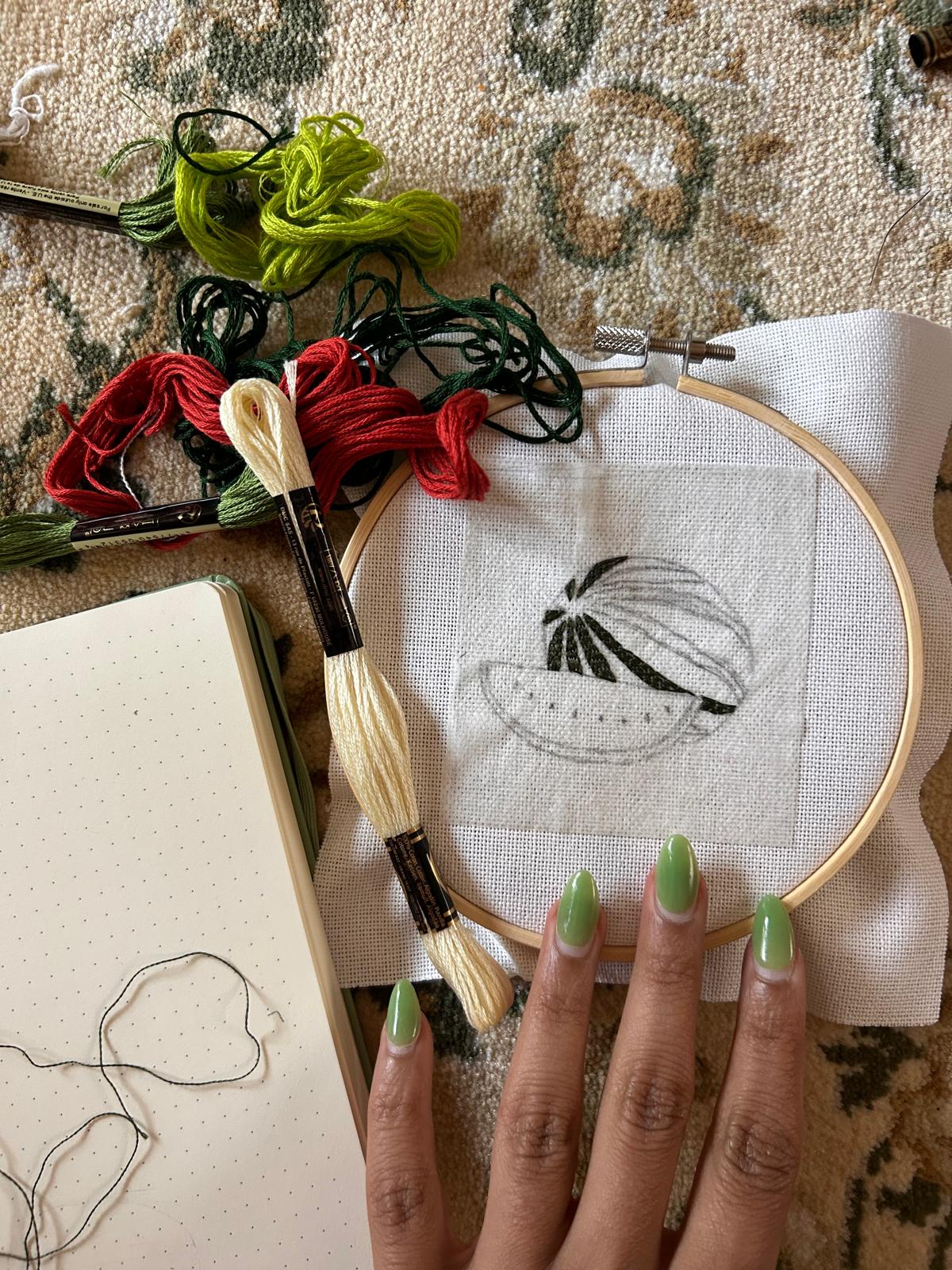
You can often find me working on an embroidery project, collecting tickets and receipts for my junk journal, planning my next solo trip, or prepping my next Substack essay, where I’ve learned to be a little more vulnerable. Most often, my art and writing center on dissent from the status quo. I’ve seen and admired the way both words and art can challenge oppressive systems or give people a place to pour their emotions into.
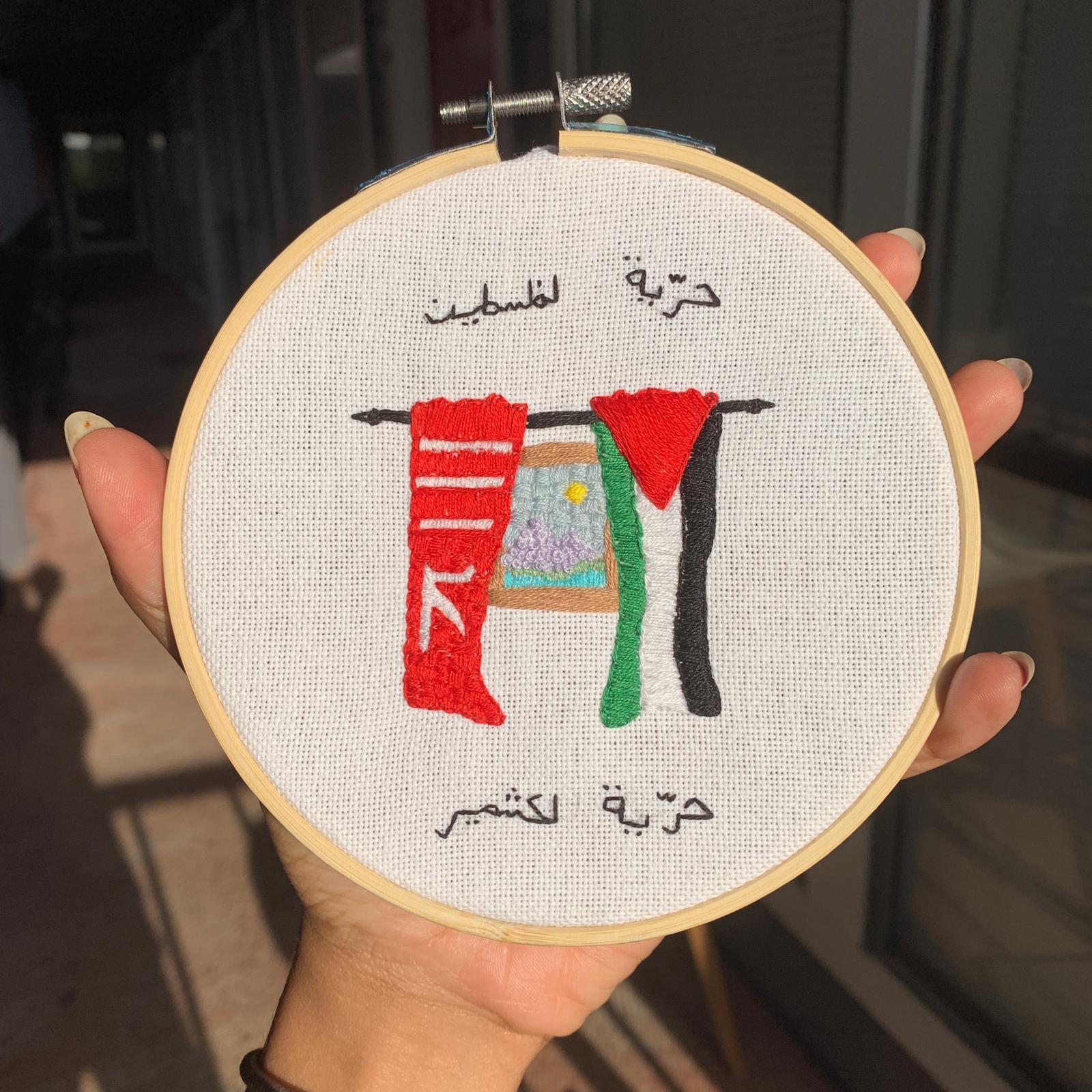
One way I’ve done this myself is through embroidery projects! People don’t give enough attention to the way threadwork has been used to convey deeper meaning or preserve heritage for centuries, and this is especially true for women in revolutionary moments in time. My mom taught me how to sew, but embroidery isn’t unique to Pakistan – communities across the globe have long-standing ties to both decorative elements of garments and embroidery’s relationship to storytelling. Contrary to the usual connotation of threadwork being a demure or domestic feminine art, I find embroidery and the skilled artisans behind the scenes empowering.
So maybe we end on discussing what matters most to you and why?
Community. I know this word has been thrown around profusely lately, but at the end of the day, all we have is each other. The people whom you care for, your neighbors, your peers, your local barista – these are the people who will honor your complexities and show up when it matters. Organize with them towards a brighter future, tell them they matter, and let them wrap you in care when the going gets rough.
Contact Info:
- Website: https://sassysamosa.substack.com/
- Instagram: https://www.instagram.com/sassysamosa/?__pwa=1