



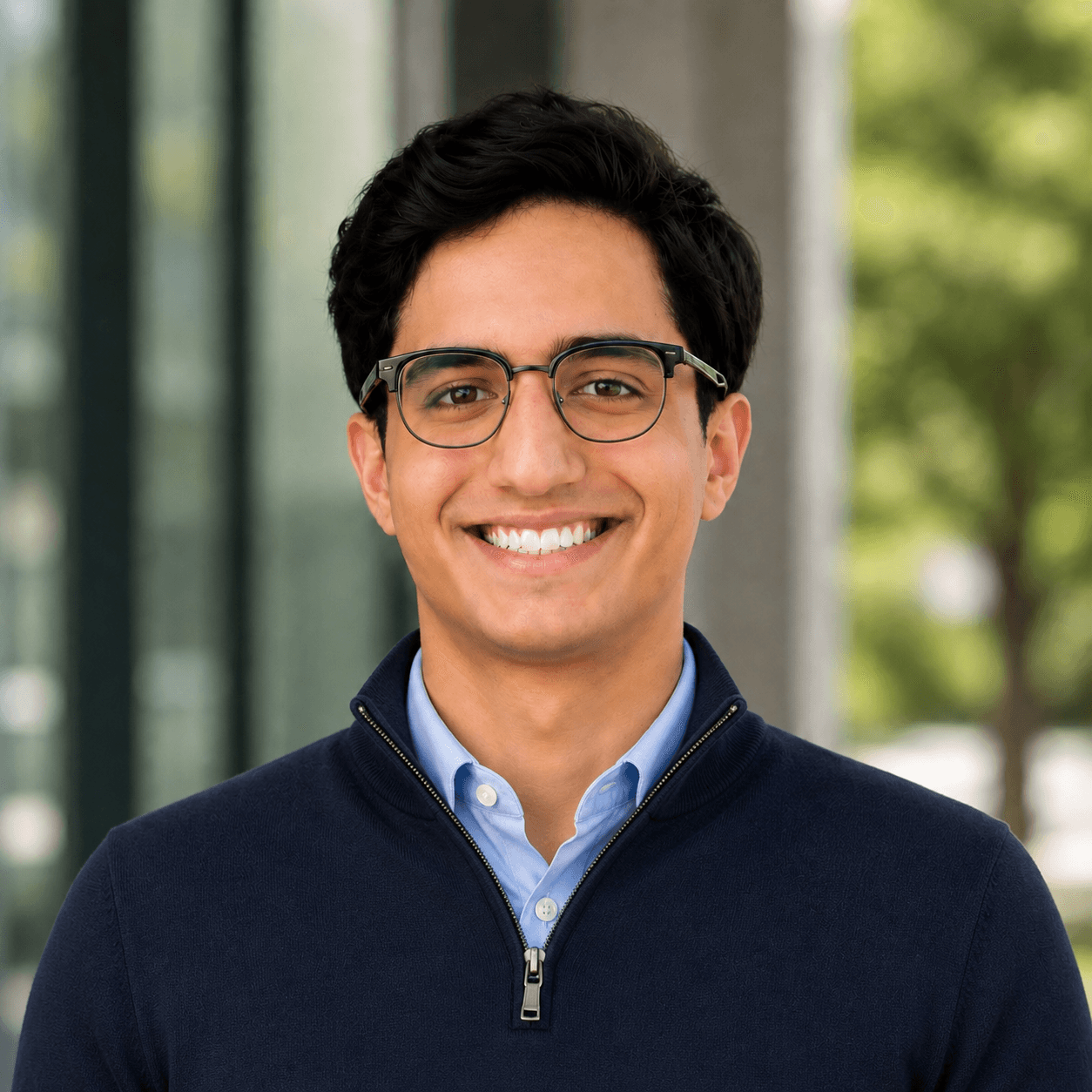
Today we’d like to introduce you to Ibraheem Razouki.
Hi Ibraheem, we’re thrilled to have a chance to learn your story today. So, before we get into specifics, maybe you can briefly walk us through how you got to where you are today?
My story really starts before I can remember it. I was born in Baghdad, Iraq, and my family left when I was a baby. We spent several years in Jordan before eventually resettling in the United States. Growing up in an immigrant family shaped a lot of how I saw the world. I understood from an early age how difficult it can be to start over somewhere new, but I also saw how much of a difference the right community and opportunities can make.
Houston eventually became home, and it was here that I started turning some of those experiences into projects of my own. In high school, I co-founded AIM to AID to support refugees and immigrant families. What started as a youth-led service project grew into an organization with members and chapters across multiple communities. We raised more than $50,000, organized donation and educational initiatives, and worked with organizations in the Houston area and beyond.
As we worked with more families, I became interested in how technology could make that support more accessible. That led me to help build Merhaba, a mobile app designed to connect refugees with resources such as translation tools, support organizations, maps, and other information that can make resettlement a little easier. Building AIM to AID and Merhaba taught me that I really enjoy taking complicated problems, understanding the systems behind them, and figuring out practical ways to improve them.
That interest followed me to Texas A&M University, where I study Industrial and Systems Engineering. Engineering gave me a more technical way to approach the same type of problem solving I had been doing through my community work: looking at how complex systems operate, finding where they break down, and figuring out how to make them work better.
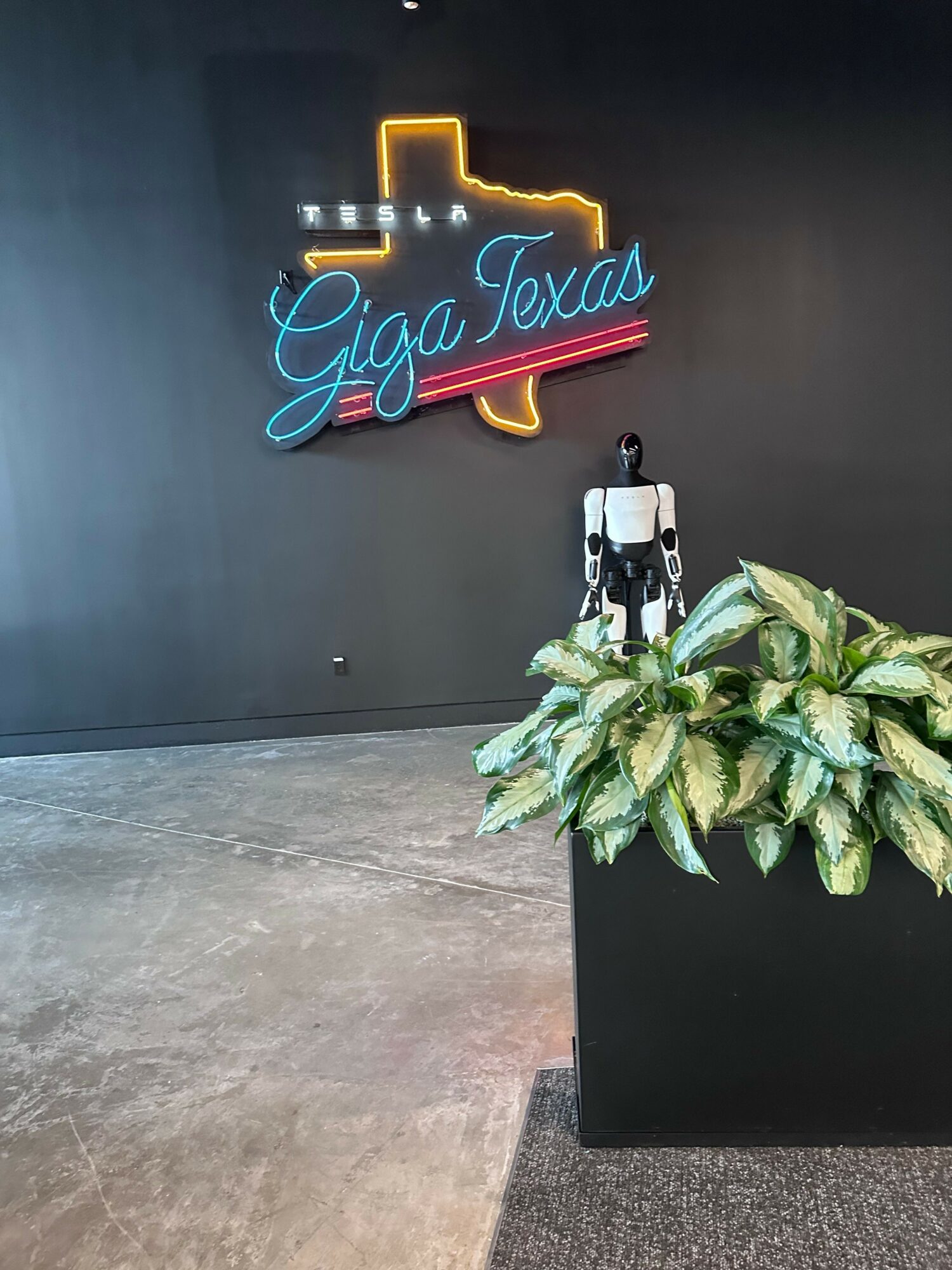
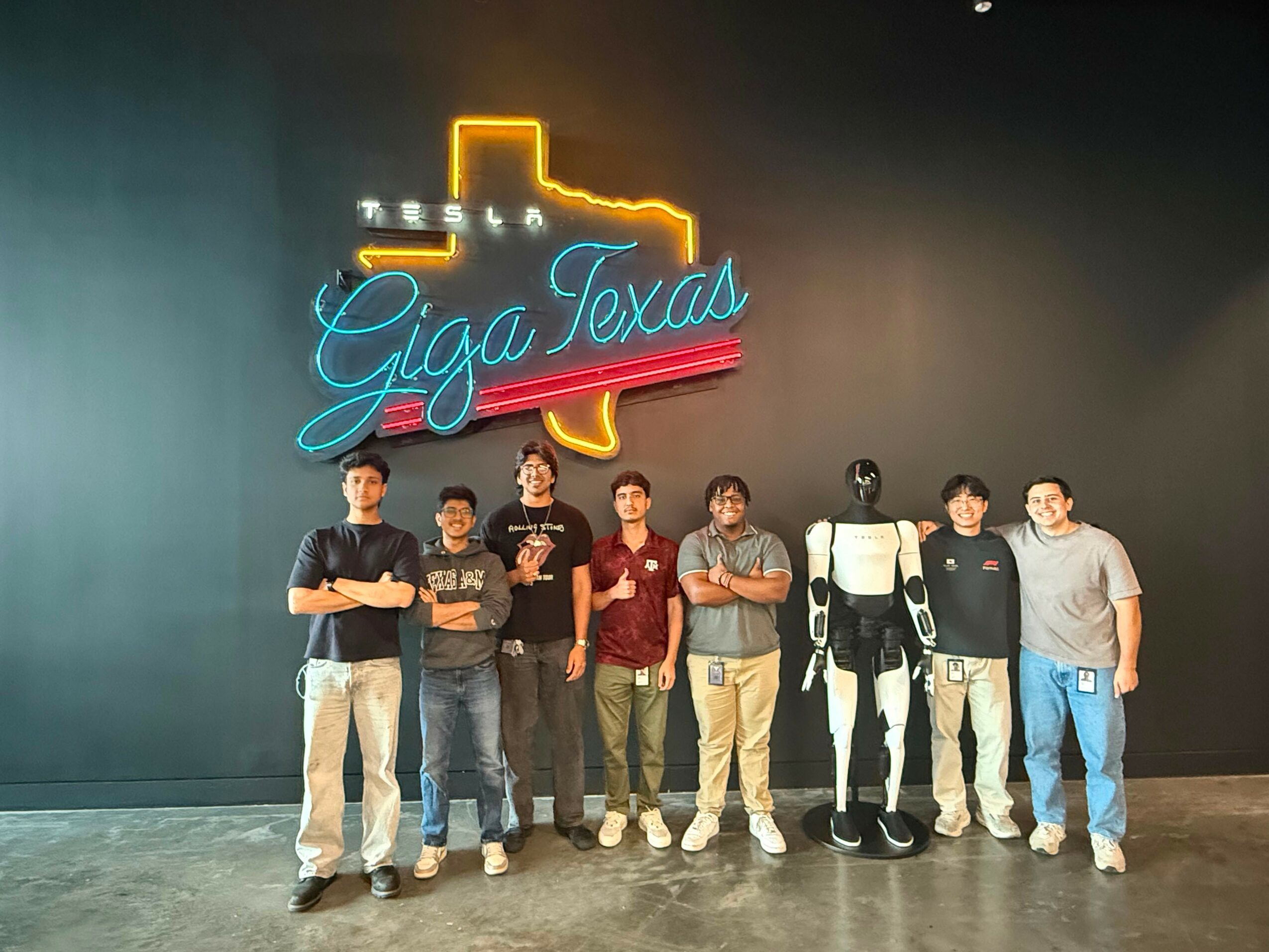
Today, I’m completing a Manufacturing Engineering internship with Tesla at Gigafactory Texas. It has been an incredible opportunity to take what I’ve learned in the classroom and apply it in a real manufacturing environment at an enormous scale.
When I look back, the projects and opportunities can seem very different on paper — refugee advocacy, entrepreneurship, engineering, and manufacturing — but there has been a pretty consistent thread through all of them. I’ve always been interested in understanding how systems affect people and how they can be improved. I’m still very early in that journey, but each experience has helped me better understand the kind of problems I want to spend my career working on.
Would you say it’s been a smooth road, and if not what are some of the biggest challenges you’ve faced along the way?
It definitely hasn’t always been a smooth road. Some of the challenges started long before any of the projects or opportunities on my résumé. My family left Baghdad when I was a baby, spent several years in Jordan, and eventually resettled in the United States. I was young, but growing up in a family that had to rebuild its life in a new country shaped the way I think about opportunity, stability, and community.
Later, when I started working on projects of my own, one of the biggest challenges was simply being young. When you’re a teenager emailing organizations, pitching an idea, trying to raise money, or asking experienced people to take a project seriously, you hear “no” a lot. We didn’t start AIM to AID with a large budget, an established network, or a roadmap for how to build a nonprofit. A lot of it was learning as we went — reaching out to people, making mistakes, adjusting, and continuing even when something didn’t work.
There were similar challenges with Merhaba and some of my other projects. An idea can sound great on paper, but actually building something that people will use is much harder. You have to listen to the people you’re trying to help rather than assuming you already know the answer. That taught me to become much more comfortable with feedback and with changing direction when the evidence tells me something isn’t working.
More recently, balancing engineering school at Texas A&M with professional opportunities has brought a different kind of challenge. Engineering has pushed me academically, while working in manufacturing at Tesla has shown me just how much I still have to learn technically. Being surrounded by people with significantly more experience can be humbling, but I’ve learned to see that as an opportunity rather than something to be intimidated by.
I think the biggest lesson across all of these experiences has been becoming comfortable with not having everything figured out. Most meaningful things I’ve worked on started with more questions than answers. I’ve learned to ask for help, take feedback seriously, keep learning, and be willing to try again when something doesn’t work.
Alright, so let’s switch gears a bit and talk business. What should we know about your work?
I’ve always been drawn to problems that don’t fit neatly into one field. I study Industrial and Systems Engineering, but my interests have taken me into product development, data, entrepreneurship, public policy, and community work. What I enjoy most is taking something complicated, understanding how all of the pieces interact, and then figuring out how to make it work better.
That has led me to work on some very different problems. I’ve developed and tested a disaster-response drone system, conducted data science and machine learning research, worked on technology education initiatives, and helped organize a TEDx conference at Houston’s Ion District. More recently, manufacturing engineering has given me the opportunity to apply that same way of thinking to large-scale physical systems.
What I’m most proud of is that many of these experiences started as ideas rather than opportunities someone handed to me. I didn’t wait until I had the perfect credentials or knew exactly what I was doing. I reached out to people, built teams, found resources, tested ideas, and learned along the way. Some worked, some didn’t, but each one made me better at turning an idea into something tangible.
I think that willingness to cross disciplines is what sets me apart. I don’t want to understand a problem only from an engineering perspective or only from a business perspective. I’m interested in the technical decisions, the economics behind them, the people affected by them, and the rules and institutions that shape what is possible.
Ultimately, I’d like to build a career around that intersection. I don’t have every step mapped out yet, but I know I want to keep putting myself in environments where I can learn how complex systems work and eventually have a hand in improving them.
We all have a different way of looking at and defining success. How do you define success?
My definition of success has changed a lot as I’ve gotten older. When I was younger, I thought success was mostly about collecting proof that you were doing well — winning something, getting into the right school, landing the right opportunity, or having an impressive title next to your name. I still have goals and I’m extremely ambitious, but I don’t think any of those things mean very much on their own.
Today, success is much simpler to me. I want to be able to look at my life and know that I made the most of the opportunities my family worked incredibly hard for me to have.
I also don’t want to become so focused on building a career that I miss the people I’m building it for. Success to me is being able to do work that genuinely excites me, take care of my parents someday, stay close to my family and friends, give back to the communities that helped raise me, and still be the kind of person people actually enjoy being around.
I’m ambitious enough that I’ll probably always move the goalposts on myself. There will always be another project, another opportunity, or something new I want to learn. So I’ve realized that if my definition of success is always the next accomplishment, I’ll probably never actually feel successful.
I think success is getting somewhere meaningful without losing yourself or the people who mattered before anyone knew your name.
Contact Info:
- Instagram: https://www.instagram.com/eebs.r/
- LinkedIn: https://www.linkedin.com/in/ibraheem-razouki?utm_source=share_via&utm_content=profile&utm_medium=member_ios