




Today we’d like to introduce you to Giuseppe Taurino.
Giuseppe, we appreciate you taking the time to share your story with us today. Where does your story begin?
My nonna was probably my first creative writing teacher, although neither of us would have called her that. She was the greatest storyteller I’ve ever known. My parents immigrated to New York from southern Italy, and I grew up listening to her stories about the Italy they had left behind, our enormous extended family, and the circumstances that eventually brought much of the family to New York. I think those stories gave me an early sense that where we come from matters, and that telling our stories is one way we understand our place in the world.
I loved writing, but as the son of working-class immigrants, it took me a long time to imagine it could have any practical relationship to my life. I majored in psychology and spent much of my twenties working a string of jobs—mostly in social services—while trying to figure out what I actually wanted to do. Eventually, I found my way back to writing and decided to pursue it seriously.
In 2003, with support from an Inprint Brown Foundation Fellowship, I moved to Houston to pursue an MFA at the University of Houston. I came here wanting to become a better writer—to study the craft seriously and give myself dedicated time to improve. What I didn’t anticipate was discovering this whole literary community in Houston, and eventually realizing there were ways to build a career around it.
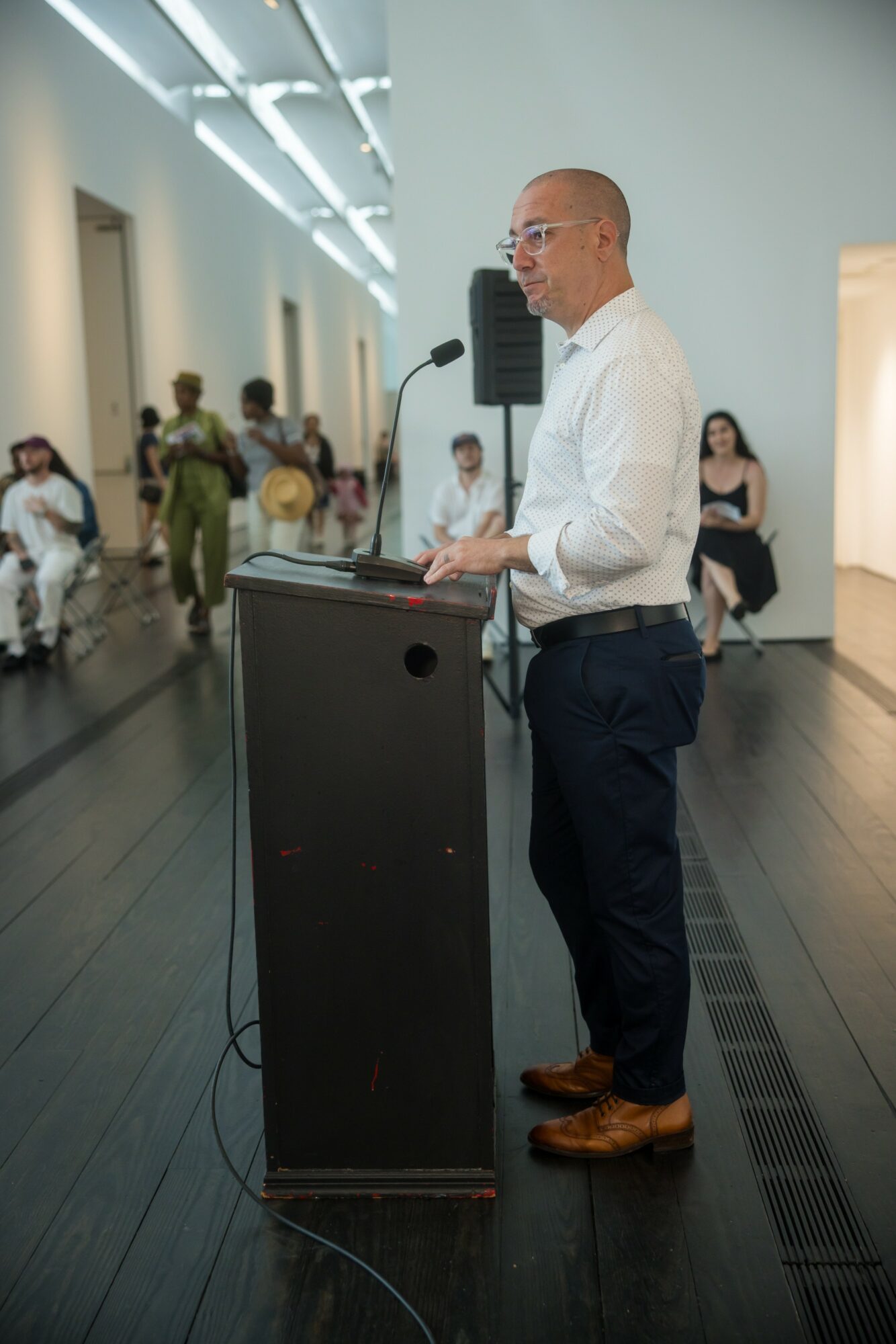
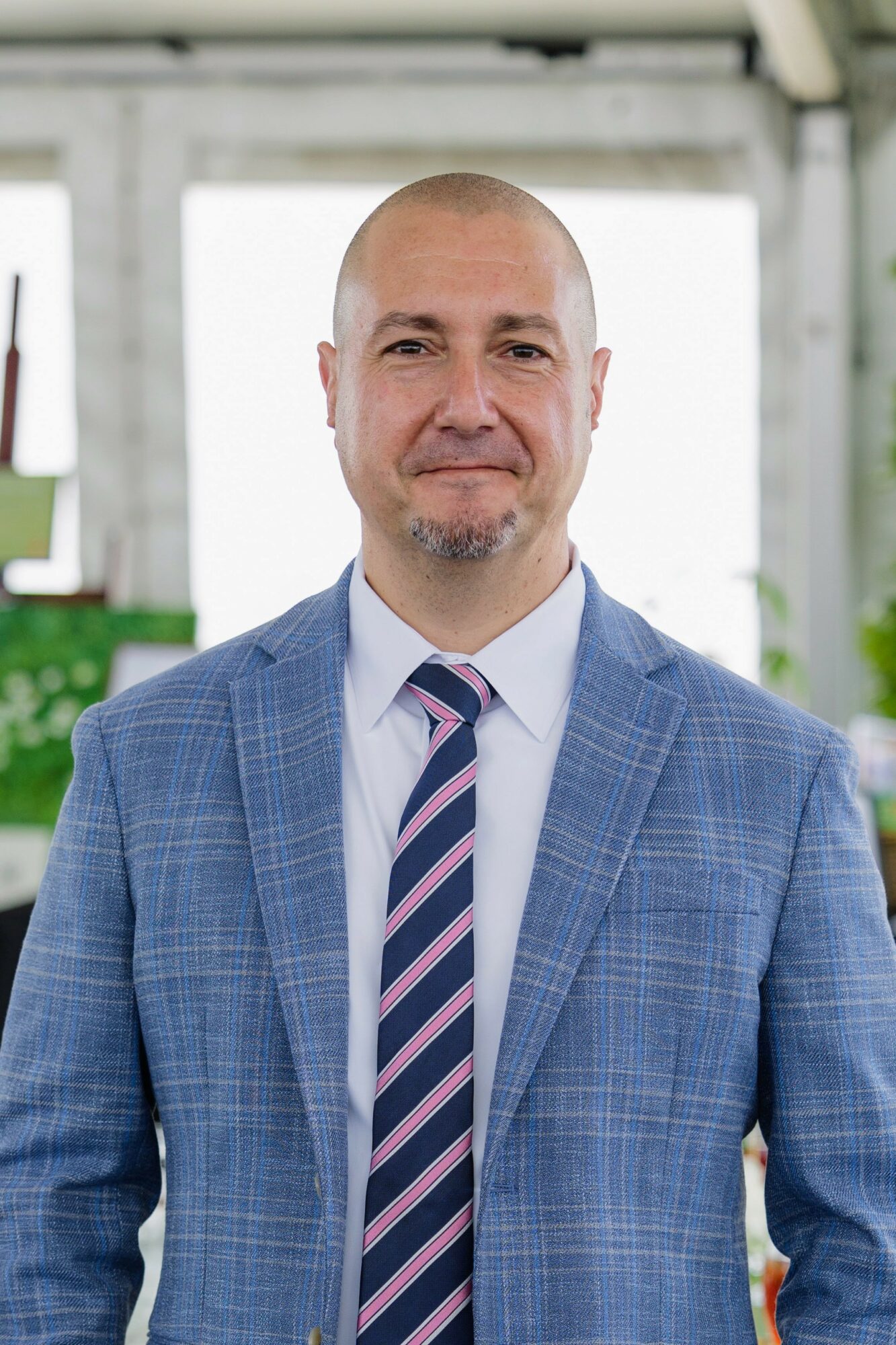
During and after graduate school, I taught creative writing in public schools through Writers in the Schools and community workshops through Inprint. Along the way, I became increasingly interested in the work behind the programs themselves, and that eventually led me into arts administration and nonprofit leadership, with WITS, Houston Arts Alliance, and the UH Creative Writing Program. Today I’m Executive Director of Inprint.
I certainly couldn’t have mapped any of that out when I left New York. Looking back, I think I was slowly figuring out how to build a life around people and things I cared about, and work that felt like it mattered.
Can you talk to us a bit about the challenges and lessons you’ve learned along the way. Looking back would you say it’s been easy or smooth in retrospect?
One of the biggest challenges for me was giving myself permission to pursue a life that didn’t have an obvious or practical path.
I loved writing from an early age, but I wasn’t particularly confident about claiming it. In third grade, my teacher, Mrs. Carnese, had every student write, illustrate, and bind a book. Mine was a collection of haikus about winter, and on the back she wrote, “You’re a very good writer.” I believed her.
Then, during my first year of college, I took a creative writing class. The professor asked what I wanted to write about. I said my neighborhood, my Italian family, the stories I’d grown up hearing. His response was essentially: Why would anyone care about that? I never went back.
At the time, I convinced myself that not going back was some kind of act of integrity—that I was blowing him off. In retrospect, I was 18 and not confident enough to push back. He had hit an insecurity I already had about whether the things I cared about were worth writing about, and whether writing was something I could seriously pursue.
Years later, I found a mentor, the writer John Weir, who encouraged me to explore many of those same subjects. He took my writing seriously, and that helped me begin to take it seriously too. I’ve thought about that a lot over the years, especially as a teacher. It’s remarkable what can happen when someone takes you and the things you care about seriously.
We’ve been impressed with Inprint, but for folks who might not be as familiar, what can you share with them about what you do and what sets you apart from others?
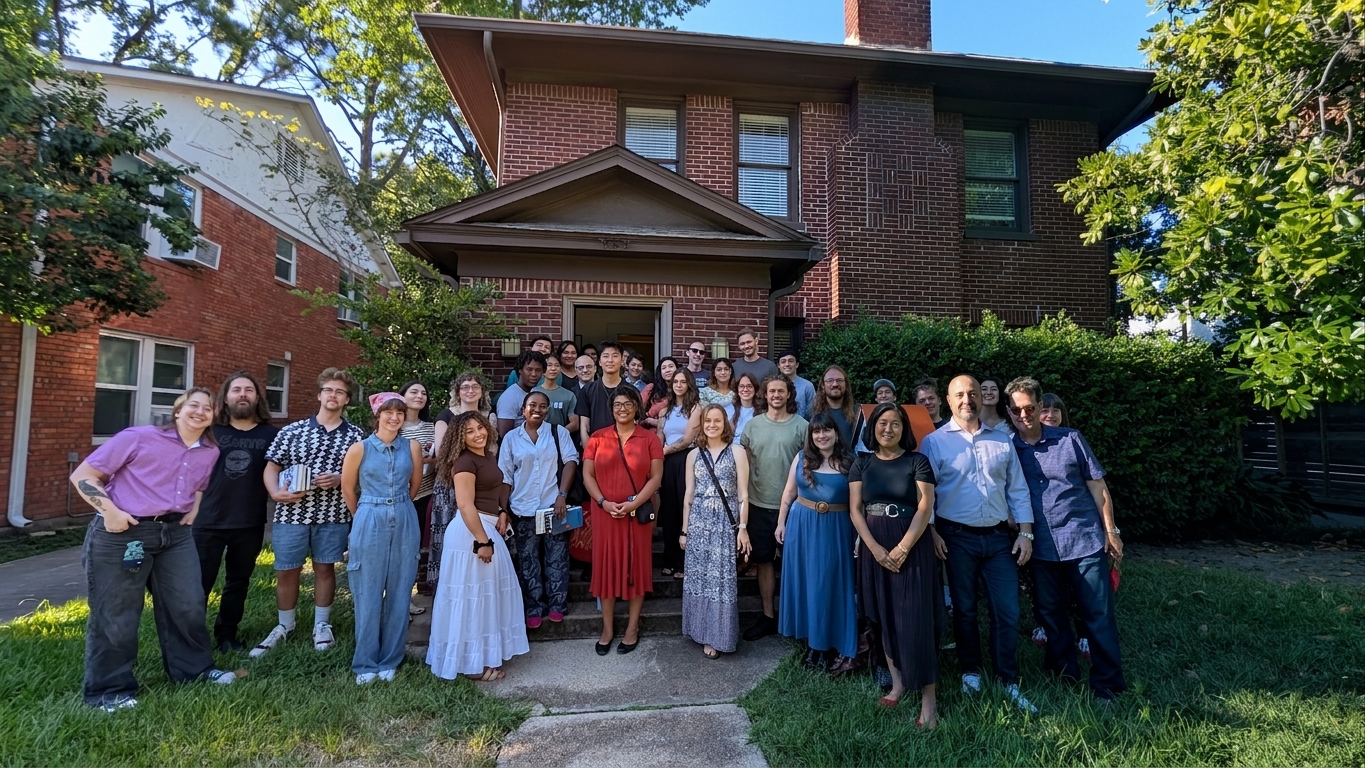
Inprint is a Houston literary arts nonprofit with a mission to inspire readers and writers. For more than 40 years, Inprint has been bringing extraordinary writers to Houston, helping people develop their own writing, and investing in writers at important stages of their careers.
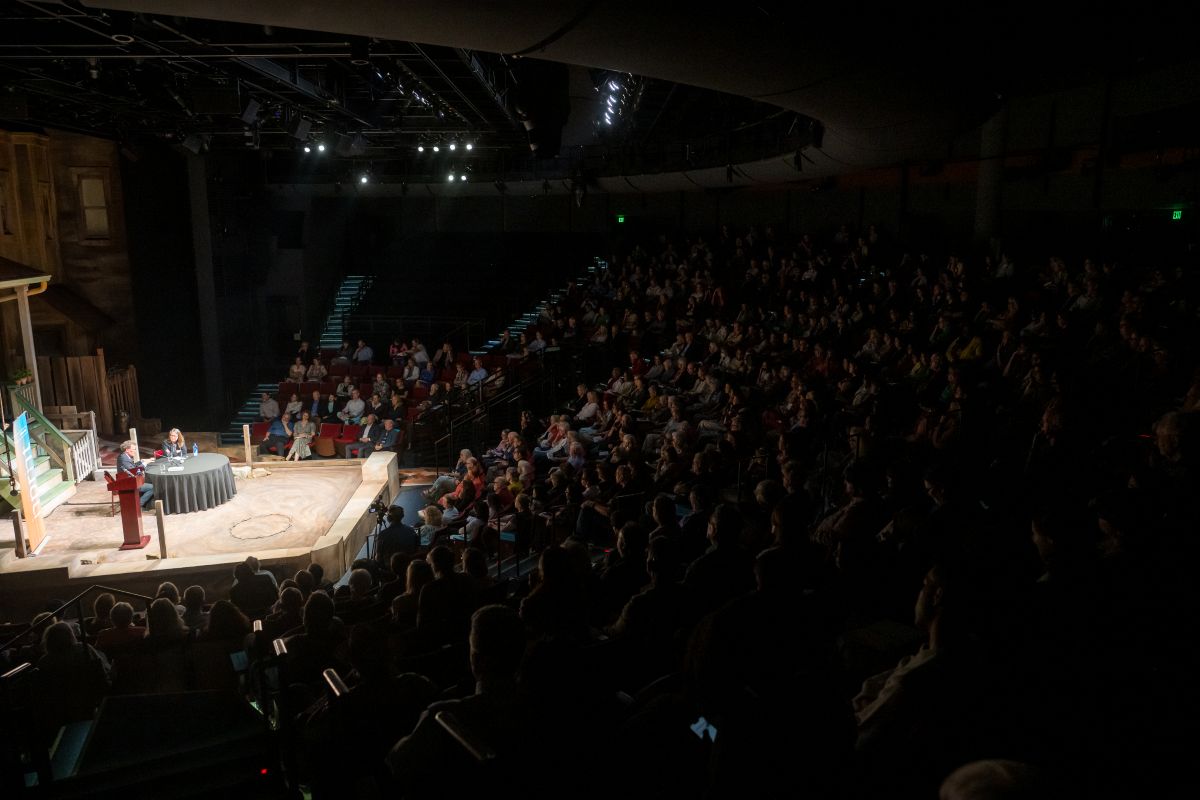
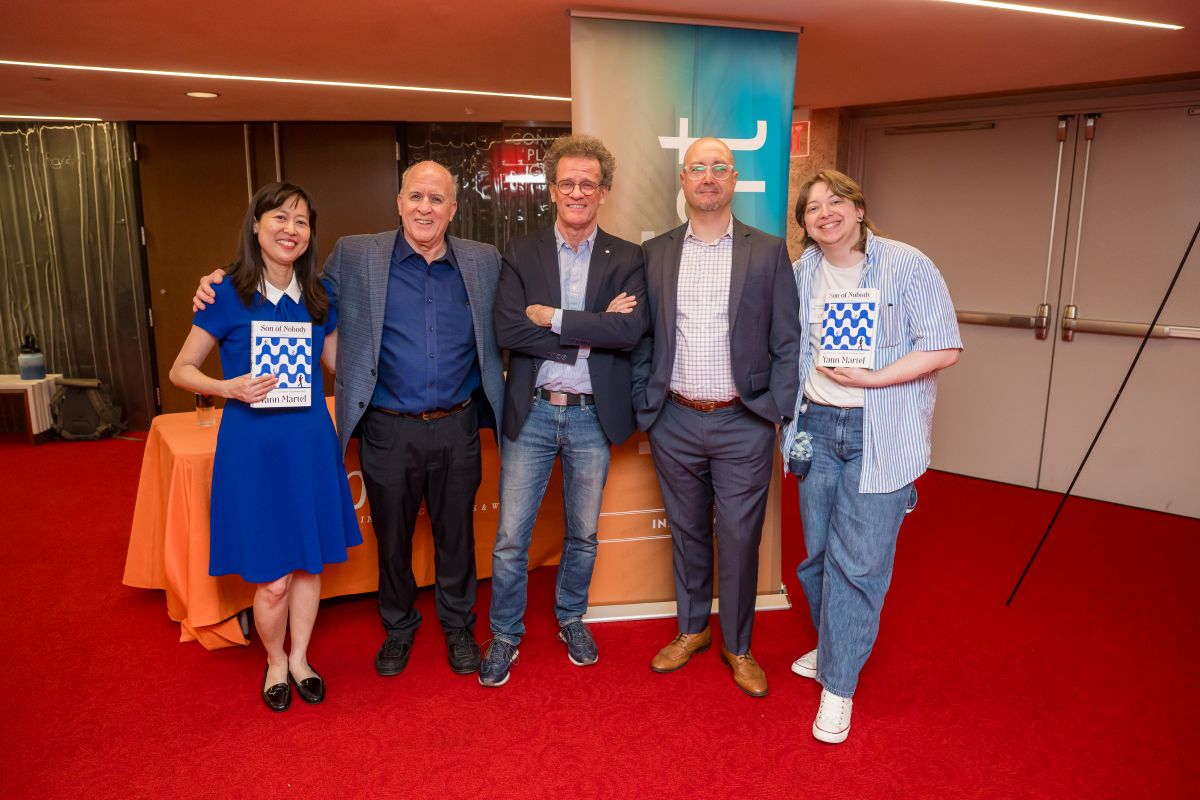
Many people know us through the Inprint Margarett Root Brown Reading Series, which brings some of the world’s most celebrated writers to Houston. There’s something wonderful about seeing a packed theater of people gathered to hear a writer read and talk about their work. But I wish more Houstonians knew how many different ways there are to participate in Inprint.
Someone can come to hear a writer they admire, decide to try an Inprint Writers Workshop themselves, find other people who care about writing, and become part of a larger literary community. That’s one of the things I love most about Inprint: there are so many different ways in.
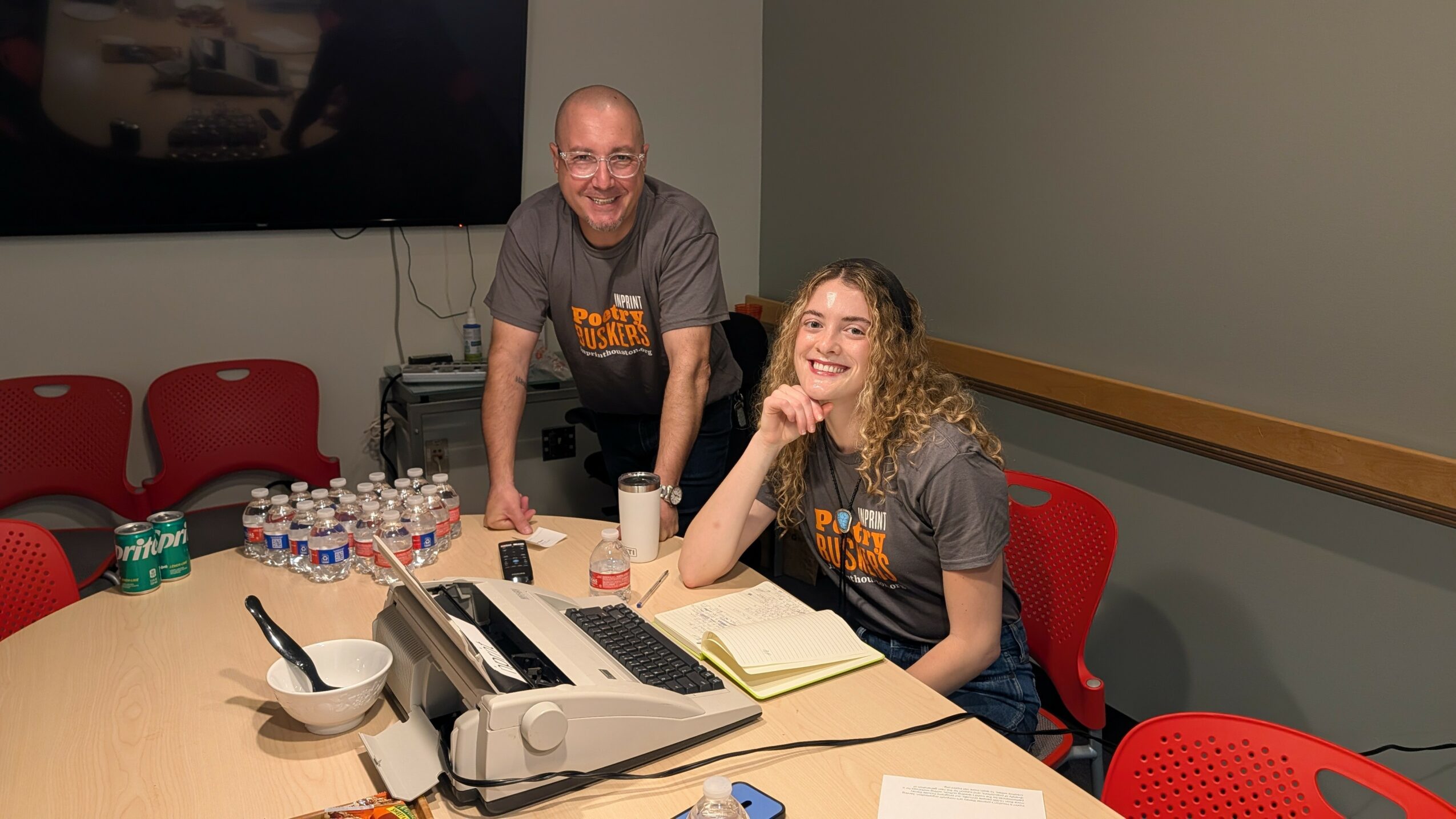
Inprint Writers Workshops offer classes in fiction, poetry, memoir, personal essay, and other forms for people at different levels of experience. You don’t have to think of yourself as a “writer” before walking through the door. We also offer tuition-free community workshops for senior citizens, teachers, healthcare providers, veterans, and the incarcerated. The Inprint Cool Brains! Series for young readers and Spanish-language Inprint Escritores en la casa Series are free and open to the public. And the Inprint Poetry Buskers, with typewriters in hand, bring poetry directly to people at festivals and events throughout the city. The Reading Series is free for students and seniors, while general-admission tickets remain just $5—the same price they were when the series began more than 40 years ago.
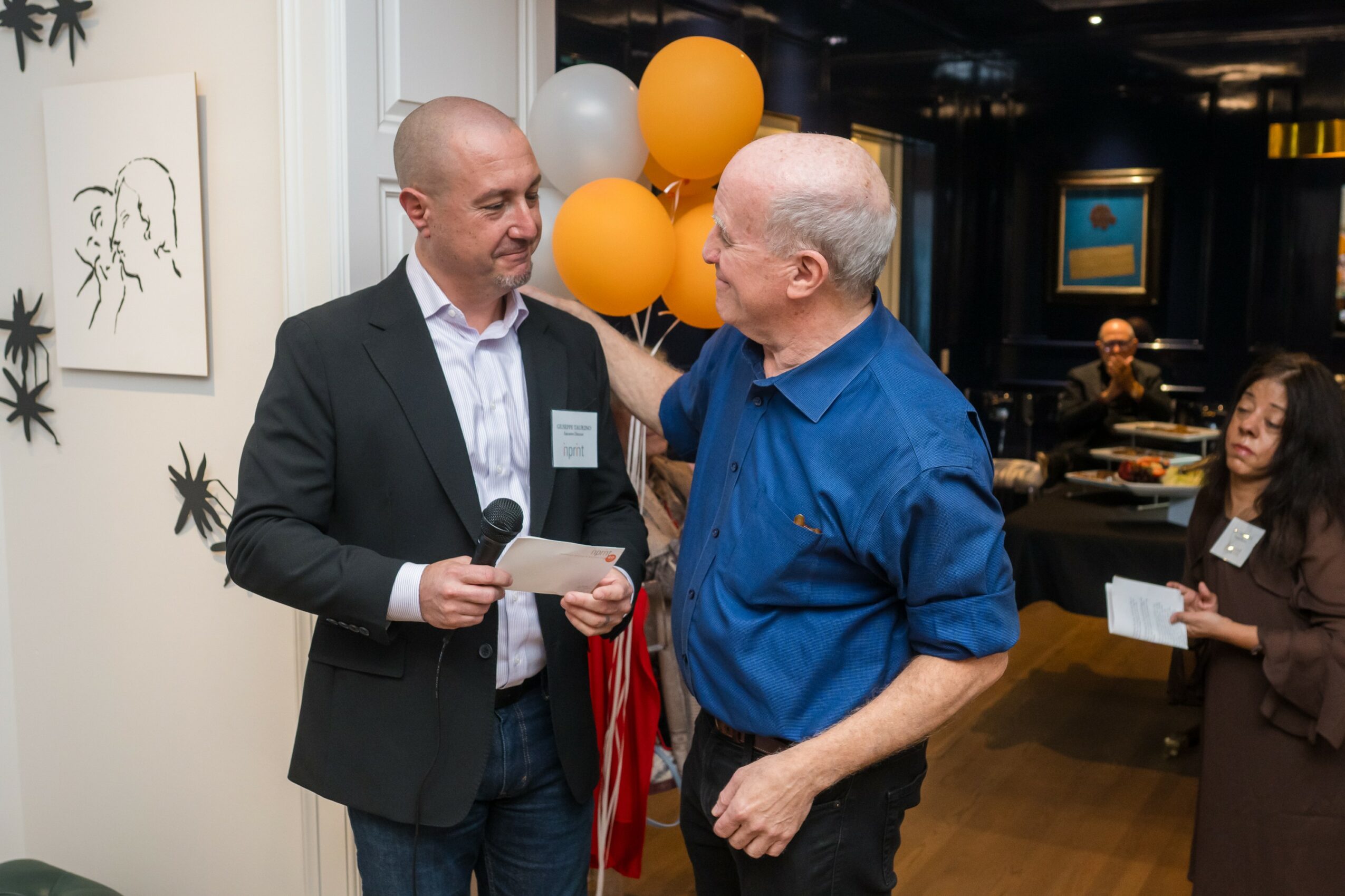
Inprint also makes a significant investment in emerging writers through fellowships and prizes for graduate students in the University of Houston Creative Writing Program. I know personally what that kind of support can mean. An Inprint Brown Foundation Fellowship helped make it possible for me to move to Houston for my MFA in 2003, and two years later I received the Inprint Barthelme Prize in Fiction. I needed the money, certainly, but I also needed the affirmation that someone was taking my writing seriously.
So it means a great deal to me to now lead an organization that helped me find my own place in Houston’s literary community—and to help more people find theirs.
Is there any advice you’d like to share with our readers who might just be starting out?
I wish I’d understood earlier that a career doesn’t have to follow a straight line to be going somewhere.
In my twenties, I was working as a dropout-prevention counselor at a middle school in Brooklyn. I loved basketball, so when the nonprofit I worked for received funding for after-school programming, I pitched the idea of creating a basketball league as an incentive for students to improve their attendance. Before long, more than 100 kids were packing the gym every Friday afternoon, along with parents and friends. The students took real ownership of it because they wanted to be there.
Something clicked for me. I loved basketball, and suddenly I had figured out a way to make something I loved part of my job—and, more importantly, use it to create something the kids really cared about. I remember being aware, even then, of how lucky I was. An opportunity had presented itself, and I had been able to bring something I cared about to it and make something useful out of the combination.
I’ve recognized versions of that moment throughout my career. I think I gradually came to understand that a career isn’t only something you choose or plan. You also build it from what you care about, what you’re good at, and the opportunities and circumstances you encounter along the way.
So I’d tell someone starting out not to worry too much about constructing the perfect career. Take the things you care about seriously. Pay attention to the opportunities in front of you. And don’t be too quick to dismiss an experience because you can’t yet see how it fits.
Sometimes you only understand the shape of the path after you’ve traveled some of it.
Contact Info:
- Website: https://www.inprint.org
- Instagram: https://www.instagram.com/inprinthouston/
- Facebook: https://www.facebook.com/inprinthouston/
- LinkedIn: https://www.linkedin.com/company/inprint-houston
- Twitter: https://x.com/inprinthouston
- Youtube: https://www.youtube.com/InprintReadings