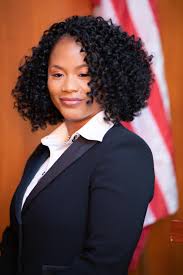





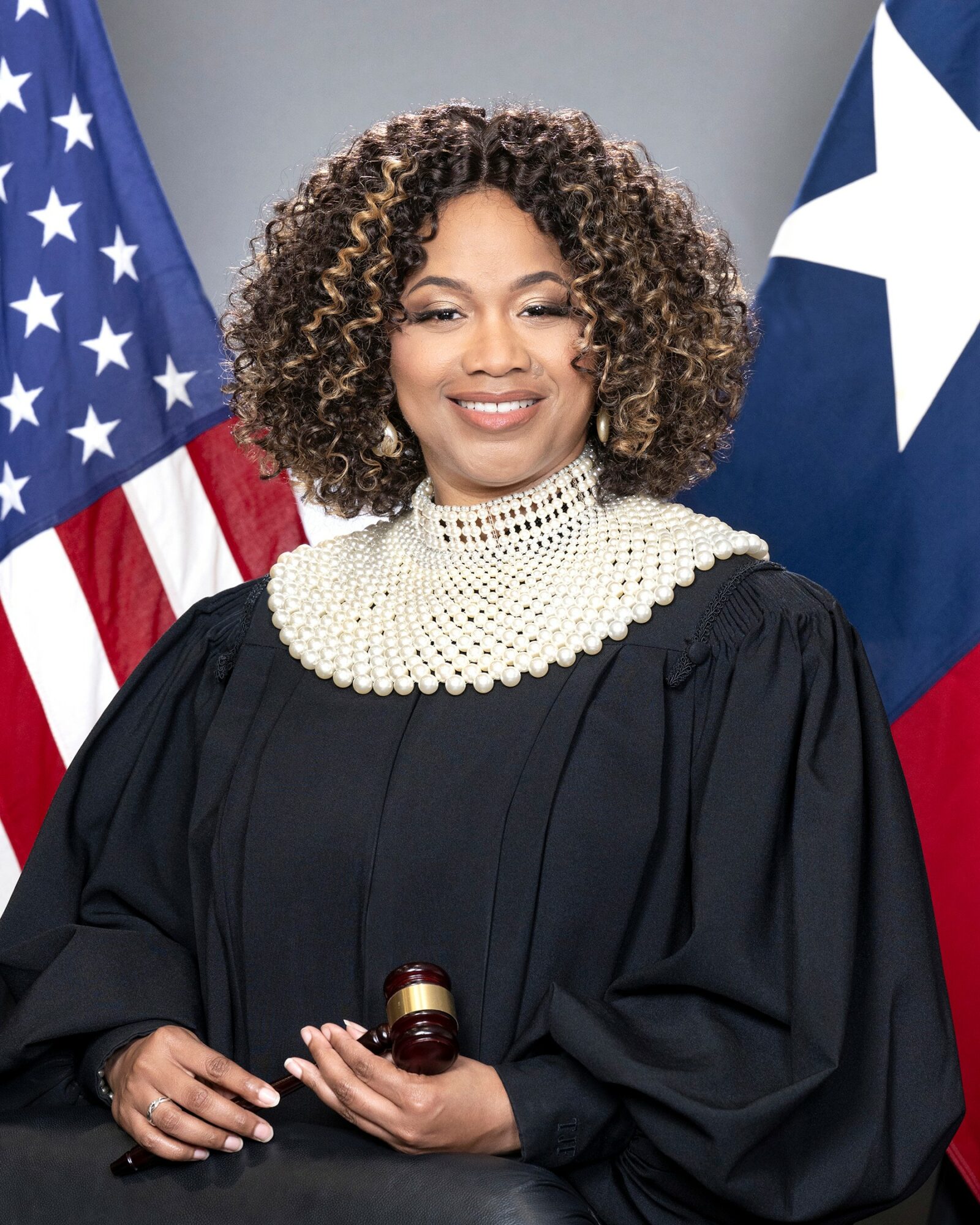
Today we’d like to introduce you to Toria J. Finch.
Hi Toria J., it’s an honor to have you on the platform. Thanks for taking the time to share your story with us – to start maybe you can share some of your backstory with our readers?
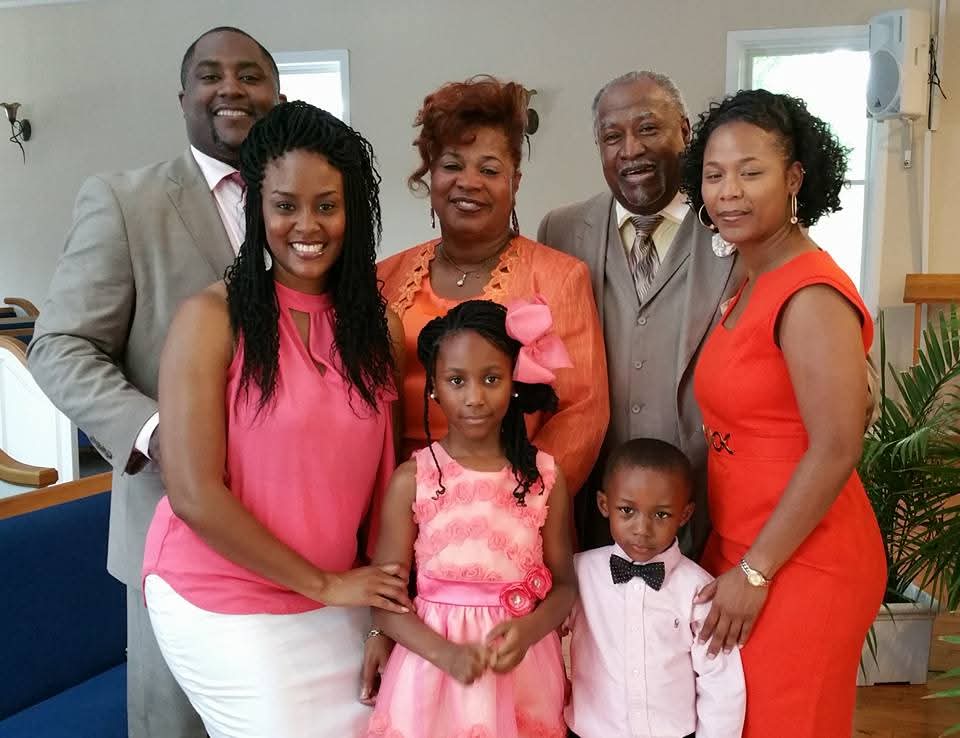
My story really starts in Nashville, Tennessee, where I was raised by my mother, Dr. Janet M. Finch, and my late father, Pastor Harold W. Finch, Sr. Growing up, there was never any question about the values that mattered most in our house: faith, education, hard work, and showing up for your community.
I headed to Alabama A&M University for my undergraduate degree and then returned home to enroll in paralegal school to test-drive my interest in the law. After a successful run in paralegal school and gaining hands-on experience working full-time as a paralegal, I made the move to Houston to attend Thurgood Marshall School of Law at Texas Southern University. As a first-generation lawyer, stepping into the legal world was both intimidating and deeply empowering. I had to learn the terrain step-by-step, but that experience built the foundation for everything that came next.
Over the years, I’ve had the privilege of seeing our justice system from just about every angle. I started out in the trenches as an Assistant Juvenile Public Defender in Austin, Texas, fighting for young people, transitioned into working as an Assistant District Attorney in Houston, Texas, and eventually opened my own practice as a board-certified attorney, primarily focusing on criminal defense, juvenile defense, and general litigation.
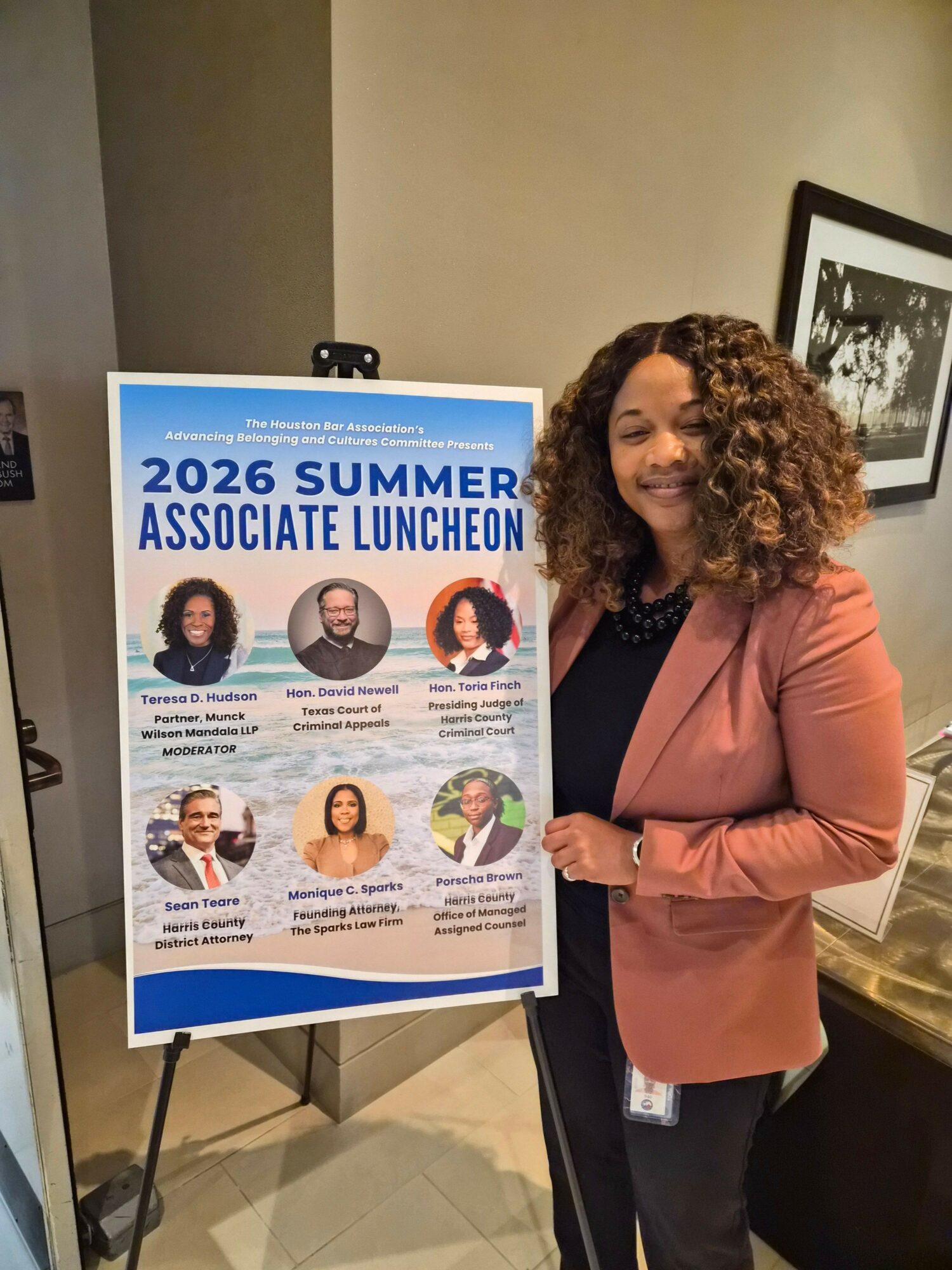
In November 2018, the voters of Harris County, Texas elected me as Presiding Judge of Harris County Criminal Court at Law No. 9. Later, serving as both the Presiding Judge of the 16 misdemeanor County Criminal Courts and as the Local Administrative Judge for all 20 of our county civil and criminal courts gave me an incredible opportunity to help guide our judicial system through major operational shifts, necessary systemic reforms, clear backlogs, and focus on modernization.
For me, being on the bench is about more than just managing a docket—it’s about evidence-based fairness. I’ve worked closely with local and national partners on restorative initiatives, keeping the focus squarely on accountability, public safety, and genuine rehabilitation.
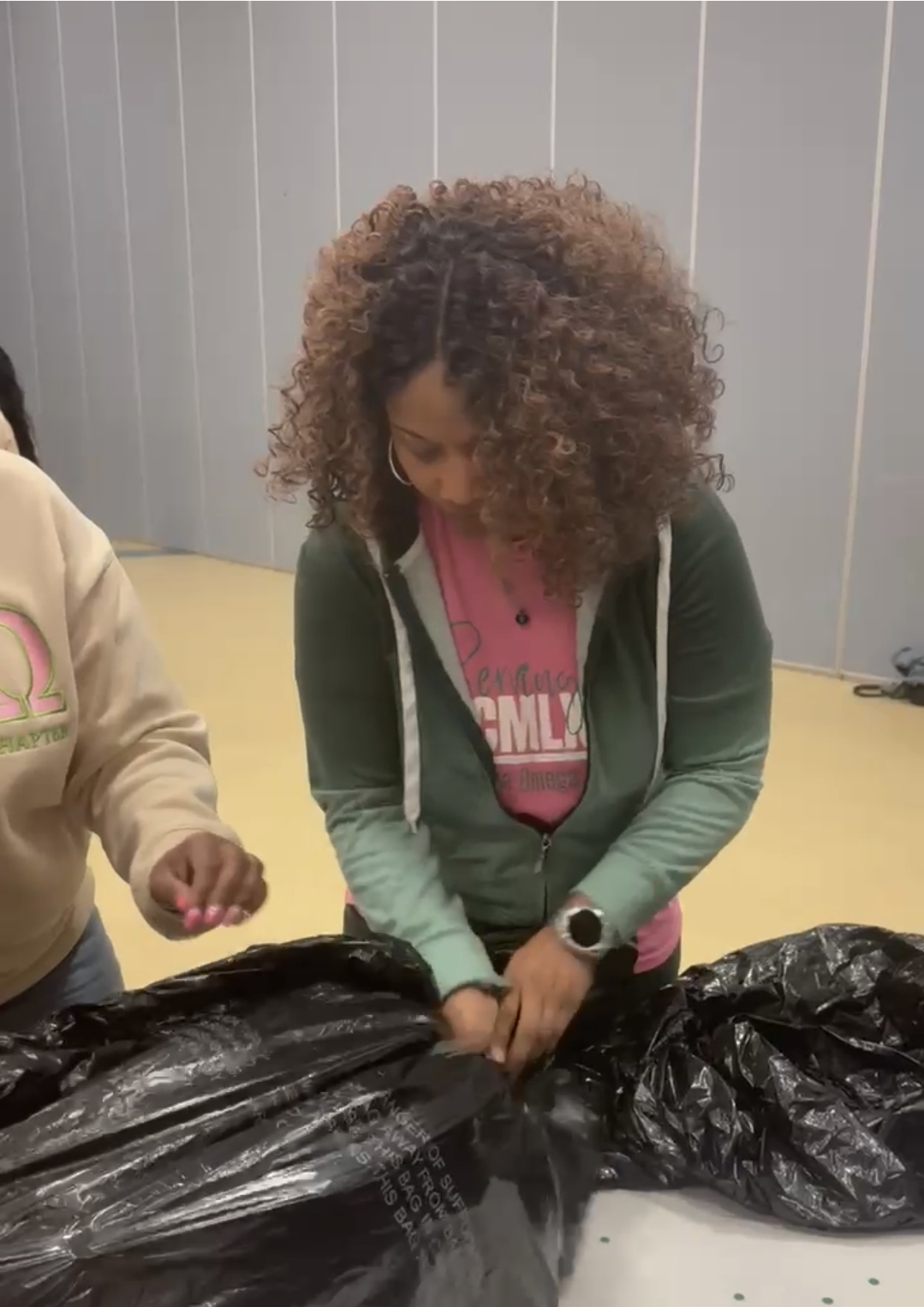
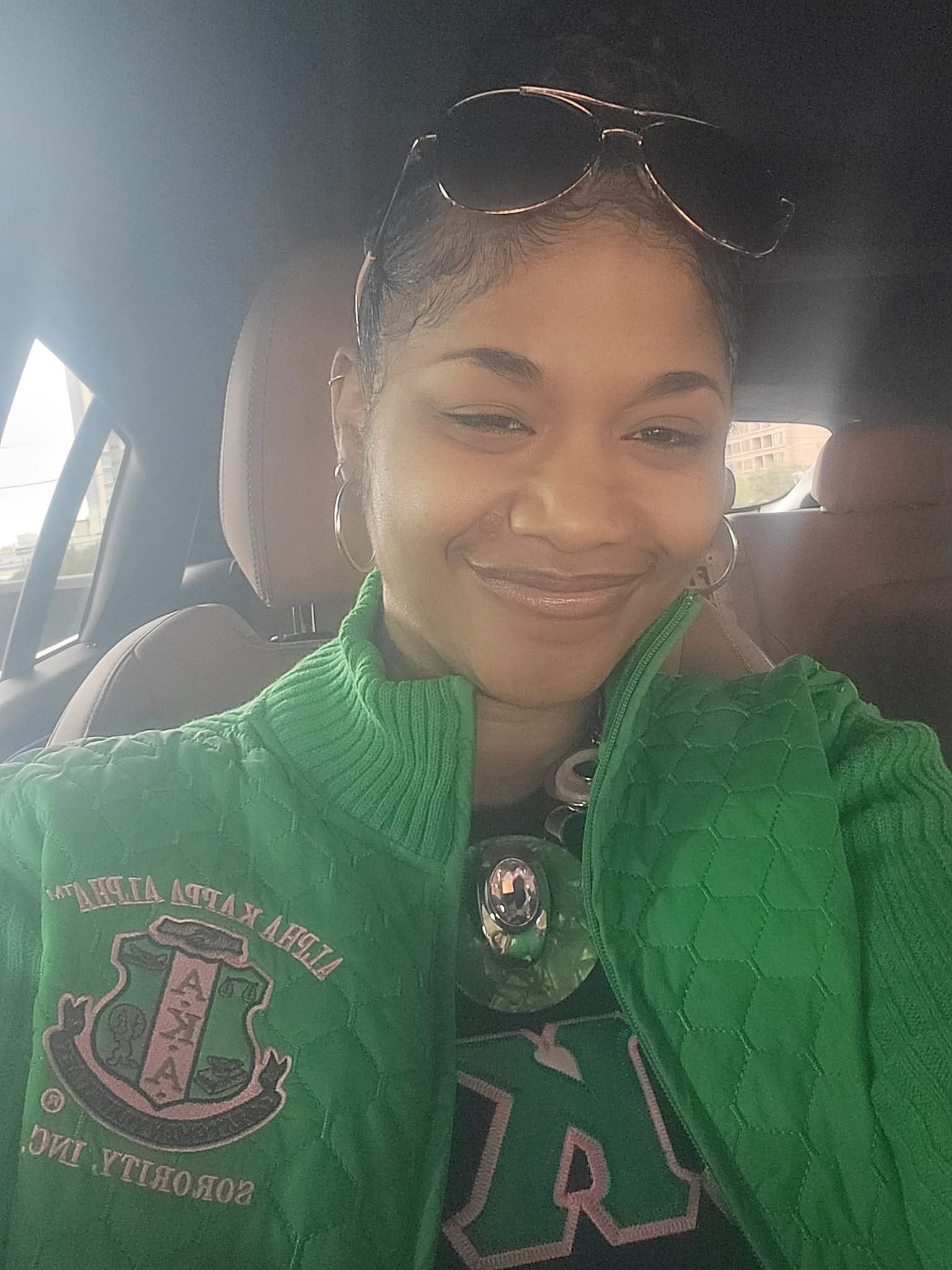
Off the bench, my heart remains in mentorship and education. Teaching as an adjunct professor at Thurgood Marshall School of Law and Alvin Community College lets me invest directly in the next generation of legal minds, which I balance alongside my lifelong commitment to service through various professional and civic organizations, my church, and Alpha Kappa Alpha Sorority, Inc.
Looking back, every single step—from a kid with big goals in Nashville to a paralegal, public defender, prosecutor, professor, and judge in Houston—has been driven by the exact same core principles: Truth, Justice, and Fairness.
I’m sure it wasn’t obstacle-free, but would you say the journey has been fairly smooth so far?
Has it been a smooth road? Not by a long shot. Every single milestone has come with its own set of obstacles, starting from the very beginning.
As a first-generation lawyer, I didn’t inherit a legal network or a family playbook. Stepping into law school and early practice meant figuring out the unwritten rules of the profession entirely on my own. But I was never truly walking alone. I owe so much of my foundation to my parents, and to the extraordinary mentors, professors, and legal instructors who saw my potential, pushed me past my comfort zone, and poured their knowledge and guidance into my career.
That support, combined with the core keys to success demonstrated by my parents and lifelong mentors—unshakeable faith, discipline, resilience, integrity, and a willingness to work harder than anyone else in the room—fully prepared me to step into the unknown with confidence and faith. They taught me how to stand firm when stepping into uncharted territory, and that preparation proved essential for every battle that lay ahead.
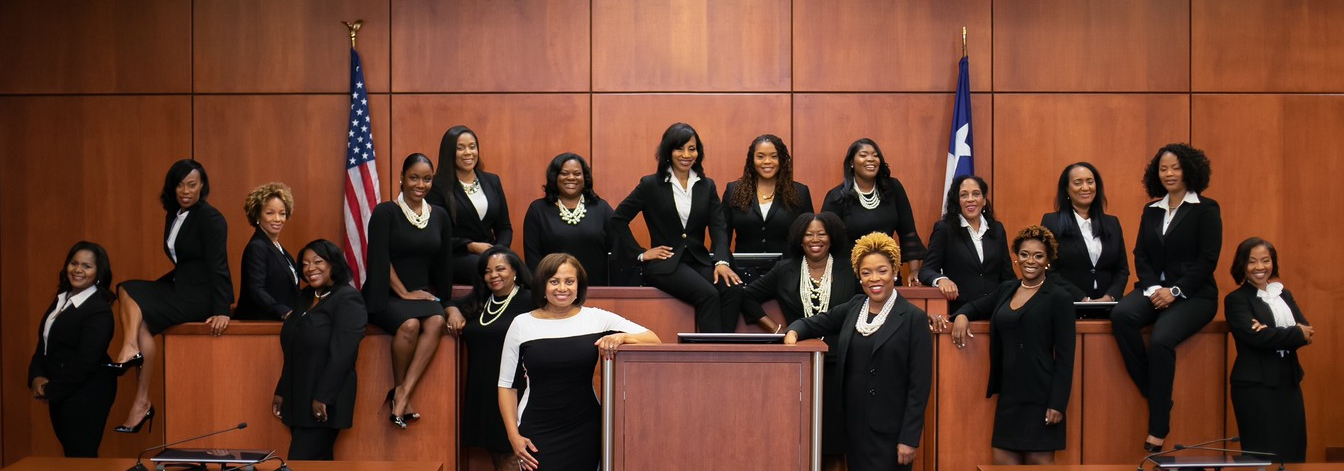
Later, when the voters elected me in 2018, I not only became a proud member of the historic “Houston 19″—the largest group of African American women elected to the judiciary in Harris County, Texas in a single election—I also became the first African American woman to serve as Presiding Judge of Harris County Criminal Court at Law No. 9. Breaking that historic barrier was a deeply meaningful moment, but carrying the weight of being the “first” means constantly operating under a unique spotlight: the expectations are higher, the scrutiny is sharper, and the room for error is nonexistent.
Navigating the judicial system in a hyper-partisan state and county brings a whole different layer of struggle. Too often, the court system is caught in the crosshairs of political theater and deliberate misinformation or disinformation campaigns. There are times when aggressive political pushback has nothing to do with your work ethic, your courtroom efficiency, or your dedication to the community, but everything to do with party labels and political control.
On top of that, combating negative media coverage designed to weaponize fear rather than educate the public requires constant resilience. When sensationalized headlines replace facts, it actively undermines public safety efforts and erodes the public’s faith in the justice system.
That is why so much of my mission on the bench has been about tearing down those barriers. I’ve made it a priority to remove the mystery behind the bench and rebrand the community’s perception of our court system. For far too long, people have viewed the courthouse strictly as a place of punishment and injustice. Changing that mindset means constantly educating the public on the true, independent role of the judiciary, pulling back the curtain on how courts actually function, and cultivating genuine trust through transparency.
Implementing real systemic change, pushing for evidence-based restorative practices, and insisting on fairness in a politically charged environment is hard, uphill work. But those struggles only reinforce why I showed up in the first place. Every obstacle has just proven why having principled, grounded leadership on the bench matters so much.
Alright, so let’s switch gears a bit and talk business. What should we know?
I view the court as a public service organization where the true metric of success isn’t profit, but public trust, equity, and procedural justice. As Presiding Judge of Harris County Criminal Court at Law No. 9, my primary focus is the fair, transparent, and efficient administration of the law. I believe the key to managing a successful court is implementing evidence-based judicial administration—balancing public safety with restorative solutions like our Fresh Start Record Sealing Program and P.A.C.E. Restorative Justice Initiative—to address the root causes of criminality, including substance abuse and mental health challenges, rather than relying solely on punishment. What sets Harris County Criminal Court at Law No. 9 apart—and what I am most proud of brand-wise—is our commitment to removing the mystery behind the bench and leading with unyielding integrity. Ultimately, I want readers to know that our work is dedicated to ensuring public safety, rebranding the community’s perception of the judiciary, protecting the independent role of the courts, and ensuring that Truth, Justice, and Fairness are delivered equally to everyone who walks through our doors.
We’d be interested to hear your thoughts on luck and what role, if any, you feel it’s played for you?
I don’t believe in luck or coincidences; I believe in divine assignments, purpose, and favor. Looking back over my life and career, I know that I haven’t simply been lucky—I have been overwhelmingly blessed. God has placed opportunities in my path that have far exceeded my wildest imagination and outpaced even my biggest dreams.
Along this journey, I have been fortunate to cross paths with extraordinary people—mentors who guided me, professors who invested in me, and community leaders who stood with me. I’ve been granted life-changing exposures and experiences that stretched my vision of what was possible. Even the moments that felt like setbacks or uphill battles were never wasted; they were lessons designed to build my endurance, deepen my character, and prepare me for the work I am called to do today.
So when people ask about the role of luck in my life or on the bench, my answer is simple: it hasn’t been luck at all. It has been faith, continuous preparation, and trusting that every single experience—the triumphs and the trials alike—has worked together for my good and according to a higher plan.
Contact Info:
- Website: https://www.votetoriafinch.com
- Instagram: https://www.instagram.com/toriajfinch/
- Facebook: https://www.facebook.com/toria.j.finch/
- LinkedIn: https://www.linkedin.com/in/toria-finch-2136b3a