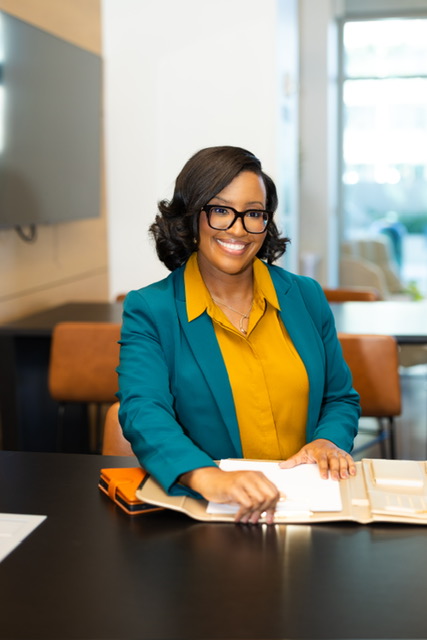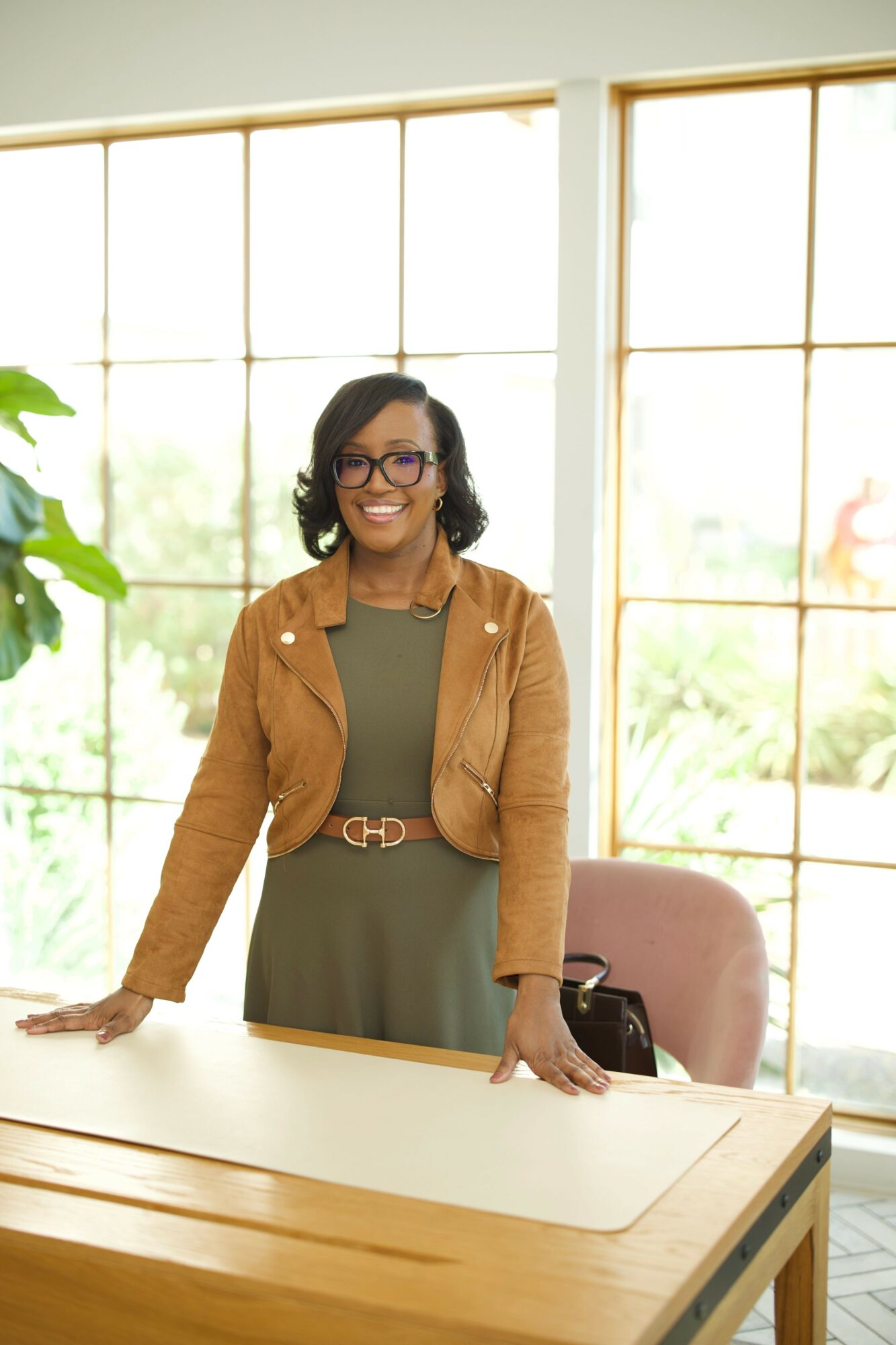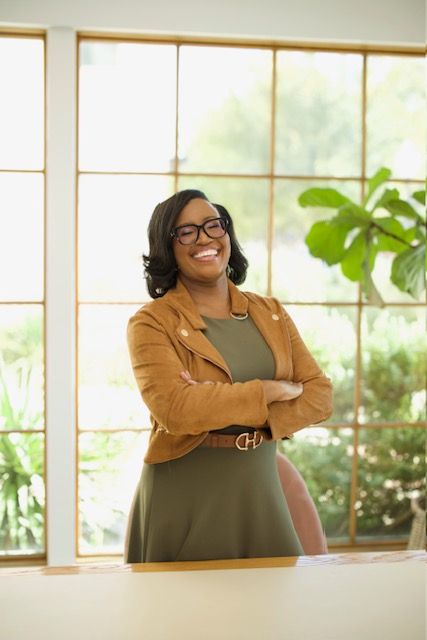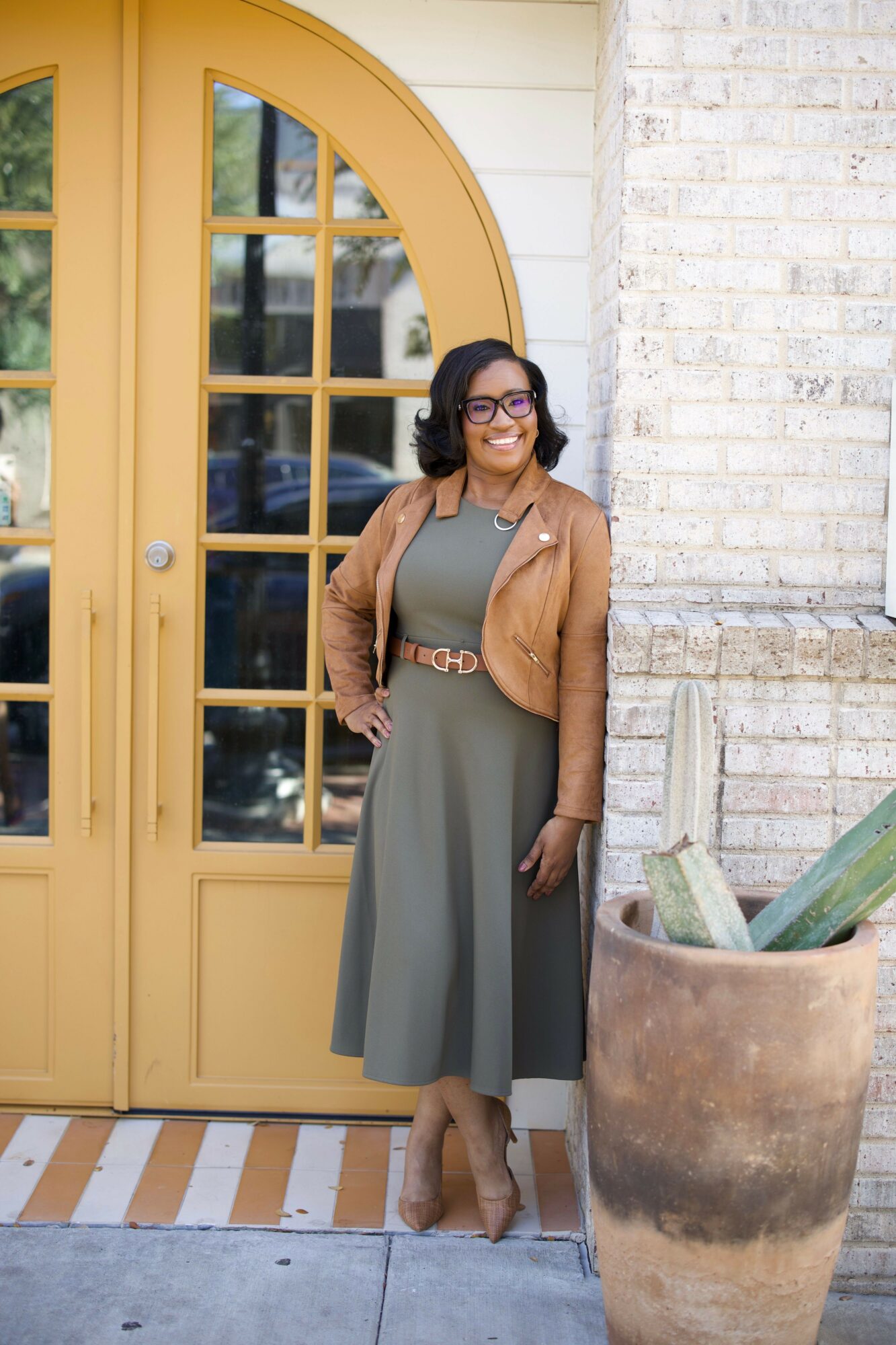




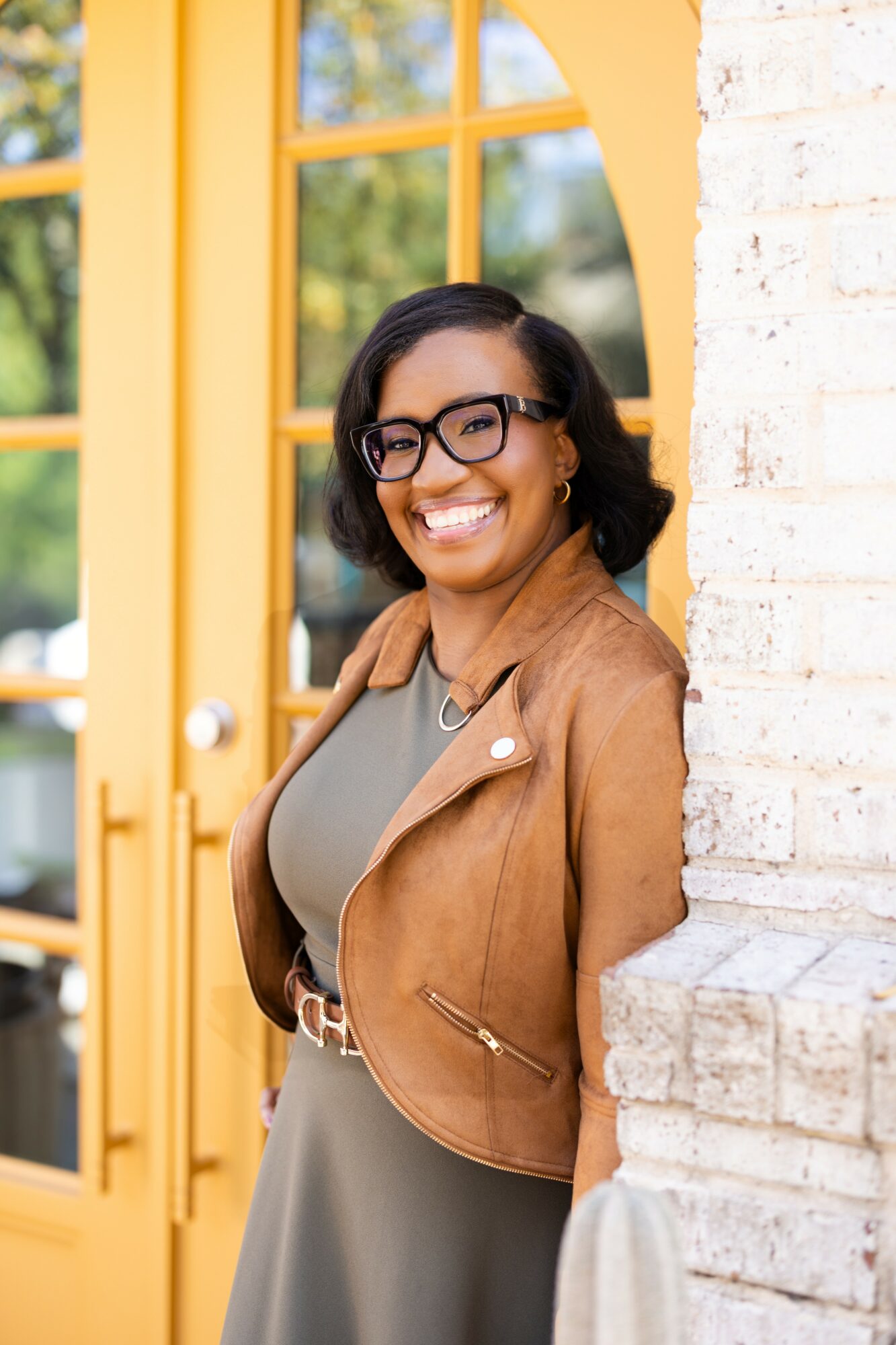
Today we’d like to introduce you to Kelly Harkless.
Alright, so thank you so much for sharing your story and insight with our readers. To kick things off, can you tell us a bit about how you got started?
In late fall 2015, i accepted a job opportunity that brought me from Atlanta to Houston. At the time, I thought it was just a huge step a faith in advancing my career away from home. Looking back, I now know that it was the beginning of a larger life lesson about transitions.
During the years that followed, transition would take on many forms: professional, geographical, spiritual- all which were personal and deeply emotional. By 2017, several of those realities converged in ways that challenged how I understood resilience, identity, and what it means to keep going when everything you once were content with now had to be contended for..
Those experiences planted seeds for what would come. They became questions that only lived experiences could answer.
What happens to the person when everything around them has shifted? What do we do with the parts of transition that don’t fit neatly into professional language? How can I properly name what I’m going through well enough to actually work with it? Questions like these and others followed me throughout my professional journey and eventually became the foundation for the work I do today.
Alright, so let’s dig a little deeper into the story – has it been an easy path overall and if not, what were the challenges you’ve had to overcome?
I’m laughing as I’m typing this because there was absolutely nothing smooth about this path. By mid 2016, everything that I knew as Atlanta in my personal space was stripped from me and replaced with what was necessary to move forward here in Houston. There were nuances on the job, but there was also a much deeper internal transformation happening. I had to learn how to confront parts of myself I had previously been able to work around, understand what these newly discovered emotions were, and give myself permission to seek counseling and receive the therapy I needed. I was learning that moving forward and actually being well while moving forward were two different things.
Then came 2017,
Professionally, I accepted an opportunity that finally corrected much of the financial sacrifice that I had made when I relocated to Houston. I initially moved here taking a 20% pay cut and this new role represented a significant increase in compensation. On paper, things were moving in the right direction. Personally, however, I was about to enter one of the most difficult seasons of my life.
While learning a new job, I was also assisting with the care of my grandmother in Mississippi and getting her medical affairs in order. I made sure that palliative care was set up for her at home, experienced Hurricane Harvey here in Houston, and then lost her on Labor Day. As I was helping with her final arrangements, I wrote her obituary on my work laptop that I was still logging into remote meetings. After laying her to rest, I returned to Houston, went back to work and attempted to find some semblance of normalcy. About a month afterward, I moved again to be closer to my job.
That season taught me something that I can articulate much more clearly today: life does not separate our transitions into convenient categories. Grief does not wait until the workday is done. Professional responsibility does not disappear because something devastating is happening personally. Opportunity and loss can occupy the same space.
The professional road wasn’t smooth either. There were several instances where my capacity was stretched far beyond what was sustainable, including carrying responsibilities that should have been distributed across several people. Eventually, in 2019, I took another leap of faith and walked away from a job with about a month’s worth of savings. I definitely would not recommend that financial strategy to anyone, but I also knew that I could no longer remain there.
Four months later in 2020, I joined AbbVie, where I have now spent six years. Even that chapter has required resilience and reinvention. In 2022, I learned that our Houston site would be closing. Rather than leaving the company, I pursued another opportunity internally and transitioned into a new area of the organization in 2023. What followed was another extremely demanding period professionally and personally- one that ultimately required me to reconsider my relationship with work, capacity, boundaries, and even my health.
Appreciate you sharing that. What else should we know about what you do?
Professionally, much of the work that I do revolves around systems and its intersection with people and transformation. I have spent just over 15 years in the biopharmaceutical industry, with experience in manufacturing, quality assurance, compliance, training and development, quality and learning systems, and organizational initiatives. Today, much of my corporate work focuses on enterprise learning technology and compliance, helping support learning infrastructure that reaches thousands of employees across a global organization.
Over time, I realized that one of my greatest strengths wasn’t simply managing systems- it was seeing connections. I have a natural ability to take something complex, identify the root underneath it, give it language, and create structure around it. It shows up corporately, but it also became the foundation of the work I do outside of it.
Now, I describe myself as a Word Architect and Framework Designer. My work explores the intersection of language, identity, resilience and human transition. I design frameworks that help people make sense of experiences they may reco0gnize internally but don’t have the language to articulate it. One of the principles underneath my work is, “What can’t be named, can’t be worked with,” and that is central to my company, The Resilience Path. This was founded to support professionals navigating the often unacknowledged emotional complexities that accompany personal and professional transitions. Coaching is one expression of this work, but it is not the entirety of it. Through frameworks, methodologies, learning experiences and resources, I help people understand what they are carrying, examine their capacity and move through transitions with clarity and intention, Resilience isn’t just a personality trait or the ability to endure difficulty- it is a resource. That is a distinction of my work because I believe that resilience can be understood, developed, stewarded and supported by the environments and systems around us.
What I am most proud of is that my professional and personal experiences are no longer experienced in silos. I’ve been able to take what I’ve learned from highly regulated environments, organizational change, leadership, learning systems and my own lived transitions and allow the totality of those experiences to inform one another.
What sets me apart is the way that I think and process information. I’m rarely satisfied with identifying only what happened- I also want to understand what is underneath it, what language is missing and what structure is needed to help us work differently. I don’t just find words for things, I build frameworks around them.
What are your plans for the future?
I’m looking forward to expanding this work into more corporate spaces through consulting, facilitated workshops and group experiences that help organizations think differently about resilience, transition and the people navigating change within them. I’m also excited to continue growing The Resilience Path through coaching intensives and experiences that give people practical space to examine where they are, what they’re carrying and what transformation is asking of them.
I’m especially looking forward to speaking on more stages. I want to continue developing the conversation around Resilience as a Resource- moving resilience beyond the idea of simply enduring hard things and exploring how we develop, steward and draw from it during seasons of change. Ultimately, I want to create more opportunities to talk about what happens to us while everything around us is transforming, because transformation isn’t only about what changes around us; its also about who we become in the process.
Contact Info:
- Website: https://www.theresiliencepath.co
- Instagram: https://www.instagram.com/knh.thereference
- LinkedIn: https://www.linkedin.com/in/kellynharkless