




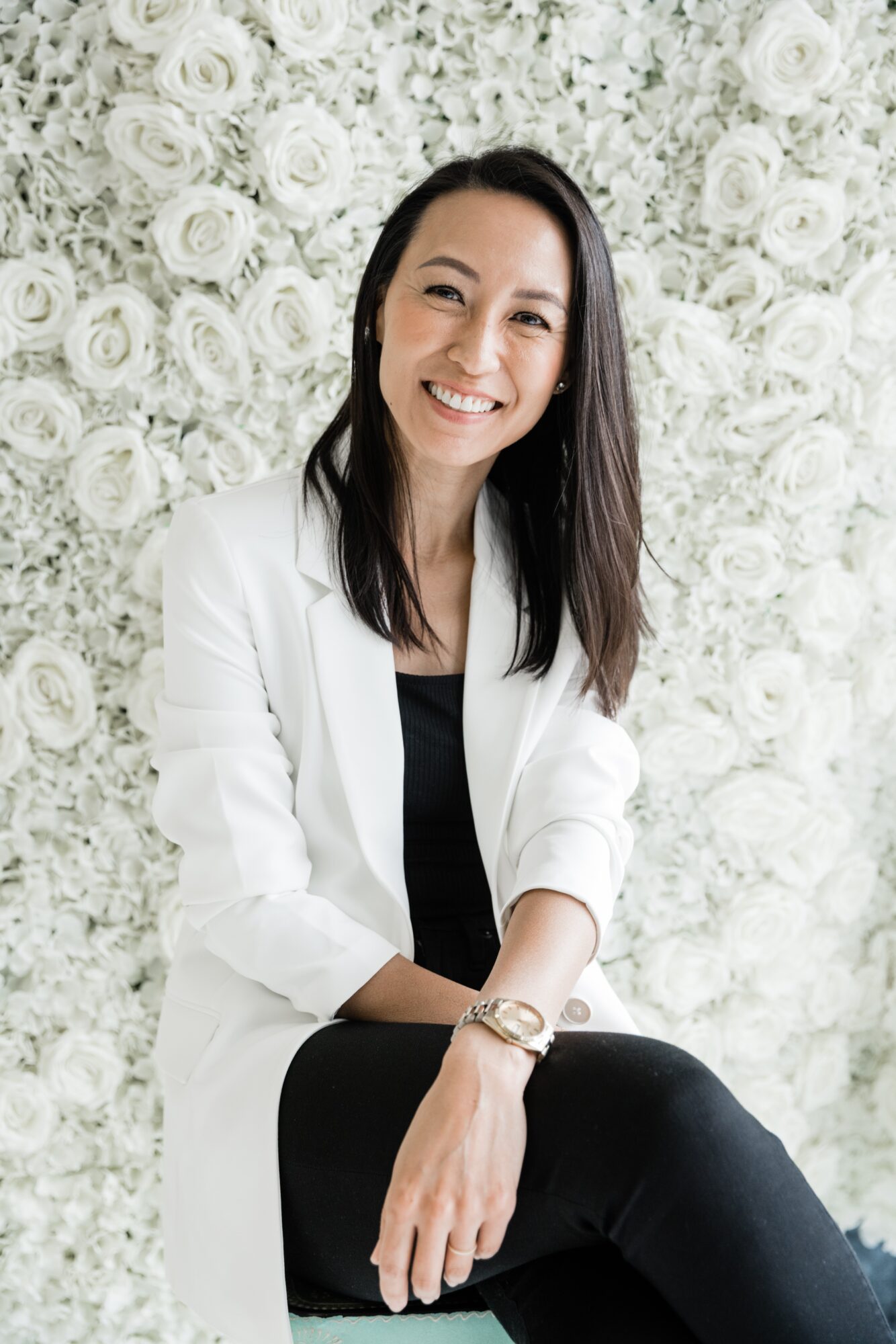
Today we’d like to introduce you to Jenny Wang.
Hi Jenny, thanks for joining us today. We’d love for you to start by introducing yourself.
Growing up as an Asian American in the ’90s and 2000s, the menu of career options presented to me was narrow: doctor, lawyer, or engineer. Becoming a clinical psychologist wasn’t even on my radar. Following the practical path, I enrolled at the University of Texas at Austin to pursue accounting. But deep down, I always knew that crunching numbers and building Excel spreadsheets wasn’t where my passion lived.
During my junior year, I took Psychology 101 just for fun. That single elective changed everything. I realized almost instantly that I had stumbled upon a field where I could truly envision a life of purpose and meaning.
After graduating with a dual degree in finance and psychology, I went on to earn my Ph.D. in Clinical Psychology from UT Southwestern Medical Center in Dallas, followed by postdoctoral training at Duke University Hospital. Early in my career, Asian American representation in clinical psychology was scarce—even as the need for culturally responsive mental health care was surging.
When the world shut down in March 2020 due to the COVID-19 pandemic, people everywhere were wrestling with overwhelming uncertainty, isolated at home while juggling work, parenting, and fear. Around that time, a modest Instagram page, @asiansformentalhealth, I had started—focused on mental health across the Asian diaspora—went viral. That moment propelled both my clinical practice and my public advocacy into a much larger sphere.
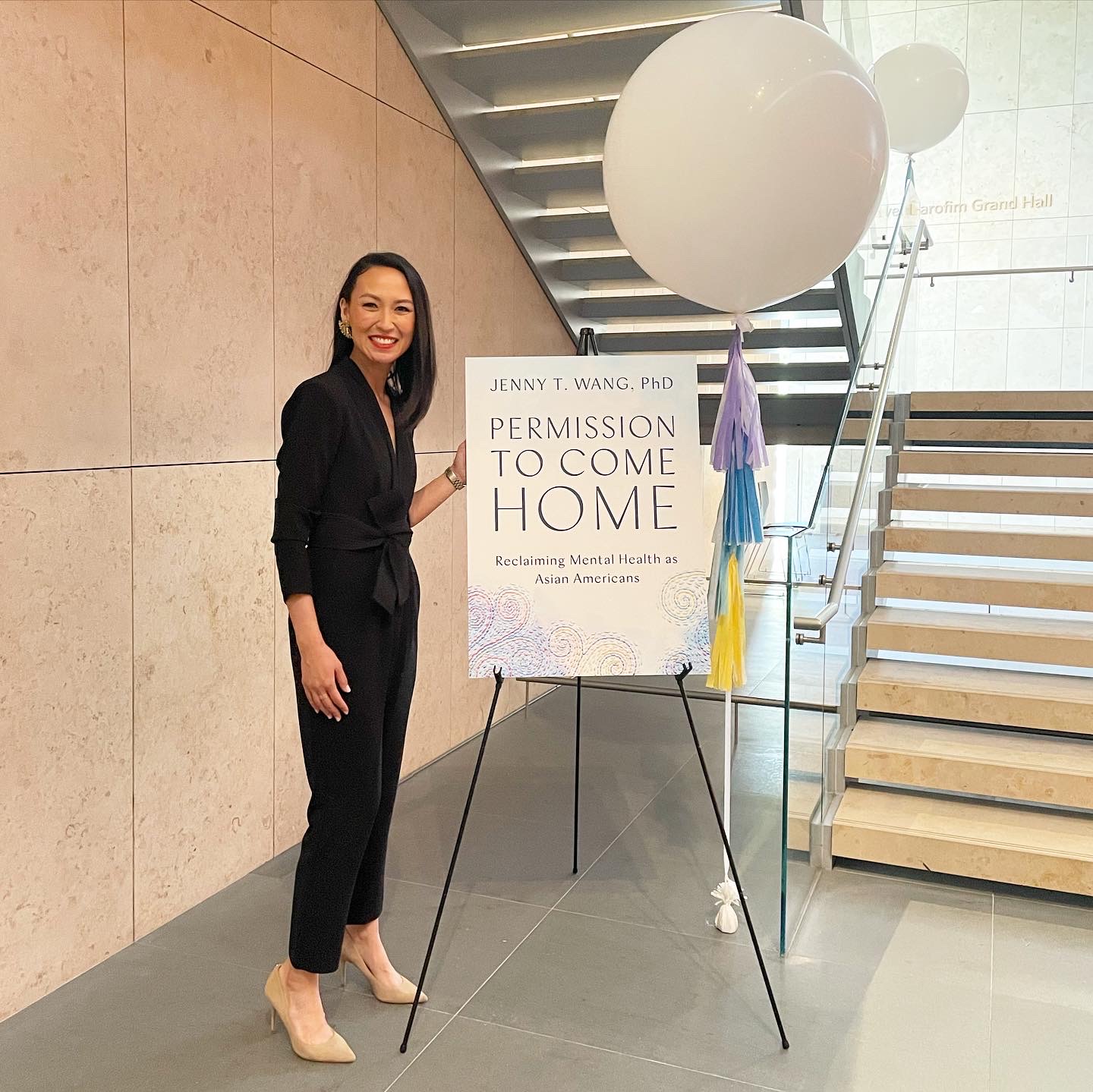
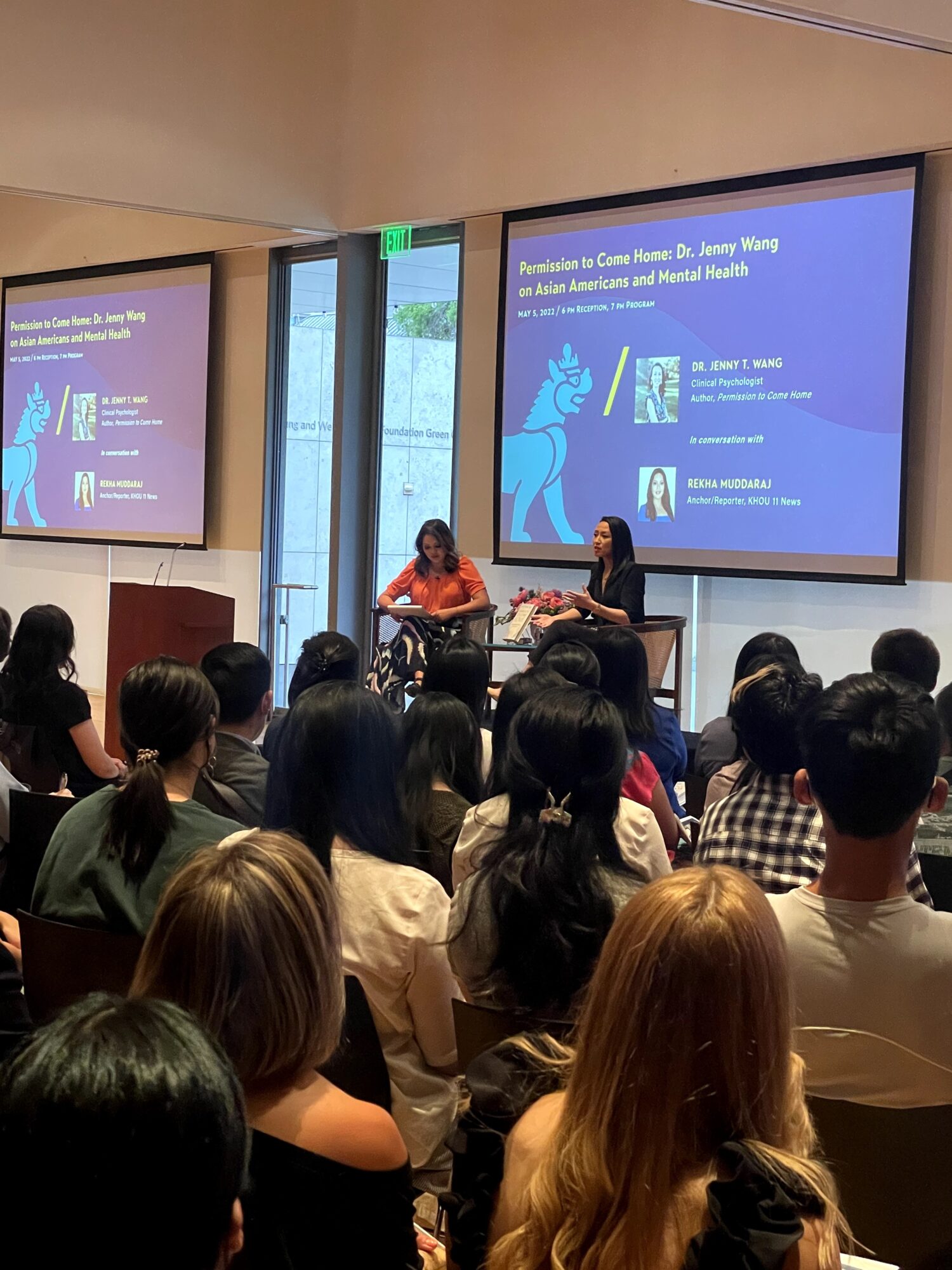
In the years since, I published Permission to Come Home: Reclaiming Mental Health as Asian Americans, a practical guide addressing emotional well-being through the lens of immigrant families and the diaspora. In our community, mental health is still heavily shrouded in stigma and silence; my mission became reshaping that narrative so future generations don’t have to carry that weight alone.
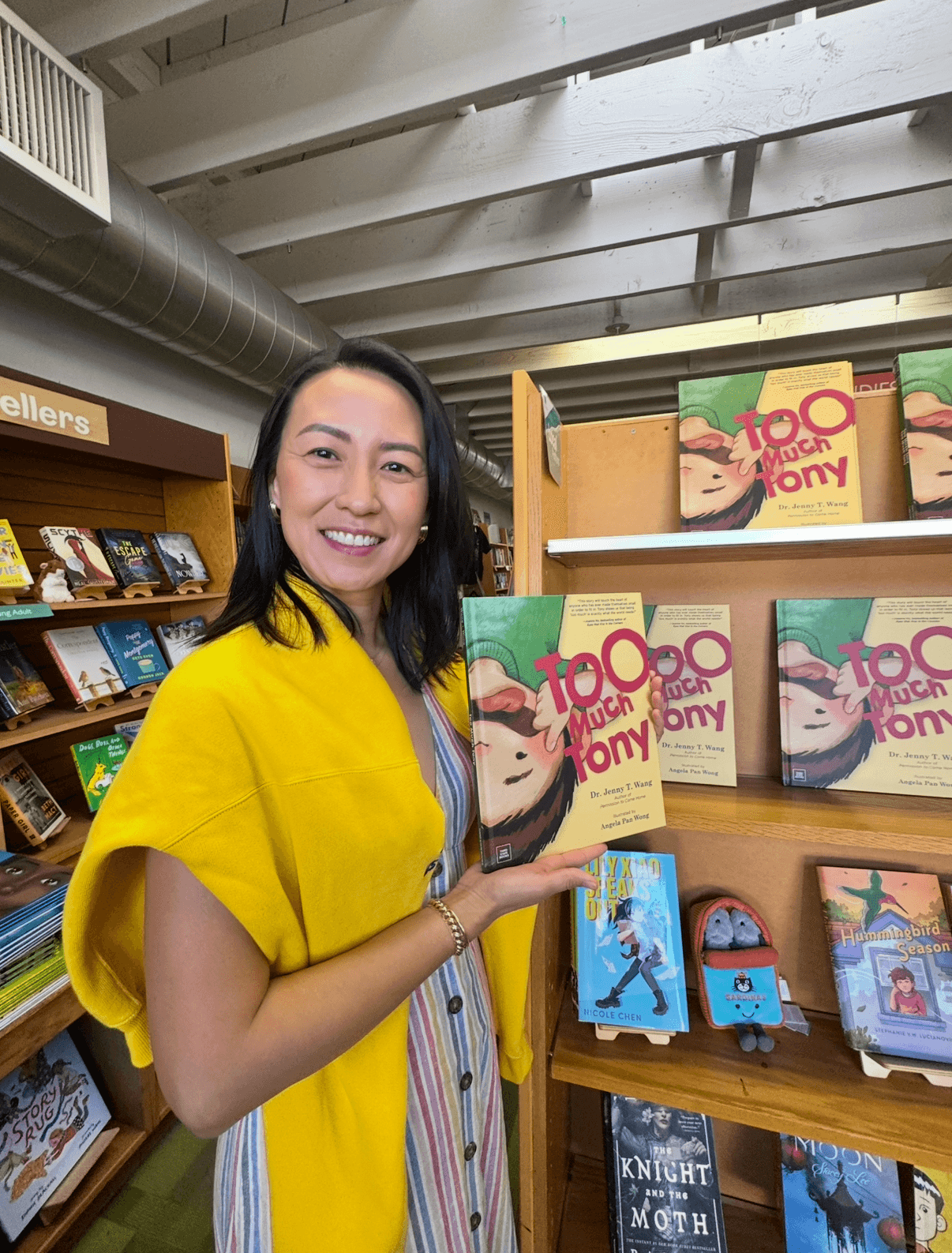
Today, I run a full private psychotherapy practice based right here in Houston, seeing clients virtually across Texas while continuing to write, speak, and advocate for culturally humble mental health care. Most excitingly, I’m releasing my debut children’s picture book, Too Much Tony, on November 3. The story explores neurodivergence and belonging, reminding kids that their “too-muchness” isn’t a flaw or a deficit—it is a unique gift they can use to connect, create, and share kindness with the world.
I’m sure it wasn’t obstacle-free, but would you say the journey has been fairly smooth so far?
In truth, I started @asiansformentalhealth during one of the most traumatic and harrowing seasons of my life. My best friend often says that without that trial, the platform wouldn’t exist.
In 2019, my partner became progressively ill, to the point where eating caused excruciating pain. I watched him waste away, writhing in agony after every single bite. Our children—just three and seven at the time—were too young to fully grasp what was happening, while we were desperate for answers that doctors couldn’t seem to provide. I was stretched to my absolute limit: balancing motherhood, running a growing clinical practice, and caregiving around the clock. In my darkest moments, gripped by fear that he wouldn’t survive, I spiraled down anxious rabbit holes wondering what the future held for our family.
When the pandemic hit on top of his illness, my advocacy became a lifeline. It was a space where I didn’t have to pretend to have all the answers; I could simply put goodness and understanding messages into a hurting world. Within that Instagram community, people began sharing their lived experiences, their isolation, and their struggles. That shared resonance anchored me. It gave me purpose when home felt like a storm, reminding me of the quiet truth that this too shall pass.
Somehow, we made it through. Today, my partner is fully recovered and living with a completely renewed perspective on life. The profound irony is that he would tell you he’d walk through that fire again, because it fundamentally transformed who he is for the better.
We often celebrate resilience and tout its value, but we rarely acknowledge the uncomfortable truth: resilience cannot exist without adversity. When pain touches our lives or our children’s lives, our first instinct is to fix it, shield them, or make it disappear. Yet true resilience isn’t built in the absence of hardship—it is forged when we witness ourselves stumble, fall, and find the courage to stand back up. That season cemented for our family that health truly is wealth, stripping away the noise and permanently focusing our eyes on what actually matters.
We’ve been impressed with Jenny Wang PhD PLLC/Asians for Mental Health, but for folks who might not be as familiar, what can you share with them about what you do and what sets you apart from others?
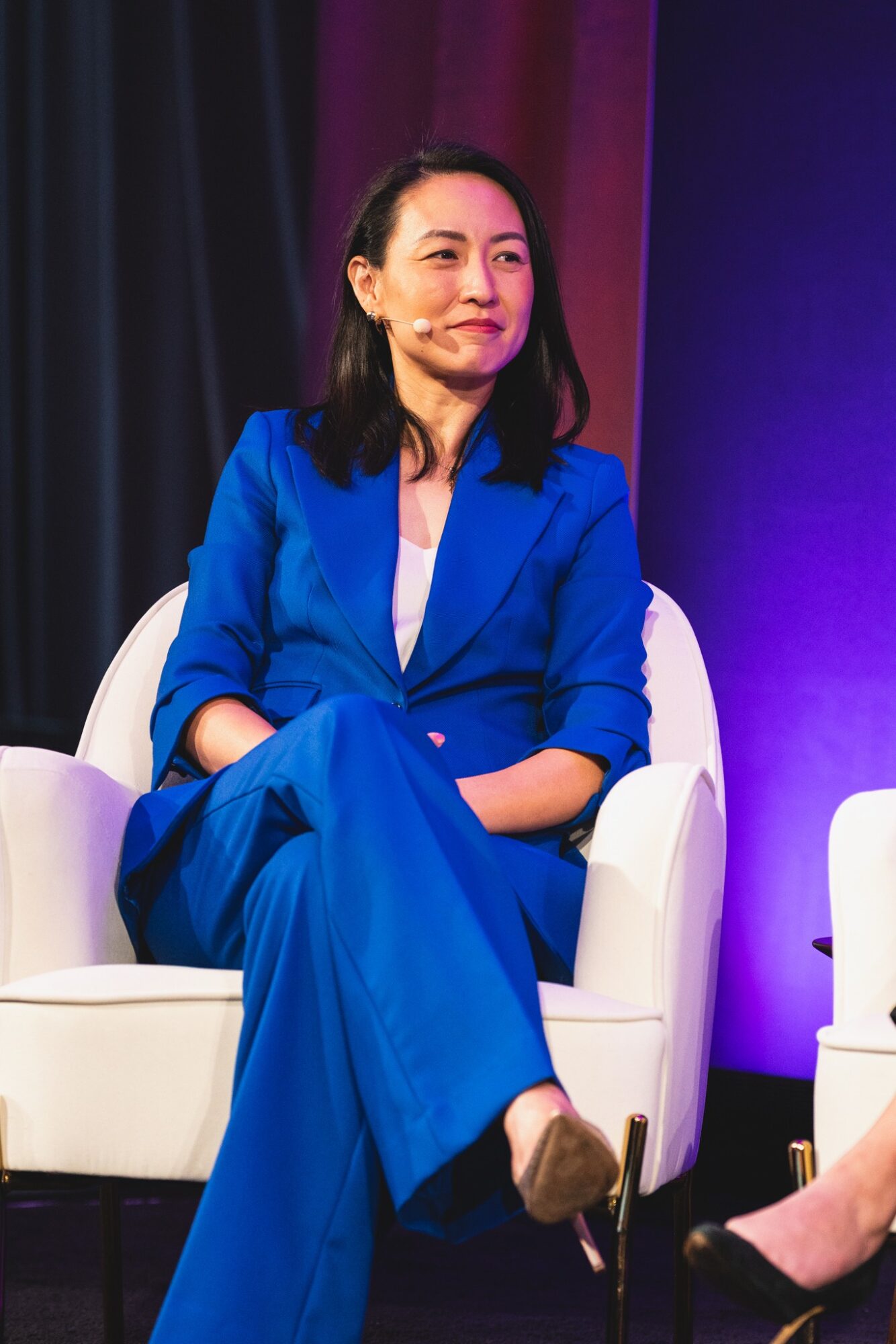
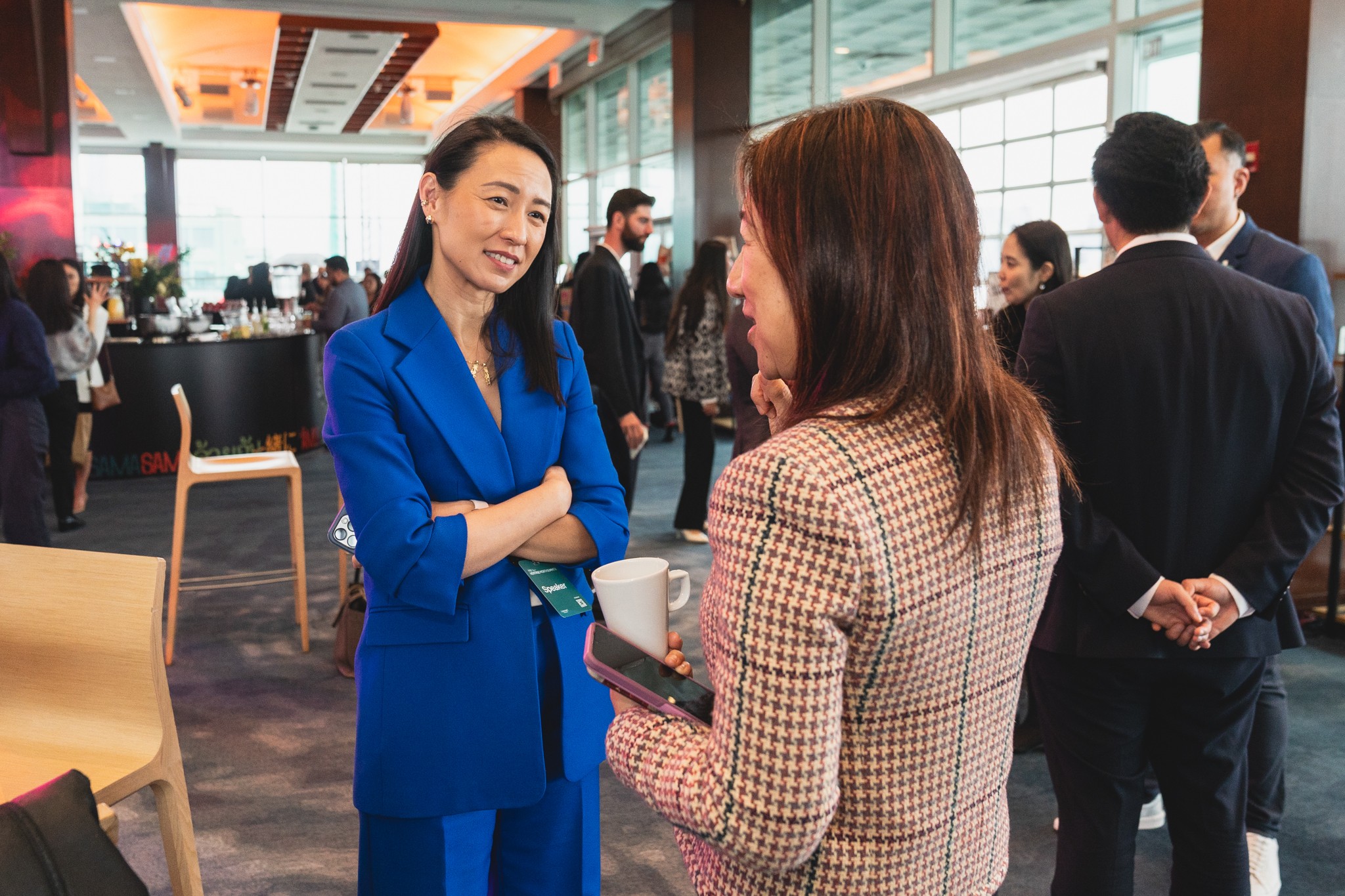
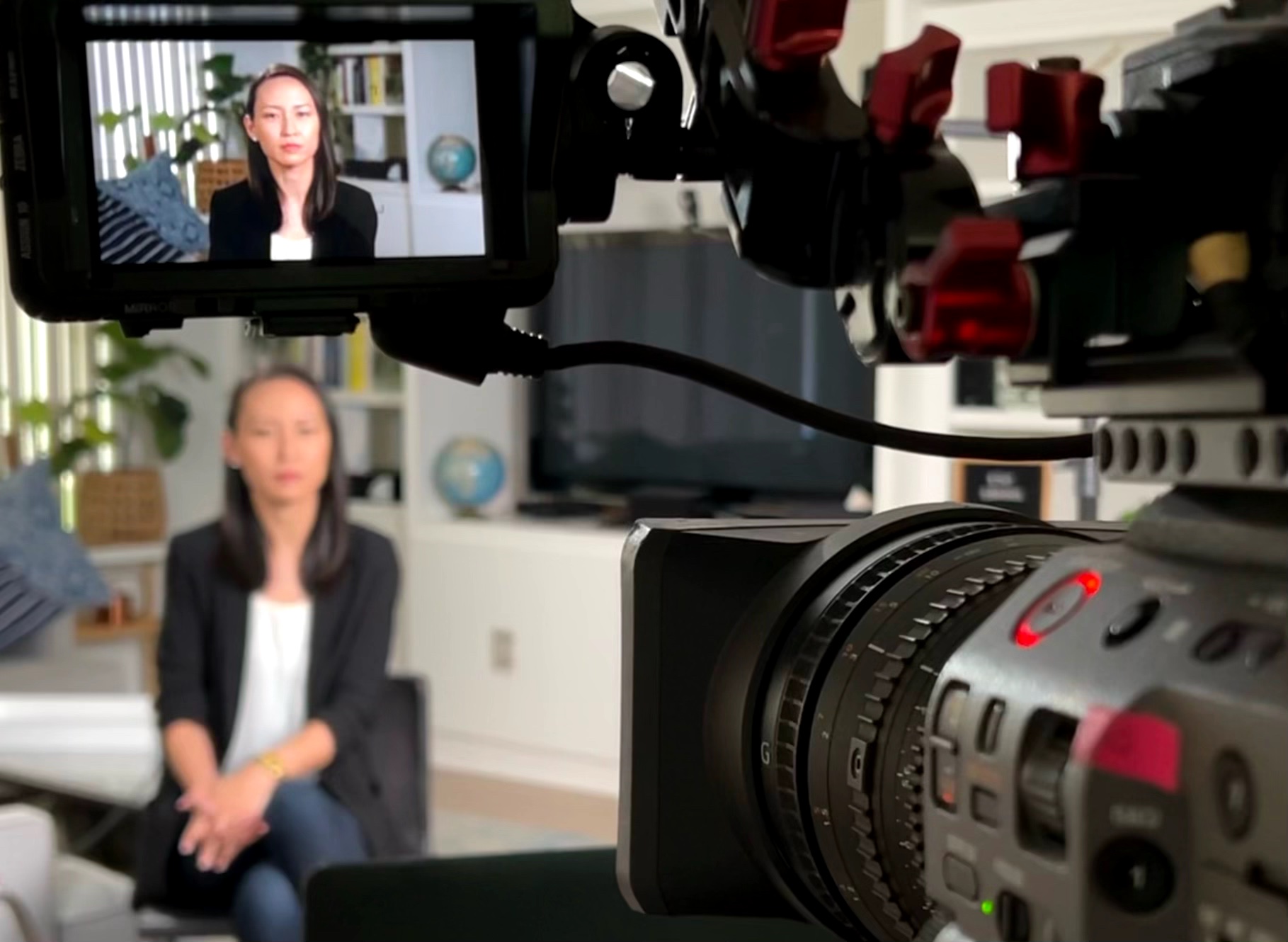
Through my private practice, Jenny Wang PhD PLLC, I bridge my work as a clinical psychologist, consultant, and national keynote speaker. As a speaker, I partner with Fortune 500 companies, universities, and mission-driven organizations to deliver keynotes and workshops on culturally responsive mental health, racial trauma, sustainable leadership, and intergenerational workplace dynamics—equipping audiences to move beyond performative wellness into authentic psychological safety. Clinically, I specialize in supporting high-achieving professionals—physicians, attorneys, corporate leaders, and tech founders—who carry the immense pressure of career demands alongside the responsibilities of the “sandwich generation,” balancing child-rearing with elder care. A significant portion of my clientele consists of Asian Americans and children of immigrants drawn to my focus on diaspora experiences. Clients often seek my care during pivotal transitions: growing their families, navigating generational friction, confronting burnout and anxiety, or realizing that traditional markers of success no longer bring genuine fulfillment. Many first discover my work through my book, Permission to Come Home, which speaks directly to living at the intersection of multicultural identity, racialized realities, and complex family systems.
The education and advocacy arm of my work lives within Asians for Mental Health, the community platform I founded to bring emotional wellness into everyday conversation. Through this platform, my books—Permission to Come Home and my debut children’s book, Too Much Tony, which reframes neurodiversity through the lens of belonging—and my digital outreach, my mission is singular: to give individuals and families the language, tools, and cultural permission needed to dismantle generational shame and cultivate authentic psychological well-being.
Alright, so to wrap up, is there anything else you’d like to share with us?
No, I think I have shared all facets of my work in previous sections.
Contact Info:
- Website: https://www.jennywangphd.com/
- Instagram: https://www.instagram.com/asiansformentalhealth/
- Facebook: https://www.facebook.com/asiansformentalhealth/
- LinkedIn: https://www.linkedin.com/in/jenny-tzu-mei-wang-ph-d-012510185/
- Other: https://asiansformentalhealth.com/