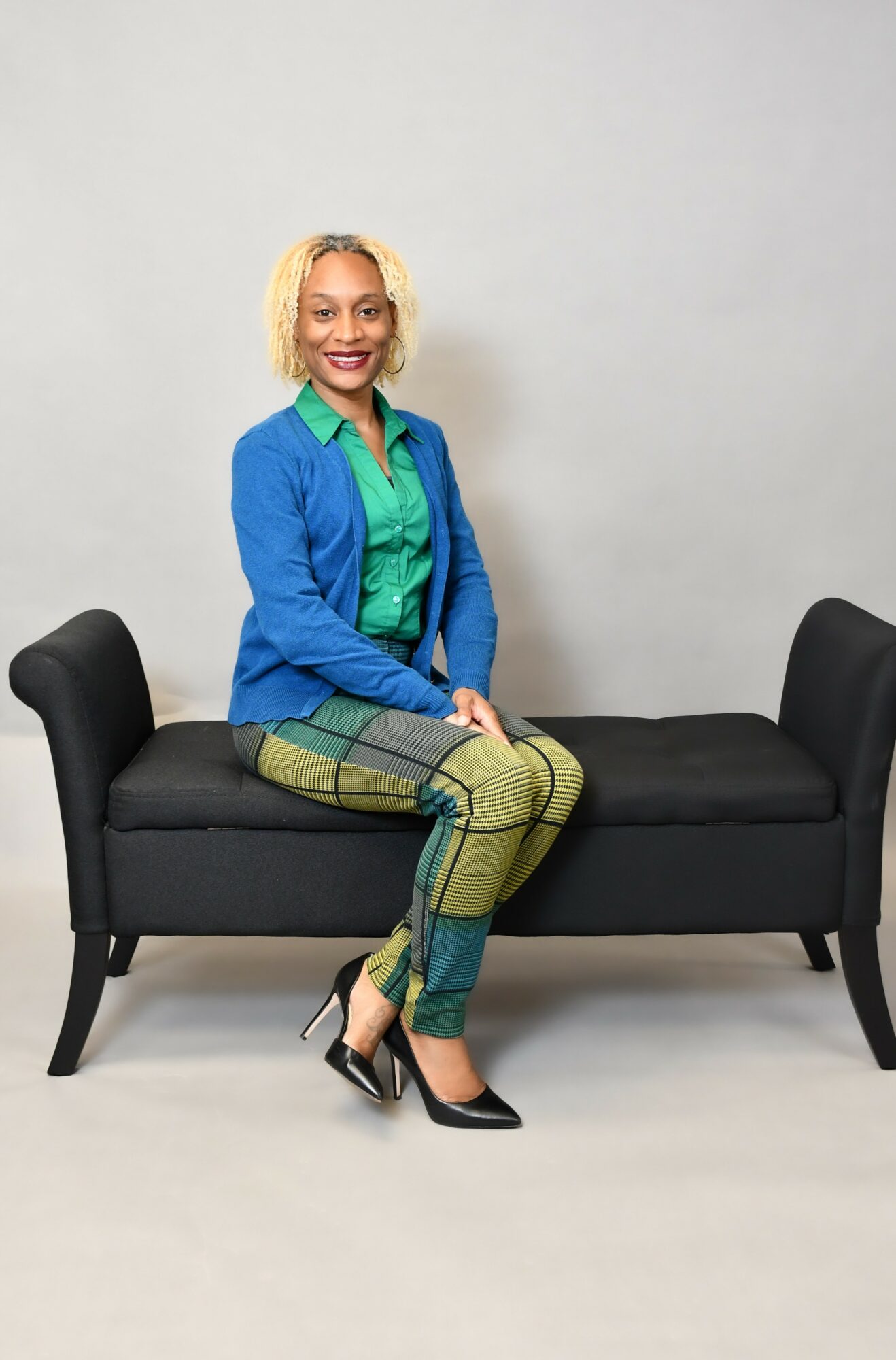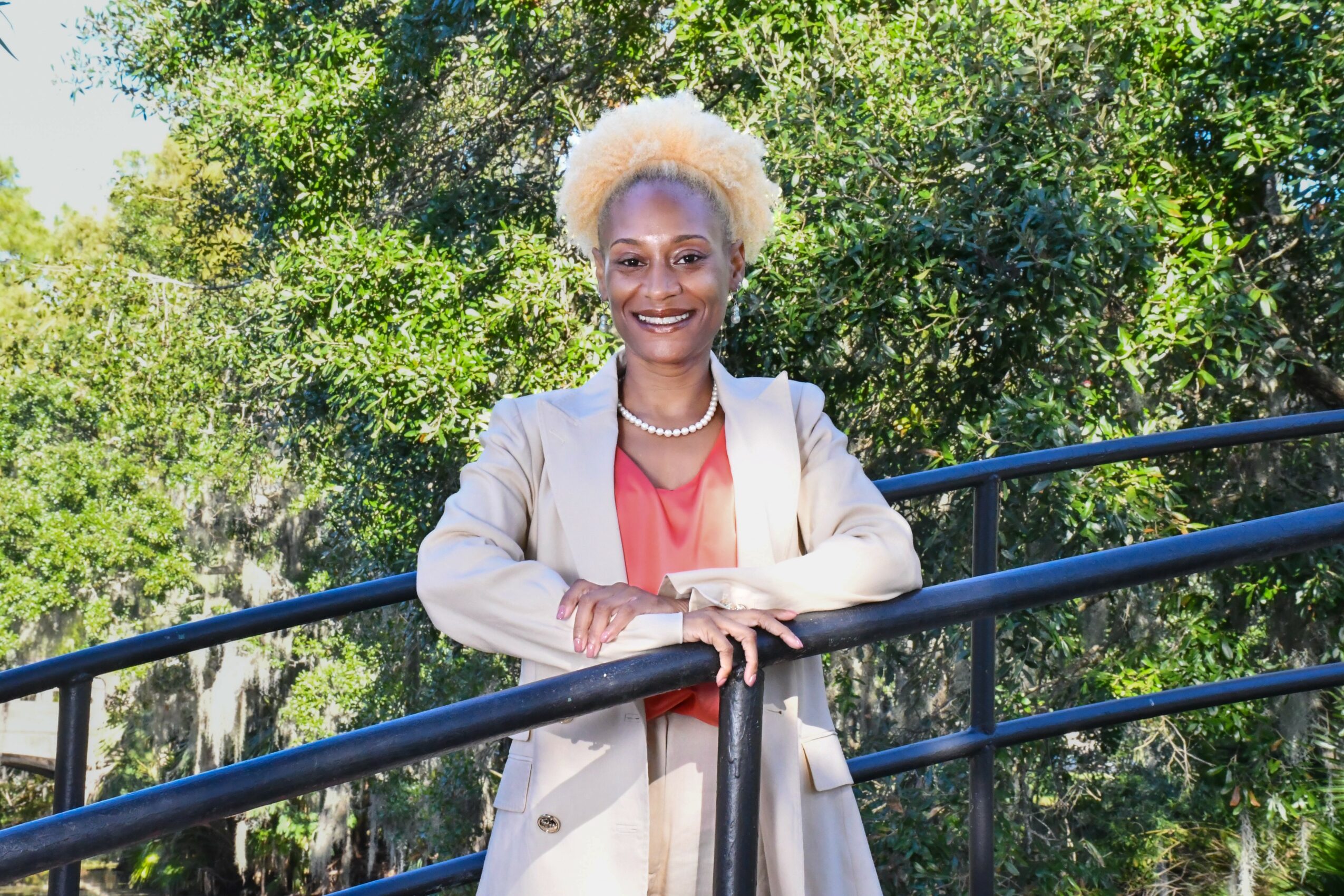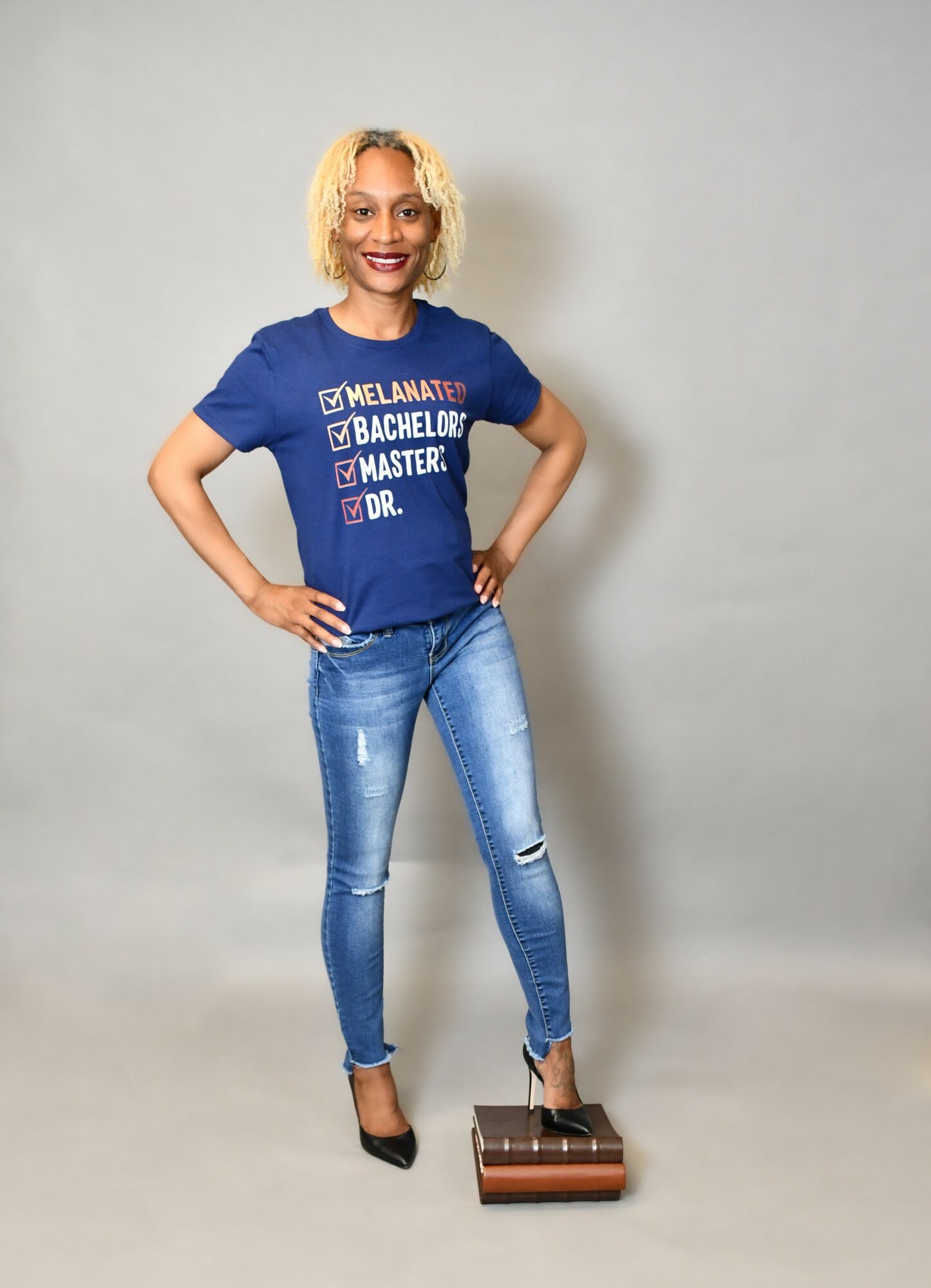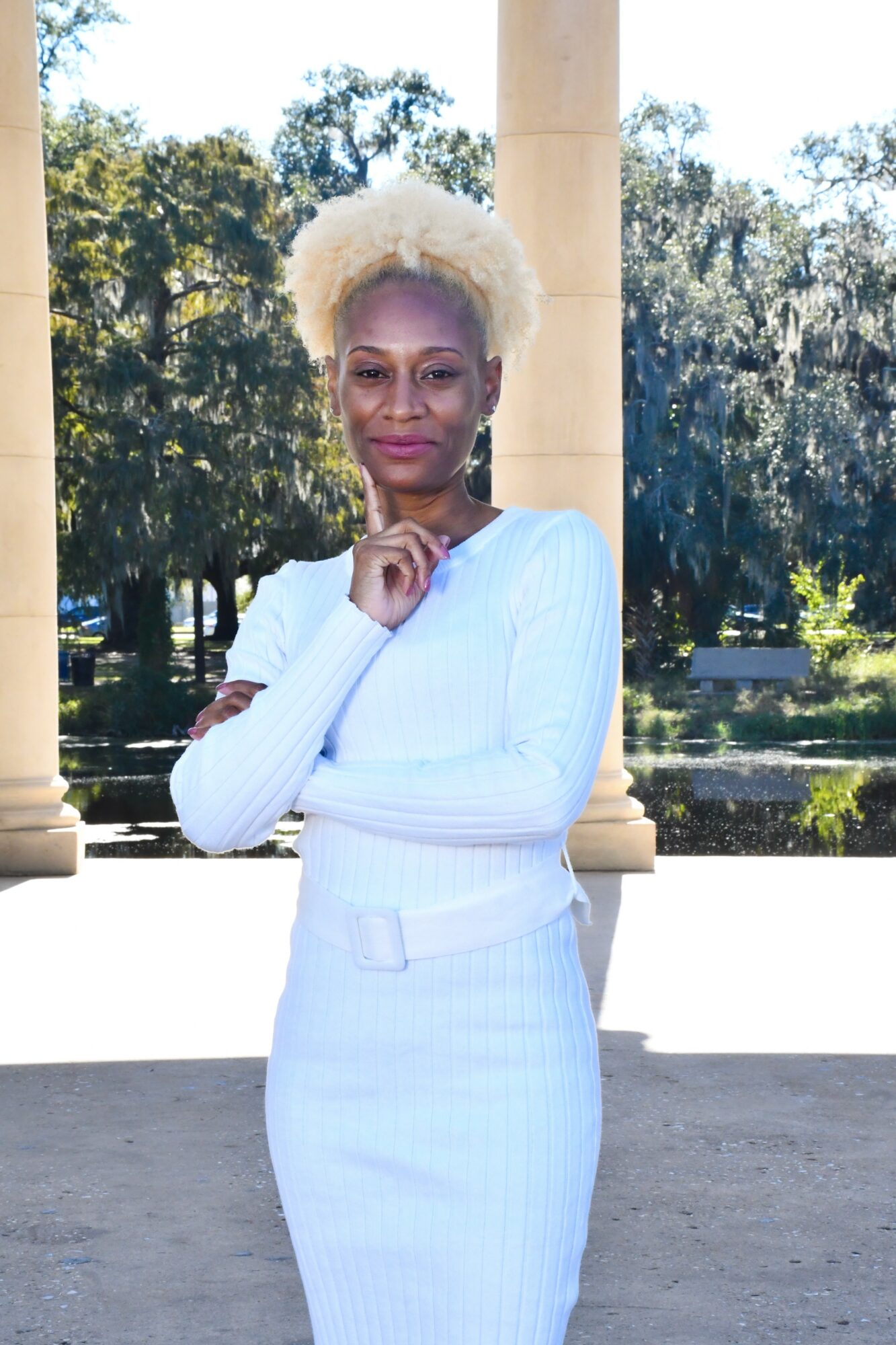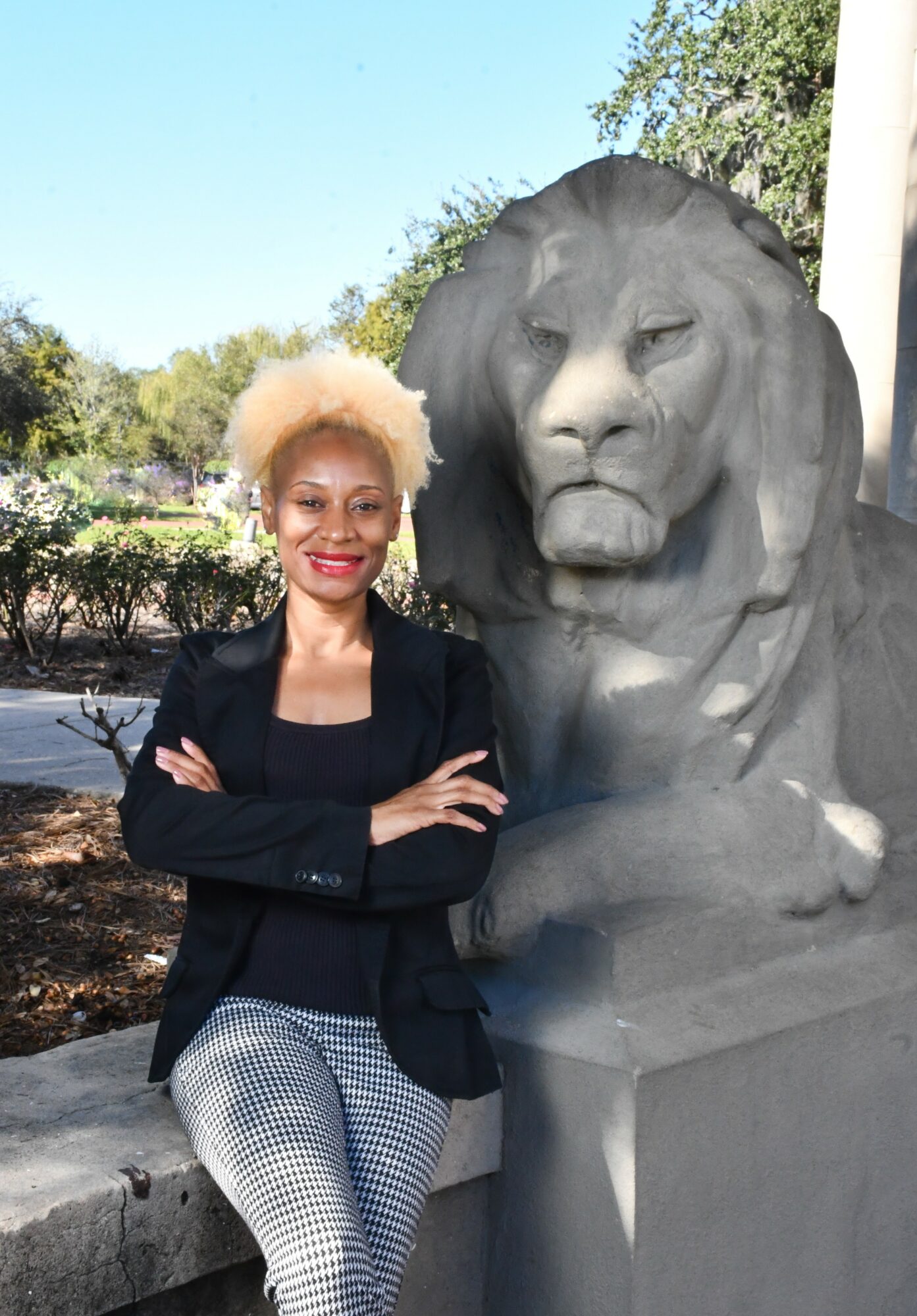





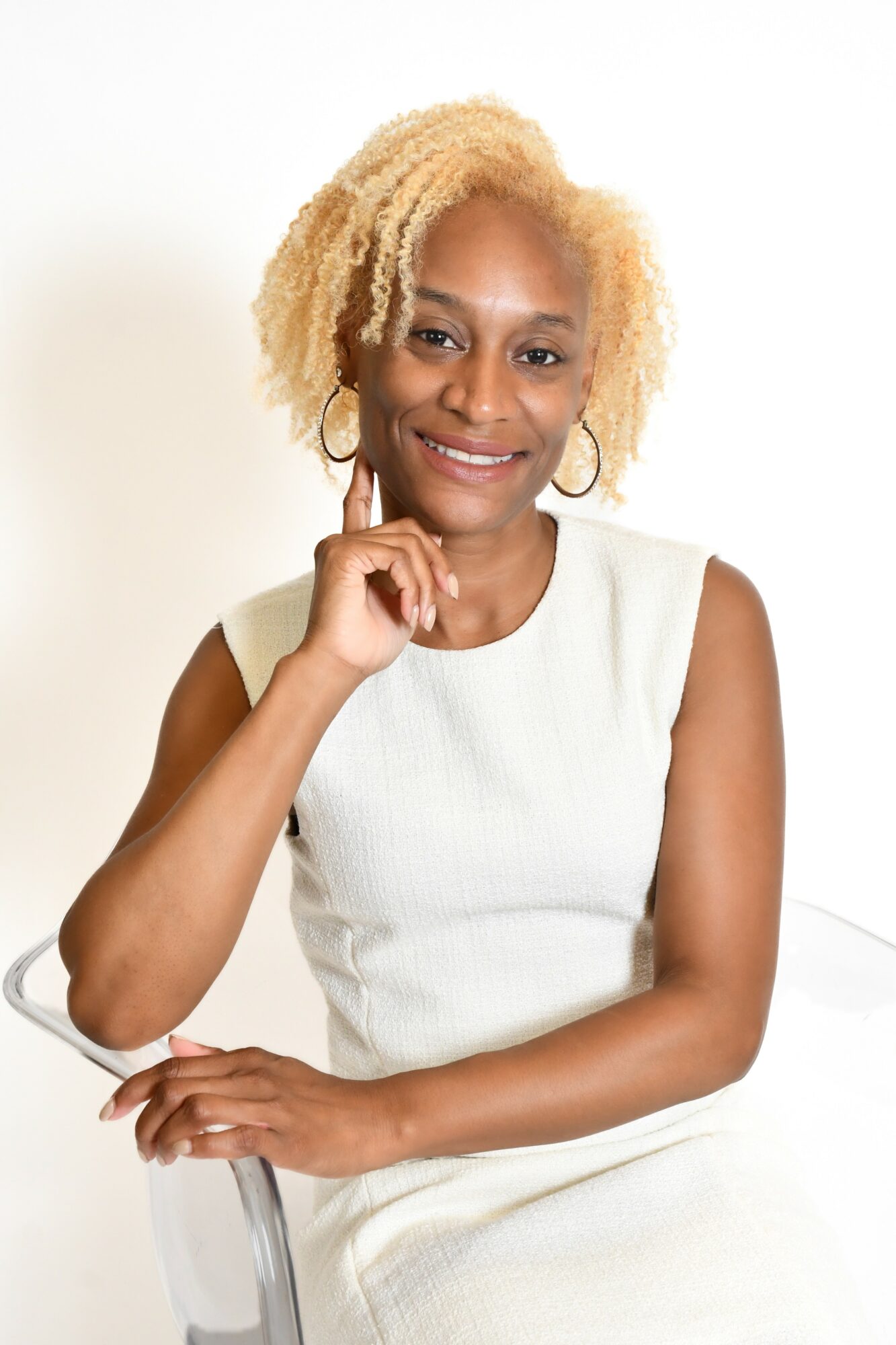
We’re looking forward to introducing you to Dr. Sade Beaulieu. Check out our conversation below.
Sade , it’s always a pleasure to learn from you and your journey. Let’s start with a bit of a warmup: What do you think others are secretly struggling with—but never say?
I believe that many people quietly struggle with truly loving and accepting themselves. In our society, there’s often a strong emphasis on being there for others, whether as a parent, partner, friend, or caregiver, sometimes at the expense of our own needs and sense of self. This cultural expectation can make it challenging for individuals to prioritize their own well-being or develop a healthy sense of self-worth, and it often leaves people feeling depleted, anxious, or disconnected from themselves.
In my work as a therapist, I see this pattern frequently. Many clients carry the belief that their value is tied to what they do for others rather than who they are, and this can create a cycle of self-criticism, guilt, or burnout. I help clients identify and unpack these beliefs, develop self-compassion, and set boundaries that honor both their needs and the needs of others. I also encourage practices that foster self-reflection and self-care, emphasizing that cultivating self-love is not selfish; it’s foundational for emotional resilience, authentic relationships, and a fulfilling life.
Ultimately, I view self-love as a critical skill, one that allows people to engage more fully with the world, maintain healthier connections, and navigate life’s challenges with confidence and clarity. When individuals learn to treat themselves with the same kindness, patience, and understanding they extend to others, they often experience profound shifts not only in how they relate to themselves, but in how they show up in their relationships, their work, and their communities. Self-love becomes a guiding principle that supports both personal growth and the capacity to positively impact the lives of others.
Can you briefly introduce yourself and share what makes you or your brand unique?
Hi, I’m Dr. Sade Beaulieu. I’m a Licensed Professional Counselor Supervisor in Louisiana and Texas, and I’m also a Licensed Professional Counselor in Georgia. I’m a National Certified Counselor, a Certified Rehabilitation Counselor, and a Certified Clinical Telemental Health Provider. I hold a Master’s degree in Rehabilitation Counseling and a Doctor of Philosophy in Counselor Education and Supervision. Over the past 12 years, I’ve had the privilege of working with adolescents and adults across a wide range of mental health concerns.
Throughout my career, I’ve worked in a variety of settings, including for-profit, non-profit, and state vocational rehabilitation agencies, supporting individuals with disabilities, underserved populations, and financially marginalized communities who often face barriers to accessing mental health care. I’m also the founder and owner of Overcome Counseling, a virtual private practice that provides client-centered therapy to clients across Georgia, Louisiana, and Texas.
In addition, to providing individual therapy, I offer Clinical Supervision and Consulting Services to fellow mental health professionals who are looking to grow their skills and advance their practice. My focus on all that I do is to create a safe, supportive, and empowering space, whether for clients or colleagues, where growth, healing, and transformation are truly possible.
Great, so let’s dive into your journey a bit more. What breaks the bonds between people—and what restores them?
I would say that trust is the foundation of any strong and meaningful relationship, and when it is broken, it can deeply affect the bond between people. Trust is not just about reliability; it’s about feeling safe, seen, and understood. When trust is violated, it can create distance, uncertainty, and even emotional pain that lingers over time. From my perspective as a therapist, observing and understanding how trust operates in relationships is critical because it shapes not only interpersonal dynamics but also how individuals perceive themselves and others in moments of vulnerability.
However, forgiveness has the power to restore and rebuild those connections in a meaningful way. Forgiveness does not mean minimizing the hurt or excusing harmful behavior; it is a conscious choice to release resentment, create space for understanding, and allow for growth. In therapy, I often work with clients to explore what forgiveness looks like for them, helping them navigate their emotions while maintaining healthy boundaries. When approached with intention, forgiveness can transform the pain caused by broken trust into an opportunity for deeper empathy, personal growth, and stronger, more resilient relationships.
Ultimately, I believe that trust and forgiveness are interdependent; rebuilding trust often requires forgiveness, and practicing forgiveness reinforces the possibility of renewed trust. Guiding clients through these processes is one of the most powerful and rewarding aspects of my work, as it allows them to repair connections, heal emotional wounds, and cultivate relationships that are authentic, supportive, and enduring.
What fear has held you back the most in your life?
I would say that the fear of not being good enough was a significant factor that held me back at various points in my life. It’s a very human experience, and even as a therapist, I’m not immune to those internal doubts. Over time, though, the steady support of my family and friends became instrumental in helping me confront and move through that fear. They offered perspective, encouragement, and a sense of grounding that allowed me to reframe those feelings not as limitations, but as opportunities for growth.
With their support, I learned to use that fear as motivation rather than a barrier, and it ultimately strengthened my resilience and confidence in both my personal life and my professional development as a therapist. In fact, leaning into that discomfort has helped me cultivate greater empathy for my clients, deepen my understanding of the challenges they face, and reinforce the importance of creating safe, supportive spaces where people can explore their own fears and grow from them.
Next, maybe we can discuss some of your foundational philosophies and views? What would your closest friends say really matters to you?
They would likely say that family is one of my highest priorities and that I place a great deal of value on spending meaningful, quality time with the people I’m closest to. They might describe me as someone who is intentional about nurturing those relationships, someone who consistently shows up, listens deeply, and creates space for genuine connection and support.
They would probably also say that my family is a major source of grounding and inspiration for me. I draw a lot of strength from those relationships, and I make it a point to cultivate traditions, shared experiences, and open communication within our family. Overall, they would characterize me as deeply family-oriented, committed to maintaining strong bonds, and dedicated to fostering a sense of stability, warmth, and belonging within my family circle.
Thank you so much for all of your openness so far. Maybe we can close with a future oriented question. When do you feel most at peace?
I often find that I feel most grounded when I have the space to sit quietly with my own thoughts. By nature, I’m a reserved and introspective person, and having intentional alone time allows me to decompress and reflect in ways that aren’t always accessible during the constant demands and movement of day-to-day life. In those quiet moments, I’m able to reconnect with myself, process emotions more clearly, and gain perspective that supports my overall well-being.
I also incorporate bilateral music into my personal mindfulness routine, which helps me stay present and deepen my sense of calm. Pairing that with something simple like a lavender-scented candle creates a soothing sensory experience that enhances my ability to meditate and reset. These practices not only nurture my own mental health, but they also help me show up more fully and authentically for my clients.
Contact Info:
- Website: https://www.overcomecounseling.com/
- Instagram: https://instagram.com/sbcounselprep
- Linkedin: https://www.linkedin.com/in/sade-beaulieu-mhs-crc-ncc-lpc-s-74259358