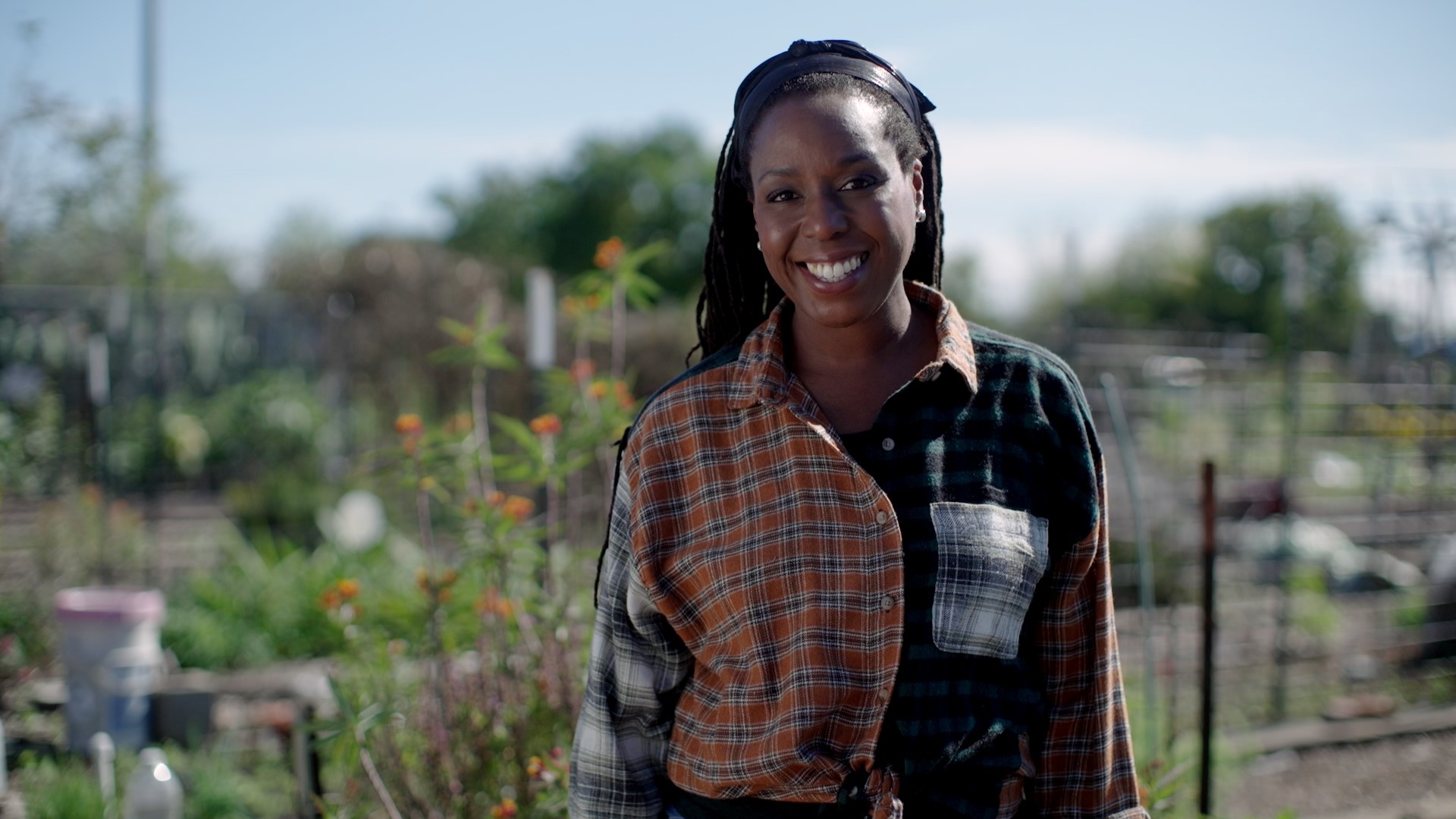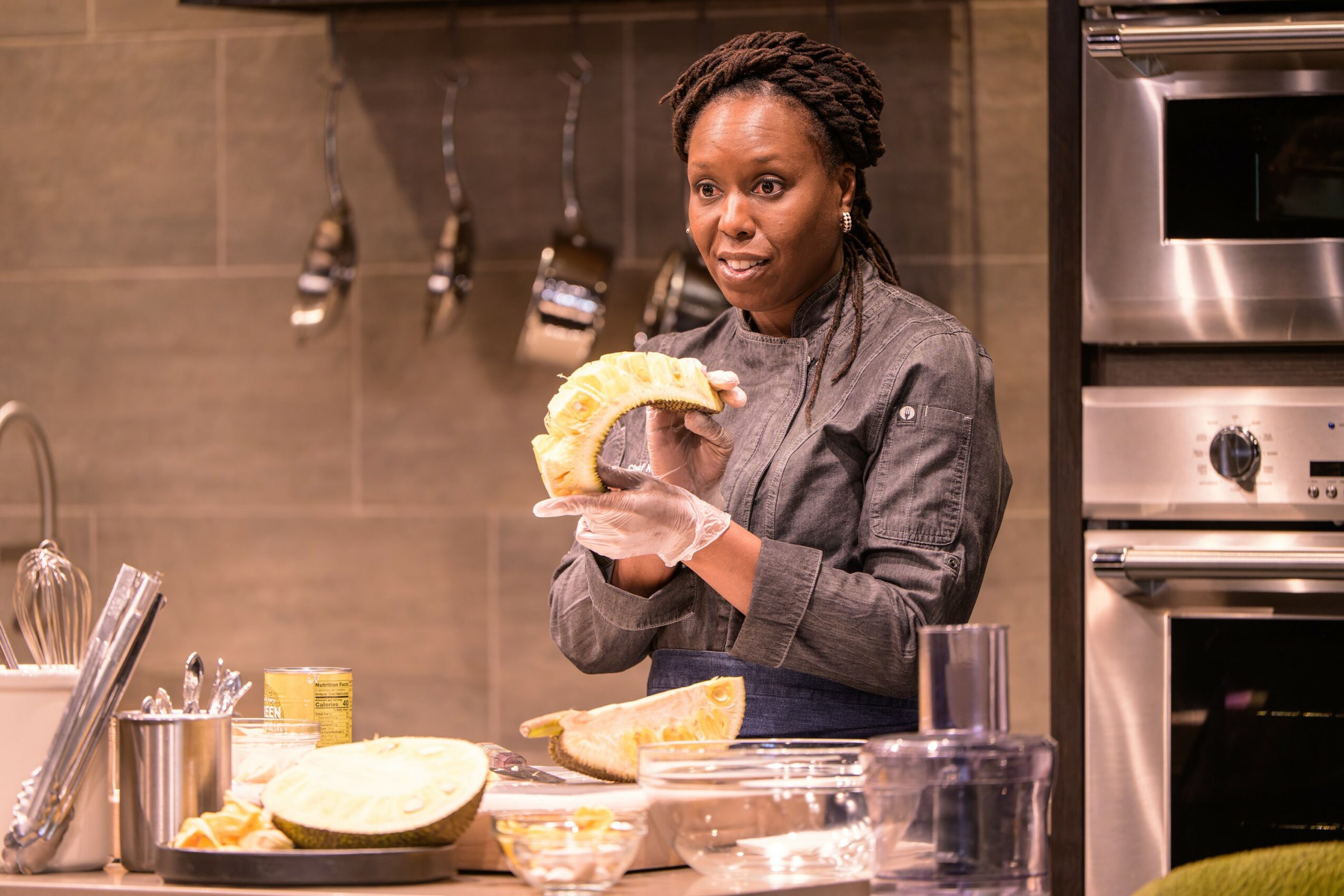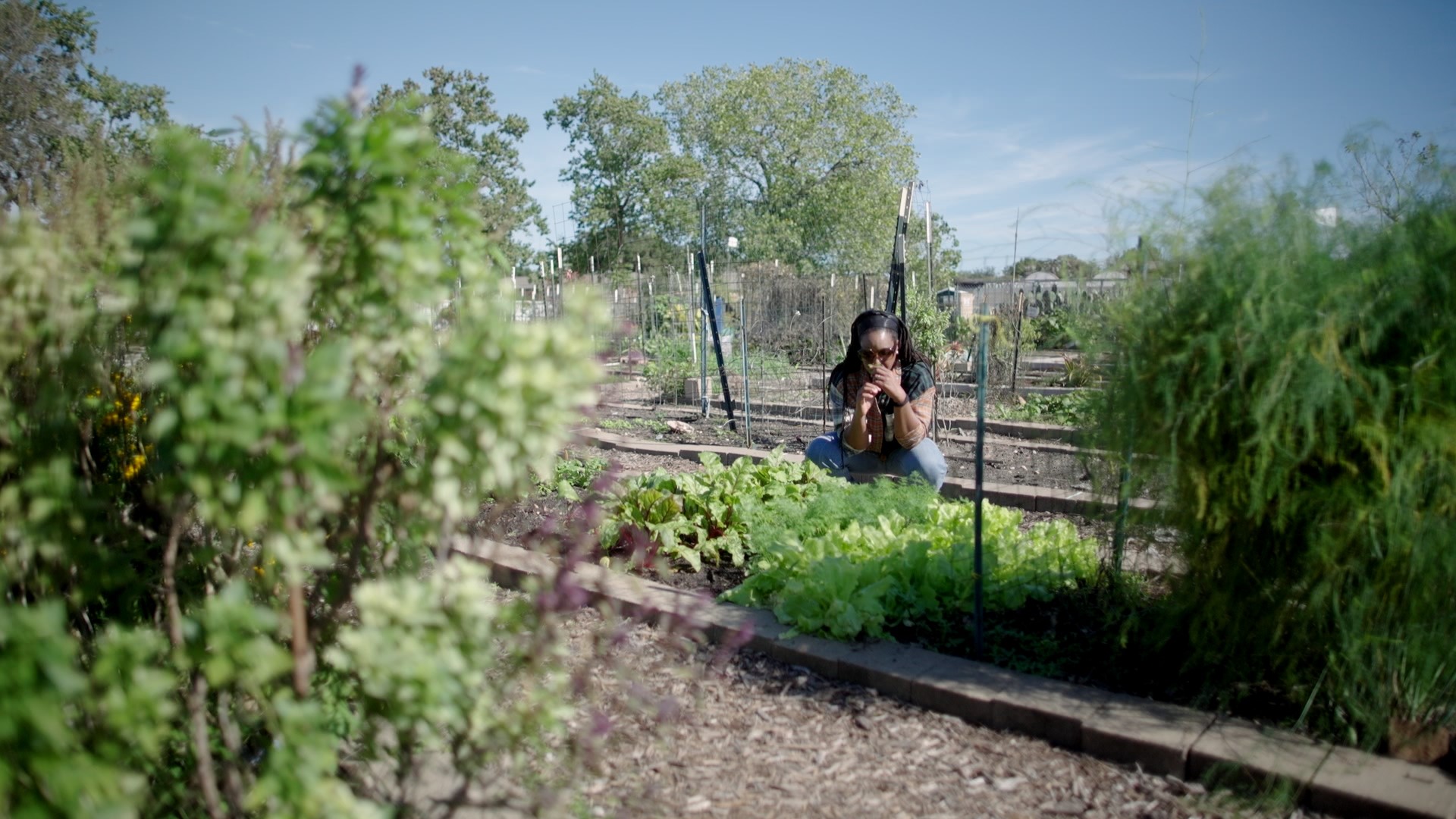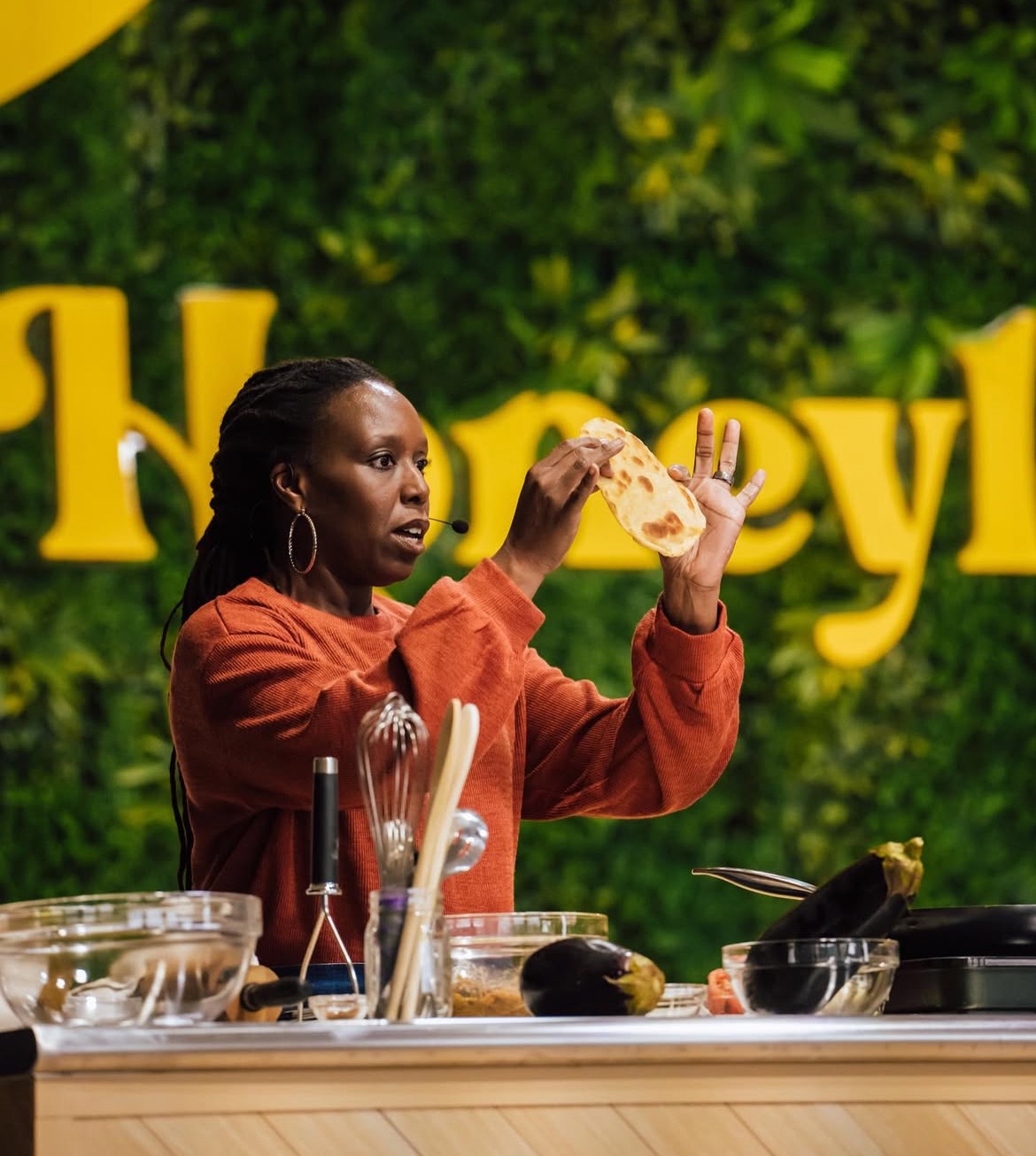





Today we’d like to introduce you to Keisha Griggs.
Hi Keisha, thanks for sharing your story with us. To start, maybe you can tell our readers some of your backstory.
My story begins where food and memory meet. I’m a Trinidadian-born, American-raised chef, and in my culture, good food always came with a great story. Cooking was never just about eating, it’s about gathering, laughter, history, and care. From a very young age, I understood that food had the power to connect people, and that understanding has guided every step of my journey.
Before becoming a chef, I spent 13 years as a PR and marketing executive. While the career was successful, it never quieted the pull I felt toward the kitchen. Eventually, I chose to honor that calling, attending The Art Institute, I fully committed to the culinary path. After graduating, I had the opportunity to work alongside some of Houston’s most respected chefs and restaurateurs, experiences that sharpened my skills and deepened my understanding of the industry while simultaneously clarifying my purpose. Over time, I realized I wasn’t just interested in how food tastes, but why it tastes the way it does. How migration, colonization, agriculture, and resilience shape what ends up on our plates.
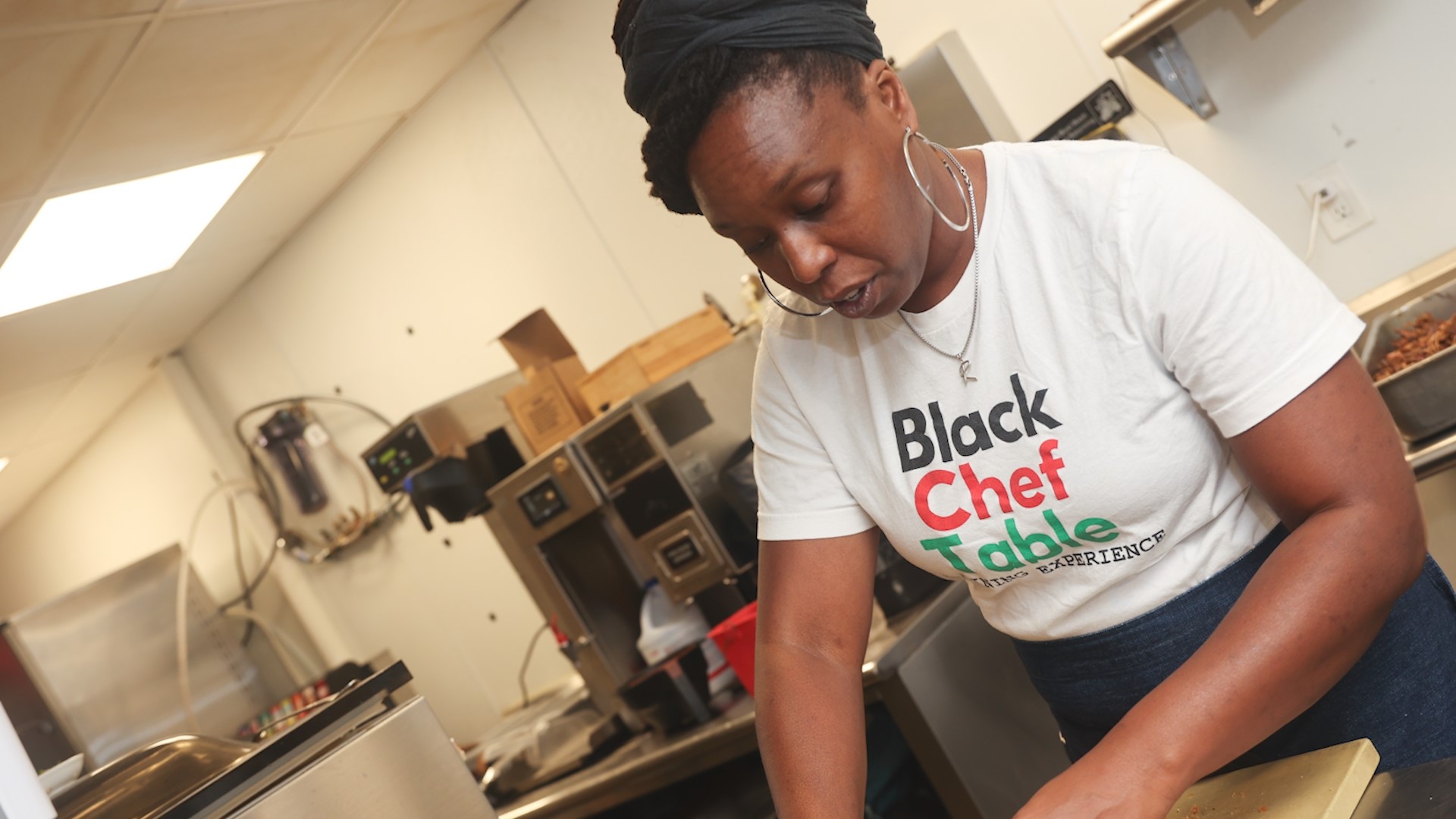
That curiosity led me to found Bocage Catering, a Caribbean-inspired, full-service catering company rooted in storytelling, seasonality, and cultural respect. That purpose is rooted in bridging community, culture, and food. My first concept, Ate Kitchen, gained a loyal following for its seasonal menus and creative vegetarian dishes and was recognized in 2021 as one of Houston’s Top Female Chefs of Color. And KG’s Kitchen, a community-centered fast-casual restaurant in Houston’s South Park neighborhood offering locally sourced, vegetable-forward meals with vegan and meat options, and operating as a zero-waste establishment in partnership with local farmers. Additionally I co-created Black Chef Table—a dinner series highlighting Afro-descendant chefs and food growers nationwide—I continue to use food as a tool for education, equity, and storytelling. Everything I do is guided by a belief that food is a powerful bridge between culture, access, and belonging.
Today, my work lives at the crossroads of cooking, research, and storytelling. I travel, study foodways, collaborate with farmers, chefs, and academics, and document the deep connections between the Caribbean, the American South, and the African diaspora. My commitment to food justice and agricultural access extends beyond the plate. I serve on the Board of Directors for Plant It Forward, an organization that empowers resettled refugee farmers in Houston by providing land, resources, and pathways to market. Their mission aligns deeply with my own values, supporting sustainable agriculture, uplifting marginalized communities, and protecting cultural food knowledge. My work with Plant It Forward fuels my desire to build stronger transnational connections between farmers, chefs, restaurants and the diaspora.
I am also co-developing Saltwater & Spice, a forthcoming cookbook exploring the culinary bridge between the Caribbean and West Africa through storytelling, travel, and photography.
Whether I’m catering an intimate gathering, developing a cookbook, or engaging in international food studies, my goal is the same: to honor where food comes from, elevate underrepresented culinary histories, and create space for culture-forward conversations through food. I see my journey not as a destination reached, but as an ongoing exploration—one plate, one story, one connection at a time.
Alright, so let’s dig a little deeper into the story – has it been an easy path overall and if not, what were the challenges you’ve had to overcome?
It definitely hasn’t been a smooth road. Transitioning from a stable career in PR and marketing into the culinary industry came with financial uncertainty, long hours, and a steep learning curve. Like many chefs, I had to navigate an industry that often undervalues labor, especially when you’re a woman of color building concepts rooted in community and purpose rather than trends.
Building food businesses in historically underserved neighborhoods has also come with challenges, from limited access to capital and resources to the constant work of educating people on why sustainability, local sourcing, and food justice matter. There were moments when it would have been easier to scale back my vision, but I chose to stay committed to the long game.
Those challenges ultimately shaped my approach. They forced me to be resourceful, community centered, and intentional about every decision. The struggles clarified my “why” and reinforced my belief that meaningful food work isn’t easy—but it’s necessary. Every obstacle became a lesson, and every lesson strengthened the foundation of what I’m building.
Can you tell our readers more about what you do and what you think sets you apart from others?
My work lives at the intersection of food, culture, and community. I’m a chef, educator, and food justice advocate, and I specialize in creating vegetable forward, culturally rooted food that’s both accessible and intentional. Whether through restaurants, catering, or educational programming, I focus on using locally sourced ingredients and honoring Afro-descendant foodways while meeting people where they are.
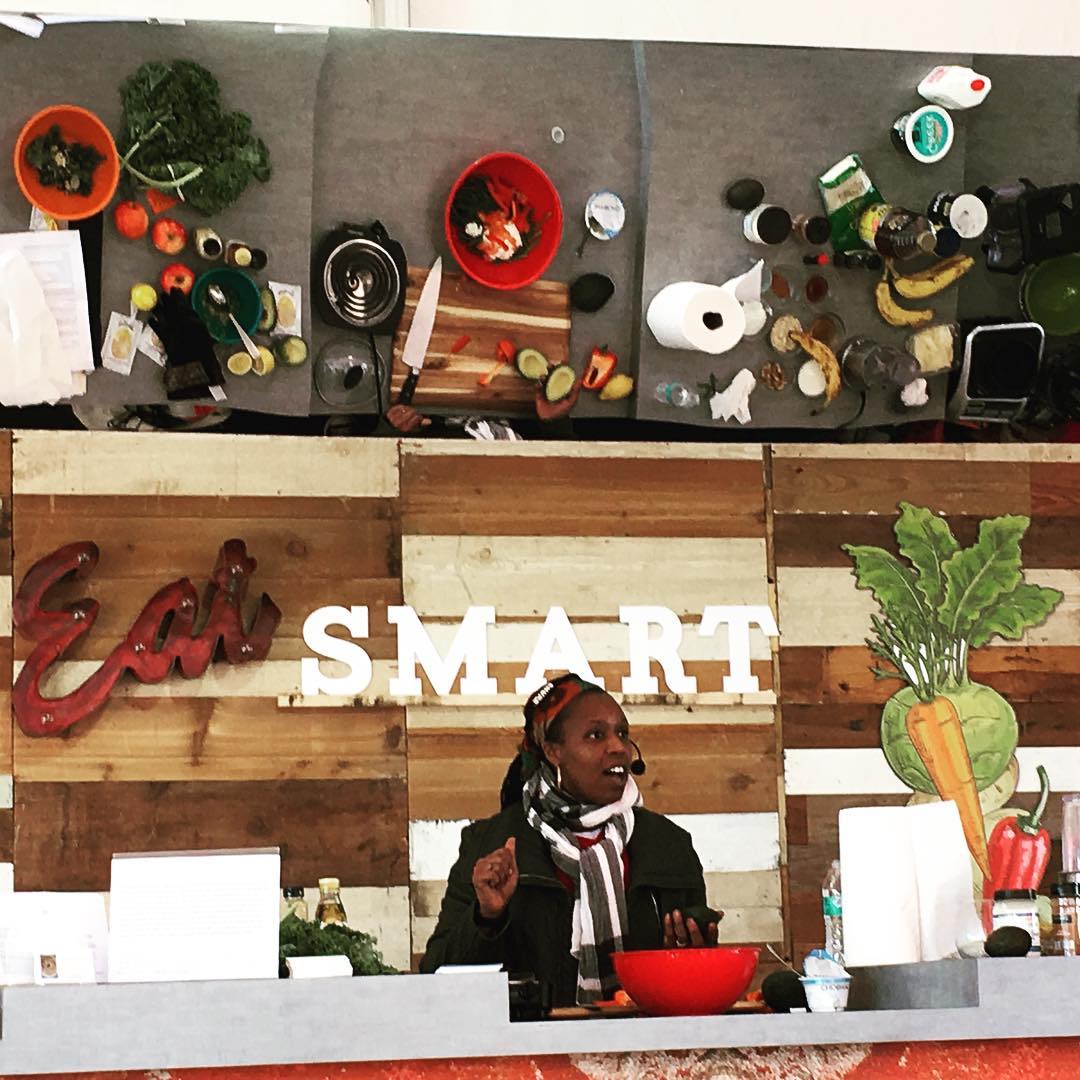
I’m known for building concepts that are deeply community-driven. KG’s Kitchen was created to bring fresh, nourishing food options to a neighborhood often overlooked for healthy access, while operating as a zero-waste establishment in partnership with local farmers. Through Bocage Catering, I highlight seasonal ingredients while teaching people how to grow, harvest, and cook food through in-person and virtual classes.
What I’m most proud of is creating platforms that uplift others. Black Chef Table is especially meaningful to me—it challenges the idea that Black food is a monolith by showcasing Afro-descendant chefs and growers from across the world. What sets me apart is that my work isn’t just about what’s on the plate; it’s about systems, stories, and sustainability. I’m intentional about building food spaces that honor culture, support farmers, reduce waste, and serve communities with dignity.
What sort of changes are you expecting over the next 5-10 years?
Over the next five to ten years, I see the food industry becoming more value driven and community accountable. People are asking deeper questions about where their food comes from, who is growing it, and who is being supported, or excluded by food systems. Transparency, sustainability, and equity are no longer niche conversations; they’re becoming expectations.
I also see a major shift toward plant-forward eating that’s culturally grounded, not trend-based. Vegetable-forward food is moving beyond “health food” labels and becoming a return to ancestral ways of eating, especially within Afro-descendant and global cuisines. Alongside that, zero waste practices and local sourcing will move from optional to essential as climate realities continue to shape how we cook and operate.
Another important shift is whose stories get told. The industry is beginning to make space for chefs who are educators, activists, and culture-bearers—not just restaurateurs. I believe the future of food will be less about ego and more about collaboration: chefs working alongside farmers, historians, and communities to build systems that are regenerative, inclusive, and rooted in place. That’s the direction I’m committed to being part of.
Contact Info:
- Website: https://Bocagecatering.com
- Instagram: Chef_keisha_griggs
- Facebook: Keisha Griggs