




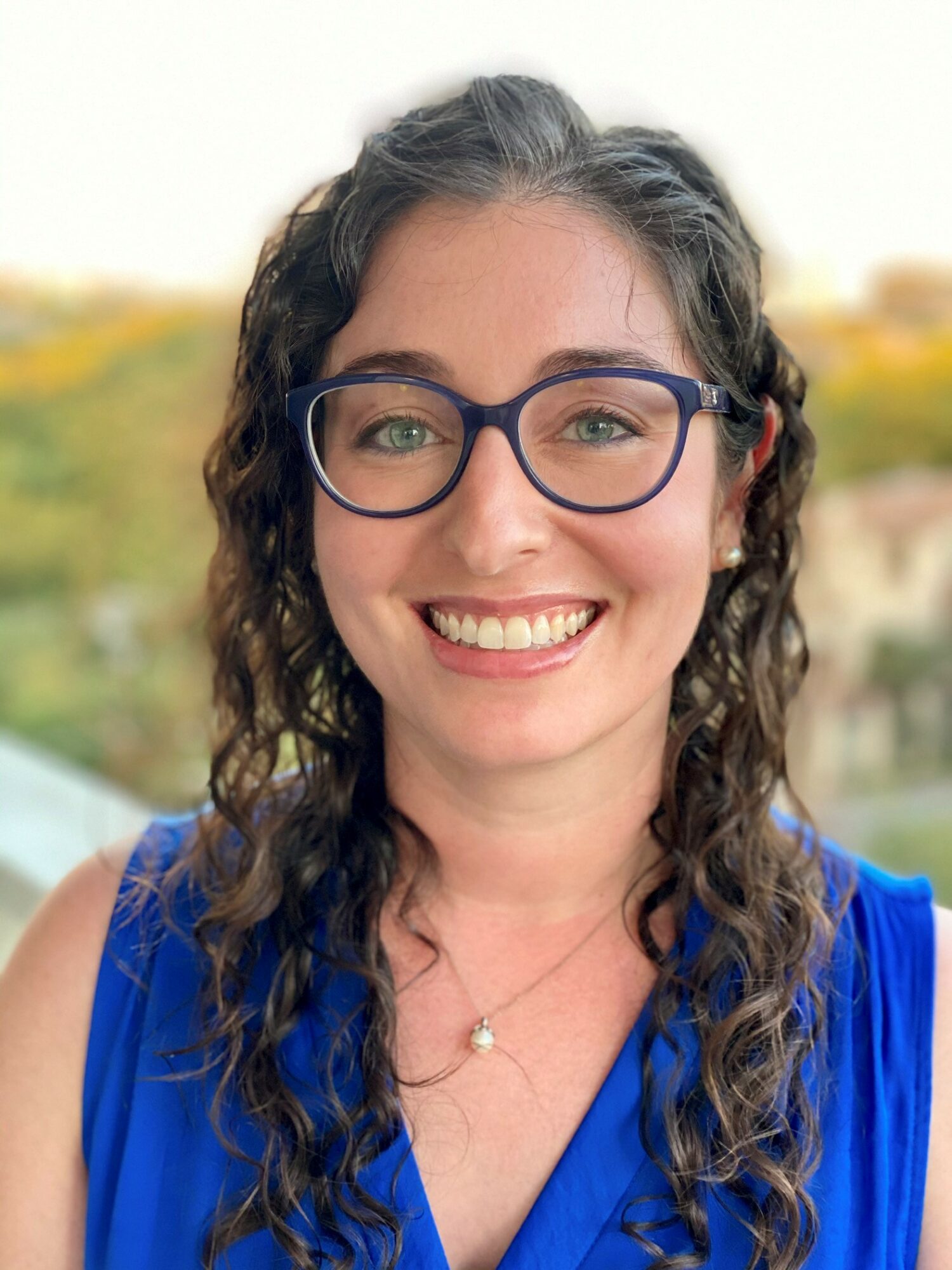
Today we’d like to introduce you to Tina Melamed Jaremko.
Hi Tina, we’d love for you to start by introducing yourself.
I’m a Houstonian born and raised. I went to Bellaire High School, then UT Austin undergraduate, and then TCU for a Master of Science in Speech Language Pathology. From there, I came back to Houston to work for HISD. After I practiced as a speech language pathologist in four schools across HISD, I realized there was a lot more nuance regarding children’s academic success that I was unable to address as a practitioner in schools. The unanswered questions I had led me to pursue my PhD. I earned a Master of Science in Applied Cognition and Neuroscience and a PhD in Communication Sciences and Disorders from UT Dallas in the School of Behavioral and Brain Sciences.
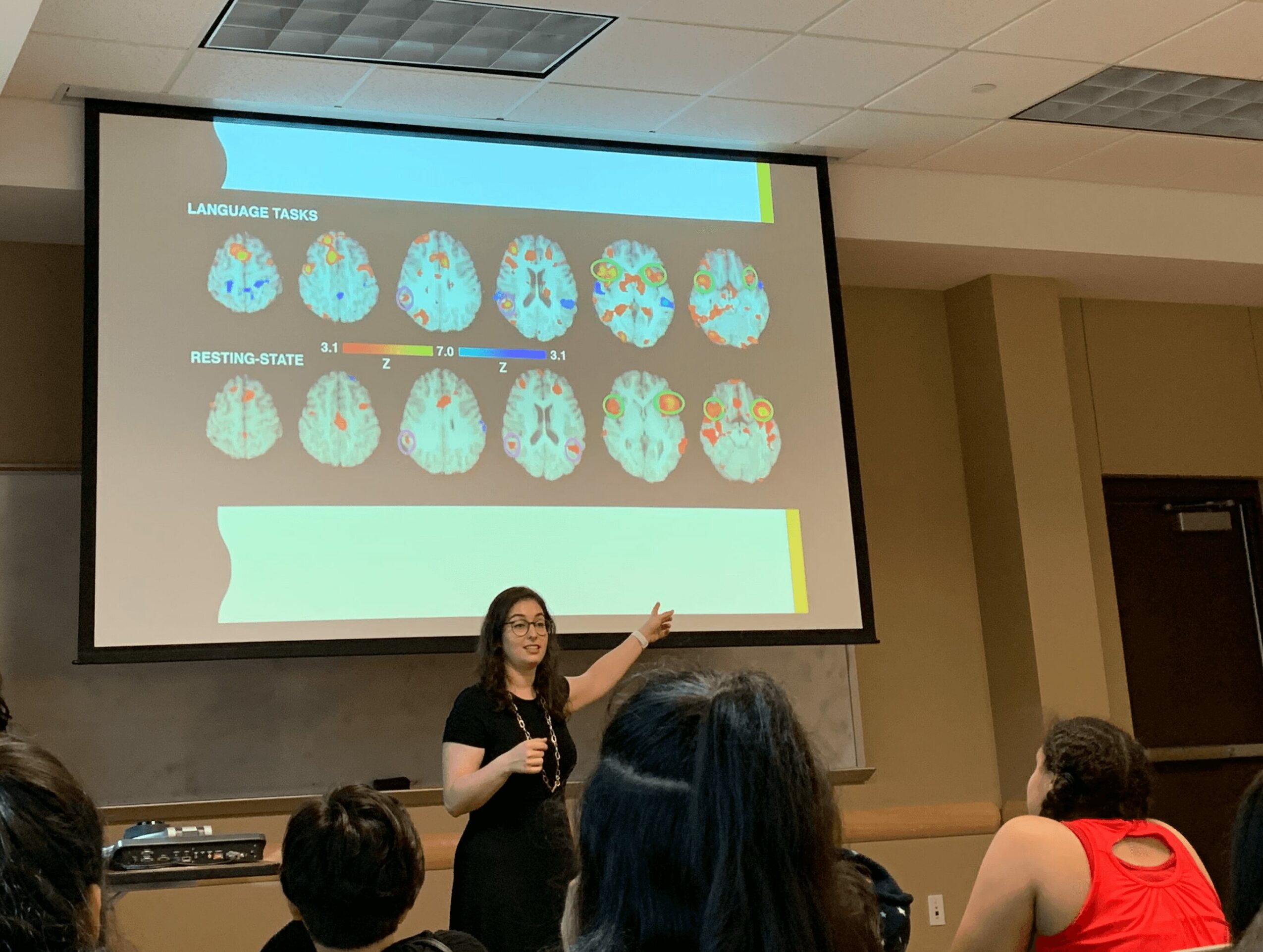
For my doctoral work, I studied the developmental and neural processes that support language development and academic success. Through that study, I came to really focus and specialize on ADHD and other neurodivergent populations. I continue to earn certifications and do extensive continuing education to stay on top of the most innovative and evidence-based practices that support neurodivergent children and their families.
I developed my private practice where I initially focused on behavioral interventions that can help children be more successful. But I quickly realized that the children who experienced the most positive change were those whose parents were actively involved and given empowerment as agents of change in their children’s lives.
Children with ADHD are objectively different to parent than children who don’t have ADHD. I realized that so many more parents wanted help, guidance, and support. From there, it was pretty obvious that there was a need in the community for this service. I provide assessments and treatments for families and their children, but in practice I focus mostly on parents, providing training, counseling, and coaching. We do one-on-one sessions, usually via video calls, because parents are busy and sometimes 45 minutes is all they can spare (not 45 minutes plus the commute).
My goal is to enhance parents’ relationships with their children and strengthen their bond. We do this by identifying their children’s superpowers and their difficulties. I use a strengths-based approach to improving upon challenges and celebrating successes.
Alright, so let’s dig a little deeper into the story – has it been an easy path overall and if not, what were the challenges you’ve had to overcome?
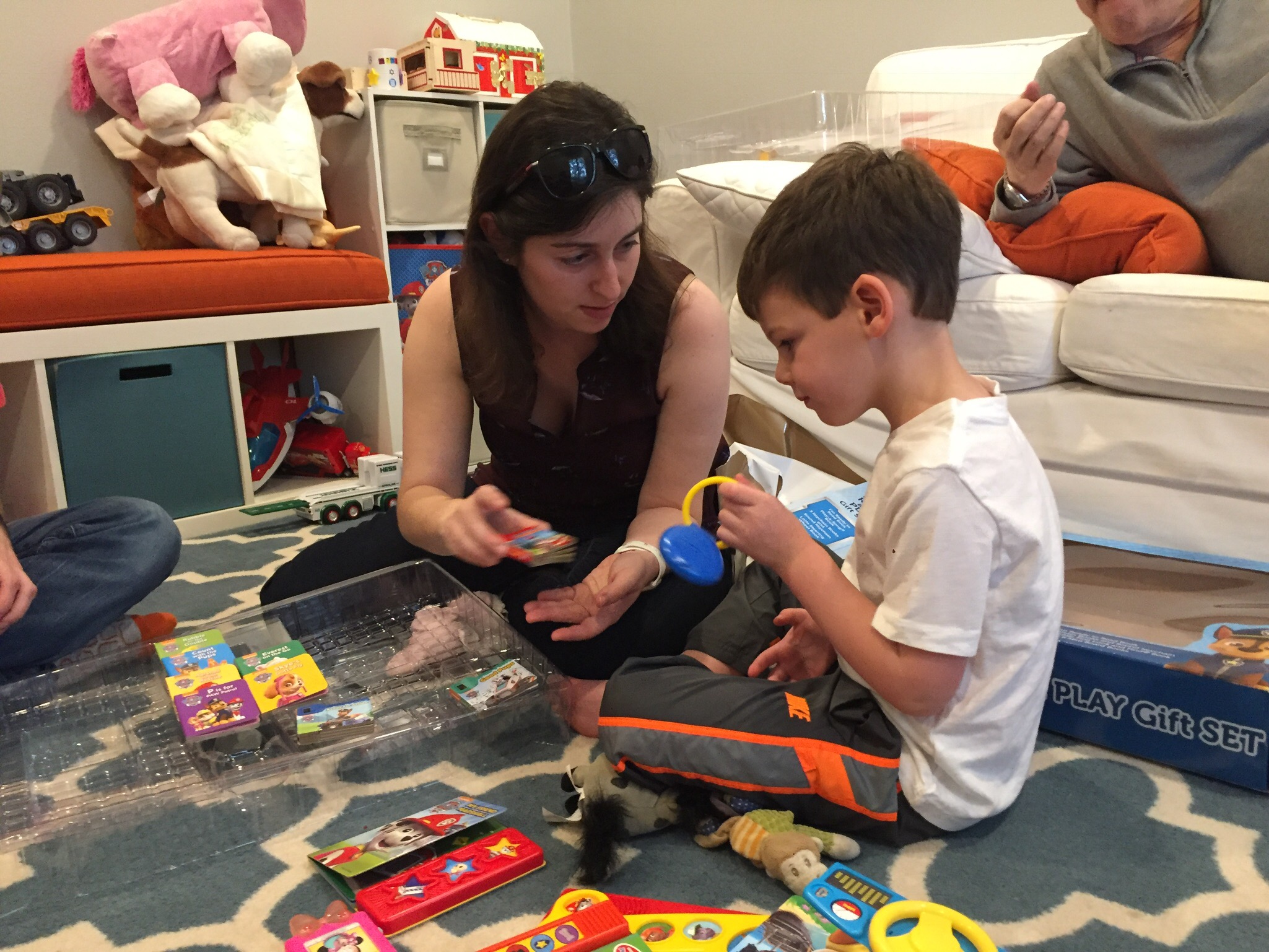
It hasn’t been a direct path. I took a few detours; I moved to LA and working briefly in the music industry, and worked at a bakery to pay the bills. I moved back to Houston when I learned my older sister was expecting her first child. I wanted to be nearby. I started looking into allied healthcare professions that I felt more passionate about. A friend of mine was a speech pathologist and took me for a ride-along one day. She traveled between homes and preschools basically bouncing babies on her lap and blowing bubbles. I thought, yeah this is for me!
I do have one funny story from my PhD program. It feels so small and makes me laugh in retrospect, but at the time it felt like a big deal. I had an analysis for one of my qualifying projects fall apart. I was so overwhelmed and disappointed that I ended up just staring at the computer in silence. It was so pointless. Eventually, I realized that even though I felt like I was coming apart, there were undergraduate research assistants looking to me as an example. I had to model resilience in a moment when I really didn’t feel like I had any. I had to get up and make it work. And I think that kind of struggle is something any parent can relate to. It makes me laugh when I remember that, because so many analyses have fallen apart since then, and so many projects have not gone as planned. But now it feels like it’s just part of the job.
One challenge that I face daily is the barrage of misinformation readily available to families. Unfortunately, the internet is rife with unqualified people who claim to have answers about ADHD. So many of them are taking advantage of vulnerable parents in order to sell something. I consider myself the antidote.
Alright, so let’s switch gears a bit and talk business. What should we know about your work?
I want parents and caregivers to understand the benefit of working with me over other providers, particularly unregulated “coaches” who lack oversight, education standards, or training. I get to offer parents the most innovative, evidence-based treatment and training. They get to receive that treatment from a highly trained, highly specialized, experienced therapist. I work to provide training for a lifetime of success and joyful parenting of some of the most interesting, creative, funny, and sometimes challenging, children.
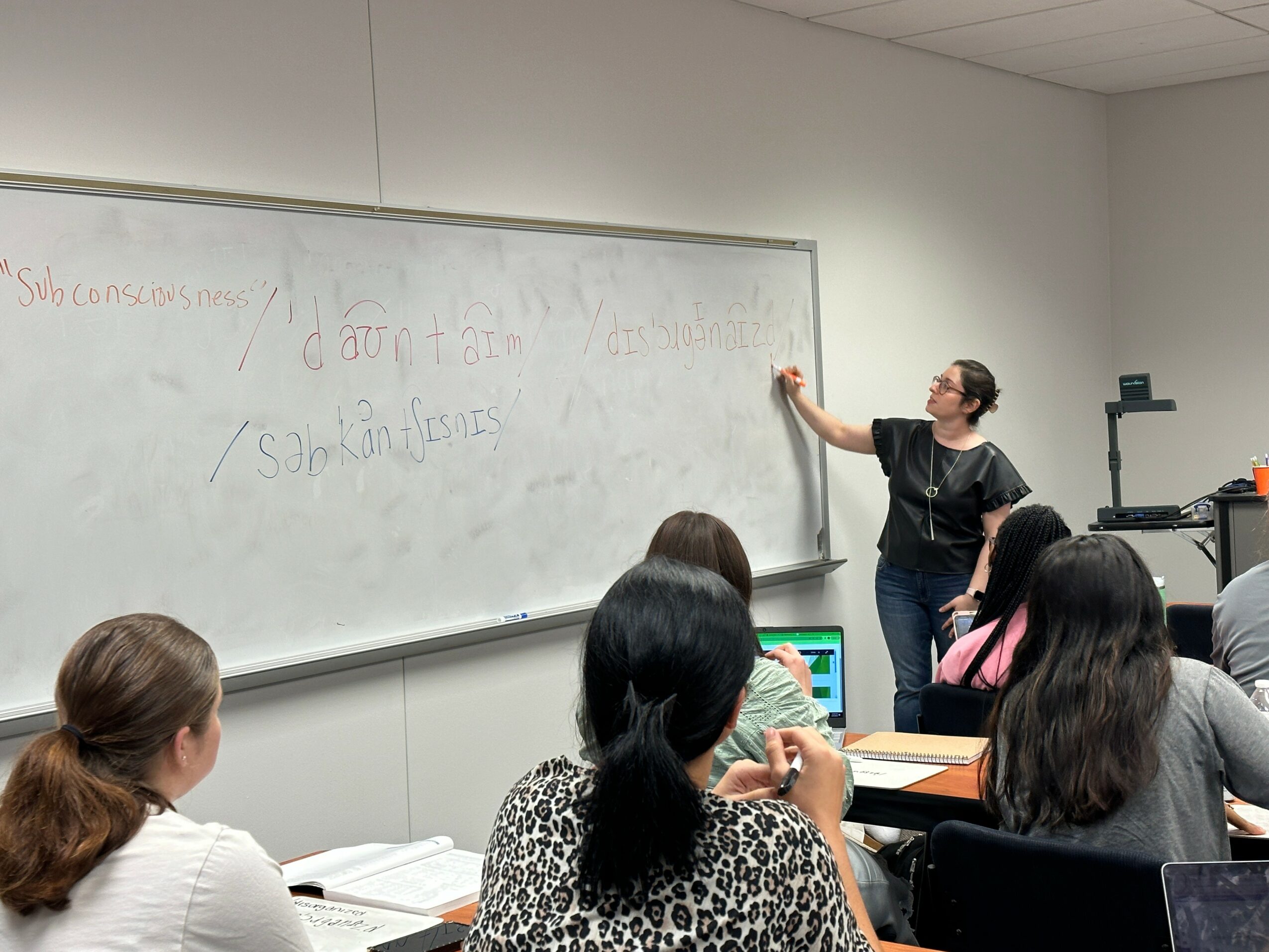
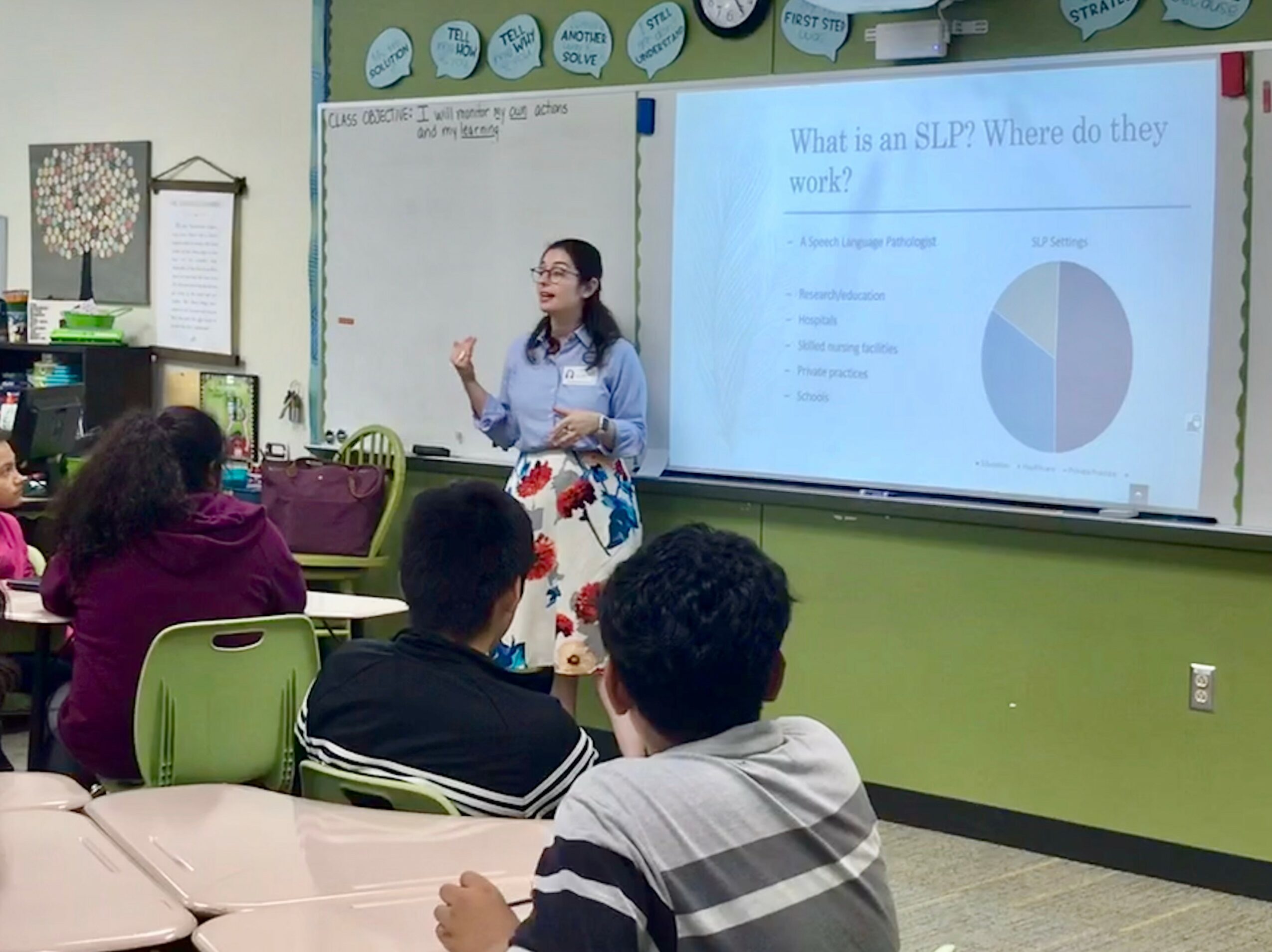
Outside of my private practice, I am also a professor. I design and teach courses, and I conduct research. I really love what I do because I get to teach the future SLPs who will make a difference in others’ lives. I get to do applied clinical research that directly benefits children, parents, educators, and speech pathologists. I am (quite literally) a neuroscientist, so I take what I do very seriously. I am constantly working to continue my education, training, and certifications to further my specialization.
I feel like all of the parts of my professional life converge toward the same long term goal: to improve the lives of children and their families. I get to approach that goal from a lot of different directions, which I feel really lucky to do.
What do you like best about our city? What do you like least?
One of the things I love most about Houston is the food! I also love the art, culture, and diversity. Those joys are admittedly dampened by traffic. I really don’t like traffic.
Contact Info:
- Website: https://www.brightideas.school
- Instagram: https://www.instagram.com/brightideasforsuccess/