
Today we’d like to introduce you to Yinka Wilson Olowokere.
Hi Yinka Wilson , thanks for sharing your story with us. To start, maybe you can tell our readers some of your backstory.
Growing up, I experienced body shaming firsthand. Those experiences shaped me, but instead of letting them define me for too long, they made me curious about why body shaming is so deeply rooted in our culture and what could be done to change it.
That curiosity led me into African Studies after my Bachelor’s degree in Music, where my research explores the intersection of body image, mental health, music, and Yoruba culture. Along the way, I took content creation seriously and used it as a powerful tool for turning research into conversations that everyday people can connect with.
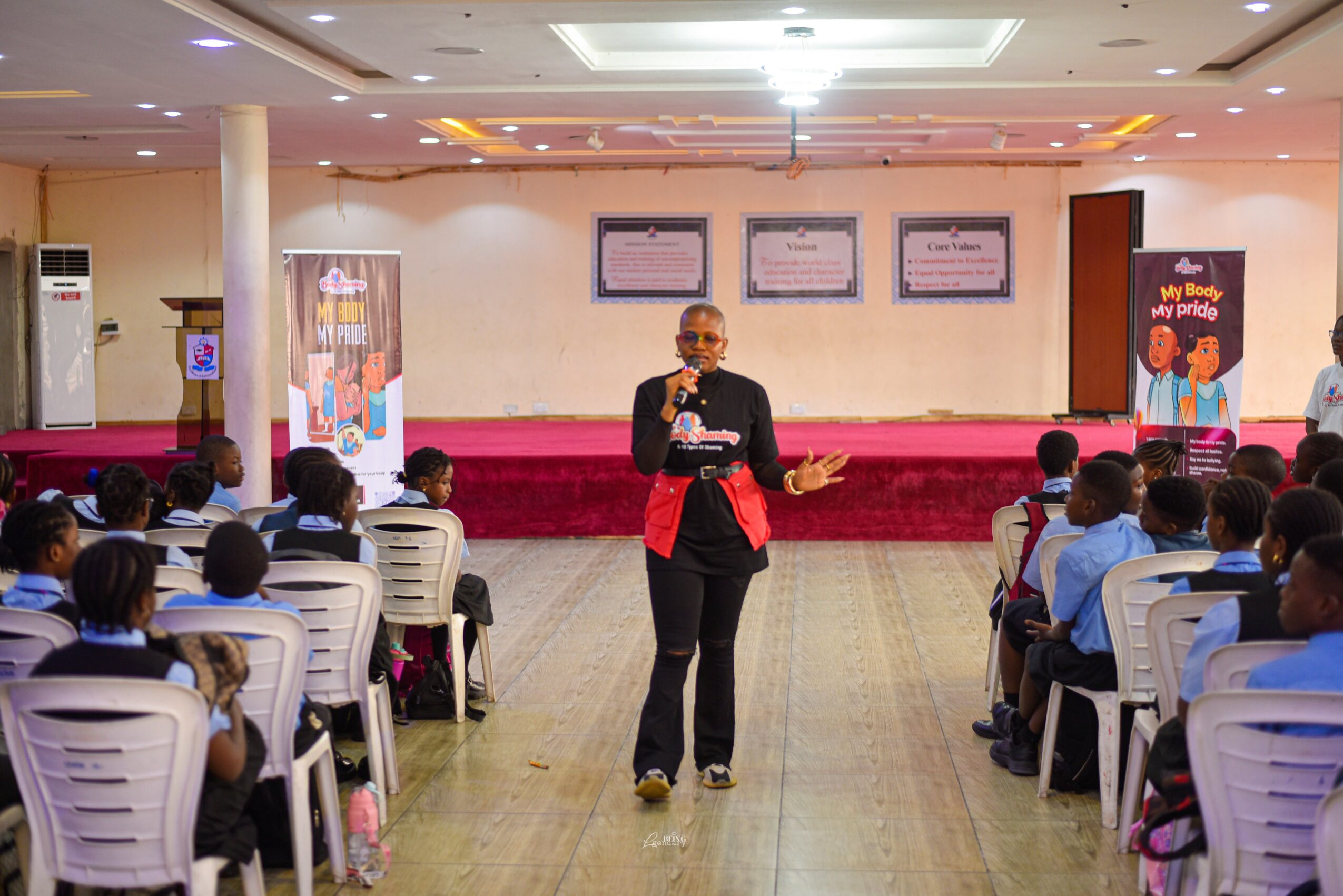
In 2020, I founded No to Body Shaming (NTBS) a community lead initiative to help build body confidence and challenge harmful beauty narratives. Since then, we’ve reached thousands of people and especially young students through school outreaches, authored our children’s book My Body, My Pride, used bilingual billboards and media campaigns to spark public conversations, and reached over 50,000 people through social media awareness campaigns.
Today, I’m a content creator, researcher, and community advocate. Whether I’m creating content for brands or leading community initiatives, my goal is the same: to use storytelling to educate, inspire, and help people see themselves with greater confidence and dignity.
We all face challenges, but looking back would you describe it as a relatively smooth road?
Not at all. One of the biggest challenges has been convincing people that body shaming is a real social issue. In the early days of No to Body Shaming (NTBS), some people dismissed our work as unnecessary, while others misunderstood our message entirely. Those experiences taught me that creating social change requires patience, consistency, and a willingness to keep showing up even when people don’t immediately understand your vision.
Funding has also been a challenge. I have had to fund the most part of this from money made from content creation. Like many grassroots initiatives, we’ve had to be creative, build partnerships, and rely on community support to sustain our work. At the same time, balancing content creation, academic research, and community advocacy has required a lot of discipline.
Looking back, I wouldn’t change any of it. Every challenge has made me a better storyteller, researcher, and leader, and each one has reinforced why this work matters.
Can you tell our readers more about what you do and what you think sets you apart from others?
I’m a content creator, mobile phone videographer, researcher, and confidence advocate. I create lifestyle, food, travel, fashion, and educational content, and over the years I’ve had the opportunity to work with more than 50 brands, helping them tell authentic stories that resonate with audiences.
One thing people often find surprising is that every piece of content I create is shot and edited on my mobile phone. I’m passionate about making creativity accessible, which is why I’ve also trained over 2,000 women through She Leads Africa on how to shoot and edit high-quality videos using just their smartphones.
Alongside my creative career, I’m currently pursuing a PhD in African Studies, where my research explores body image, mental health, music, and Yoruba culture. I’m also the founder of No to Body Shaming (NTBS), a movement dedicated to building body confidence through education, advocacy, and community engagement.
Beyond my work, I’m deeply inspired by art and culture. I enjoy creating art pieces as a hobby, and I think that creative curiosity influences everything I do—from the way I tell stories online to the way I approach research and social impact.
What I’m most proud of is building a career that doesn’t force me to choose between creativity and purpose. Whether I’m creating content for a global brand, teaching women new digital skills, conducting research, or leading a body confidence campaign, I’m committed to creating work that is authentic, culturally grounded, shows confidence and genuinely useful. I think what sets me apart is that I don’t just create content for people to watch,I create content, conversations, and experiences that people can learn from and remember.
We’d be interested to hear your thoughts on luck and what role, if any, you feel it’s played for you?
To be honest, I don’t describe my journey as luck. I believe opportunities have met preparedness.
I’ve had to work twice as hard to earn many of the opportunities I’ve received. Every brand collaboration, speaking engagement, research opportunity, or community project has been built on years of consistently showing up, learning, and improving my craft.
That doesn’t mean I haven’t benefited from people believing in me or opening doors. I’m incredibly grateful for those moments. But I also know I had to be ready when those doors opened.
If there’s one thing my journey has taught me, it’s that preparation creates confidence. I can’t control when an opportunity will come, but I can control whether I’m ready for it when it does.
Contact Info:
- Instagram: https://www.instagram.com/willdivah
- LinkedIn: https://www.linkedin.com/in/yinkawilsonolowokere