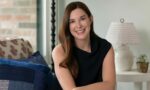

Today we’d like to introduce you to Bridget Chapital.
Hi Bridget, can you start by introducing yourself? We’d love to learn more about how you got to where you are today?
I started my career in the Texas Medical Center, working with cancer patients who traveled from all over the world for early access to treatments that could change (or even save) their lives. It was intense and meaningful work, and I loved being part of a team pushing science forward while offering real hope to the people we served.
Over time, I moved deeper into the operational side of research at organizations including Baylor College of Medicine, Houston Methodist Hospital, MD Anderson Cancer Center and Texas Children’s Hospital. I found myself breaking down research processes, ethics, and scientific concepts for patients, their families and even for other research professionals. I didn’t realize it at the time, but I was slowly becoming a translator between the world of clinical trials and the people trying to make sense of it.
Then I had kids of my own, and everything clicked. Sharing my work with them made me realize just how powerful early, accessible science education really is. I wanted my kids, and kids in my community, to see that science isn’t some distant thing locked inside a textbook. It’s creative, evolving, and completely within their reach.
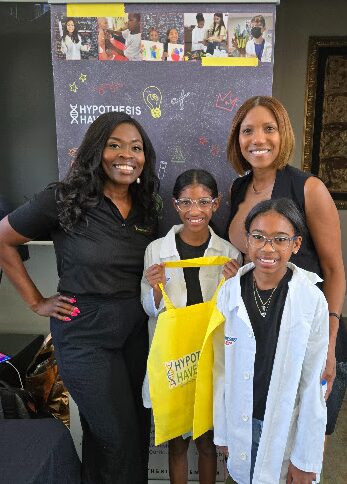
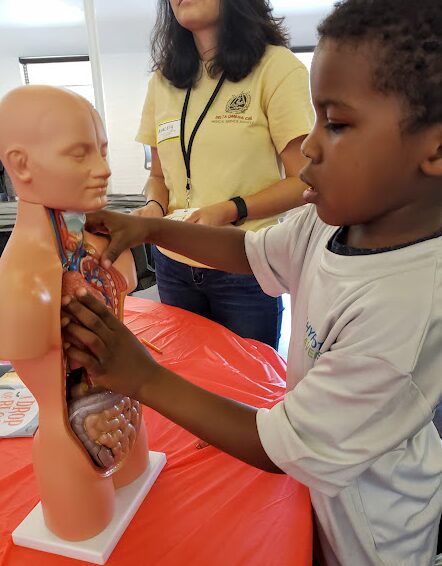
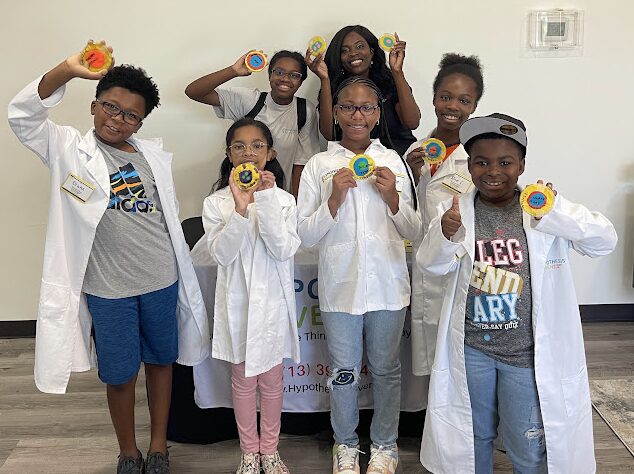
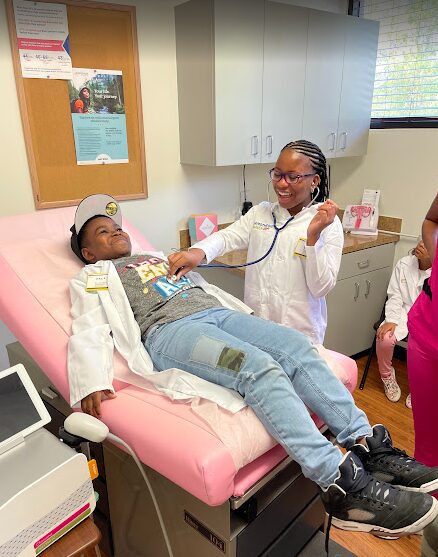
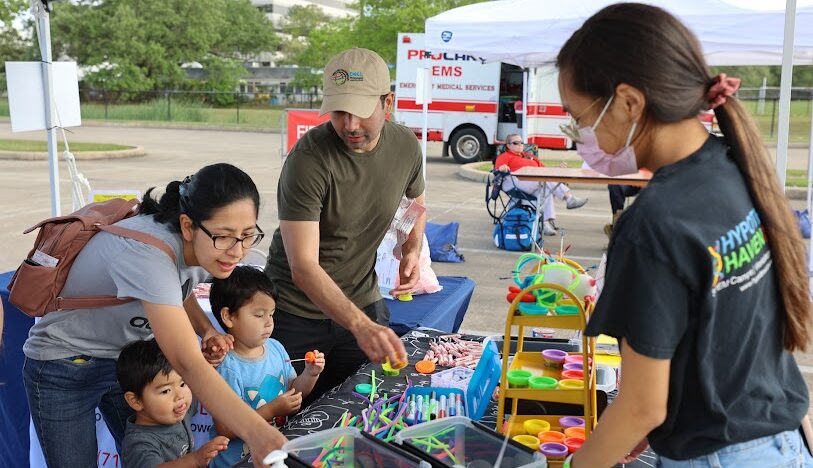
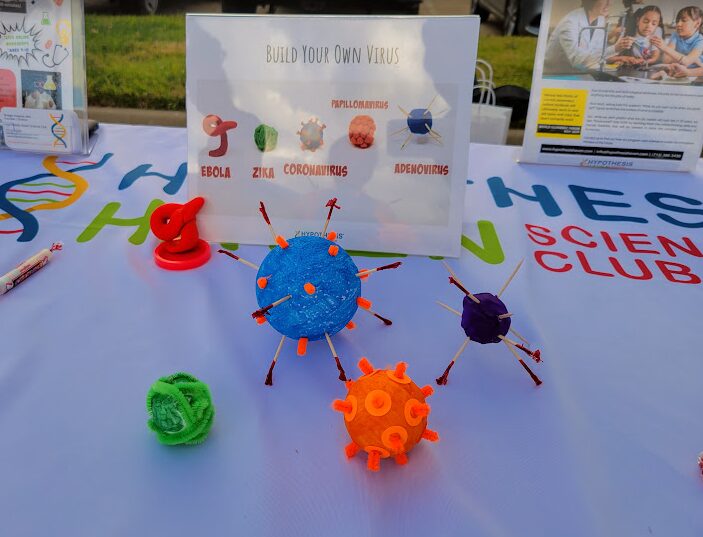
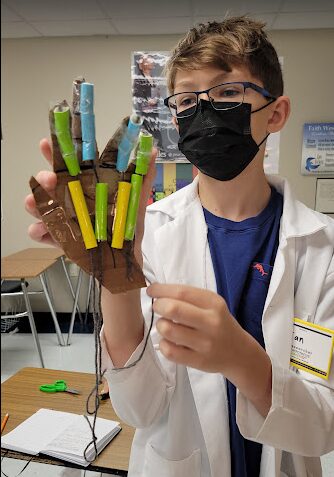
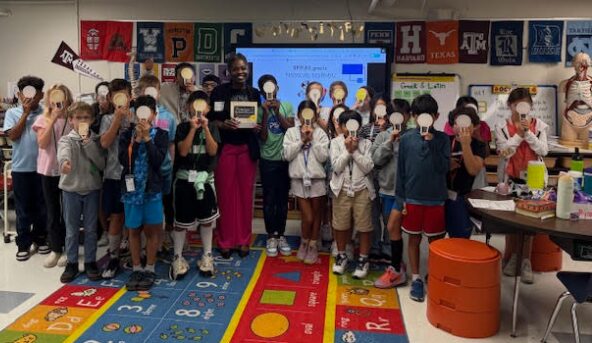
So in 2019, I created something I wish I had when I was growing up: Hypothesis Haven Science Club. It started as a small after-school program and has grown into a movement where elementary and middle school students can truly see themselves as scientists, creators, and problem-solvers. We make science culturally relevant, hands-on, and genuinely fun.
Today, we explore everything from how clinical trials work to the stories of little-known medical innovators-all through interactive workshops and pop-up events for schools, hospitals, research sites, and community organizations.
Would you say it’s been a smooth road, and if not what are some of the biggest challenges you’ve faced along the way?
It definitely hasn’t been a smooth road, but the speed bumps along the way are what pushed Hypothesis Haven to become what it is today.
We started out in Fall 2019 as an after-school program to teach kids about clinical research. We were just settling into a groove when the pandemic hit. Overnight, schools (and after-school programs) closed down. It felt like the timing couldn’t have been worse, but that setback became a silver lining.
The closures forced us to expand beyond the after-school model. We started hosting online pop-ups with at-home science kits to reach kids in completely new ways. All of a sudden, we weren’t just an after-school club anymore; we were a flexible, science education program serving kids wherever they were.
Something else happened during the pandemic that we didn’t anticipate: clinical trials suddenly became front and center. For the first time in my research career, the whole world was curious about the work I had been doing for years behind the scenes. People who had never paid attention to how treatments made it from the lab to the pharmacy shelves were suddenly hearing about it every night on the news. Kids were asking questions and parents were trying to understand how vaccines were developed.
That visibility and interest was proof that science communication mattered and that kids and families needed the tools to understand, and make decisions, about what was unfolding around them.
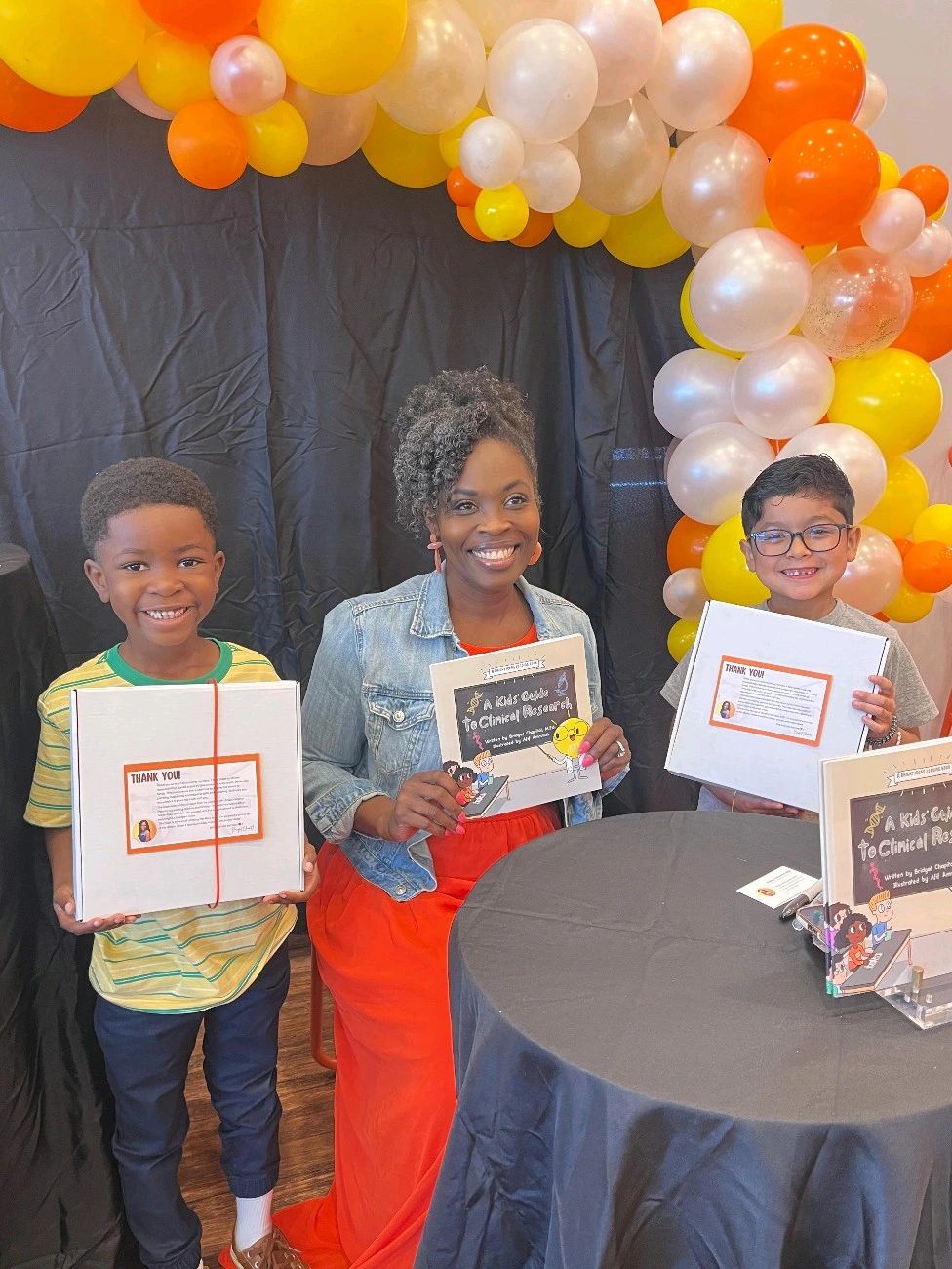
It pushed Hypothesis Haven to incorporate more real-world concepts into our workshops, and inspired me to start writing my book, A Kids’ Guide to Clinical Research, which was published in Fall 2025.
The book is a full-circle moment that has led us back to offering school-based workshops and has also expanded the audience of kids and curious adults who I can teach about clinical reasearch.
As you know, we’re big fans of Hypothesis Haven Science Club. For our readers who might not be as familiar what can you tell them about the brand?
Hypothesis Haven Science Club is all about creating those “light bulb” moments where kids discover that science isn’t something done far away in a lab, it’s something they can be part of.
I’m most proud of the fact that parents, teachers, and healthcare teams invite us into kids’ lives, whether they’re learning in a classroom or navigating a pediatric diagnosis. We partner with schools, hospitals, museums, libraries, and community centers-anywhere that kids and families gather. And the opportunity to bring clarity, and confidence through science education is not something I take lightly.
We’re building a culture where kids see themselves as scientists, innovators, and informed decision-makers. Whether it’s through books, workshops, or community events, our goal is to spark curiosity, build understanding, and help the next generation realize that their bright ideas really can change the world.
Do you have recommendations for books, apps, blogs, etc?
One of my favorite business podcasts is “How I Built This.” I love hearing the stories behind how big companies got their start and all the challenges and creative solutions that founders discovered along the way. It reminds me of the challenges that many scientists face while trying to develop treatments that will one day become commonplace.
I also spend a lot of time following health and science stories in the news and from medical professionals online. I pay attention to the content, but also to how it’s being communicated. That’s especially important because a lot of people feel more comfortable turning to social media for their medical information these days than they do talking to their own doctor.
For people to actually understand the science and feel confident in making decisions about their health, it’s important for me to share accurate information in a way that is relatable.
Contact Info:
- Website: https://www.brightideasloading.com
- Instagram: https://www.instagram.com/clintrialslady
- LinkedIn: http://linkedin.com/in/bchapital
- Other: https://stats.sender.net/forms/e5yVQA/view