




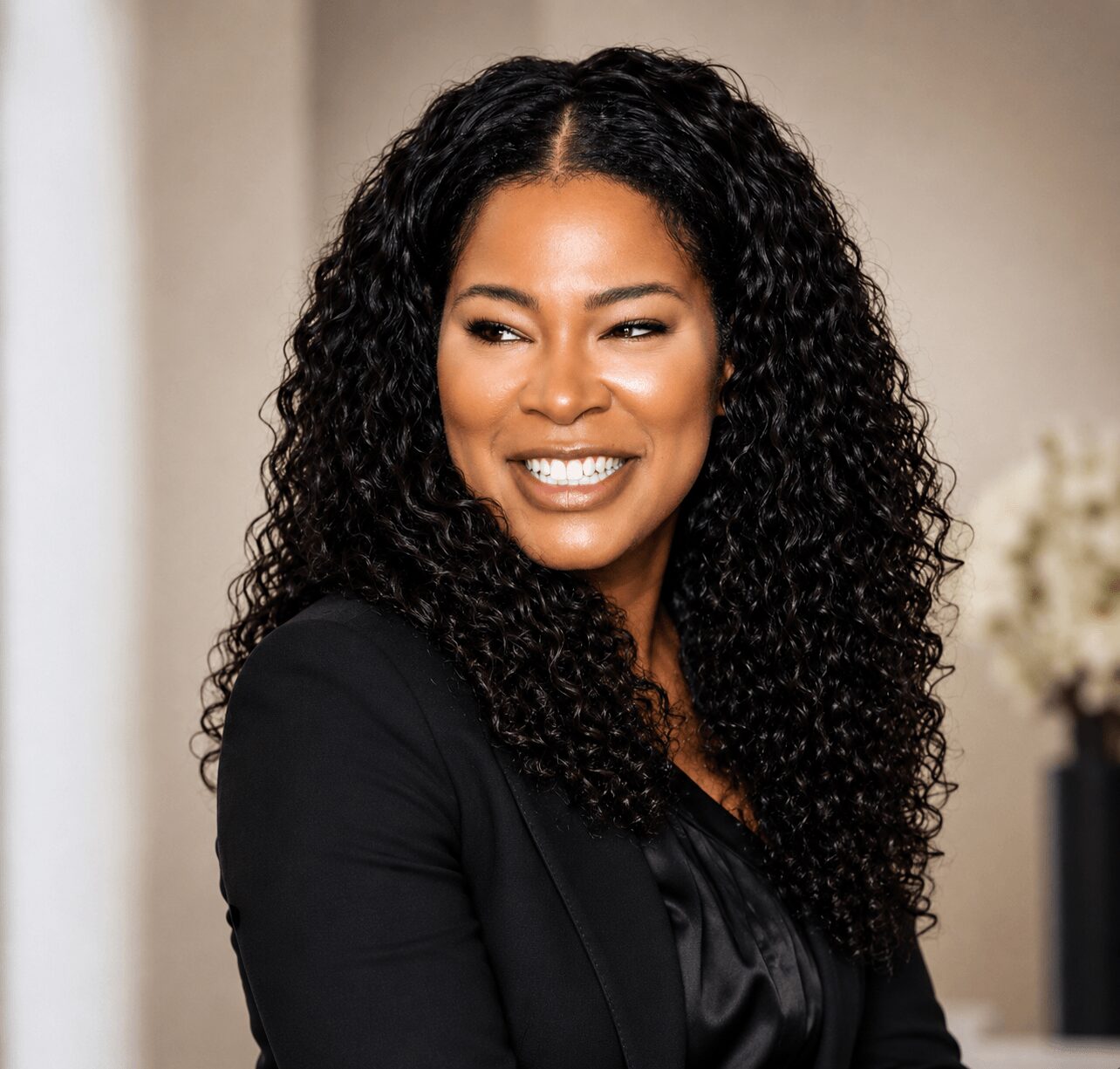
Today we’d like to introduce you to Corli Simmons.
Alright, so thank you so much for sharing your story and insight with our readers. To kick things off, can you tell us a bit about how you got started?
I grew up in the 1980s with an older brother who has autism, and I watched my parents struggle to find support and answers for his needs. Because many people did not understand why he was seen as “different,” I naturally became his protector, which made me more aware of—and passionate about—supporting people with mental health and developmental disabilities.
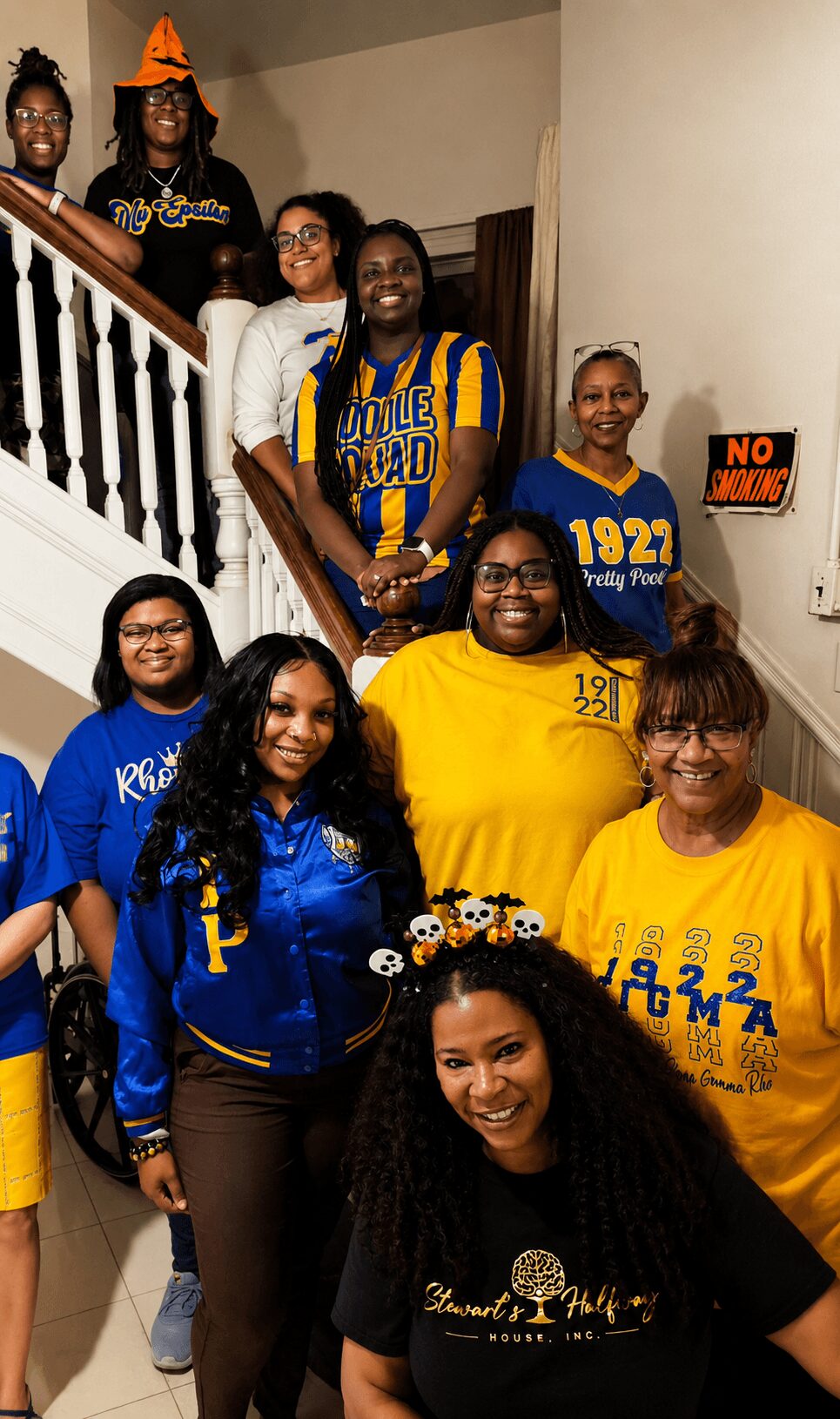
Around age 16, my grandmother noticed that passion in me. She founded Stewart’s Halfway House, Inc. in 1971 with just two clients, and today we serve up to 20 residents. I started working there at 17 as an administrative assistant, but I was also hands-on with residents, served on the advisory board, helped with fundraising, and did whatever needed to be done.
After four years, I left to attend Texas Southern University because I wanted to find my own path—though Stewart’s was always part of my life. In 2002, after my grandmother had two strokes, I returned to Beaumont to help run the business for two years. I then moved back to Houston, worked in oil and gas, and continued serving on Stewart’s board. Four years later, I was laid off and moved back to Beaumont. While searching for a new career, I volunteered at Stewart’s every day as my grandmother’s health continued to decline.
Because she had seen my commitment to the residents and the mission, my grandmother asked me to take over as Executive Director. I hesitated at first, but I felt strongly called to do it. Soon after I stepped into the role, there was major turnover among staff and board members, and I had to rebuild from scratch. It was overwhelming, but I put on multiple hats, hired a new team, formed a new advisory board, and learned along the way. Eleven years later, I’m still here doing what I love—supporting adults with mental health challenges as they work toward independence, and giving families comfort, understanding, and a much-needed break. The work is hard, but our clients remind me why it matters—sometimes just by stopping by my office or meeting me at my car because they’re happy to see me. That’s what keeps me going. We are family.
Would you say it’s been a smooth road, and if not what are some of the biggest challenges you’ve faced along the way?
Not at all—haha. But that’s how you learn, right? One of the biggest challenges for a nonprofit is funding. Funding is essential, yet it can be hard to come by. Grants aren’t guaranteed, and there are limited options for adults with mental health disabilities. Securing consistent support can feel nearly impossible. Fundraisers help, but they don’t always bring in enough. We’re deeply grateful to our local church partners—Fellowship B.C., Starlight B.C., and Bethel B.C.—who faithfully support our organization. We’re truly blessed to have them. Thank you!
Another challenge is finding dependable staff. We’re thankful to have reliable help right now, but it can still be difficult to find the right people to hire and to consistently cover shifts.
Food is another major expense—we provide three meals a day for 16 adults, and the cost adds up quickly.
On top of that, we work hard to keep day-to-day operations running smoothly. We know we can’t please everyone, but we do our best.
Alright, so let’s switch gears a bit and talk business. What should we know?
Stewart’s Halfway House, Inc. is a private nonprofit organization that provides a transitional, structured living environment for adults with serious mental illness and intellectual disabilities. We serve men and women, typically ages 21–75. Our purpose is to offer a safe home where residents can experience semi-independent living with the support and supervision they need. While some residents may live with us long term, our ultimate goal is to help each person build the skills and confidence to live as independently as possible in the community.
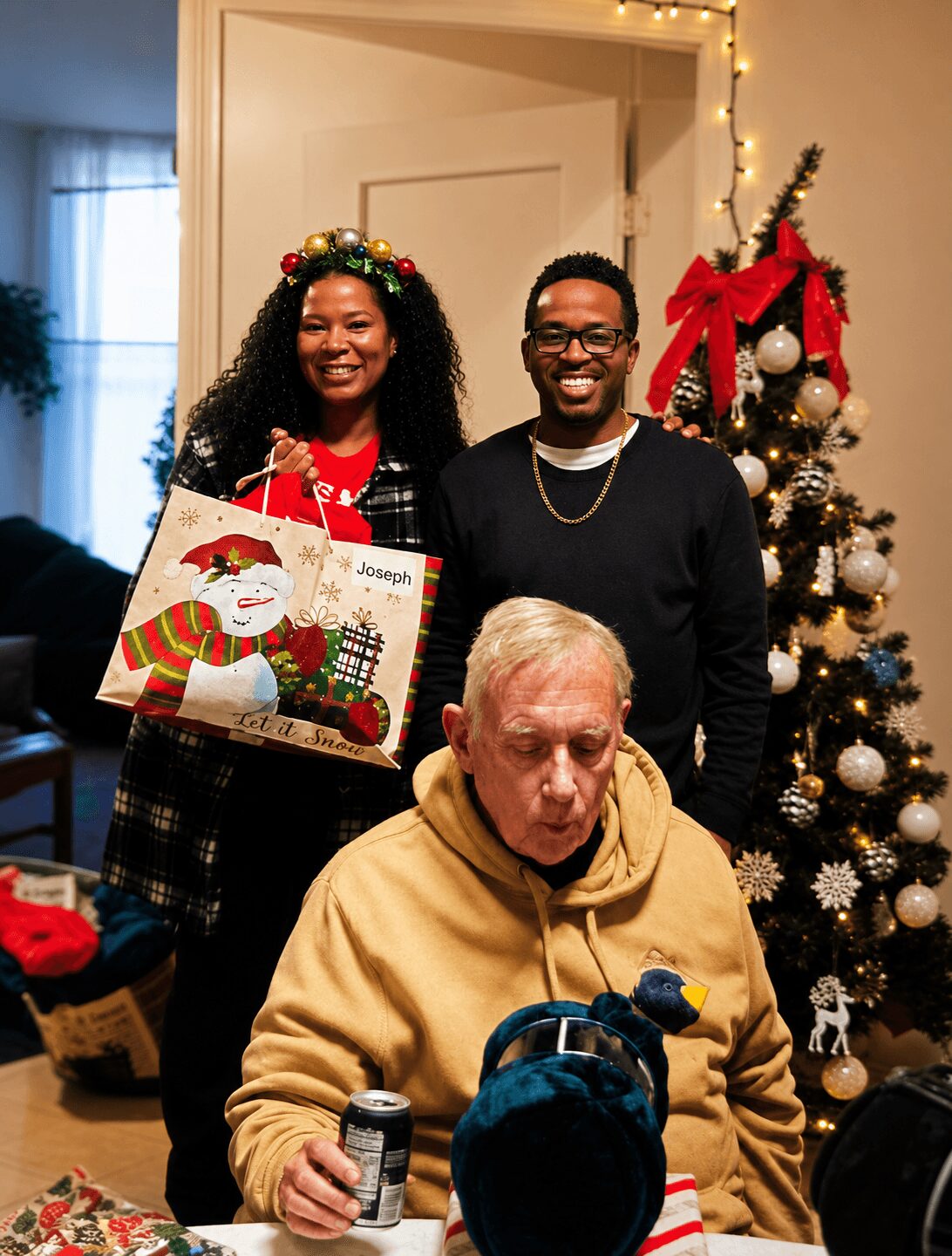
In a warm, home-like setting with 24-hour supervision, we support residents in developing healthy routines, daily living skills, positive habits, and social skills. Our services include three meals a day, limited transportation, medication support, recreation, and life-skills training. For 55 years, we have been honored to serve our community—and we strive to treat every resident with dignity, respect, and the care you would expect from family.
One of the moments that stays with us is when a new resident arrived carrying everything they owned in a single bag—and very little confidence that life could improve. In the early days, progress looked small: showing up for meals, taking medication on time, joining an activity in the living room. Over time, those small steps became steady routines. With consistency, encouragement, and a safe place to land, that resident began taking pride in daily choices again—and eventually transitioned to more independent housing with ongoing community supports. Stories like this remind us that healing is often quiet and gradual, and that stability, dignity, and belonging can change a life.
We specialize in supporting aging adults with mental health disabilities. Some residents have called Stewart’s home for decades, while others stay for a shorter season. In 2025, Corli earned a certification in Aging Mental Health and Severe Mental Illness (Administration) through The University of Texas at Austin School of Nursing.
As we move forward, we are building a stronger brand and expanding our reach so we can support more adults and families who need stability, guidance, and care. We look forward to growing by developing additional homes and exploring assisted living partnerships across Jefferson and Harris counties. Our experience has taught us what matters most: safe, structured environments where residents feel they belong and staff genuinely care.
We remain committed to serving our community in more ways than one, and we welcome opportunities that allow us to grow and help as many people as possible. We also believe in second chances—both for the people we serve and the people we hire—because everyone deserves the opportunity to rebuild, contribute, and thrive.
Are there any important lessons you’ve learned that you can share with us?
I’m still learning this lesson: you can’t please everyone. My feelings get hurt sometimes when people do me wrong. I try to help everyone who walks through my door—from the staff I hire to the residents we care for—and I truly pour myself into it. And still, I’ve been burned, taken advantage of, talked about, and lied on… you name it. It hurts. But I’m learning not to carry every word and every moment like it defines me, even when it feels personal.
When you’ve given your blood, sweat, tears—and yes, your money (lol)—to something you love, it’s hard not to feel it deeply. Running a business isn’t easy, and caring for people the way we do takes real heart. You either have the drive, passion, and desire for it, or you don’t. And on the days it feels heavy, I’ve learned it’s okay to cry for a minute… then wipe my face, pray, and get back to work. It will be okay. And I truly believe blessings follow the work you do with love.
Contact Info:
- Other: [email protected]