





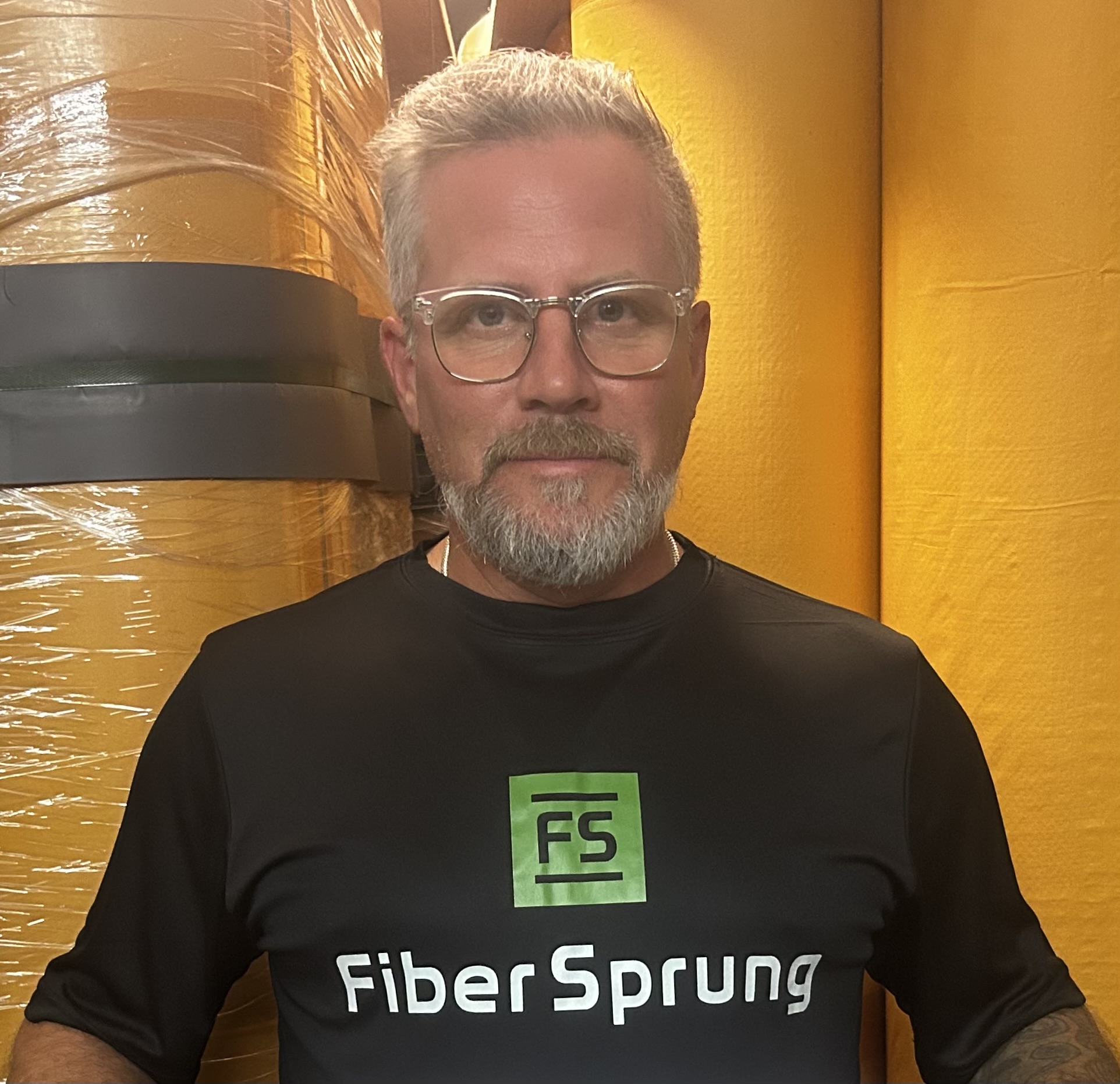
Today we’d like to introduce you to Spencer Hering.
Hi Spencer, thanks for joining us today. We’d love for you to start by introducing yourself.
I danced ballet professionally for 20 years. I’ve always been interested in how things go together and during less busy times dancing I got a side job building dance floors during the dance reality show craze in the mid 2000s. I built hundreds of wooden sprung dance floors. These floors are expensive, heavy, not portable, and easily susceptible to water damage. Furthermore, the industry’s idea of “innovating” these sprung floors involved cheapening them by making them squish with foam rather than actually rebound or spring. I always thought there could be a better way.
The weekend of my final show as a professional dancer, my good friend Micah Reyes was visiting me. Micah is a mechanical engineer with a focus on composites and an entrepreneurial and inventive mind. I asked him about different materials which we could use to improve sprung floors, based on the original wooden basket-weave design and before the show we spent hours researching materials and drawing how these floors could be built. Months later, Micah sent me a package of some rubber parts he had fabricated, and I built a little 4×4 prototype on my back patio, and it performed amazingly.
In the years since then, we’ve built our team adding expert composites technician Chase Crawford and business development expert Zach Schulze and have slowly grown the company one floor at a time. We’ve designed 3 new floor designs since then, covering many segments of the market; and have current research and development to innovate even further to push permanent sprung floors to places where they’ve historically not existed — outdoors. Our floors are everywhere from home studios, to the most prestigious dance colleges, professional ballet rehearsal studios, and major theme parks. Architects have told us that based on the longevity, portability, and repairability of our floors, they’re a no-brainer purchase over the competition.
Can you talk to us a bit about the challenges and lessons you’ve learned along the way. Looking back would you say it’s been easy or smooth in retrospect?
This business has been rewarding but challenging every step of the way. Our first and biggest hurdle was a chicken and egg problem. We knew we had the best dance subfloor design from day 1. We just couldn’t convince people of it, because we had not installed an entire floor yet. In order to build a floor, we had to invest tens of thousands of dollars to build a temporary floor for our local ballet company’s Nutcracker. This floor went into storage for months, and then we sold it at a loss to a small rental dance studio in Downtown Manhattan. Luckily, this floor in New York was routinely rented by a prestigious dance program at a large private university, and they have used our floors since then. Having this floor in Manhattan put us on the map and allowed us to slowly grow to where we are today.
Furthermore, we unknowingly started the company with our most expensive product to this day. Much of our R&D has been in ways to release more affordable floors for profile of customer. This push for affordability, cannot go against our core values of consistency, sustainability, and repairability. Sprung floors are expensive and we want our floors to last forever for the best of our customers.
Thanks – so what else should our readers know about FiberSprung?
FiberSprung is the future of sprung flooring. Our patented fiberglass grid provides the spring to our floors ensuring sustainable, consistent support for years. Our floors are portable and can move with you from studio to studio, or even resold. We offer sustainable floors at almost every budget.
Sprung floors prevent injuries and promote joint health with the users of the floor. They provide shock absorption for sports activities reducing pain and fatigue. The basket weave sprung floor is an ancient martial arts sprung floor design which became popular in the dance industry.
What sets us apart the most is our sustainability in longevity. Our competitors largely use rapidly deteriorating and easily damaged materials such as wood and foam. The use life of their floors is anything from 6-15 years. Their spring characteristics begin to slowly deteriorate from Day 1 until they’re not helping the joints of the dancers using their floors by the end of their use life. Other than our plywood surfaces, our floors are made of fiberglass, metal fittings, and rubber rated to last 30+ years. Our floors truly last forever.
Since our floors last forever, we designed them from Day 1 to be portable and easy to repair. This means a FiberSprung floor is an asset. As they’re an asset they can be resold, financed, and even insured. Lastly, our floors are the in the same price range as our competitors, meaning it’s a true no brainer to purchase a FiberSprung floor.
We’re proud to have transformed an age old industry for the better with the use of modern materials.
What does success mean to you?
I define success in our business as building a sustainable new product the world has never seen before; and transforming my industry for the better with it.
There is little money in the arts, and this money must be spent wisely. Our product is a financial asset for the arts, replacing old technology which was a depreciating money sink.
We don’t want our floors to ever go to a landfill, and believe reducing waste makes the world a better place.
Pricing:
- FiberSprung pricing is as low as $19 per square foot including installation
Contact Info:
- Website: https://fibersprung.com
- Instagram: https://instagram.com/fibersprung/
- Facebook: https://facebook.com/FiberSprung/