





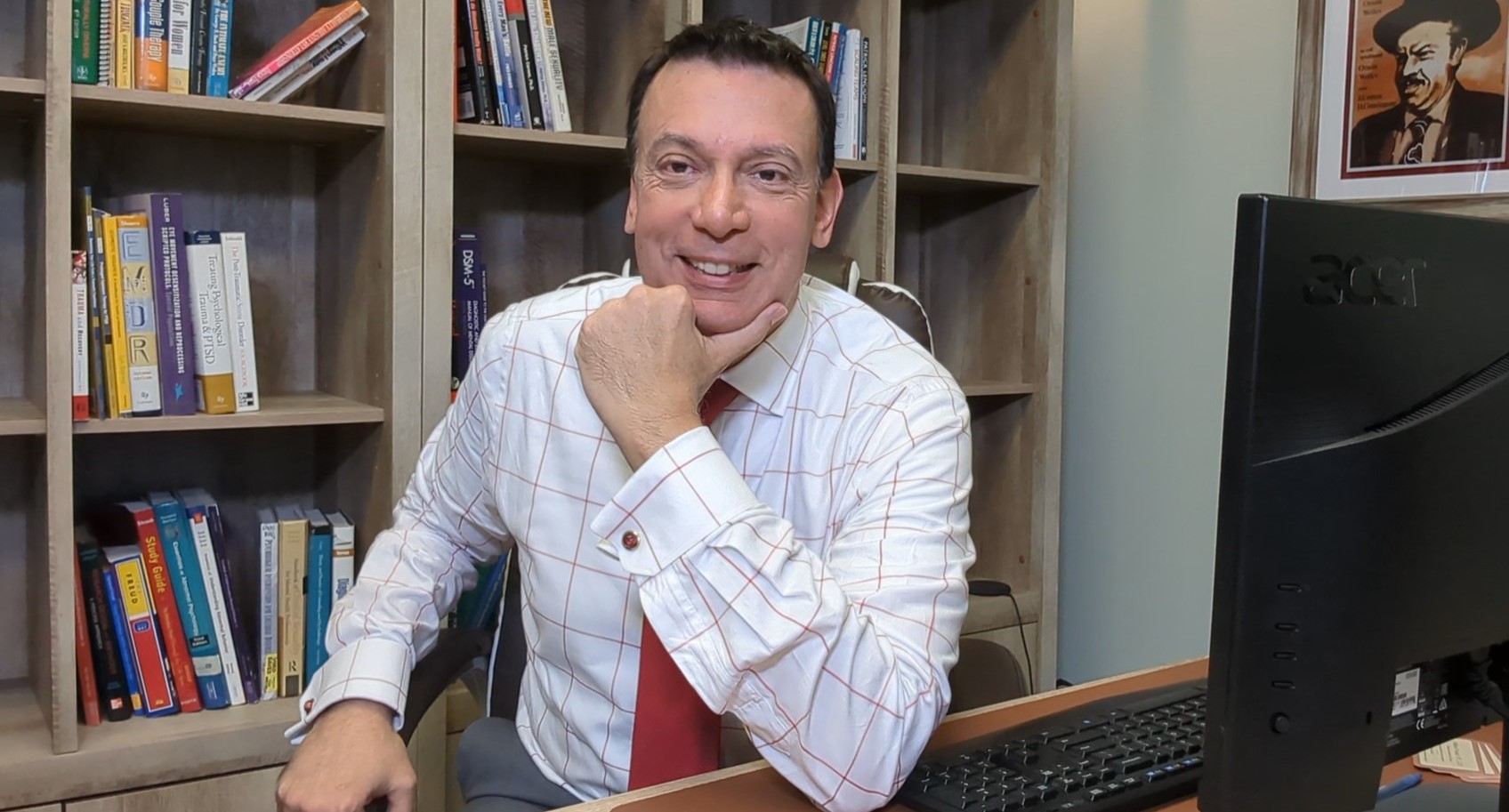
Today we’d like to introduce you to William Prasad.
Hi William, thanks for joining us today. We’d love for you to start by introducing yourself.
I didn’t leave television news because it disappointed me. Quite the opposite. After 20 years as a reporter and network correspondent, I had the kind of career younger versions of myself could only daydream about—covering the White House, chasing big stories, and even winning an Emmy. I’d reached the summit of that mountain, and the view was everything I’d hoped it would be. The problem was realizing that once you’re at the top, there’s no higher place to climb—only the question of whether you want to stay put and admire the scenery forever.
In my forties, I did what made some people tilt their heads and politely wonder if I’d lost my mind: I walked away. I decided to use my head a little differently—not to chase Presidents, but to understand people more deeply and help them change their lives. I went back to school, earned a Master’s Degree in Counseling Psychology, and became a licensed therapist in Texas and Virginia. Trading press passes for therapy notes was humbling, energizing, and occasionally terrifying. It turns out starting over builds empathy very quickly—especially when you’re older than most of your classmates and keenly aware that student loans hit harder the second time around.
I began my psychotherapy work in a solo practice in River Oaks, and today I’m in my second year of running a growing group practice, having hired several talented therapists along the way. My background still informs everything I do: I know how to listen closely, ask the right questions, and help people make sense of complex, emotional stories—including their own. I didn’t abandon my first career; I brought it with me as a psychotherapist, spin instructor, and certified rescue scuba diver.
Along the way, I was fortunate enough to find a woman who believes in me—sometimes more than I believe in myself.
She keeps me humble, calls me out when needed, and somehow manages to keep me laughing even when life gets heavy. Her smile has a way of cutting through the noise, offering light when things feel dark and direction feels lost.
She reminds me that strength doesn’t always come from pushing harder, but from being grounded and present.
Simply put, life is better, steadier, and far more joyful with her walking beside me.
While my path may not have been the most direct, it has been deeply intentional—proof that sometimes the smartest move is stepping away from success to build a life that feels even more meaningful.
We all face challenges, but looking back would you describe it as a relatively smooth road?
My path to becoming a reporter and eventually a psychotherapist, did not begin with a silver spoon or a neatly drawn map. It began with uncertainty—wondering where the next meal might come from—and with a single mother doing everything she could to keep the lights on, food on the table, and a smile on her young son’s face even when she was exhausted. When finances finally broke her, she made the hardest and bravest decision she could: she asked her parents to raise me. With their steadiness and their love, I grew into an ambitious yet sensitive man, someone who learned early to respect the struggles of others and the very different roads people take to survive and succeed.
College was not a straight line either. I had to step away between my sophomore and junior years to grow up, grow into being a man, and grow some financial footing. Most of my friends assumed I wouldn’t return. I did—but the lesson stuck: perseverance is rarely glamorous. Journalism, especially at the beginning, was no kinder. Young reporters move constantly, chasing opportunities from small town to bigger towns, just long enough to form friendships before packing up and leaving them in the rearview mirror. The moving wears on you. It also hardens you—in the useful sense. I loved TV news, but there were moments when I felt like a can of peas being shifted from shelf to shelf, useful, replaceable, and always on sale.
Money was tight in those early years. I remember working in television by day and picking up shifts at The Gap clothing store during the holidays to pay my bills. I’d be happy to tell you about breaking news while you break in those jeans! Still, I kept climbing—small markets to medium ones to big cities—collecting both painful setbacks and meaningful wins. In 2000, I was invited to spend the day with a network at one of their Washington, D.C. bureaus. It was going to be an easy day of observing and getting ready for my eventual day on the air. But, overnight, terrorists attacked a U.S. warship in the Middle East. Correspondents had been working through the night when the bureau chief turned to me and asked if I could be on the air in a few hours. I said yes. I’m fairly certain a little fear leaked out with that answer. What followed were roughly 30 live shots in rapid succession—a carousel spinning at a dizzying pace. Somehow, I found my footing and delivered what was probably the best performance of my career. They invited me back and I didn’t look back. I won’t forget that feeling.
The following year, I stood in front of the Pentagon not long after a plane had torn into the heart of America’s military. Before and after that day, I covered homicides, fires, natural disasters, mass shootings, the Oklahoma City bombing, and more human loss than anyone should grow accustomed to. I slept in news vans, watched cities rebuild themselves overnight around tragedy, and reported from places that had been deserted. When headlights were going north, a photographer and I were going south. Those memories remain etched into me—for better and worse. Worse for the images that never fade, and better for having borne witness and helped write the first draft of history. I don’t tell these stories for sympathy. I tell them because they shaped how I listen, how I sit with pain, and how I understand resilience—skills that now guide me as the owner of a group psychotherapy practice, helping others make sense of their own stories when life refuses to follow a clean script.
Thanks – so what else should our readers know about Prasad Counseling and Training?
Launching a small business is an exercise in optimism tempered by reality. Most don’t survive the first year, and the second year—where Prasad Counseling and Training now finds itself—offers no guarantees, only proof of resilience and intention. What has carried us forward is a clear belief: psychotherapy works best when it is personal, accessible, and grounded in genuine human connection. We are a deliberately small group practice, not because we lack ambition, but because we value knowing our clients well and serving them thoughtfully.
In a time when many practices have shifted exclusively to virtual care, we have chosen a different path. Prasad Counseling and Training offers a robust number of in-person appointments alongside virtual sessions, giving clients the flexibility to choose what truly works for them. We also recognize that when someone reaches out for help, waiting weeks—or indefinitely—can be a barrier. That is why we prioritize immediate access, offering appointments within 48 hours rather than placing people on long waiting lists. Practical matters matter too: we are paneled with BCBS, United Healthcare, Cigna, most Aetna policies, and Medicare—an uncommon combination that allows high-quality care to remain both accessible and seamless.
One of our most distinctive offerings is group psychotherapy, a service 90 percent of private practices do not provide. We consider it a hidden gem of effective treatment. Currently, we offer three groups and consistently find that clients who combine individual therapy with group work reach their goals more efficiently and complete their work sooner. For professionals who value time, depth, and results—physicians, attorneys, executives, and corporate leaders—this integrated approach aligns with the way you already approach growth and performance in other areas of your life. Our brand promise is simple and intentional: Find Hope, Embrace Change, and Discover Solutions. We are here for the River Oaks community, for those who carry significant responsibility and expectations. If you are ready to invest in your well-being with the same seriousness you bring to your career and family, we invite you to be here with us.
If we knew you growing up, how would we have described you?
I grew up in a Philadelphia suburb raised by two generations of strong women—my grandmother, my mother, and my aunts—who made sure I understood two things early on: hard work is not optional, and effort counts even when the outcome doesn’t go your way. Around our house, success wasn’t guaranteed. Eventually, I understood trying was mandatory. Failure wasn’t falling short; failure was sitting it out. That lesson stuck, even when I wasn’t sure yet who I was going to be.
Sports became my proving ground. I played high school football at a lean 135 pounds—soaking wet, with bricks in my pockets and a prayer in my helmet. I injured my knee, got concussed, and learned firsthand that pain is a teacher whether you ask for the lesson or not. I didn’t quit. I also played organized baseball and hockey, the latter as a goalie, a position perfectly designed for someone who already takes responsibility for everything. If a puck went in, I took it personally. If the defense collapsed, I apologized anyway. Pressure wasn’t something I faced; it was something I carried around like extra equipment.
Off the field, I was quiet and painfully shy. I lacked a strong voice and even stronger self-confidence, and I spent more time questioning myself than asserting myself. I didn’t arrive fully formed at adulthood—no sudden montage, no inspirational soundtrack. I evolved slowly, awkwardly, and with plenty of second-guessing.
I didn’t grow up alone in that struggle. I came of age alongside a small group of boys, each of us carrying our own quiet burdens. Most of us didn’t have fathers—or any steady father figures—to show us how to be men, how to fail without folding, or how to find our footing when things felt uncertain. So, without realizing it at the time, we became that for one another. We banded together out of necessity, not strategy—finding friendship, loyalty, and direction in the shared understanding that none of us had it fully figured out. We pushed forward, stumbled, and slowly found our paths. Decades later, those friendships remain intact and unshakable. The bonds we formed weren’t forged in ease or comfort, but in mutual survival—and they have proven to be unbreakable.
It wasn’t until my mid-twenties that I began to find my voice, my sense of agency, and a clearer understanding of who I was and what I stood for. Looking back, that delayed arrival wasn’t a weakness; it was preparation. Determination, it turns out, doesn’t always shout. Sometimes it shows up quietly, keeps going, and refuses to leave the game—even when it’s bruised, unsure, and still figuring things out.
Contact Info:
- Website: https://Prasadcounseling.com
- Instagram: Prasadcounseling
- Facebook: P:rasad Counseling and Training
- LinkedIn: Bill Prasad
- Twitter: BillPrasadLPC
- Youtube: Prasad Counseling and Training
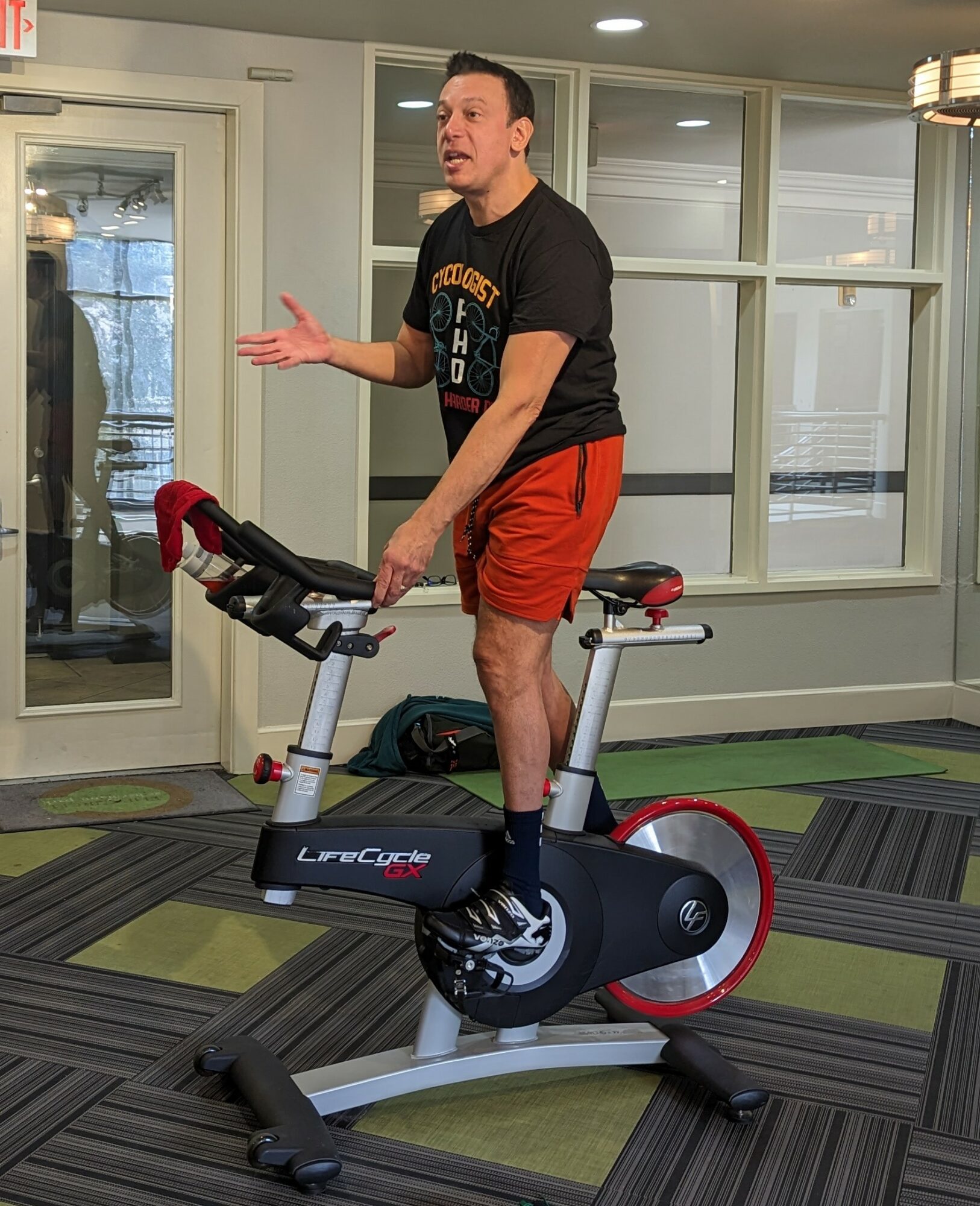

Image Credits
No credits necessary